





Details
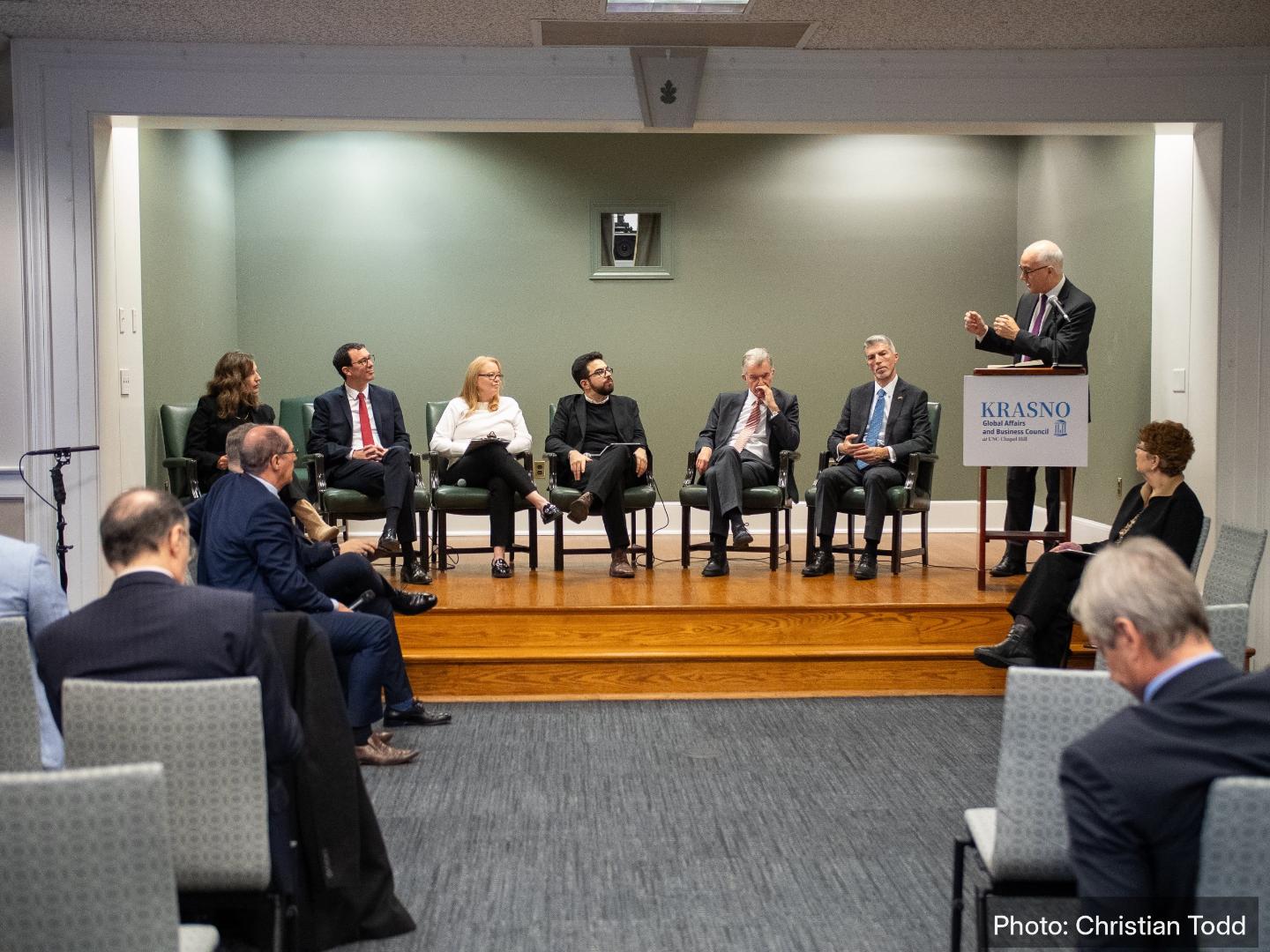
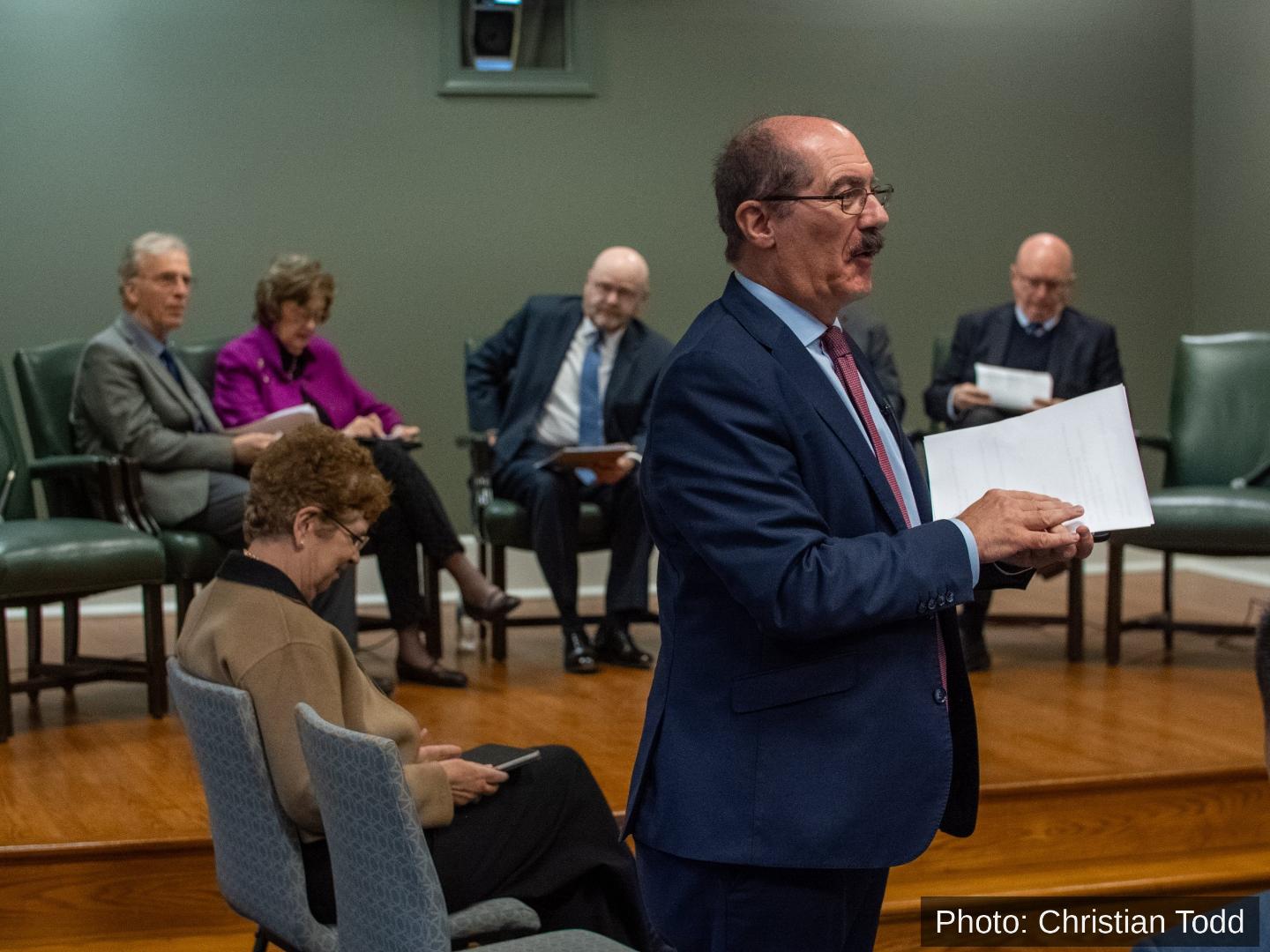
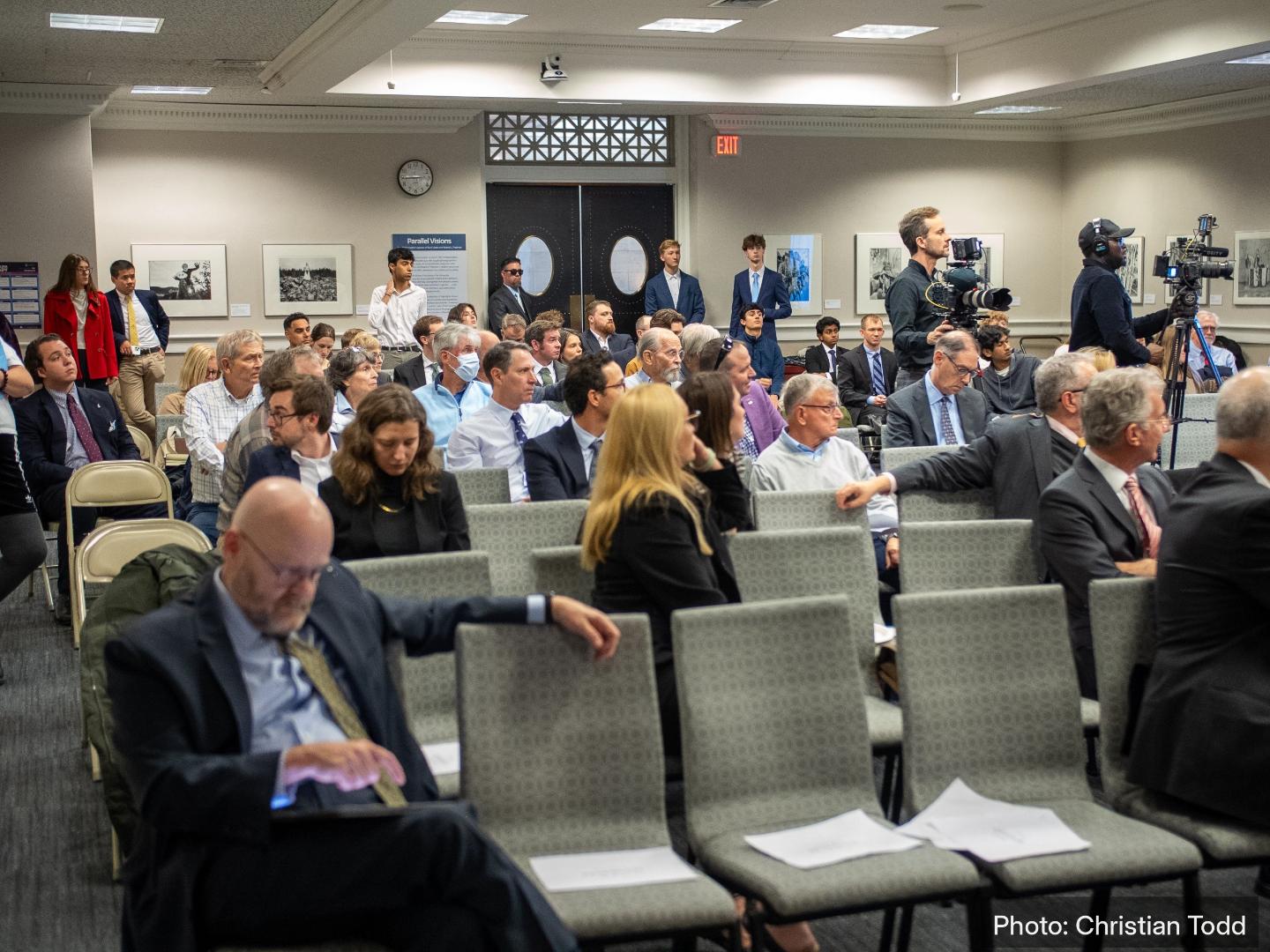
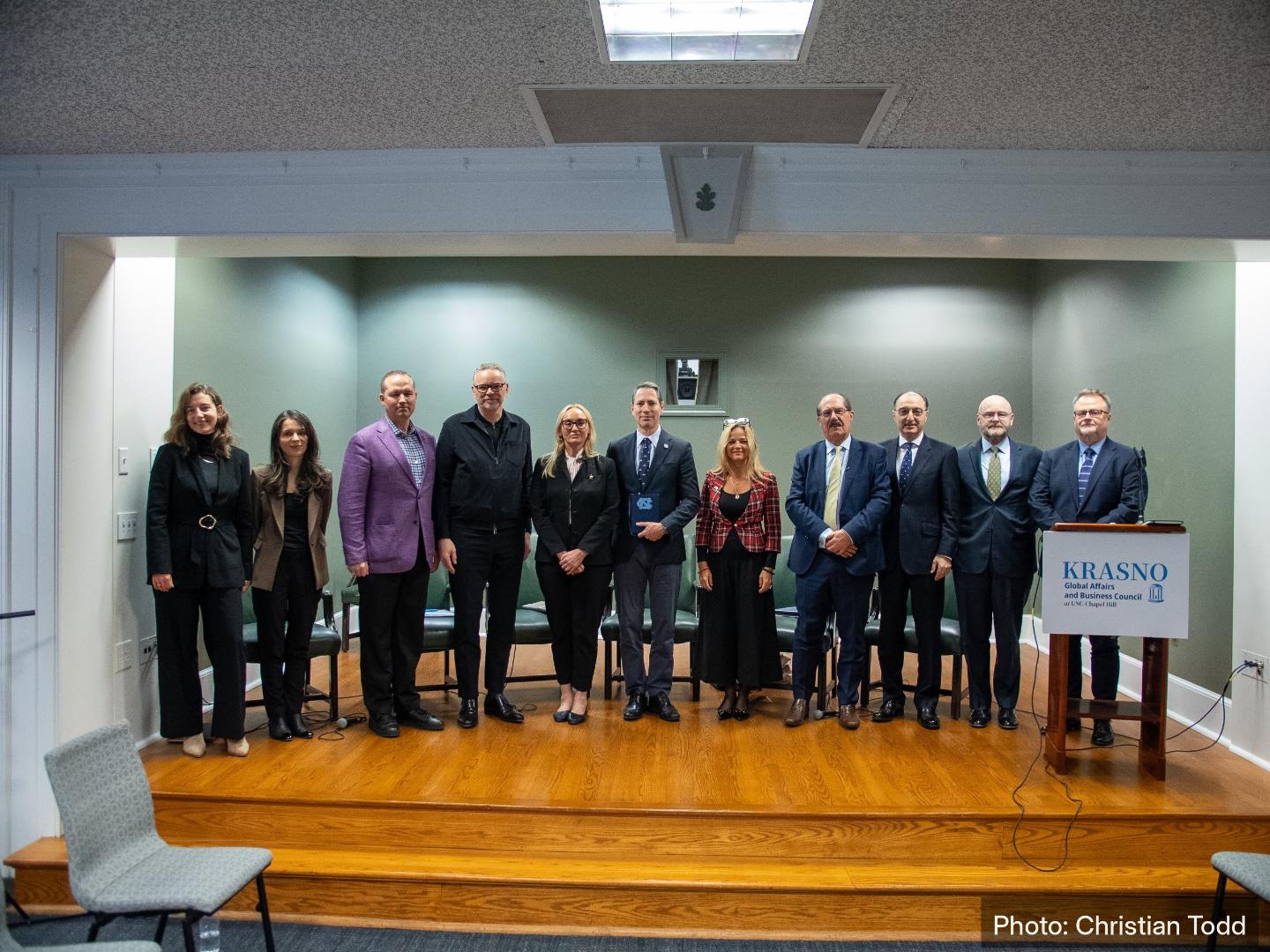
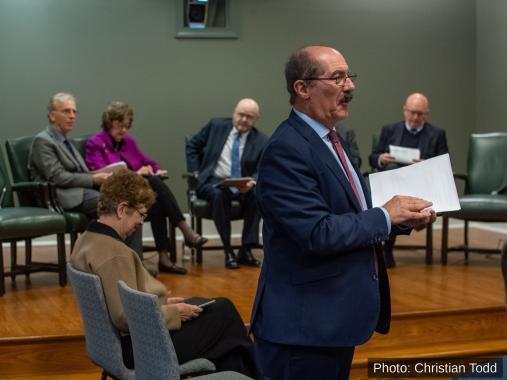
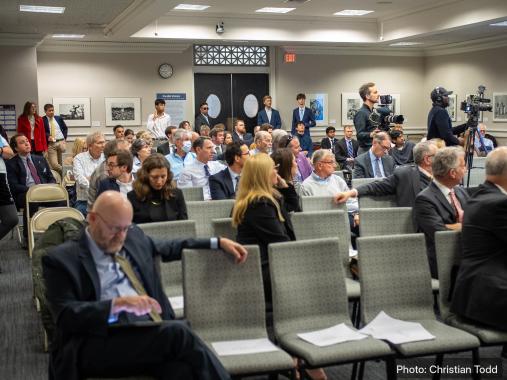
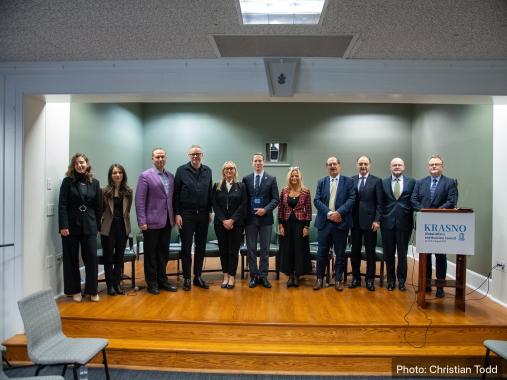
From November 15-17, Konrad-Adenauer-Stiftung USA supported the Second Krasno Global Policy Forum at UNC–Chapel Hill, featuring Ambassador Dr. Christoph Heusgen, former foreign and security policy adviser to Chancellor Angela Merkel, former German Permanent Representative to the United Nations, and former Chairman of the Munich Security Conference.
Under the theme “Decline or Renewal?”, the forum brought together diplomats, senior military leaders, policymakers, and scholars to examine the future of transatlantic relations and the evolving international security landscape.
The program featured keynote addresses by Ambassador Stuart Eizenstat on the Western alliance in times of crisis, General C.Q. Brown on the rapidly changing character of modern warfare, and Ambassador Heusgen on relations with Putin’s Russia, the decisions leading up to the war in Ukraine, and possible pathways toward ending the conflict. Ambassador Philip Reeker, former Acting Assistant Secretary of State, contributed to discussions on transatlantic cooperation and differing strategic perspectives during wartime.
Across seven roundtable sessions, participants explored the future of NATO, the impact of U.S. domestic political developments on transatlantic cooperation, strategic competition with China, the evolving Russia-China partnership, the growing influence of middle powers, and developments in the Middle East.
Particularly insightful were discussions on the absence of a coherent transatlantic strategy toward China, the increasingly interconnected strategic calculations of Washington, Beijing, and Moscow, and the ways in which changing political identities on both sides of the Atlantic are reshaping long-standing foreign policy priorities.
Ambassador Heusgen offered a compelling perspective, drawing on his years advising Chancellor Merkel and sharing behind-the-scenes insights from high-level diplomacy. His reflections provided practical lessons on managing alliances, navigating complex relationships with adversaries, and exercising leadership in times of geopolitical uncertainty.
For Konrad-Adenauer-Stiftung USA, the forum served as an important platform for bringing together diplomatic experience and forward-looking analysis, helping to inform and inspire the next generation of transatlantic policymakers.
We extend our sincere thanks to Professor Klaus Larres and the UNC–Chapel Hill team for organizing the forum and facilitating two days of substantive exchange across generations, institutions, and national perspectives.