





Details
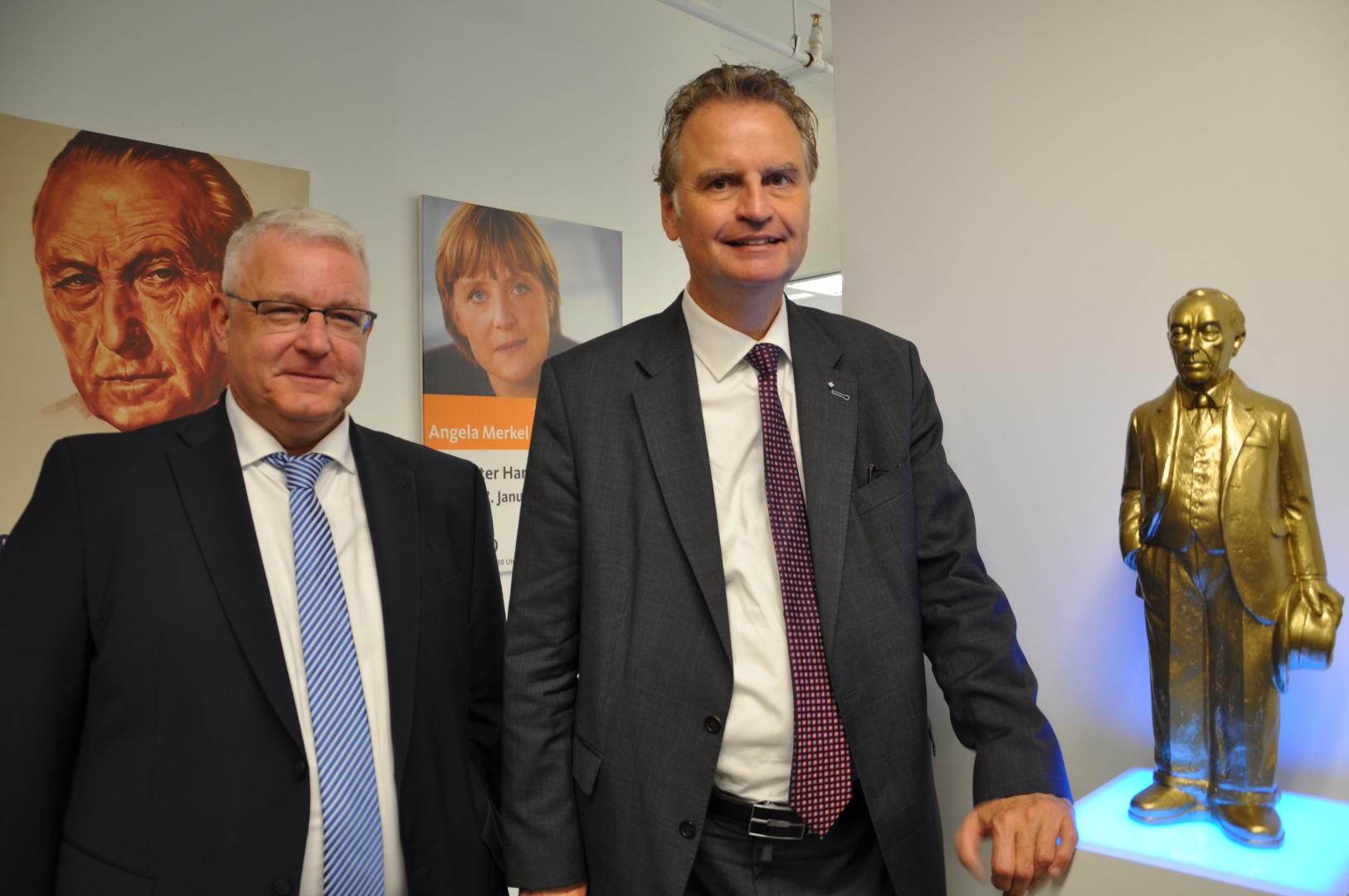

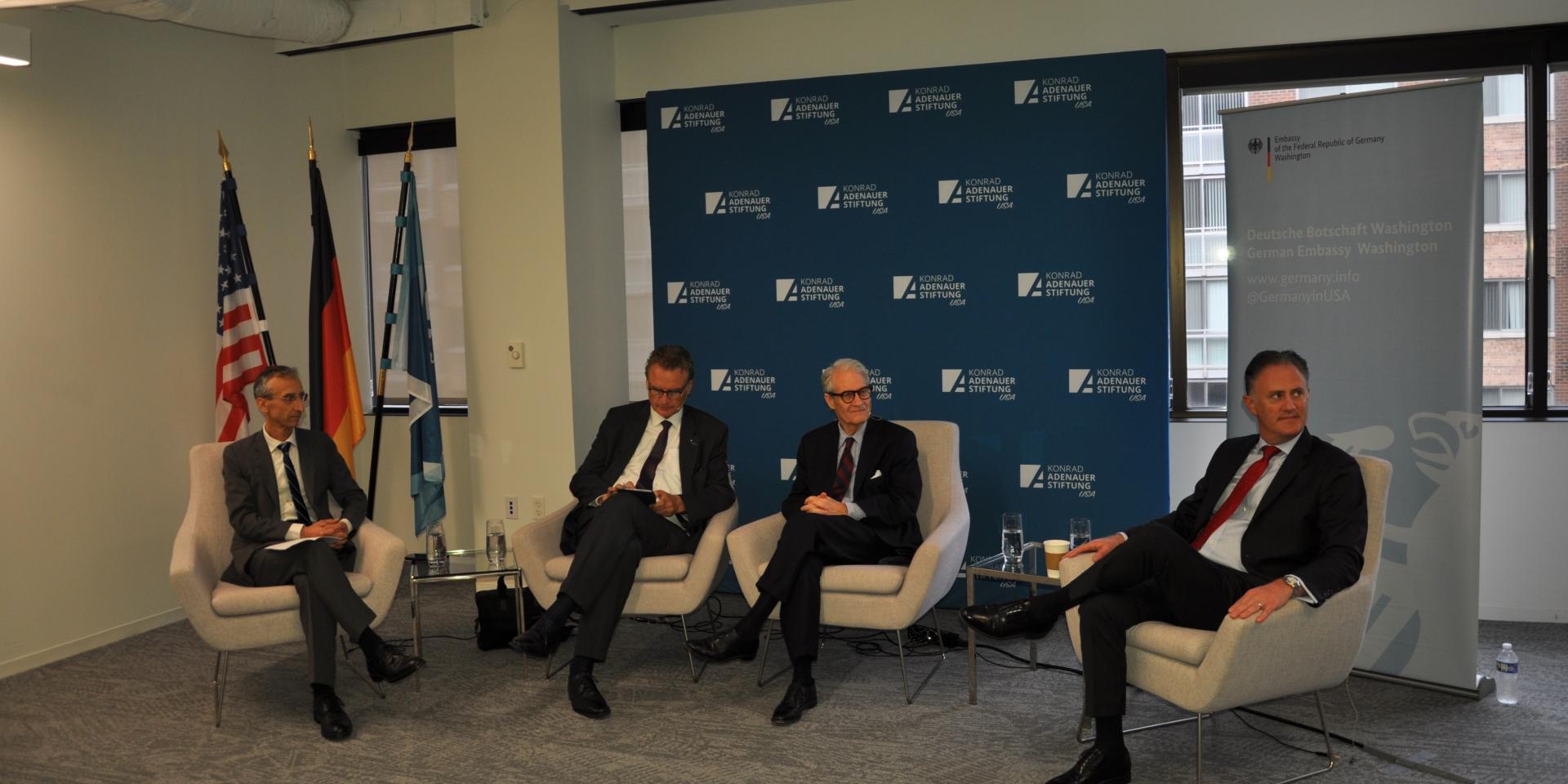

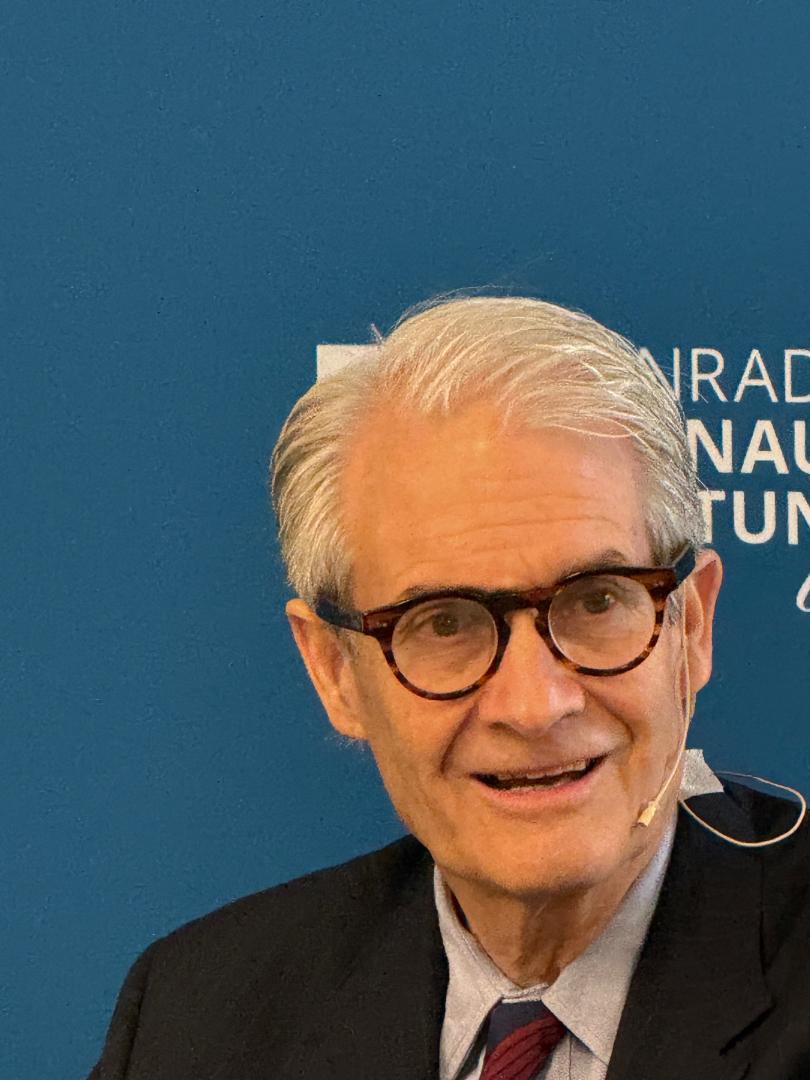


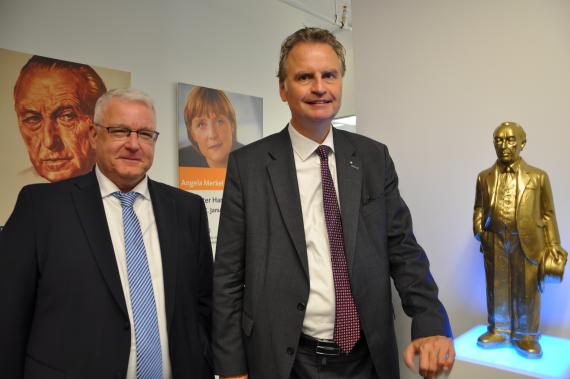
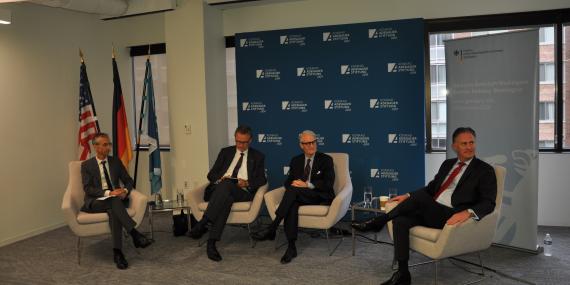

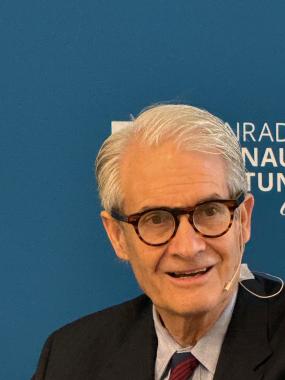


A key focus of the discussion was the separation of powers and the role it plays in safeguarding democracy. In the United States, power is divided both horizontally, among Congress, the president, and the courts, and vertically, between the federal government and the states. This structure is intended to prevent the concentration of power and guard against its misuse. The panel also examined how Congress frequently delegates broad authority to government agencies. While this may streamline decision-making, it can also blur political responsibility and make it more difficult for voters to determine who should be held accountable.
This led to one of the panel’s central messages. As Judge Griffith put it: “The process is as important as the result when creating a law or a policy.” Constitutional procedures are not merely formal requirements that can be set aside when a particular outcome appears desirable. They ensure that decisions are properly debated, responsibilities remain clear, and political power is subject to checks and balances. In this sense, the process by which a policy is developed is itself central to its democratic legitimacy.
The panel also highlighted several differences between the German and American systems. In Germany, the Bundestag is the only federal constitutional body elected directly by the people. Government ministries often prepare draft legislation because laws tend to be highly detailed and require significant technical expertise. At the same time, parliament must decide the essential political questions. The discussion therefore highlighted the challenge of balancing the executive branch’s technical expertise with effective parliamentary oversight.
Another topic was the role of political parties. Party politics can increase polarization and at times weaken cooperation among institutions. At the same time, parties are indispensable for organizing the many different interests and viewpoints represented in parliament, both in Germany and in the United States. The panel noted that any vision of a political system without parties is unrealistic. The more relevant question is how parties can remain democratic and how elected representatives can continue to place their constitutional responsibilities above narrow partisan interests. As Prof. Krings observed: “Democracies cannot be safeguarded by an institution.”
The discussion then turned to Germany’s place within the European legal order. Germany has long been accustomed to the distribution of authority across multiple levels of government. The European Union adds another layer, as EU law takes precedence over national law in areas where member states have transferred authority to the Union. At the same time, the EU’s powers are not unlimited. This can give rise to complex questions concerning the relationship between national constitutions, EU institutions, and European courts, particularly when judicial decisions have far-reaching political implications.
Similar concerns arise in relation to international organizations. International cooperation is essential for addressing cross-border challenges, but it can also make accountability less direct. When authority is shared among multiple countries or institutions, accountability can become less transparent, making it more difficult for voters to identify responsibility when policies fall short. For transatlantic cooperation, the challenge is therefore to combine effective joint action with clear lines of responsibility and democratic legitimacy.
The discussion demonstrated that Germany and the United States organize political power in different ways, yet face many of the same challenges. Executive authority, political polarization, judicial review, and international cooperation all raise fundamental questions: Who has the authority to decide? Which procedures must be followed? And who remains accountable to citizens?
At the conclusion of the discussion, Søren Kierkegaard’s well-known observation offered a fitting perspective: “Life can only be understood backwards, but it must be lived forwards.” The quote is a shortened version of a passage from his 1843 journals. Constitutional systems can learn from past experience, but they must also adapt to new challenges. Continued dialogue can help Germany and the United States meet both objectives. At the same time, it strengthens a transatlantic partnership founded not only on shared interests, but also on democracy, the rule of law, and accountable government.