







Details
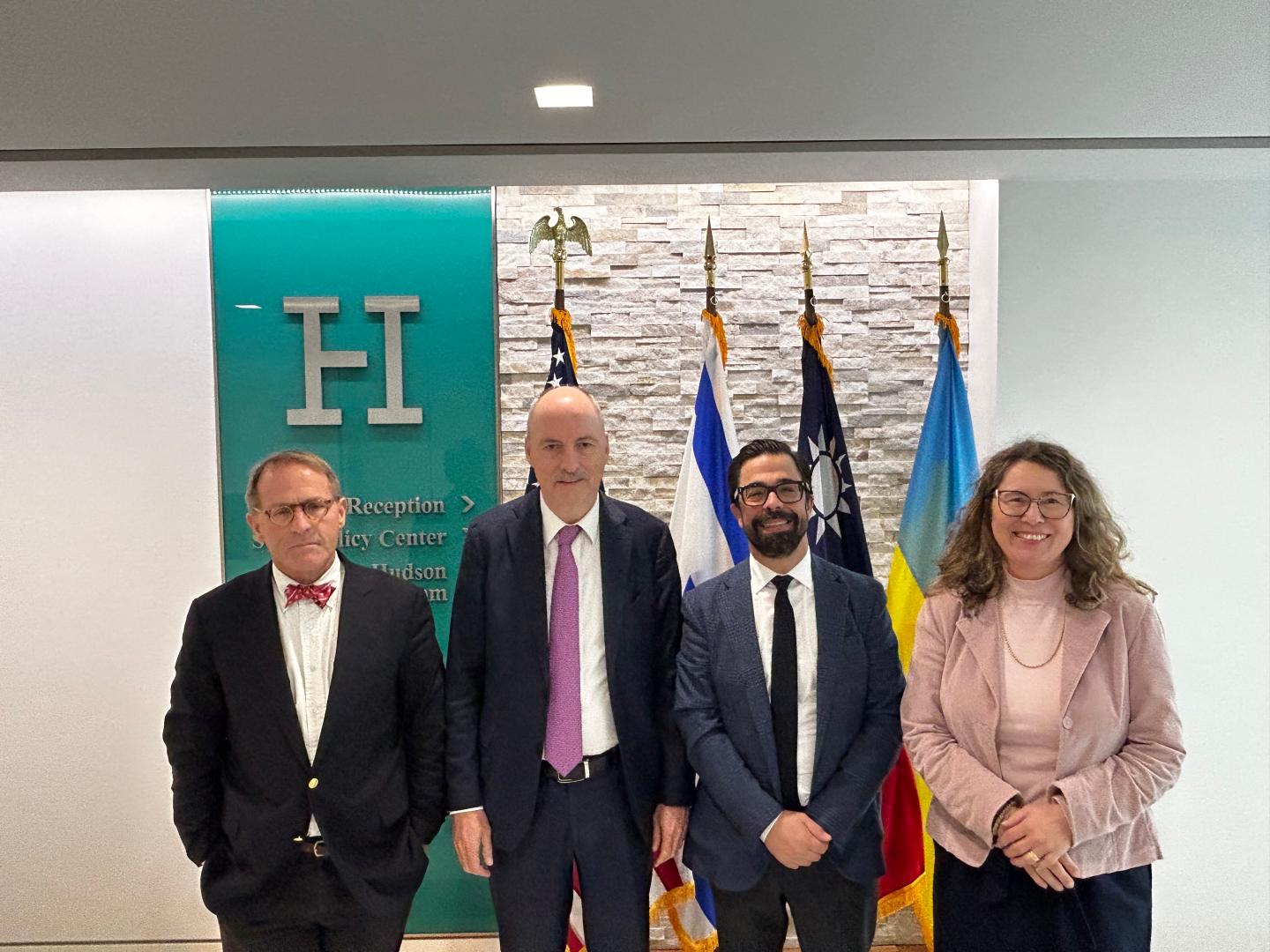
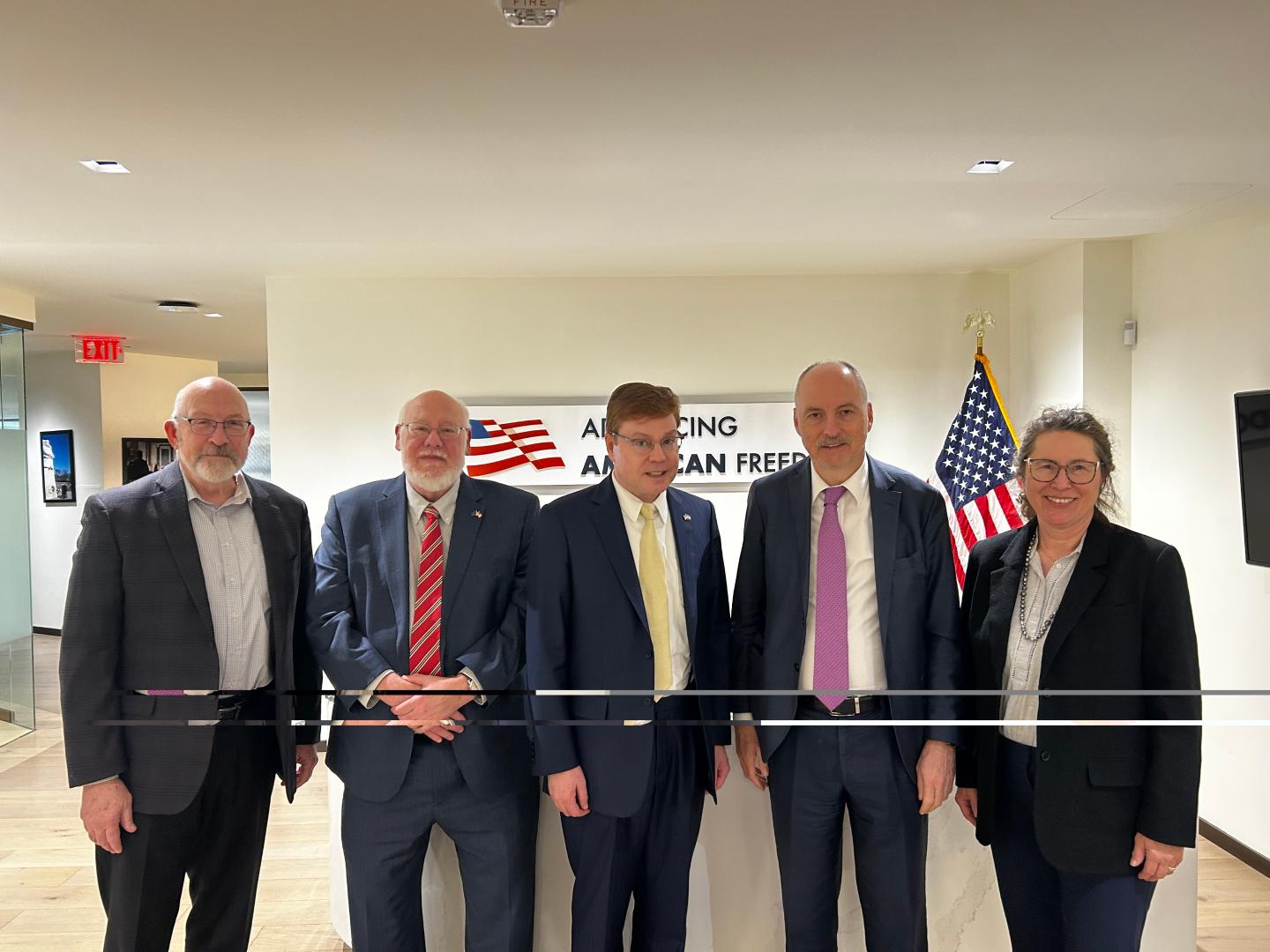
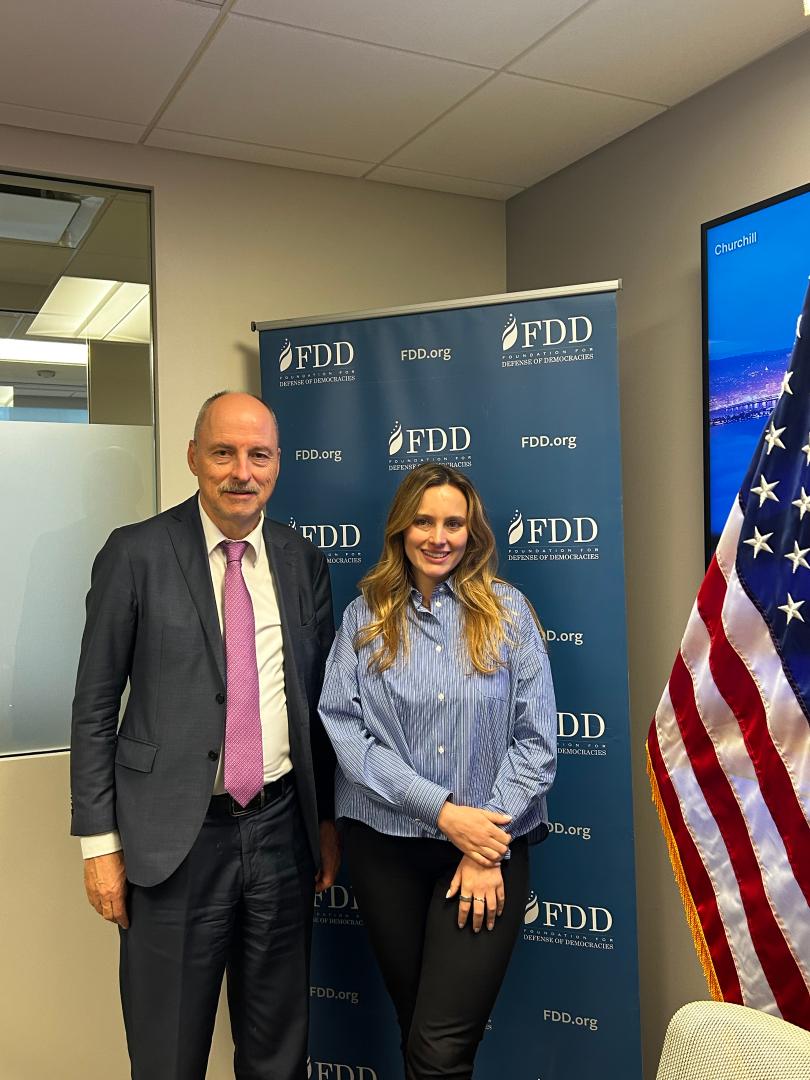
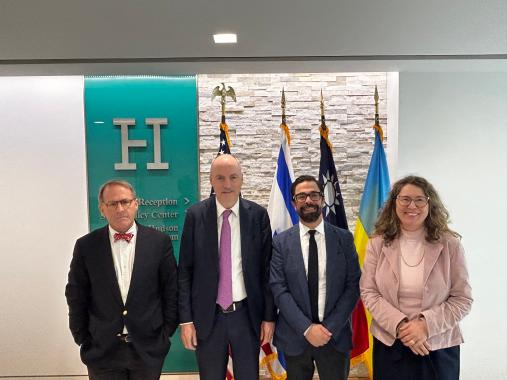
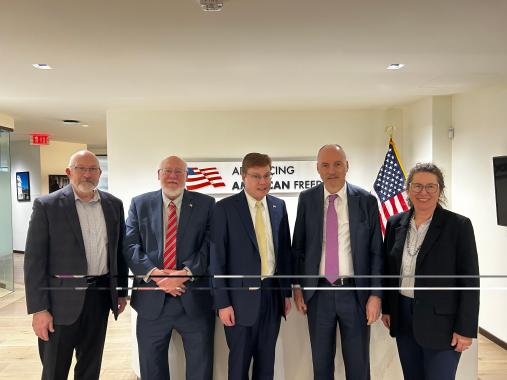
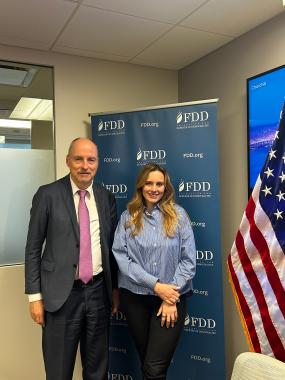
A German tradition shared with American friends provided the setting for a broader discussion about the ties that connect Europe and the United States during Klaus Welle’s visit to Washington, D.C., from November 18-21, 2026. Organized by the KAS USA office, the program combined meetings with representatives from government, diplomacy, think tanks, and the media with KAS USA’s annual “What Holds Us Together?” Gänseessen at Decatur House. Welle, Chairman of the Martens Centre’s Academic Council and former Secretary General of the European Parliament, delivered the evening’s keynote address.
The Gänseessen brought a cherished German seasonal tradition to Washington, inviting American and international friends of KAS to enjoy not only a festive roast goose dinner but also the story and values associated with St. Martin’s Day. The account of St. Martin sharing his cloak with a person in need placed generosity, compassion, and responsibility for others at the center of the evening. In this spirit, the gathering combined cultural exchange with the relationships that underpin KAS USA’s transatlantic work.
In his welcoming remarks, KAS USA Resident Representative Dr. Hardy Ostry connected this tradition to the practical demands of international cooperation. Sharing, he explained, extends beyond a meal to include time, resources, attention, and responsibility for common challenges. Bringing a European tradition to Washington was therefore an invitation to foster connections across different backgrounds and perspectives. While goodwill alone cannot replace institutions or resolve difficult political questions, his message emphasized that durable partnerships also depend on trust, attentive listening, and a willingness to remain engaged despite disagreements.
Welle’s keynote address, “What Keeps Us Together: Challenges Facing Multilateralism,” brought the evening’s focus on shared responsibility into the realm of international politics. Drawing on themes that recurred throughout his visit, he outlined six pillars of a stronger European security architecture: the transatlantic relationship, a more Europeanized NATO, enhanced national defense capabilities, Ukraine’s contribution, the institutions and resources of the European Union, and a shared political vision capable of establishing Europe as a credible geopolitical actor.
He argued that Europe must prepare for a gradual decline in U.S. strategic attention to the continent and assume greater responsibility within NATO. Welle emphasized the importance of stronger military capabilities and political commitment among European states, deeper cooperation through the European Union, and recognition of Ukraine’s battlefield experience and expanding defense industry. Bringing these elements together, he called for the political determination and strategic vision necessary to transform Europe’s resources into a more coherent capacity to act.
Beyond the Gänseessen, the question of how Europe and the United States can sustain their partnership ran throughout Welle’s program in Washington. Conversations with German journalists and with Martin Thümmel at the German Embassy provided perspectives on the evolving political landscape. Against this backdrop, discussions with Robert Benson of the Center for American Progress, as well as Marc Wheat and Andrew Hale of Advancing American Freedom, explored varying approaches to U.S. foreign policy, ranging from Democratic priorities to conservative arguments for maintaining alliances beyond questions of burden-sharing.
These broader strategic debates were complemented by a practical question: What does a stronger European contribution to collective security require? At the Hudson Institute, a briefing organized by Matthew Boyse examined European security guarantees for Ukraine and the role of the United States in reinforcing their credibility. Practical aspects of defense cooperation were also addressed during an exchange at the U.S. Department of State, where participants discussed export licensing procedures for jointly produced air defense systems in Europe. Together, these conversations linked the broader debate about European responsibility with the policy mechanisms needed to implement it.
The future of the partnership, however, extends beyond defense matters. Discussions with EU Ambassador Jovita Neliupšienė and Peter Rashish of the American-German Institute focused on economic security, geoeconomics, and the prospects for EU-U.S. cooperation. Conversations with Dr. Ivana Stradner of the Foundation for Defense of Democracies examined the challenge of countering Russian information operations, while an exchange with Jackson Janes of the German Marshall Fund looked ahead to priorities for transatlantic policy work in 2027, carrying the program’s central themes into the coming year.
Throughout the visit, the question “What holds us together?” took on both a strategic and a personal dimension: how Europe and the United States can organize cooperation in an increasingly complex world, and how partners sustain the trust and commitment that make such cooperation possible. The Gänseessen brought these dimensions together by transforming a shared German tradition into an opportunity for dialogue, reflection, and connection with American friends and partners.