








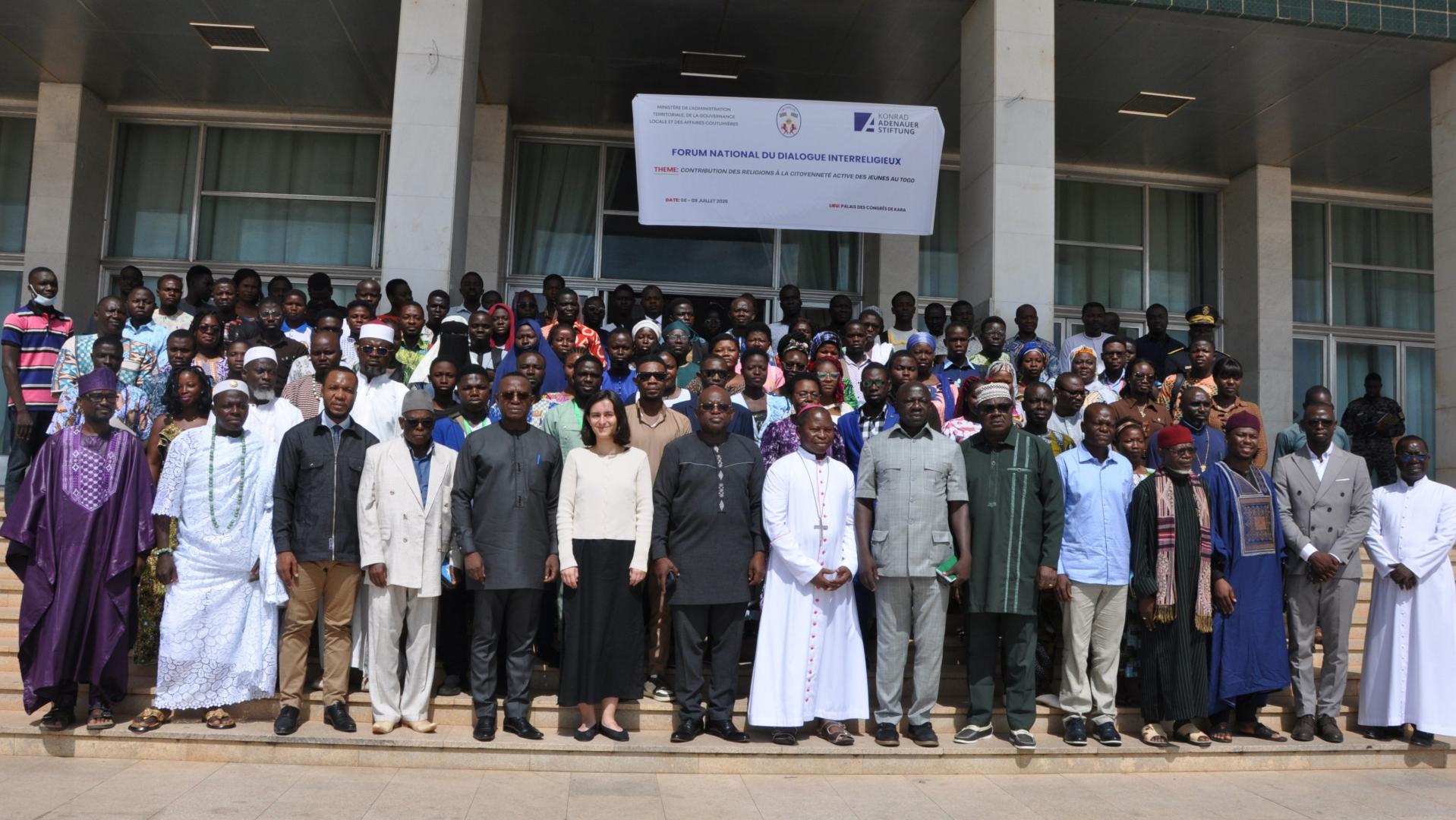
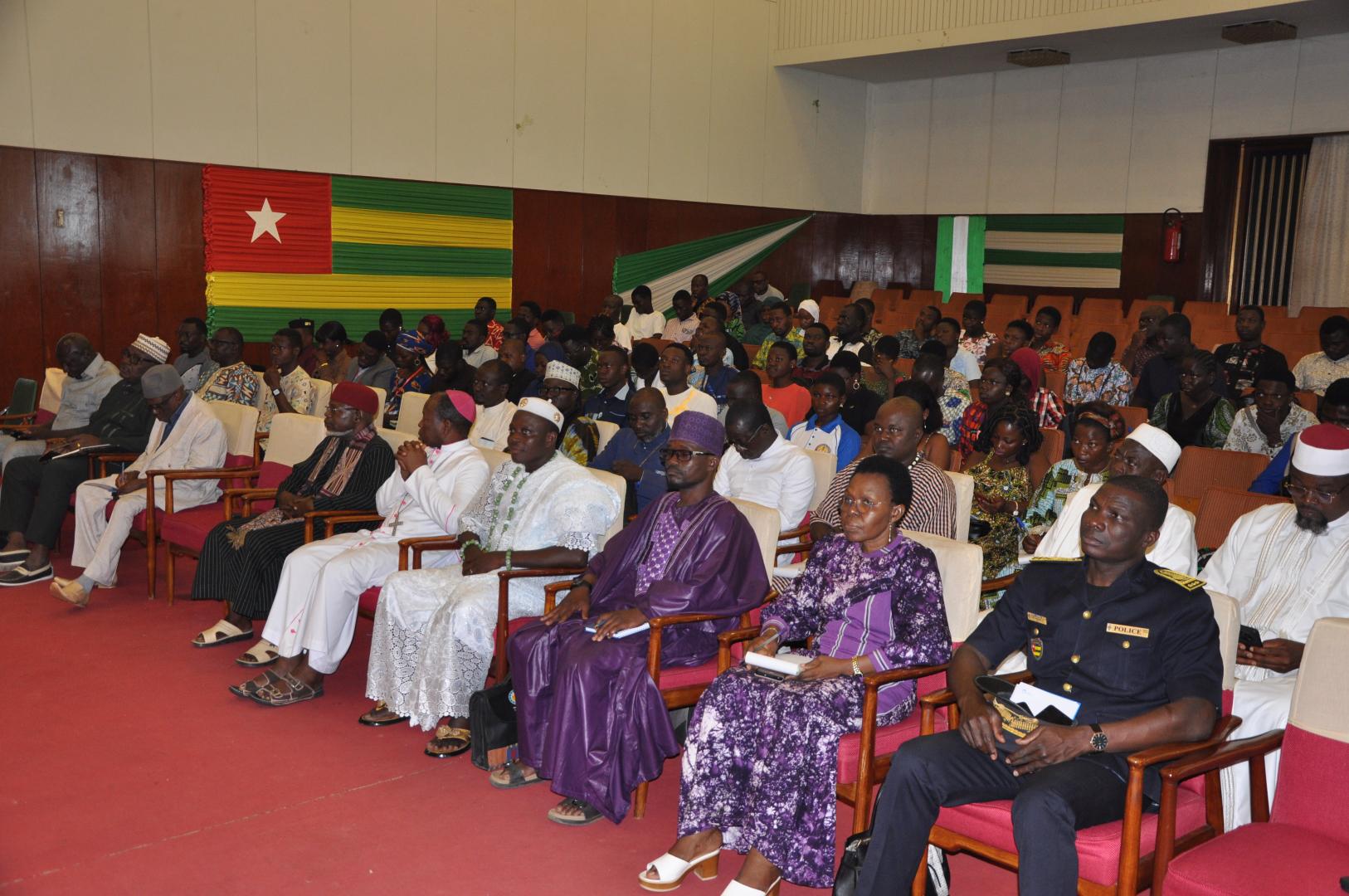
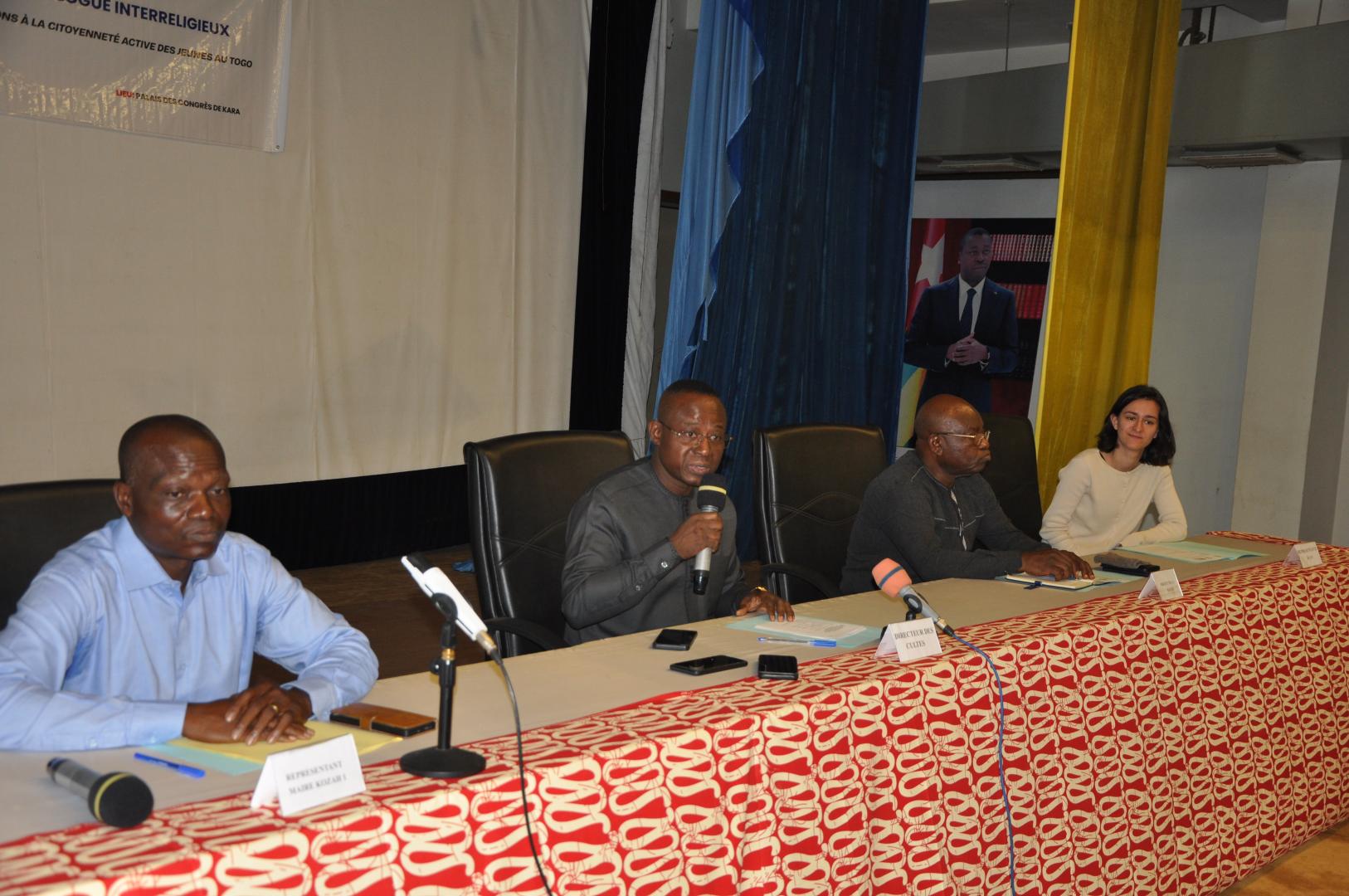
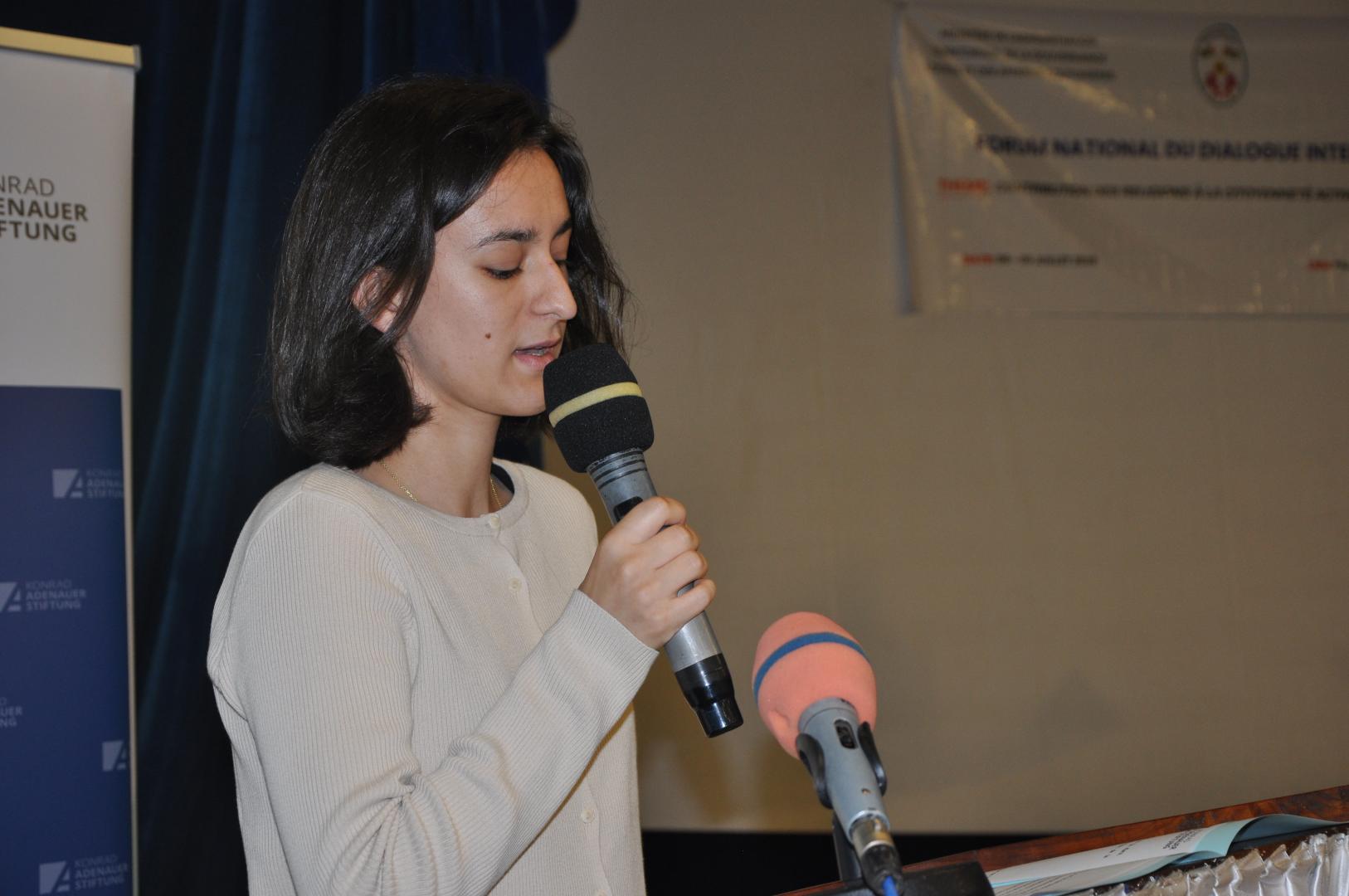
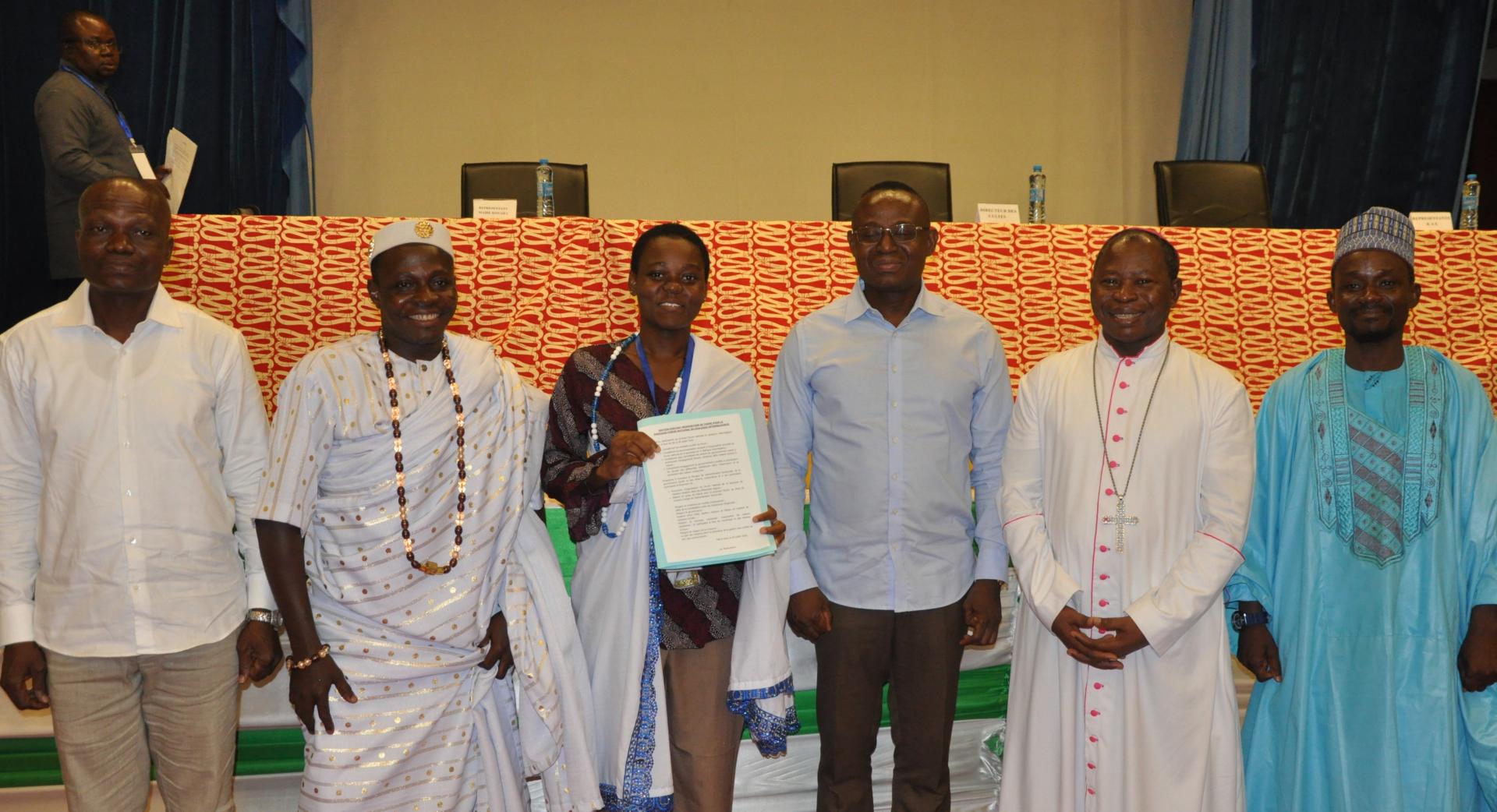
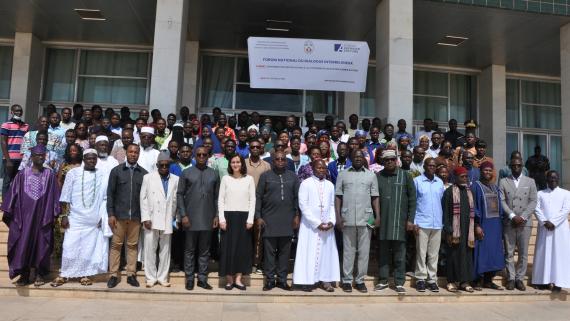
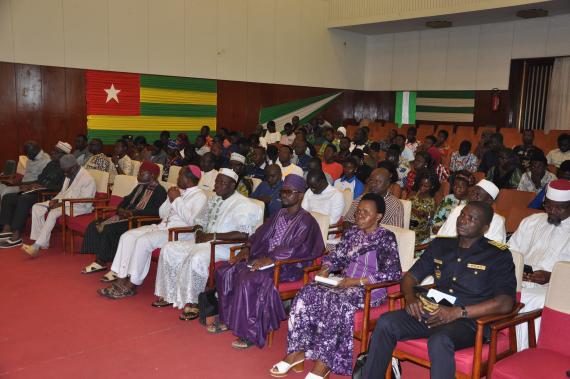
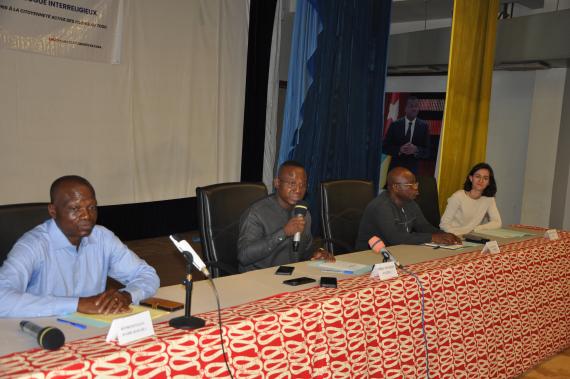
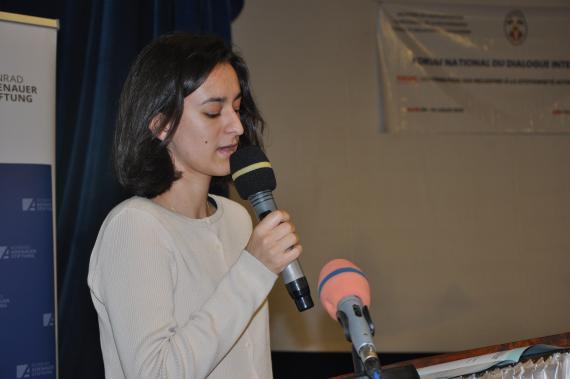
On 8 and 9 July 2026, the 4th National Forum on Interreligious Dialogue was held at the Kara Congress Hall. The event was jointly organised by the Ministry of Territorial Administration, Local Governance and Traditional Affairs and the Konrad-Adenauer-Stiftung (KAS). Under the theme “The Contribution of Religions to the Active Citizenship of Young People in Togo,” the forum provided a platform for exchange among religious leaders, academics, government representatives and civil society actors on issues related to civic responsibility, social peace and youth participation in public life.
In a context marked by challenges to social cohesion, peaceful coexistence and citizen participation, discussions highlighted the central role that religious communities can play in promoting values such as responsibility, solidarity, tolerance and respect for public institutions. Participants also underscored the importance of youth engagement in building a more inclusive, peaceful and development-oriented society.
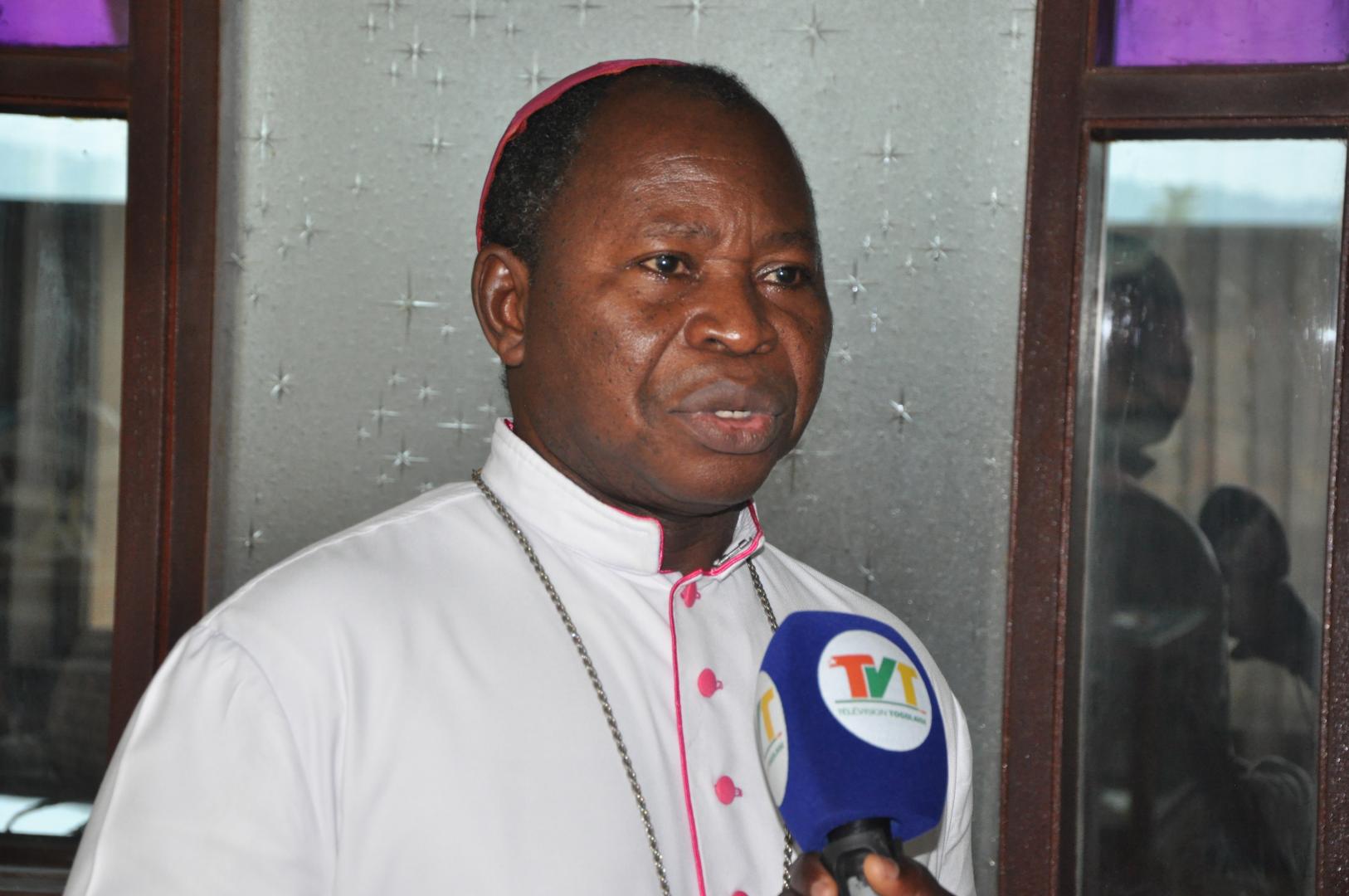
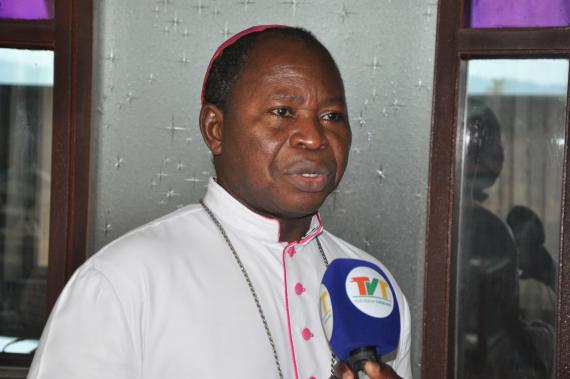
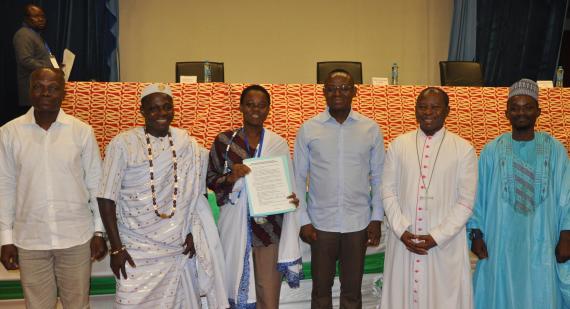
The first day featured a series of introductory presentations delivered by Prof. Padabo Kélem Tata, lecturer and researcher at the University of Kara; Monsignor Danka Jacques Longa, Bishop of the Diocese of Kara; Imam Mohamed Awali Hiddo, representative of the Muslim Union of Togo; and Mr. Kossi Rémi Apelete, representative of indigenous religious traditions. Drawing on their respective religious traditions and academic expertise, the speakers analysed the mechanisms through which religions contribute to civic education, peacebuilding and community engagement among young people. The discussions continued in thematic working groups focusing on three key issues: religion and civic engagement, religion and climate change, and religion and social cohesion. These workshops enabled participants to share experiences, identify common challenges faced by religious communities and formulate recommendations aimed at strengthening cooperation between religious leaders, public authorities and civil society organisations.
The second day was devoted to further workshop discussions, the presentation of findings in plenary sessions and the adoption of the forum’s final report and recommendations. Participants stressed the need to promote civic values among young people, strengthen interreligious initiatives that foster peaceful coexistence and develop concrete partnerships between religious organisations and public institutions to support community development and social peace.
Through its support for this initiative, KAS contributes to strengthening spaces for dialogue among religious actors, public institutions and civil society. By encouraging exchanges on the values of citizenship, tolerance and responsibility, the forum helps promote social cohesion and a lasting culture of peace in Togo.