








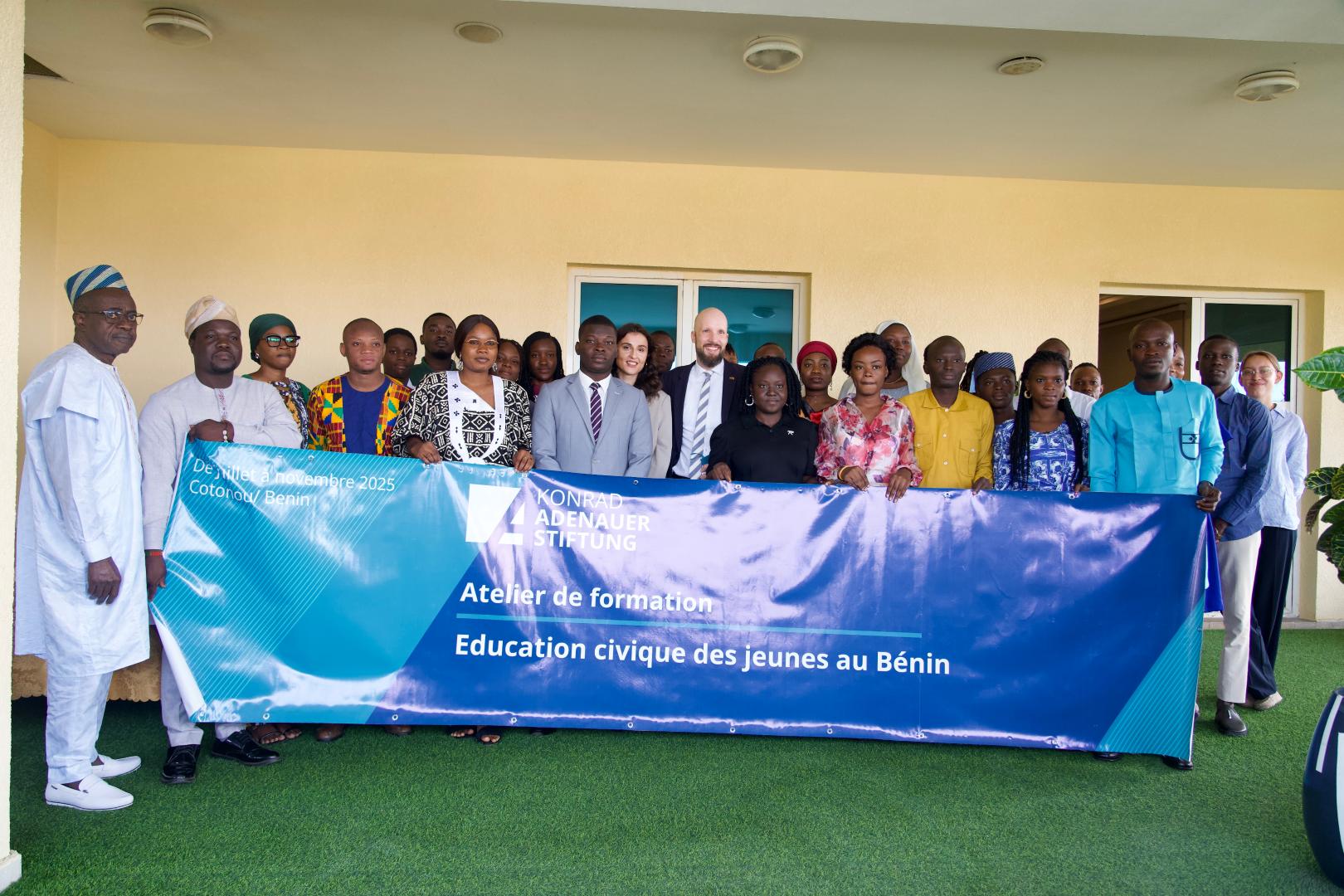
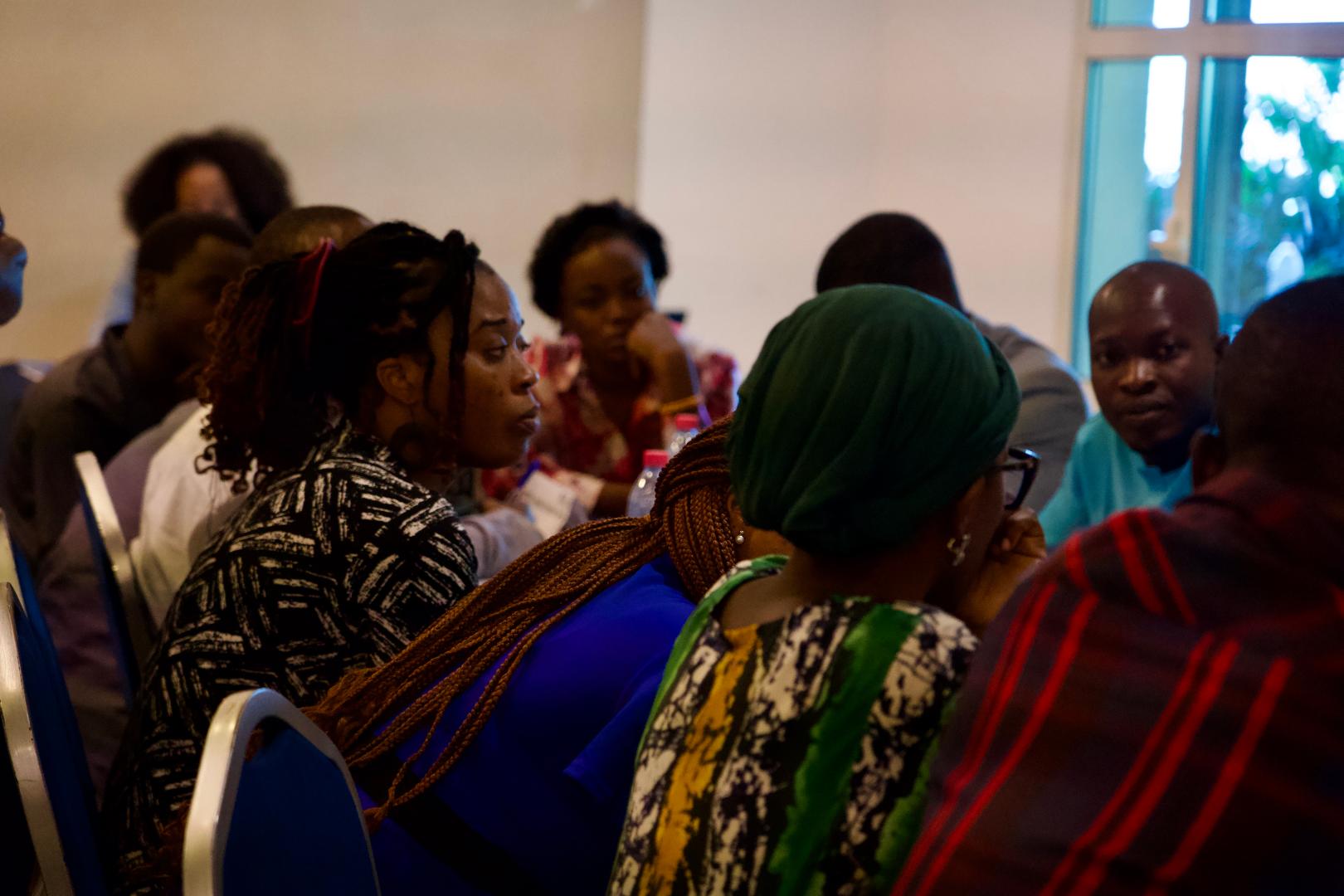
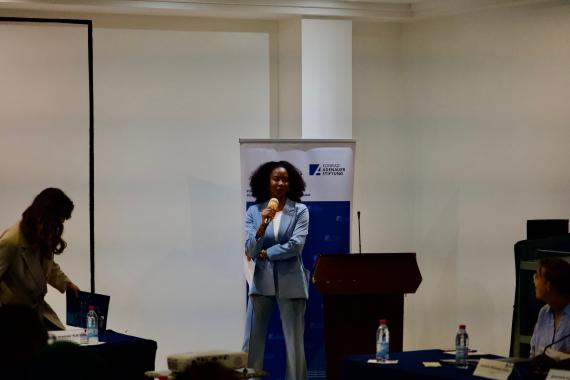
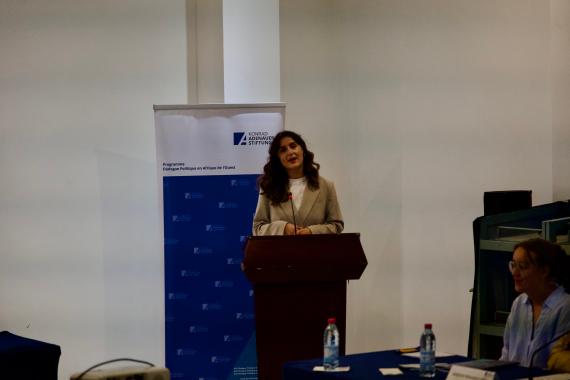
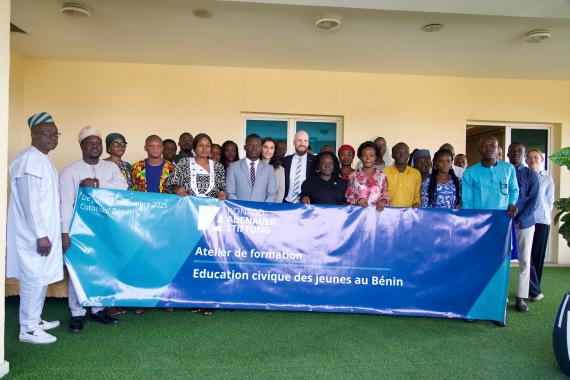
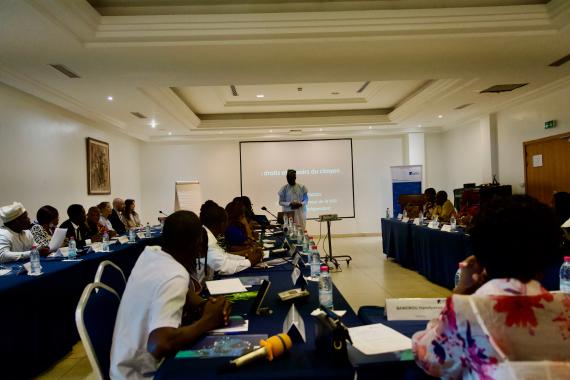
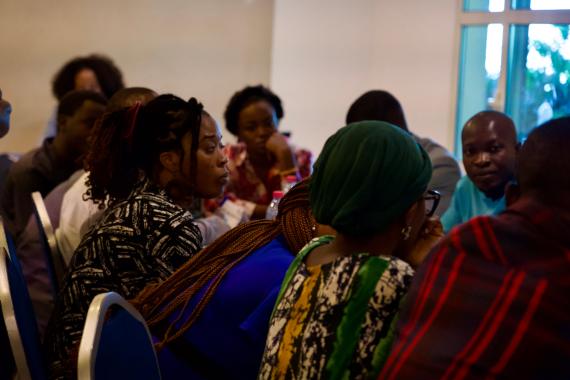
From July 14 to 16, 2025, a regional workshop was held at the Azalaï Hotel in Cotonou, bringing together 30 Beninese participants from different parts of the country. This meeting was part of a citizen capacity-building program, with the main objective of equipping participants with knowledge about citizens' rights and duties, ethical leadership, accountability, citizen participation, and the development of inclusive public policies.
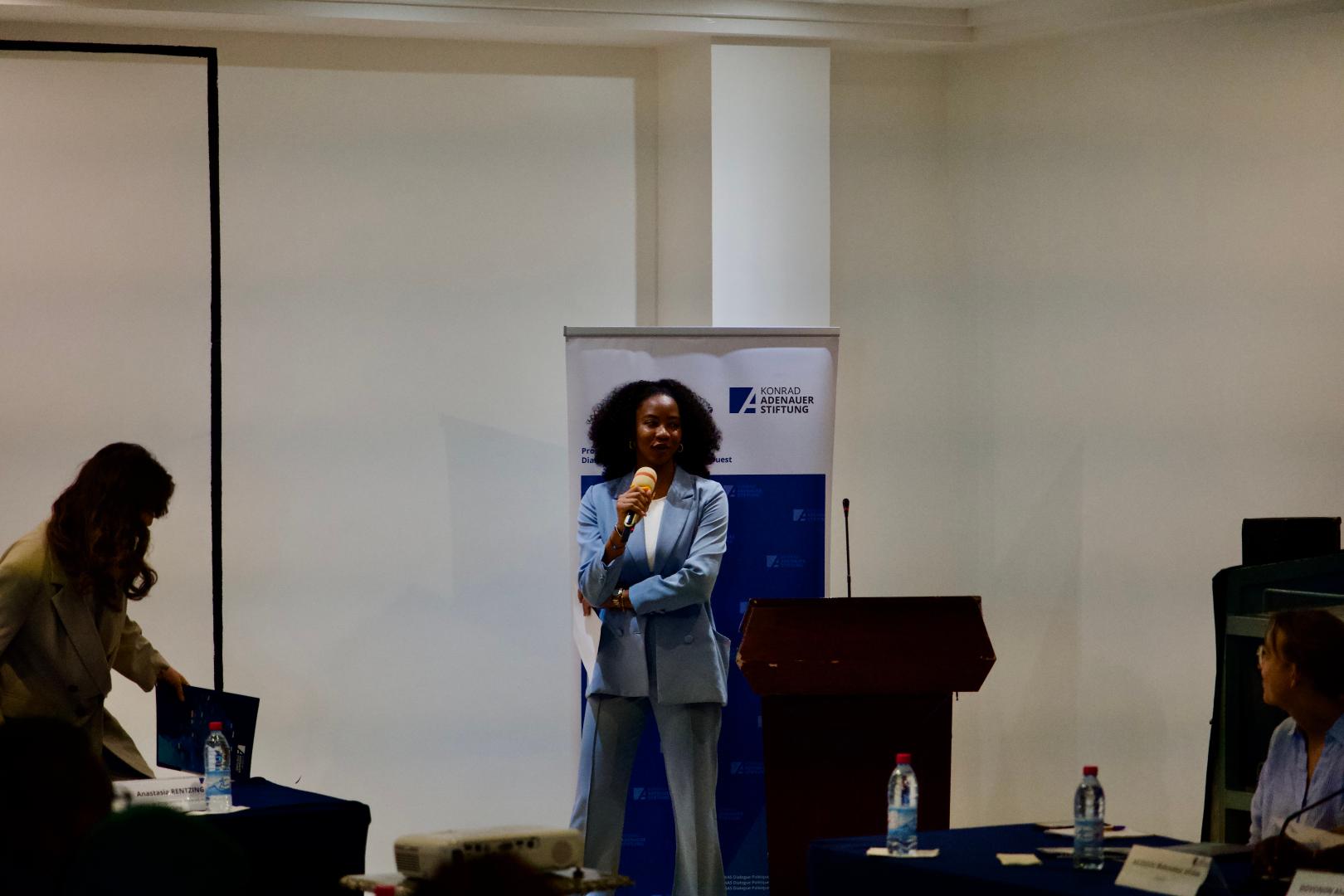
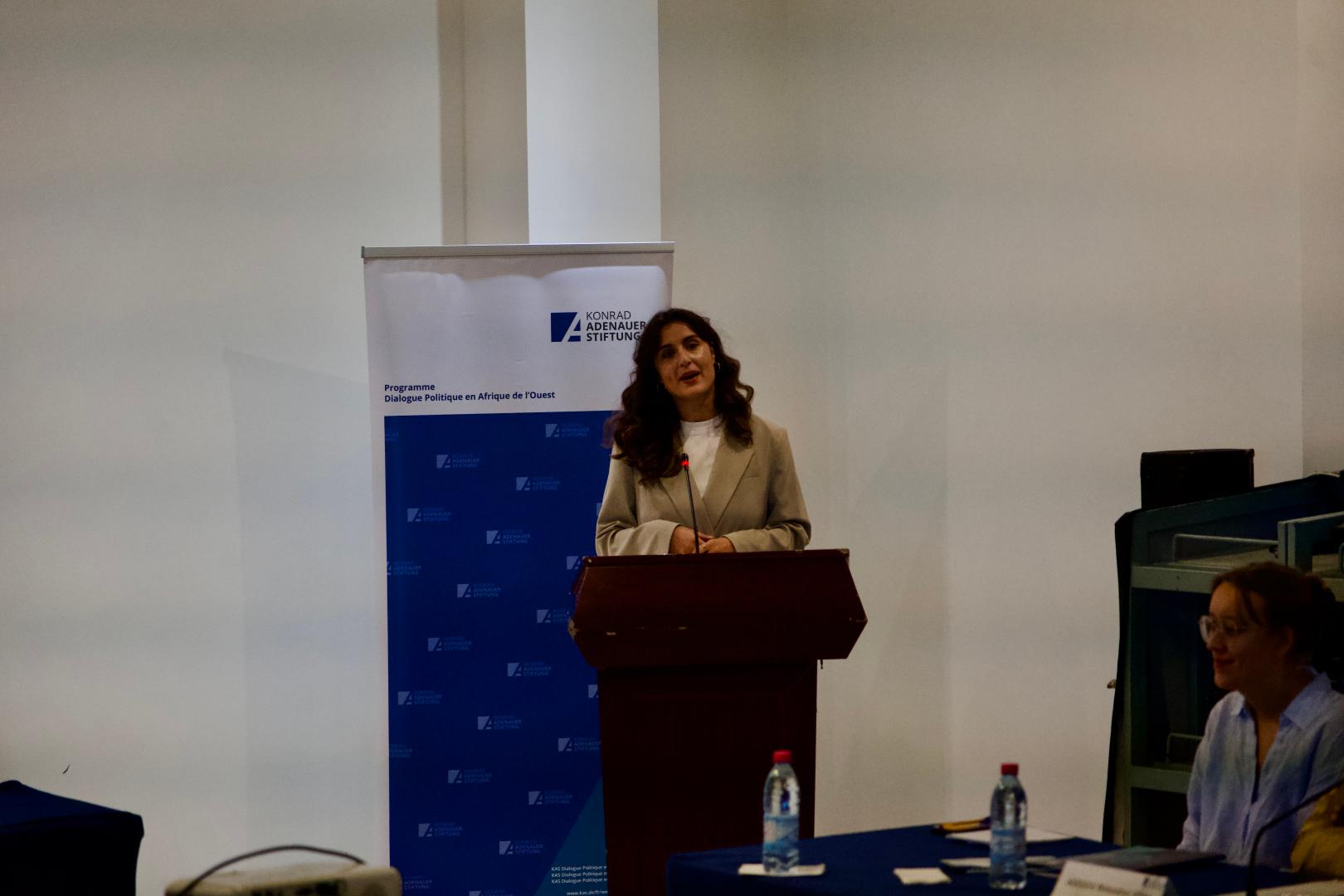
The workshop was opened by Ms. Anastasia Rentzing, Project Coordinator, and Mr. Moritz Junginger, Deputy Head of Mission at the German Embassy in Benin. Their message emphasized the importance of an engaged civil society and local governance based on transparency and participation.
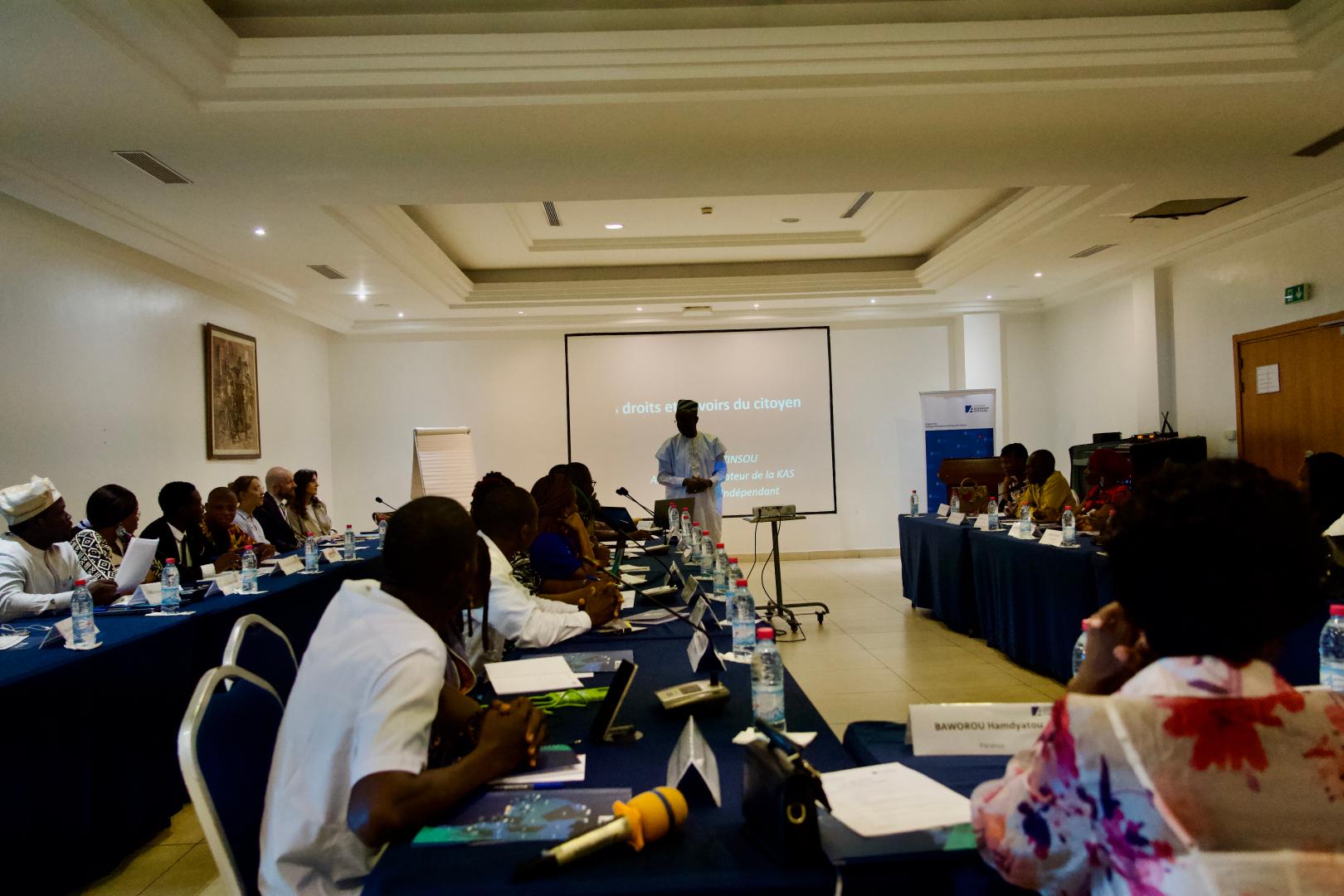
The first day began with a module led by Mr. Sylvain Zinsou on citizens' rights and duties. Participants strengthened their understanding of the link between individual responsibility, civic engagement, and democratic functioning. The afternoon was devoted to a two-phase practical workshop, centered on a simulation of a participatory municipal council meeting. This activity allowed participants to familiarize themselves with the tools for dialogue between local elected officials and citizens by experiencing an open and collaborative session.
The second day began with a module on ethical leadership and the role of citizens in local governance, led by Ms. Valérie Mitokpè. The discussions enabled participants to identify the fundamental qualities of citizen leadership: exemplarity, integrity, collective vision, and commitment to serving the public interest. Mr. Ralmeg Gandaho then led a module on accountability and citizen control mechanisms. Participants learned about the tools at their disposal to demand transparency, monitor public action, and act as citizen counterweights.
In the afternoon, a workshop was organized to simulate a citizen participation process around a local project. The participants, divided into groups, simulated the different stages of a community dialogue. This exercise enabled them to understand how to mobilize citizens, identify collective needs, engage in dialogue with the authorities, and propose concrete actions.
The third day, led by Mr. Abdel Bouraïma, focused on an introduction to public policy. Participants gained a better understanding of the public policy cycle, the various actors involved, and opportunities for citizen influence. During an initial workshop, each group identified a local issue with significant civic implications, analyzing its causes, consequences, and the populations affected. This analysis phase was followed by a second workshop devoted to developing citizen responses. Participants learned how to build a structured action plan, formulated around a goal for change, concrete solutions, key actors to mobilize, and implementation steps.
Finally, each group presented its project to the plenary, highlighting the relevance of its citizen response and the strategy envisaged for its implementation. This feedback exercise strengthened their communication, teamwork, and advocacy skills.
The entire workshop was marked by strong commitment from participants, rich exchanges, and a high level of motivation to work toward more inclusive governance. All participants praised the quality of the presentations, the participatory methodology adopted, and the relevance of the topics addressed.
In conclusion, this workshop helped strengthen the civic capacities of young Beninese people from different regions of the country, equipping them with practical tools and a better understanding of local governance issues. It should be noted that each participant developed and implemented a community project during the program, in line with what they had learned. We will meet again online very soon for the next phase of the program, in order to continue this civic momentum together.