Derzeit sind keine Veranstaltungen geplant.
GeoGeoLab Talk #8
A Geostrategic Contest Geoeconomic Weaponry in Southeast Asia's Geopolitical Arena
Why Should I Care About
Youth and Malaysia's Changing Political Landscape?
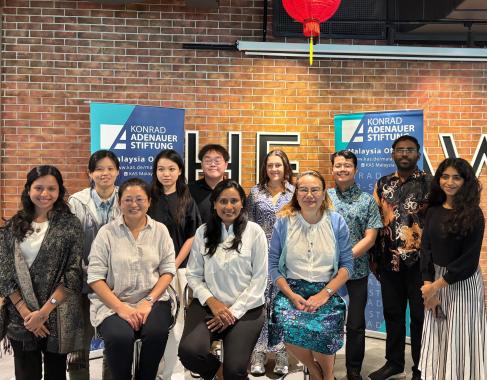
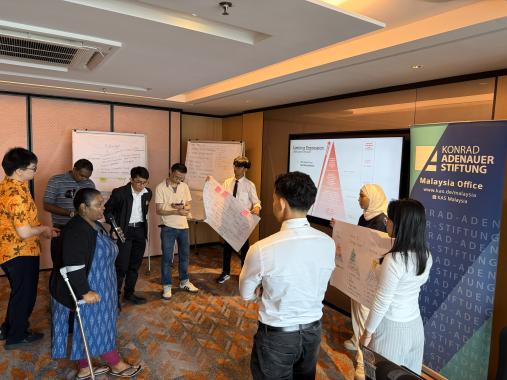
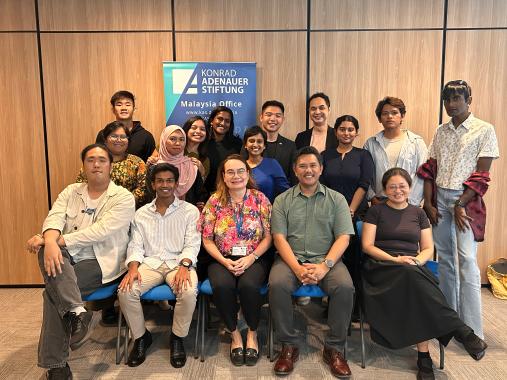
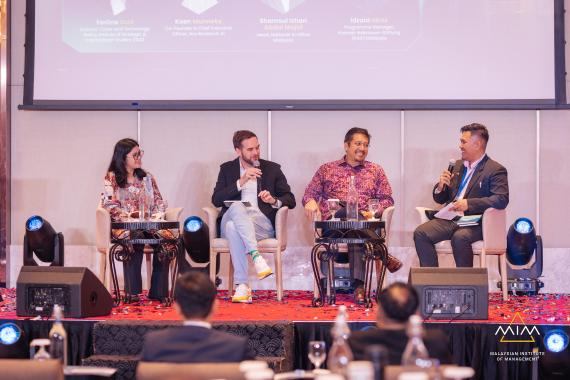
Alternative political actors and movements are emerging alongside Malaysia's established coalitions. This evolution is shifting the political landscape, bringing new voter expectations and conversations about public engagement. Join us for: Why Should I Care About Youth and Malaysia's Changing Political Landscape? 📊 Hear from a multi-stakeholder panel on what these objective trends signal for youth civic engagement and governance today. Speakers: 🎤 Adnan Yunus - Programme Manager, Architects of Diversity Malaysia Khumaidi A., Vice President, Parti Gabungan Suara Belia Yue Lin Ong - Special Officer for Deputy Prime Minister, MITI 📅 20 June 2026 🕓 11.00 AM to 2.00 PM 📍 KAS Malaysia, Unit 1103, Level 11, Uptown 2, Damansara Uptown, 47400 Petaling Jaya Networking session and lunch will be provided. 🔗 Register here: https://lnkd.in/g7bbEJYN Limited seats available. Join the conversation. 🎟️
Rethinking Alliance Politics and Regional Security in Asia
GeoGeo Lab Talk #5 by Dr. Chin-Hao Huang
Rising unilateralism and receding global commitments are among some of the most notable shifts in U.S. foreign policy that are reshaping regional security dynamics and alliance politics in Asia. While the U.S.-led hub-and-spokes alliance system has historically underpinned regional stability, calls for greater burden-sharing are occurring amid intensifying U.S.-China competition and widening uncertainty about U.S. strategic priorities. In examining more closely how regional partners and allies are recalibrating their security ties with the United States, it is clear that there are emergent divergences between U.S. and Asian countries' regional threat perceptions and a potential reversal in moral hazard in the alliance system. These misalignments produce new strains in alliance cohesion, not least with growing expectations and pressure on Asian allies to adopt exclusive alignment and power balancing policies that they might otherwise prefer to avoid, thereby complicating efforts to sustain a stable regional order.