








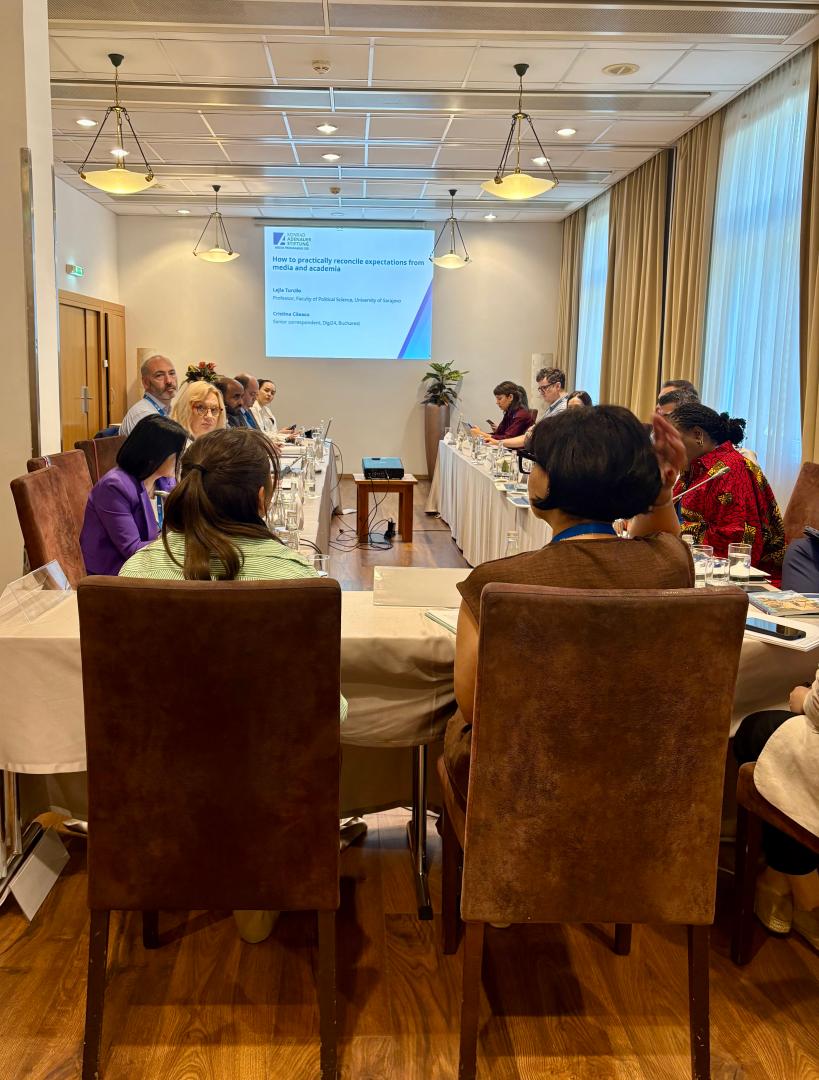
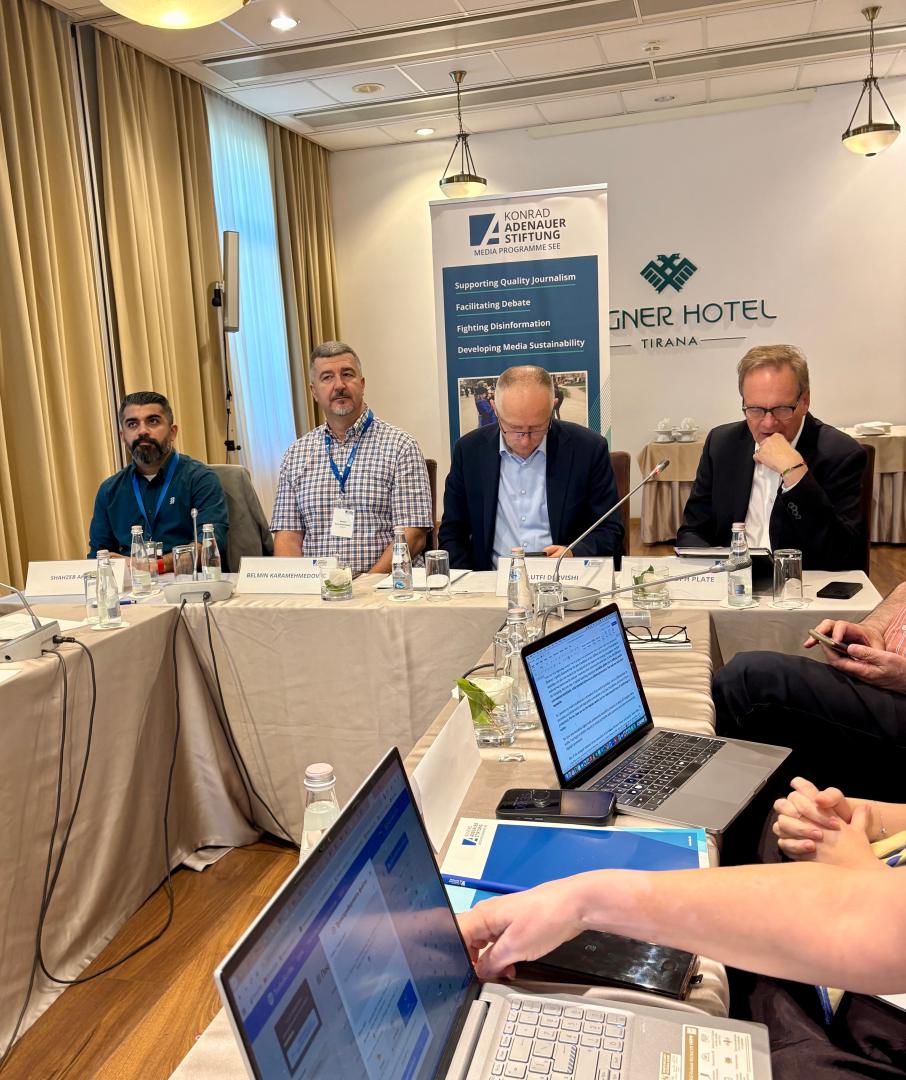
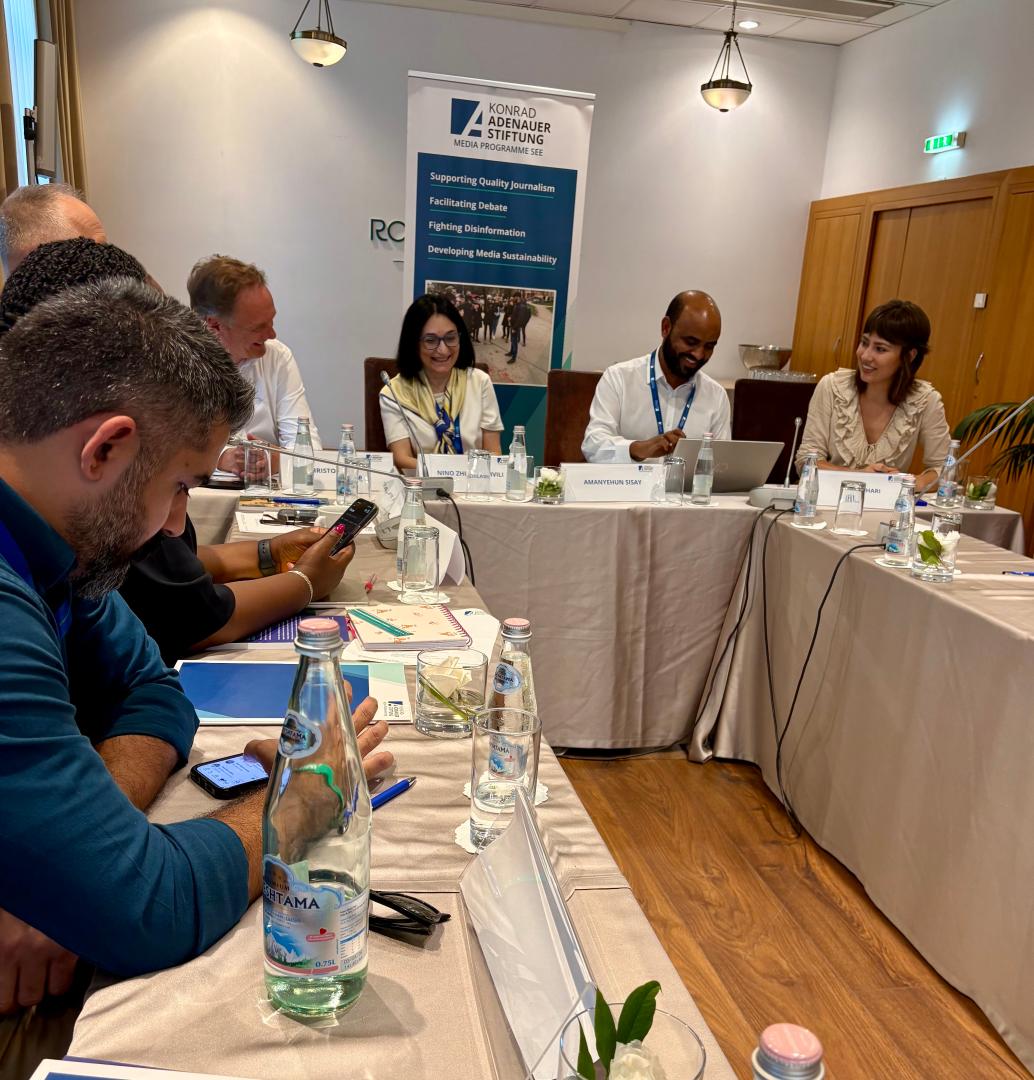
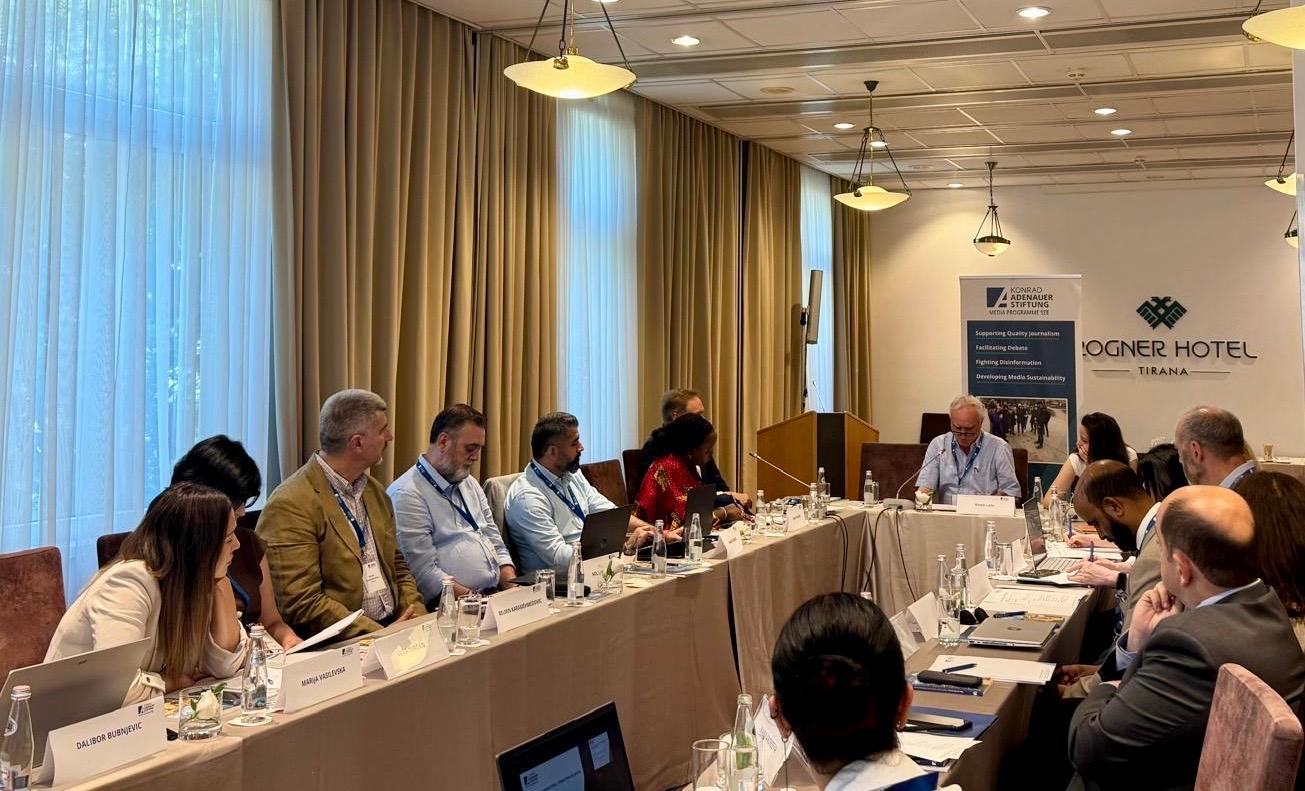
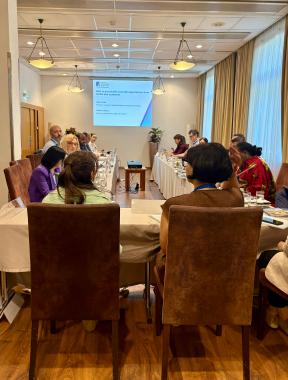
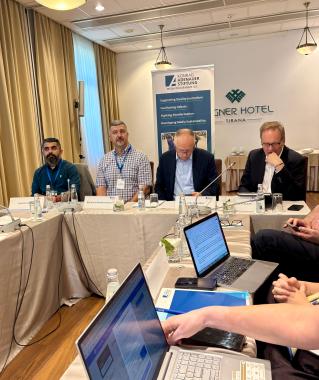
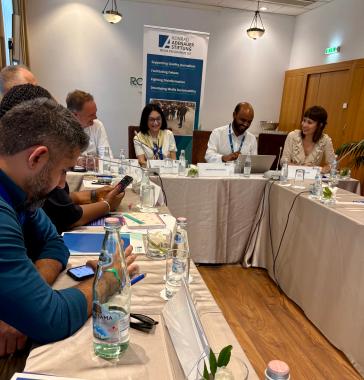
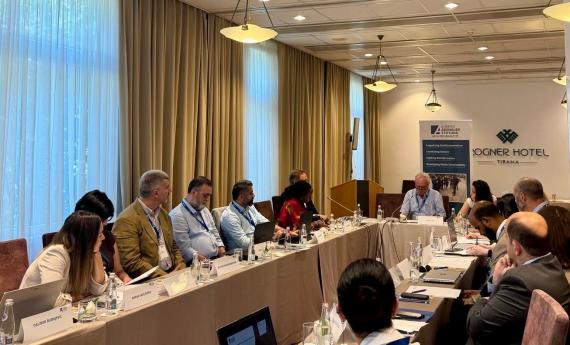
A central theme of the conference was the growing disconnect between education and industry reality. Participants noted that the expectations of media professionals often differ from what formal university education currently provides. This creates a gap between the theoretical frameworks taught in classrooms and the fast-paced demands of today's newsrooms.
The opening discussion on journalists as researchers and researchers as public intellectuals quickly sparked questions from the audience and opened a broader conversation about the relationship between journalism and research. A good journalist is not necessarily a good researcher, just as an excellent researcher may struggle to operate in the fast-paced environment of a newsroom. Yet both remain essential for helping societies understand increasingly complex realities.
Questions about journalism education continued throughout the conference. Professor Lejla Turčilo, University of Sarajevo, pointed to declining student interest in journalism and a growing scepticism about the profession's ability to create meaningful change.
One question, she noted, is increasingly heard among younger journalists: "Why bother being a journalist?"
Even strong investigative stories often fail to produce legal consequences or institutional accountability. For some journalists, this has created frustration and disappointment about the profession's ability to influence society.
Technology emerged as another recurring topic. Discussions focused on artificial intelligence, the growing role of deepfakes and the challenge of maintaining public trust in an environment increasingly shaped by algorithms and personalised information streams. Participants noted that technological change is moving faster than many newsrooms and universities can realistically adapt to.
One of the most serious conversations focused on academic freedom.
Professor Lejla Turčilo and Dr. Vladimir Zlatarsky, KAS Media Programme South East Europe, argued that threats to academic independence rarely arrive through direct censorship. Political influence, financial dependence and pressure on individual researchers are often less visible, but can be equally effective.
Restrictions on academic freedom, they warned, ultimately affect the quality of research, education and public debate.
Despite discussing different regions and experiences, many speakers arrived at a similar conclusion: media and academia often work at different speeds and speak different professional languages, but they ultimately depend on one another.
The COVID-19 pandemic offered perhaps the clearest example. During moments of uncertainty, journalists relied on scientists and experts to explain rapidly changing realities, while academics depended on journalists to communicate those explanations to the wider public.
The need for dialogue remains.
Not because participants had solved the difficult relationship between media and academia. They had not.
But they left with something perhaps equally valuable: new contacts, new ideas and new perspectives. Many discovered that colleagues from countries thousands of kilometres away were facing challenges remarkably similar to their own, while others encountered experiences and viewpoints they had never considered before.
Another takeaway from the conference – it was that while journalism and academia may not always agree, both become stronger when they continue listening to one another.