








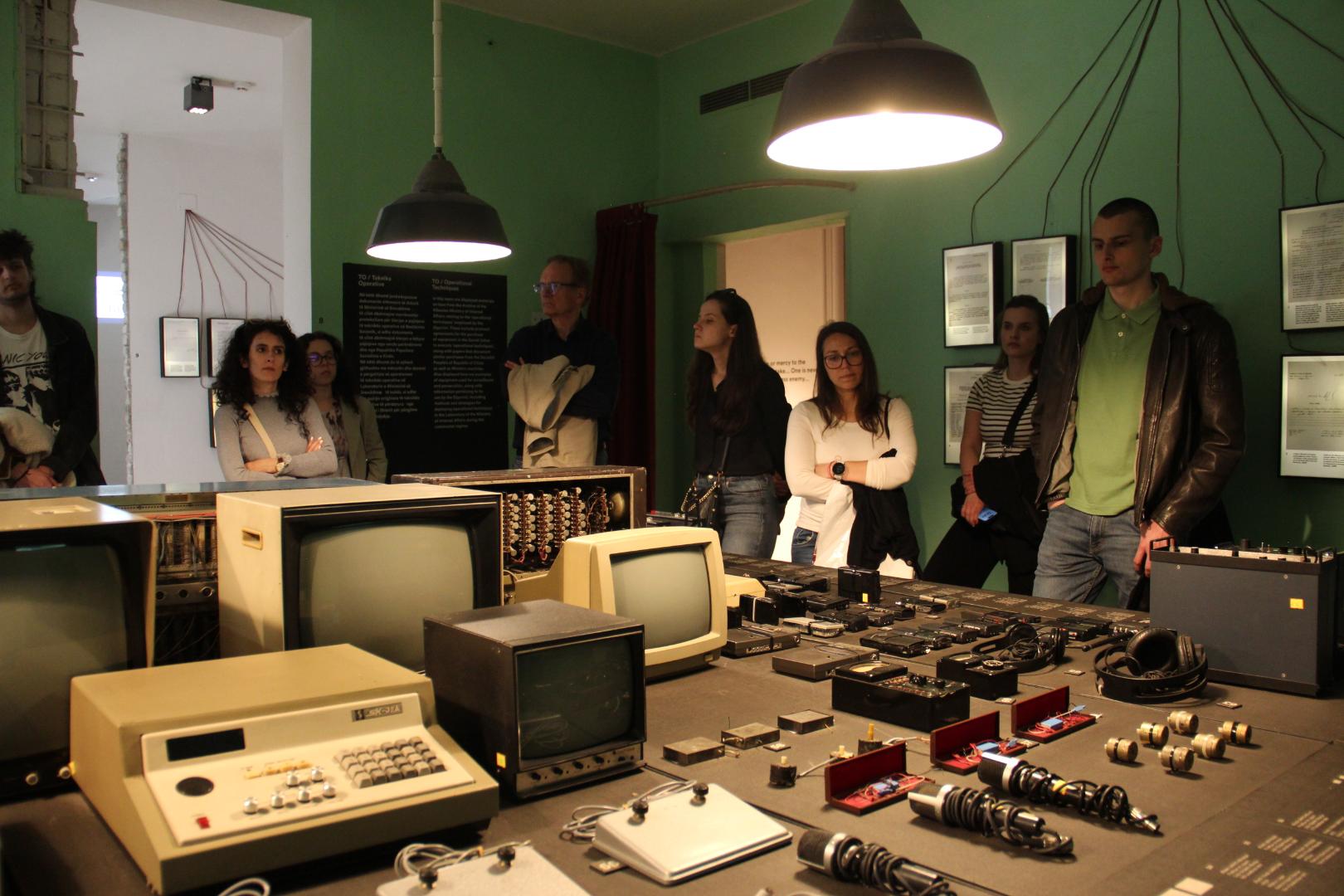
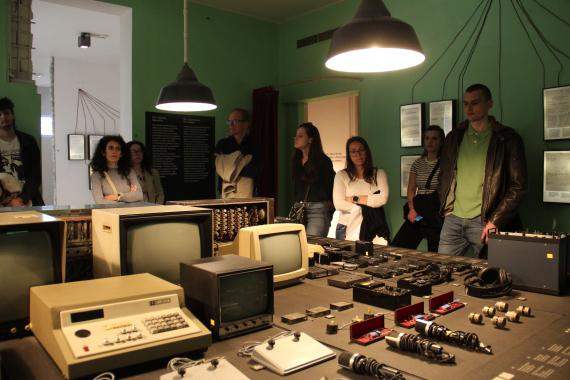
The journey began with a visit to the House of Leaves, Albania’s Museum of Secret Surveillance, a chilling and powerful symbol of one of Eastern Europe’s most repressive regimes during the Cold War. Walking through its rooms, filled with authentic surveillance equipment, bugged phones, files and photos of citizens under constant watch, we were confronted with the stark reality of a time when paranoia was institutionalized and control was absolute. More than a historical exhibit, the House of Leaves serves as a reminder that this legacy has not entirely vanished. The mechanisms of silence and fear it represents have left deep marks on Albanian society, and in many ways continue to shape public life, behaviour, and the fragile relationship citizens have with institutions, including the media.
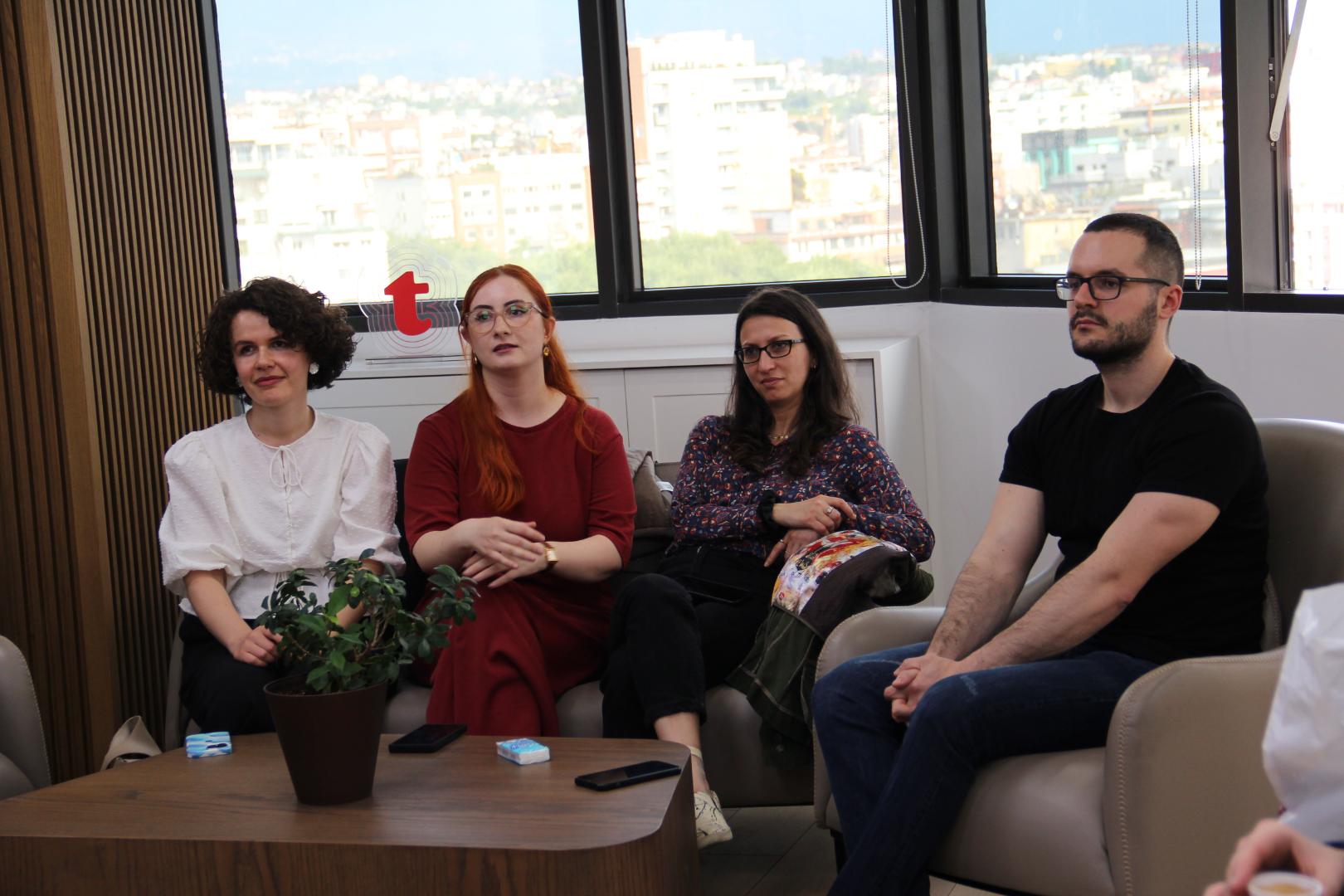
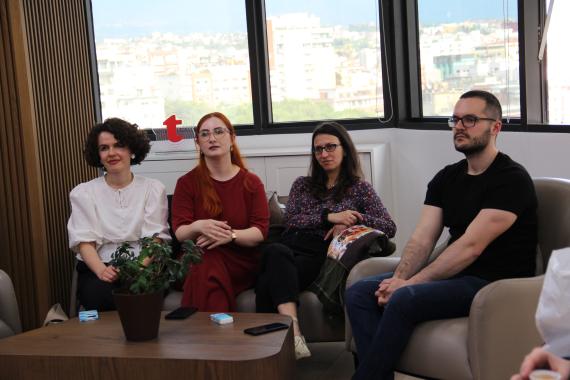
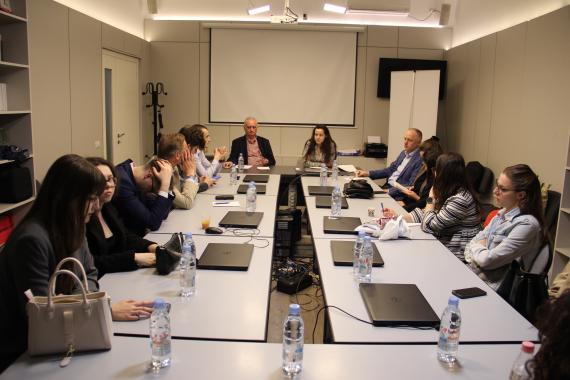
Later that day, we were welcomed at the KAS Country Office in Tirana. The hospitality of the team and their genuine interest in our work and experiences created an atmosphere of mutual respect and intellectual curiosity. Their openness laid the groundwork for the meaningful discussions and debates that followed over the next two days.
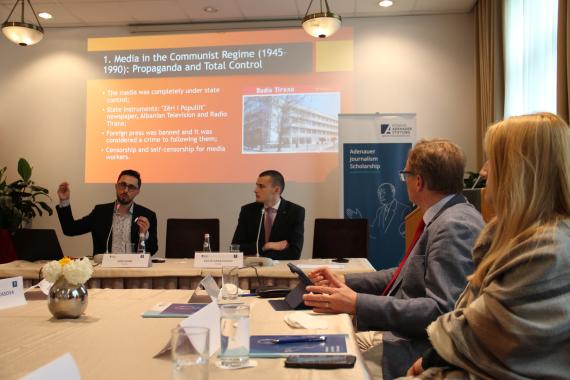
The second day began with an introduction by Christoph Plate, Director of the KAS Media Programme South East Europe, whose remarks provided important context for the event and seamlessly opened the floor for the first panel.
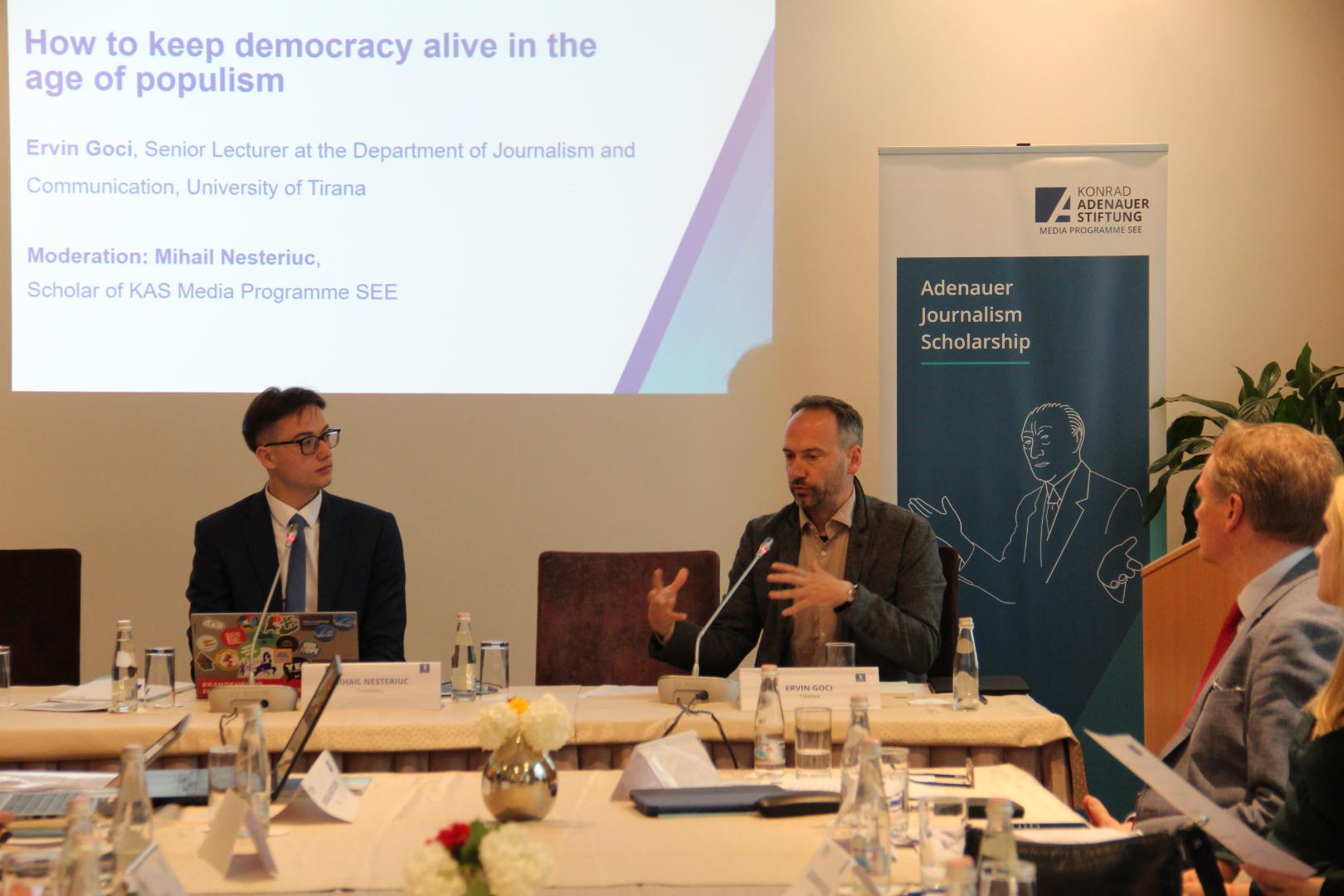
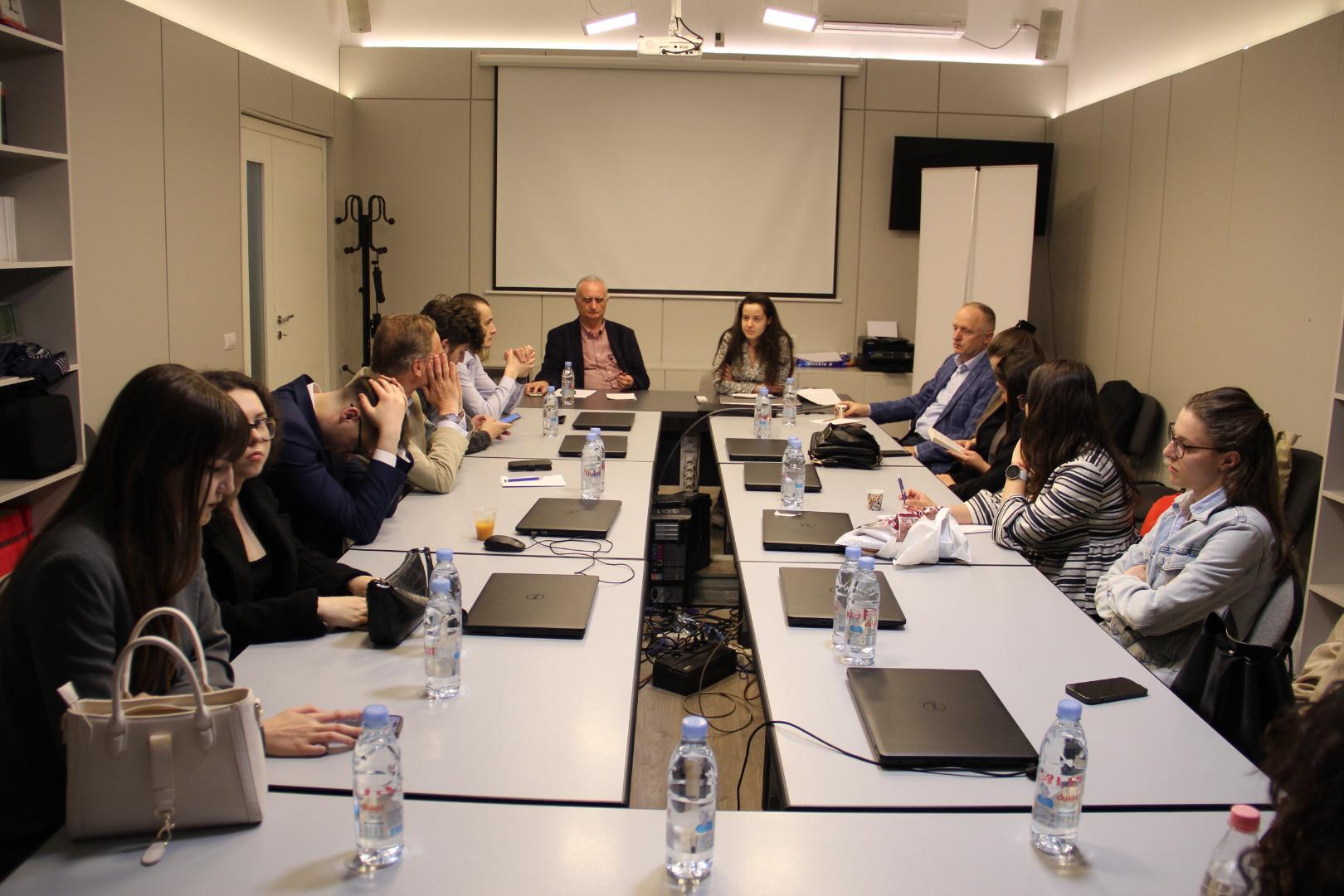
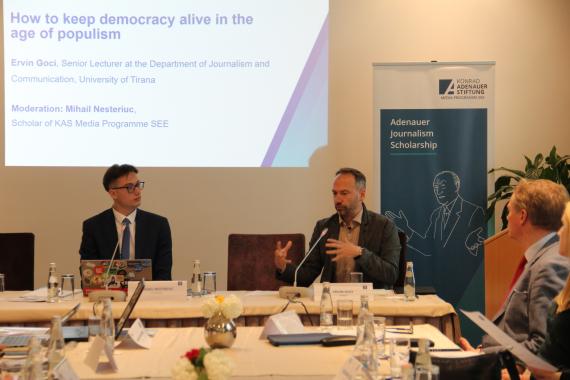
In that first session, Ervin Goci explored the media’s deepening crisis of trust and identity. He explained that, in their eagerness to adapt to digital platforms, media outlets often abandoned depth and original content in favour of immediacy and reach. As a result, media ceased to be a profession grounded in editorial judgment and became merely content providers—losing their identity in the process. In Goci’s words, when everyone can become media, it signals the death of media as we knew it. He also reflected on how right-wing online activists, more than any other group, have mastered the new digital terrain, shifting public discourse and further undermining trust in journalism. The discussion that followed turned into a philosophical exploration of key questions: What is common sense in today’s media? Did it ever exist, and should it? Can objectivity be achieved—or is it merely an illusion? And ultimately, what is the role of media in Albania’s process of EU integration?
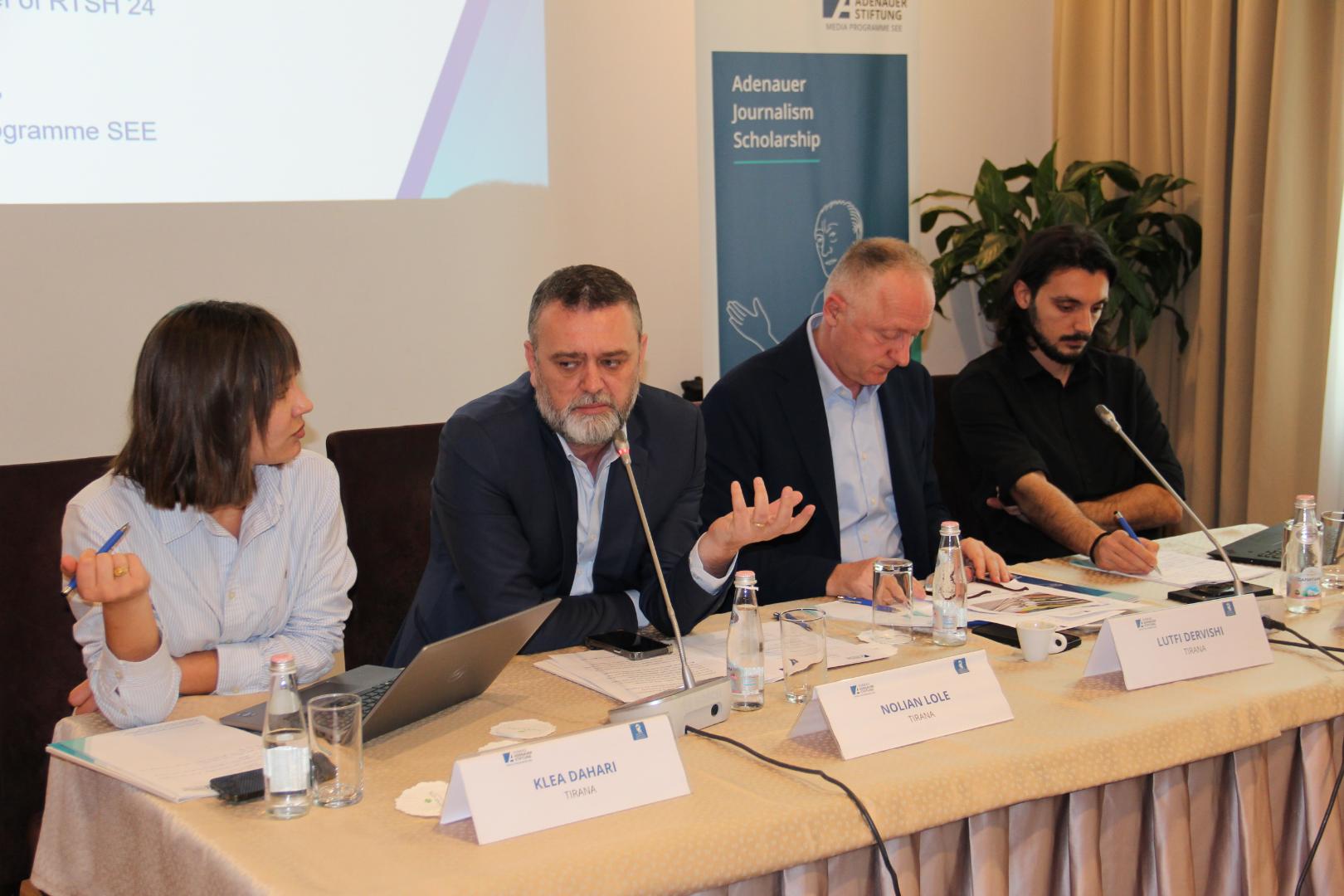
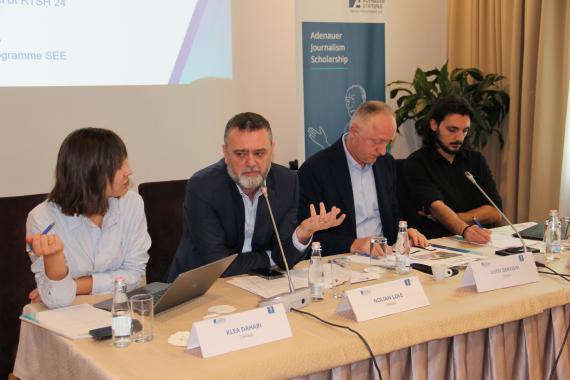
The second panel brought together different generations and perspectives on local media. Nolian Lole gave a historical overview of public service media in Albania and spoke about how it is currently perceived across the country. Lutfi Dervishi took a more personal approach, delivering a poignant reflection on Albania’s transition from monism to pluralism, from questioning power to echoing it, from propaganda to post-truth. He mourned the shift from journalism as a sacred profession to the cult of influencers. Dervishi observed that trust has become a lost currency, and serious media now find themselves desperately trying to earn it back. He connected this to the previous philosophical discussion by suggesting that objectivity itself was never a moral value, but rather a business model that once worked.
Lorin Kadiu, by contrast, offered the most optimistic viewpoint of the day. He argued that the best path to independence lies in staying small, and that despite difficult circumstances, great journalism and great stories will always find their way through. Even though, in his opinion, there are no truly sustainable models to ensure the survival of local media, the visible efforts being made give him hope. This belief in the value of persistence, even in the face of structural hardship, resonated with many of us.
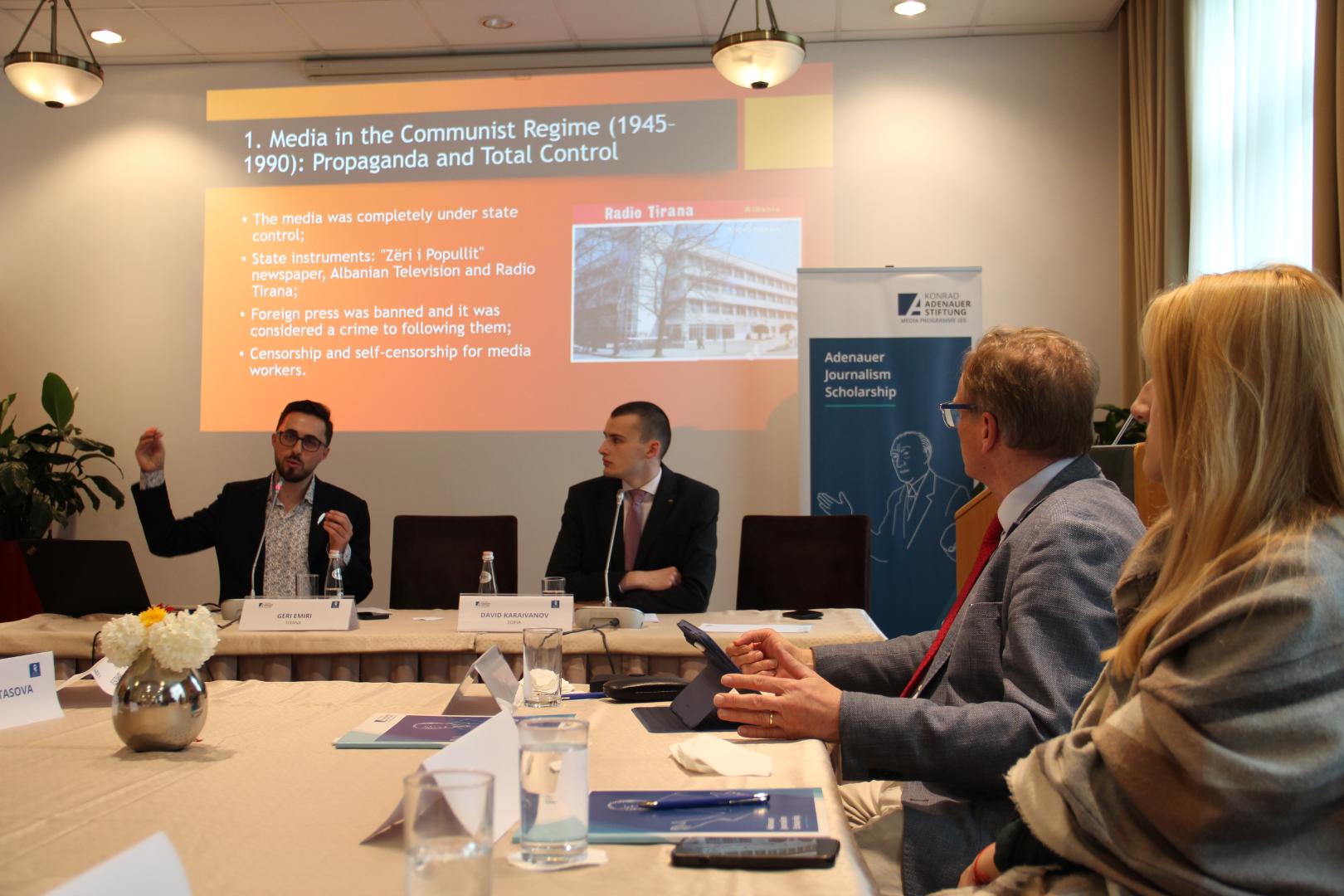
Later in the afternoon, Geri Emiri delivered a sharp and uncompromising analysis of Albania’s current media landscape. He spoke of the illusion of media freedom, of sophisticated methods of control that do not look like censorship but feel like it. He described how political PR has replaced critical journalism and warned that manipulation of public opinion is now more refined, but no less dangerous. His insights illustrated the growing difficulty of distinguishing genuine editorial content from orchestrated messaging, especially in a country where journalists continue to face threats and pressures.
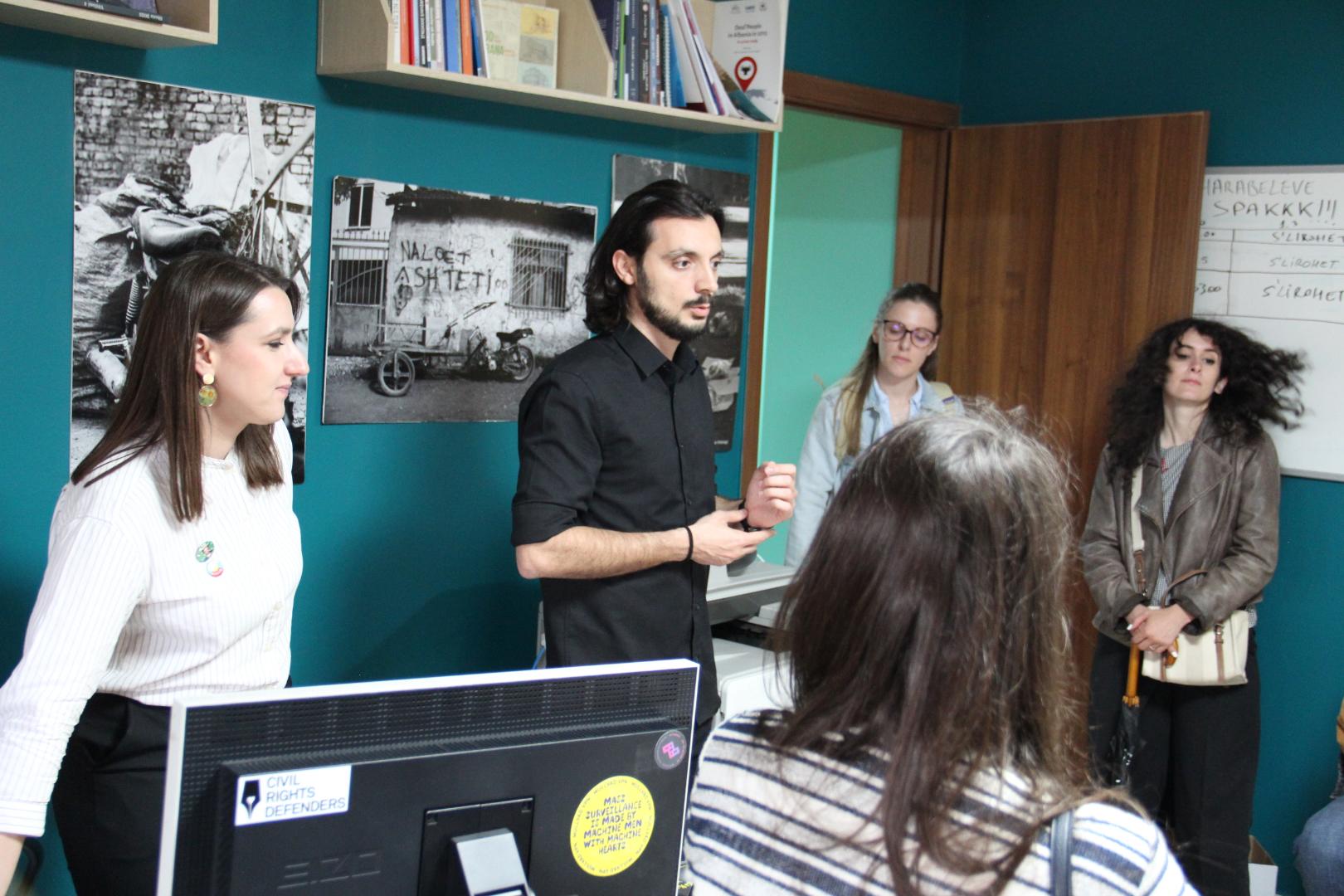
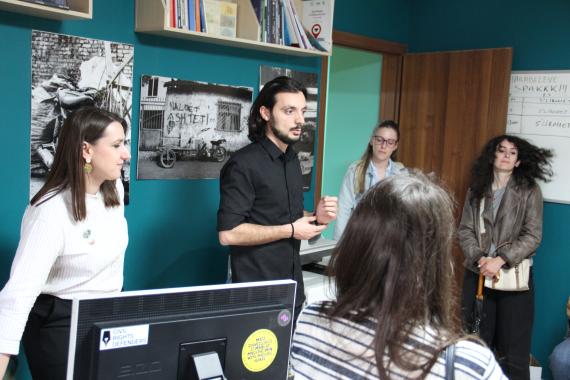
Despite the rain that began to fall as we made our way through the city, Tirana seemed even more alive, its colors deepened by the wet streets and the overcast sky. And what followed this wonderful walk was the visit at Citizens Channel. The discussion with their team was warm, encouraging, and full of energy. Their work and their vision proved that committed journalism can still find its audience — and that we, as emerging scholars and professionals, should always strive to carve out our own space and voice, however challenging the landscape might be.
The day closed with a session dedicated to the life and work of Ismail Kadare, the most famous Albanian writer. The discussion, in which Lutfi Dervishi and Remzi Lani — Kadare’s close friend — took part, offered glimpses into the man behind the pages. Kadare’s works remain both a testament to the harsh times he lived through and a national treasure Albania had in the past century. His writing, born in times of silence and constraint, stands as an enduring symbol of the power of literature.
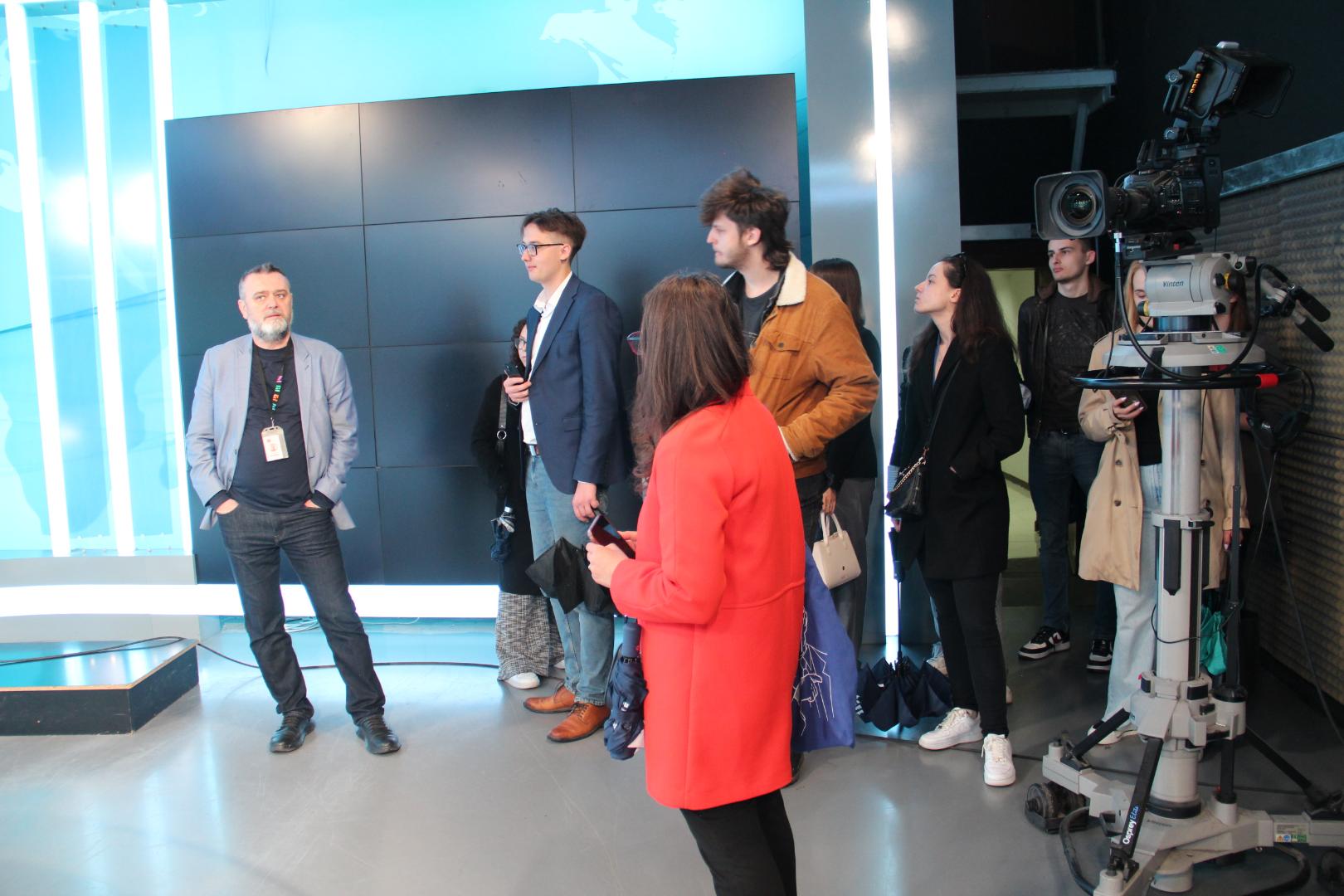
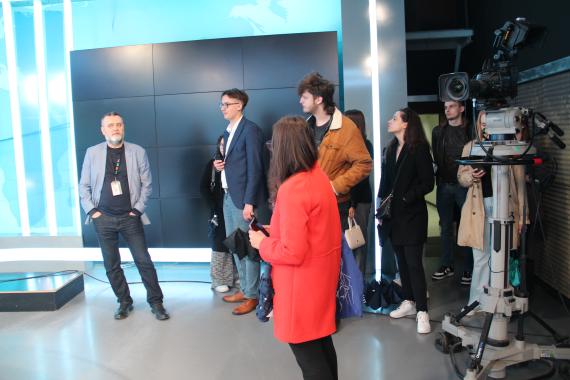
The third and final day began with a visit at Albanian Radio Television (RTSH), where we were given access to the editorial rooms of the country’s public broadcaster. Once the unquestioned voice of the regime, RTSH now finds itself navigating the uncertain path between its historical burden and the expectations of a modern audience. The conversations with journalists and editors there revealed a complex struggle: the desire to reform, to professionalize, and to become a trusted public institution is genuine—but so are the constraints, be they financial, political, or structural. The challenge of rebuilding trust in an institution once synonymous with propaganda is immense.
Our time in Tirana concluded with a short city tour that felt like the final chapter of a vivid and layered narrative. As we walked through the city—through its contradictions, its architecture, its noise and charm—we carried with us everything we had seen and heard: the ghosts of the past, the questions of the present, and the uncertain but hopeful shape of the future.