







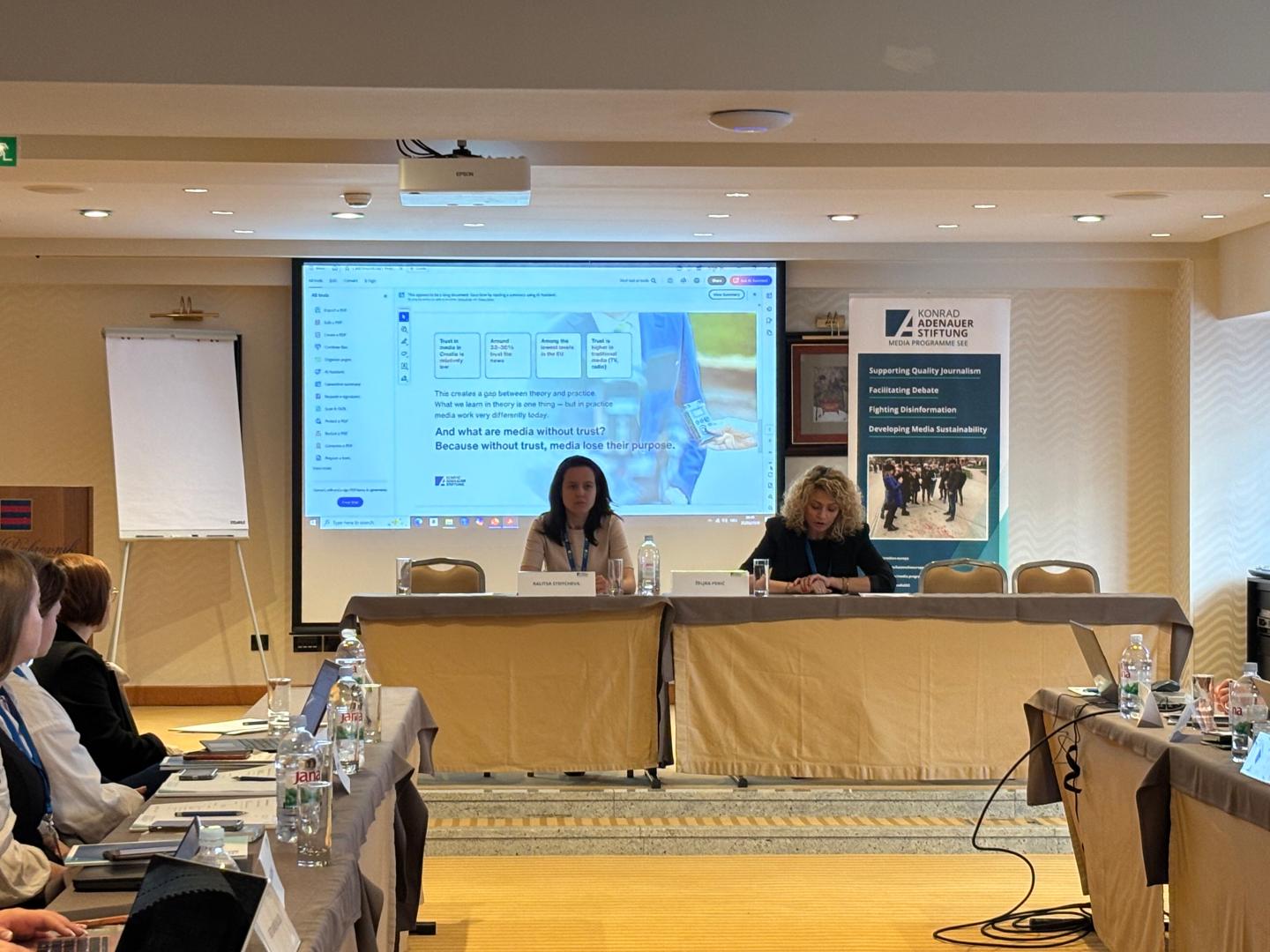
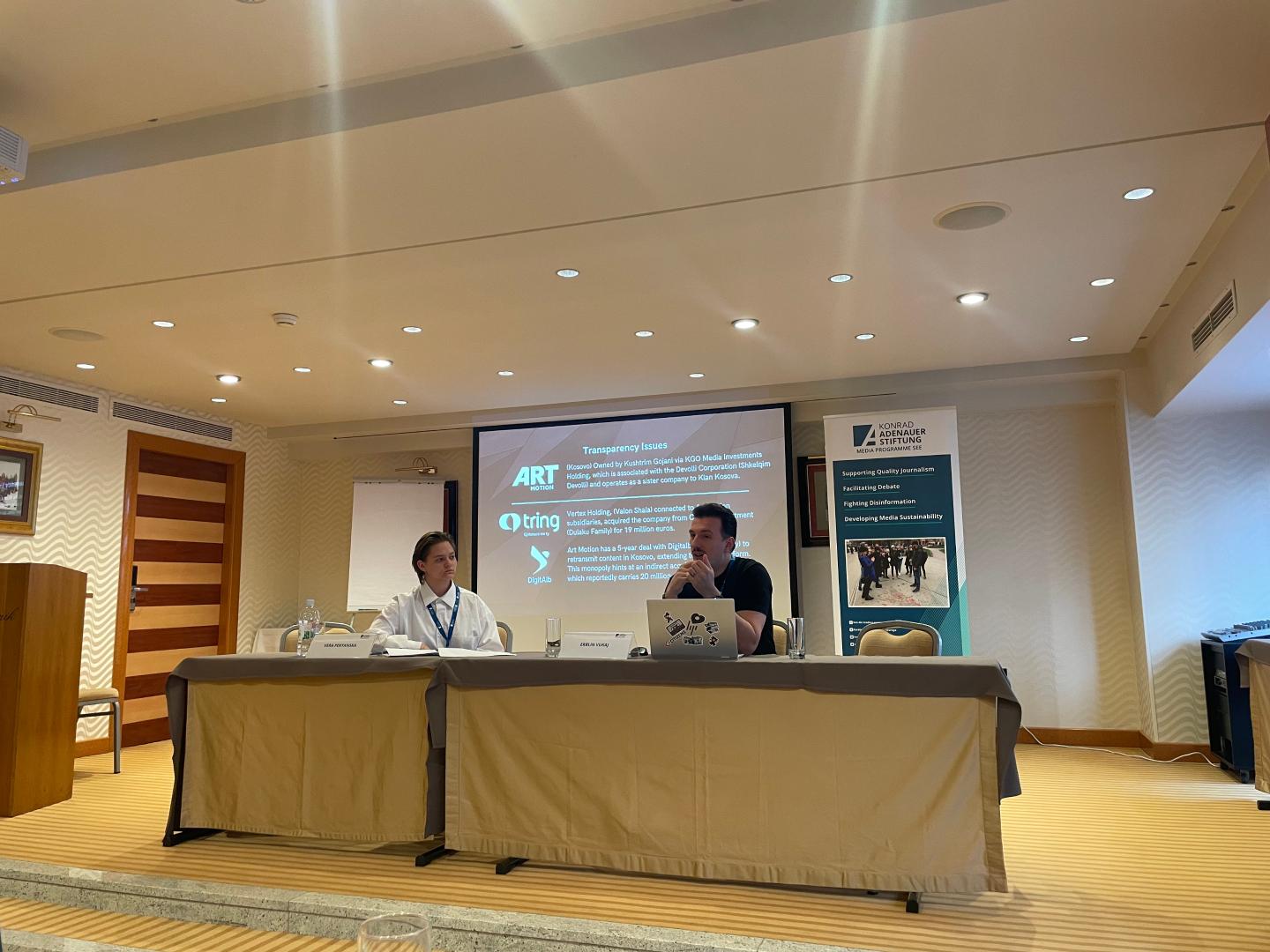




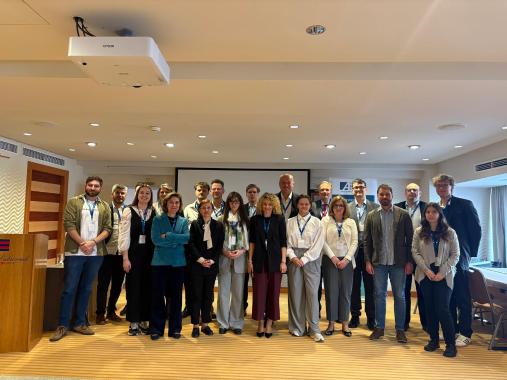

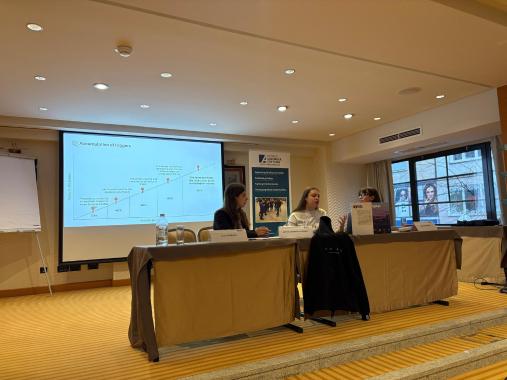
Across regions, media professionals face increasing pressure to deliver news faster, often at the expense of accuracy and depth. Željka Perić, lecturer at University North in Zagreb revealed that “editors expect fast, credible news, but quality and investigative journalism needs time”. Media organizations frequently operate in environments where financial survival depends on advertising, donor support, or partnerships, carrying potential risks. At the same time, trust in traditional media is declining, particularly among younger audiences, who increasingly turn to alternative information sources.
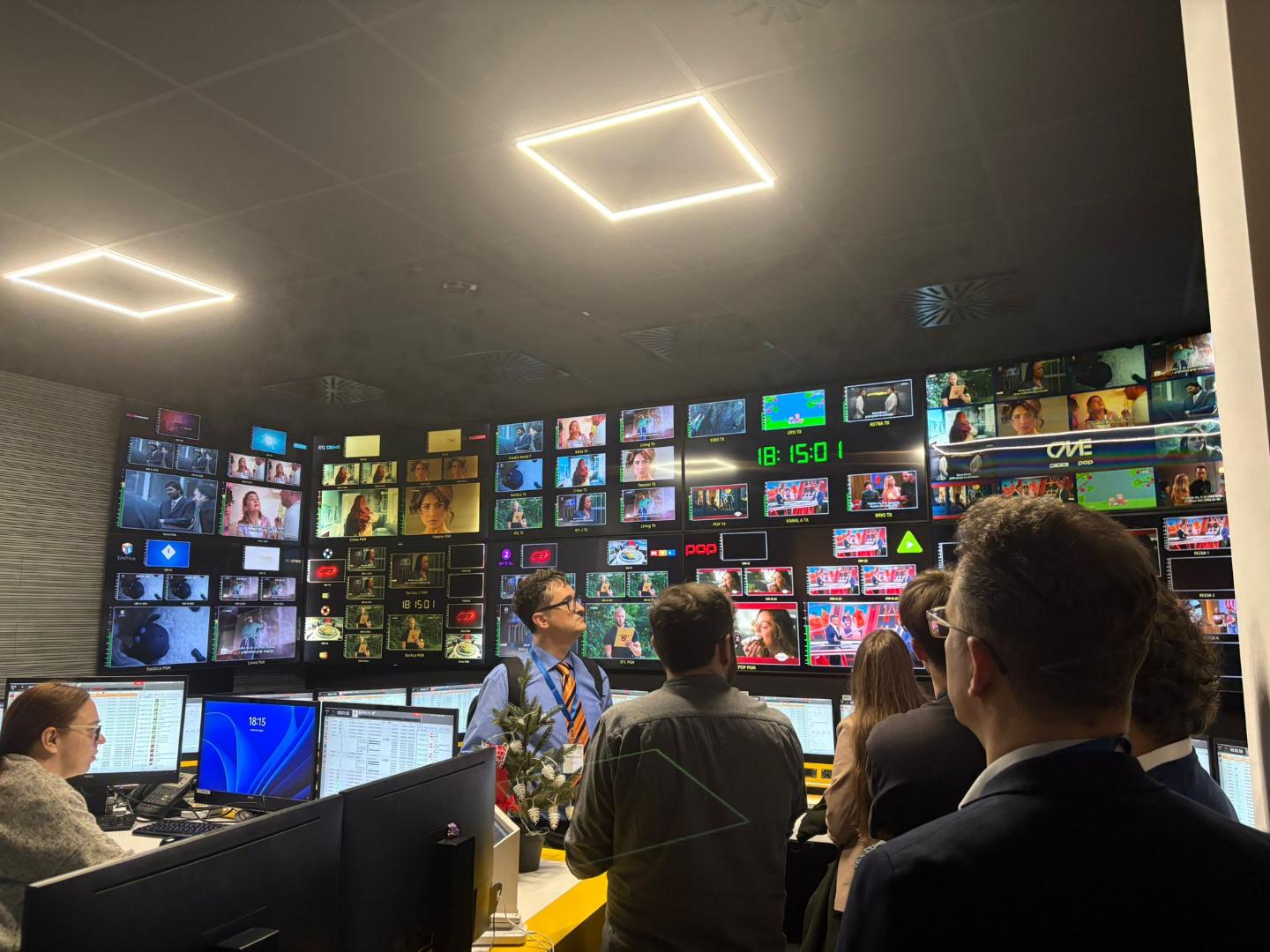
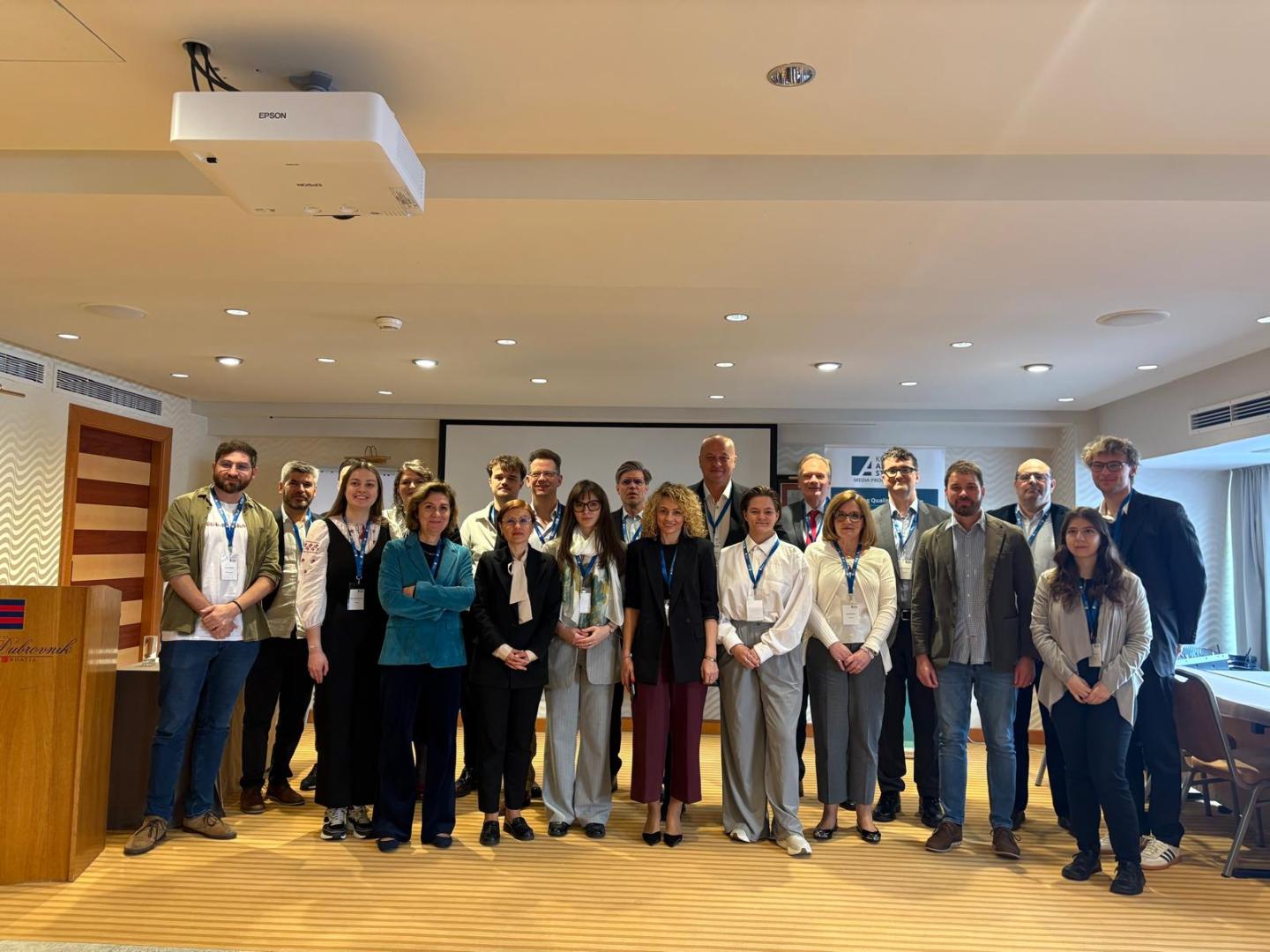
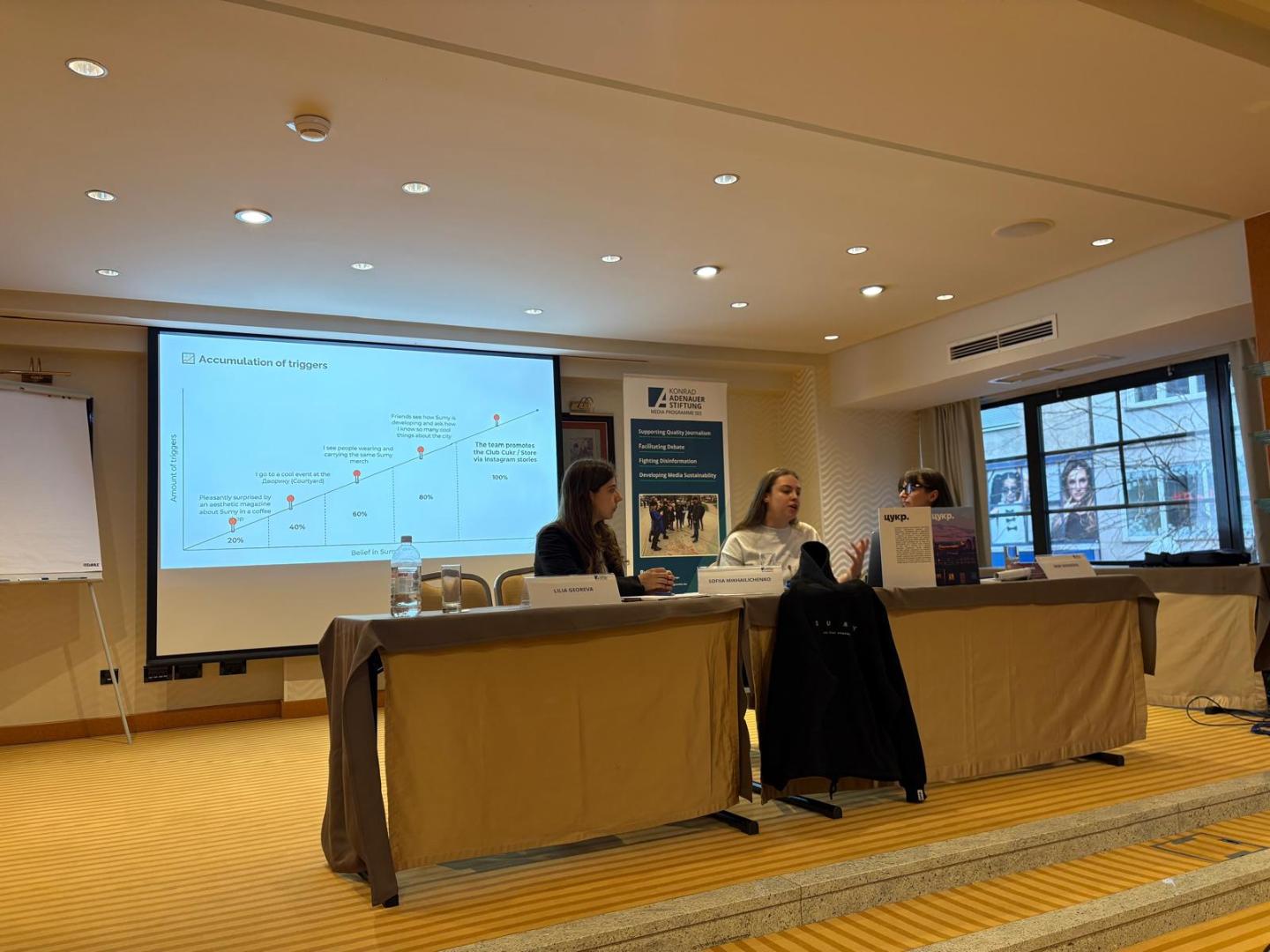
The conference started with an overview of the Croatian media landscape and included a later visit of the RTL Croatia Studio and Newsrooms. Further topics were dedicated to local and regional media, and their struggles to generate income. Diversifying income sources emerged as a key strategy to reduce dependency on any single actor. Many of the participants shared a wide range of innovative approaches to address these challenges. Some highlighted cross-border collaborations, such as Pan-European-level journalism projects that connect local reporting with broader audiences.
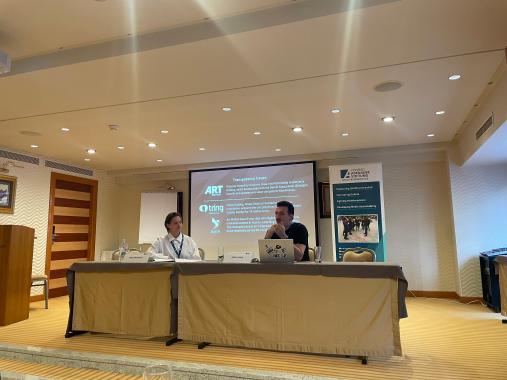
Others pointed to alternative funding models, including membership programs, donations, and community-driven initiatives. Successful models often combine multiple revenue streams, from grants and advertising to creative industries. The Romanian Co-Founder of Floodlights, Paul Radu shared the experiences of turning investigative journalism into books, movies and video games, generating budgets for journalists and developers. These approaches not only produce budgets but also expand the reach and impact of journalistic work. The challenge lies not in avoiding compromise, but in ensuring that financial considerations do not undermine the integrity and public value of journalism.
At the same time, technological change presents both opportunities and risks. While digital platforms enable new forms of storytelling and audience engagement, they also contribute to “digital fatigue” and further fragment attention. Artificial intelligence was discussed as a particularly ambivalent force: While AI relies on journalistic content as a source, yet it risks undermining the economic foundations of the very media it draws from.
Ultimately, the conference underscored a crucial insight: journalism itself is not in decline. On the contrary, the difficulty lies in creating the economic and structural conditions that allow it to thrive. Strengthening these foundations will be essential: not only for the future of media, but for the health of democratic societies more broadly.