





In partnership with the Association for Youth Qualification (AQJ), the Konrad Adenauer Foundation organized the fourth edition of the Regional Council Model Simulation from April 9 to 13, 2025, in Rabat. This initiative brought together young participants from different regions, offering them the opportunity to explore the institutional foundations of regional councils and to experience, in a practical way, the dynamics of local democracy.
The participants were introduced to key concepts that structure the organization and competencies of regional councils: electoral processes, decision-making bodies, and territorial governance methods. Through interactive workshops and open debates, they deepened their understanding of the roles and responsibilities of regional elected officials while examining the mechanisms of deliberation, planning, and territorial management.
The experience was marked by practical exercises, such as simulating the election of the council’s leadership bodies, drafting the internal regulations, and forming the standing committees. These exercises allowed the young participants to grasp the political and strategic issues related to coalition building, the distribution of responsibilities, and the development of collective positions.
The discussions revealed a strong interest in various topics, such as decentralization, territorial disparities, health policies, and rural development. The interaction between the majority and the opposition, the negotiation of compromises, and the management of internal tensions were key learning tools throughout the simulation.
Collective reflection sessions enabled participants to express their findings and proposals for improving youth involvement in regional public life. Issues such as unequal access to resources, the digital divide, and the lack of platforms for expression were identified, along with recommendations aimed at promoting territorial equity, recognizing the diversity of Moroccan youth, and creating sustainable mechanisms for participation.
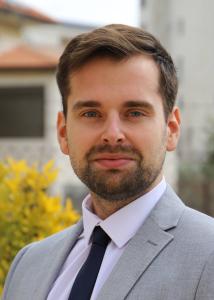
The simulation was further enriched by a conference on youth participation in development, featuring institutional and associative speakers. Mr. Mohamed Reda Mouktadire, representative of the Ministry of Relations with Parliament, presented ongoing projects to strengthen the participatory capacities of youth and associations, while emphasizing the importance of constitutional provisions guaranteeing the right to participation (Articles 14 and 139). He discussed concrete tools such as a digital training portal and strategic partnerships with public actors.
Mr. Mohamed Boulmane, representative of the Béni Mellal-Khénifra Regional Council, painted a contrasting picture of the situation in his region, illustrating challenges such as illiteracy, slow growth, and insufficient structural investments. Despite this difficult context, several initiatives have been launched to promote education, sports, and youth.
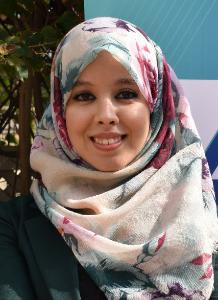
Oumaima El Idrissi, a local elected official in the Casablanca-Anfa Prefectural Council, shared an inspiring testimony about her journey and commitments. She highlighted the progress made through the contributions of youth within the Local Advisory Body, advocating for better integration of young people into decision-making processes, both formal and parallel (petitions, advisory bodies, local consultations).
The subsequent dialogue session led to a range of questions and proposals, touching on the social, political, and cultural dimensions of civic engagement. The contribution of the diaspora, the role of the associative network, and ways to ensure effective youth representation were particularly emphasized.
The event concluded on a note of recognition and hope. The organizers praised the richness of the exchanges, the maturity of the participants, and the innovative nature of this initiative. The certificate award ceremony marked the end of a formative and engaging experience, reflecting a youth ready to actively contribute to the construction of a more inclusive democratic future.