






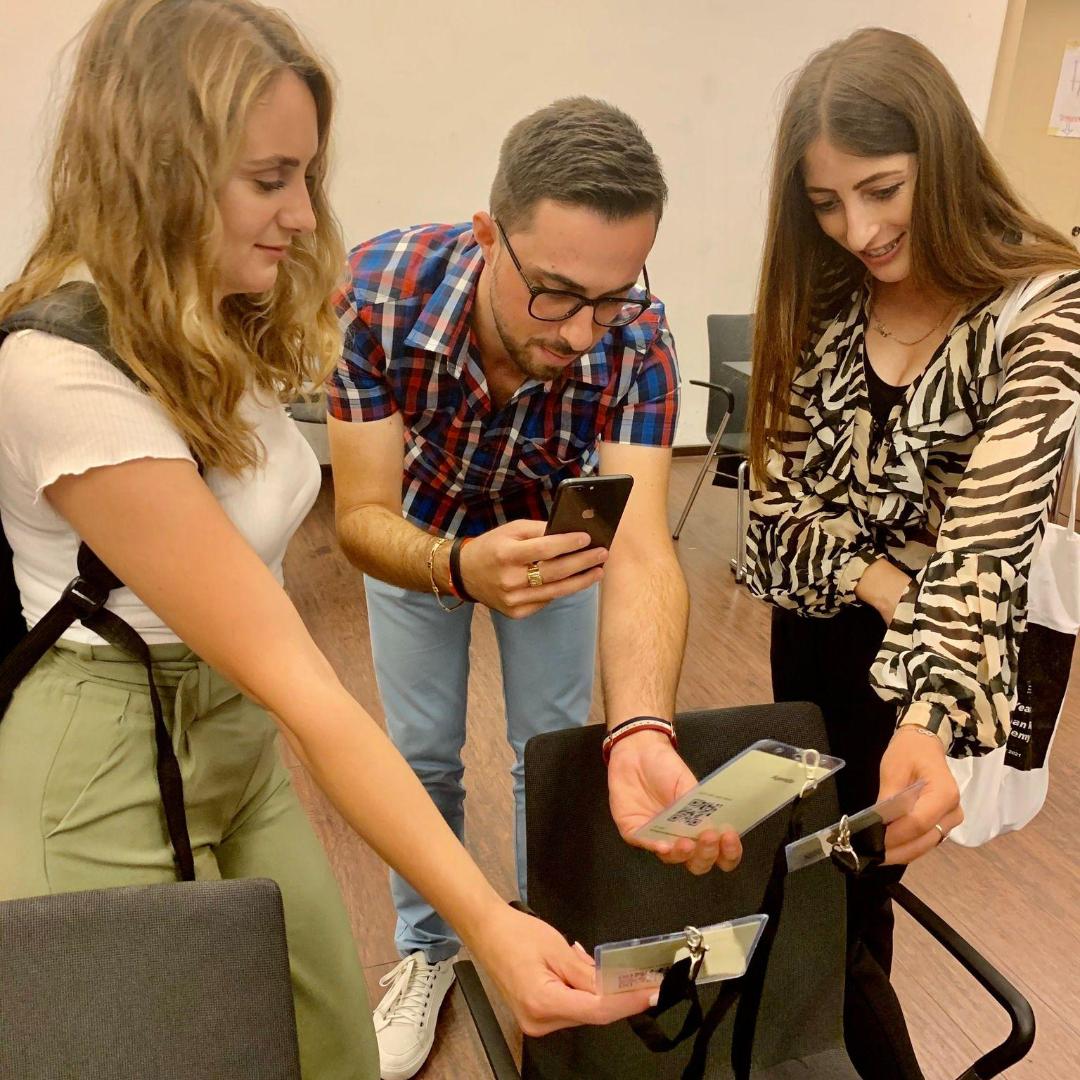
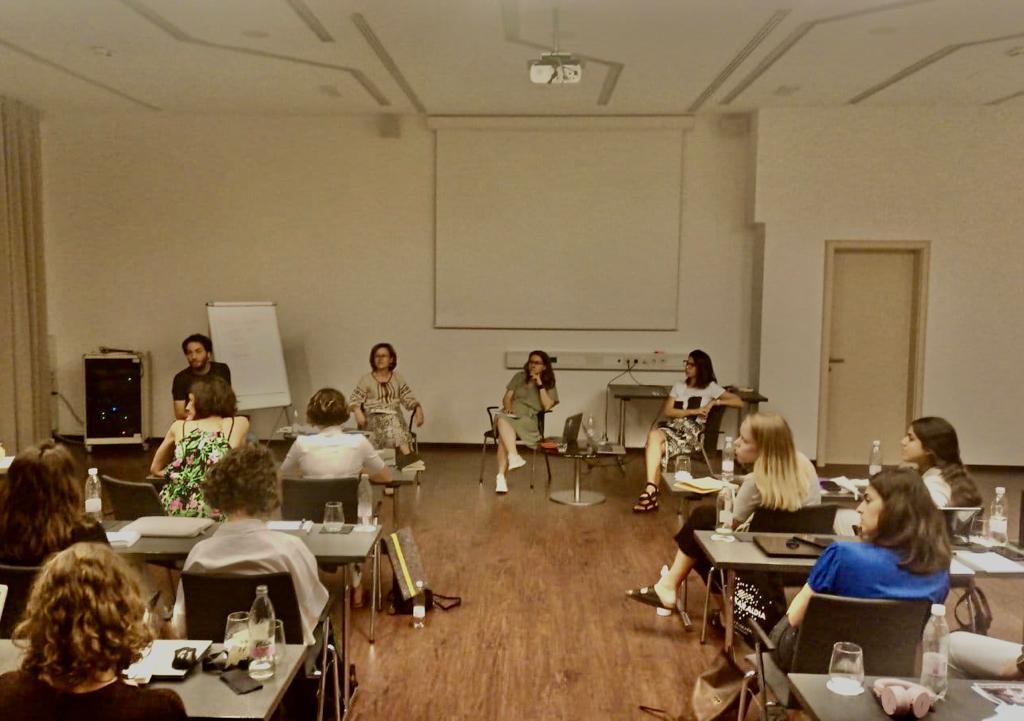
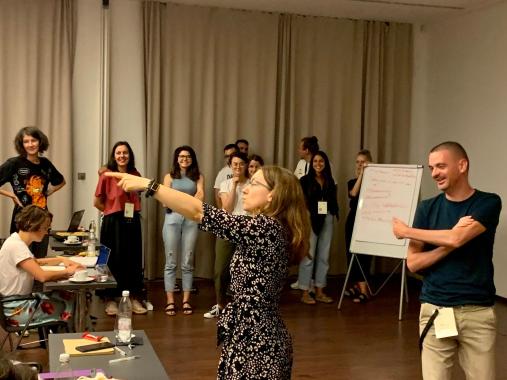
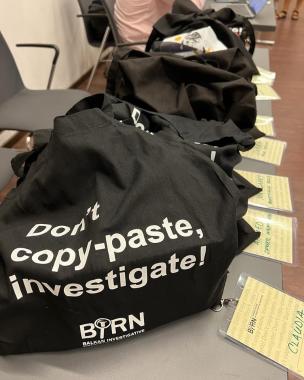
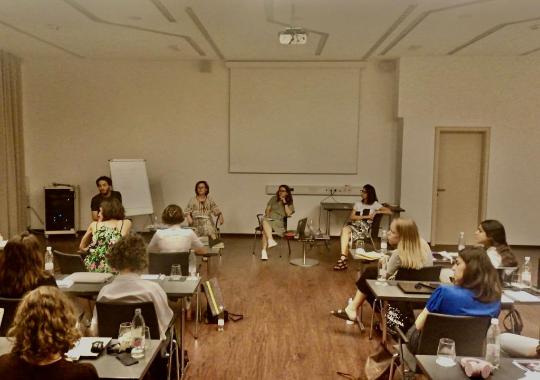
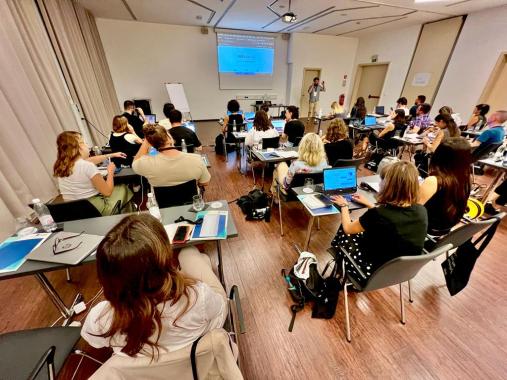
The head of Regional Operations at BIRN, Dusica Stilic, welcomed the participants selected from a record-breaking number of 180 applications: “We are very proud to have this extraordinary group of people eager to learn to become the best version of an investigative journalist they possibly can be!”
Ivana Nikolic, leading the Investigative Reporting Initiative Programme at BIRN, presented the program and encouraged the participants to work towards pitching powerful stories: “This week, you will learn a lot about innovative journalism techniques and skills from award-winning journalists and editors. Take this opportunity and make the most of it!”
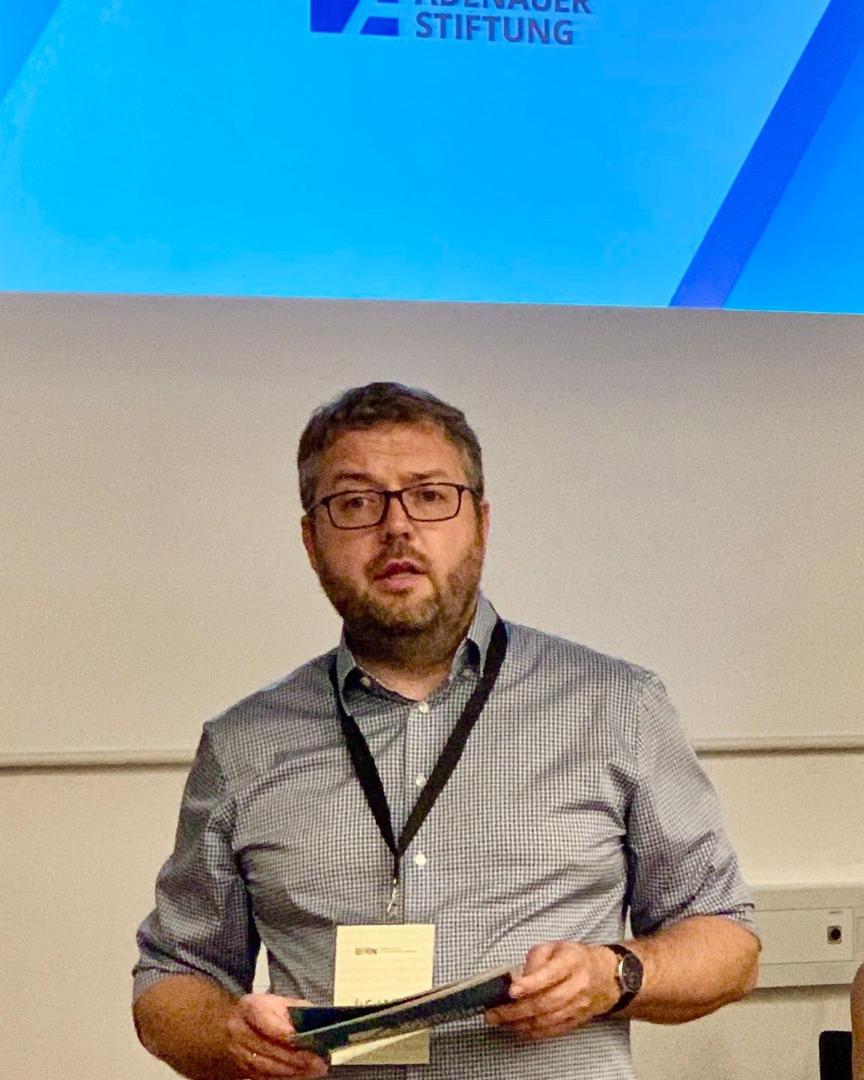
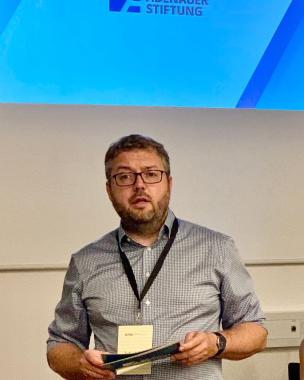
Hendrik Sittig, Head of the KAS Media Programme also welcomed the participants, thanked BIRN for the excellent organization of this annual event, and made clear once again how important free media and quality journalism are for a properly functioning democracy: “As the KAS Media Programme, we put great emphasis on strengthening media freedom and supporting journalists who understand and fulfill their role as democracy’s watchdogs. Furthermore - with our projects, we want to improve the working conditions of the media, but also to build and strengthen a greater self-confidence and solidarity among journalists. As you know, there is unfortunately still a lot to be done here in the entire region of Southeast Europe.”
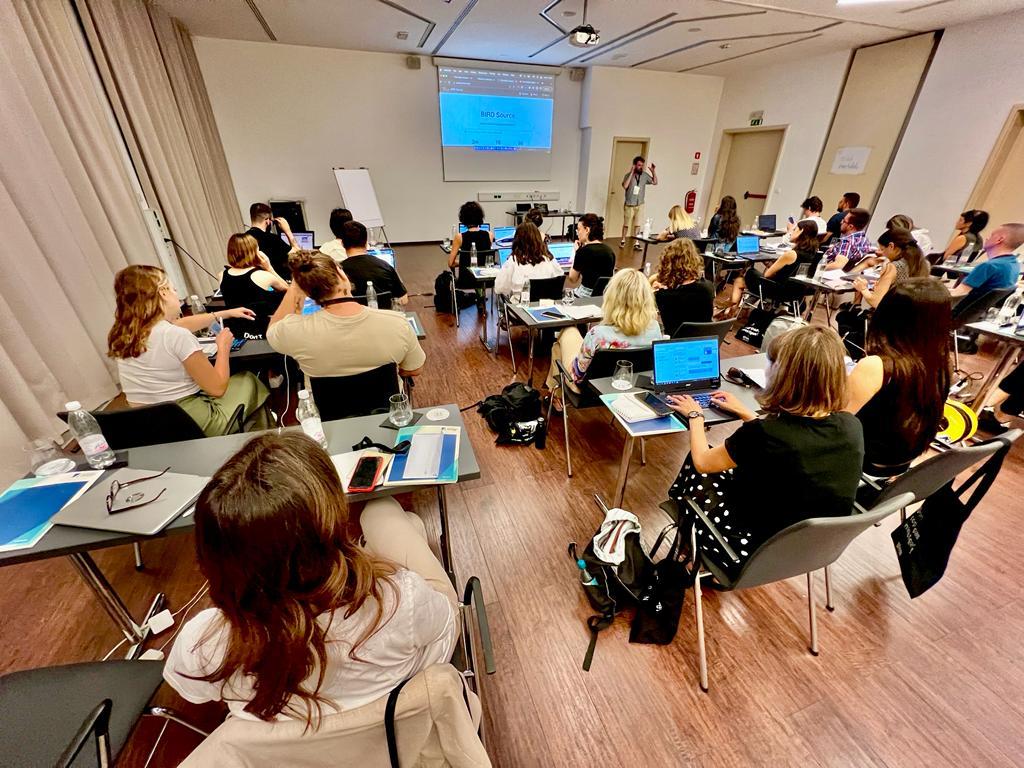
The topics of this year's summer school were open data research, digital security, multimedia investigations, data gathering and data visualization, financial and business journalism, journalism in conflict zones, and visual storytelling techniques.
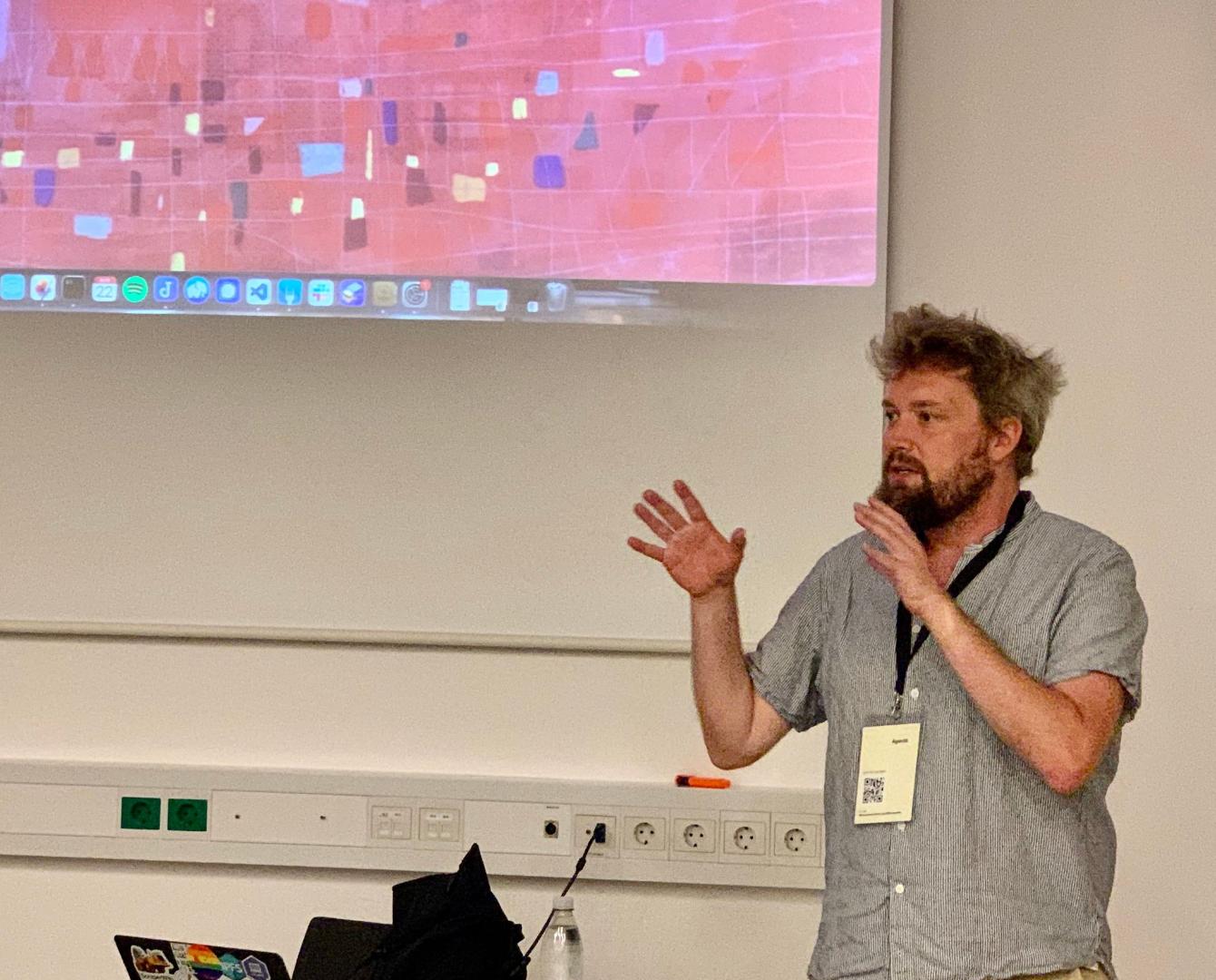
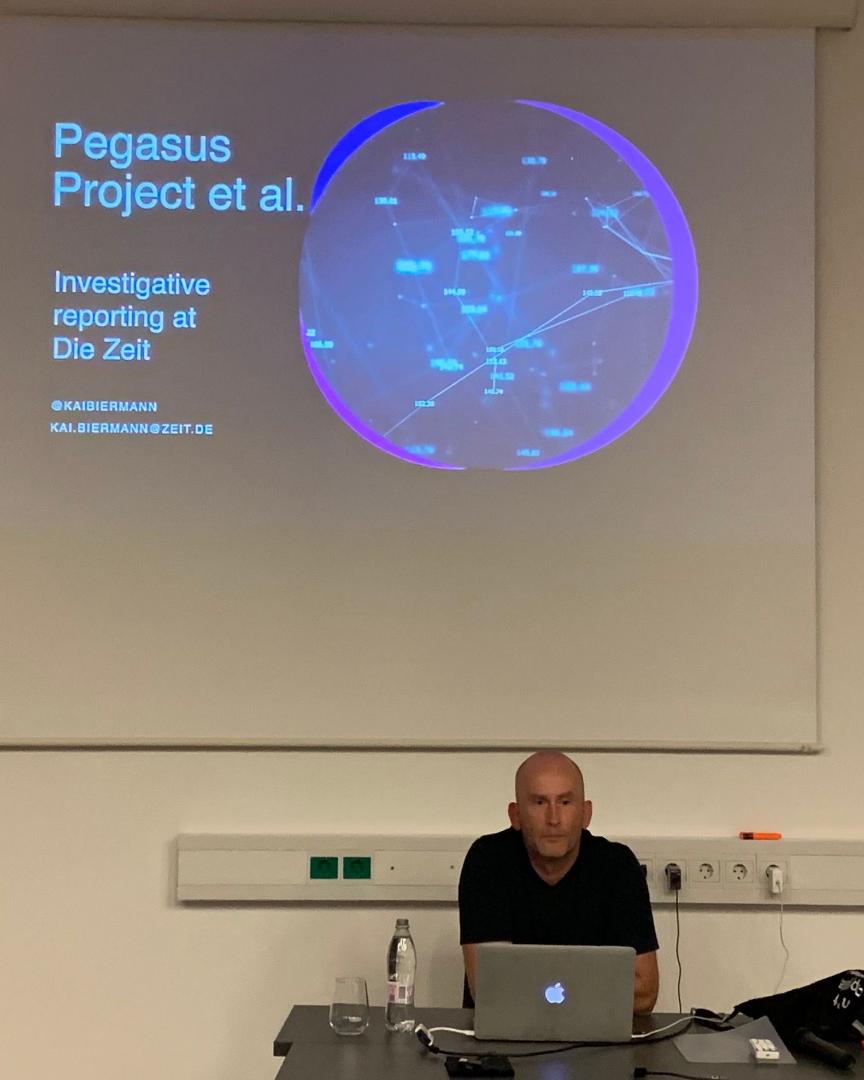
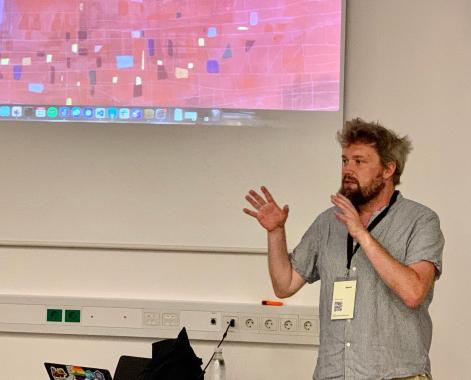
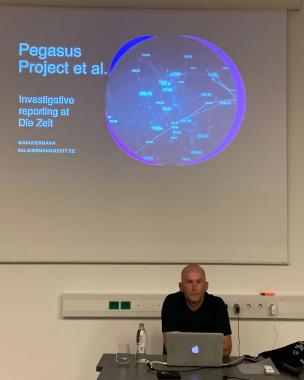
Freelance coder and data specialist Friedrich Lindenberg gave an introduction to open data research and practical advice on effectively searching and cross-referencing open databases and using various tools to track documents. BIRN journalist and digital security trainer Milica Stojanovic guided the participants through the sessions on digital security. Claudia Ciobanu, a BIRN journalist from Poland talked about the investigation project “Polish Forests Full of Fear” covering the migrant crisis on the Polish-Belarussian border. Ciobanu presented her multimedia investigation to the participants, explaining the obstacles and challenges she came across while reporting. The Q&A session that followed addressed practical and ethical aspects of investigative journalism. Kai Biermann, an editor at German newspaper “Die Zeit”, gave examples of data visualization and talked about the process of gathering data. Simon Bowers, investigations editor at Finance Uncovered, focused on financial and business journalism. He explained how investigative journalists can track money flows from companies and how to successfully process data from financial figures.
An important topic namely Journalist in conflict and war zones was addressed during the panel discussion with Lina Kushch, first secretary of the National Union of Journalists of Ukraine, Ahmad Al-Bazz, independent journalist and documentary filmmaker, and Milica Stojanovic, Journalist, BIRN’s Balkan Transitional Justice.
Alexandra Heal, a visual journalism reporter at the Financial Times introduced to visual storytelling techniques. Meg Kelly and Sarah Cahlan, reporters at the Washington Post with a focus on visual forensics, also shared their experiences and knowledge with the participants and talked about multimedia storytelling and open source research.
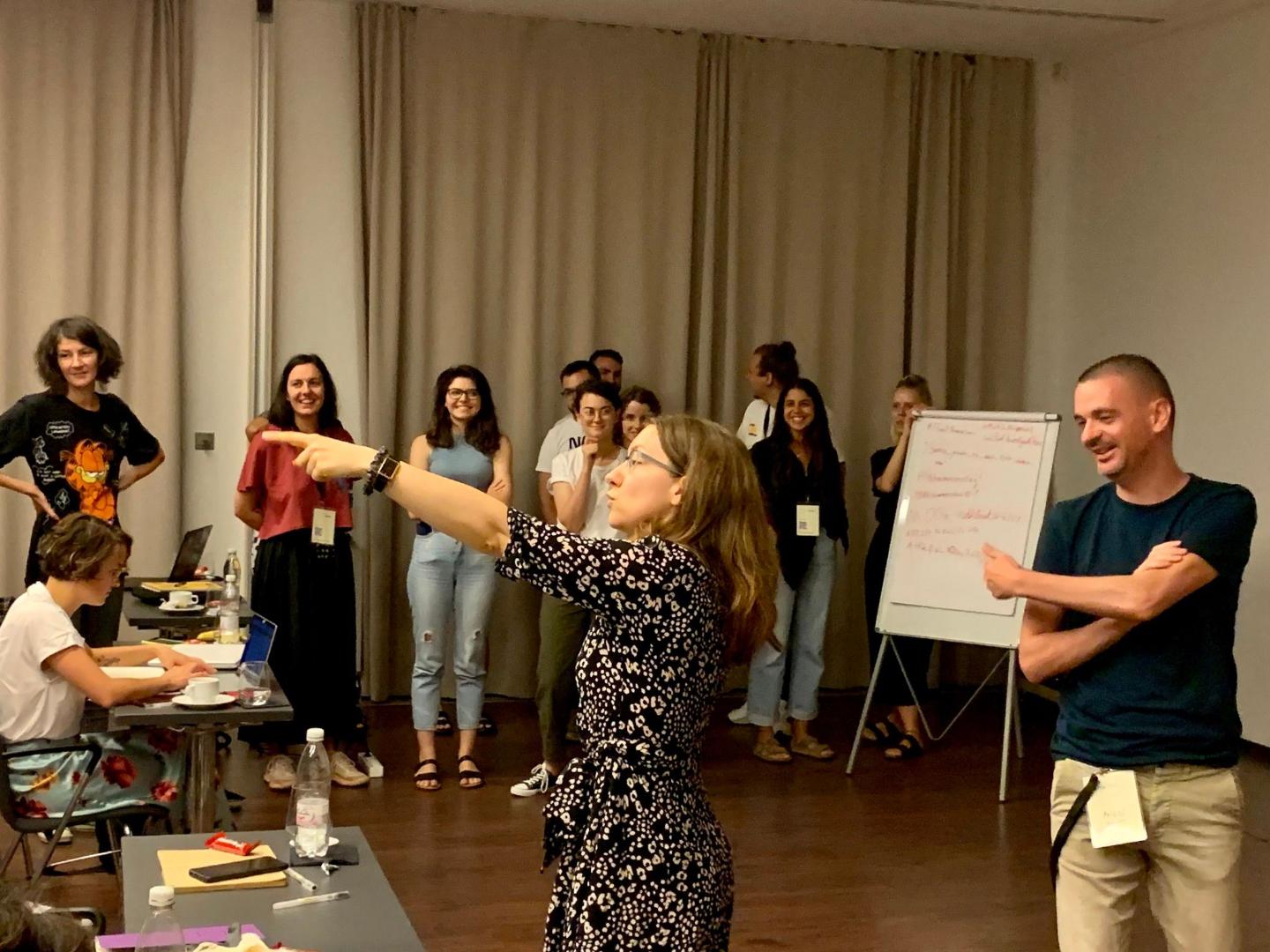
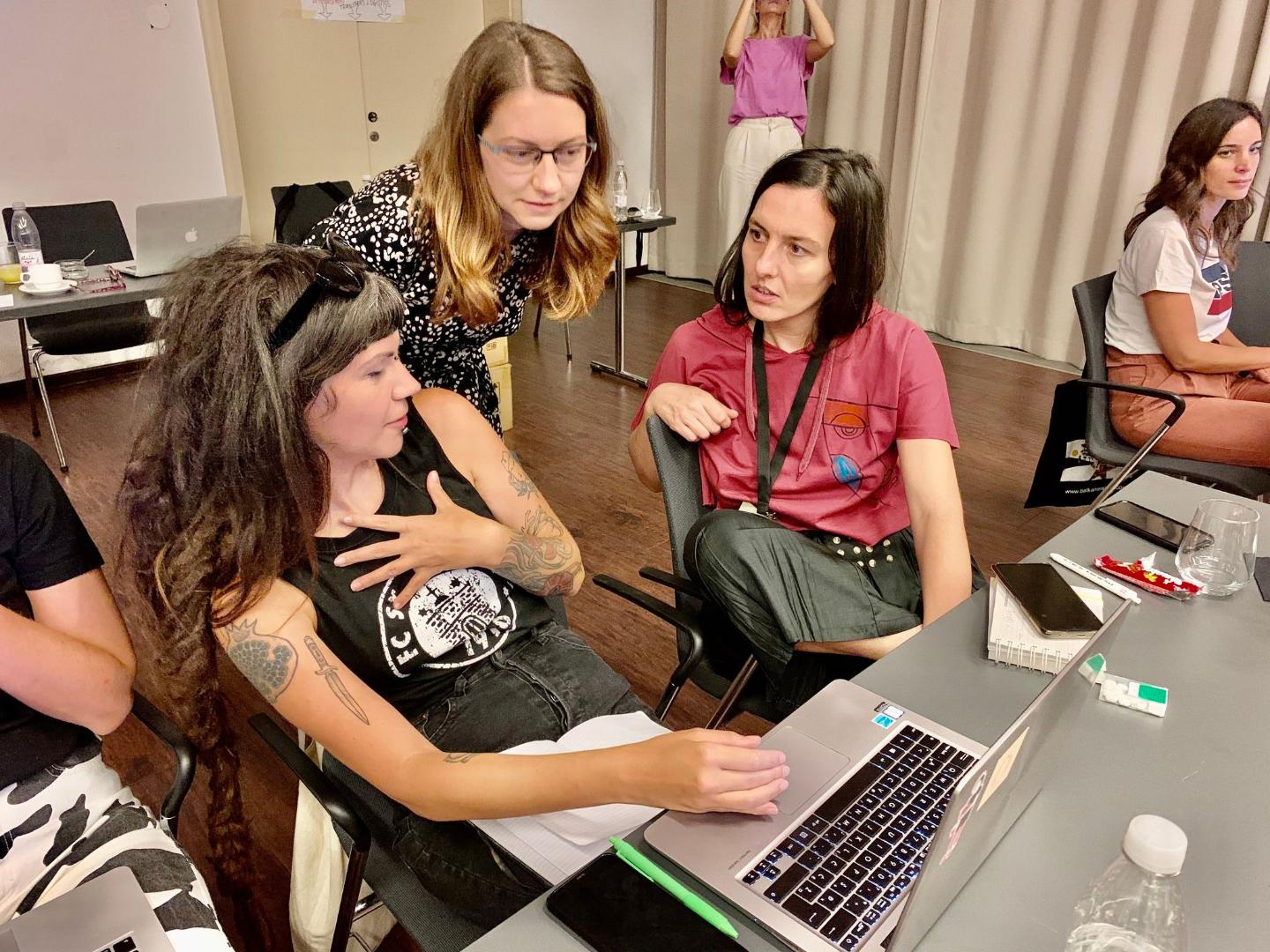
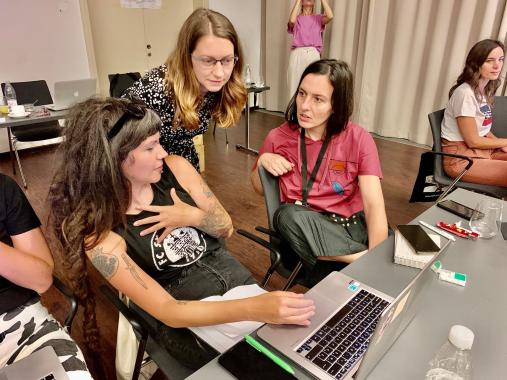
All participants had the opportunity to work on their own investigative stories with the support of the trainers and to present them at the end of the program.
Topics
On the Self-inflicted Causes of the Crisis in Journalism
The fire disaster in Kočani: Shock for state and society in North Macedonia
Why an independent Digital Ministry is indispensable and how it could be structured
Renewal of political parties - Digitalisation and political parties
Which News Can Still Be Trusted?