




Amid growing geopolitical fragmentation and the weakening of the rules-based international order, relations between the Gulf states and the European Union are increasingly taking on strategic importance. As global politics becomes shaped by overlapping crises – from the wars in Ukraine and Gaza to intensifying great-power competition and geo-economic disruptions – both regions are confronted with a more uncertain and less predictable international environment. In such context, the question of how Gulf and European actors can strengthen cooperation across security, economic, energy and other important domains have gained renewed urgency.
For both regions, the current moment presents a paradox: while the international environment is becoming more volatile and less predictable, the need for deeper cooperation between regional partners is simultaneously becoming clearer.
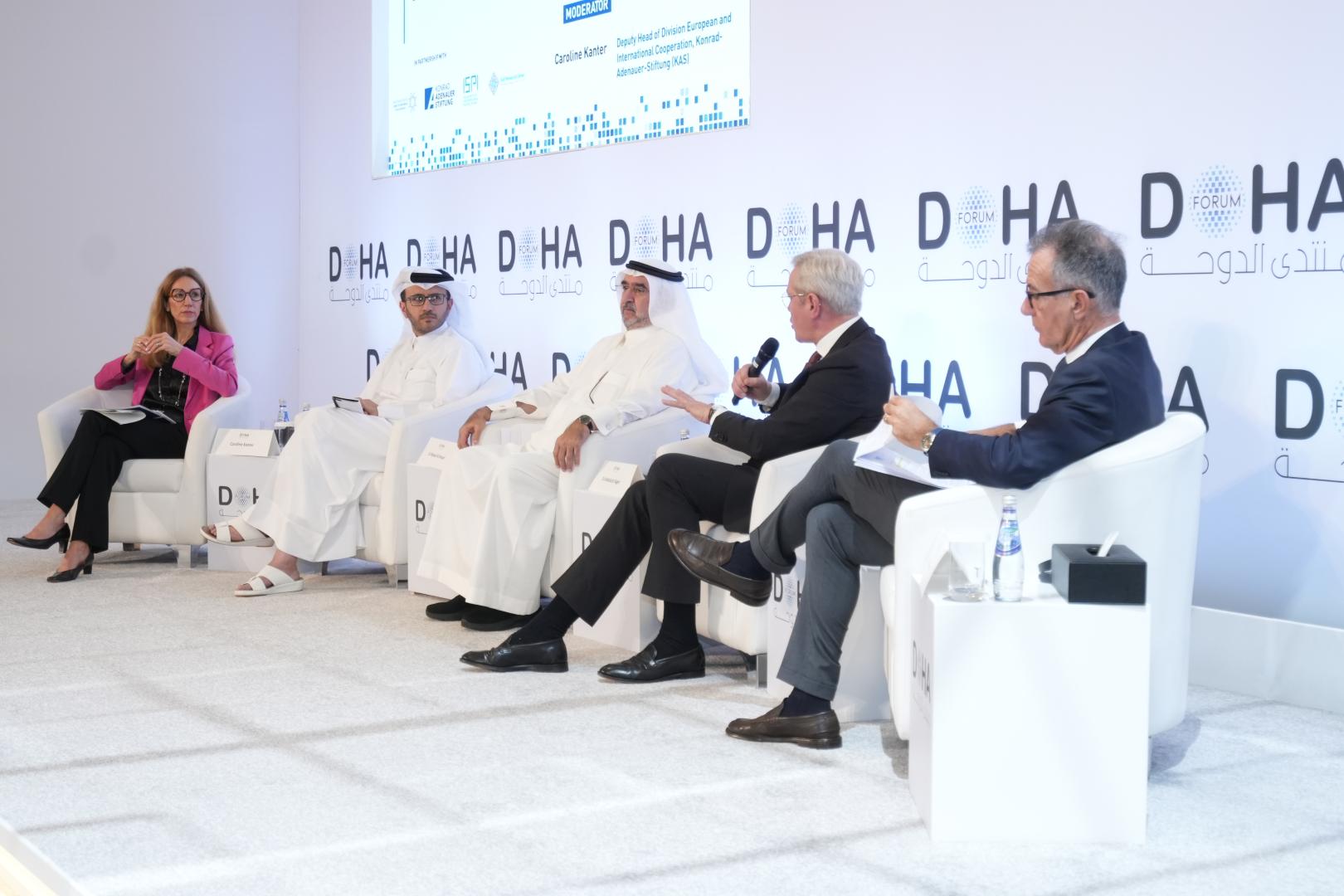
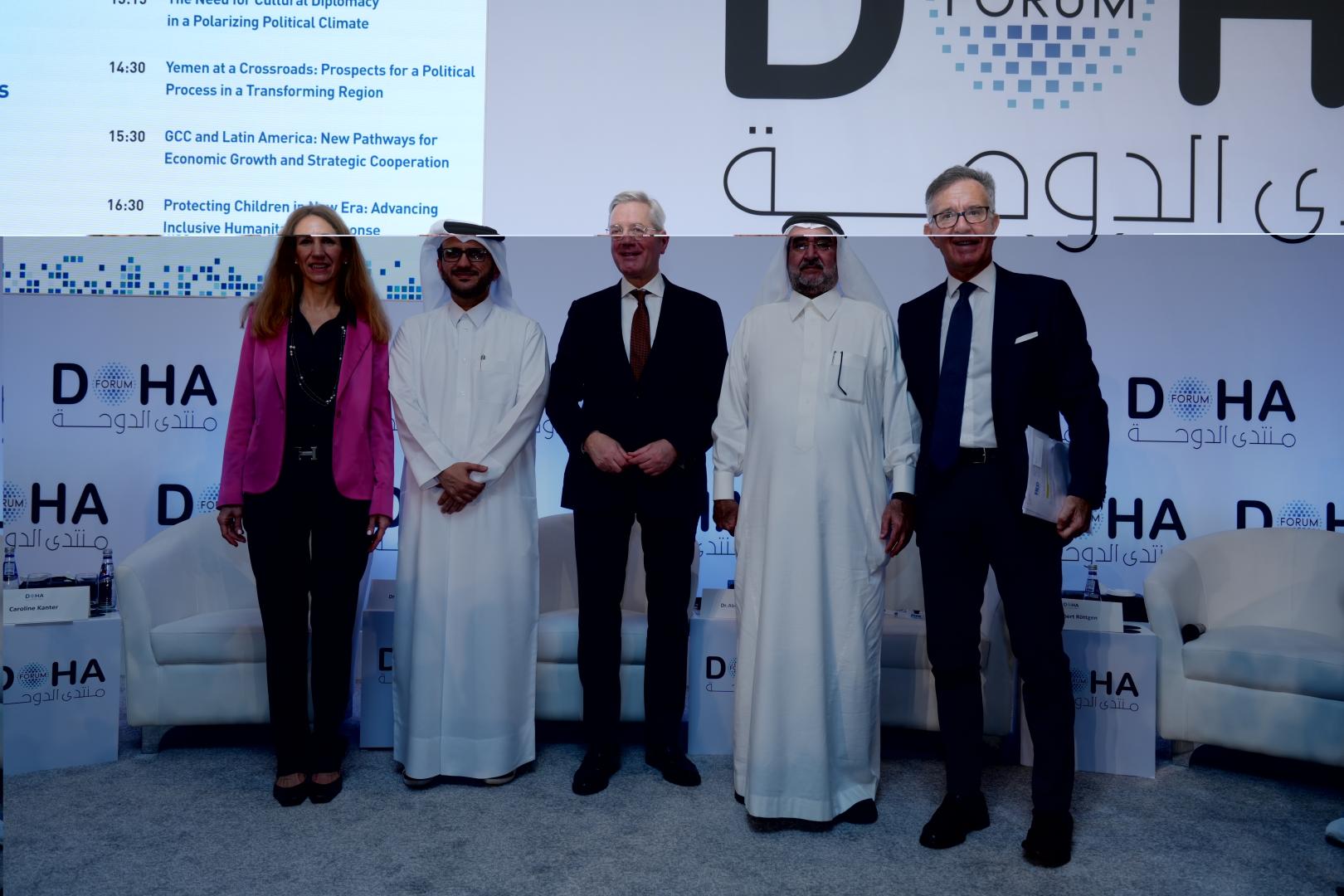
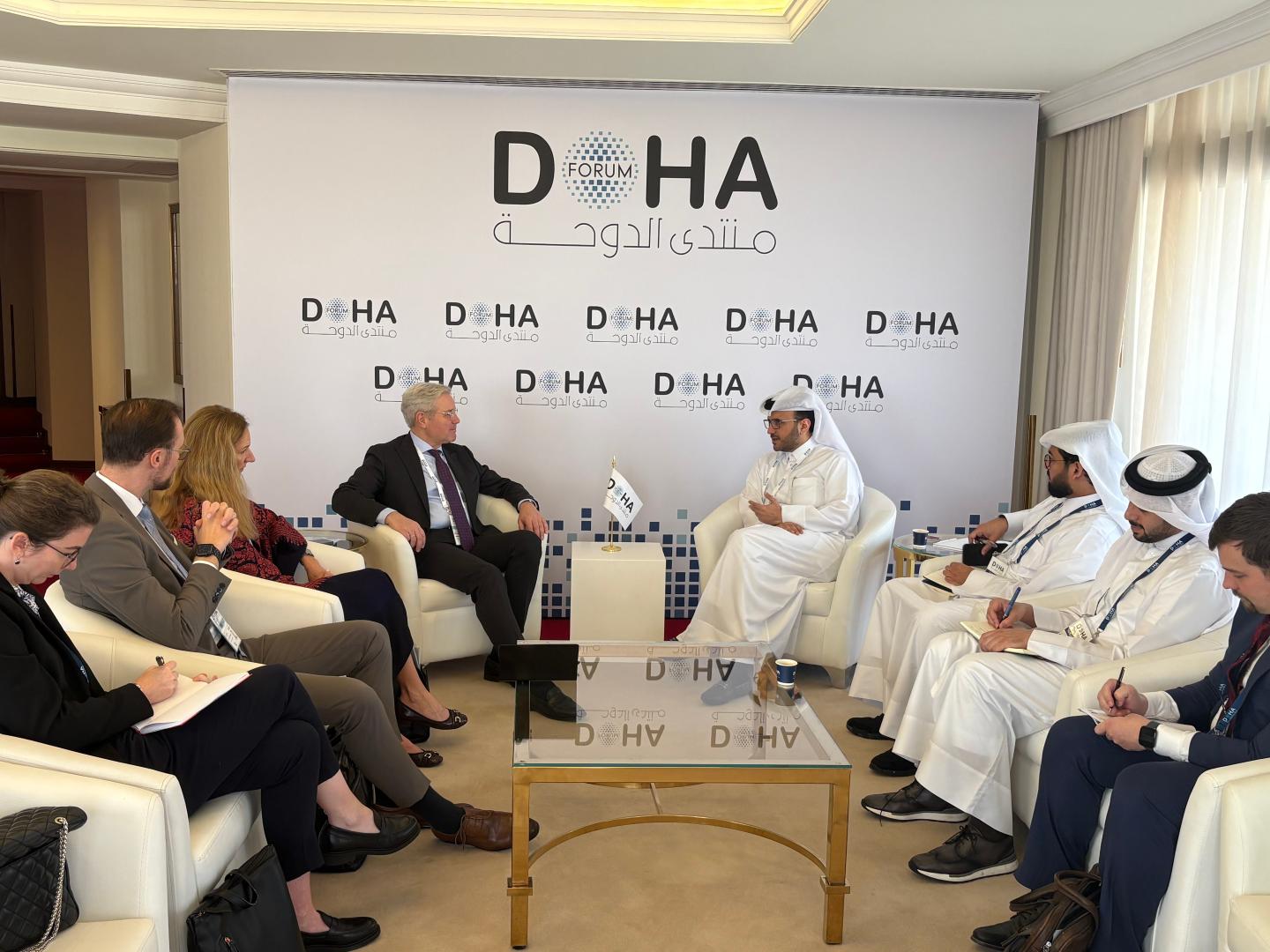
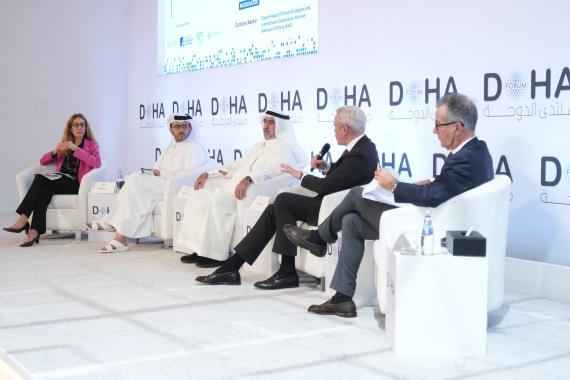
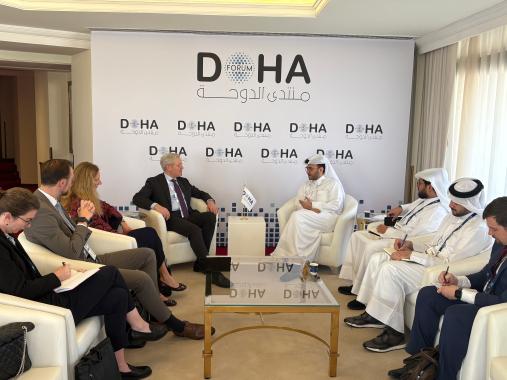
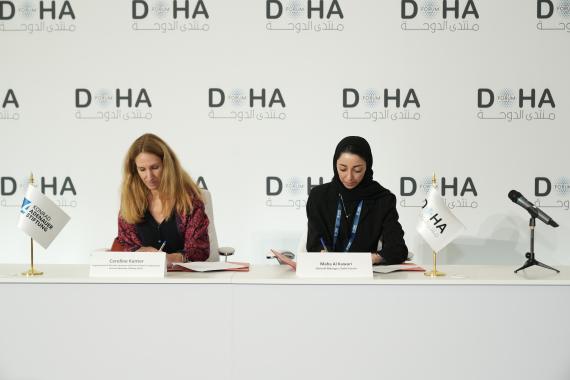
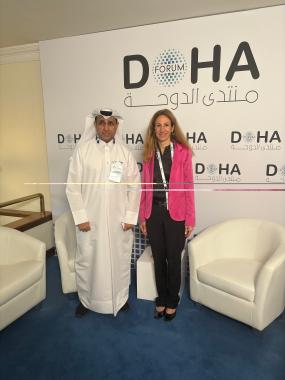
Against this backdrop, the panel, “Gulf-EU Relations in the Age of Strategic Isolation” brought together policy-makers and experts from Europe and the Gulf during the Doha Forum 2025, one of the region’s leading platforms for dialogue on global issues and geopolitical transformations. The panel was co-organised by KAS’s Regional Programme Gulf States, the Center for International Policy Research (CIPR), the Gulf Research Center (GRC), and the Italian Institute for International Political Studies (ISPI), and explored how Gulf-European relations can adapt to an international environment characterised by shifting power balances and evolving regional orders.
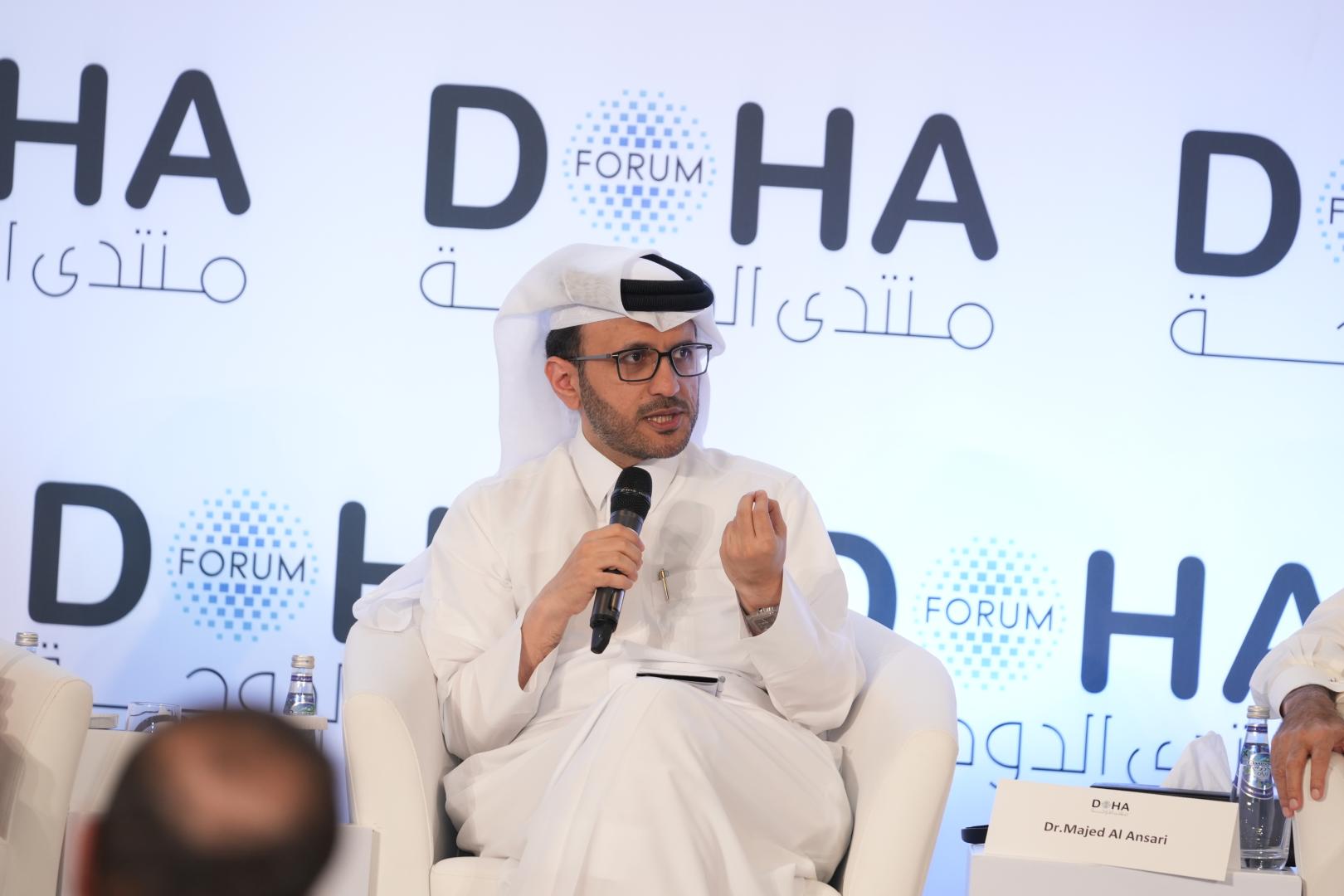
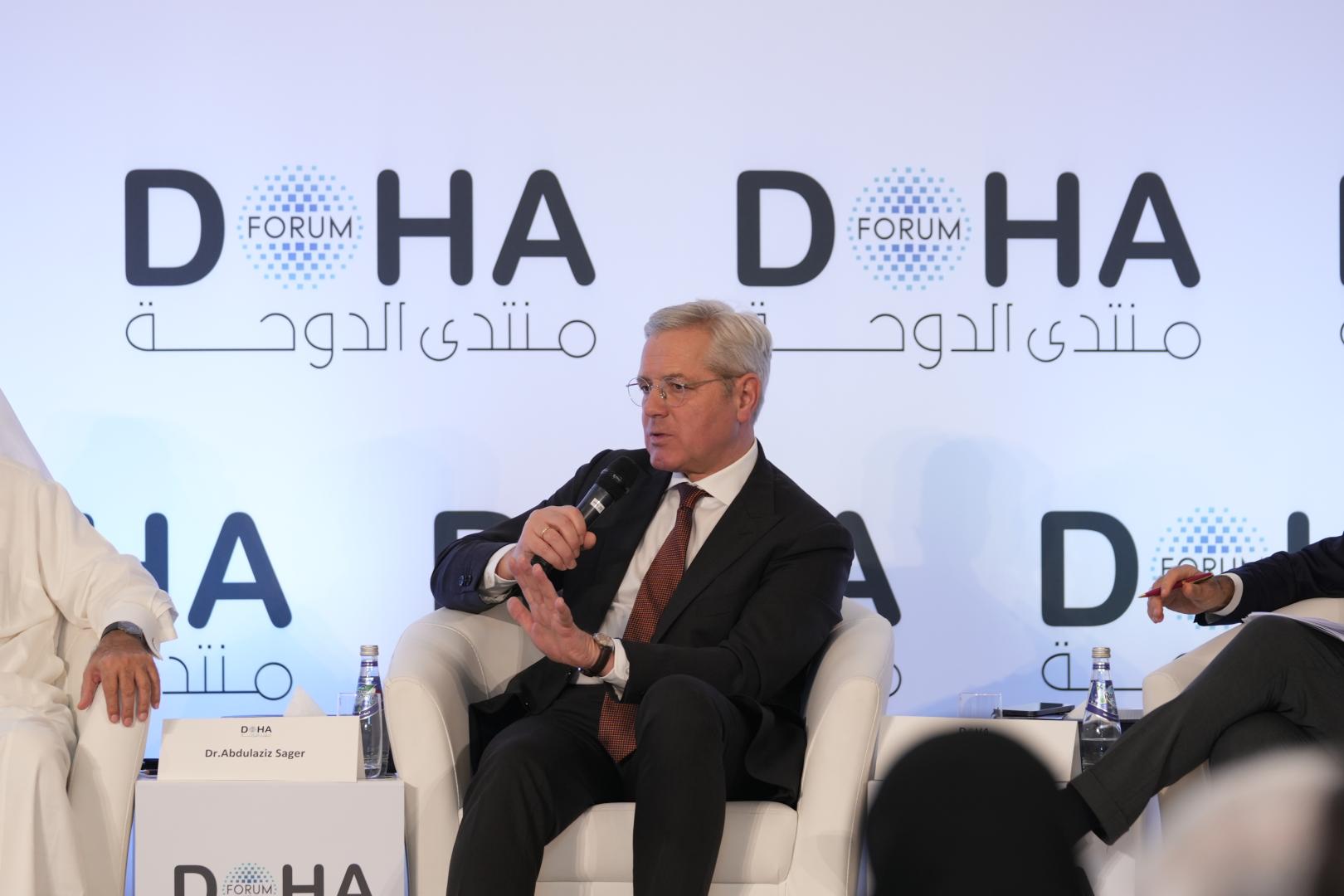
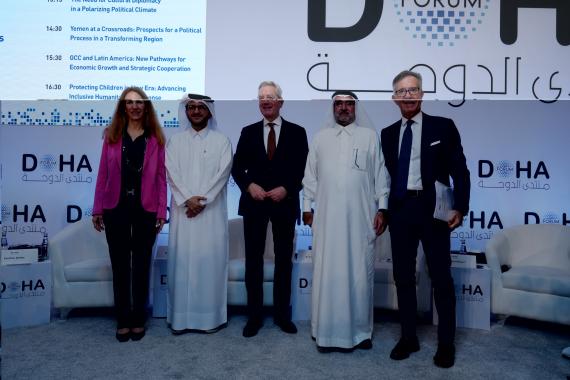
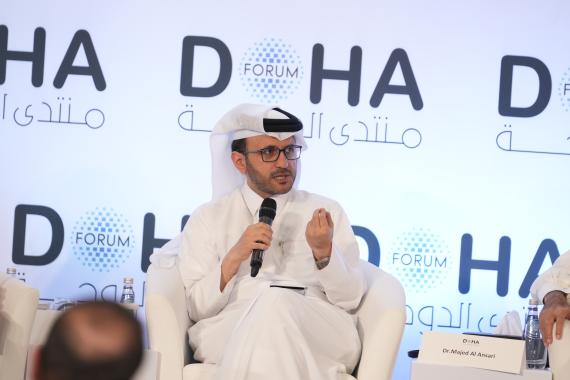
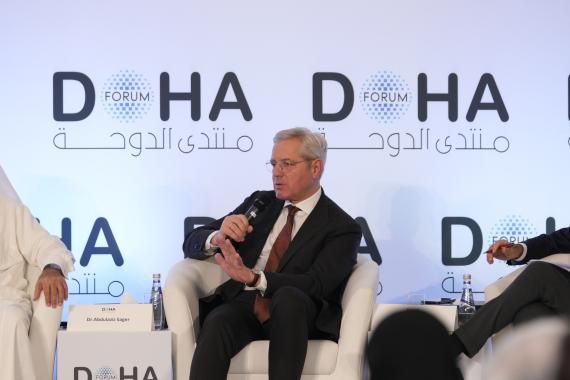
Moderated by Caroline Kanter, Deputy Head of Division for European and International Cooperation at KAS, the session featured H.E. Dr Majed Al-Ansari, Advisor to the Prime Minister and Official Spokesperson for the Ministry of Foreign Affairs of the State of Qatar; Dr Norbert Röttgen, Member of the German Bundestag, and Deputy Head of the CDU/CSU Parliamentary Group; Dr Paolo Magri, President of the Advisory Board of ISPI; and Dr Abdulaziz Sager, Founder and Chairman of the Gulf Research Center.
From the outset, the discussion emphasised that the current geopolitical moment is not simply one of isolationism, but rather one of deep structural transformation. Dr Norbert Röttgen argued that the international system is moving away from the cooperative assumptions that defined the post-Cold War period. Instead, he suggested, global politics increasingly reflects what he described as an ‘era of bullies’, in which major powers seek regional dominance and spheres of influence. In such an environment, countries that are neither global superpowers nor isolated actors (such as European and Gulf states) have a strong incentive to work more closely together to defend shared interests and preserve a stable international framework.
Speakers also underlined that the European Union and the Gulf states share a number of structural similarities that could serve as a foundation for deeper partnership. Both regions consist of diverse groups of states that nevertheless face comparable pressure arising from instability in neighbouring regions. H.E. Dr Majed Al-Ansari noted that developments in the Middle East frequently produce ripple effects in Europe, particularly in areas such as migration, energy security, and regional stability. These interconnected challenges he argued make closer cooperation between the Gulf and Europe both logical and increasingly necessary.
Security cooperation emerged as one of the most immediate areas for strengthening this partnership. Dr Abdulaziz Sager highlighted that Gulf-European cooperation already encompasses areas such as maritime security, counterterrorism, and intelligence sharing. However, the nature of security threats is rapidly evolving. Beyond conventional risks, both regions must now confront challenges such as cyber threats and the protection of critical underwater infrastructure. Ensuring the security of global maritime routes and supply chains – vital for Gulf energy exports, stable global energy markets, and European economic stability alike – therefore, remains a shared strategic priority.
Speakers also emphasised that cooperation between the Gulf and Europe should include a broader understanding of energy security that goes beyond the traditional oil and gas discussion. As Europe undergoes a transformation of its energy supply and Gulf states simultaneously pursue technological and energy transitions, this evolving landscape could open new avenues for cooperation in areas such as energy transition and technological transformation.
Economic relations form another central pillar of EU-Gulf engagement, though speakers noted that significant untapped potential remains. Europe continues to rank among the Gulf’s most important economic partners, yet institutional frameworks have not kept pace with the scale of economic interaction. The long-standing negotiations over an EU-GCC Free Trade Agreement, which have continued for years without resolution, were cited as a clear example of this gap between economic interdependence and institutional progress.
Beyond security and economic cooperation, the discussion also highlighted opportunities for collaboration in diplomacy and conflict resolution. H.E. Dr Al-Ansari pointed to the increasing role of Gulf states in mediation initiatives, often undertaken in flexible coalitions with European partners. Such formats demonstrate how different actors can combine diplomatic access, political influence and economic resources to support conflict resolution. Post-conflict reconstruction – particularly in Syria – was also identified as a potential area where European technical expertise and Gulf financial capacity could complement each other.
At the societal level, speakers stressed that sustainable partnerships require strong people-to-people connections alongside institutional cooperation. Dr Paolo Magri emphasised the importance of academic exchange programmes, research collaboration and initiatives such as Erasmus+ and Horizon Europe in building mutual understanding between the two regions. Strengthening these societal ties, he argued, can help dismantle stereotypes and foster the trust necessary for long-term cooperation.
The discussion also touched upon the sensitive issue of values and perceptions in EU-Gulf relations. Several speakers suggested that dialogue on values should be conducted with mutual respect, particularly in light of debates surrounding perceived double-standards in international politics. Building credibility and consistency in international engagement, participants noted, remains essential for strengthening trust between partners.
Taken together, the panel underscored that EU-Gulf relations possess considerable unrealised potential. In areas ranging from maritime security and energy transformation to diplomacy and economic cooperation, both regions bring complementary capabilities and shared strategic interests to the table. As speakers repeatedly stressed, however, the success of the relationship will depend less on declarations than on the ability to translate dialogue into concrete policy initiatives.
In this sense, the discussion returns to the panel’s central theme: whether the current geopolitical environment represents an era of strategic isolation or an opportunity for new forms of regional cooperation. While the international system may be becoming more fragmented, the conversation at the Doha Forum suggested that closer coordination between Europe and the Gulf could serve as an important anchor of stability in an increasingly uncertain world.