Fostering constructive dialogue between younger generations and public institutions has become important for strengthening civic awareness and responsible participation in public life. Initiatives that provide young people with opportunities to better understand governance processes, while also encouraging them to engage thoughtfully in public affairs, can play an important role in nurturing informed civic engagement and leadership.
Against this backdrop, KAS’s Regional Programme Gulf States, in cooperation with the Youth Pioneer Society (YPS) collaborated in the eighth edition of the Young Parliamentarian Programme (YPP) from 2025 to 2026. The programme brought together young Bahrainis interested in public and civic affairs as well as community leadership and provided them with a platform to explore the dynamics of governance, parliamentary work, and policy dialogue through a combination of workshops, expert discussions, and interactive learning formats.
Rather than focusing solely on theoretical instruction, the programme placed strong emphasis on experiential learning and practical engagement. Participants were encouraged to critically examine how ideas, public opinion, and civic initiatives translate into policy debates and legislative processes. Sessions explored how individuals can positively influence their communities through social initiatives and civic responsibility. To illustrate this, speakers from civil society shared experiences demonstrating how grassroots initiatives – ranging from family awareness programmes to volunteer networks and advocacy campaigns – can shape societal attitudes and contribute to positive change within communities.
Building on these discussions, another key focus of the programme addressed the relationship between media and public opinion, particularly in an era of rapidly evolving digital communication. Media professionals and communication experts discussed how narratives, trends, and information flows influence public discourse and shape perceptions within society. The discussions highlighted the importance of critical thinking and media literacy, encouraging participants to engage with media content thoughtfully and responsibly while recognising their own role as contributors to public conversations in the digital age.
Complementing these discussions, participants were introduced to the broader institutional and historical context of governance in Bahrain. Lectures on Bahrain’s foreign policy highlighted the country’s diplomatic approach based on balance, cooperation, and engagement with regional and international organisations. The sessions also explored Bahrain’s historical path toward parliamentary development, tracing the gradual evolution of legislative institutions from early reform movements to the establishment of the bicameral legislative structure that exists today.
A central component of the programme was the Shebania simulation game, implemented in cooperation with CRISP. Designed as an interactive policymaking exercise, the simulation immersed participants in the fictional island state of Shebania, where they assumed roles as policymakers, civil society representatives and citizens tasked with negotiating a National Youth Policy aimed at addressing key challenges facing young people. Through committee negotiations and policy drafting sessions, participants worked to reconcile competing interests and formulate practical policy recommendations addressing youth political participation, social cohesion, and education. The simulation provided participants with a hands-on understanding of policymaking dynamics, including coalition building, negotiation strategies, and the challenge of balancing individual priorities with collective policy outcomes. Working within committees, participants debated policy proposals, drafted guiding principles, and presented recommendations aimed at addressing youth engagement and social challenges within the simulated environment. This process encouraged participants to think strategically about governance, compromise and consensus-building – skills essential for constructive political participation.
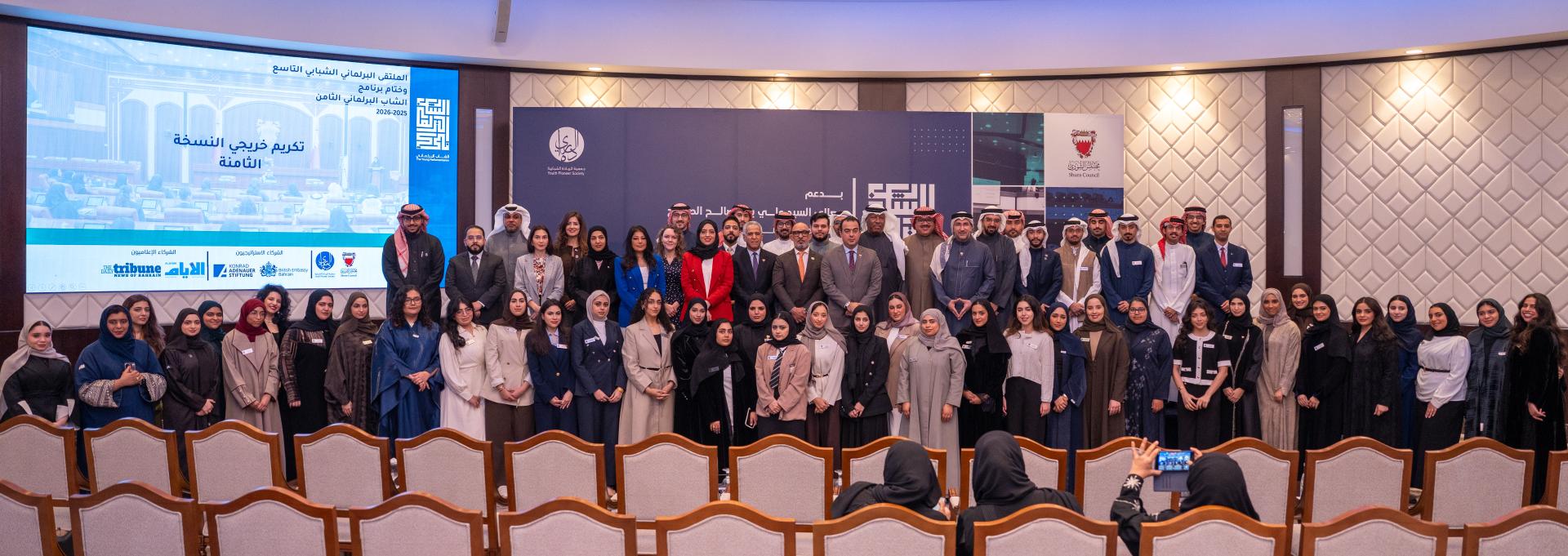
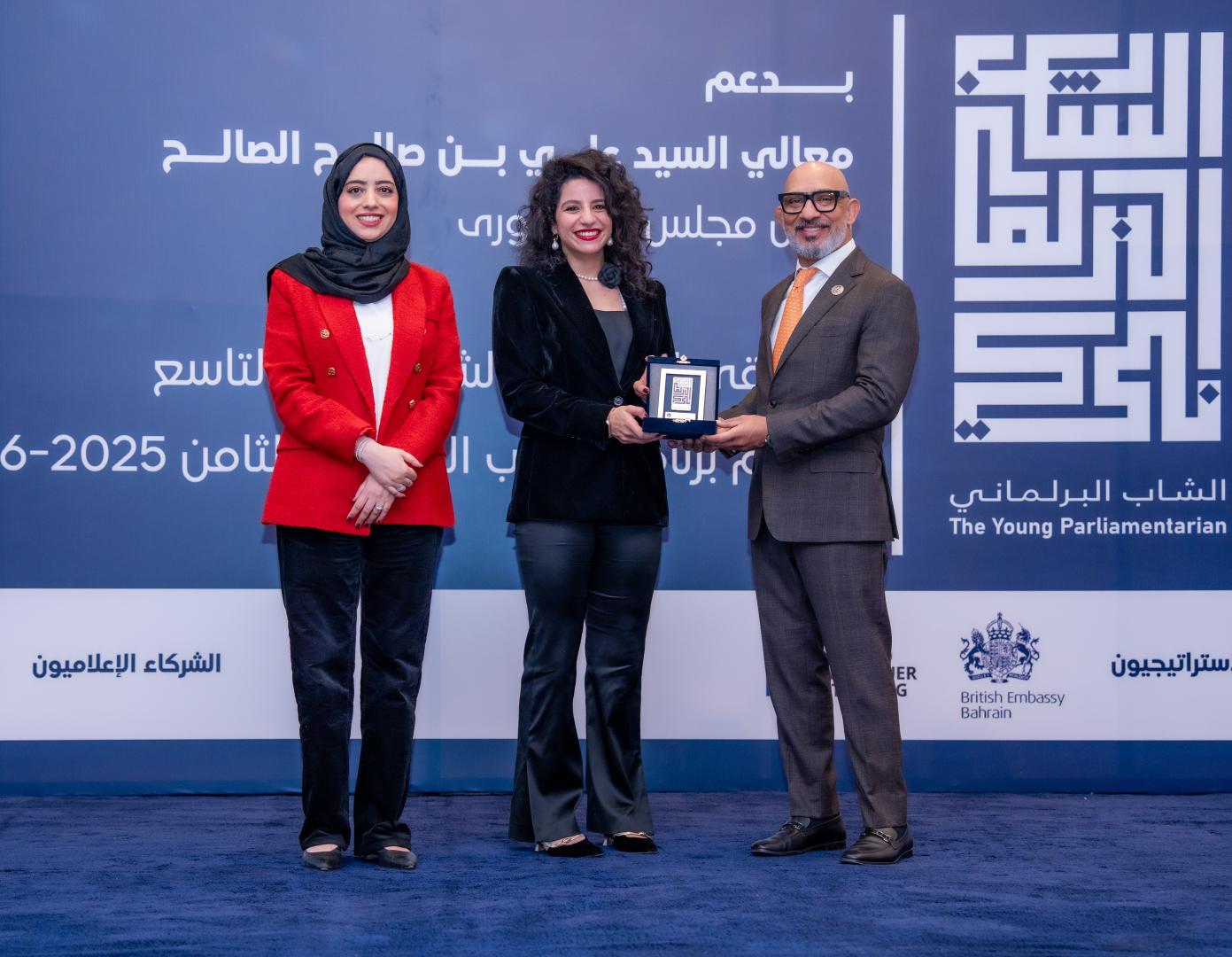
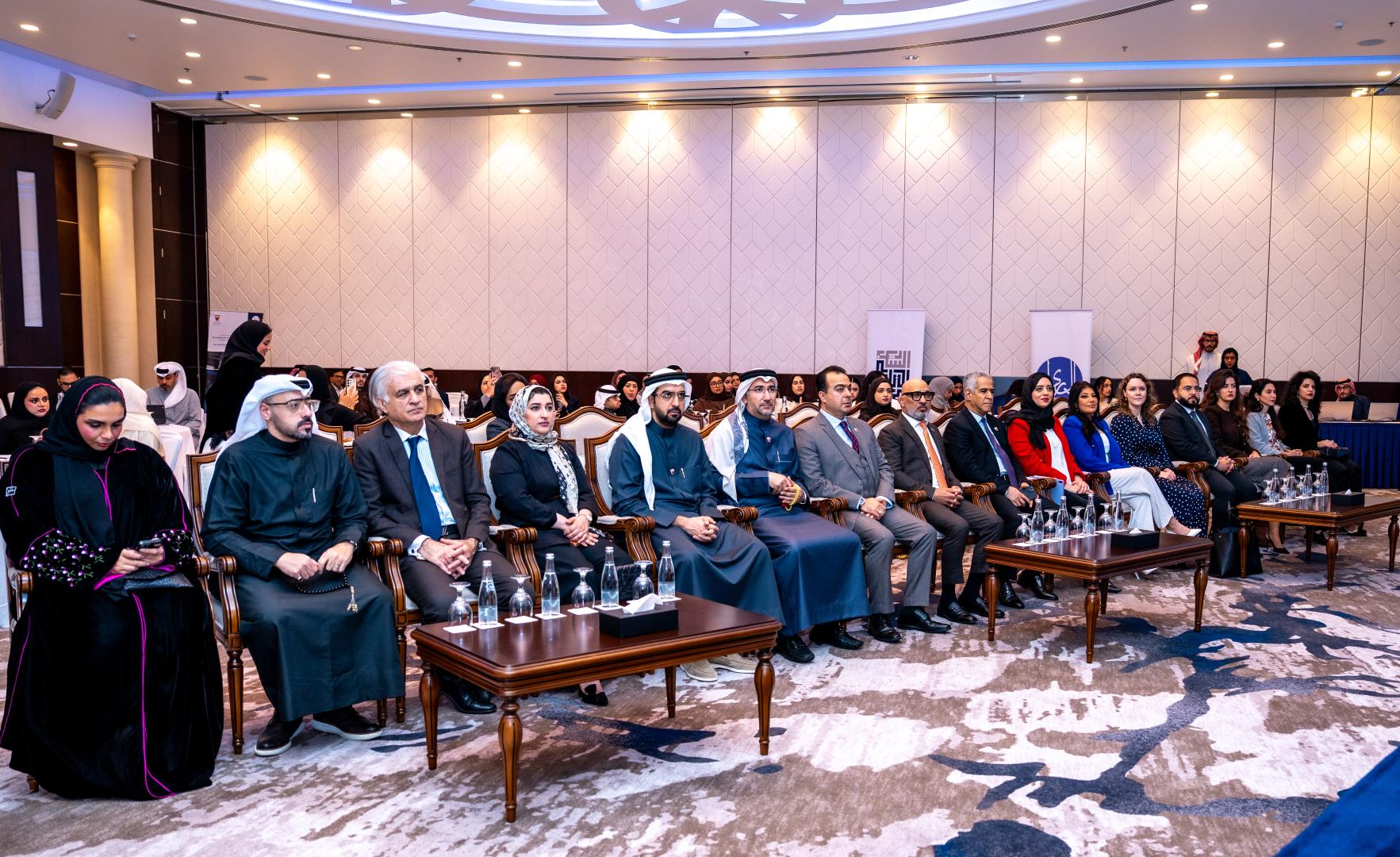
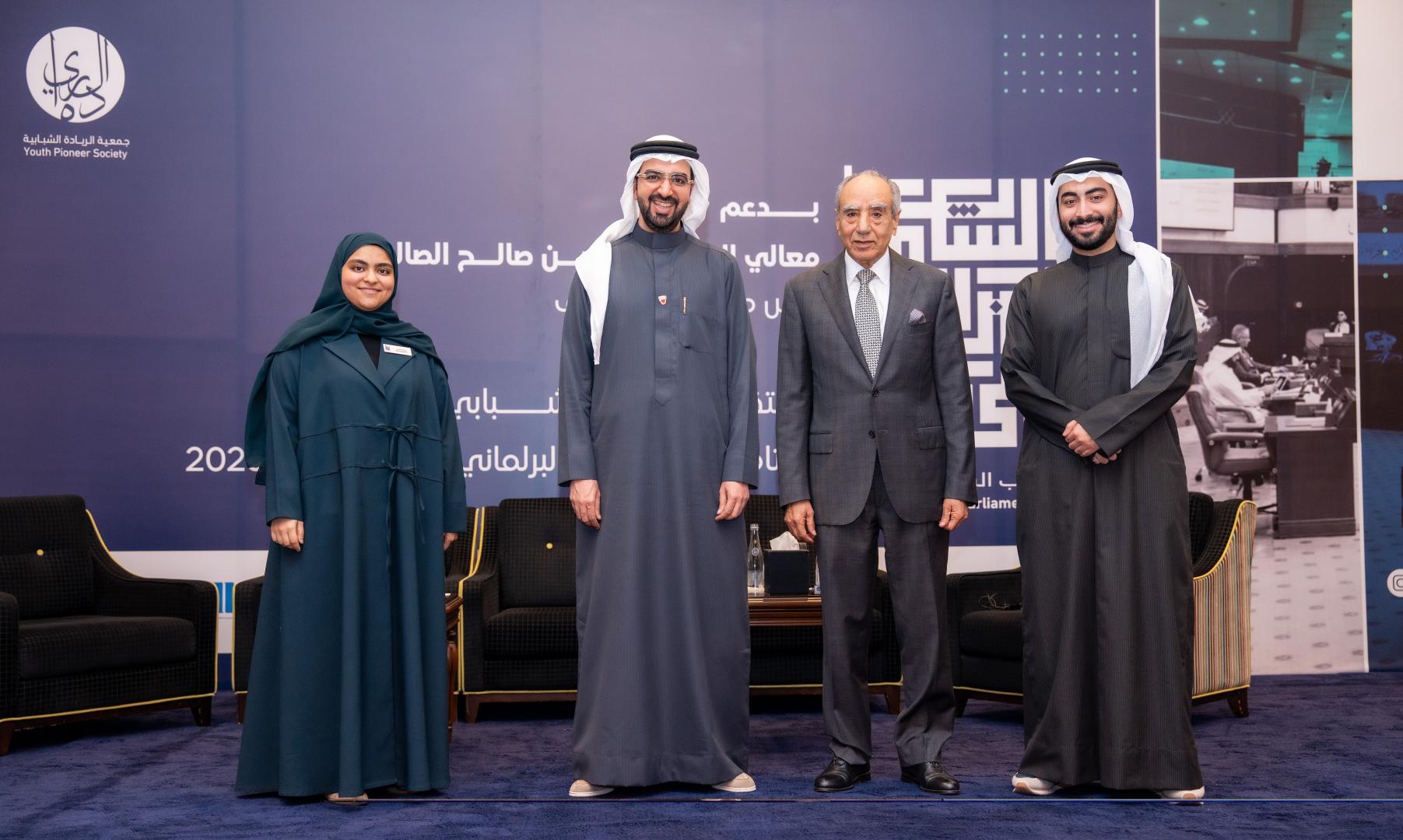
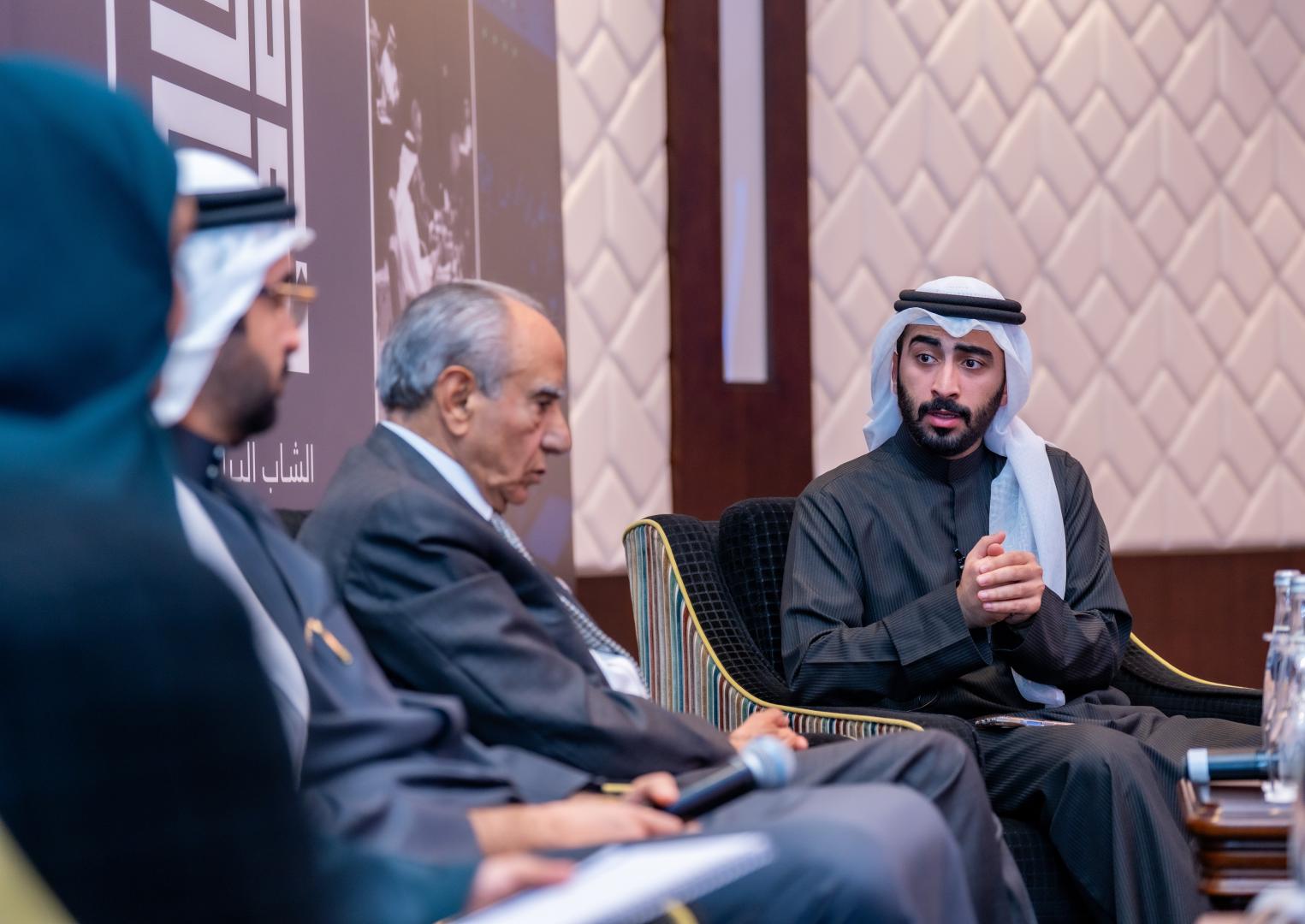
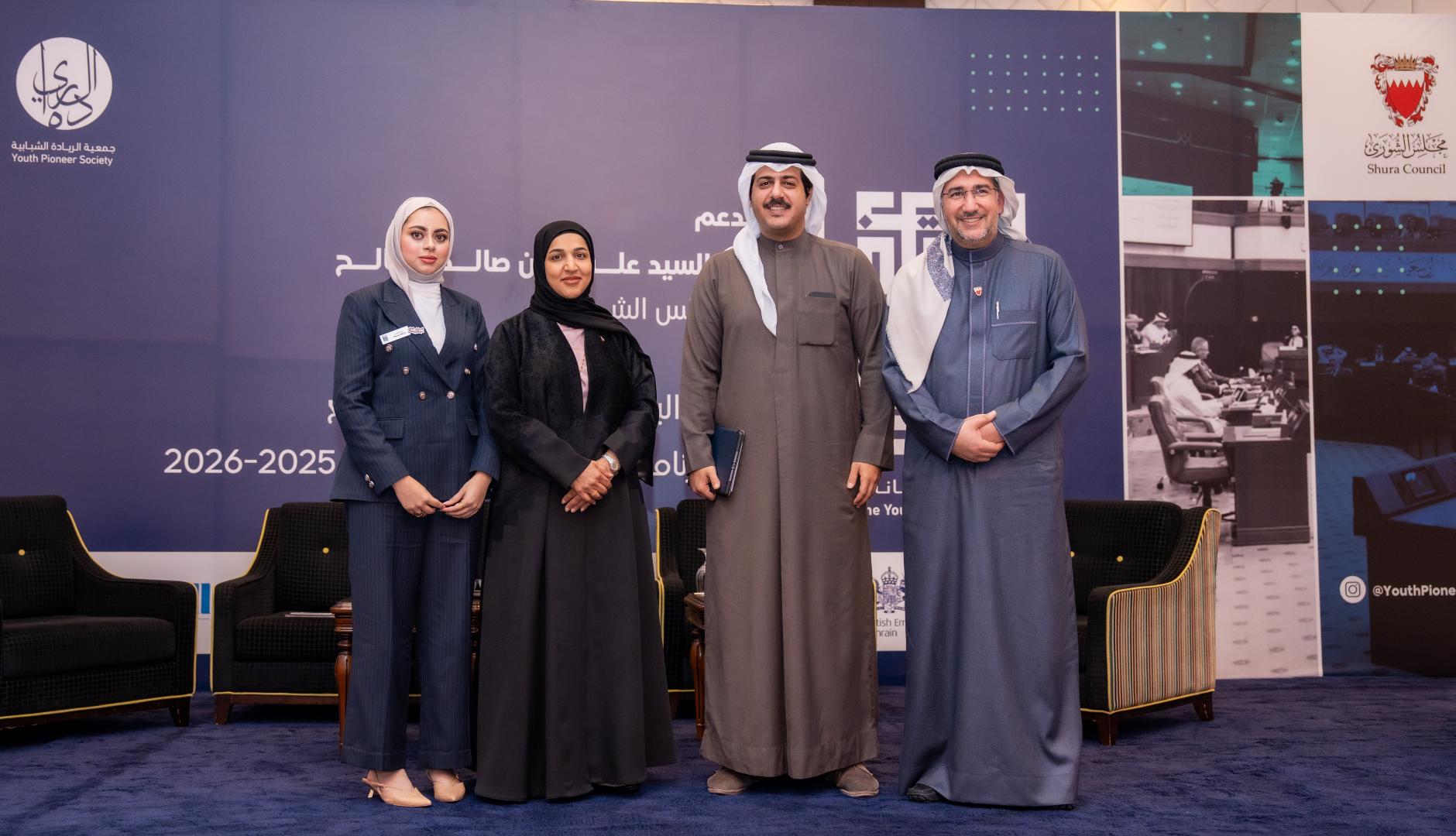
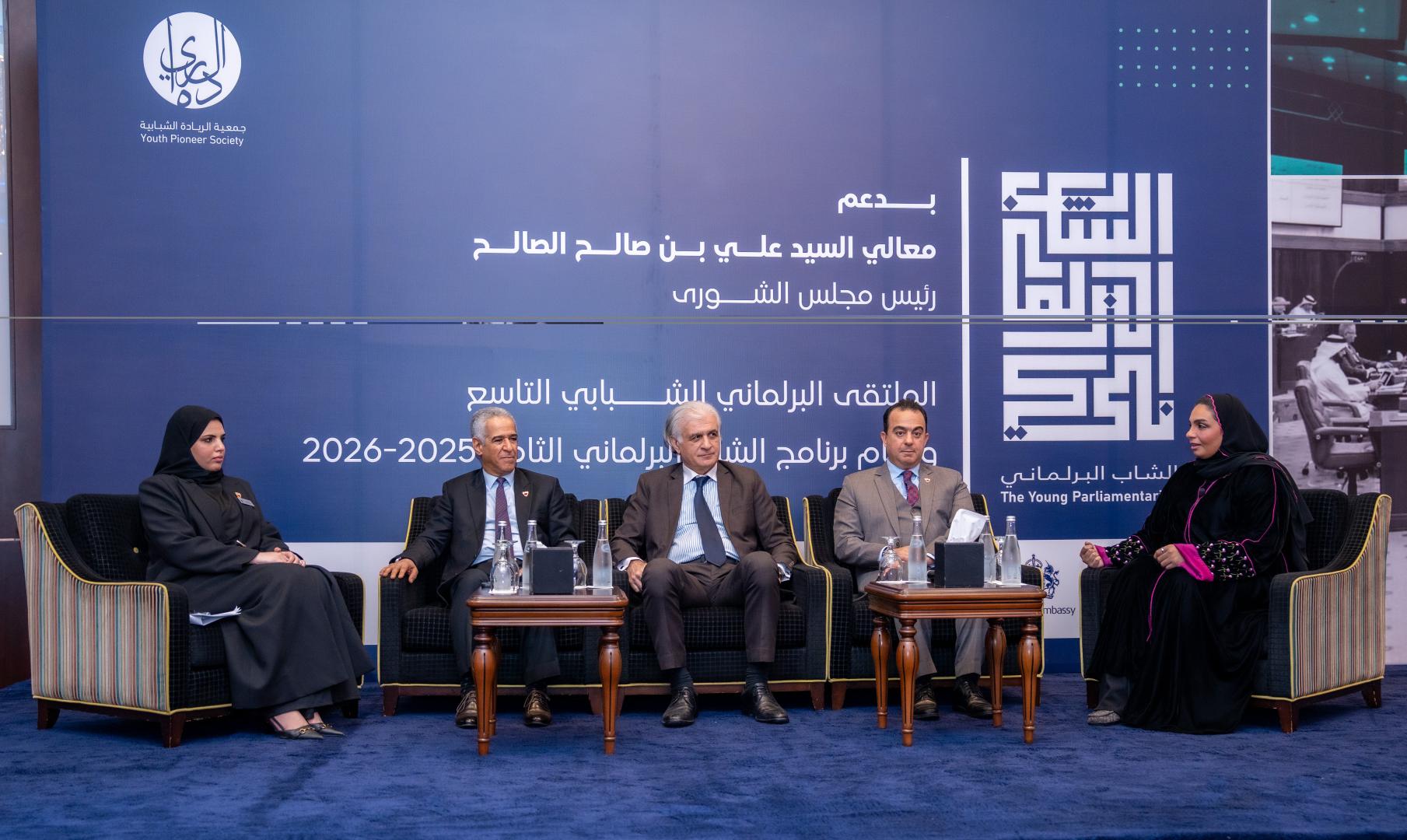
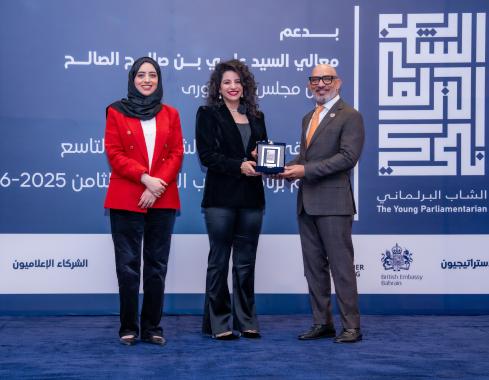
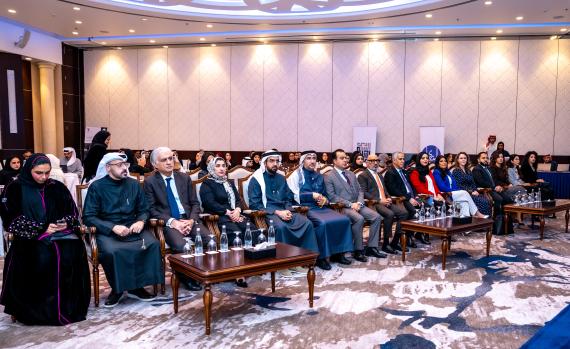
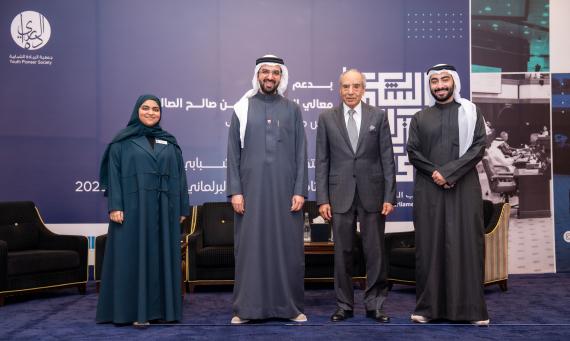
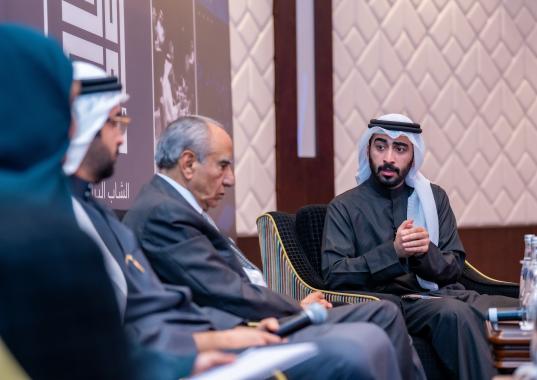
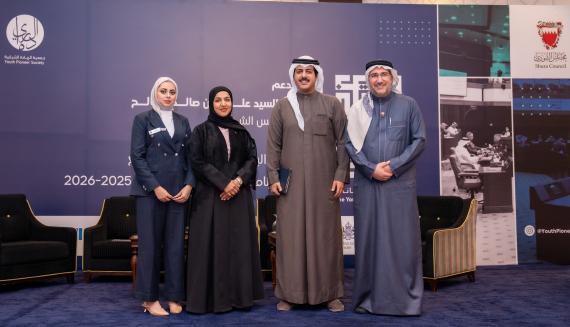
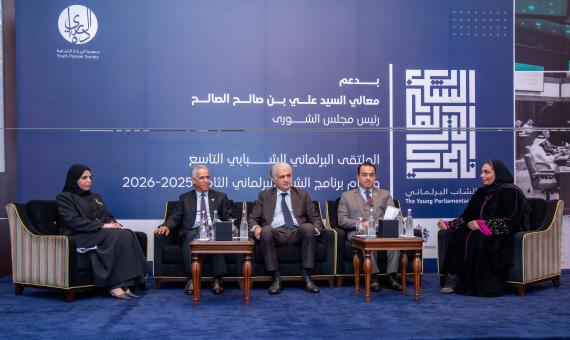
The programme culminated in a youth forum and closing ceremony held in cooperation with the Shura Council, where participants had the opportunity to present legislative policy proposals they had developed throughout the programme. Drawing on the knowledge and skills acquired during the various workshops, discussions and simulation exercises, participants formulated policy proposals addressing a range of contemporary issues, including the responsible use of artificial intelligence and environmental sustainability. These initiatives were presented before members of the Shura Council and the Council of Representatives allowing participants to directly engage with policymakers, discuss their ideas, and receive feedback on their proposals.
This exchange provided participants with a valuable opportunity to experience how policy ideas can move from discussion to institutional dialogue. By presenting their proposals in a parliamentary setting and interacting with legislators, participants gained a deeper understanding of how policy discussions evolve within formal political institutions and how civic ideas contribute to broader policy conversations.
Taken together, the eighth edition of the YPP highlighted the value of combining theoretical knowledge with practical learning experiences. By connecting young participants with policymakers, institutions and civic actors, the programme contributes to strengthening civic literacy, policy awareness, and responsible participation in public affairs, while supporting the development of a new generation of engaged citizens capable of contributing thoughtfully to civic life in Bahrain.