The first round of Brazil’s general elections revealed a broader political shift to the right. Flávio Bolsonaro, candidate of the Liberal Party (PL), finished ahead of incumbent President Luiz Inácio Lula da Silva, winning 47.03 percent of the vote against Lula’s 45.16 percent. The two candidates will face each other in a run-off on 25 October.
Beyond the presidential race, the elections significantly strengthened conservative forces across Brazil’s political institutions. The PL won five governorships, secured 19 of the 54 Senate seats contested and will become the largest party in the Senate with 28 of 81 seats. It will also form the largest parliamentary group in the Chamber of Deputies with 121 representatives.
The results point not only to continued polarization between the Lula and Bolsonaro camps, but also to a broader institutional shift in Brazil’s balance of power. Even if Lula were to win the run-off, he would face a more conservative Congress and an increasingly assertive Senate. At the same time, the pragmatic parties of the Centrão remain indispensable for building parliamentary majorities, regardless of who wins the presidency.
Please note that the country report is only available in German.


Media library
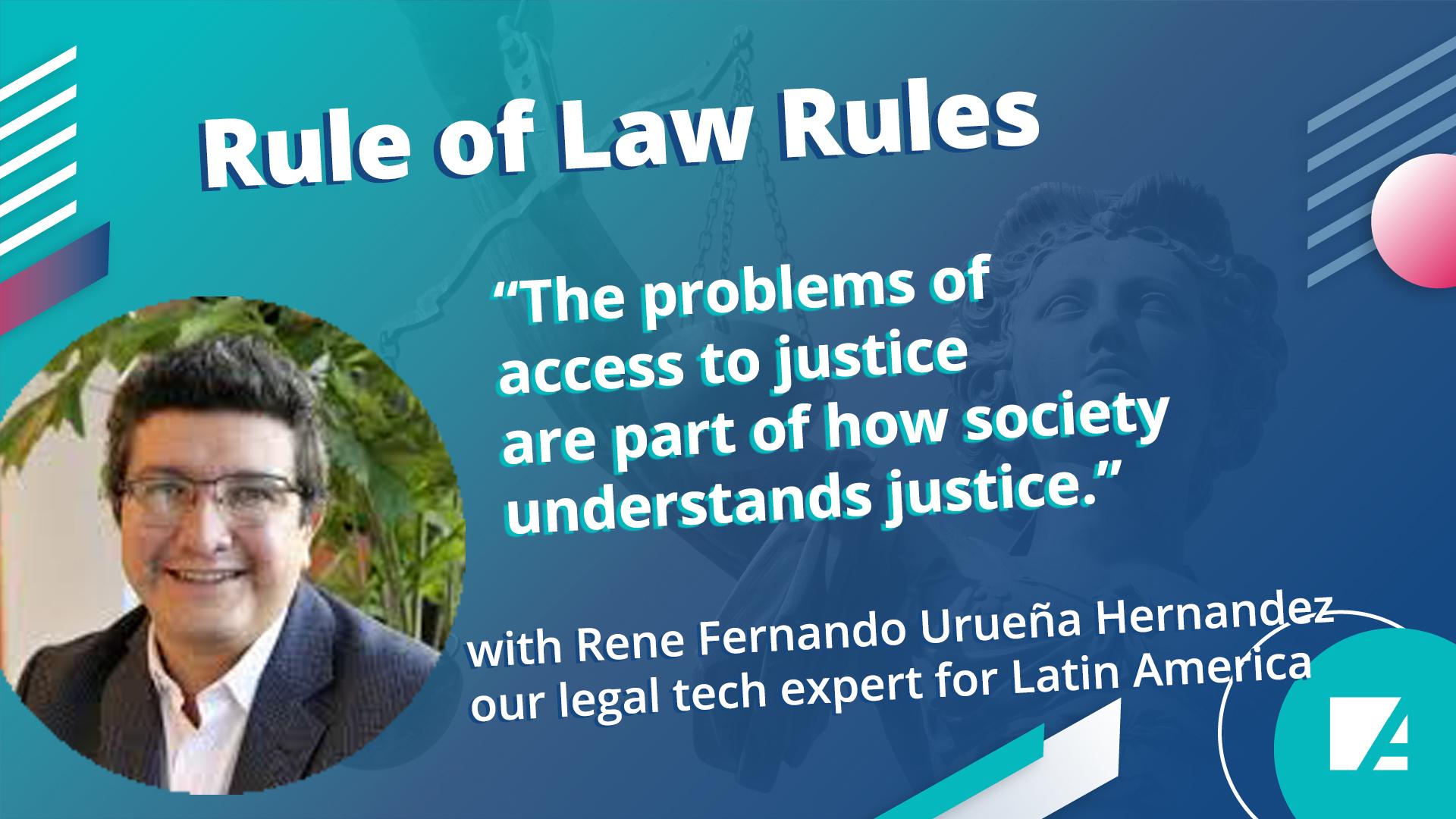
#11: Hannah Lim on Legal Technology in South East Asia
As Head of Rule of Law and Emerging Markets at LexisNexis in Singapore, Hannah identifies areas where LexisNexis can, leveraging on technology, support the rule of law.
Read now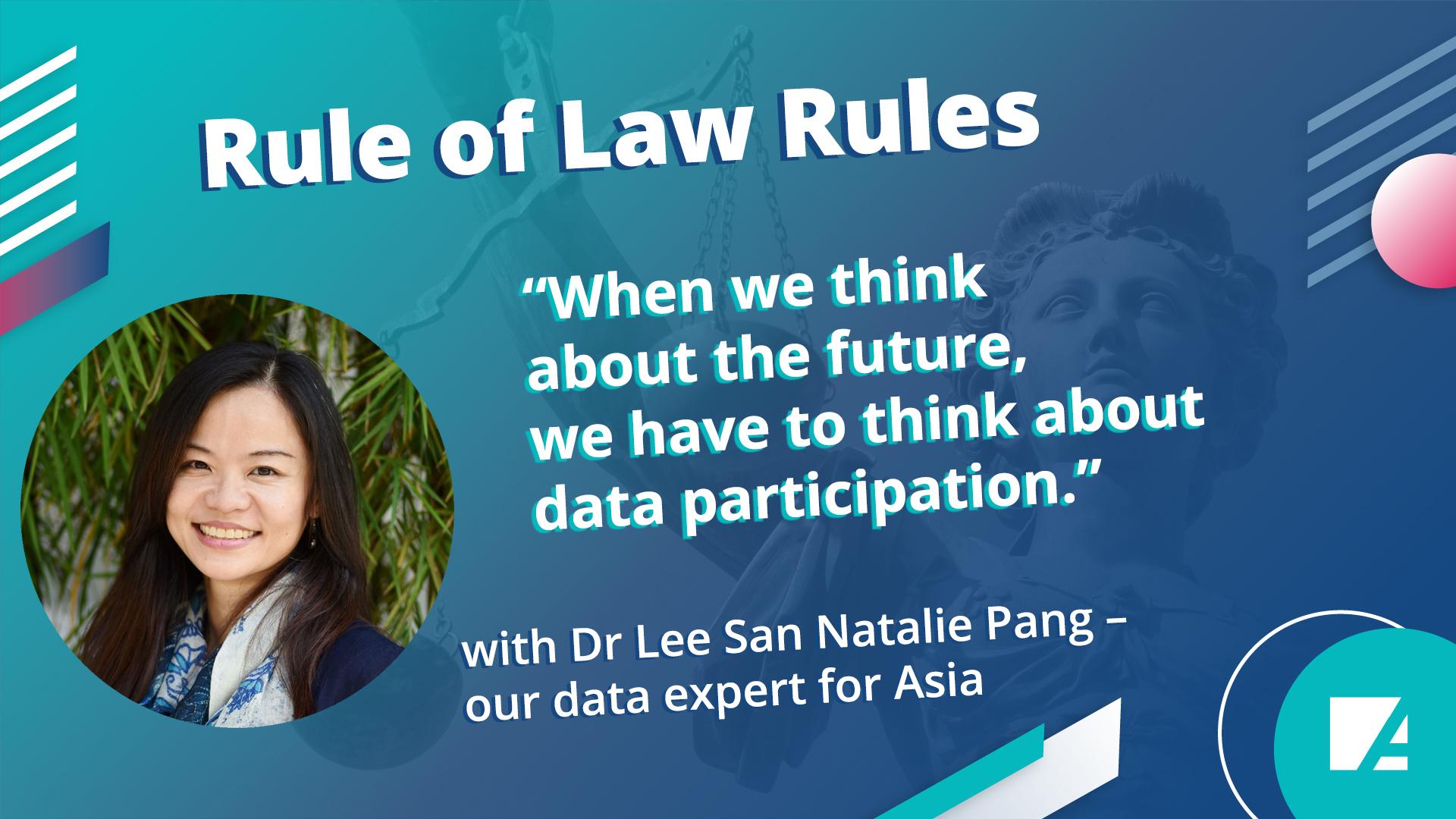
#6: Lee San Natalie Pang on the General Data Protection Regulation & its influence in Southeast Asia
For the last episode of our first series “Data Protection” we go to Asia and take a closer look at the Southeast with Dr Lee San Natalie Pang, our expert on Data Protection.
Read now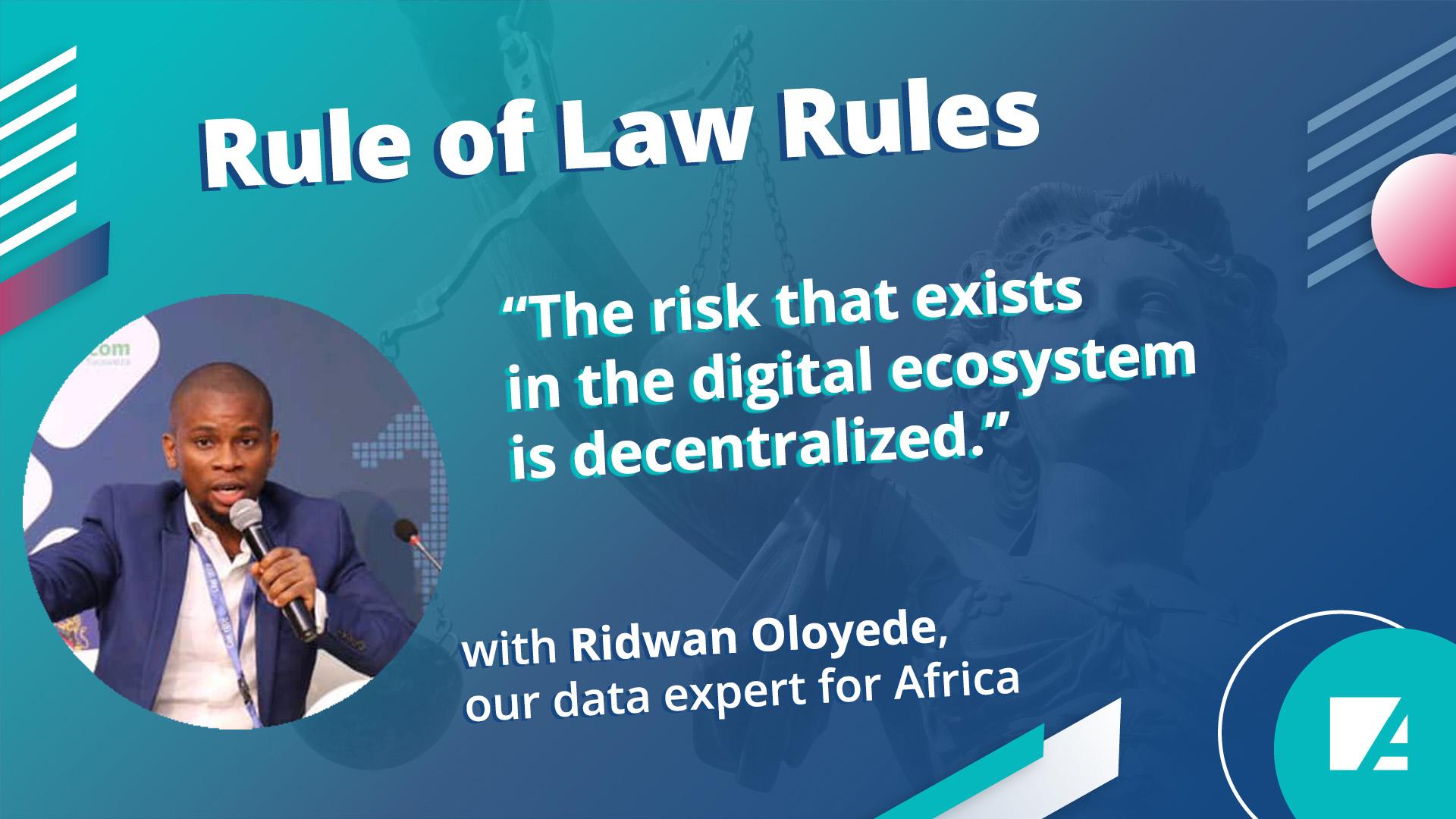
#5: Ridwan Oloyede about the GDPR and its influence in African legal framework
Ridwan Oloyede is co-founder of a Nigerian start-up, that helps businesses to achieve operational excellence through the reliable and efficient application of technology.
Read now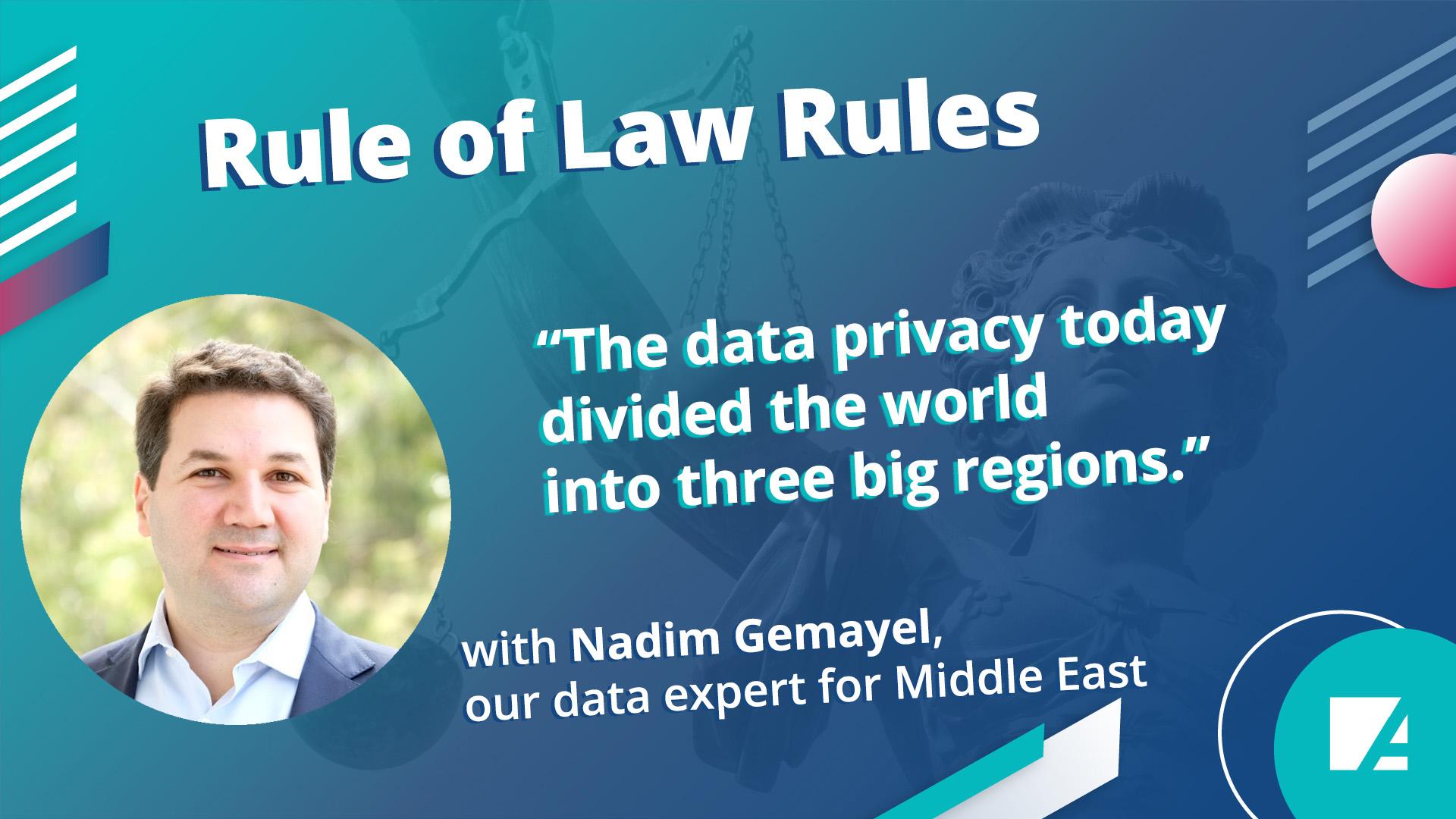
#4: Nadim Gemayel on the General Data Protection Regulation and its influence in Middle East
Nadim Gemayel is a politician and lawyer based in Lebanon and Qatar. He was a member of the Lebanese Parliament between 2009 and 2020.
Read now
#3: Eduardo Magrani on Data Protection in Latin America
We speak with Eduardo Magrani about the General Data Protection Regulation and its influence in Brazilian and Latin American legal framework.
Read now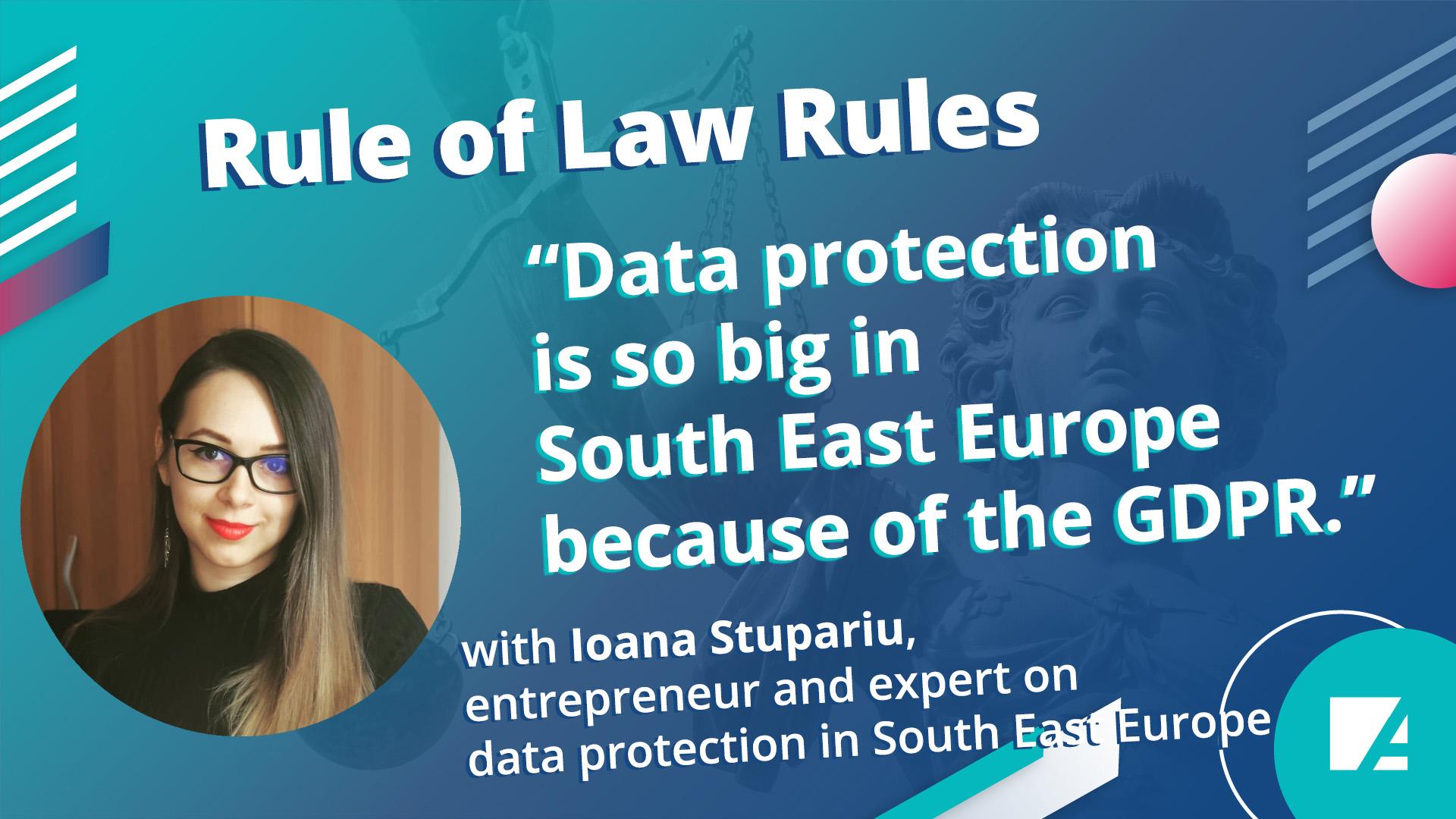
#2: Ioana Stupariu on the GDPR's influence in South East Europe
Ioana Stupariu works with tech and healthcare start-ups and companies across Central and Eastern Europe. And she researches on Data protection & Privacy.
Read now