




Please note that the full-lenght country report is only available in German.
On the morning of 17 November, Mongolian President Khurelsukh Ukhnaa unexpectedly announced his resignation following escalating corruption allegations. While rumours of political instability and potential early parliamentary elections had circulated in Ulaanbaatar for weeks, the departure of the country’s dominant political figure just six months before the end of his term took observers – and even the opposition – by surprise.
The immediate catalyst was a live broadcast via Facebook, on 14 November from Canada, by Nyambaatar Khishgee, a former Justice Minister and Mayor of Ulaanbaatar belonging to a rival faction of Khurelsukh’s own Mongolian People’s Party (MPP). Nyambaatar accused Khurelsukh of having bypassed tender procedures seven years ago, while serving as Prime Minister, to award a railway construction contract to an associate at more than double its actual value, pocketing the difference alongside other MPP politicians. Although no documentary evidence was presented and the company involved denied the claims, the accusations gained massive traction online. In response, the opposition Democratic Party (DP) demanded the President's resignation on Monday and threatened to establish a parliamentary committee of inquiry, for which it held sufficient seats.
In his resignation speech on Tuesday, Khurelsukh adopted a contradictory tone combining apparent humility with indignation. He stated that he wished to become an "ordinary citizen" to speak freely and clear his name, while categorically denying any wrongdoing. Politically, his remarks revealed a problematic understanding of democratic accountability. By equating attacks on his personal honour with an insult to the Mongolian people, Khurelsukh displayed an authoritarian self-perception at odds with the democratic principle that public scrutiny and political consequences for top officials ultimately serve the public interest.
Analysts note that Khurelsukh was not forced out; given his strong political standing, he could likely have weathered the storm. Instead, his step fits a recurring pattern in his career – having previously resigned as an MP in 2012, Deputy Prime Minister in 2017, and Prime Minister in 2021 – following the unofficial motto of "resigning in order to return". Since the constitution barred him from running again in June 2027, sacrificing his final months in office may be a tactical manoeuvre to weather the scandal and return later as MPP chairman and/or Prime Minister.
Parliament accepted the resignation on Thursday. Speaker of Parliament Byambatsogt (MPP) will serve as acting president until a fresh election is held within four months, by March 2027 at the latest. This poses severe logistical challenges, particularly due to outdated electronic vote counting machines. Furthermore, the crisis could widen, as other senior officials have already stepped down and further revelations have been threatened.
Ultimately, this unprecedented premature departure of a Mongolian president can be interpreted in two ways. While it adds to a series of recent government crises and risks short-term instability, enforcing accountability at the highest level could equally strengthen the long-term credibility of Mongolia's democracy.
Media library
#11: Hannah Lim on Legal Technology in South East Asia
As Head of Rule of Law and Emerging Markets at LexisNexis in Singapore, Hannah identifies areas where LexisNexis can, leveraging on technology, support the rule of law.
Read now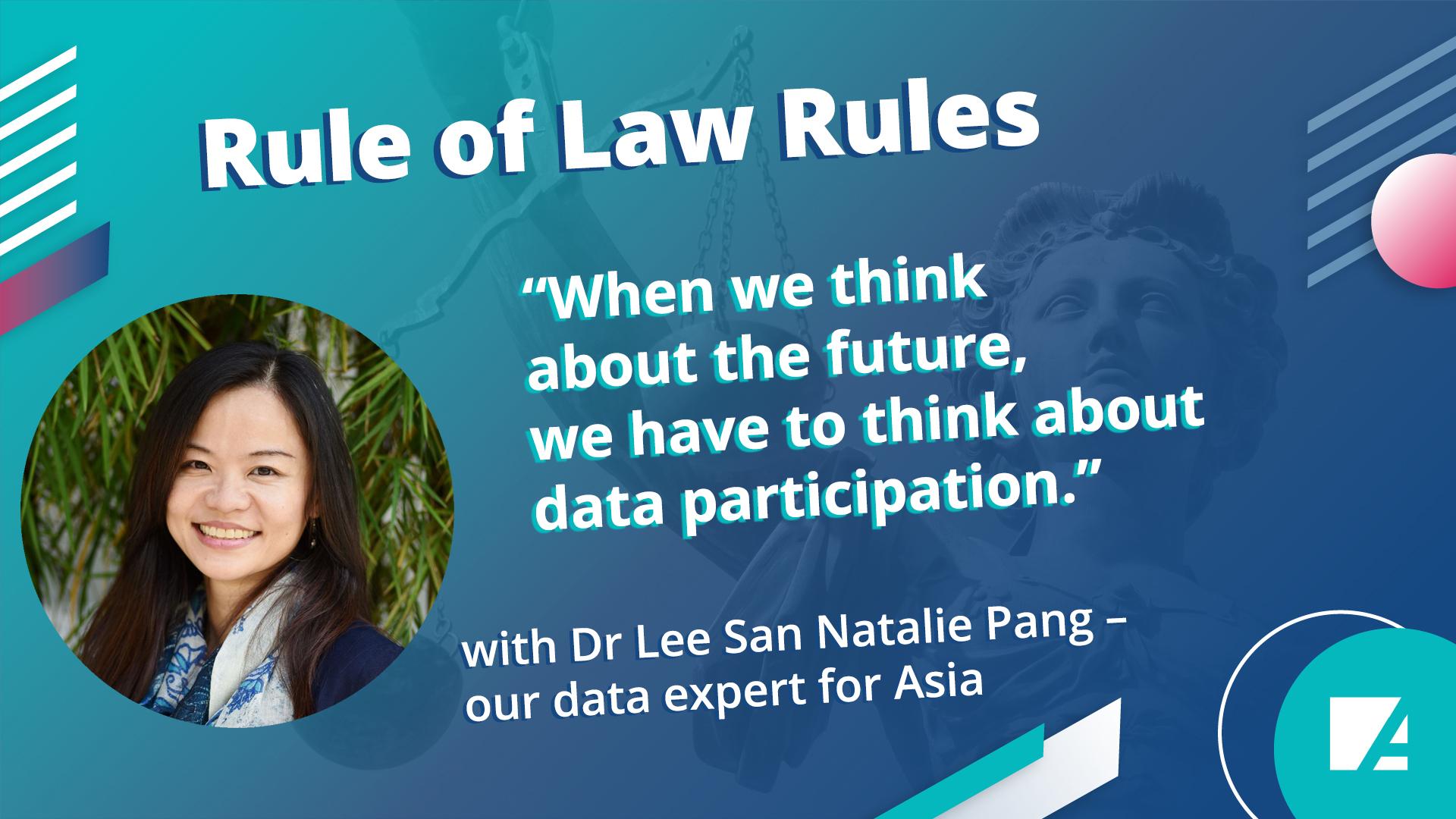
#6: Lee San Natalie Pang on the General Data Protection Regulation & its influence in Southeast Asia
For the last episode of our first series “Data Protection” we go to Asia and take a closer look at the Southeast with Dr Lee San Natalie Pang, our expert on Data Protection.
Read now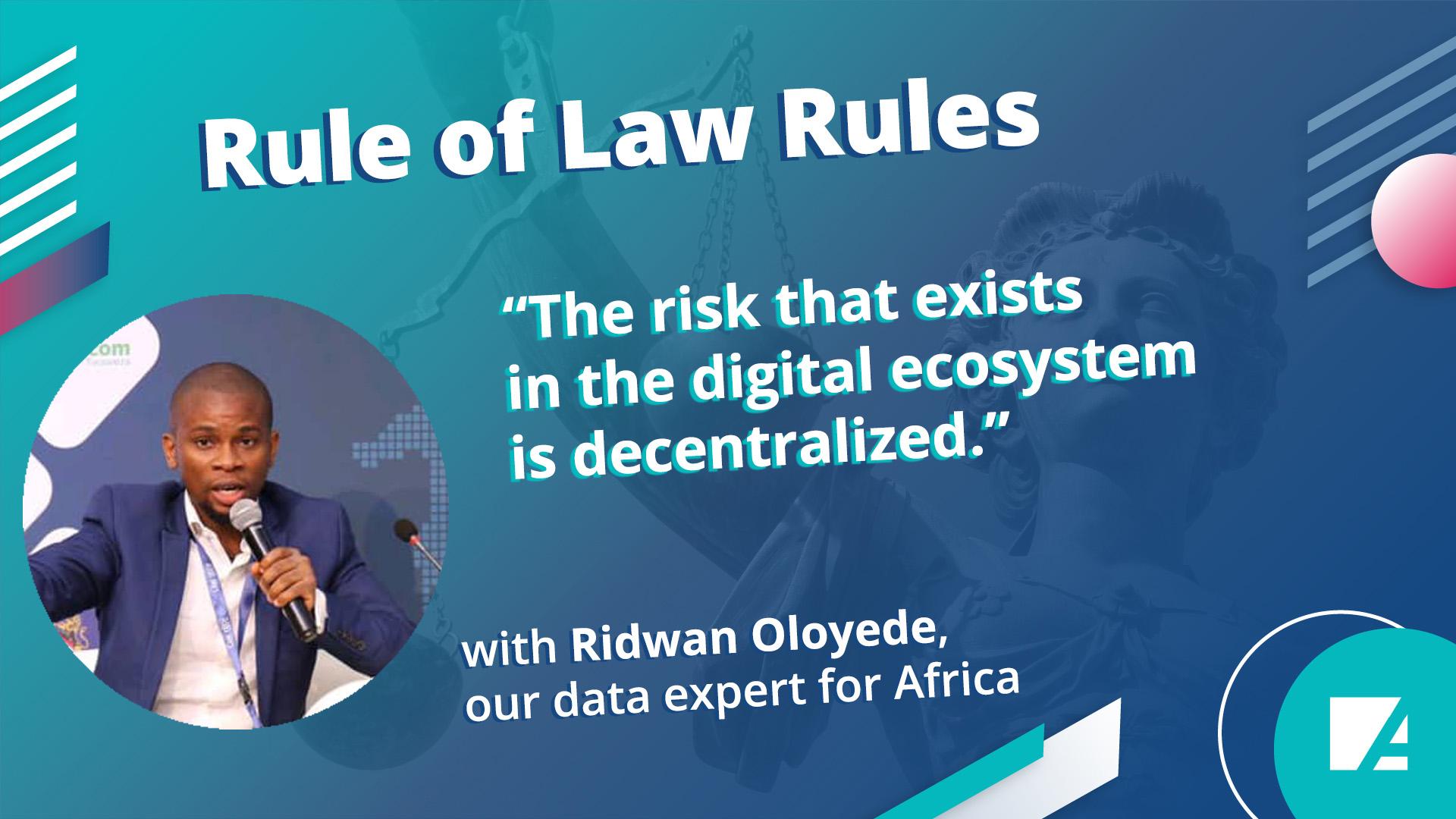
#5: Ridwan Oloyede about the GDPR and its influence in African legal framework
Ridwan Oloyede is co-founder of a Nigerian start-up, that helps businesses to achieve operational excellence through the reliable and efficient application of technology.
Read now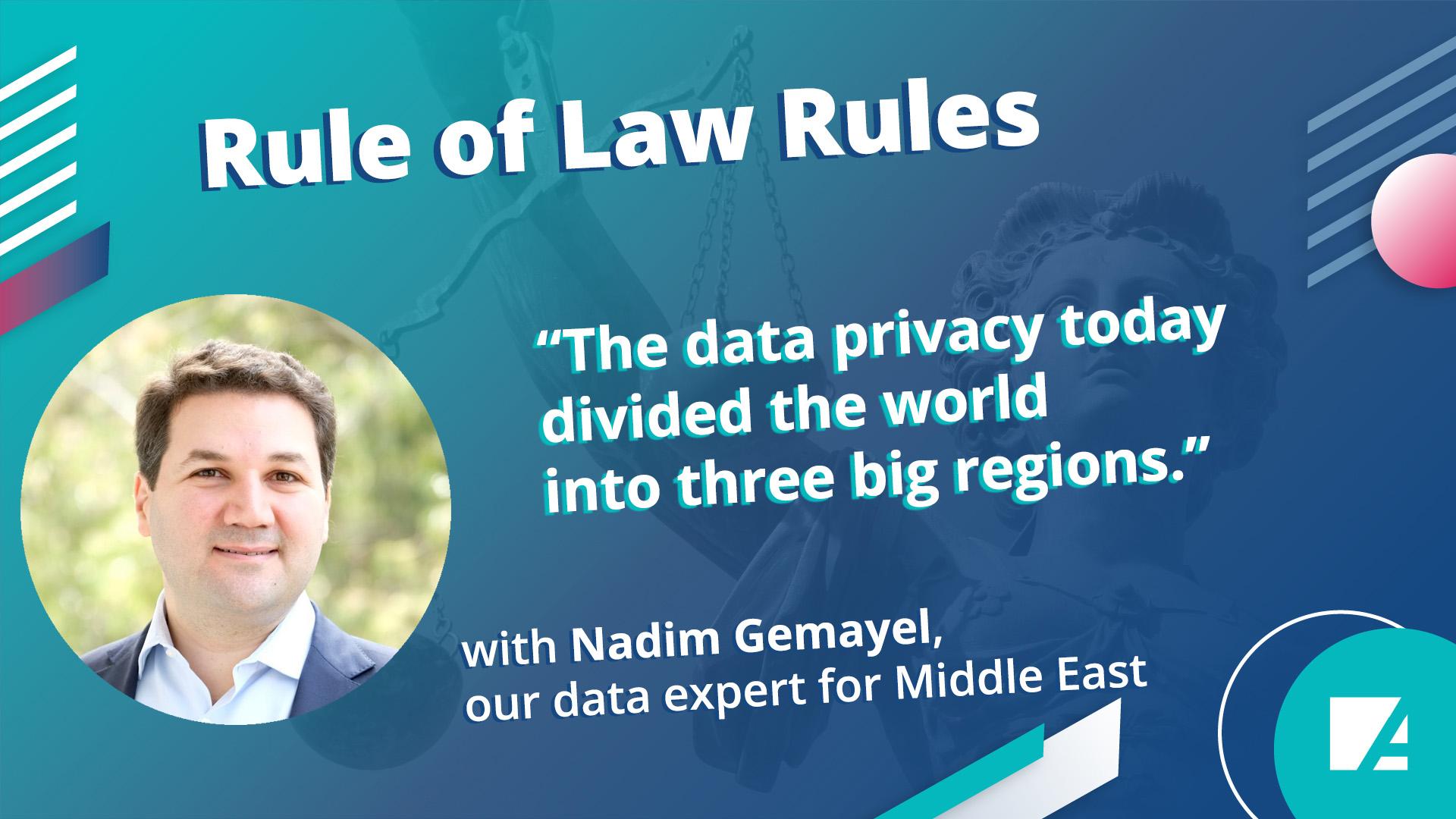
#4: Nadim Gemayel on the General Data Protection Regulation and its influence in Middle East
Nadim Gemayel is a politician and lawyer based in Lebanon and Qatar. He was a member of the Lebanese Parliament between 2009 and 2020.
Read now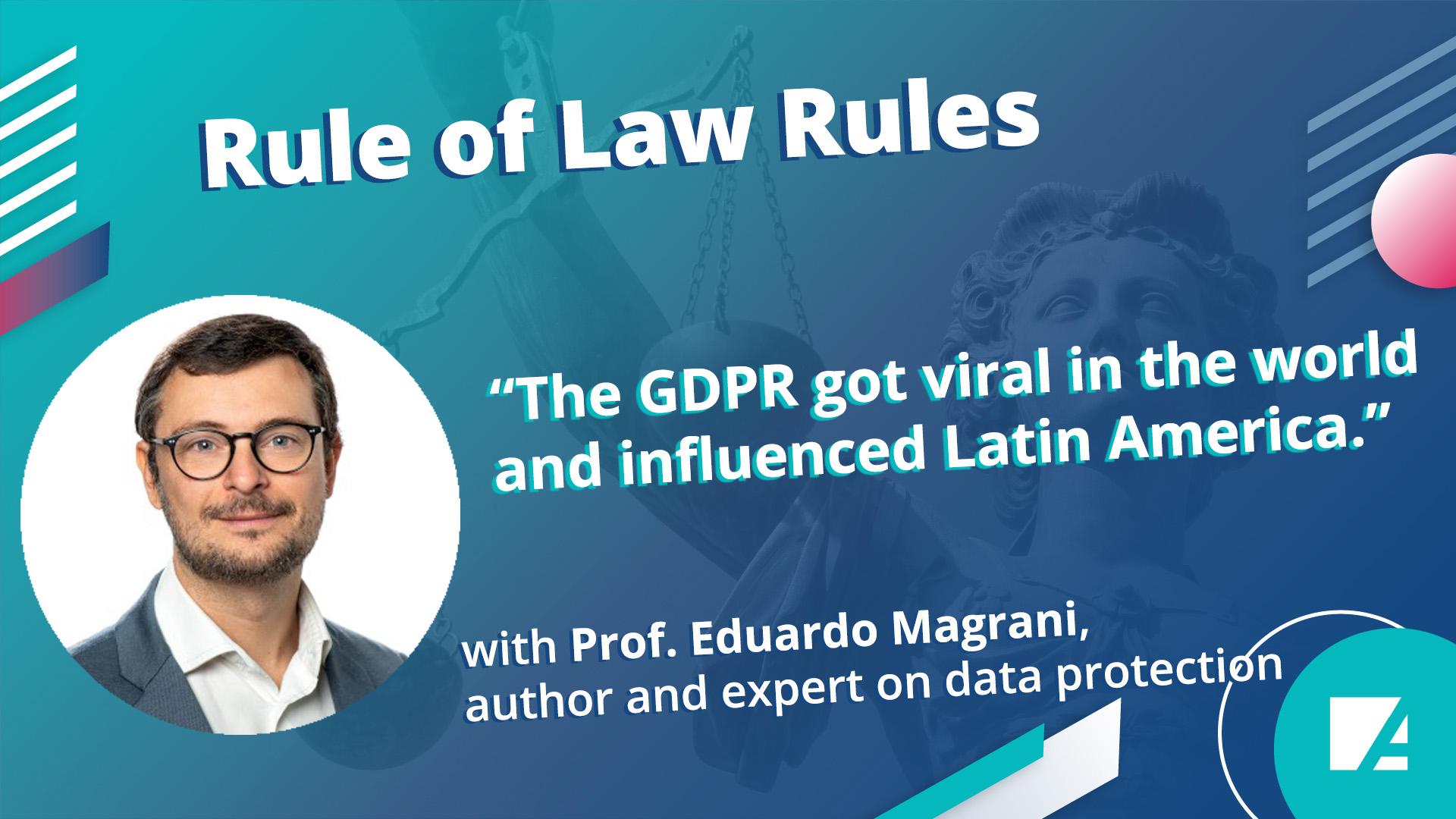
#3: Eduardo Magrani on Data Protection in Latin America
We speak with Eduardo Magrani about the General Data Protection Regulation and its influence in Brazilian and Latin American legal framework.
Read now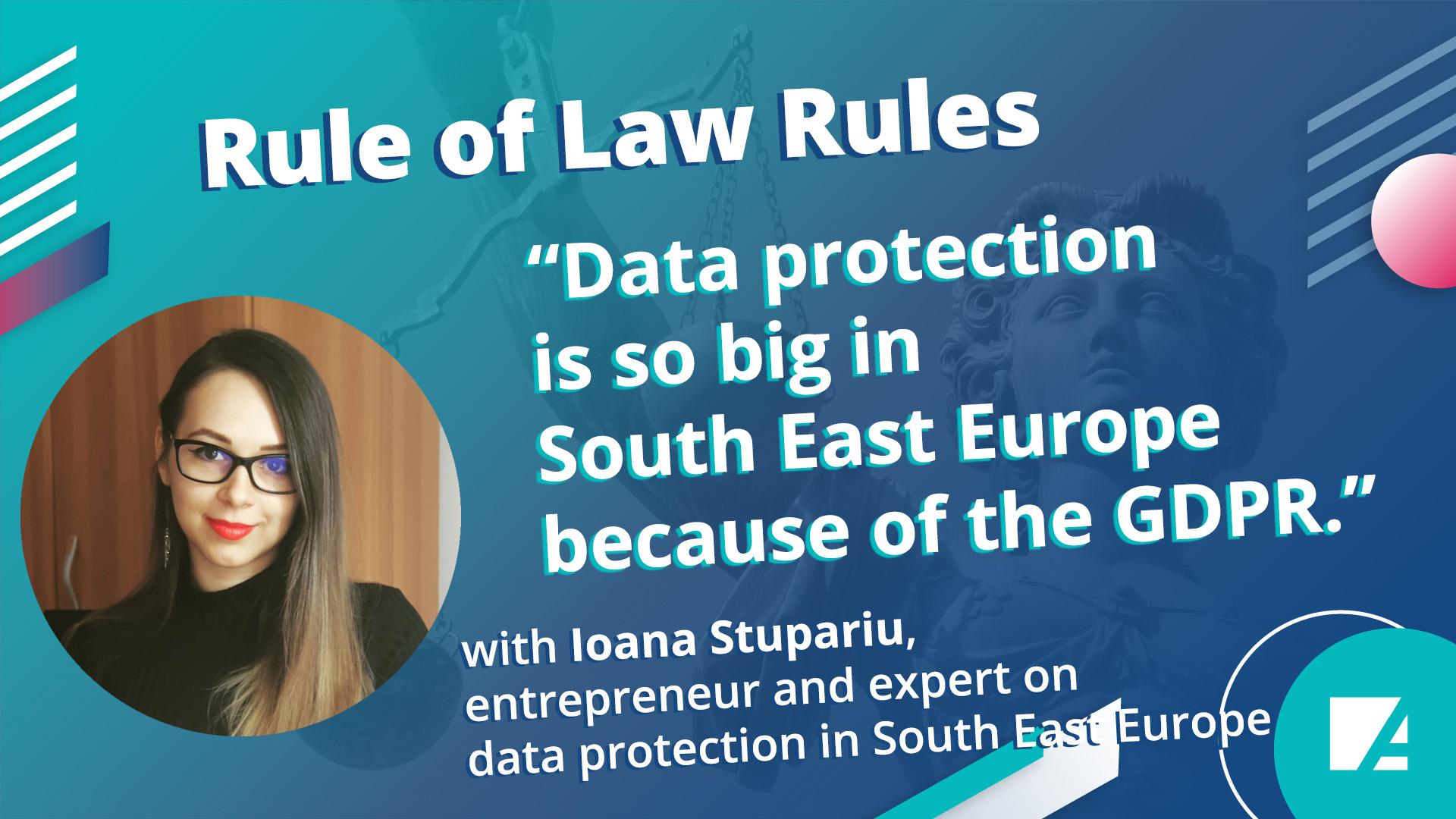
#2: Ioana Stupariu on the GDPR's influence in South East Europe
Ioana Stupariu works with tech and healthcare start-ups and companies across Central and Eastern Europe. And she researches on Data protection & Privacy.
Read now