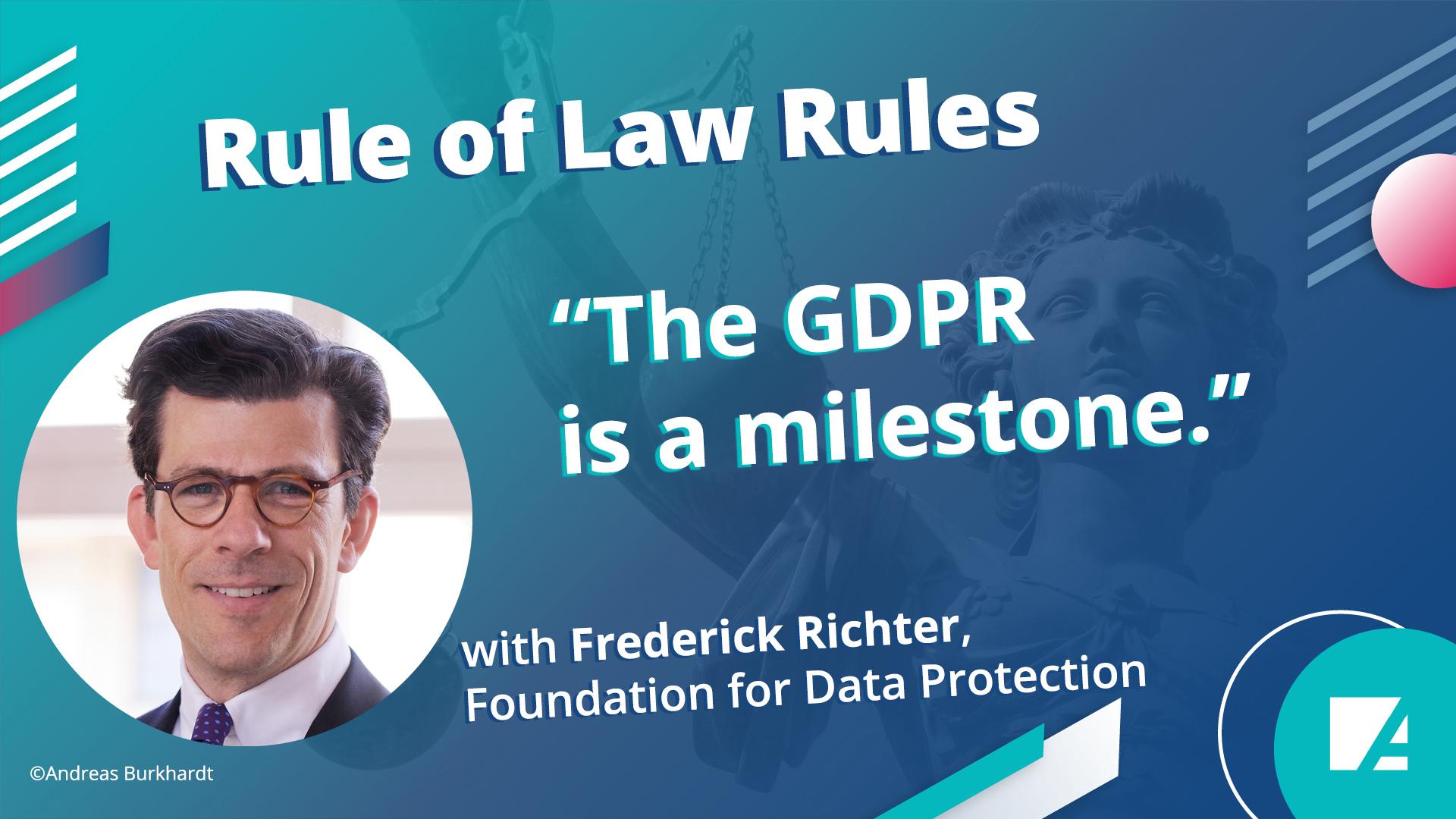





The Berlin Annual Review on the 2025 judicial year in Karlsruhe was defined by a focus on state action under extreme conditions. This anthology – comprising a selection of revised lectures by high-ranking speakers from this year’s flagship constitutional law forum – seeks to build upon those debates by shedding light on the underlying issues and constitutional questions involved.
For instance, the Federal Constitutional Court’s "Triage II" ruling served as an occasion to address not only questions of legislative competence regarding triage regulations but also the future design of potential solutions to the triage dilemma: a challenge that arises in contexts beyond just pandemics. The selected contributions reflect this by examining the situation from both legal and practical medical perspectives.
The Federal Constitutional Court’s articulation of state duties of protection in cases with a foreign element in its ruling on the use of the Ramstein airbase for drone operations merits further discussion, particularly given the ongoing US military operations in the Near and Middle East that rely on this very infrastructure. Such operations raise concerns regarding compliance with core norms of international humanitarian law and human rights: obligations that might apply when alliance partners use German territory. While the contributions highlight potential issues surrounding US military operations and discuss the consequences of such far-reaching decisions, another central theme addressed in two of the selected essays is Germany’s capacity to function within the alliance amidst the current security policy landscape.
Against the backdrop of shifting parliamentary majorities, the media debate surrounding the institutional safeguards governing the election of Federal Constitutional Court judges gained significant momentum over the past year. It is precisely for this reason that the contributions in this volume, which examine the procedural mechanisms governing the election of judges and their constitutionality in light of the Federal Constitutional Court’s plenary decision of May 22, 2025, seek to contribute to the debate on how the Court’s operational viability can be maintained in the long term. The dialogue between the judiciary and the academic community, one of the core elements of the KAS’s legal-policy initiatives, is also evident in the selected contributions.


Media library
#11: Hannah Lim on Legal Technology in South East Asia
As Head of Rule of Law and Emerging Markets at LexisNexis in Singapore, Hannah identifies areas where LexisNexis can, leveraging on technology, support the rule of law.
Read now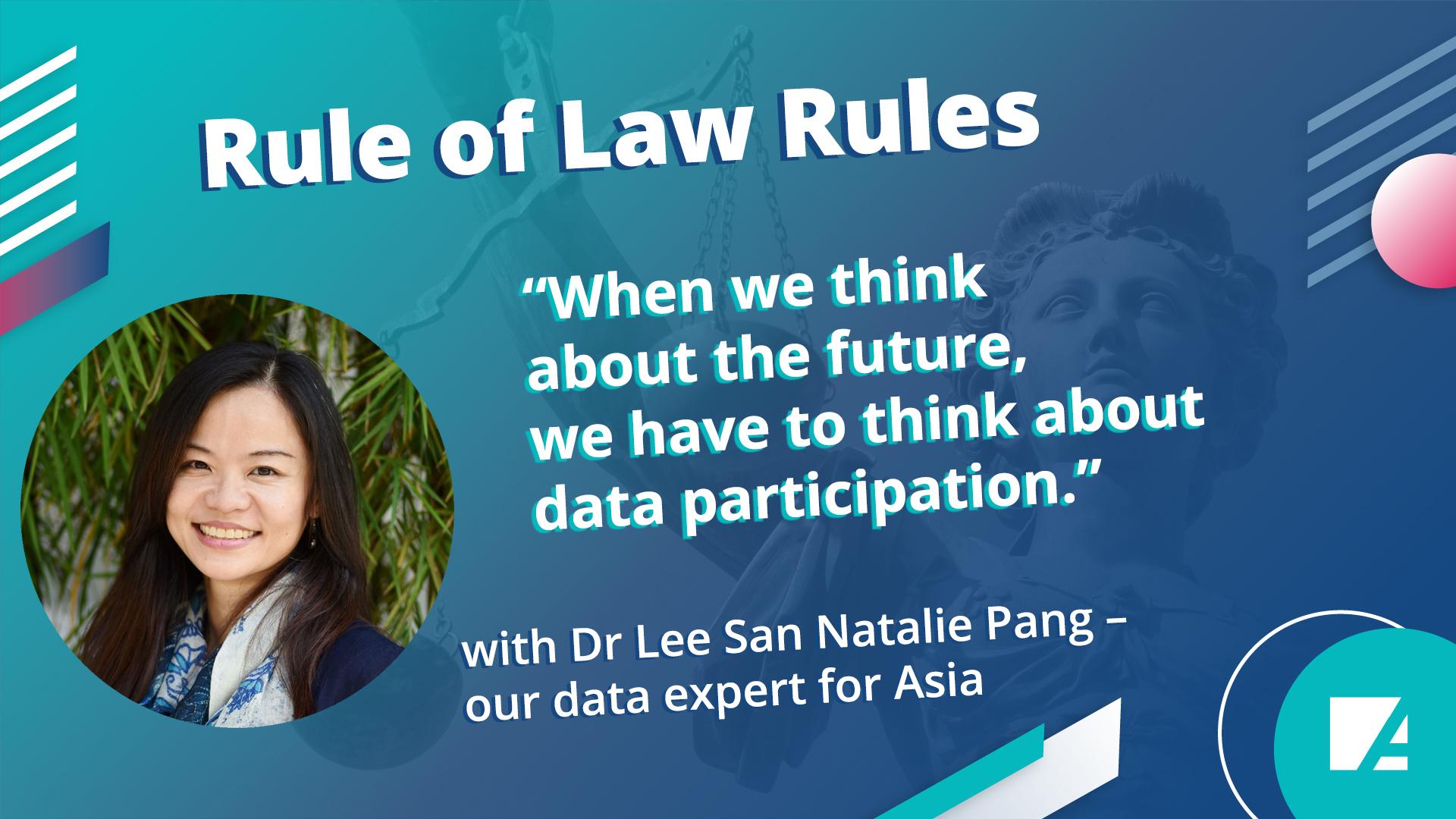
#6: Lee San Natalie Pang on the General Data Protection Regulation & its influence in Southeast Asia
For the last episode of our first series “Data Protection” we go to Asia and take a closer look at the Southeast with Dr Lee San Natalie Pang, our expert on Data Protection.
Read now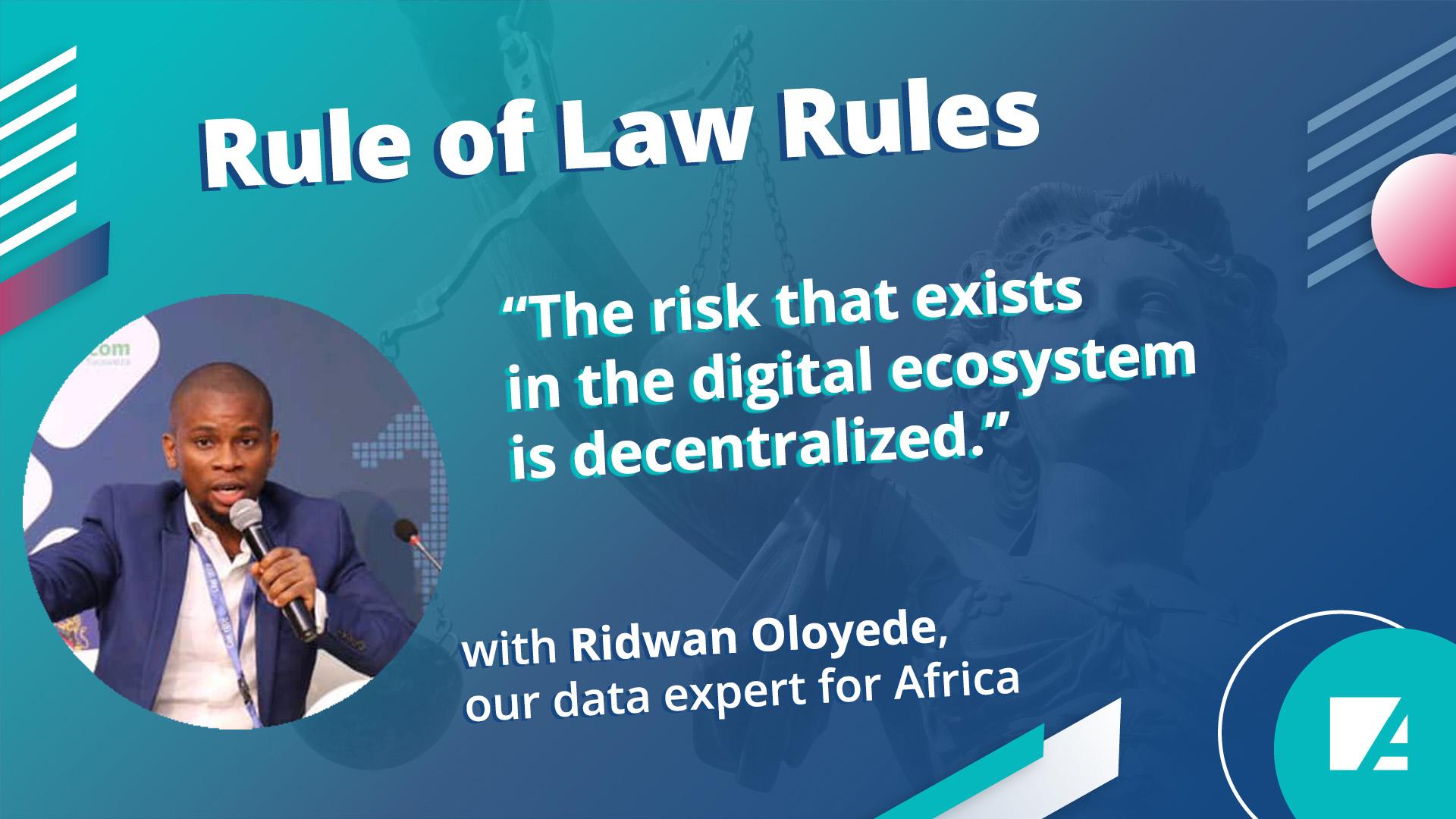
#5: Ridwan Oloyede about the GDPR and its influence in African legal framework
Ridwan Oloyede is co-founder of a Nigerian start-up, that helps businesses to achieve operational excellence through the reliable and efficient application of technology.
Read now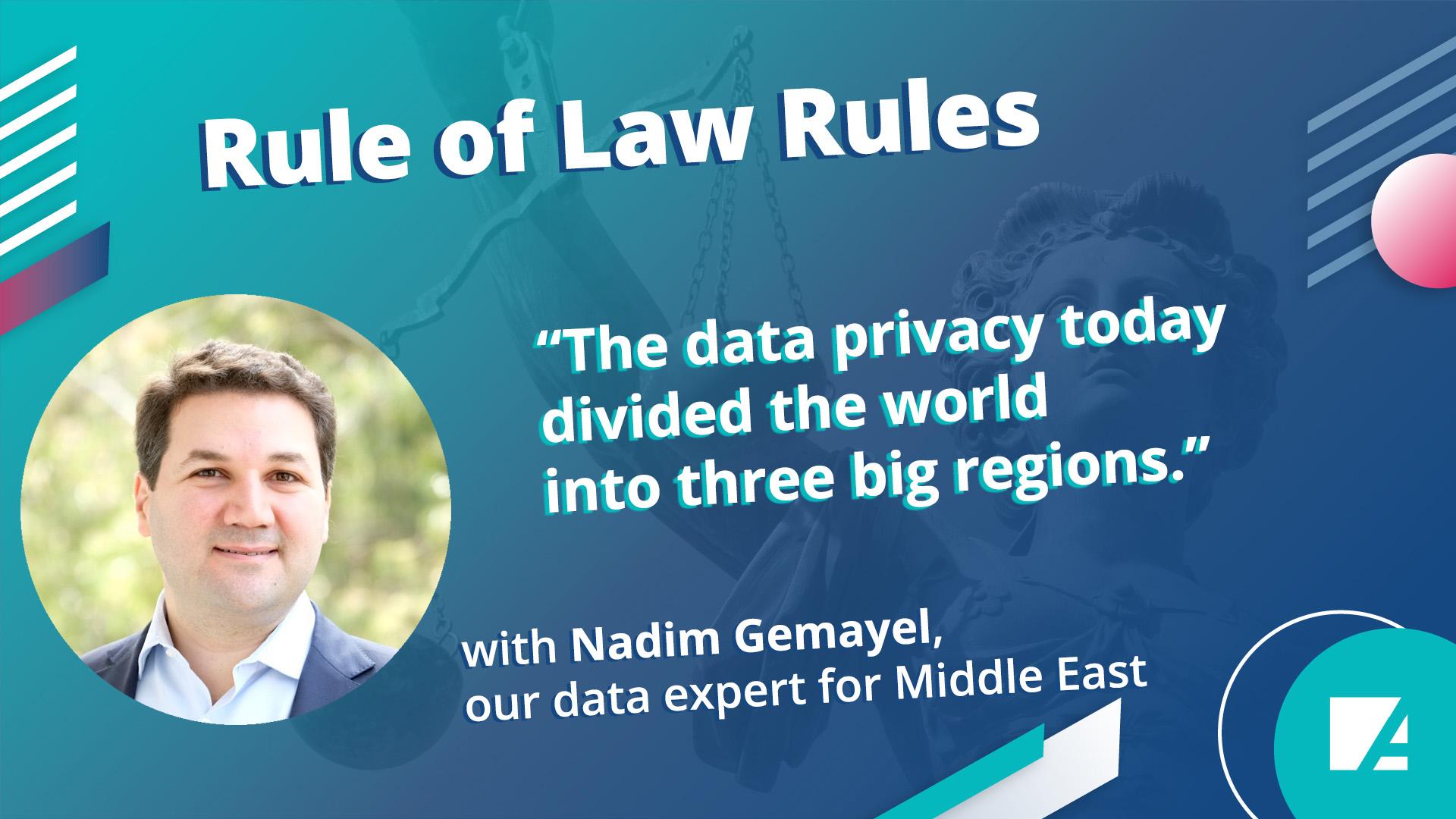
#4: Nadim Gemayel on the General Data Protection Regulation and its influence in Middle East
Nadim Gemayel is a politician and lawyer based in Lebanon and Qatar. He was a member of the Lebanese Parliament between 2009 and 2020.
Read now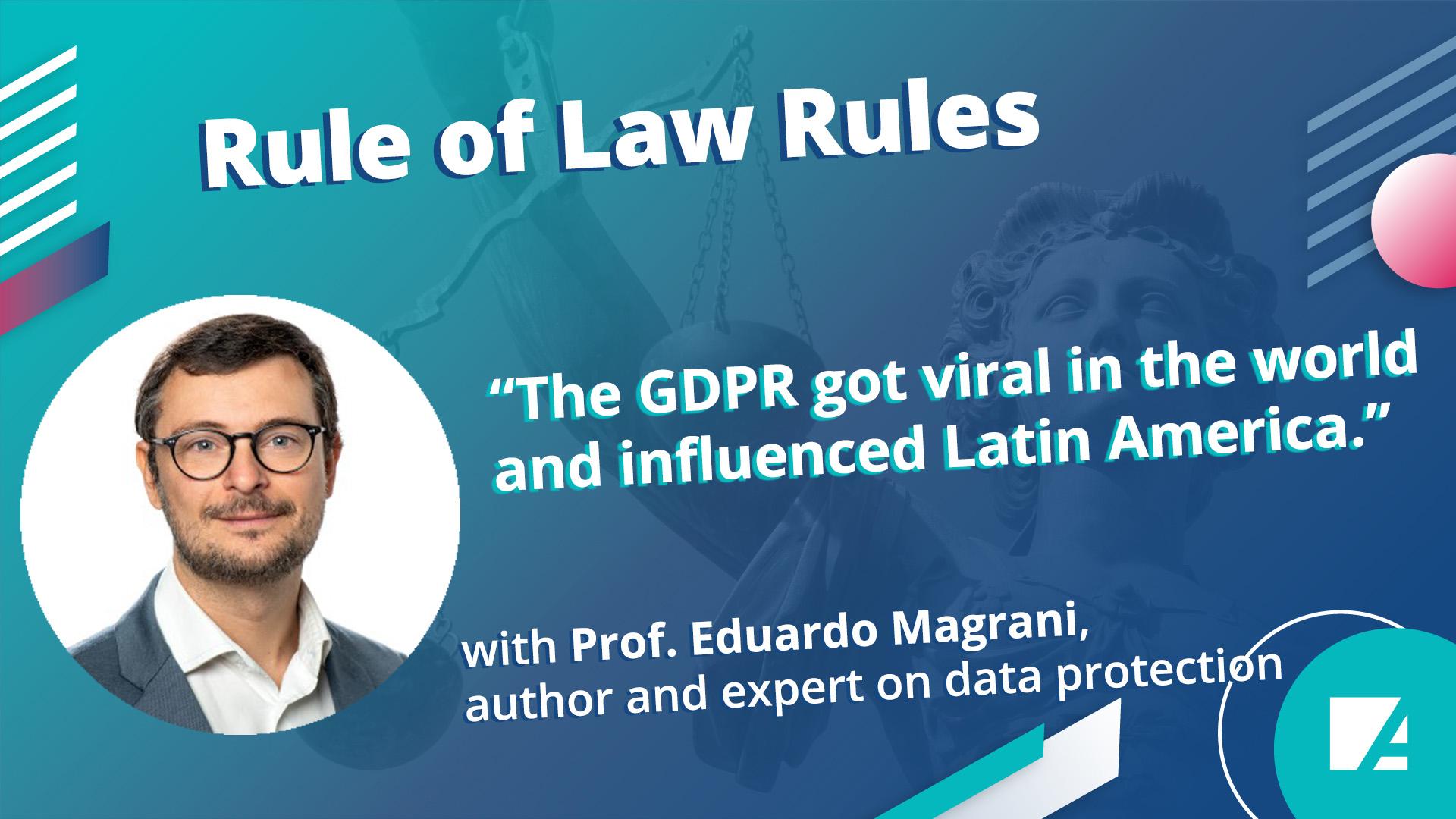
#3: Eduardo Magrani on Data Protection in Latin America
We speak with Eduardo Magrani about the General Data Protection Regulation and its influence in Brazilian and Latin American legal framework.
Read now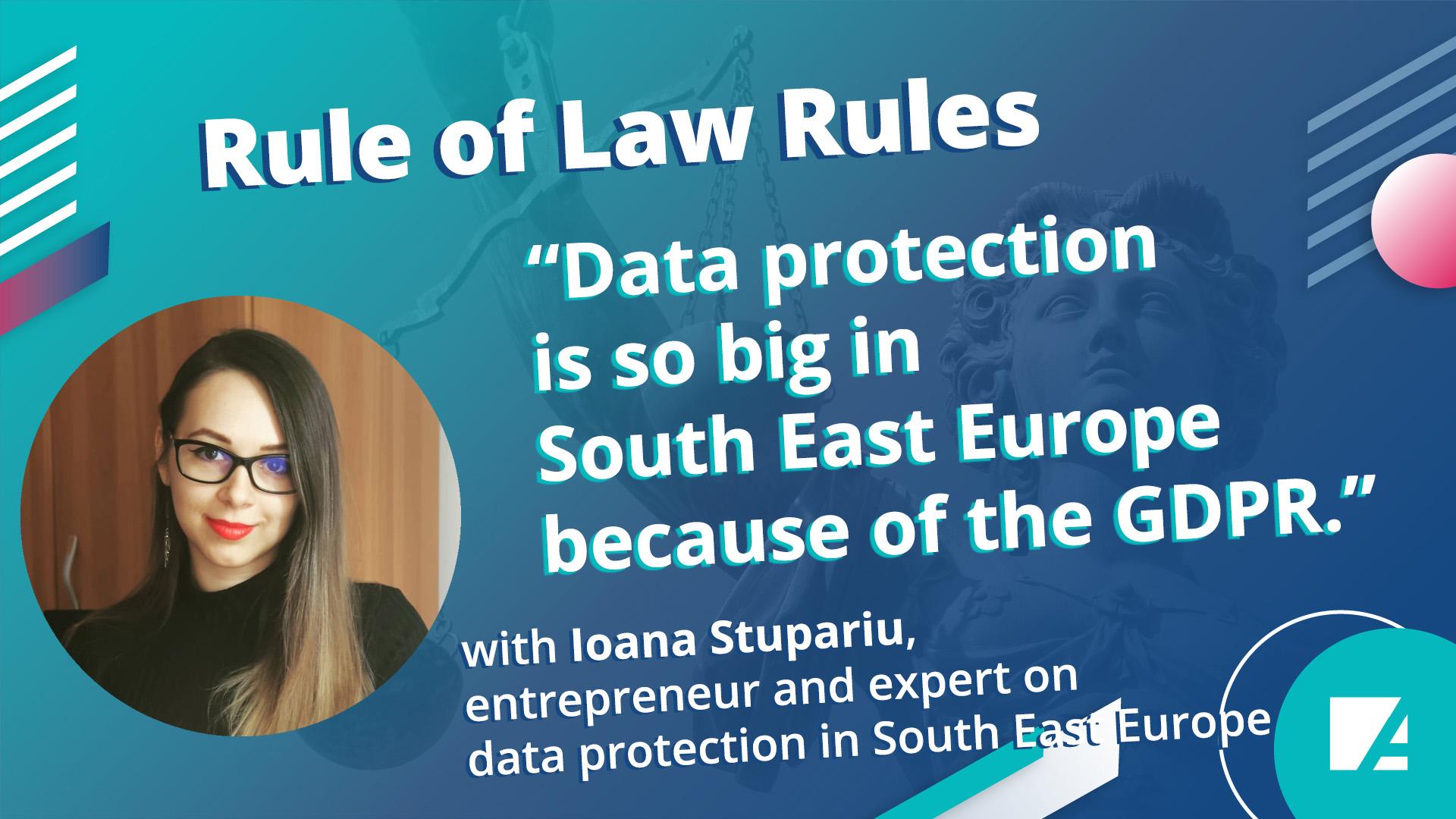
#2: Ioana Stupariu on the GDPR's influence in South East Europe
Ioana Stupariu works with tech and healthcare start-ups and companies across Central and Eastern Europe. And she researches on Data protection & Privacy.
Read now