





Details
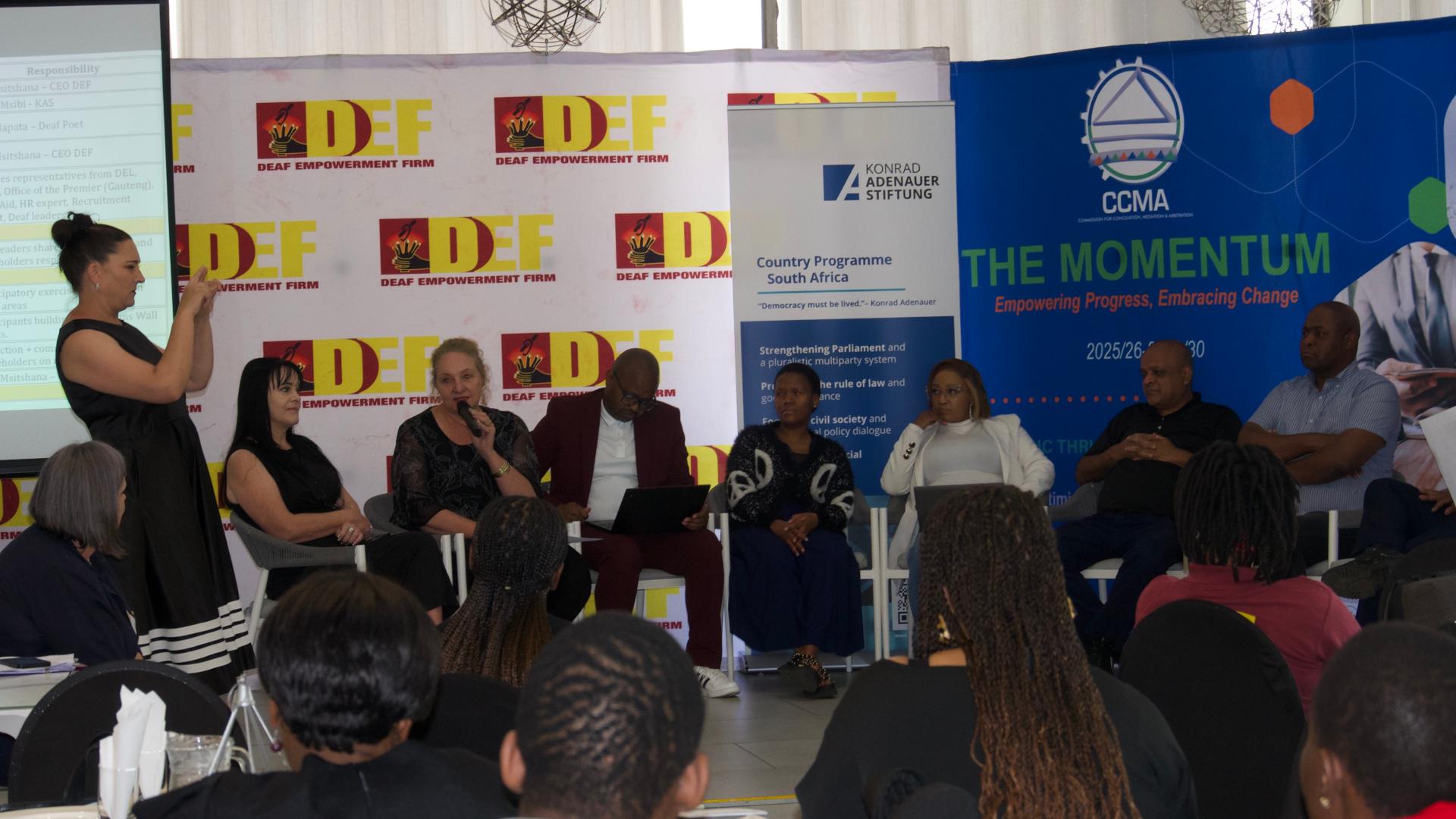
On 19 September, Deaf Empowerment Firm (DEF), in cooperation with the Konrad‑Adenauer‑Stiftung (KAS), successfully hosted the second workshop in the Democracy and Disability Rights Series in Centurion. The workshop, themed “Breaking Barriers – Advancing Equal Rights and Inclusive Employment for the Deaf Community” focused on persistent structural and institutional challenges that continue to exclude deaf people from meaningful participation in the South African labour market.
The workshop highlighted the considerable barriers deaf people face across the entire employment lifecycle. Despite possessing relevant qualifications and skills, deaf job seekers remain systematically disadvantaged, from inaccessible job advertisements and exclusionary recruitment processes to limited access to workplace support and challenges in resolving labour disputes, which in some cases lead to unfair dismissals. These realities underscore a broader pattern of marginalisation within both public and private sector employment.
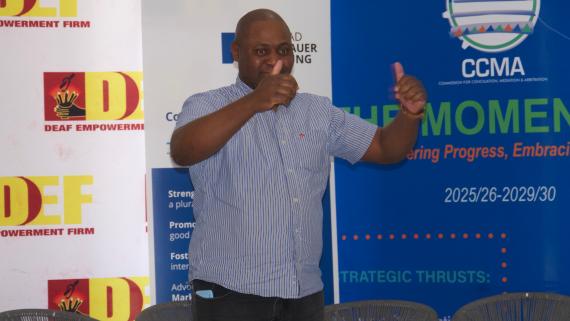
Notably, approximately 80 per cent of participants were deaf, ensuring that lived experience remained central to the discussions. The panel featured representatives from the Commission for Conciliation, Mediation and Arbitration (CCMA), Legal Aid South Africa, the Department of Employment and Labour, the Gauteng Office of the Premier, and Hartley HR Consulting, providing a multi‑sectoral perspective on employment, labour rights, and dispute resolution.
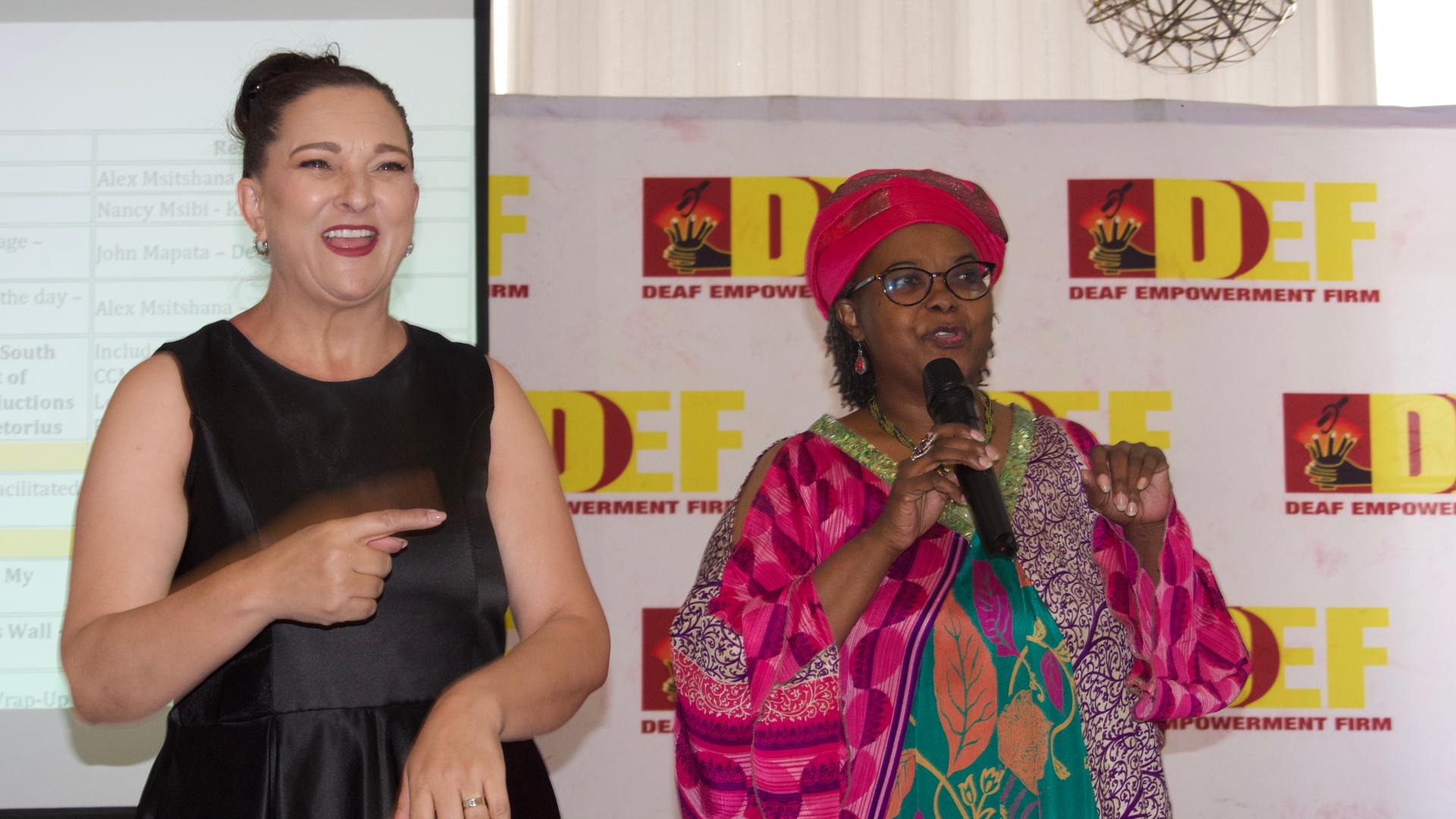
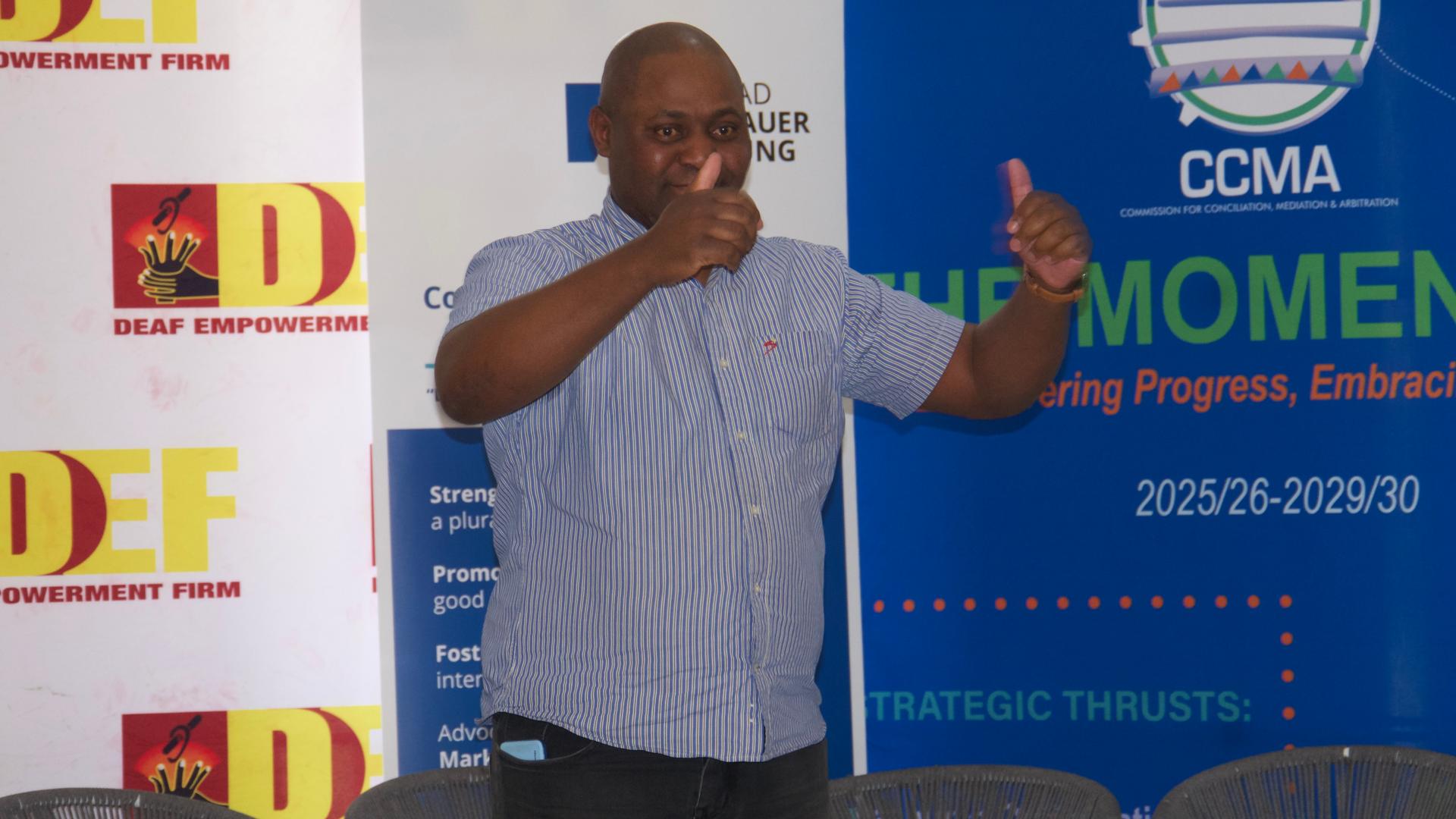
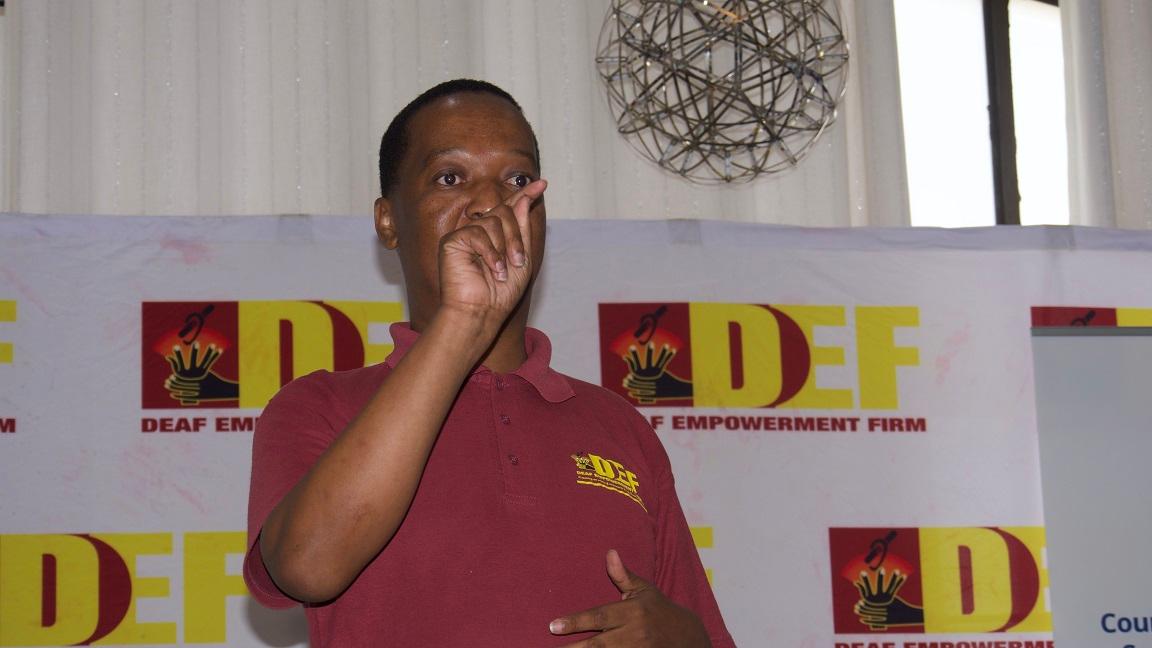
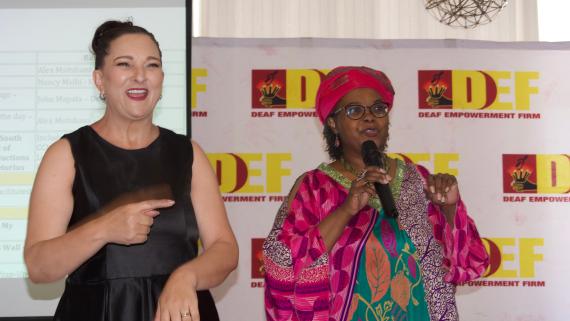
In her opening remarks, Ms Alex Msitshana, Director of Deaf Empowerment Firm, outlined the systemic gaps confronting deaf workers and posed a series of critical questions to stakeholders. These included whether job advertisements, interviews, and assessments are accessible to deaf candidates; whether employers provide South African Sign Language (SASL) interpreters or inclusive induction materials; whether deaf employees are included in training and promotion pathways; and whether institutions such as the CCMA are adequately equipped to support deaf workers. The discussions revealed that, regrettably, the answer to many of these questions remains negative, with deaf people frequently excluded from equitable workplace participation.
The workshop was facilitated by Ms Lidia Pretorious, Disability Empowerment Coach and Consultant, who led engaging scenario‑based sessions aimed at deepening awareness among hearing participants. Deaf leaders shared their lived experiences, while an interactive session titled “Reality Check: Walk in My Shoes” challenged panellists and stakeholders to confront the everyday barriers faced by deaf individuals in professional settings. These sessions played a key role in fostering empathy and encouraging more inclusive thinking among institutions and employers.
The workshop concluded with reflections from panellists and participants, alongside concrete commitments by stakeholders to take the dialogue forward. These included pledges to review internal practices, advocate for accessible recruitment processes, support referrals for employment opportunities, and, where possible, offer direct employment support to deaf job seekers.
This second instalment of the Democracy and Disability Rights Series reinforced the importance of inclusive labour practices as a cornerstone of democratic participation and equality. It also highlighted the need for sustained collaboration between civil society, government institutions, and employers to dismantle structural barriers and promote equal rights and dignity for the deaf community in South Africa.