







 Black Sea Security Forum 2025
 Black Sea Security Forum 2025
 Black Sea Security Forum 2025
 Black Sea Security Forum 2025
 Black Sea Security Forum 2025
 Black Sea Security Forum 2025
 Black Sea Security Forum 2025
 Black Sea Security Forum 2025
 Black Sea Security Forum 2025
Black Sea Security Forum 2025
Black Sea Security Forum 2025
Black Sea Security Forum 2025
Black Sea Security Forum 2025
Black Sea Security Forum 2025
Black Sea Security Forum 2025
Black Sea Security Forum 2025
Black Sea Security Forum 2025
Black Sea Security Forum 2025
Black Sea Security Forum 2025
Black Sea Security Forum 2025
Black Sea Security Forum 2025
Black Sea Security Forum 2025
Black Sea Security Forum 2025
Black Sea Security Forum 2025
Black Sea Security Forum 2025
Black Sea Security Forum 2025
Black Sea Security Forum 2025

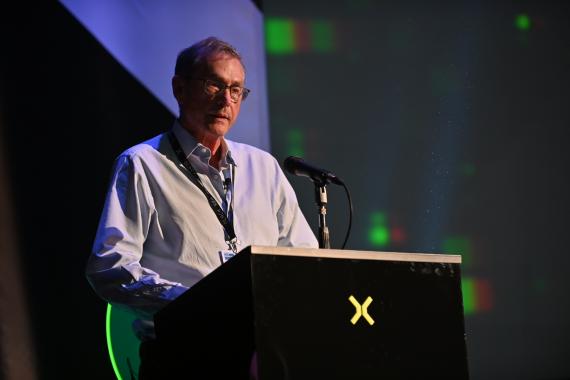
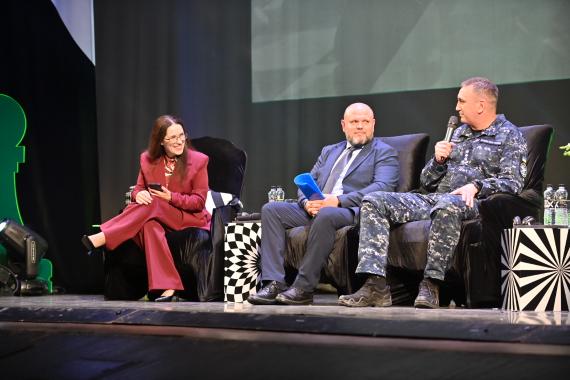
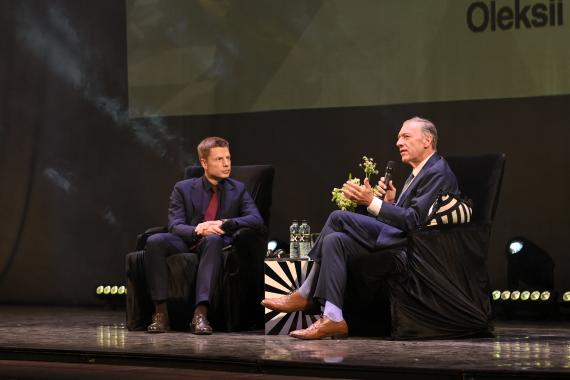
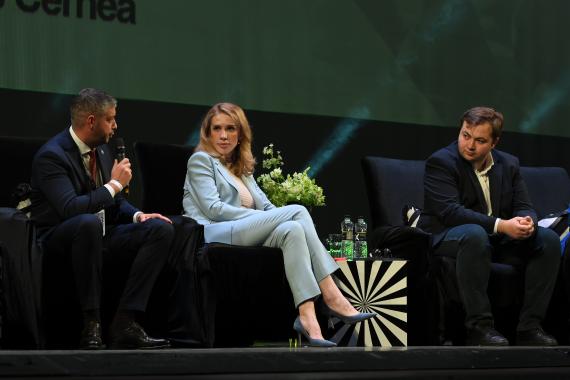
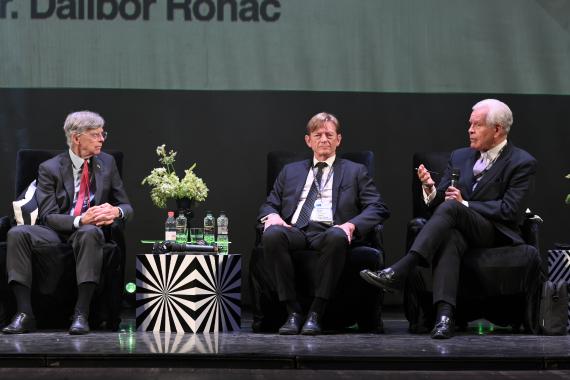
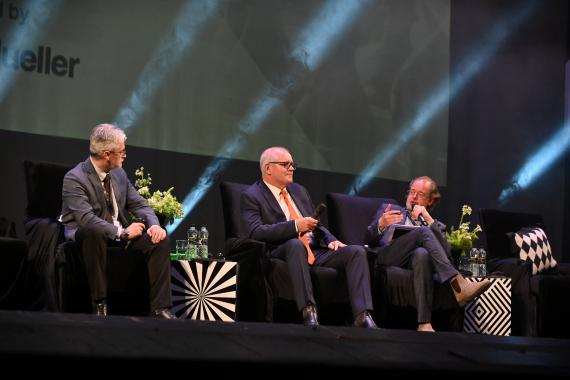
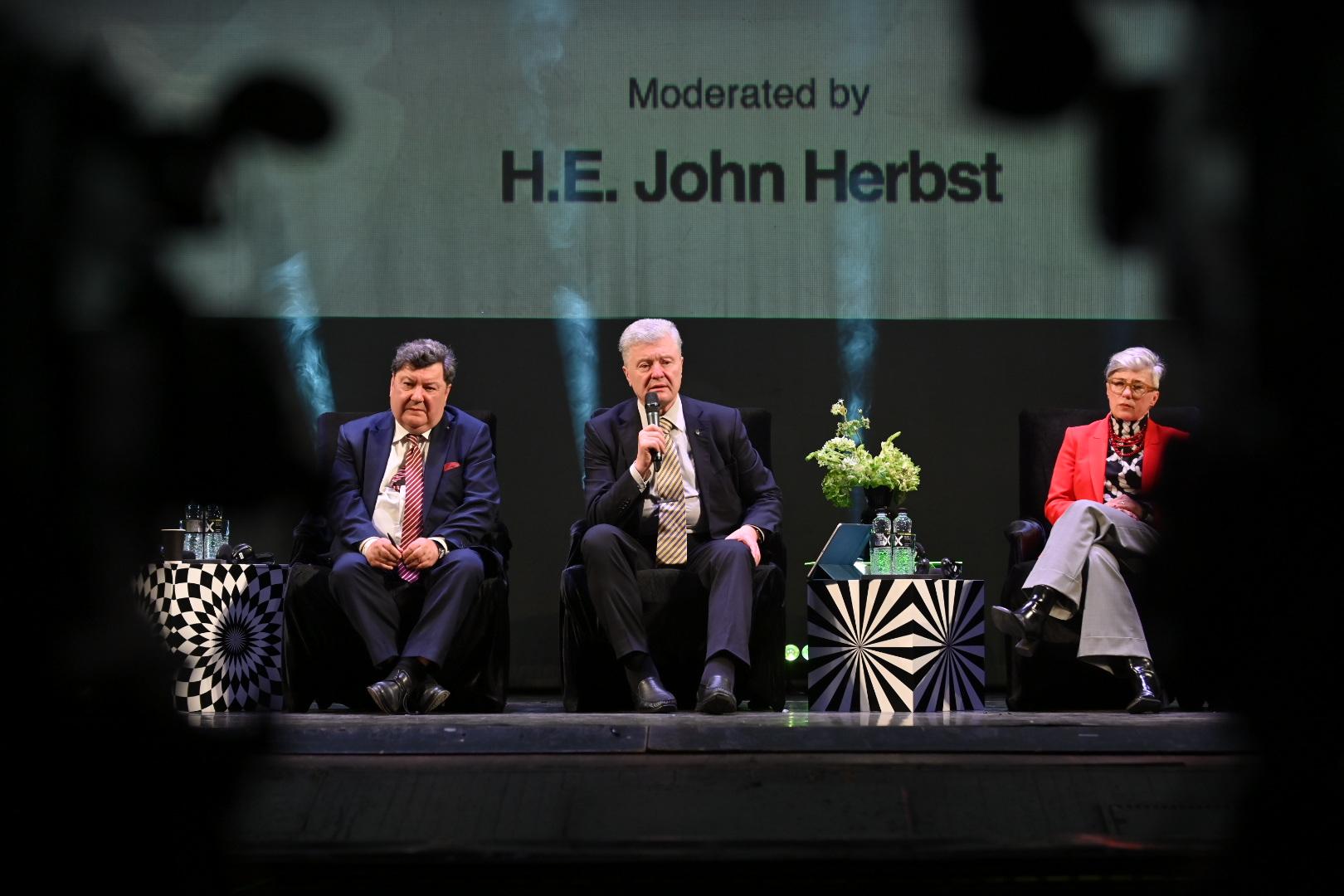
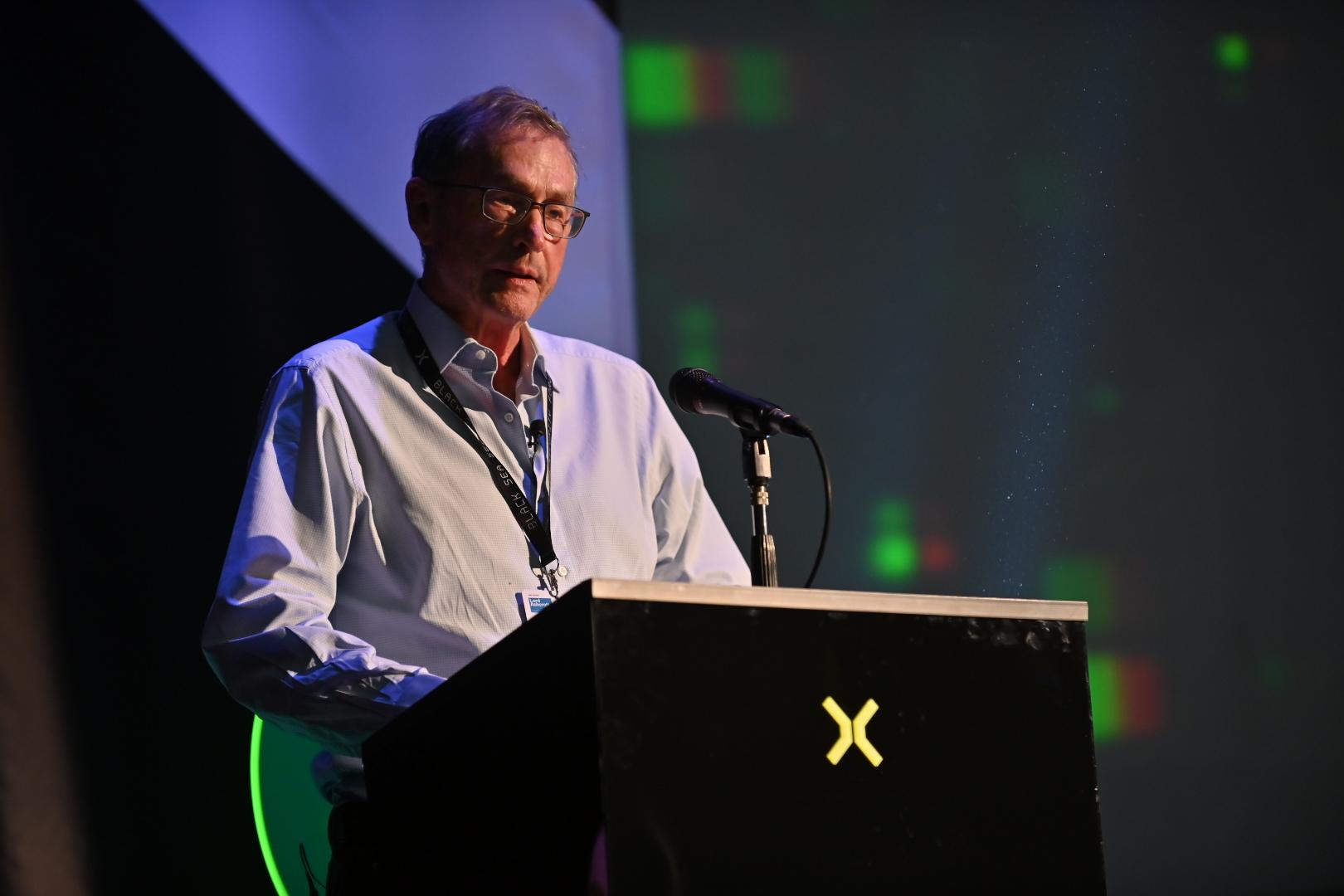
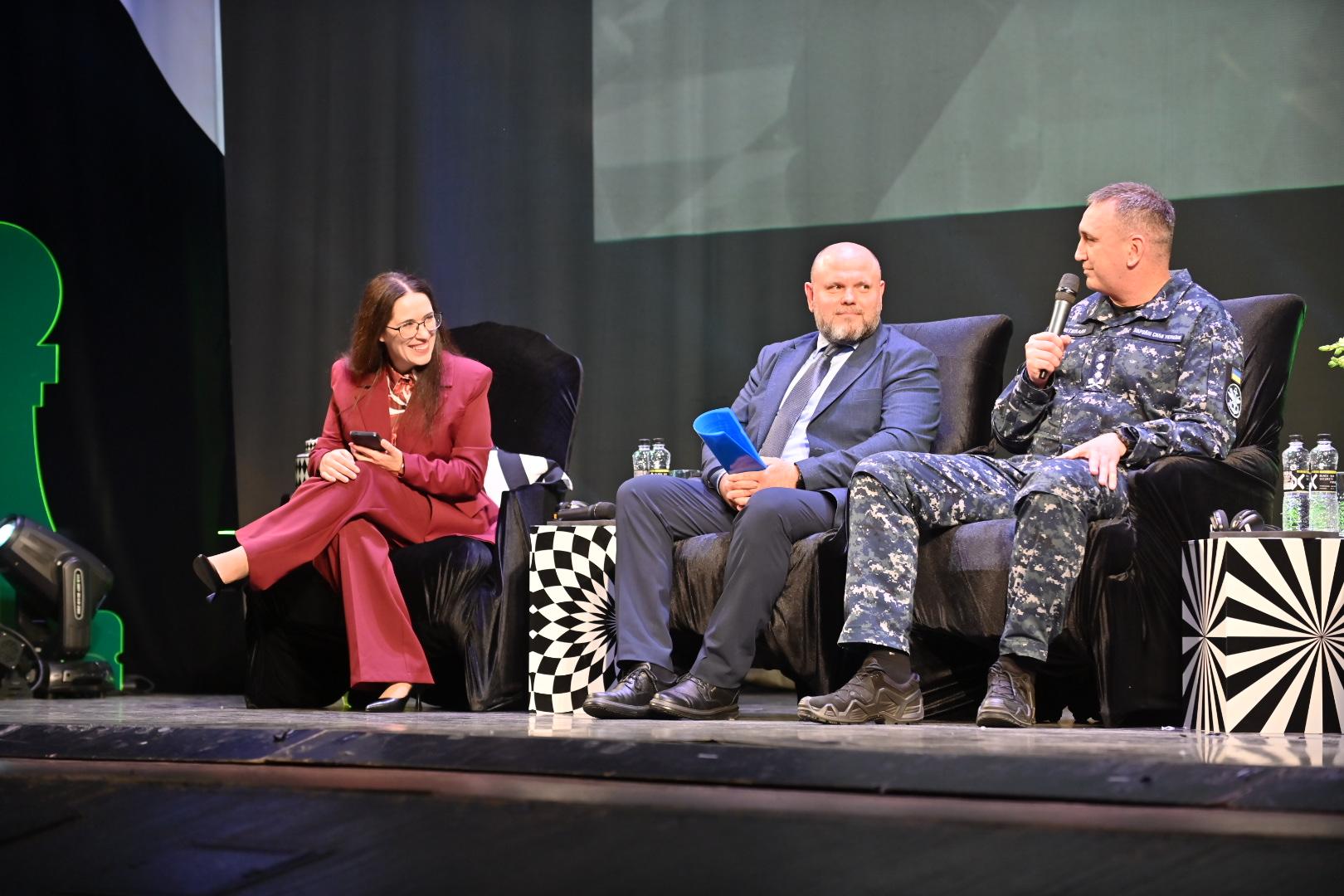
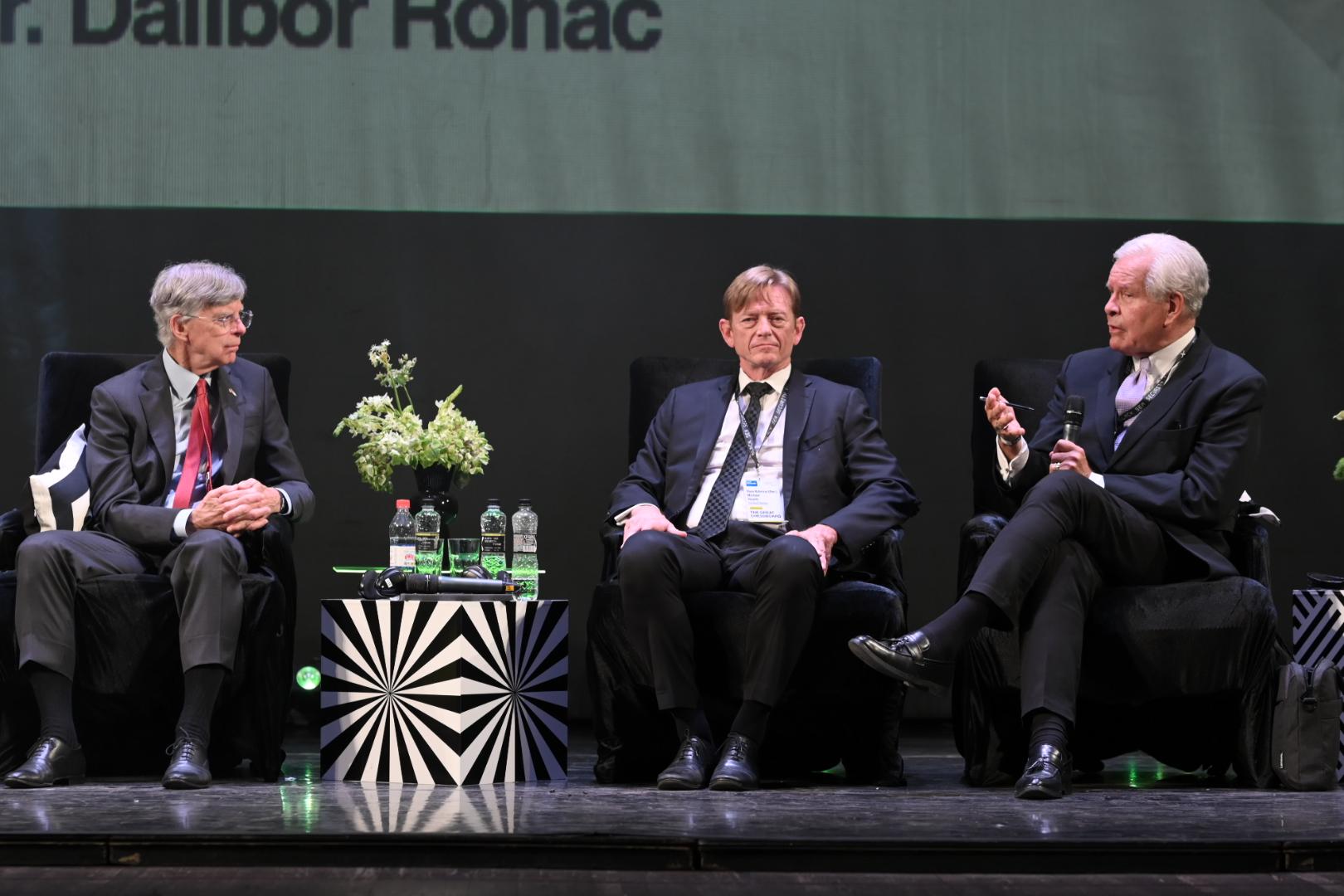
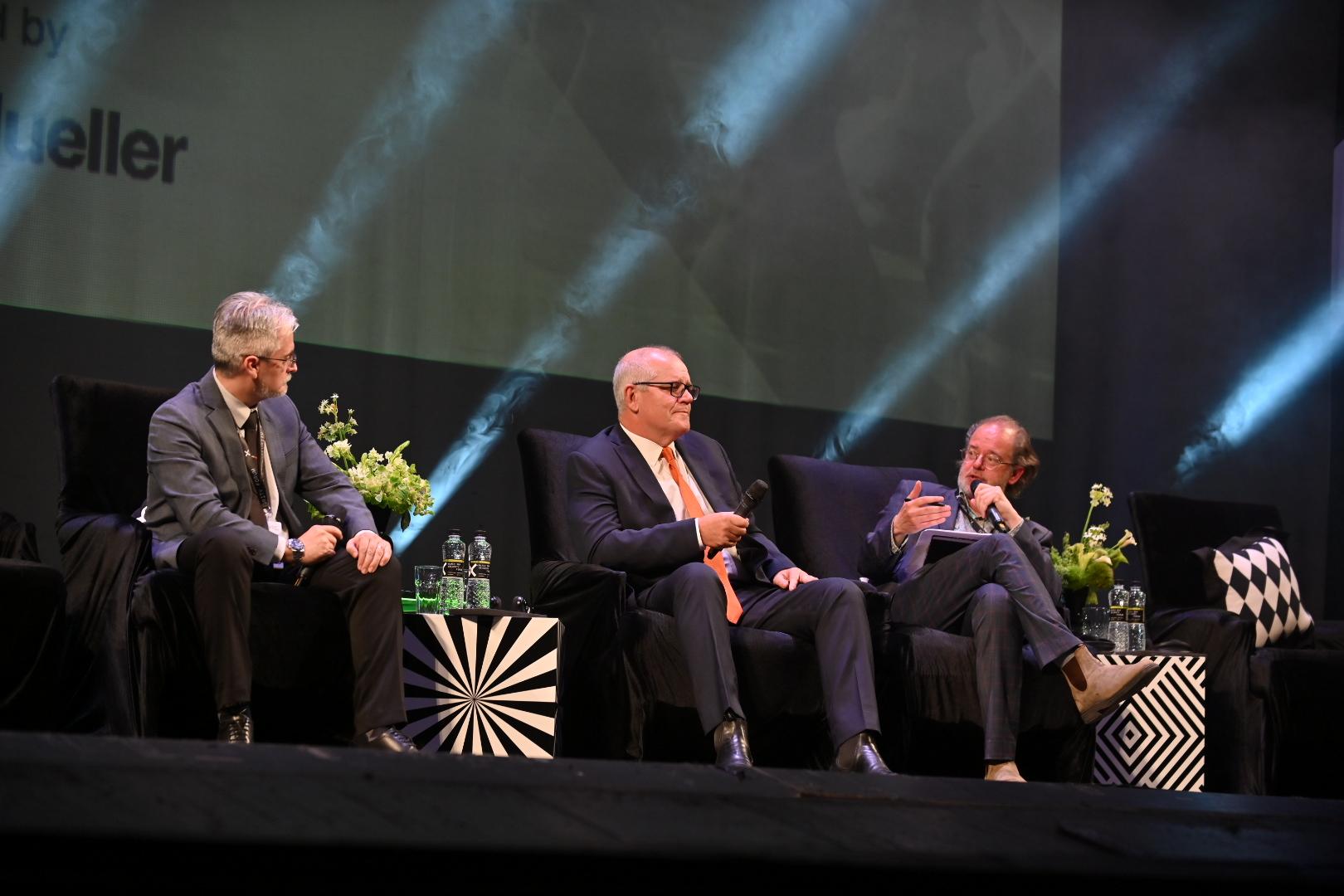
The Black Sea Security Forum is an annual event held on the Black Sea coast in Odesa and organized by Oleksiy Honcharenko, a member of the European Solidarity party. The central theme of this year's discussion was Zbigniew Brzezinski's ‘Grand Chessboard’ as a metaphor for the geopolitical significance of the Black Sea. The speakers at the forum emphasized that Ukraine is no longer a chess piece in the current confrontation but plays the role of a geopolitical ‘queen,’ as its control over the south and the sea determines the balance of power in the region.
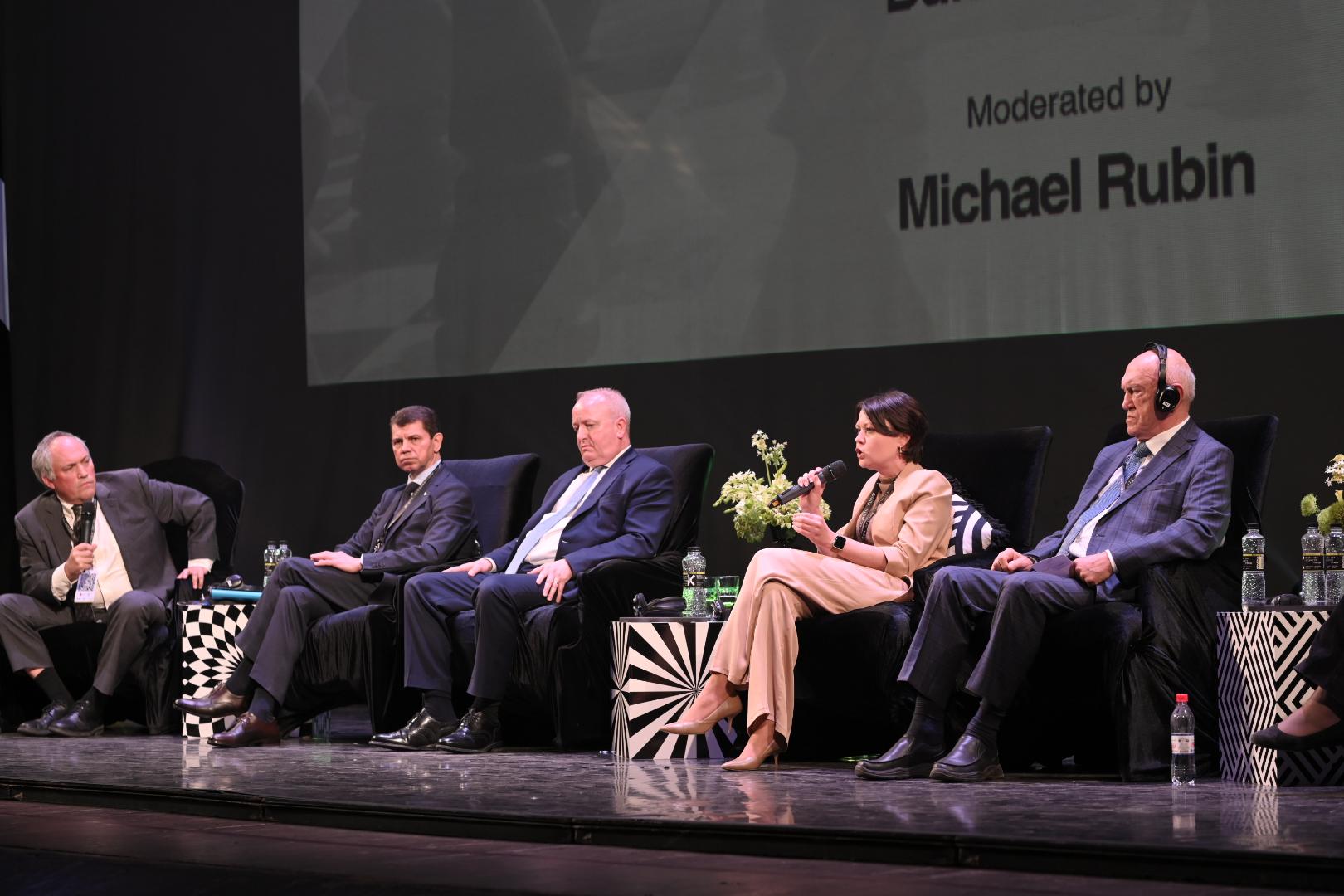
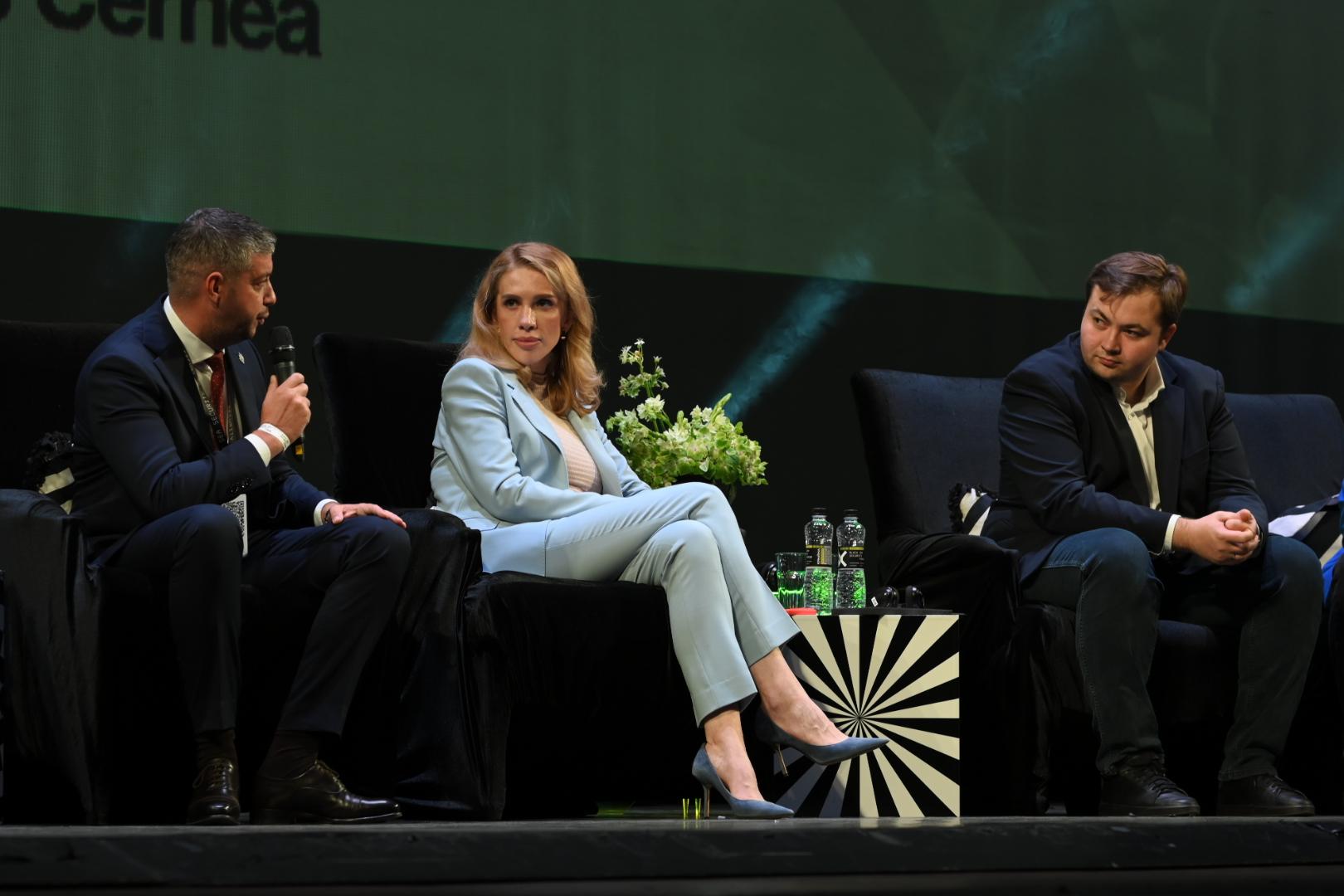
Over the course of three days, politicians and experts discussed various aspects of security in the Black Sea region. Participants in the panel discussions emphasized that Ukraine had managed to destroy Russian hegemony in the Black Sea without having a large navy, but with the most modern weapons at its disposal. The speakers at the forum called Russia the greatest threat to stability in the Black Sea region. They also highly appreciated the efforts of other Black Sea players, such as Turkey, Romania and Bulgaria, to stabilize the region and ensure free navigation in the Black Sea.
The role of Ukraine's other partners in the Black Sea - the EU, NATO, and the US - was also discussed. Conference participants emphasized the importance of alliances and deterring hybrid and other threats from countries such as Russia, Iran, and their partners. Caroline Kanter, Deputy Head of the Division European and International Cooperation of the Konrad Adenauer Foundation, announced the new German government's readiness to take responsibility for European security in the Black Sea region. Thomas Birringer, Head of the Konrad Adenauer Foundation Ukraine Office, emphasized the symbolic significance of the venue, as Odesa is a port city where cultural exchange is constantly taking place.
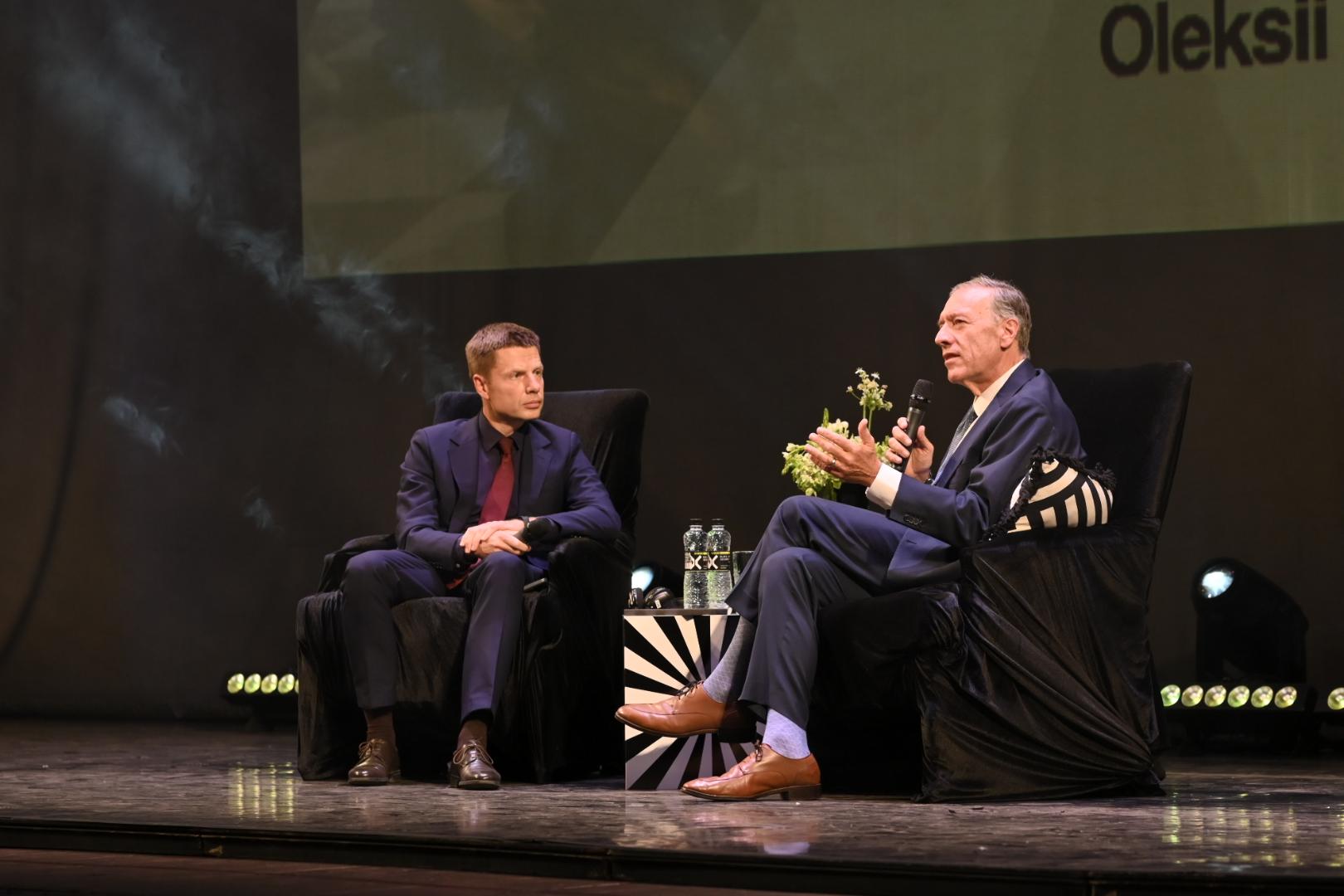
Roman Kostenko, a member of the Ukrainian parliament and an officer in the Special Operations Forces of the Armed Forces of Ukraine, stressed during the forum that as long as Ukraine controls the south and the Black Sea, it has a chance to regain all occupied territories. Former US Secretary of State (2018-2021) Mike Pompeo expressed his support for the Ukrainian people and condemned any intentions to recognize Crimea as part of the Russian Federation.
The most important outcome of the event was the international community's confirmation of the need to continue supporting Ukraine and increasing pressure on Russia as an aggressor in the region. Experts also emphasized the importance of deepening cooperation in the region by strengthening the naval forces of NATO member states Bulgaria and Romania, continuing to support the Euro-Atlantic vector of Ukraine, Georgia, and Moldova, and taking into account the interests of Turkey.
Konrad Adenauer Foundation Workshop: Security experts discuss future scenarios for Black Sea security.
As part of the Black Sea Security Forum 2025, the Konrad Adenauer Foundation organized a seminar on ‘Security in the Black Sea Region – Between Truce and Future Security Architecture’. Among the invited experts were Dr. Hanna Shelest (Ukrainian Prism), Amanda Paul (European Policy Centre), Wilfried Jilge (Center for Order and Governance in Eastern Europe, Russia, and Central Asia), Dr. András Rát (German Council on Foreign Relations), Dr. Susan Stewart (The German Institute for International and Security Affairs), and Mykhailo Samus (New Geopolitics Research Network).
Workshop participants discussed the future security architecture of the Black Sea region. One of the experts emphasizedthat the security of the Black and Baltic Seas is interrelated, naming Ukraine, which is holding back Russian aggression in the Black Sea, as a key factor in the security of the Euro-Atlantic space.
Among the greatest threats in the region were Russia's use of maritime drones and the so-called ‘shadow fleet,’ which includes civilian vessels performing military tasks. In this regard, a demand was made to develop a new EU strategic mechanism, in particular to reduce dependence on the United States in matters of security in the Black Sea. It was also noted that a future truce between Ukraine and Russia is only possible if the Crimean peninsula is completely demilitarized.
Particular attention was paid to the role of civil society in defense and ensuring sustainability. Three areas were identified where civil society organizations and think tanks can play a key role: first, providing expert knowledge at the regional level; second, engaging local communities; and third, using existing tools, such as those offered under the EU's Eastern Partnership. This approach will allow security policy to be combined with democratic sustainability.
During the first panel discussion, Hanna Shelest's study, ‘The Black Sea Trends: Strong Currents, Strategic Depth, and High Waves` was presented, which proposes three possible scenarios for the development of the Black Sea region: stable (Dead Water Drift) with Moldova and Georgia moving closer to the EU and Russia's influence declining, conditionally stable (Choppy Waters) with military exercises and diplomatic tensions between neighbors, and unstable (Riptide Zone) with outbreaks of local conflicts and international recognition of the occupation of Crimea. Among the most important trends in the region, the authors highlight the struggle of democracies against authoritarianism, the economic consequences of the war (from negative for Ukraine to beneficial for Georgia), as well as the further militarization of the region and its division into zones of influence.
To view the Forum recordings, please follow the link: Day 1, Day 2
 KAS Ukraine
 KAS Ukraine
 KAS Ukraine
 KAS Ukraine
 KAS Ukraine
 KAS Ukraine
 KAS Ukraine
KAS Ukraine
KAS Ukraine
KAS Ukraine
KAS Ukraine
KAS Ukraine
KAS Ukraine
KAS Ukraine
KAS Ukraine
KAS Ukraine
KAS Ukraine
KAS Ukraine
KAS Ukraine
KAS Ukraine
KAS Ukraine


Topics
The Foreign Policy Dimension of Germany’s New Approach to Migration
Why Australia’s New Foreign Policy Role Creates Opportunities for Germany
„Russland führt einen hybriden Krieg gegen Deutschland“
The Survival of the Islamic State in East Africa, and Its Emerging Global Significance
North Korea’s Strategic Rise