








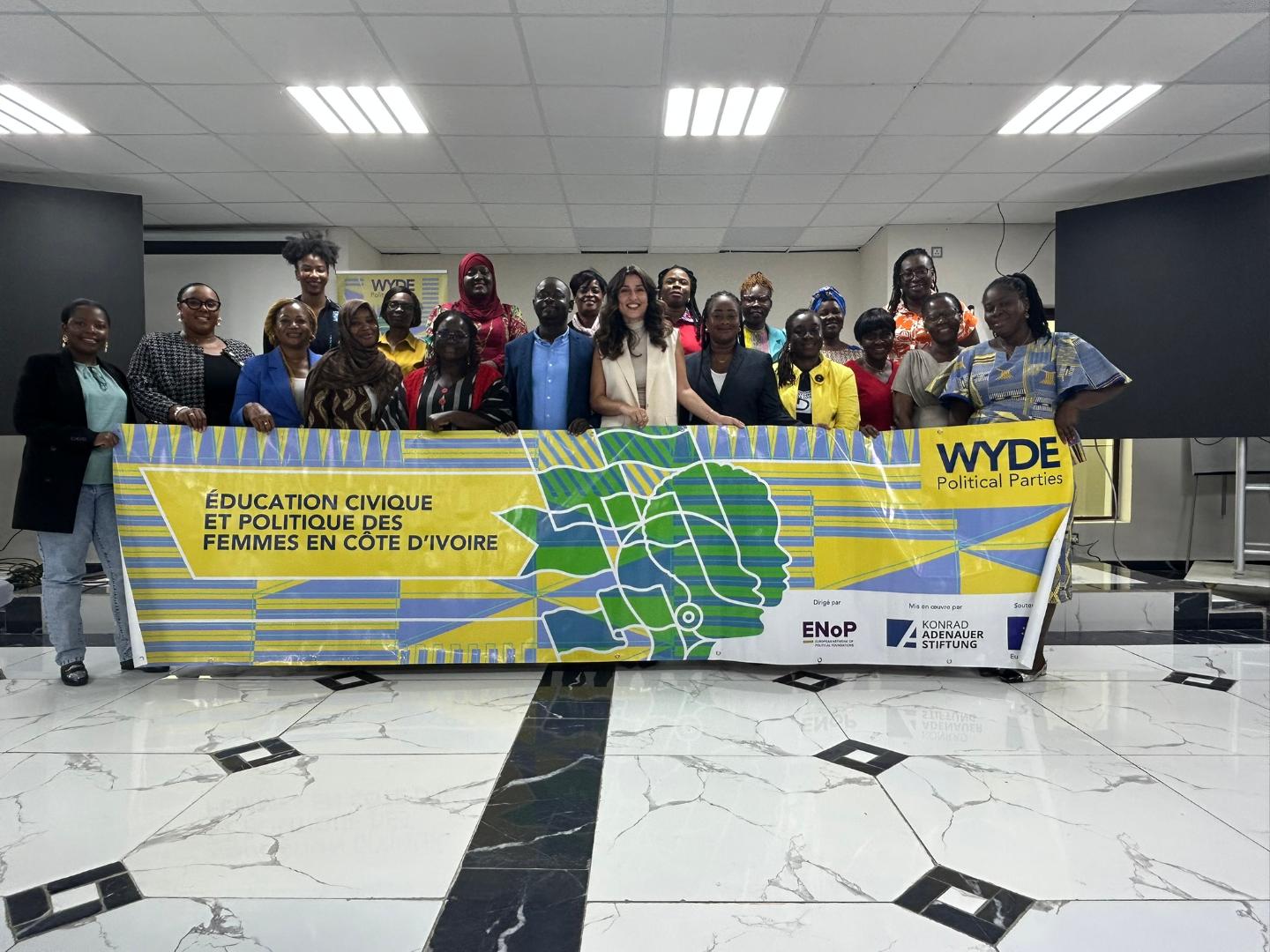
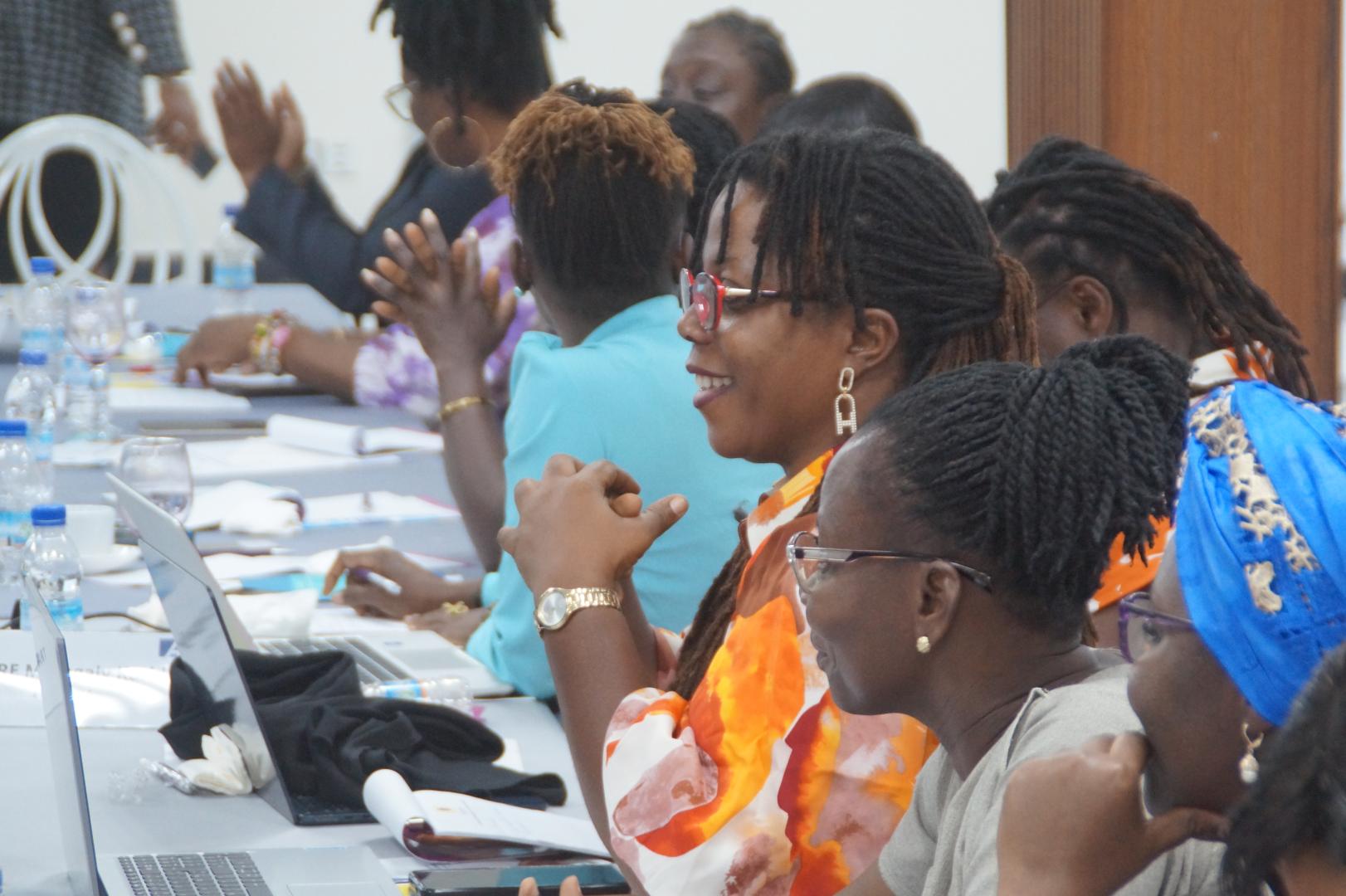
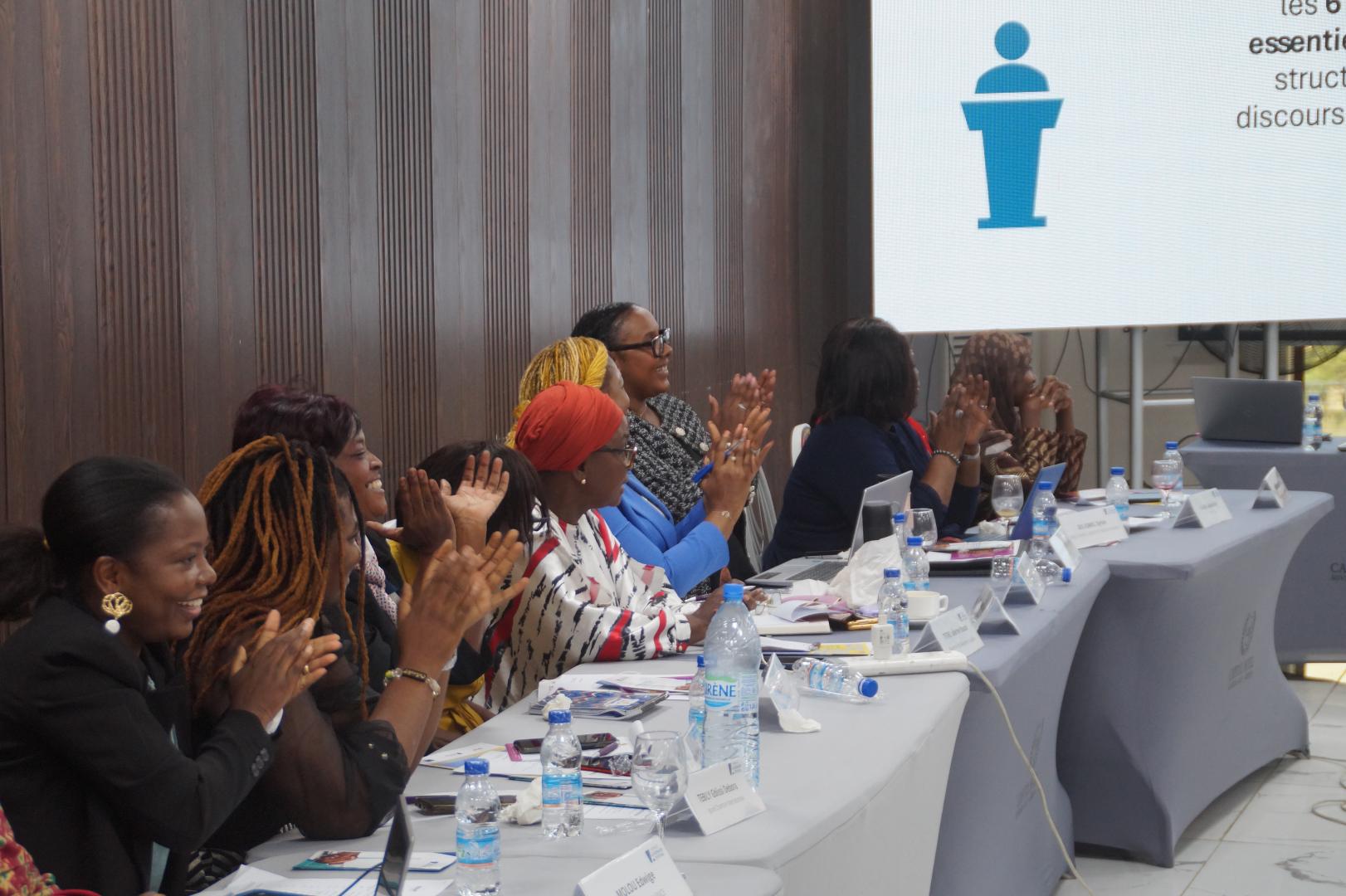
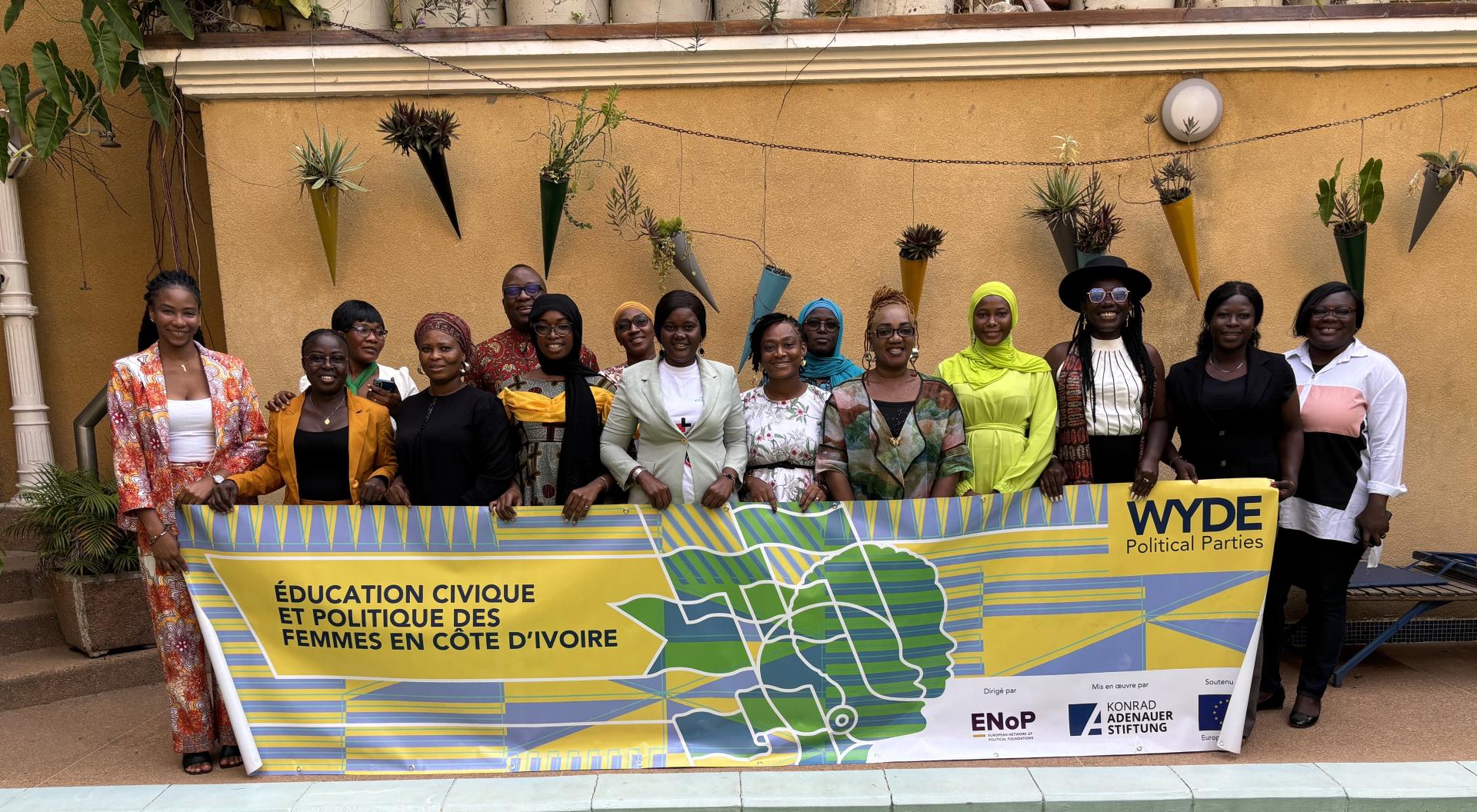
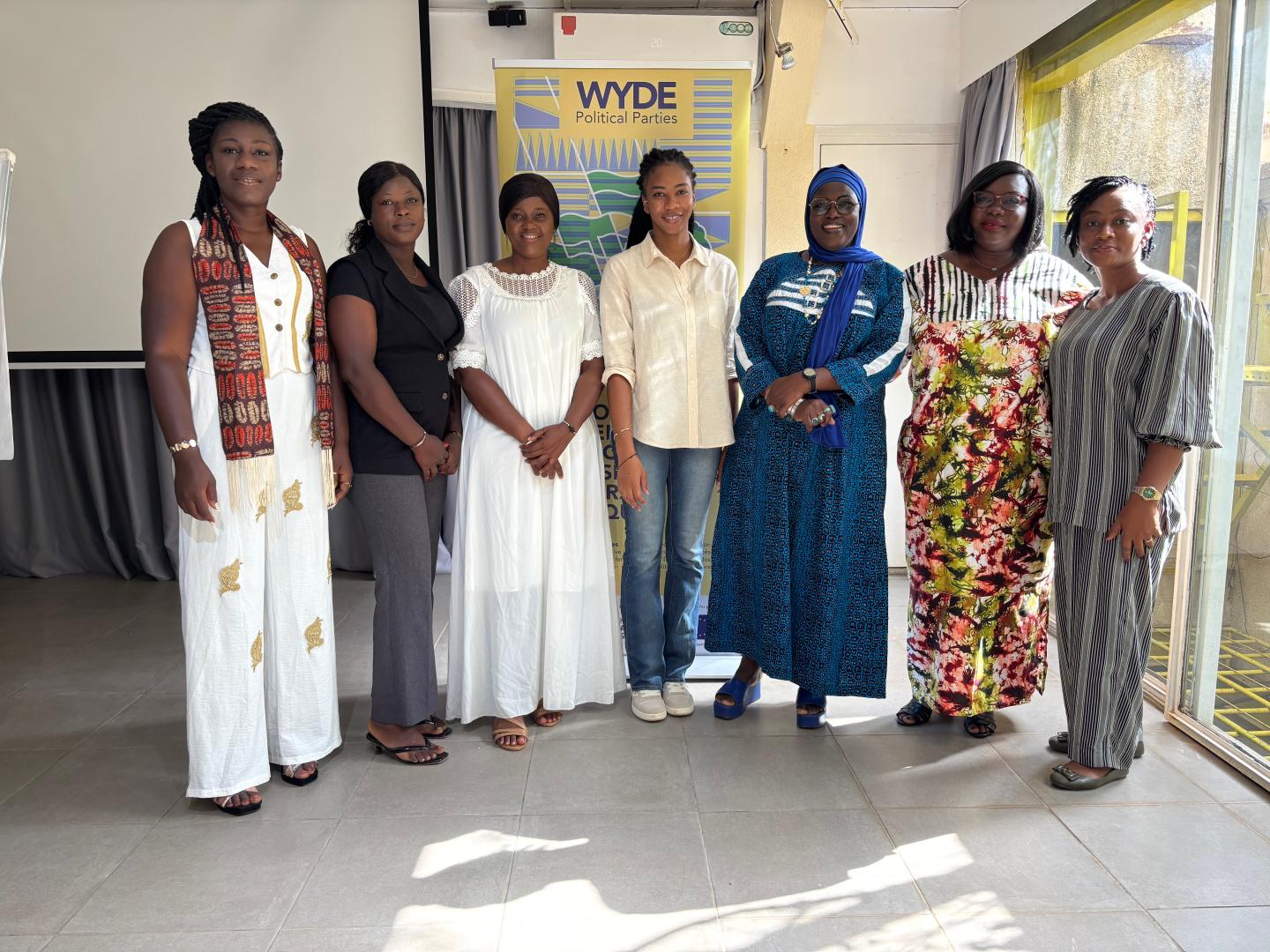
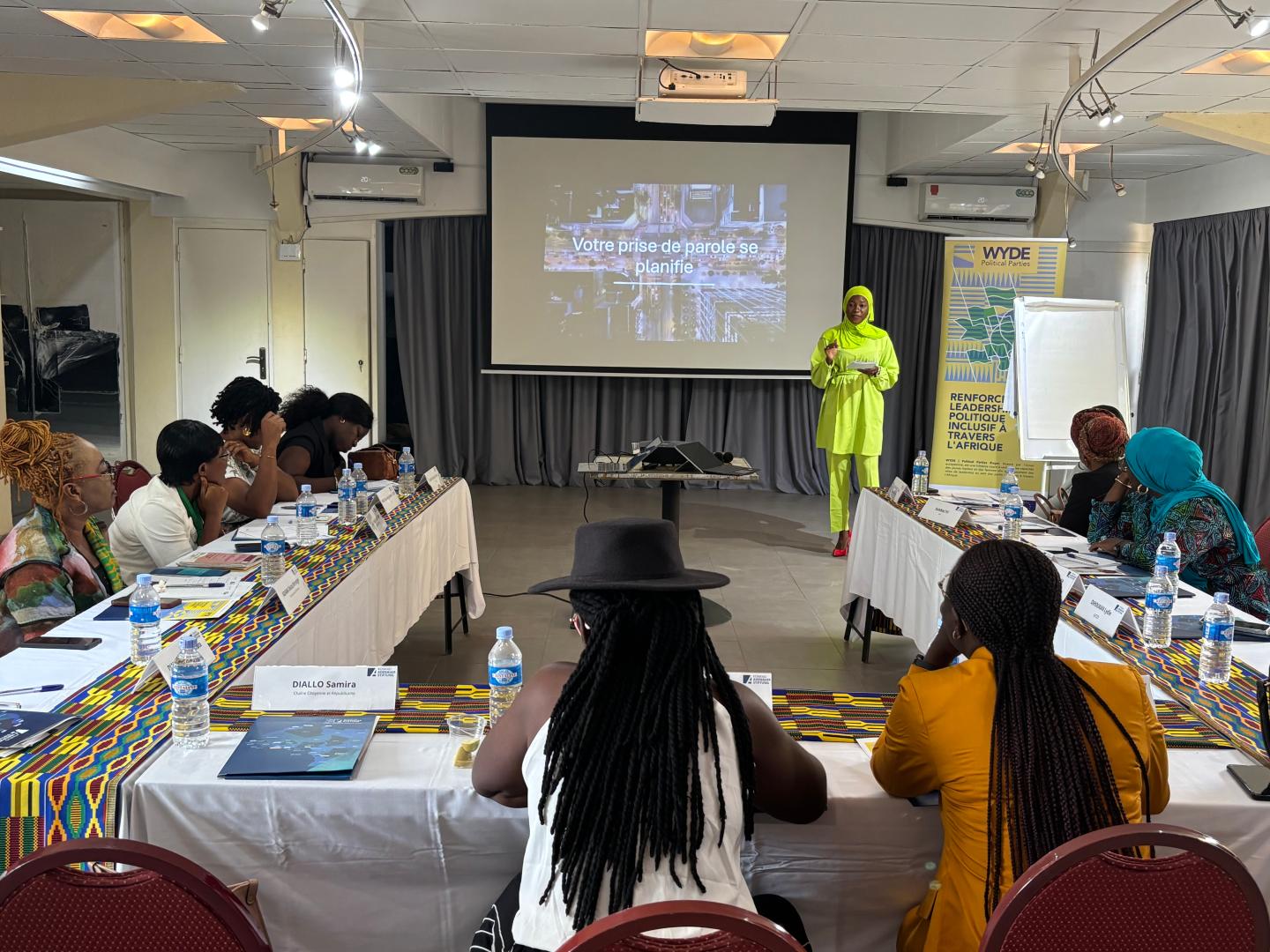
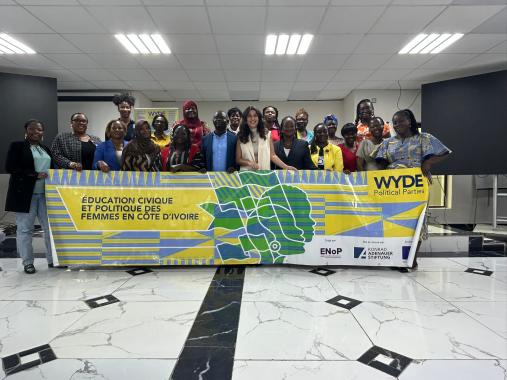
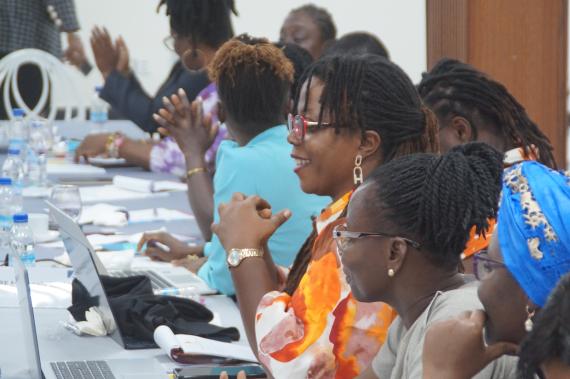
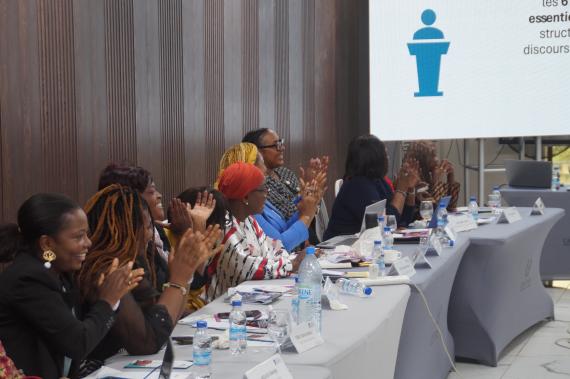
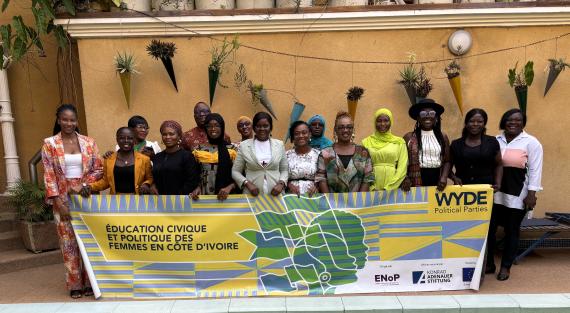
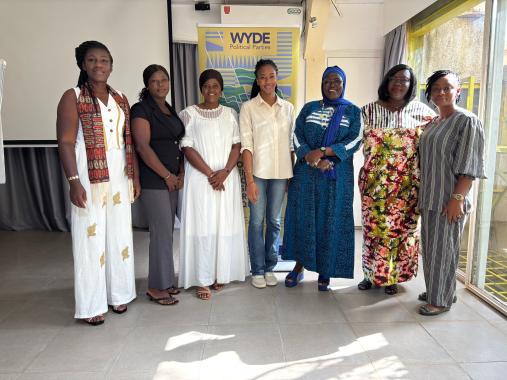
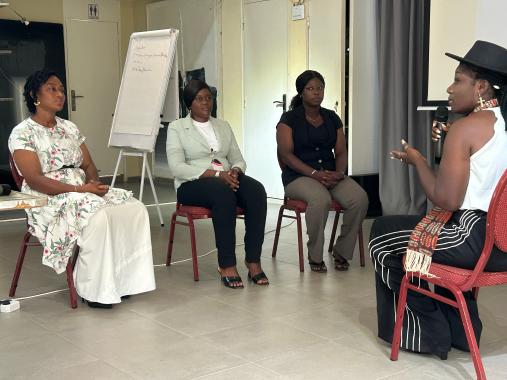
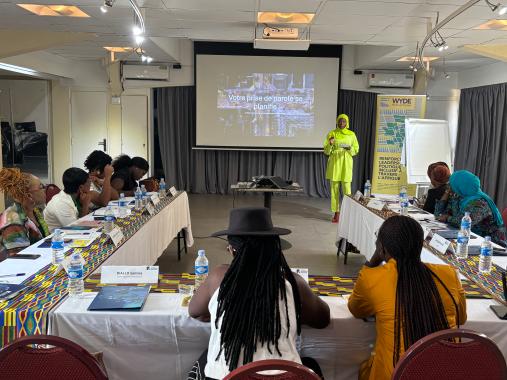
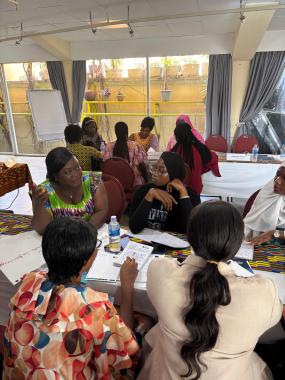
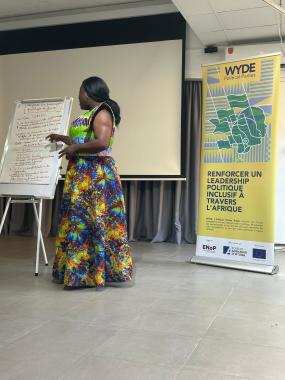
As part of the WYDE - Women and Youth in Democracy project, funded by the European Union and coordinated by the European Network of Political Foundations (ENoP), two sessions of the Civic Education and Politikum Programme were organised in Côte d'Ivoire to build women's political leadership skills. The training sessions were held from 6 to 8 May in Abidjan, then from 21 to 23 May in Bouaké.
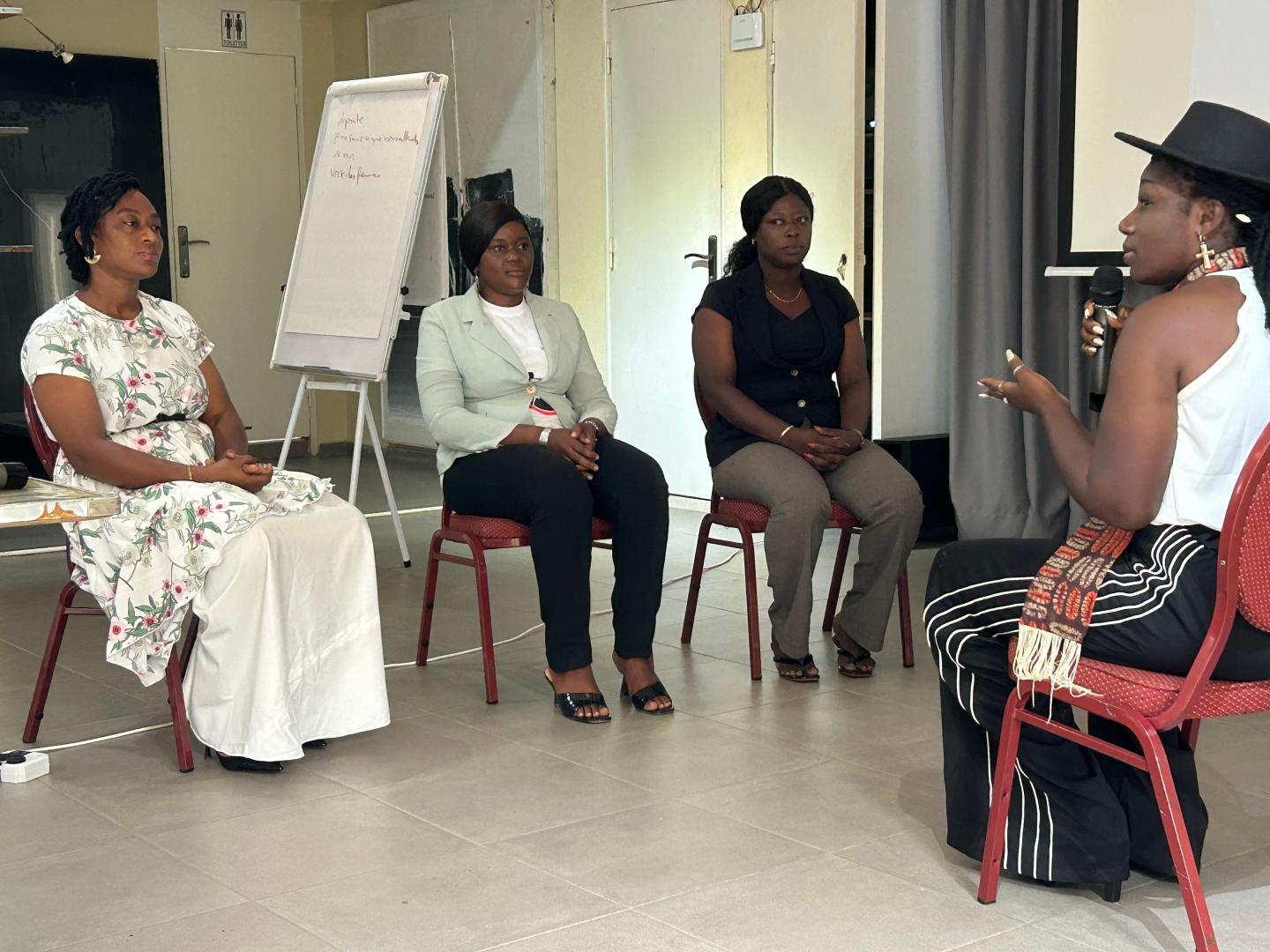
The first session, in Abidjan, brought together some thirty participants from several regions of the country. Gérard Guèdègbé led the first module on political leadership and influence communication. Through practical exercises - in particular improvised mini political speeches - the participants honed their ability to structure a clear, convincing and engaging message. They learned how to build their public image and adapt their language to different audiences.
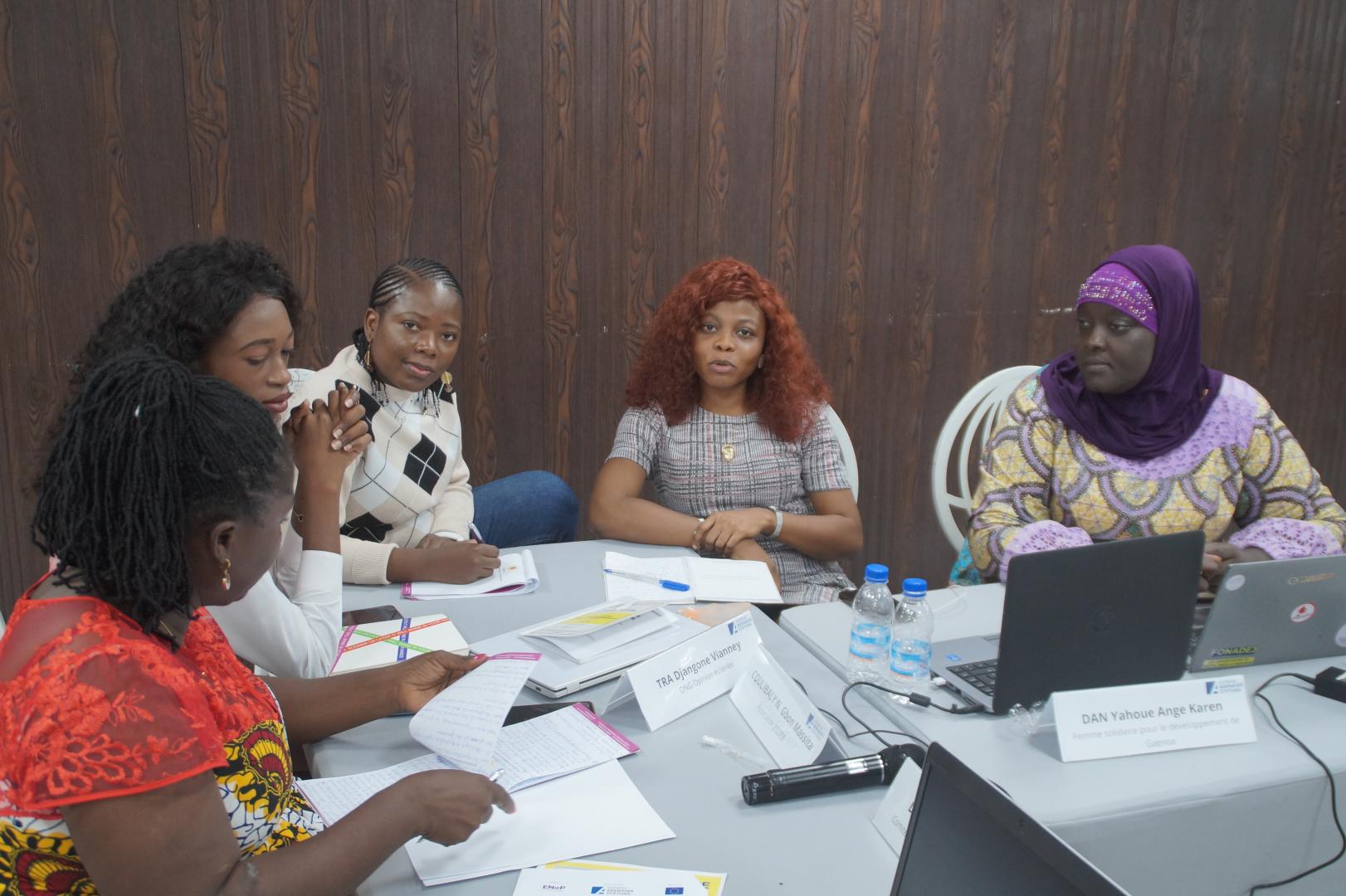
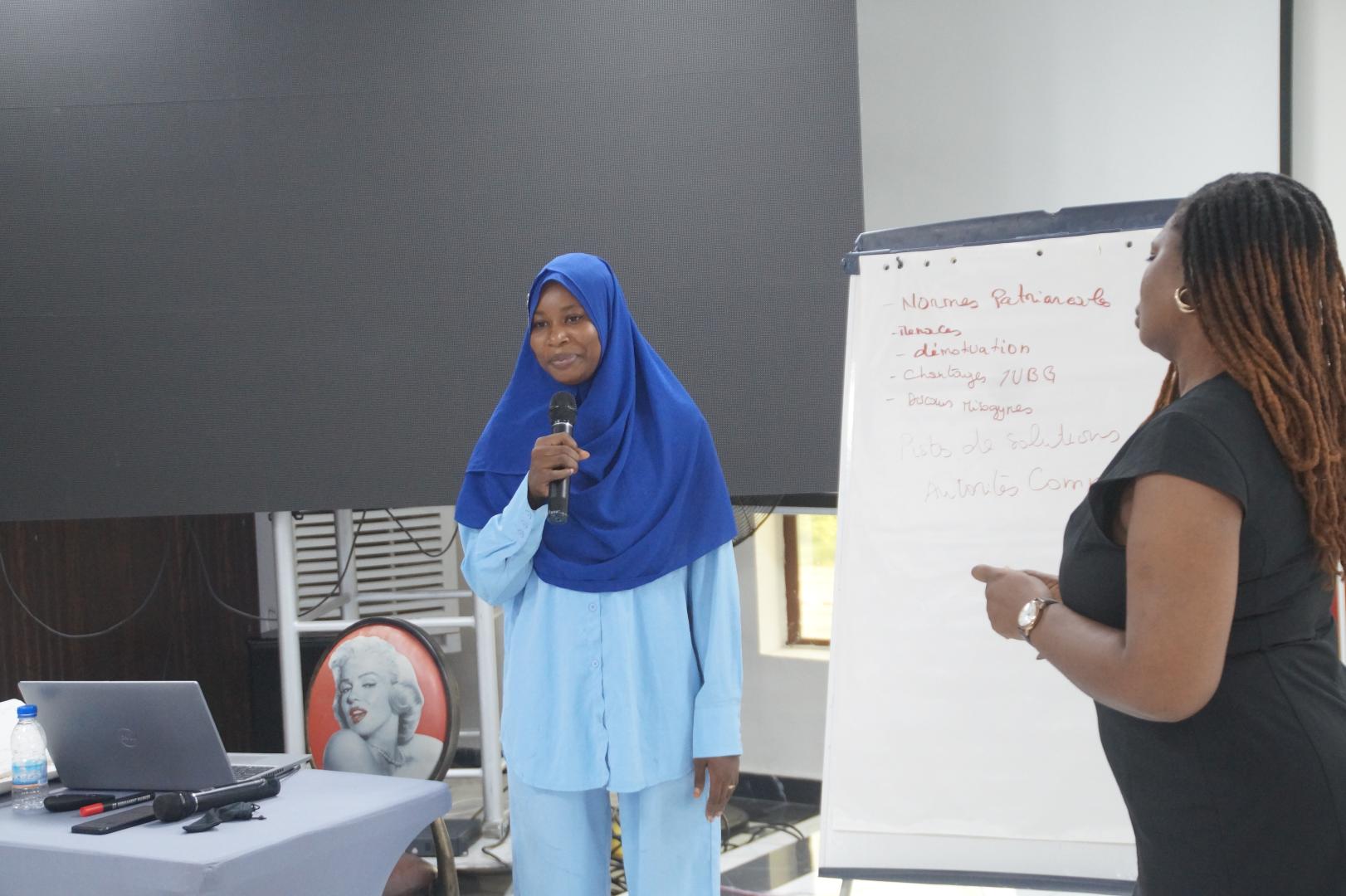
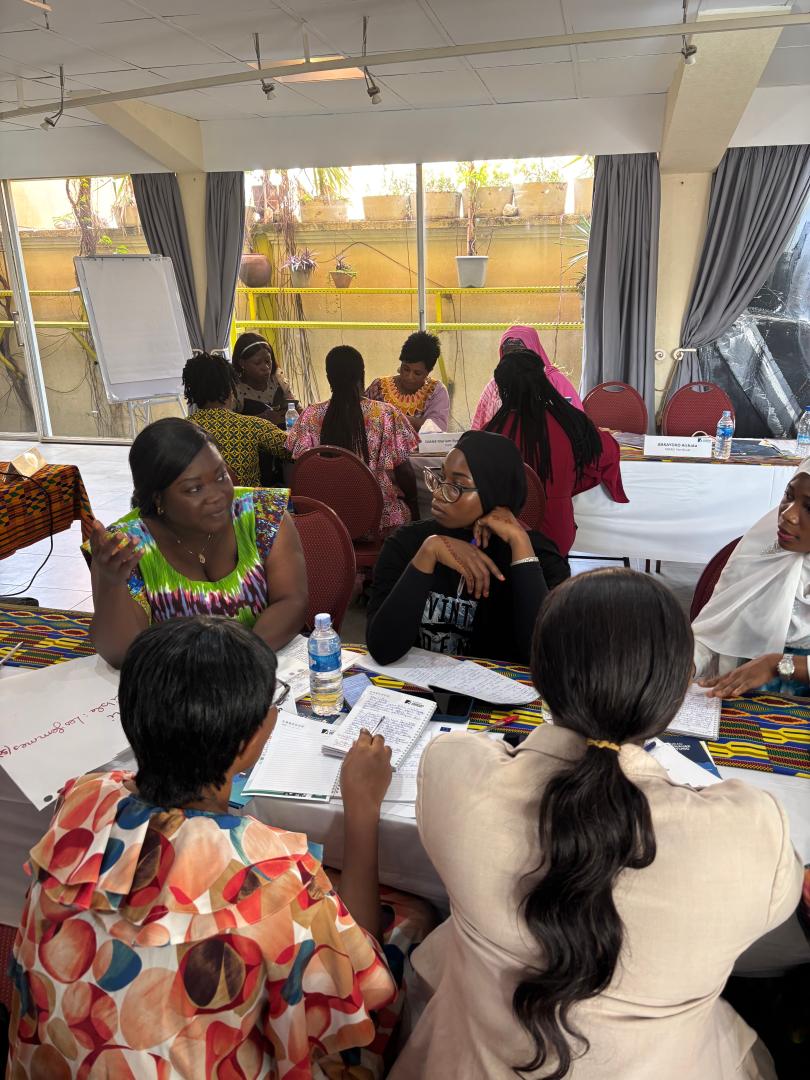
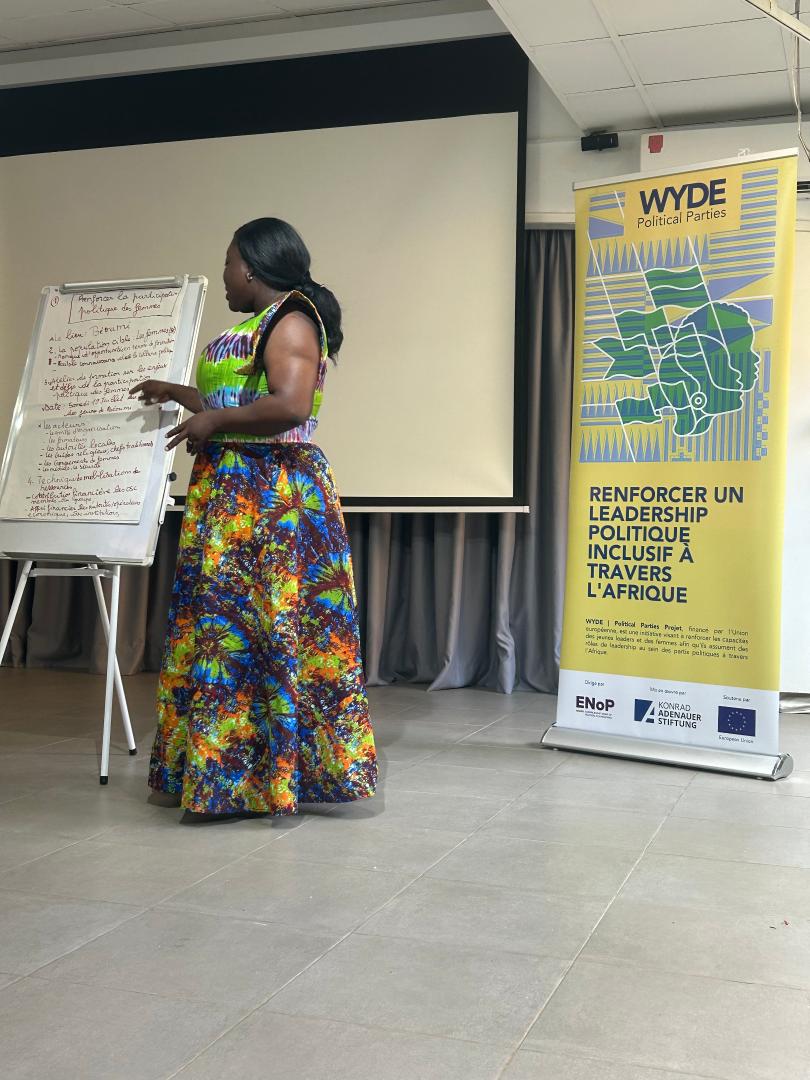
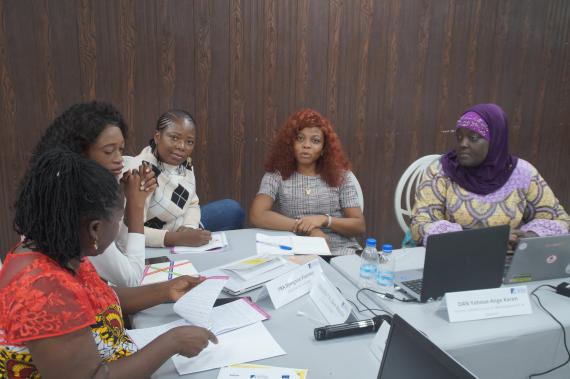
On the second day, Alama Silué presented the challenges posed by the low representation of women in elected bodies. He analysed the existing legal frameworks, such as the 2019 law on quotas, and stressed the need for more political education, greater solidarity between women and strategies for electoral legitimacy. The women worked in small groups on the obstacles encountered in their local environment and the levers available to overcome them.
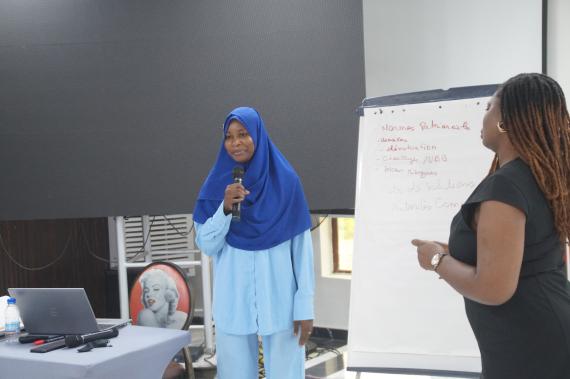
The third day was devoted to political advocacy, presented by Bérenger N'Cho. Using a clear methodology, participants learned how to analyse a public issue, define precise objectives, target the right people and choose appropriate methods of action. They then drafted and presented their own advocacy messages on issues such as access to health, safety and education for young girls.
The second session, organised in Bouaké, was run by the same trainers, but with a new group of participants. The topics covered were the same, but the discussions were slightly different, reflecting the varied experiences and perspectives of the new participants. At the end of the two sessions, each participant drew up a personal roadmap for her civic or political commitment. Some are planning to stand as candidates in the next local elections or to set up associations to promote women's rights. Exchange networks have been set up between the Abidjan and Bouaké groups to encourage mutual monitoring, mentoring and the sharing of best practice.
A national final meeting is scheduled for August 2025 to enable participants to present their projects, discuss the results achieved and receive a certificate of participation.