
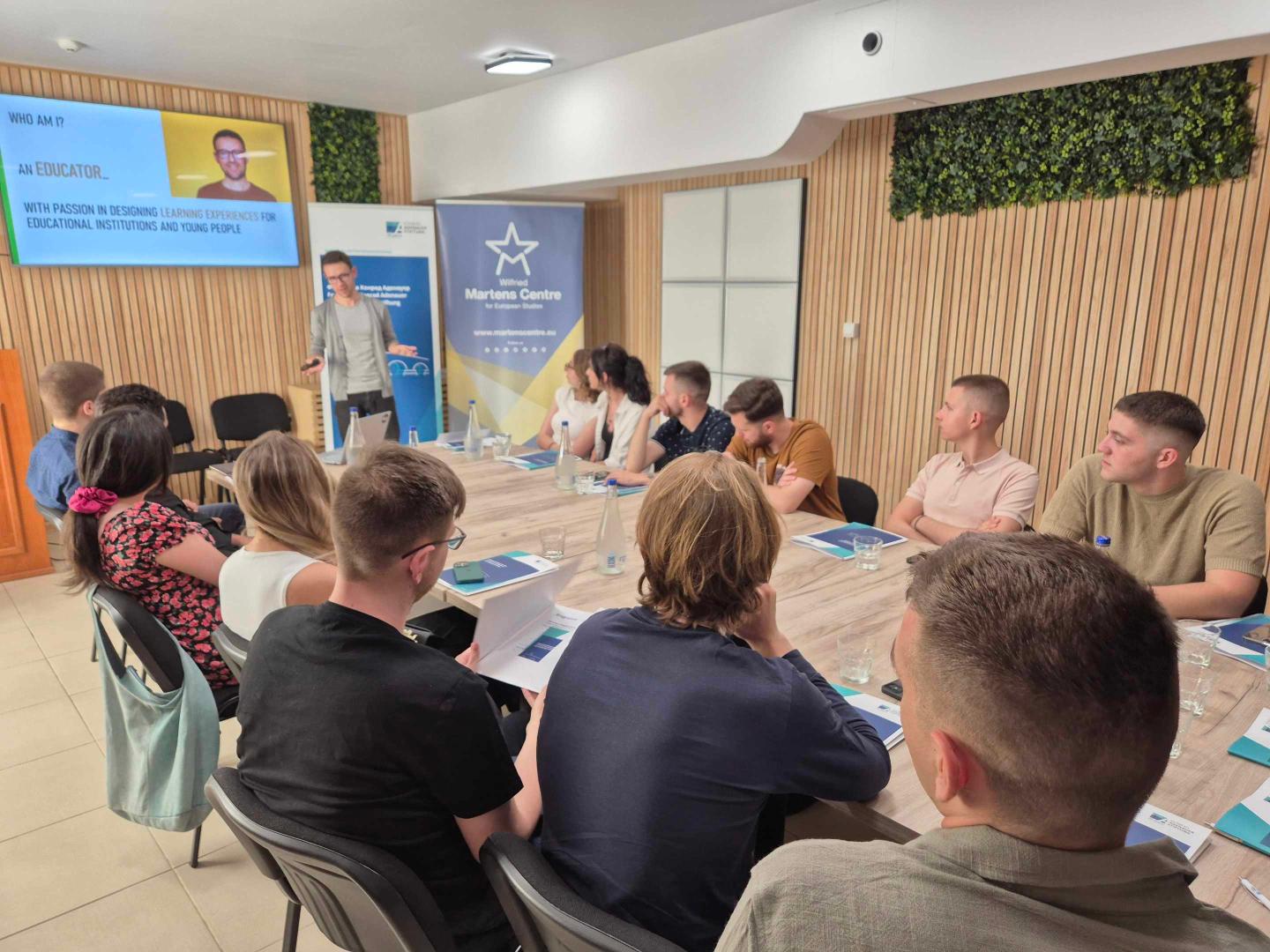
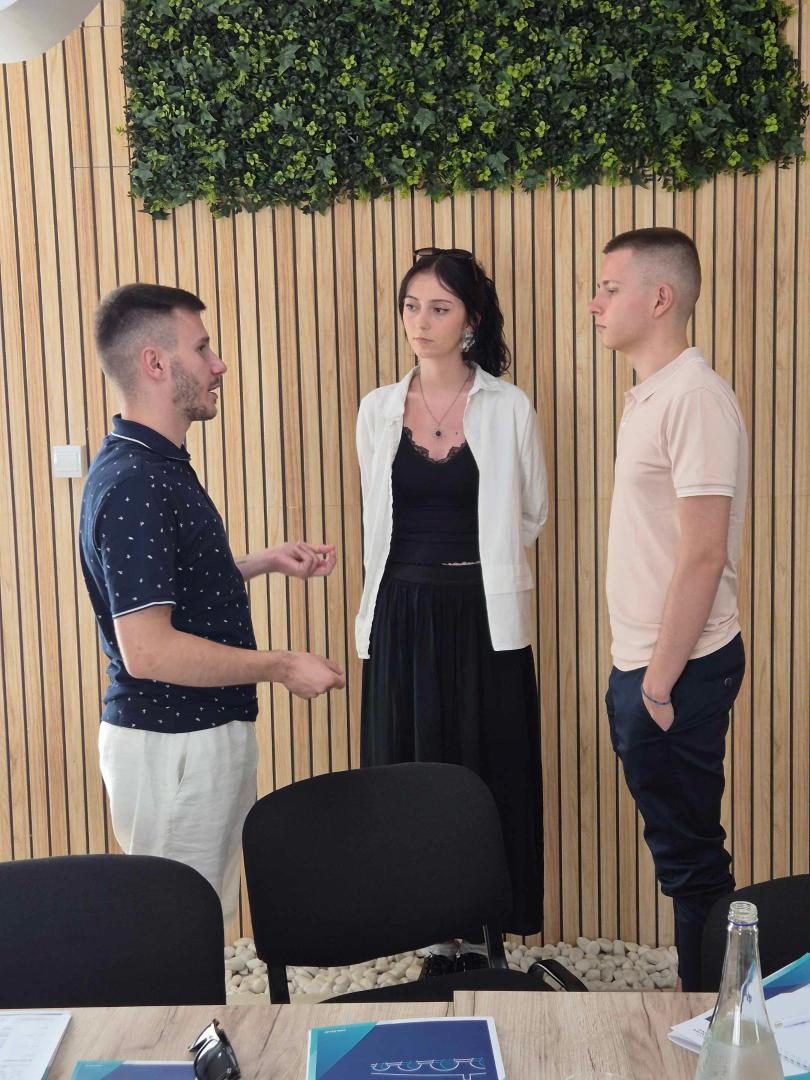
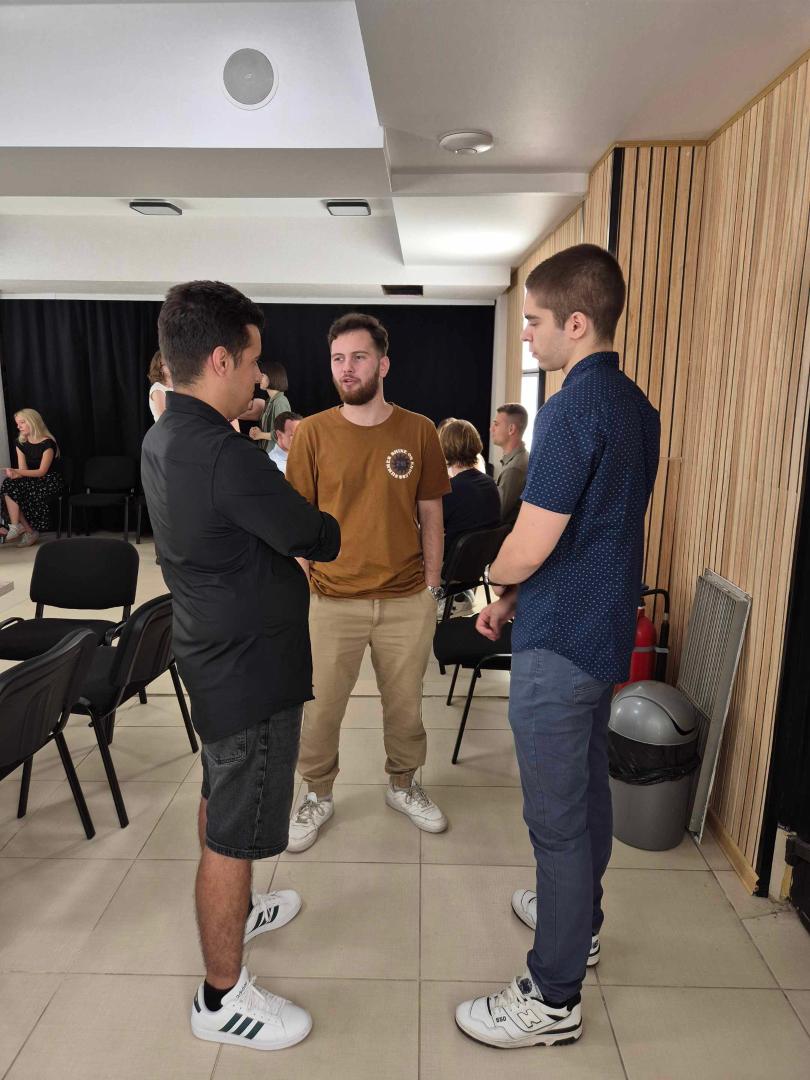
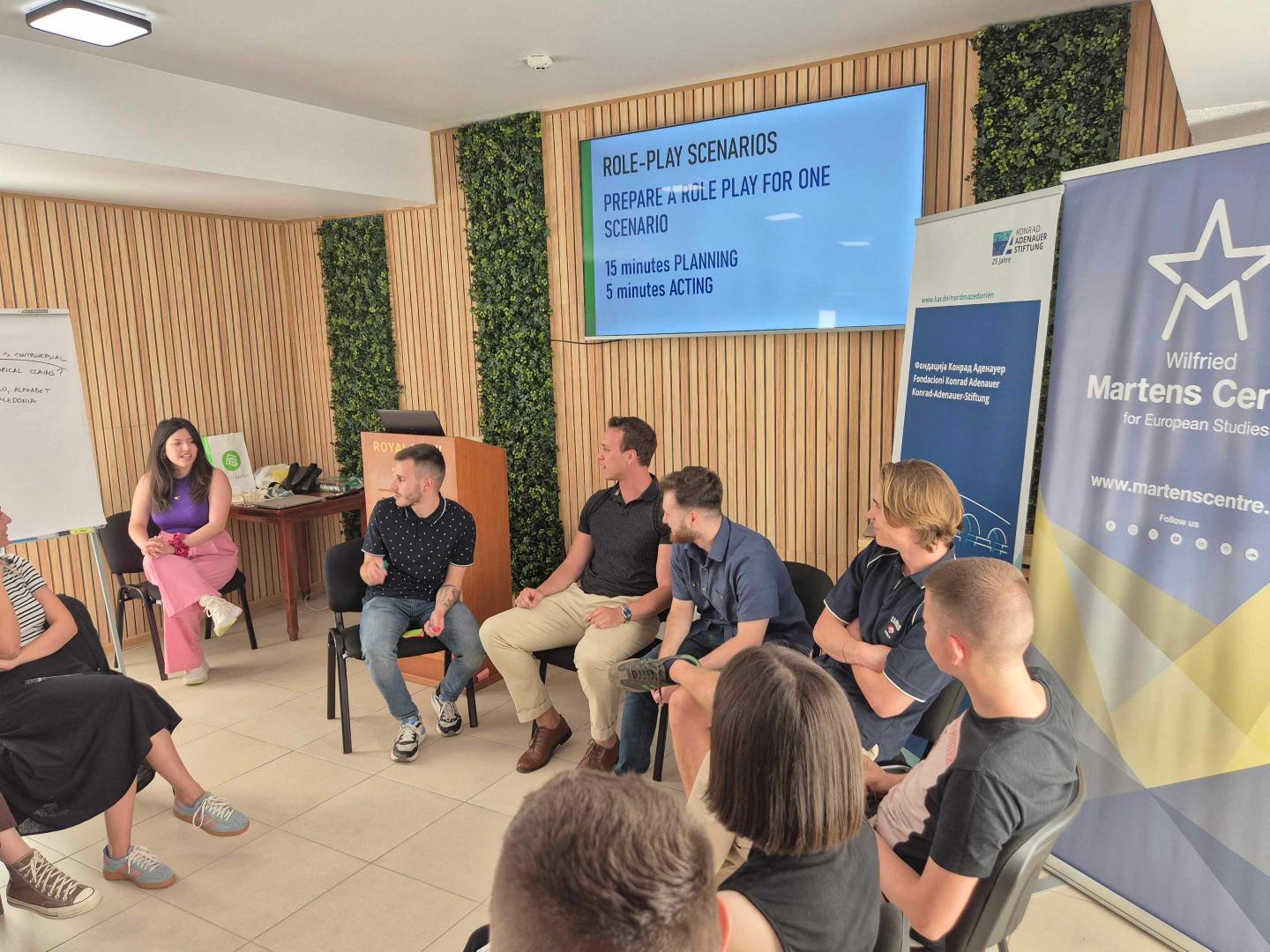



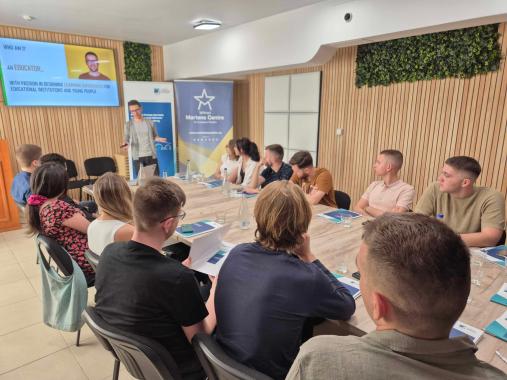
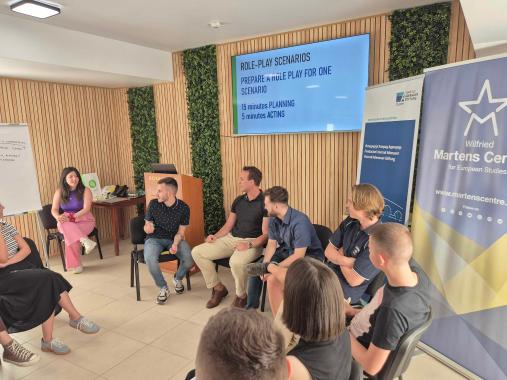
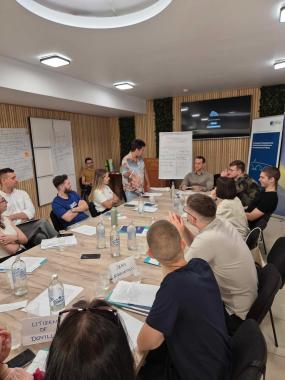
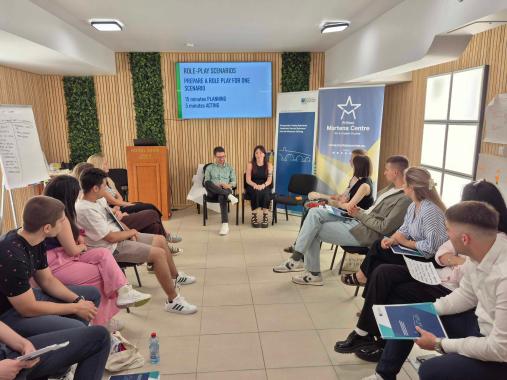
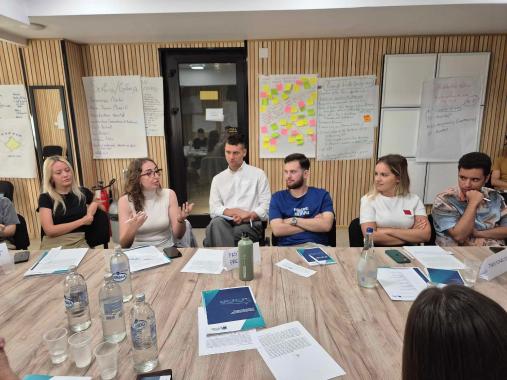
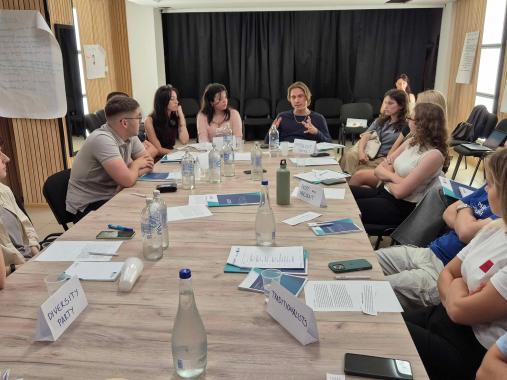
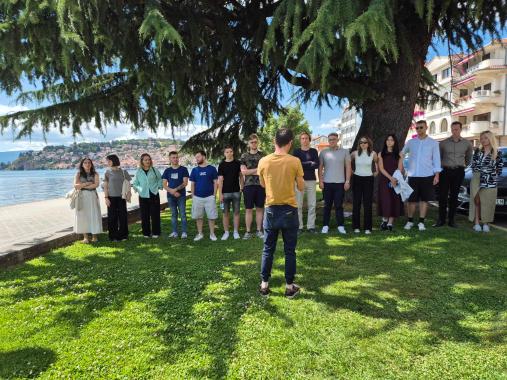
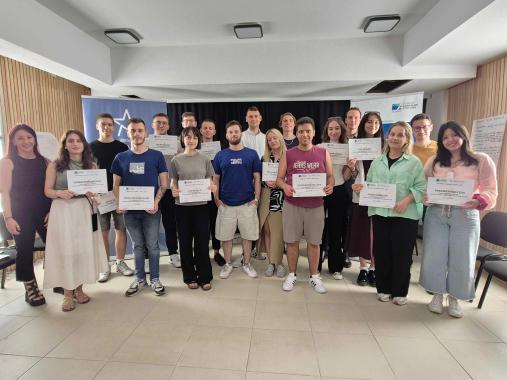
The program was officially opened with remarks by Robert Janev, Programme Manager at the Konrad Adenauer Foundation and Katerina Jakimovska, Senior Project Officer at the Wilfried Martens Centre. They emphasized the need for sustained intercultural dialogue in a region still grappling with the legacy of nationalism and conflict, but also increasingly open to building shared futures through youth cooperation and democratic values.
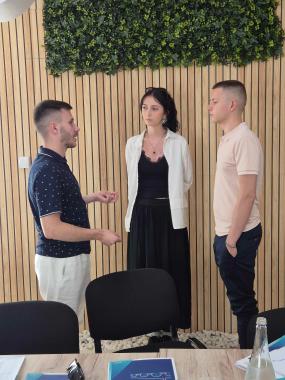
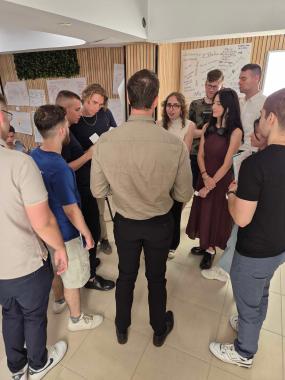
The atmosphere was set from the beginning through personal storytelling and identity-sharing sessions. Participants reflected on the many layers that define them such as: ethnicity, religion, language, nationality as well as personal experiences and explored how those elements shape perspectives and interactions in their respective societies. These initial activities were designed to create trust and openness within the group, and they laid the groundwork for deeper engagement throughout the duration of the event.
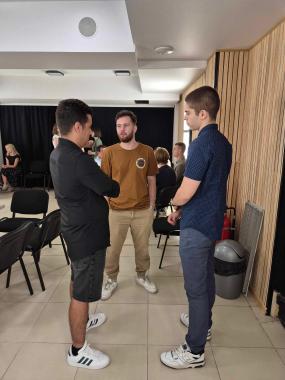
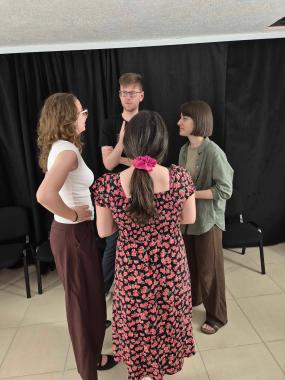
A major focus of the Summer School was the exploration of cultural values and perceptions. Through a series of interactive exercises - including The Wall of Greatness, A Tale of Two Villages, and Frames and Reframing - participants critically examined how cultural norms and group narratives can shape attitudes toward others. These sessions encouraged students to identify implicit biases and reflect on how societies categorize differences. Concepts such as cultural adaptation and identity fluidity were discussed not as abstract theories but as everyday realities in multiethnic communities across the region.
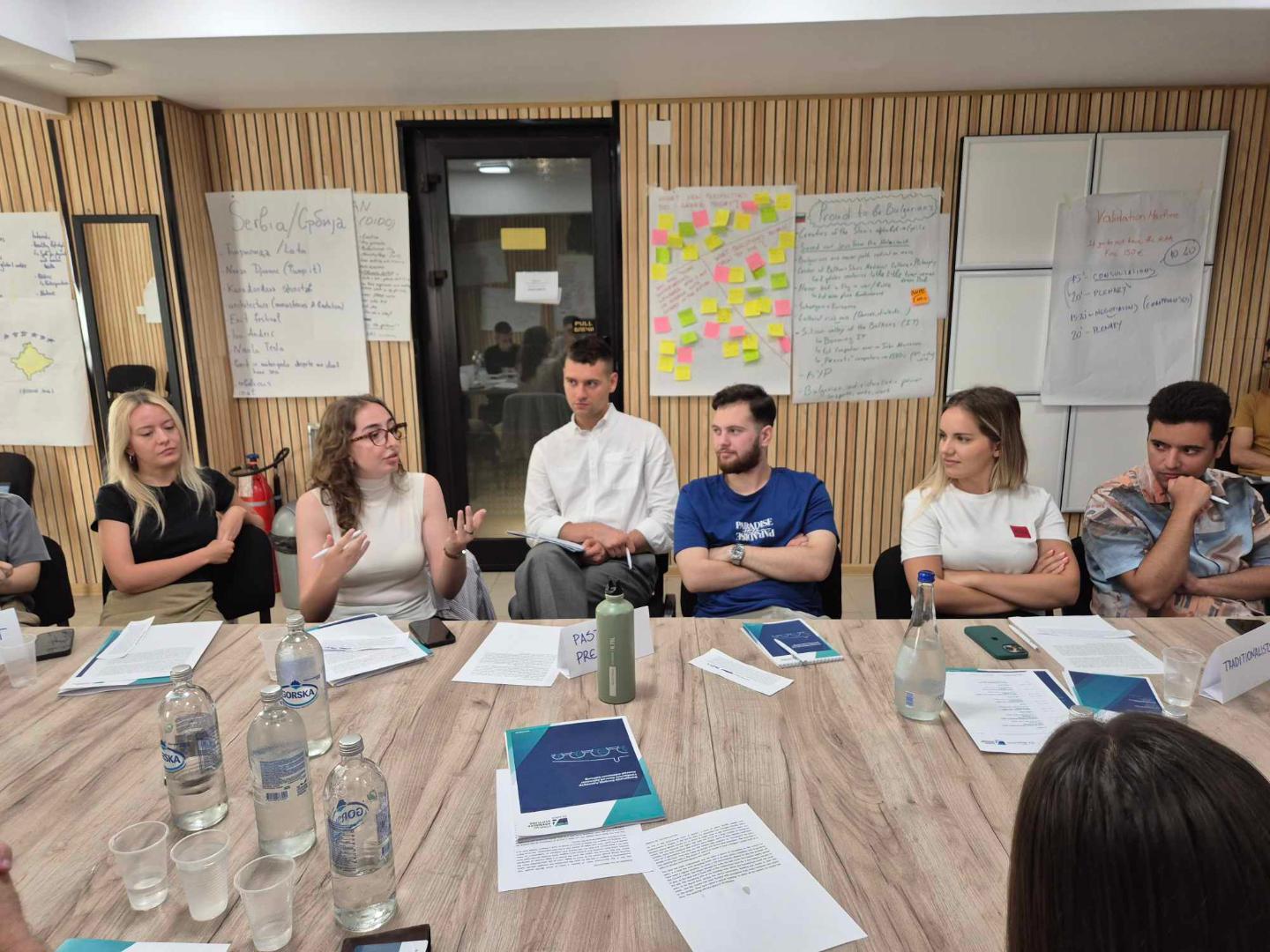
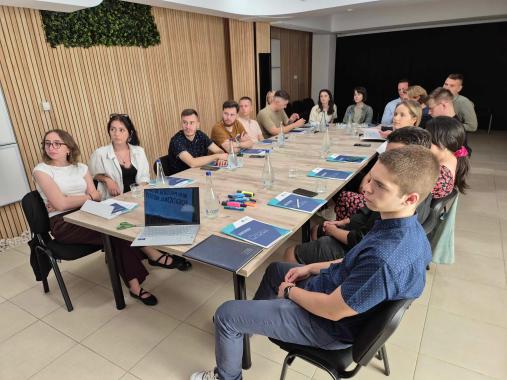
Central to the Summer School was the panel discussion on Religious, Cultural, and Ethnic Realities in Europe. Drawing on both lived experience and broader regional trends, the discussion examined the intersections of nationalism and religion, the challenges of secularism, and the role of minority rights in democratic societies. Participants questioned how education, media, and state institutions can either reinforce stereotypes or promote social cohesion.
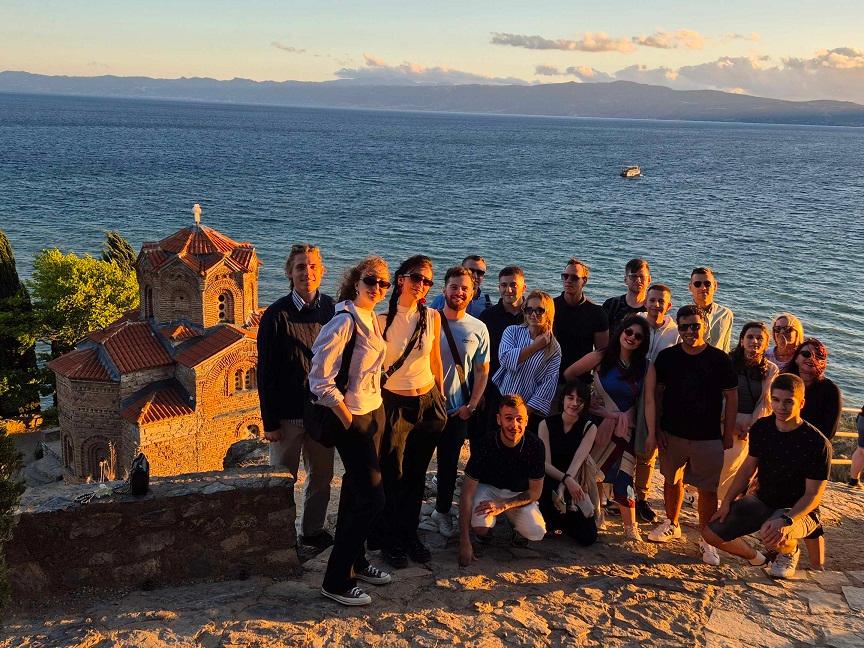
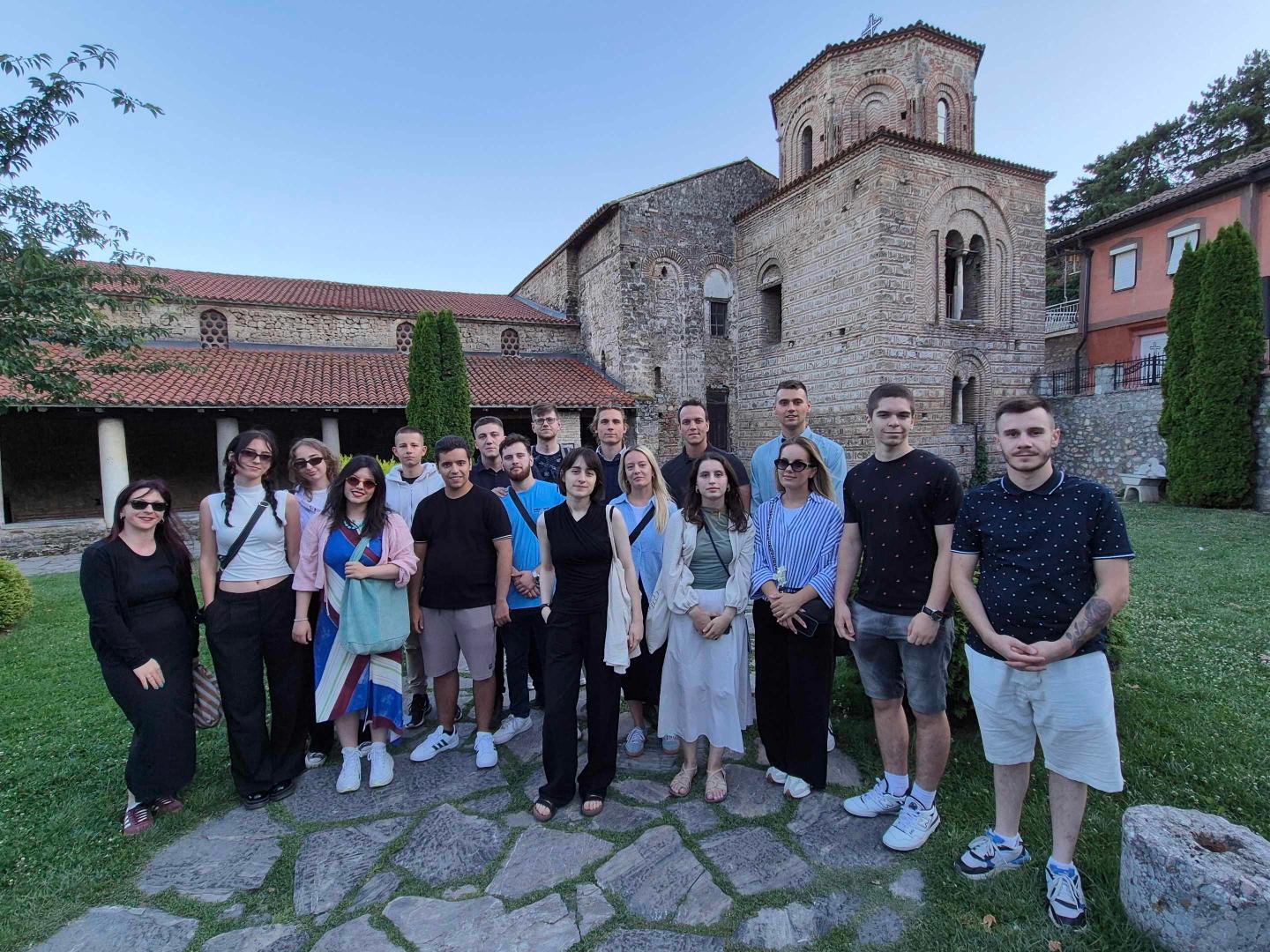
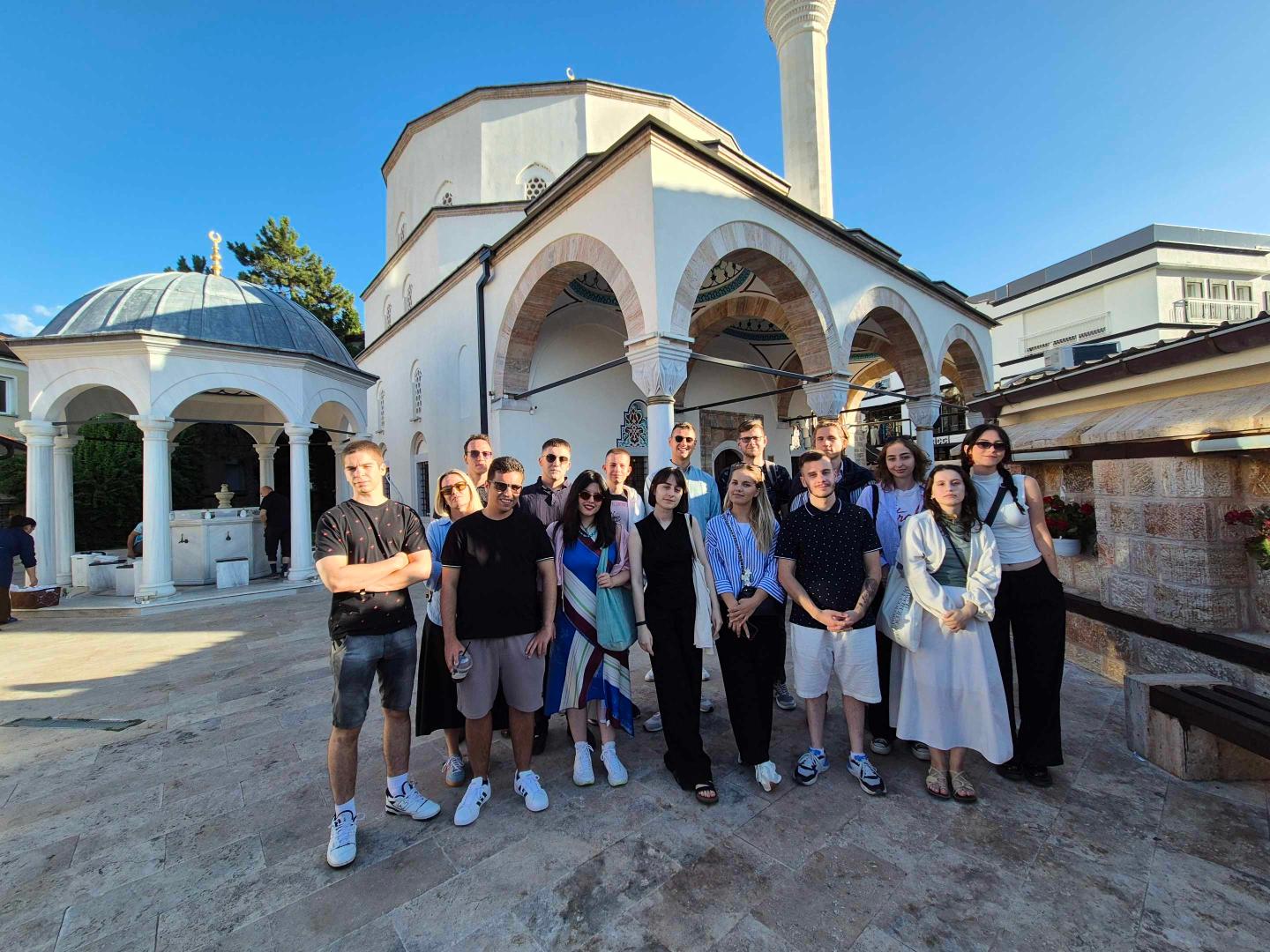
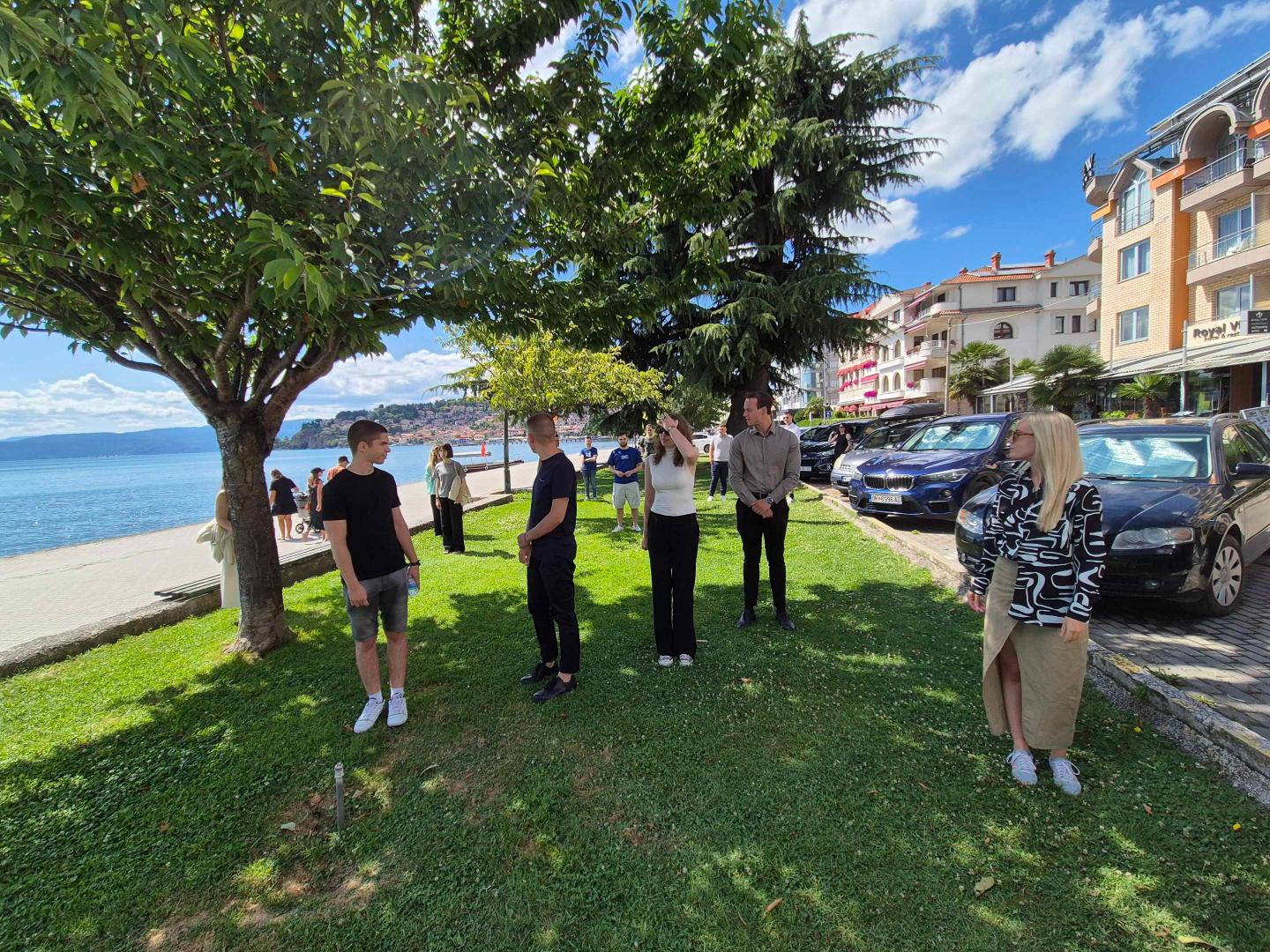
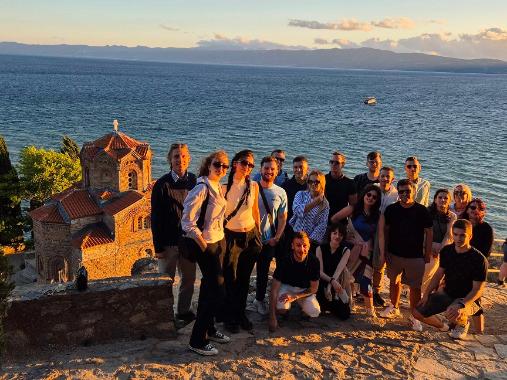
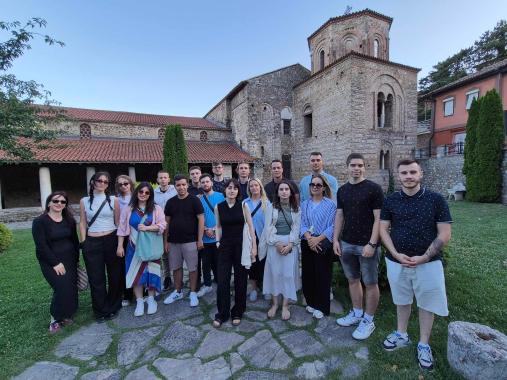
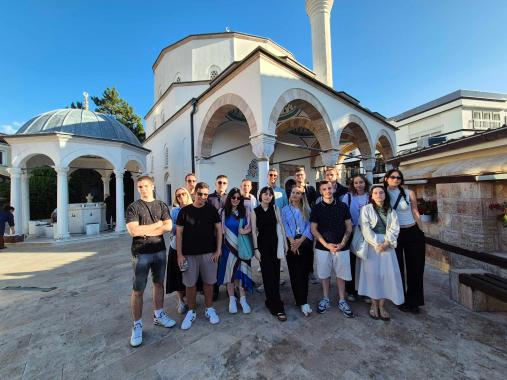
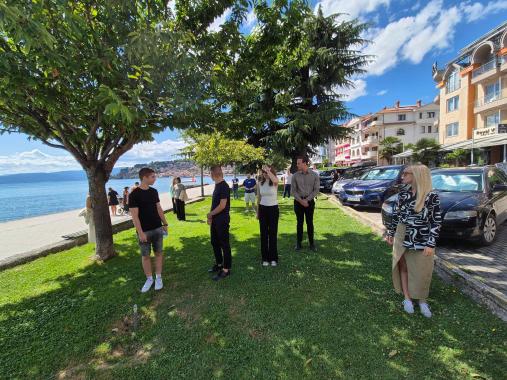
To contextualize these themes locally, participants took part in a study visit to sites of religious and cultural significance in Ohrid. The city, with its centuries-old churches, mosques, and historical landmarks, offered a living example of coexistence, complexity, and historical layers of identity. These visits encouraged reflection on how physical spaces can embody both harmony and division and how communities choose to remember and present their shared pasts.
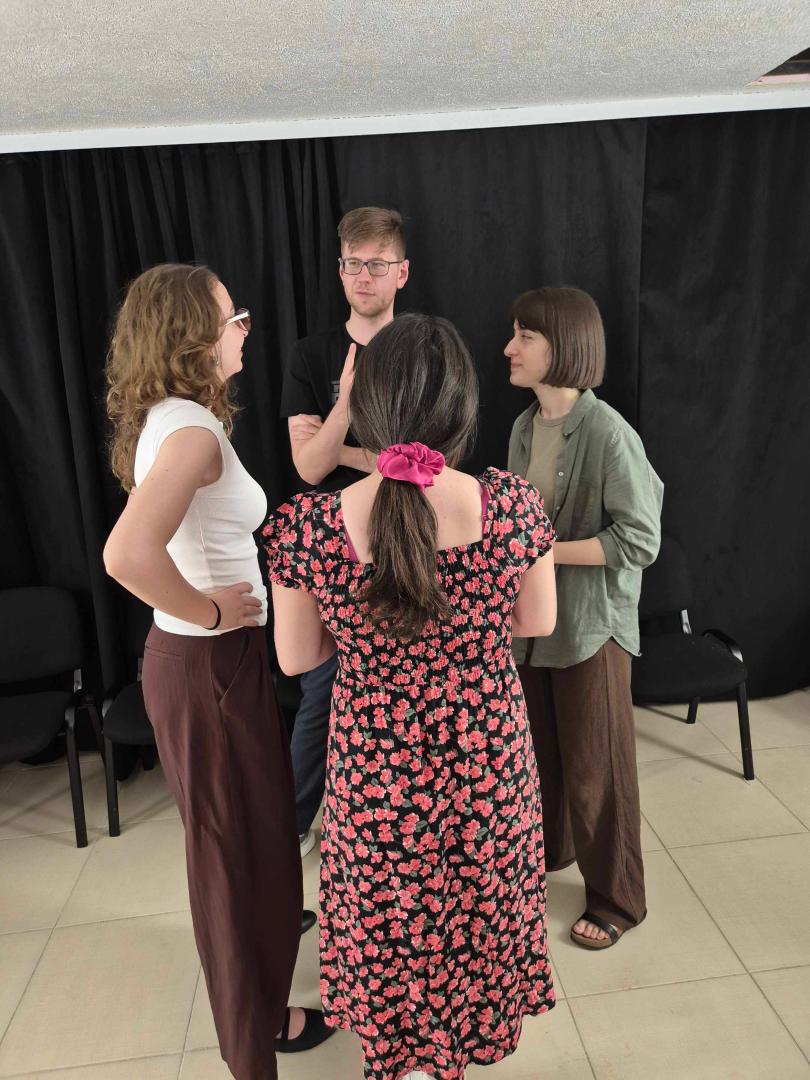
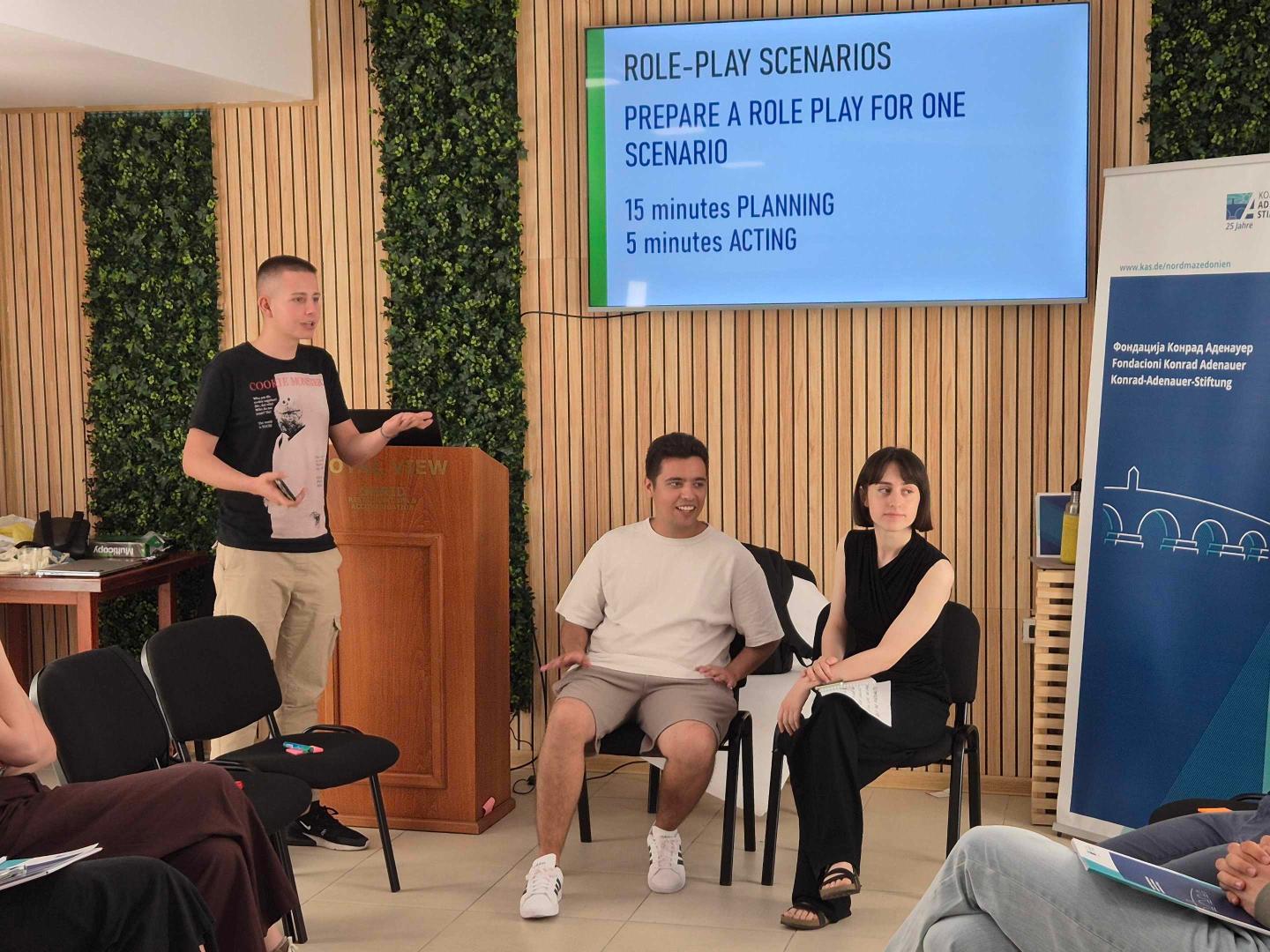
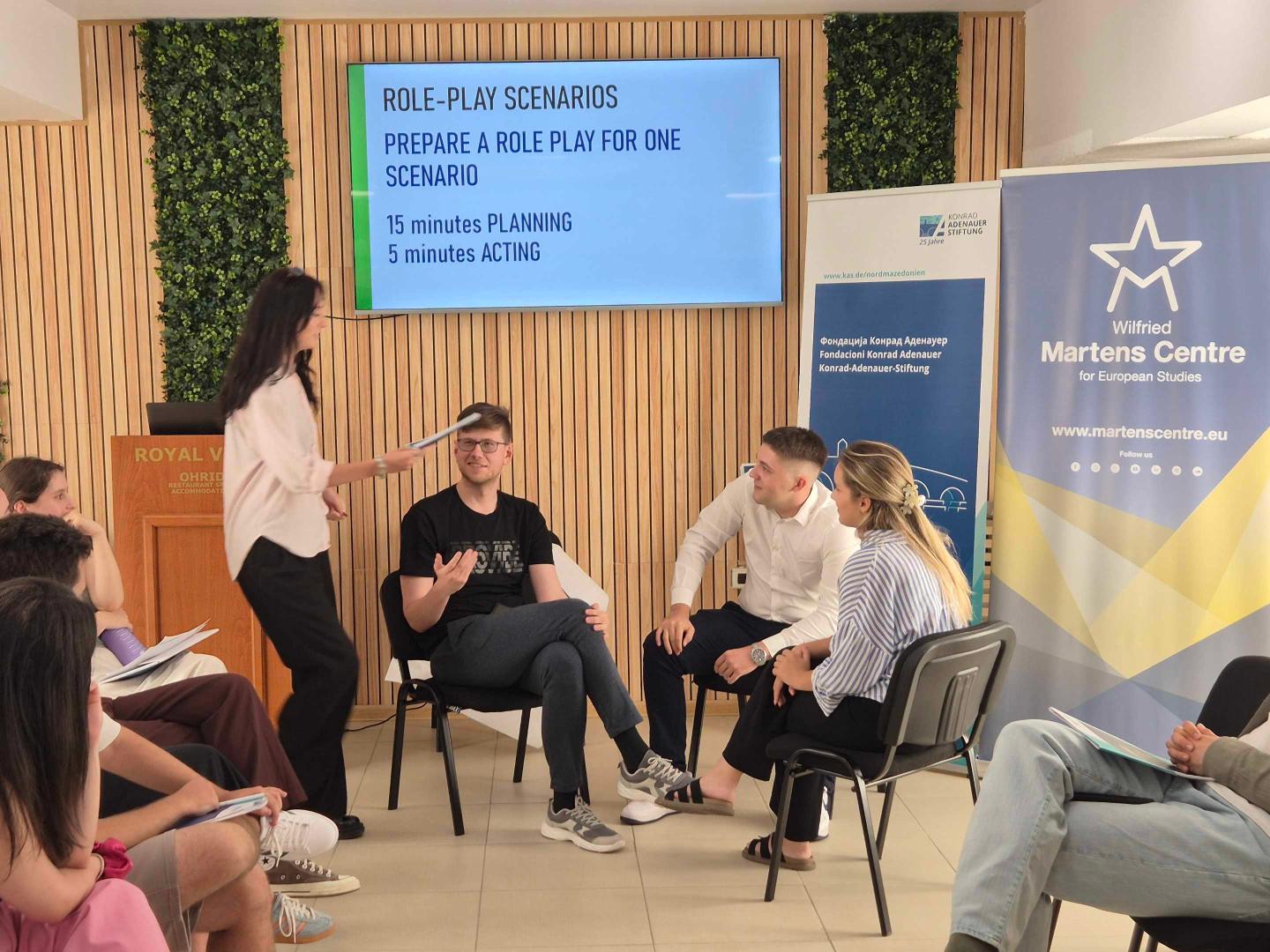
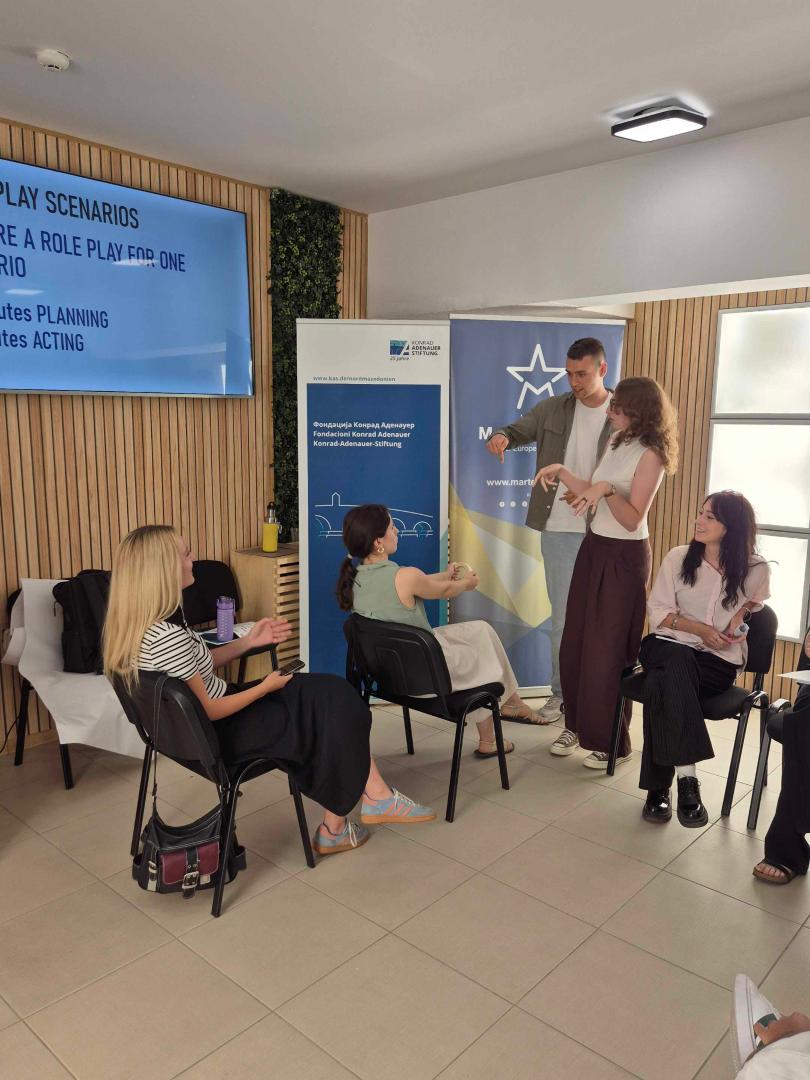
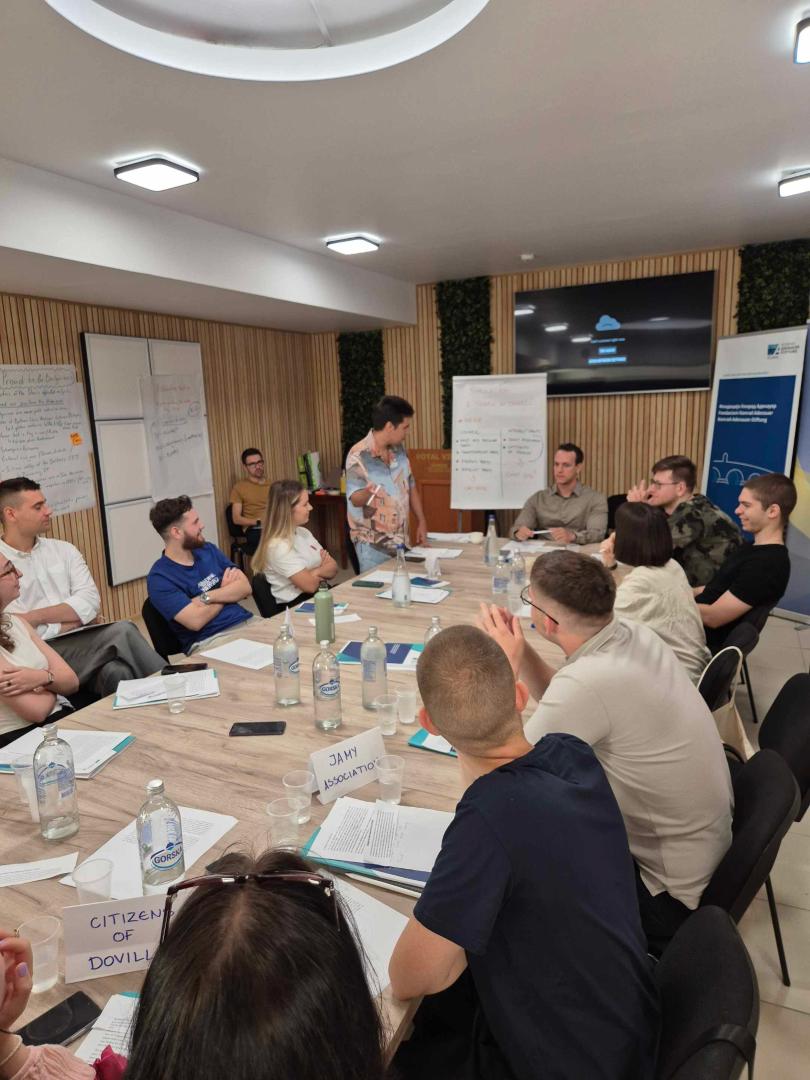
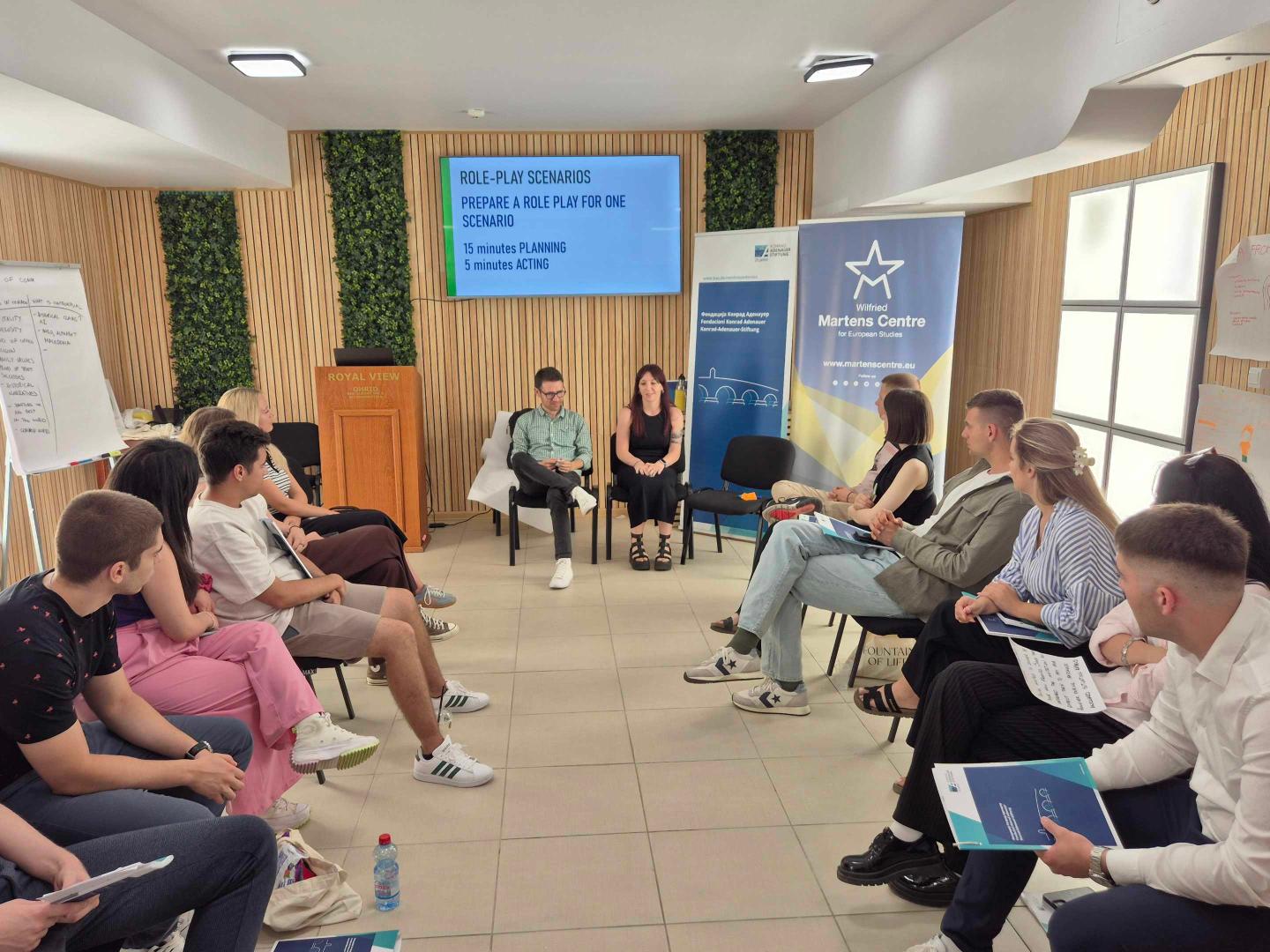
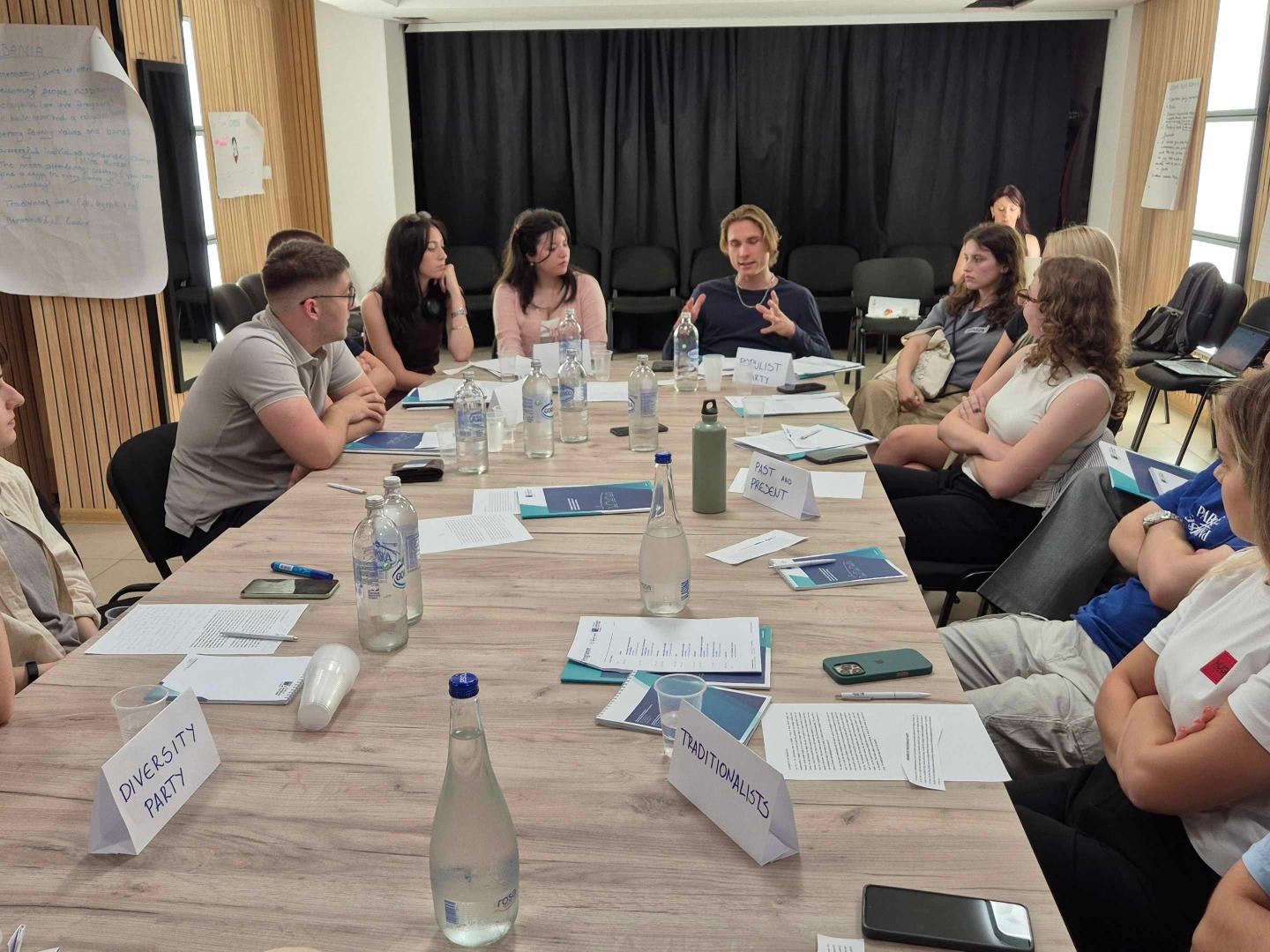
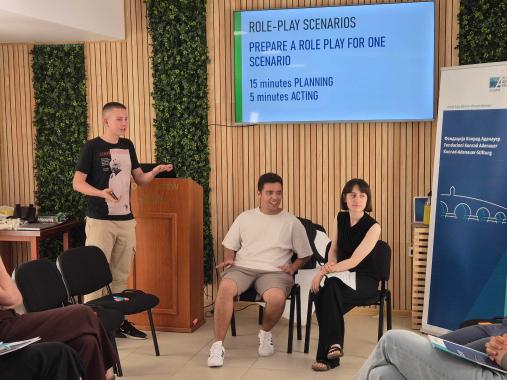
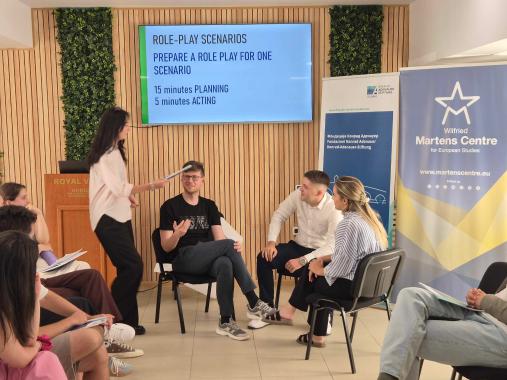
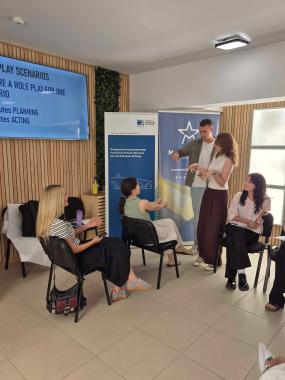
In addition to theoretical discussion, the program emphasized practical skills in dialogue and advocacy. A simulation game titled A Temple in Doville allowed participants to role-play complex community negotiations around religious freedom and public space. This was followed by a structured debate session, Stand for Your Rights, in which students took on different positions regarding issues of freedom of expression, religious accommodation, and identity politics. The intensity of the debates mirrored real societal tensions, but the debriefing emphasized listening, empathy, and finding common ground.
The Regional Summer School 2025 in Ohrid was a unique and impactful initiative that successfully combined dialogue, learning, and personal reflection. By bringing together youth from across the Western Balkans and neighboring countries, it created a rare space for genuine intercultural exchange on themes often burdened by political and historical sensitivities. The event confirmed that when young people are given the tools and the space to lead discussions on identity, religion, and nationalism, they not only learn from one another - they begin to envision a different future for the region: one rooted in understanding, respect and coexistence.