




Asset Publisher

Country Reports

Short political reports of the KAS offices abroad

Publications

IMAGO / epd

Transatlantic partnership taken further: Why now is the moment for German-Brazilian relations

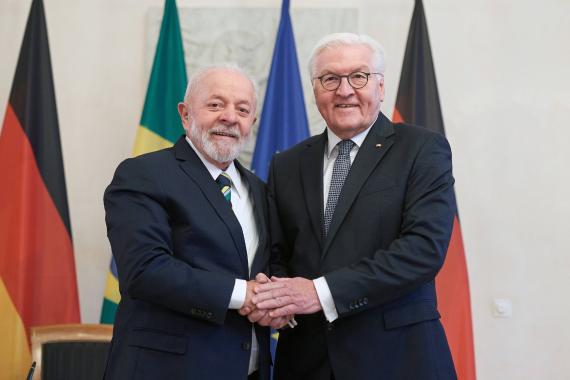
In light of geopolitical tensions and a crumbling world order, Germany and Brazil are rediscovering their partnership – as equal democracies with shared interests

For decades, Germany and Brazil have enjoyed a close partnership based on economic cooperation, but which now extends far beyond this. Both countries share fundamental values: democracy, social responsibility, multilateral cooperation and the conviction that global challenges can only be overcome by working together. In a world increasingly characterised by geopolitical power shifts, threatening foreign economic policies and the erosion of international norms, German-Brazilian relations are gaining strategic depth.

IMAGO / SNA

Brazil as a Bridge Between BRICS+ and Europe?

Brazil’s BRICS+ Presidency Ahead of the Rio de Janeiro Summit

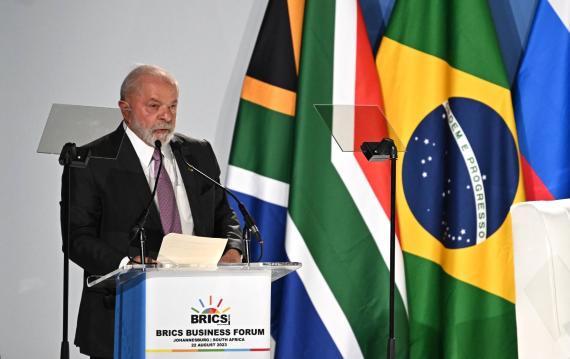
Brazil is using its BRICS+ presidency in 2025 to promote a more inclusive and sustainable world order as a pragmatic mediator in the so-called ‘Global South’ and to preserve its independence in foreign policy. For Europe, this presents both challenges due to the growing heterogeneity and independence of the BRICS+ group, as well as opportunities for a strategic partnership, for example through the EU-Mercosur agreement and joint projects in the areas of climate, health and technology. It is crucial that Europe recognises Brazil as an equal partner in order to jointly set global standards and actively shape the multipolar world order.

KAS

Special edition - Country reports with a difference

International comparison of accessibility

This publication provides research, compiled by some of our overseas offices, on the current situation of political participation for people with disabilities, in their respective countries. We hope that their reports will increase awareness of the sadly often persistent inequalities that remain and motivate all of us to pay greater heed to the issue of inclusion.

IMAGO / Fotoarena

Brazil on a Summit High: Neutral and Pragmatic

Brazil ahead of the G20 summit in Rio de Janeiro

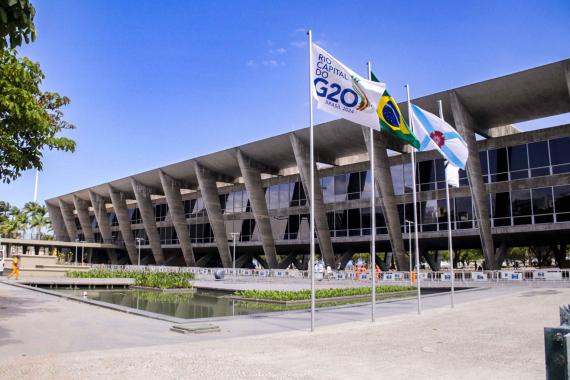
With its pragmatic equidistance, the host of this year's G20 summit is reaching its limits in terms of foreign policy, but its neutrality also offers opportunities. Thanks to its stringent neutrality and a good dose of pragmatism, Brazil has many options for diversifying its foreign and trade relations. In times of multiple crises, this strategy sometimes reaches its limits. The escalating global conflicts require clear commitments and clear action. Multiple interests must be carefully weighed up and close ties are becoming more difficult - in all directions. Brazil is a sought-after partner that is making a confident appearance on the international stage during Brazil's G20 year. Germany and Europe would be well advised not to close the doors that are still open.

KAS / Maximilian Hedrich

The world is looking for Brazil

Why Europe would do well to meet Brazil on an equal footing

Brazil is preparing for the G20 summit in Rio de Janeiro in November. Now the ninth largest economy in the world, Brazil is a key partner for Germany and Europe, is aware of this role and is acting in an emphatically self-confident manner. Relations between Brazil and Germany, as well as Europe, can look back on a long and positive history. Nevertheless, it is hard to shake off the feeling that the two sides have grown apart or become estranged. It remains to be hoped that European voices are right and that the strategic association agreement between the South American economic bloc Mercosul and the EU is not "dead" after all.

Pixabay / David Peterson

Lula III: Between Euphoria and Disillusionment

Almost 100 days of the Lula government

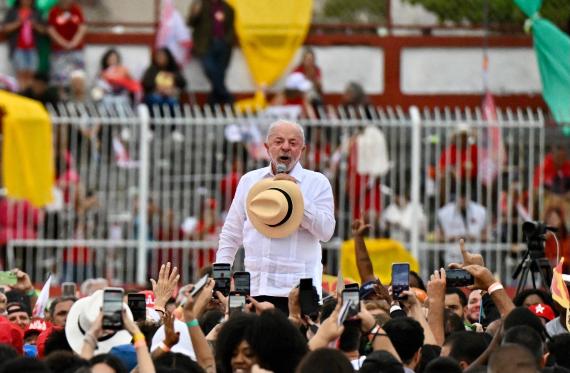
The euphoria following the election victory of President Luiz Inácio "Lula" da Silva (Partido dos Trabalhadores, PT) in Brazil is being followed by the expected disillusionment about a hundred days after his third inauguration (Lula III) and the West is having to realise that disappointments are quite possible even with this new government.

Terror threatens Brazil's democracy, but it resists

Extremist riots against the country's democratic institutions overshadow a week-long honeymoon after the inauguration of President Lula da Silva

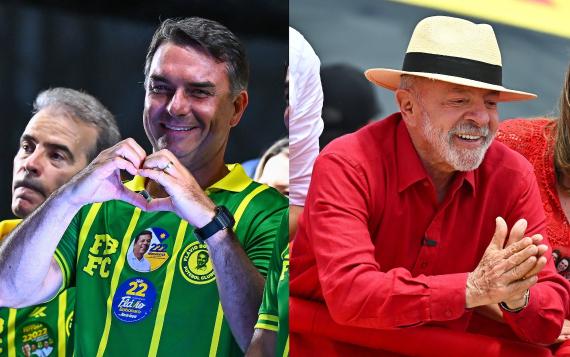
After the peaceful inauguration of President Luiz Inácio "Lula" da Silva (Partido dos Trabalhadores, PT) on 01 January 2023, the "return to democracy" was overshadowed by violent terrorist attacks on Brazil's democratic institutions. However, even though the buildings and installations have been vandalised by extremists, their functioning has so far remained unaffected. Lula now faces the challenge of continuing to guarantee public security, overcoming polarisation, targeting extremism and implementing his government plans despite the minority in Congress and budget constraints. In this, the international community is backing him. But even though many embraced him joyfully after his inauguration, relieved about the change of government, one has to ask whether the enthusiasm still lasts when it comes to topics such as Ukraine or the EU-Mercosul agreement.

Lula wins narrowly, but will that make Brazil "happy again"?

Run-off in Brazil

This report is only available in German. Please change the language.

Elections in Brazil

Run-off! The heated battle continues

Ex-President Lula and incumbent President Jair Bolsonaro face off again on 30 October

KAS Brasilien

Elections in Brazil

Scenario before the first ballot

This report is only available in german. Please change the language.

Asset Publisher

About this series

The Konrad-Adenauer-Stiftung is a political foundation. Our offices abroad are in charge of over 200 projects in more than 120 countries. The country reports offer current analyses, exclusive evaluations, background information and forecasts - provided by our international staff.

Order details

Editor

Konrad-Adenauer-Stiftung e.V.