





 Jan Kulke/KAS
 Jan Kulke/KAS
 Jan Kulke/KAS
 Jan Kulke/KAS
 Jan Kulke/KAS
 Jan Kulke/KAS
 Jan Kulke/KAS
 Jan Kulke/KAS
 Jan Kulke/KAS
 Jan Kulke/KAS
 Jan Kulke/KAS
 Jan Kulke/KAS
 Jan Kulke/KAS
 Jan Kulke/KAS
 Jan Kulke/KAS
 Jan Kulke/KAS
 Jan Kulke/KAS
Jan Kulke/KAS
Jan Kulke/KAS
Jan Kulke/KAS
Jan Kulke/KAS
Jan Kulke/KAS
Jan Kulke/KAS
Jan Kulke/KAS
Jan Kulke/KAS
Jan Kulke/KAS
Jan Kulke/KAS
Jan Kulke/KAS
Jan Kulke/KAS
Jan Kulke/KAS
Jan Kulke/KAS
Jan Kulke/KAS
Jan Kulke/KAS
Jan Kulke/KAS
Jan Kulke/KAS
Jan Kulke/KAS
Jan Kulke/KAS
Jan Kulke/KAS
Jan Kulke/KAS
Jan Kulke/KAS
Jan Kulke/KAS
Jan Kulke/KAS
Jan Kulke/KAS
Jan Kulke/KAS
Jan Kulke/KAS
Jan Kulke/KAS
Jan Kulke/KAS
Jan Kulke/KAS
Jan Kulke/KAS
Jan Kulke/KAS
Jan Kulke/KAS
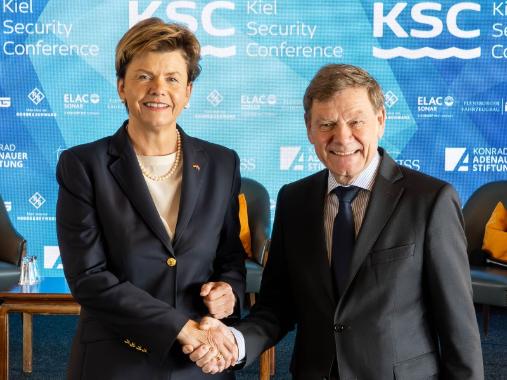
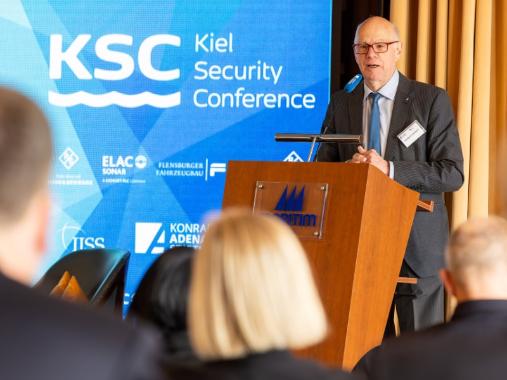

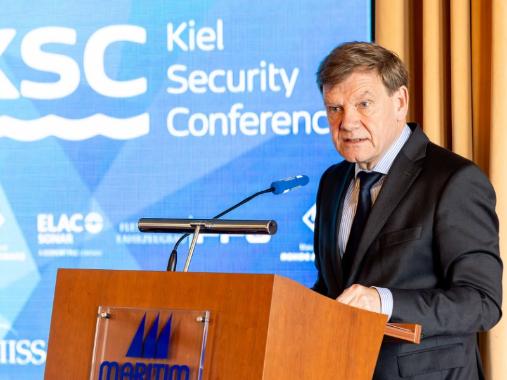

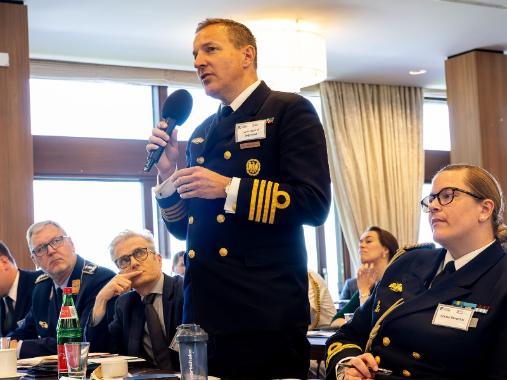

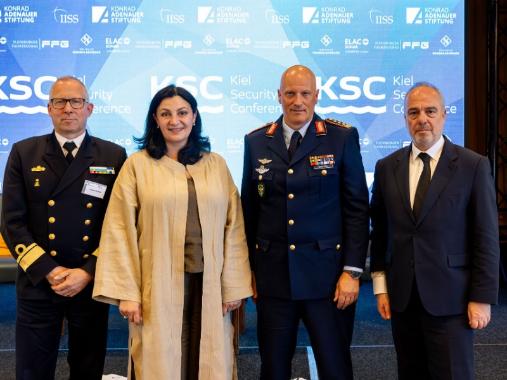

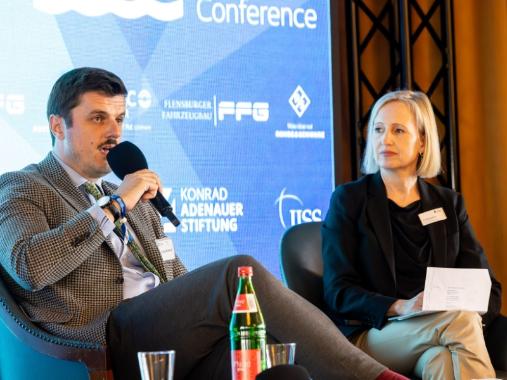
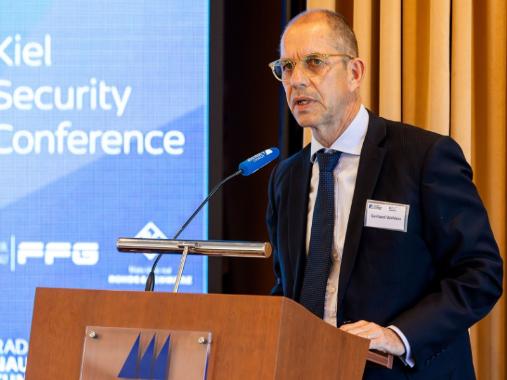

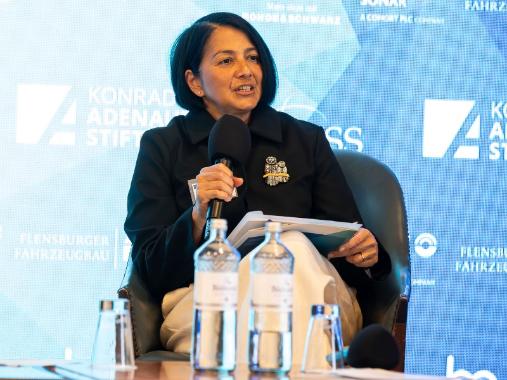


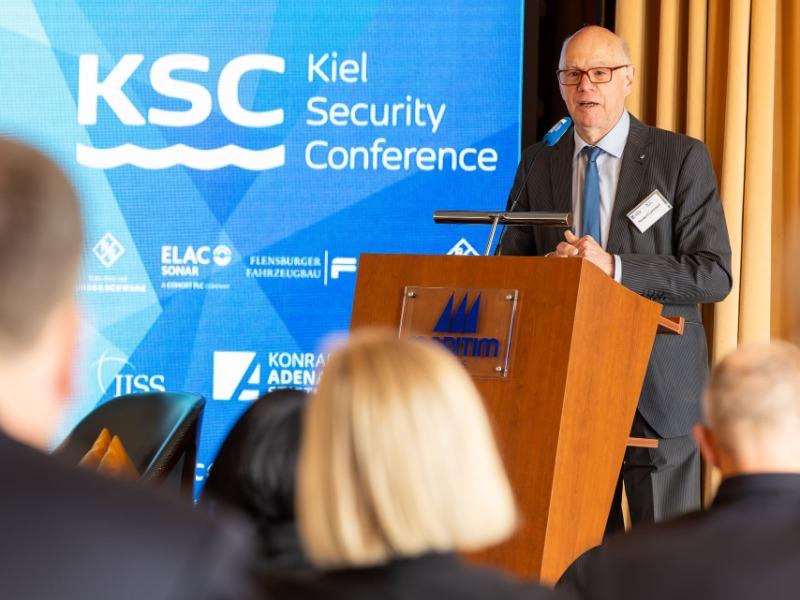
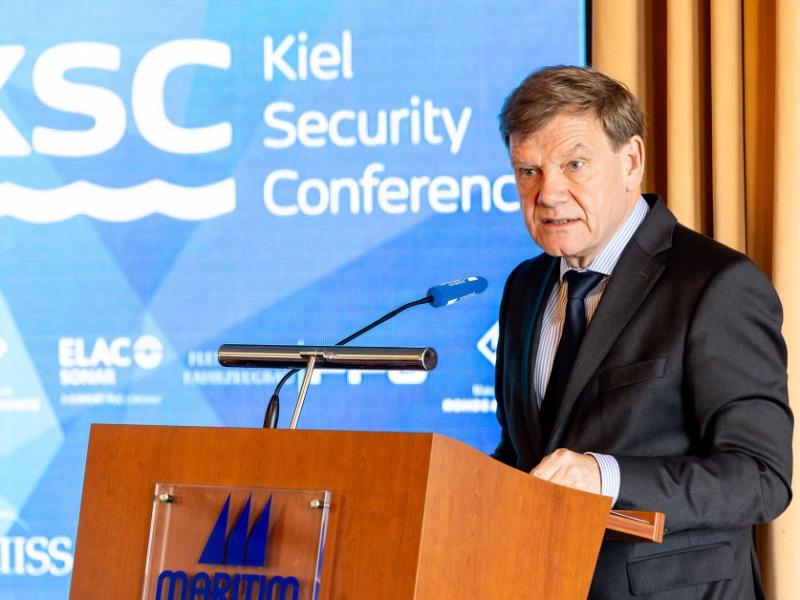
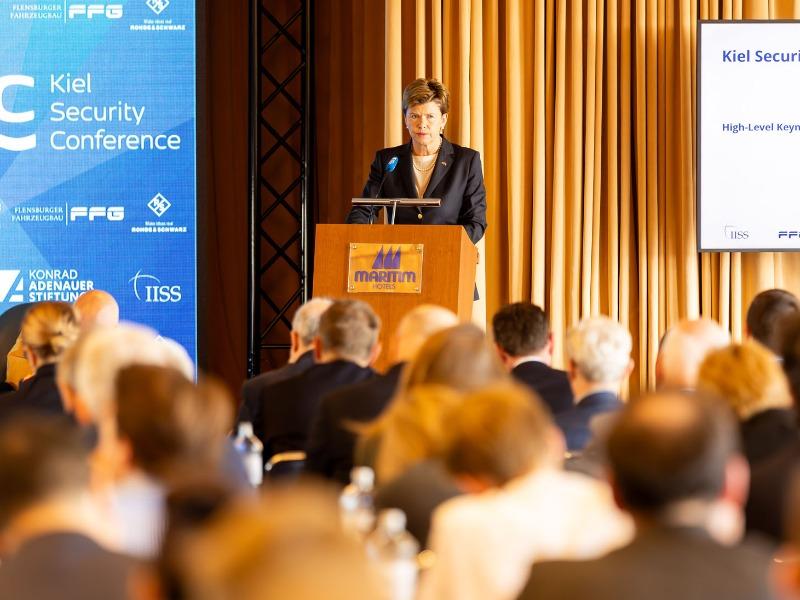
The main message at the Kiel Security Conference 2025 was: Europe must remain united, resilient, and proactive. “The grace of the United States will not always remain. Europe needs to stand on its own feet”, Professor Norbert Lammert (KAS) quoted Konrad Adenauer in his opening remarks. And as German Foreign Minister Dr. Johann Wadephul put it: “We need to stay strong when challenged. For the foreseeable future, we need to organize our security against Russia, not with Russia”.
Against the backdrop of Russia’s ongoing war of aggression against Ukraine and the growing strategic alignment of authoritarian powers, the conference convened high-level policymakers, military leaders, and security experts to examine the evolving security environment in the Baltic Sea region and its global implications. Discussions focused on how to strengthen regional security in light of these challenges.
Strategic importance of the Baltic Sea region
Wadephul underscored the region’s strategic importance: “The Baltic Sea stands for vastness, freedom and connectedness. Today, it’s a dangerous geopolitical hotspot.” He reaffirmed Germany’s commitment to defending every inch of NATO territory and called for a unified strategy to counter hybrid threats: strengthen societal resilience, and maintain a strong and agile military presence in the region.
Building energy independence
“There is no prosperity without security”, emphasized Latvian Foreign Minister Baiba Braze. She highlighted Latvia’s significant defense investment – nearly 5% of its GDP – and outlined key priorities: building energy independence, enhancing international partnerships, and maintaining unwavering support for Ukraine. “Russia is not just a problem,” she warned: “Russia is a systemic threat to the international order.”
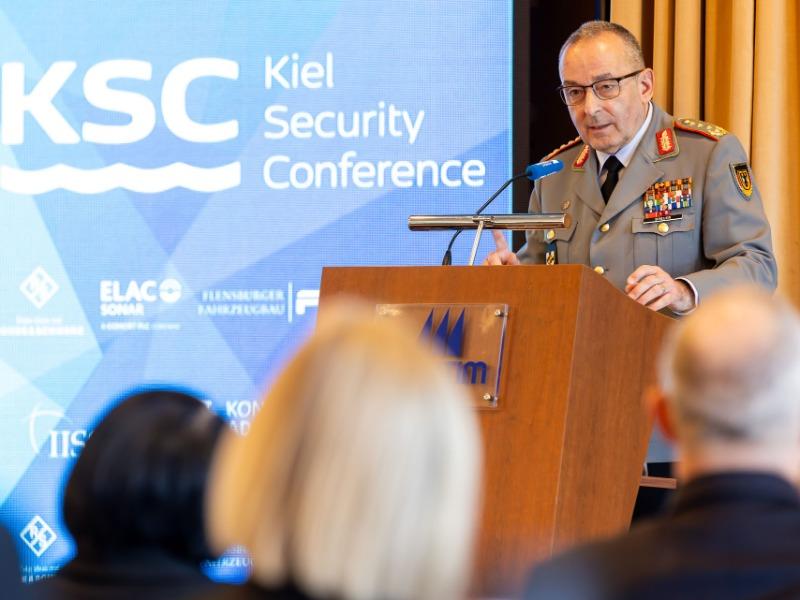
The experts explored Europe’s defense capabilities, strategies to confront Russian aggression, and the broader implications of the emerging “Axis of Upheaval” involving Russia, China, Iran, and North Korea. General Carsten Breuer, Chief of Defence of Germany, offered a compelling image: “The Baltic Sea is geographically limited but borderless in its implications – It is an infinity pool“. He called for enhanced situational awareness and seamless integration of intelligence and operational data: “We need to be able to connect the dots.”
With the NATO Summit in The Hague described as “one of the most consequential summits in the history of the Alliance”, the KSC provided a timely and strategic forum to help shape the agenda and direction of Euro-Atlantic security cooperation.
Fulfilling a European “Zeitenwende”
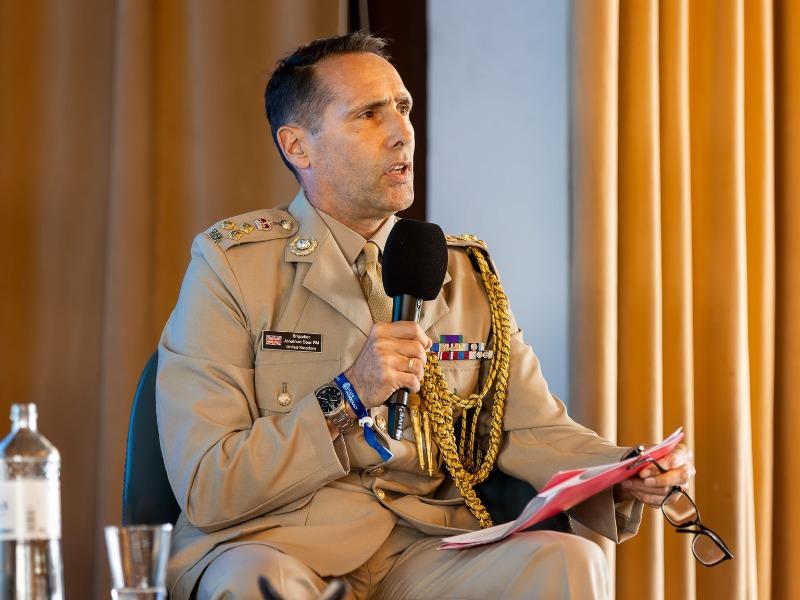
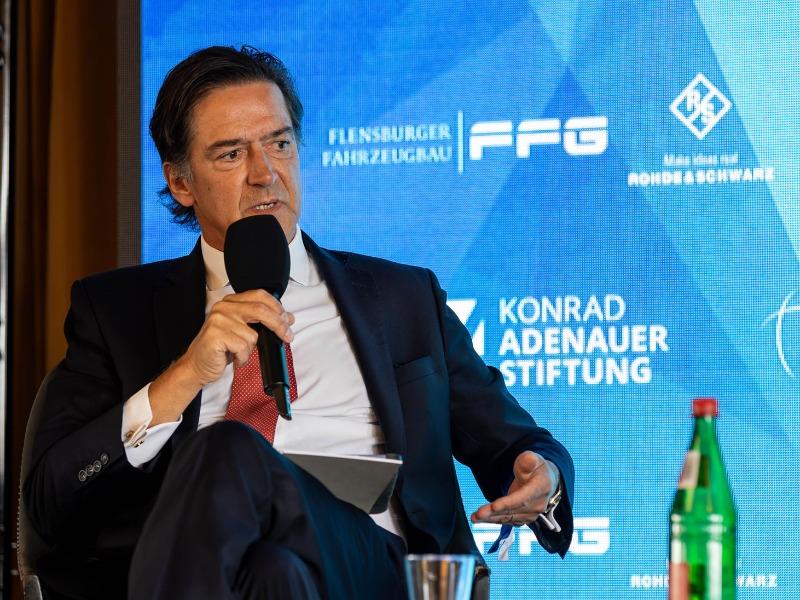
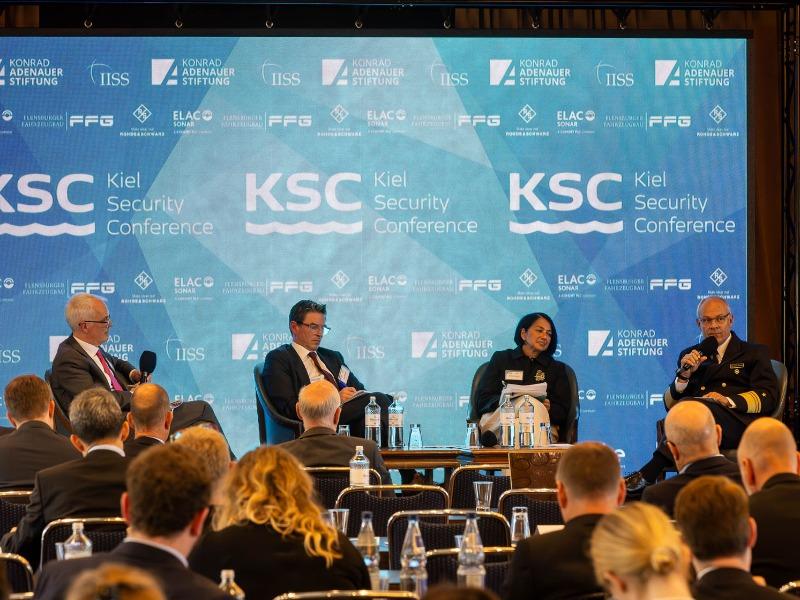
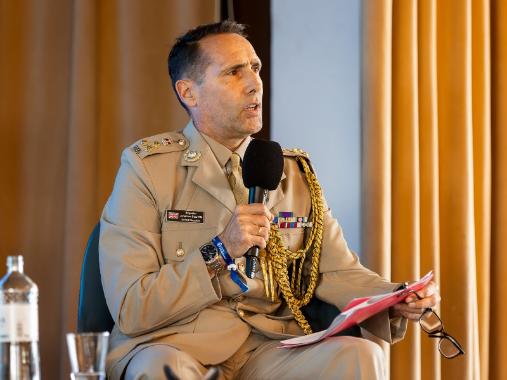
In the first panel, moderated by Dr. Christina Krause, Head of Department International and Security Affairs at Konrad-Adenauer-Stiftung, Finish Ambassador Kai Sauer, Maciej Bukowski, Head of the Energy and Resilience Program at the Polish Casimir Pulaski Foundation, and Brigadier Jonathan Sear, Defence Attaché at the Embassy of the United Kingdom to Germany assessed the state of Europe’s Defense capabilities.
Ambassador Kai Sauer noted that Finland’s military posture has not changed significantly since joining NATO. As a direct neighbour of Russia, Finland has always prioritized self-reliance. However, NATO membership has led to intensified regional cooperation. According to Sauer, the more substantial change for Finland lies in the normative framework. Following Russia’s invasion of Ukraine, Finland is forced to take legislative steps such as the withdrawal from the Ottawa convention on Anti-Personnel Landmines. The country also implemented closer border controls in response to Russia's instrumentalization of irregular migration. Furthermore, Finland introduced a permit requirement for real estate purchases by non-EU citizens. Sauer emphasized that while Finland remains committed to the rules-based international order, pragmatism is essential in today’s strategic environment.
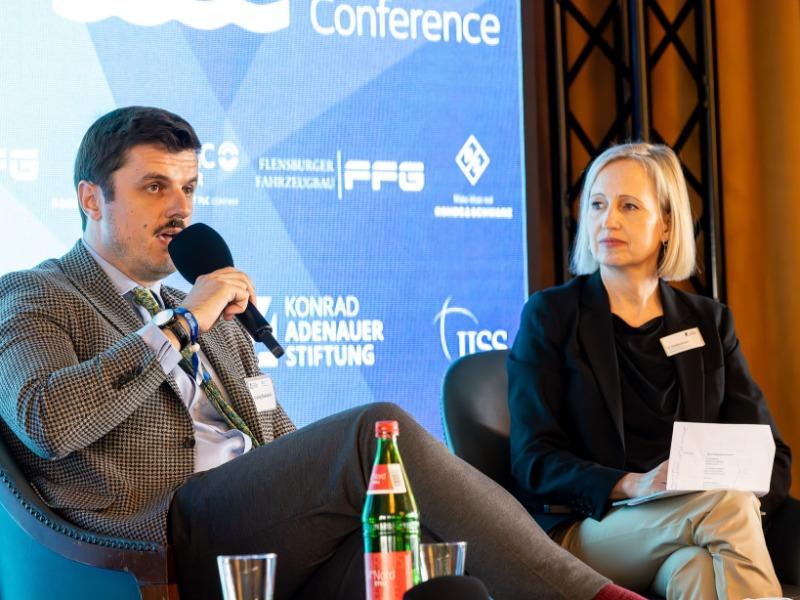
Maciej Bukowsky emphasized that since Russia’s full-scale invasion of Ukraine, Poland has significantly increased its defense spending – doubling it from two to four percent of GDP within just three years. Much of Poland’s military equipment was transferred to Ukraine and has since been replenished with new acquisitions, primarily from the United States and South Korea. However, Bukowsky acknowledged that major challenges remain, particularly in strengthening Poland’s domestic defense industry. He also underscored Poland’s recognition of the strategic importance of the Baltic Sea and expressed the country’s intention to catch up in the naval domain. Another key area in need of attention is the recruitment and retention of military personnel. Bukowsky pointed to enduring gaps in manpower that must be addressed to sustain Poland’s defense ambitions.
Brigadier Jonathan Sear referred to the UK’s Strategic Defence Review (SDR), published in early June, which identifies Russia as an immediate threat. He noted that this clarity regarding Russia has remained consistent over recent years. However, the UK has undergone a significant shift in defense policy – particularly under the current government. Under the heading “Making Britain Safer: Secure at Home, Strong Abroad”, the new strategic focus emphasizes warfighting readiness and building a more lethal, integrated force. In 2025, the UK is expected to allocate 2.6% of its GDP to defense. However, Sear stressed the necessity for the funds to be spent better – not merely bigger. The focus should be on efficiency and lethality. The defense investments could furthermore promote jobs and prosperity. He also emphasized the need for a new model of acquisition, arguing that as simply reforming the existing system would not be sufficient.
Fostering a mindset of preparedness and resilience
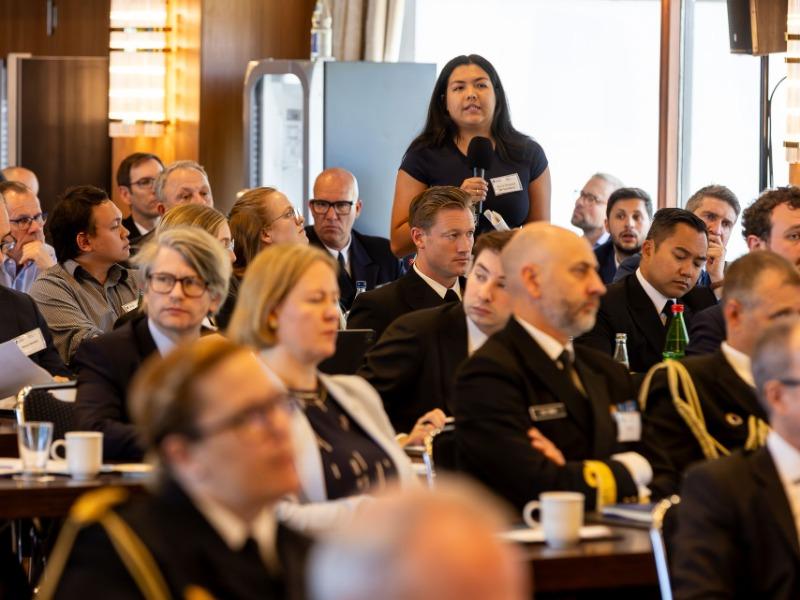
During the ensuing discussion, participants agreed on the urgent need to enhance societal resilience across Europe. Finland was highlighted as a best-practice example. It never paused its national service, an important factor in fostering a mindset of preparedness and resilience.
Regarding European defense cooperation, the discussion underscored the pressing need for standardization, speed, and scale in order to achieve genuine warfighting readiness.
Confronting Russia’s Threat
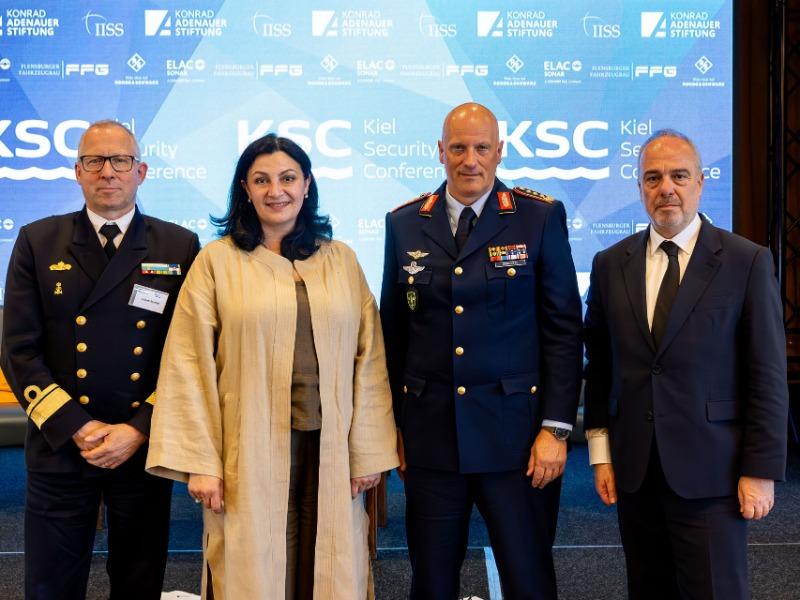
The Baltic Sea is a vital ground. Russia is ramping up its capacities and personnel. It is threatening NATO and EU countries. Strategy, language and action must be clear to counter this threat. The NATO summit in The Hague is historical: the 5% goal will be announced, capabilities prioritized. General Ingo Gerhartz, Commander NATO Allied Joint Force Command Brunssum stated: „The plan to defend Europe must be executable!“
Ivana Klympush-Tsintsadze, Member of Verkhovna Rada of Ukraine (unicarmeral parliament), explained: „Ukraine is holding the European front. It will not surrender, but it could fall.“ She expects genocide if Ukraine should lose. The only option would be, to stand strong with Ukraine and work for Russia’s strategic defeat: „Either we win together or we fall together!“ Support from the USA had decreased noticeably. Europe should prioritize delivering weapons to protect Ukrainians.
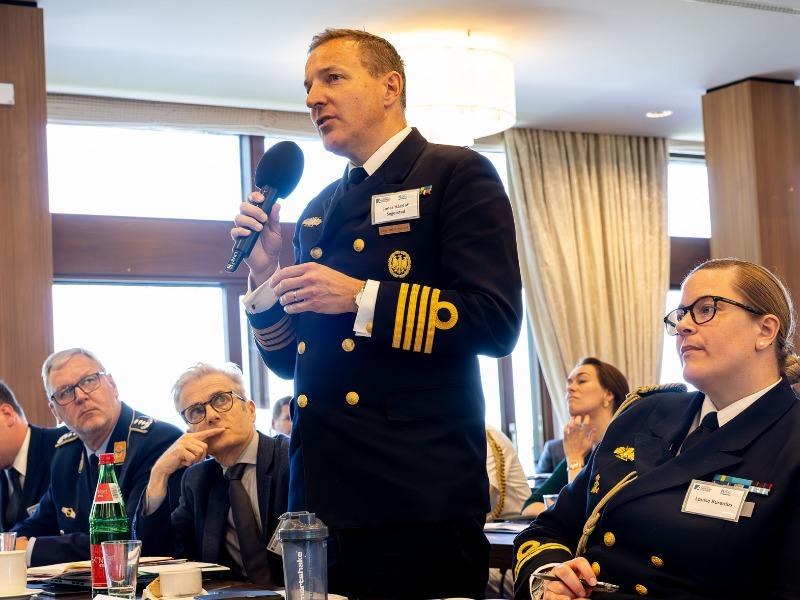
Rear Admiral Johan Norlén, Chief of the Swedish Navy, explained that Sweden had left 200 years of neutrality because of the threat posed by Russia. Ever since the full-scale invasion of Ukraine Sweden was being tested: in cyber, on land, air and at sea. “Russia’s shadow fleet has been militarized. It poses multiple risks. It has to be stopped, and sanctions enforced. Presence and high-readiness are necessary to maintain control of the sea. War-fighting capabilities are required.”
Responding to the ‘Axis of Upheaval’
All experts agreed that the current crises and wars were closely connected and orchestrated. The law of power was more and more challenging the power of law. The answer to the growing threats and interconnectedness were cooperation, deterrence and resilience. When adversaries cooperate, their capacities (in number) and competencies (in quality) would grow, they would gain influence and information and could cause distractions and disruptions felt around the globe. The boundaries between regions would fade. To counter the close collaboration between Russia, China, Iran and North Korea, NATO and EU countries should focus on tight lines of communication, the fusion of intelligence, technological-exchange, joint commitment and trust. Unmanned technology should be integrated into operations and their use frequently trained. Additionally, capacities for defensive missiles and long-range precision weapons were to be built up and joint production lines expanded through public-private cooperation.