




 KAS Ghana
 KAS Ghana
KAS Ghana
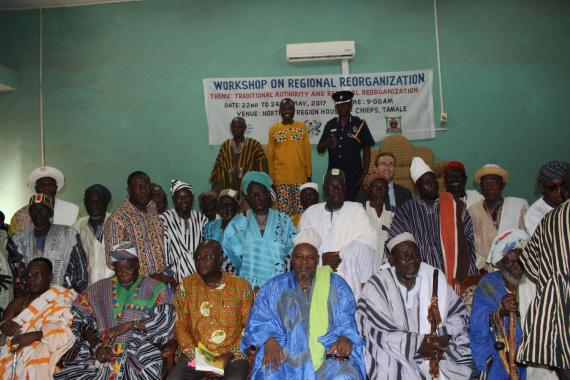
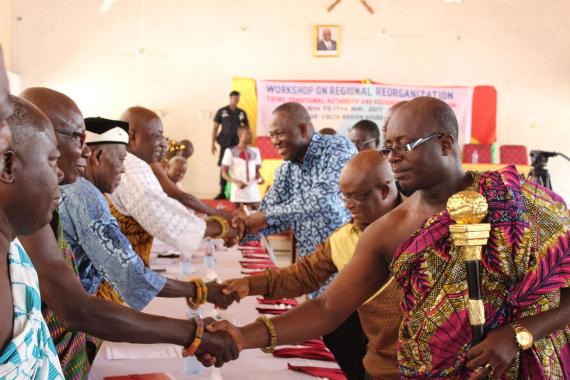
In few African countries do traditional authorities continue to play as prominent a role in public and community life as in Ghana. Chiefs hold a constitutionally recognised position within Ghana's governance system and exercise considerable influence in customary land administration, local development and community affairs. Their authority and close connections to local communities make them important partners in addressing questions of governance, development and resource management.
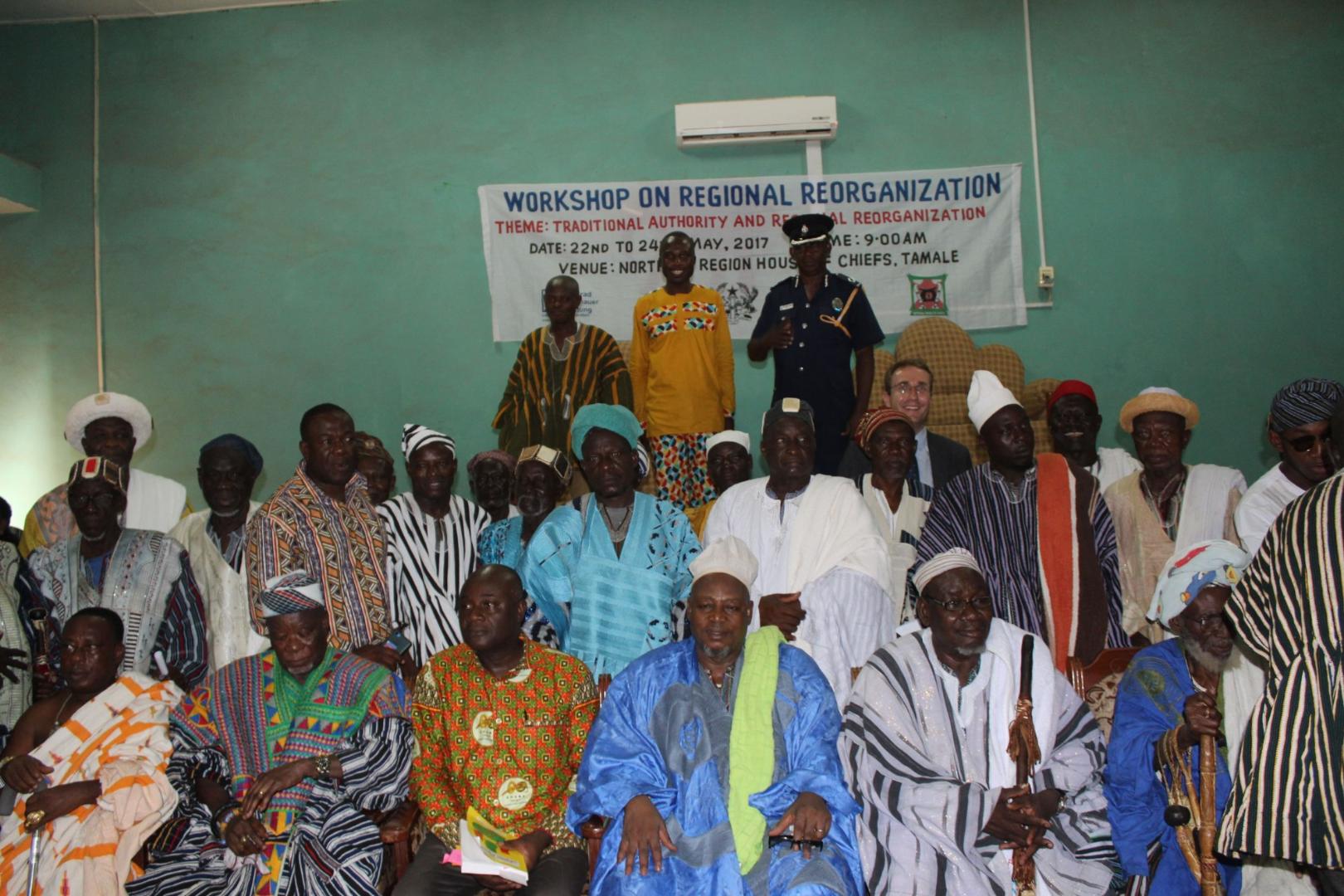
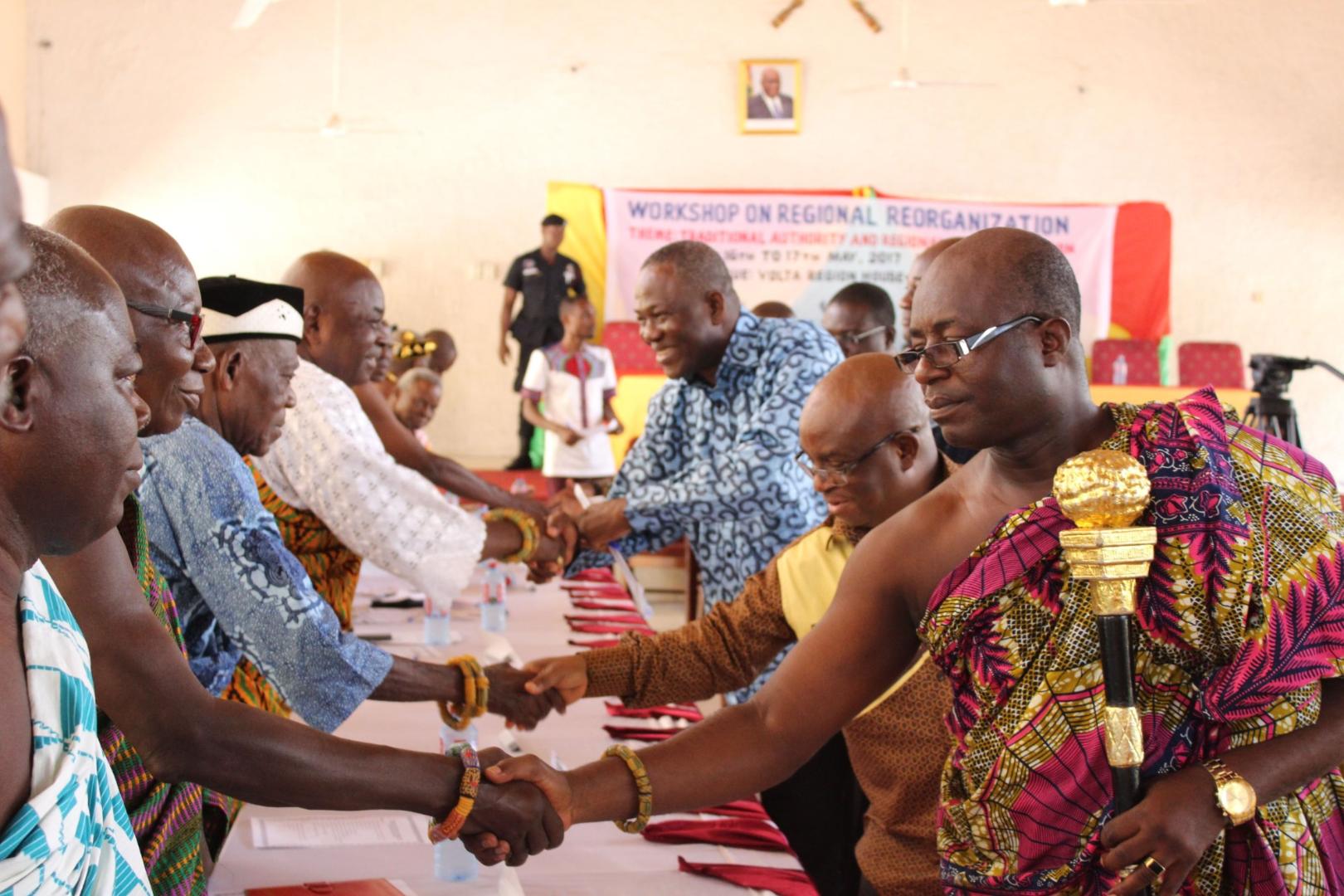
For more than three decades, KAS Ghana has worked closely with Chiefs and their representative institutions, including the National House of Chiefs and Regional Houses of Chiefs. This cooperation has addressed a wide range of issues, including institutional development, decentralisation, the sustainable management of land and natural resources, and the evolving responsibilities of traditional authorities within Ghana's political and administrative system.
One example was Ghana's administrative reorganisation from ten to sixteen regions in 2018/2019. The creation of six new regions also required adjustments to existing traditional governance structures and their representation within the regional administrative system. KAS accompanied this process through cooperation with traditional authorities and Regional Houses of Chiefs, supporting dialogue on institutional reorganisation and the strengthening of traditional governance structures.
In recent years, cooperation has increasingly addressed questions of peace, security, and social cohesion, particularly in communities affected by local conflicts and competition over resources. KAS has supported traditional authorities in strengthening their capacities for conflict prevention, mediation and resource-related dispute resolution, recognising their potential to contribute to stability and peaceful coexistence.
Working with traditional authorities therefore reflects an important principle of KAS Ghana’s approach: democratic development does not take place only within parliaments, political parties and formal state institutions. It also depends on the structures in which people organise their communities, resolve conflicts and exercise leadership in their everyday lives. By engaging Chiefs and Queen Mothers alongside formal political and civil society actors, KAS seeks to connect democratic governance with the institutions and leadership structures that shape life at the community level.