




 KAS Ghana
 KAS Ghana
 KAS Ghana
 KAS Ghana
 KAS Ghana
KAS Ghana
KAS Ghana
KAS Ghana
KAS Ghana
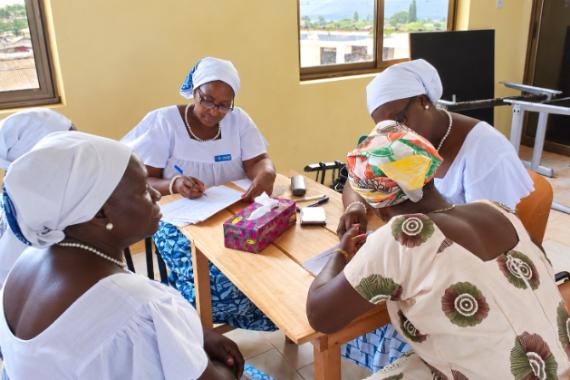
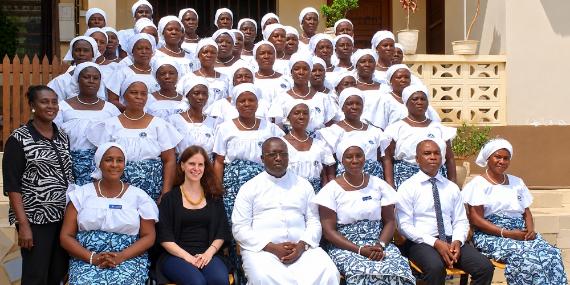
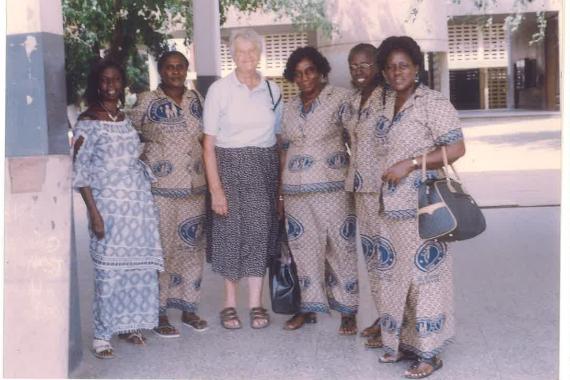
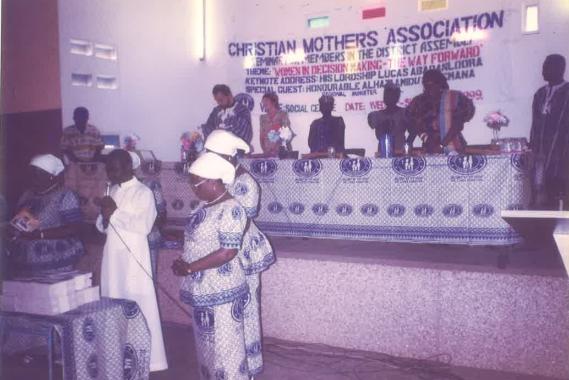
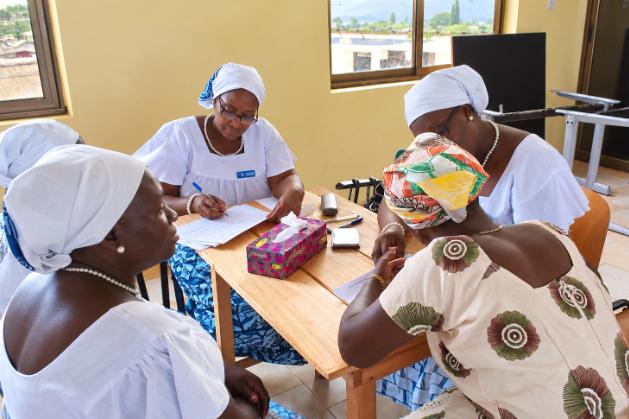
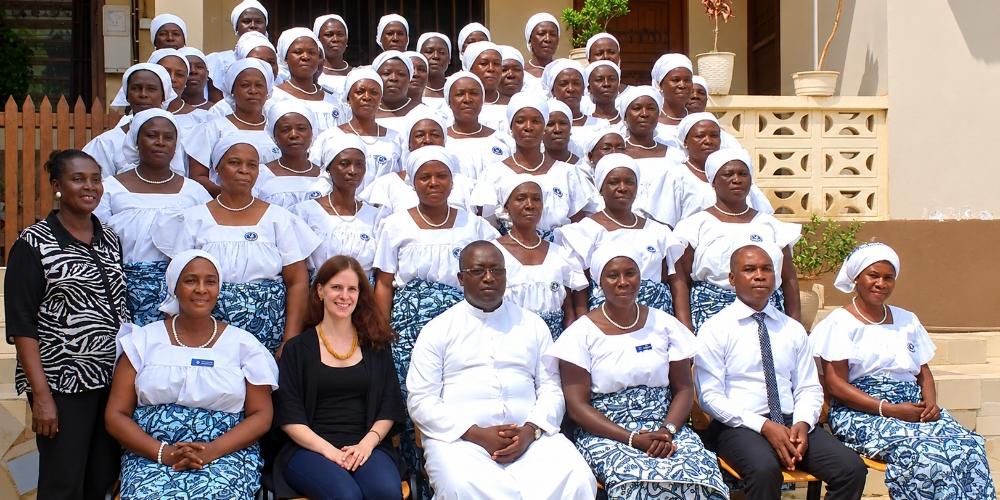
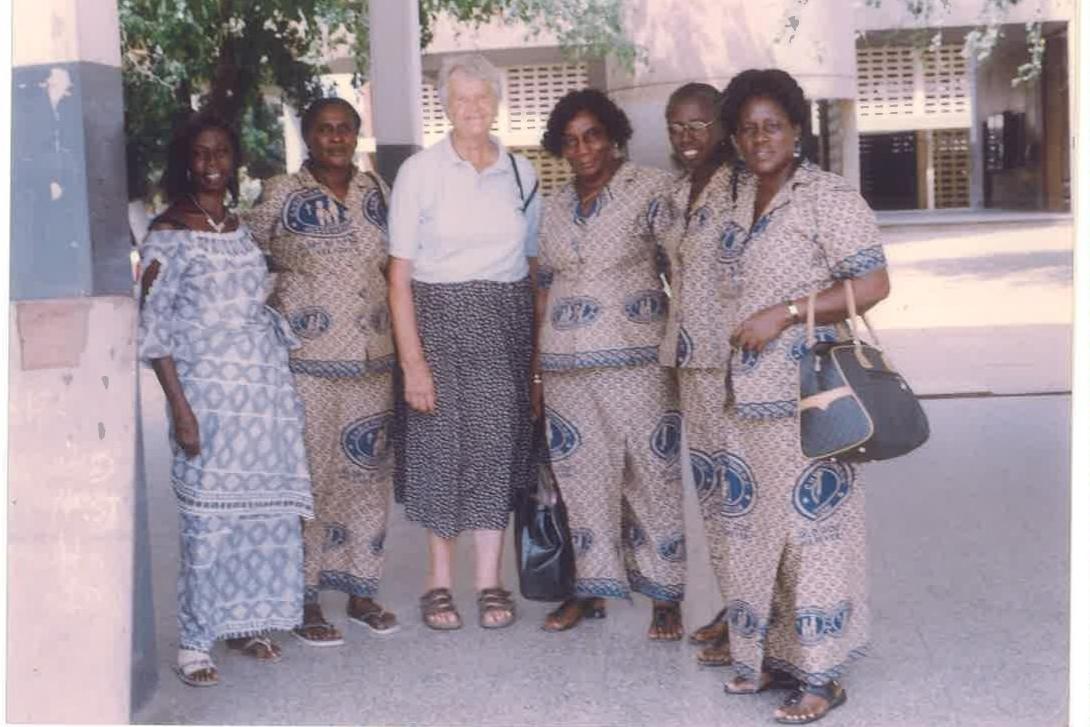
When KAS began its work in Ghana in 1966, social and economic advancement was at the heart of its activities. A particular focus was placed on rural communities and on women who had limited access to education, economic opportunities, networks and political participation. One of KAS Ghana’s earliest partners in this work was the Christian Mothers Association (CMA), a partnership that has continued for six decades.
The history of CMA itself reflects an impressive process of transformation. What began as an initiative bringing women, including widows, together for mutual support gradually developed into a nationwide grassroots organisation working to strengthen women economically, socially and politically. Today, CMA reaches communities across Ghana and provides training, capacity building, mentoring and opportunities for women who might otherwise have little access to such programmes and networks.
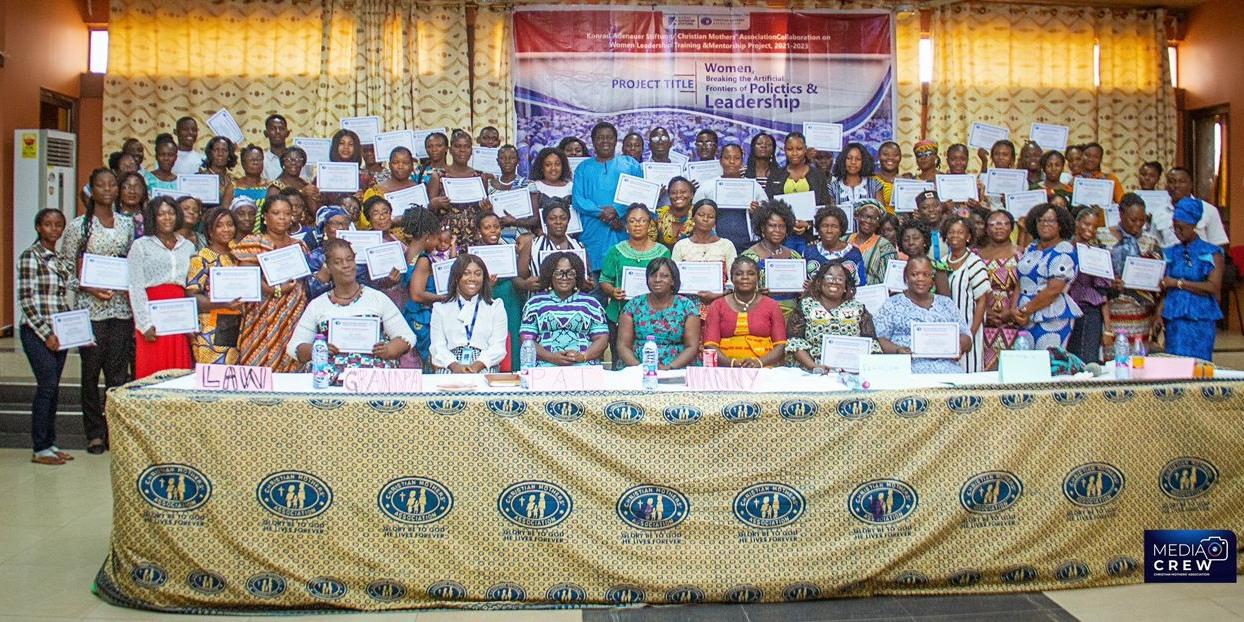
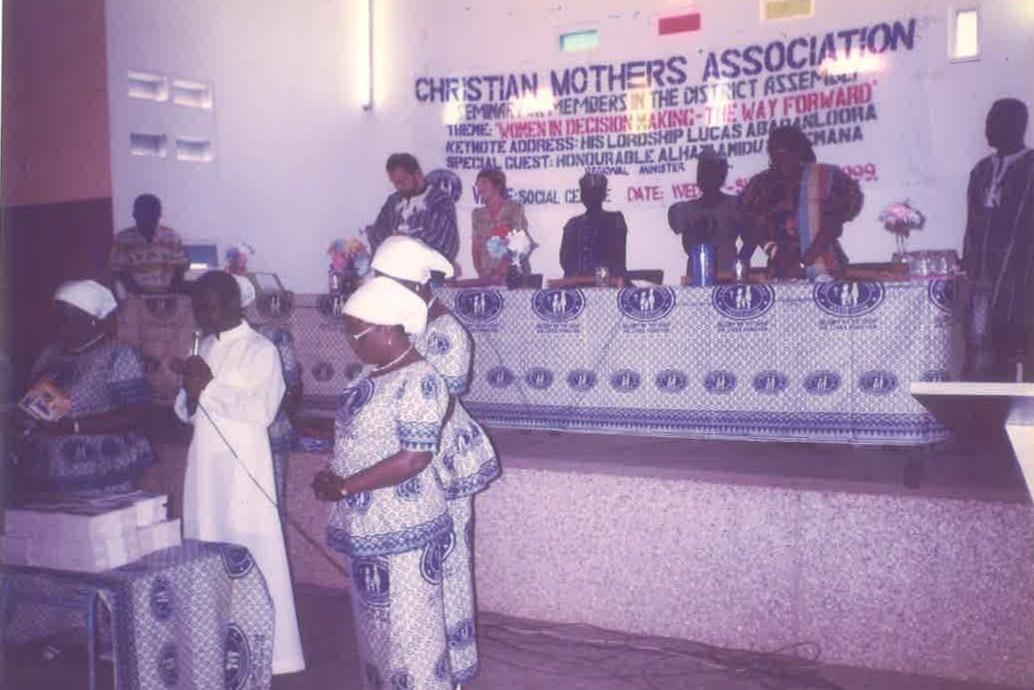
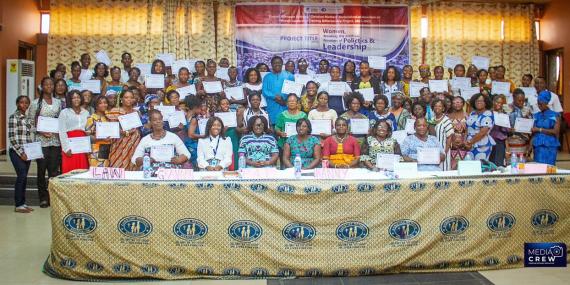
Over the decades, the specific focus of the cooperation between KAS and CMA has evolved alongside Ghana’s own development. Economic empowerment, income-generating activities and support for rural livelihoods have been complemented by political education, women’s participation, leadership development and broader questions of social and community development. The methods and priorities have changed, but the underlying principle has remained remarkably consistent: empowering people to improve their own lives and to become active participants in the development of their communities.
The partnership with CMA therefore represents more than the continuity of one individual programme. It illustrates an important dimension of KAS Ghana’s work over the past 60 years: sustainable development begins at the grassroots. By working with strong local organisations that are deeply embedded in their communities, KAS can reach people far beyond Ghana’s political and economic centres, particularly women in rural areas, and support them in gaining the skills, confidence and networks needed to participate more fully in economic, social and political life.