




 KAS Ghana
 KAS Ghana
 KAS Ghana
KAS Ghana
KAS Ghana
Economic development and environmental sustainability are closely connected. Over the decades, KAS Ghana has addressed this relationship from different perspectives – promoting responsible economic development, innovation and approaches that combine economic opportunities with the sustainable use of natural resources.
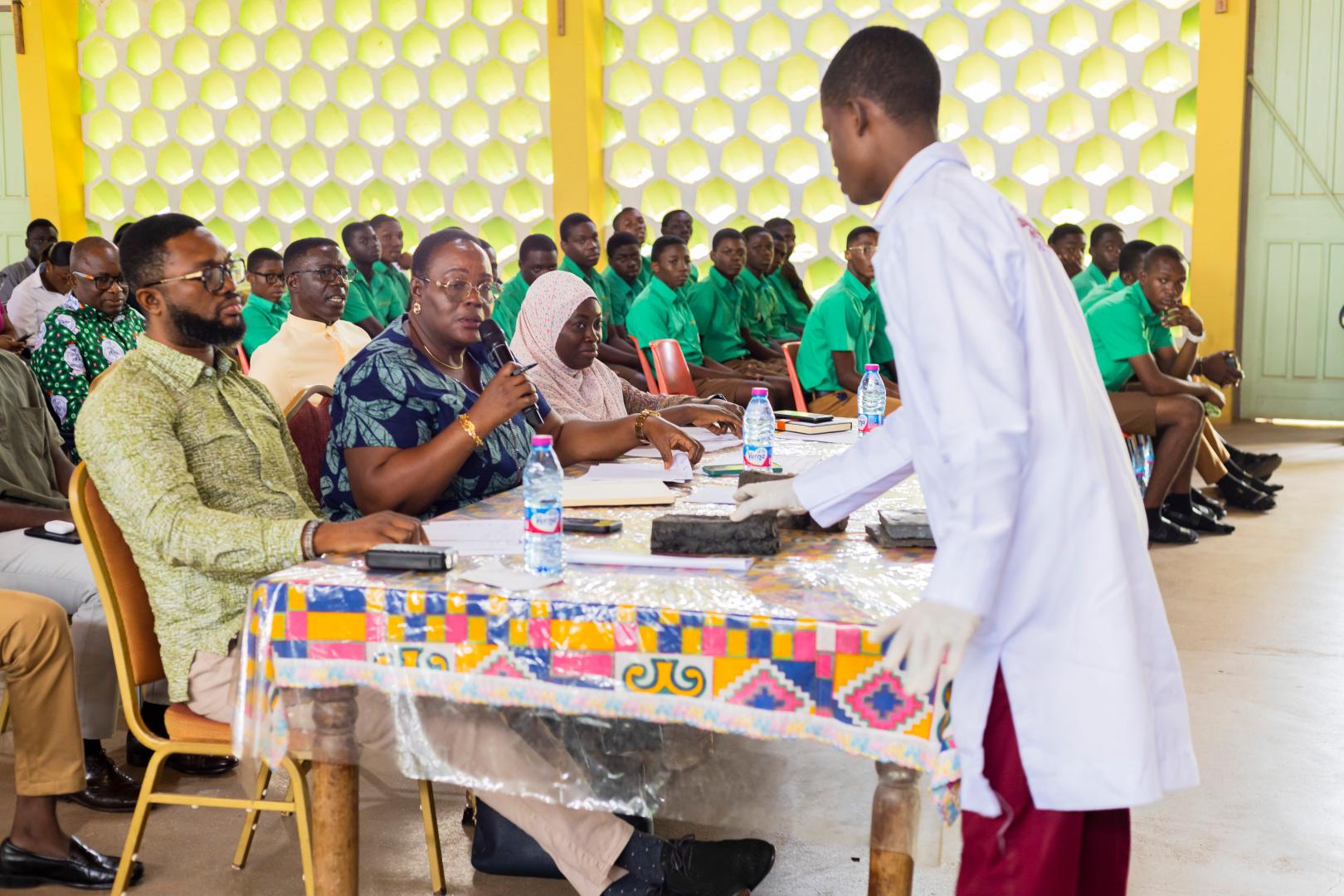
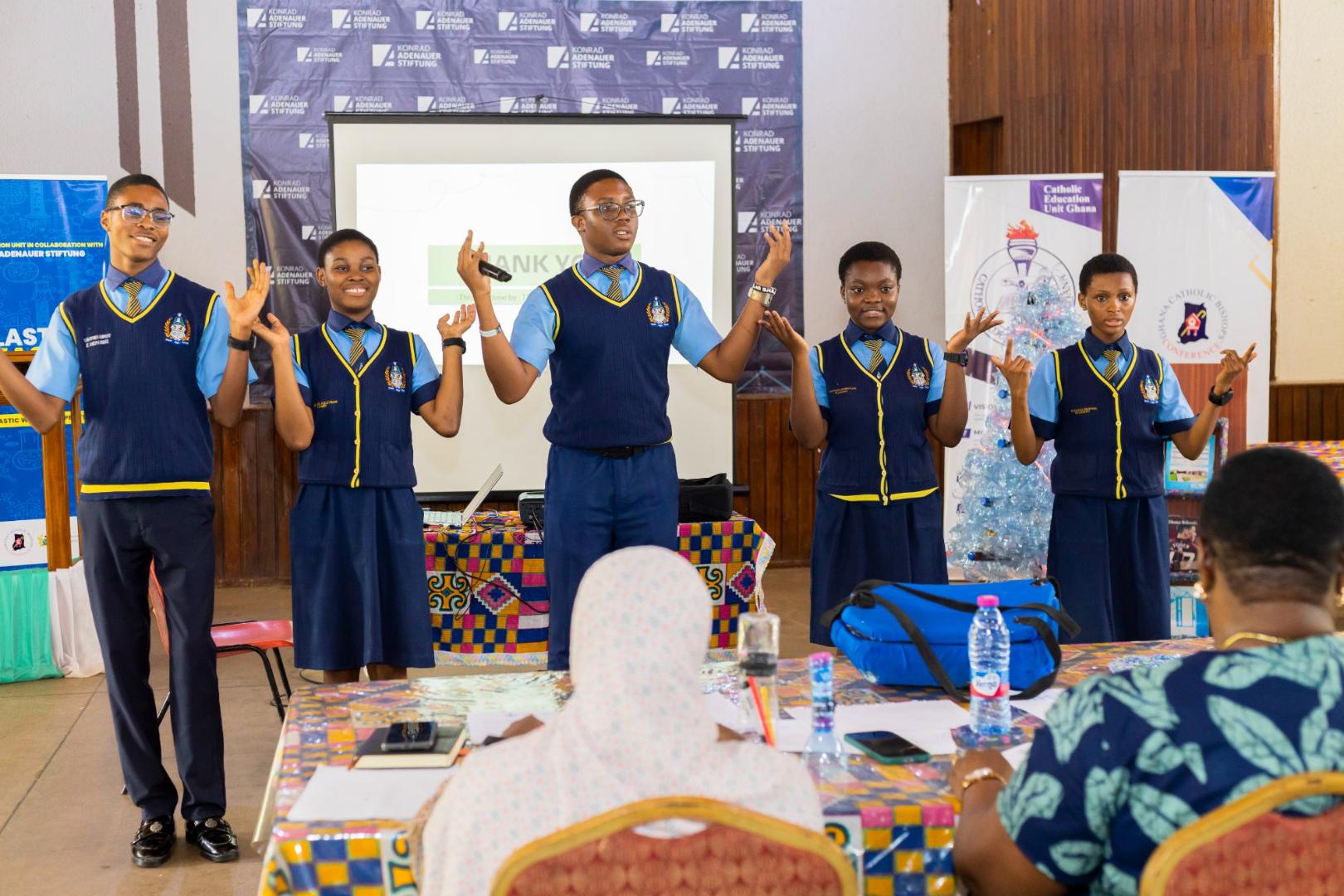
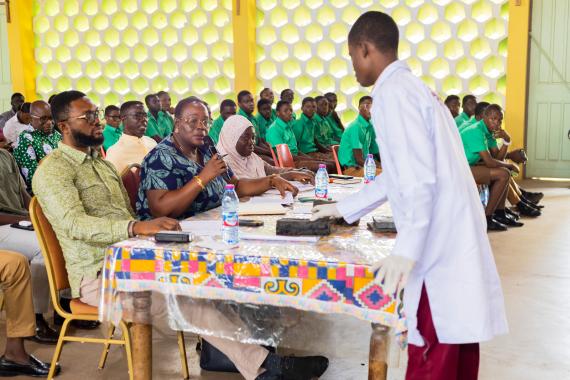
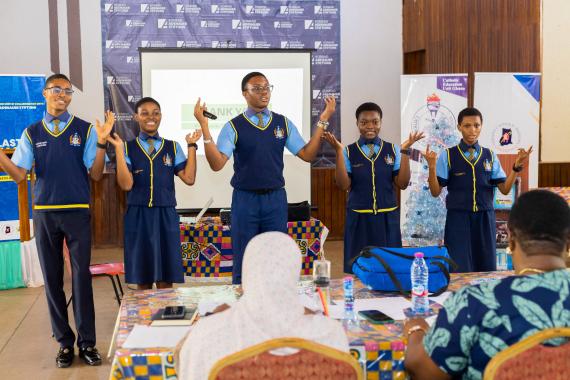
One example is the Plastic Waste Awareness Competition, organised by KAS Ghana together with the National Catholic Education Unit over several years. Ghana faces significant challenges related to plastic waste, but the initiative went beyond raising environmental awareness. It introduced young people to concepts such as recycling, the circular economy and the idea that materials commonly regarded as waste can become valuable resources when reused creatively.
Through the nationwide competition, students from Catholic schools across Ghana were encouraged to develop practical and innovative ideas for reusing plastic waste with resources available in their own communities. The result was a wide range of solutions combining technology, recycling, creativity and circular-economy thinking. Most importantly, the competition encouraged students to see themselves not simply as observers of an environmental problem, but as potential innovators capable of contributing to its solution.
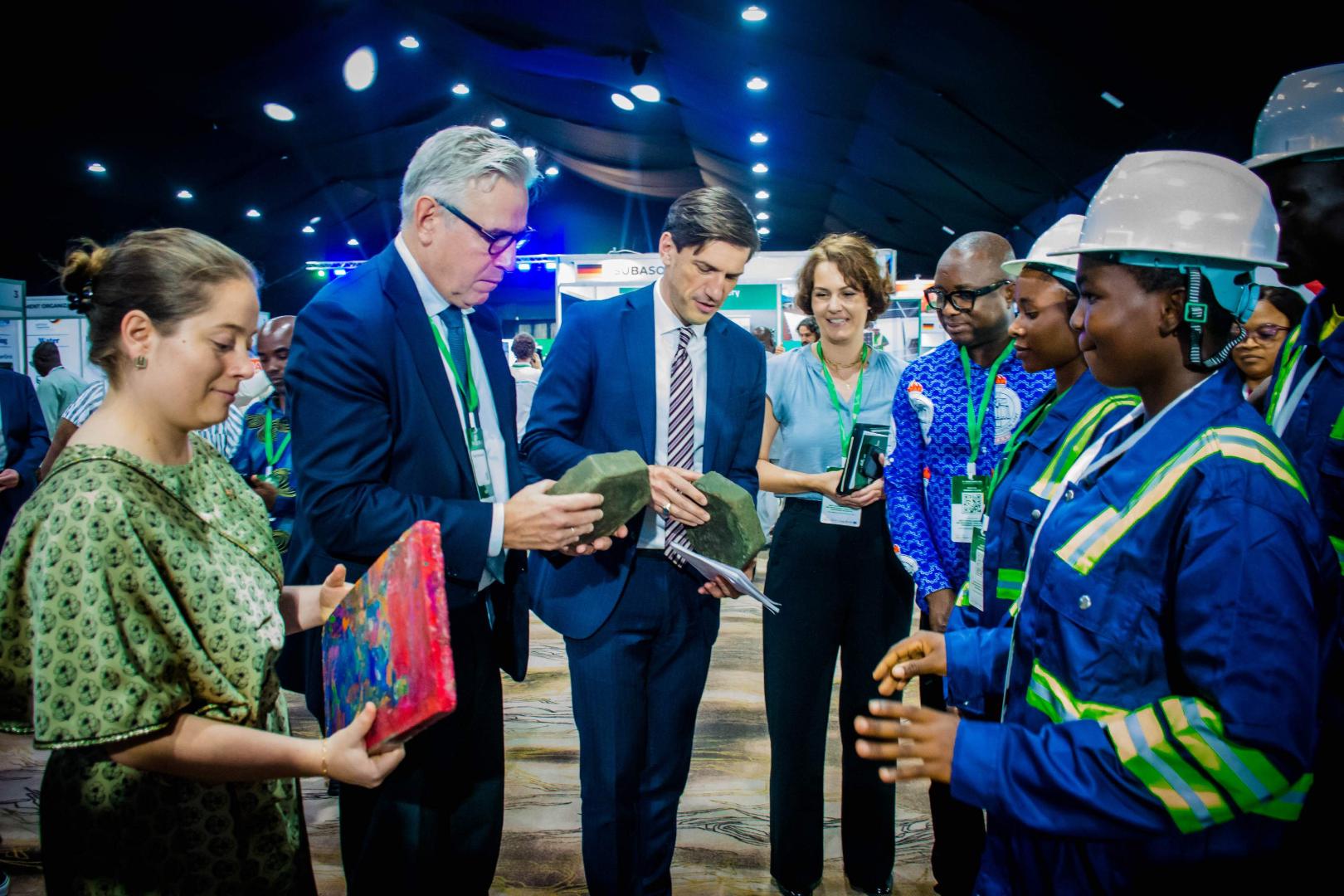
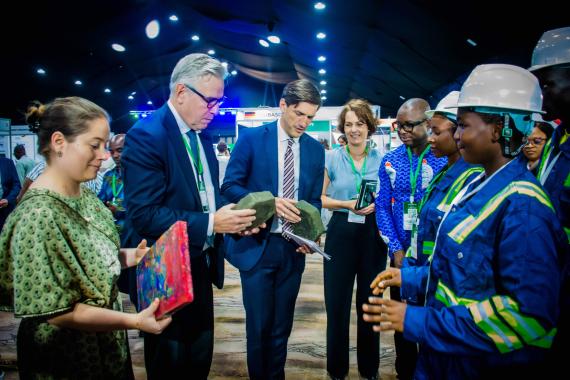
The programme also sought to connect ideas with real-world opportunities. Winners were given the opportunity to present their projects to an international audience at the West African Clean Energy & Environment Trade Fair & Conference (WACEE) and gained practical exposure to environmentally focused technical and engineering professions through training and internship opportunities.
For KAS, sustainability is both an environmental and an economic concern. Protecting natural resources and responding to challenges such as climate change are part of the responsibility to preserve the foundations on which future generations depend. At the same time, circular-economy approaches demonstrate that environmental challenges can generate innovation, new skills and economic opportunities. By introducing these ideas at an early age, initiatives such as the Plastic Waste Awareness Competition seek to foster environmental responsibility while encouraging young people to recognise their own potential to develop solutions and shape a more sustainable economy.