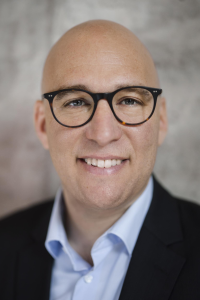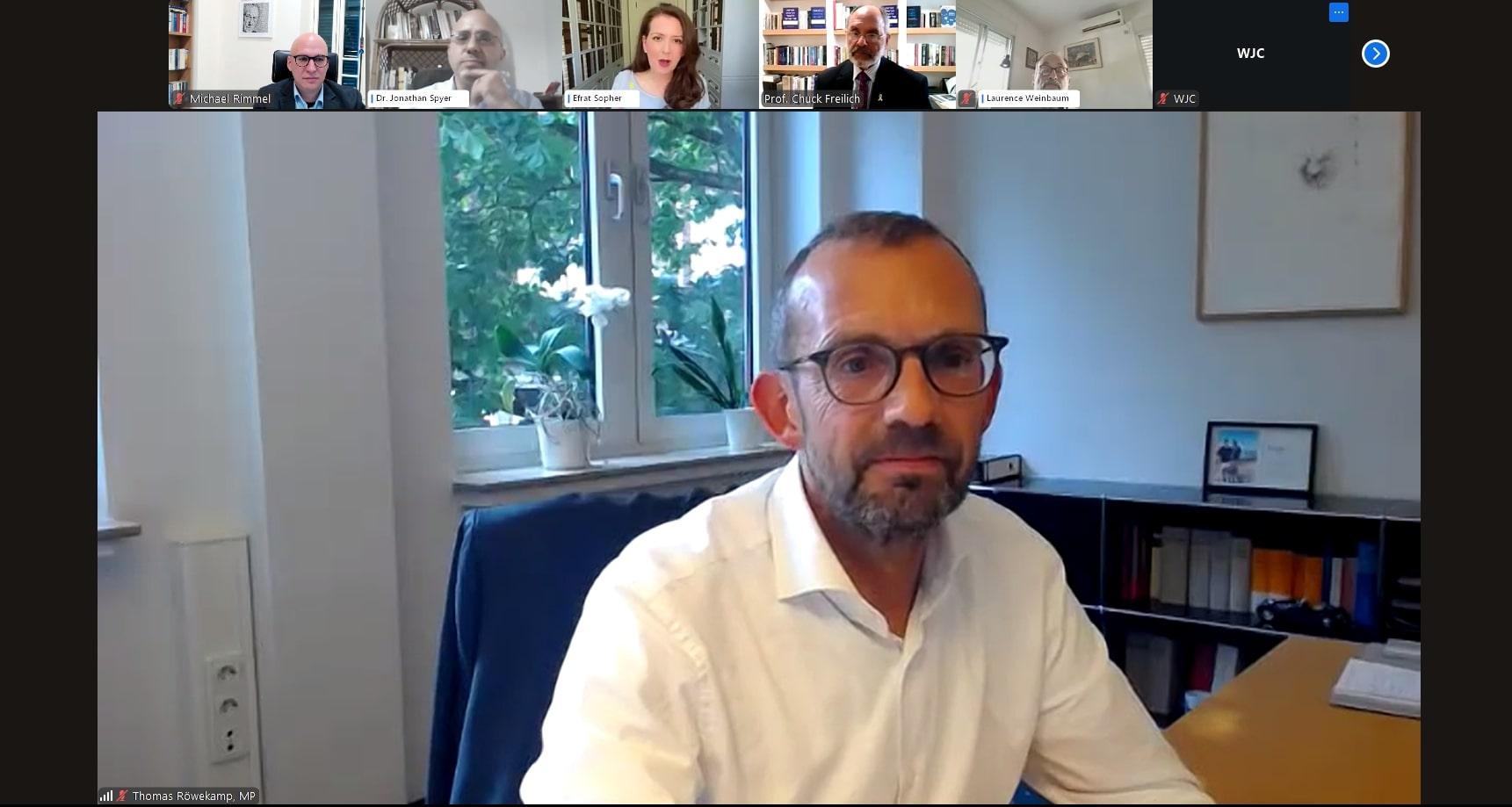


The webinar explored the strategic, political, and diplomatic implications of the ongoing conflict between Israel and Iran. Dr. Michael Rimmel, Director of the KAS Israel, opened the panel welcoming the participants and underlining the historic nature of the events we are currently seeing in the Middle East.
In their opening remarks, the experts shared insights on the background of the current situation as well as possible next steps for this ongoing war between Iran and Israel.
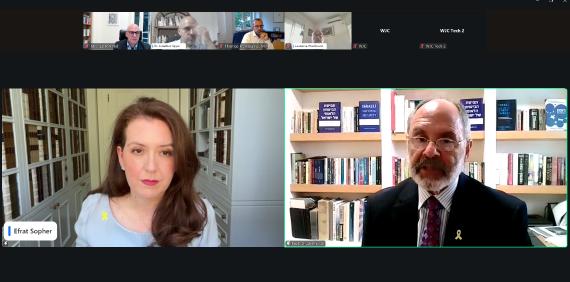
Professor Chuck Freilich, Senior Editor of The Israel Journal of Foreign Affairs and former Deputy National Security Advisor, discussed the initial stages of the war, highlighting Israel's successful targeting of Iran's nuclear program and missile arsenal. He emphasized the importance of American involvement to destroy the Fordo enrichment site, as Israel lacks the capability to do so: "If the war ends with Fordo still in place (...) a very, very successful military campaign would end (…) far from having achieved its objective."
Dr. Jonathan Spyer, Director of Research for The Middle East Forum and ICFR Board Member, explained the conditions that led to Israel's preemptive attack on Iran, noting the "partial, piecemeal and poorly organized mobilization by the Iran led regional bloc" after October 7th which he calls "a cardinal error on the part of the Iranians". He argued that the degradation of Iran's proxy forces in the region made the attack possible, and discussed potential outcomes of the conflict, including the possibility of a regime change in Iran.
Thomas Röwekamp, Chairman of the Defense Committee of the German Bundestag, emphasized Germany's commitment to Israel's security, highlighting the historical and moral responsibility embedded in the "Staatsräson" principle. He underlined Israel's right "to defend itself against the immediate threat posed by Iran, including preventively" and called for continued support from Germany and Europe, both politically and diplomatically, to counter Iran's nuclear ambitions and regional threats. He also addressed the increasing polarization in public debate about Israel, affirming that Germany's support for Israel's security remains steadfast: "The view of Israel may change in parts of the German public (...) but our attitude must not change, because those who stand by Israel today also stand by our own democratic convictions."
The panel addressed questions by viewers, discussing the threats posed by Iran to the international community, including the Jewish community worldwide, as well as potential reactions from both Russia and China, given a possible US involvement in the conflict. The experts highlighted the underacknowledged threat of the IRGC's activities in Europe and elsewhere and emphasized the broader danger of a nuclear Iran triggering a cascading effect of nuclear proliferation in the Middle East. The discussion also covered the destabilization of Iran's regime and its implications for Israel and addressed the need for regional support to ensure long-term peace and stability in the region.
"We know how wars start. We don't know how they end", Prof. Freilich stated in his remarks. The coming days will therefore show further developments and we will continue to provide insights and assessments of the situation. We thank the 200 participants and guests for engaging in this important discussion in the framework of our webinar and hope for further debates in hopefully better and safer times.