Alle Publikationen - Sicherheit – Innovation – Demokratie
Asset-Herausgeber
Alle Publikationen
Asset-Herausgeber
IMAGO / Kyodo News
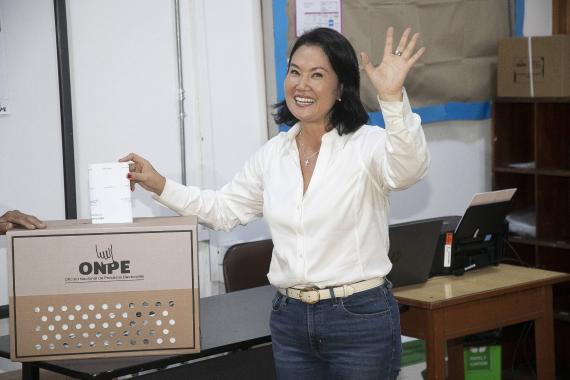
Präsidentschaftswahlen in Peru
Keiko Fujimori zum vierten Mal in Stichwahl
Am 12. April fanden in Peru Präsidentschafts- und Parlamentswahlen statt. Die laufende Stimmenauszählung deutet auf einen Wahlsieg von Keiko Fujimori von der konservativen Partei Fuerza Popular mit 17 Prozent der Stimmen hin. Angesichts dieses Ergebnisses wird ein zweiter Wahlgang am 7. Juni nötig. Offen ist noch, wer als zweitplatzierter Kandidat in diese Runde einziehen wird: Der linksgerichtete Roberto Sánchez und der konservative Rafael López Aliaga liefern sich mit jeweils um 12 Prozent ein Kopf-an-Kopf-Rennen. Es gilt, die komplette Auszählung der Stimmen abzuwarten.
Der Wahltag war geprägt von Turbulenzen wegen der verspäteten Auslieferung von Wahlmaterial in der Stadt Lima. Die Öffnung von 13 Wahllokalen musste auf den Folgetag verlegt werden. In den Regionen verliefen die Wahlen nach ersten Einschätzungen geordnet und ohne größere Zwischenfälle. Die Außenpolitik Perus folgt traditionell langfristigen Linien, und dies wird sich voraussichtlich unter einer neuen Regierung jeglicher Couleur fortsetzen. Deutschland und die EU sollten diese außenpolitische Offenheit weiterhin konstruktiv nutzen.
Annette Schwarzbauer, Dr. Andrés Hildebrandt
16. April 2026
Länderberichte
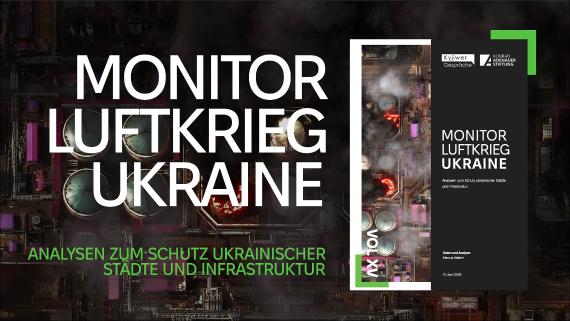
Monitor Luftkrieg Ukraine, Vol XV
Analysen zum Schutz ukrainischer Städte und Infrastruktur
Der monatlich erscheinende Newsletter „Monitor Luftkrieg Ukraine“ bietet fundierte Analysen zu aktuellen Angriffswellen und langfristigen Entwicklungen im russischen Luftkrieg gegen die Ukraine. Er basiert auf einer umfassenden Datenbank, die seit Herbst 2022 jeden dokumentierten Luftangriff auf zivile Ziele erfasst. Ziel ist es, datenbasierte Empfehlungen zur kurz- und mittelfristigen Unterstützung der Ukraine zu formulieren. Die Inhalte richten sich an politische Entscheidungsträger, Experten im sicherheits- und militärpolitischen Bereich sowie an Fachjournalisten. Herausgegeben wird der Monitor von den „Kyjiwer Gesprächen“ in Zusammenarbeit mit dem OSINT- und Datenanalysten Marcus Welsch und der Konrad-Adenauer-Stiftung.
Маркус Вельш
10. April 2026
Blickpunkt Ukraine
Anadolu Agency, Imago
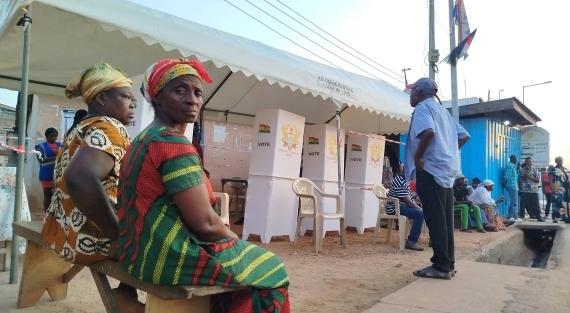
Wie können sich Mitte-rechts-Parteien in Afrika behaupten?
Ein Blick auf die Democracy Union of Africa
Inmitten des Rückzugs westlicher Partner, des wachsenden Einflusses autoritärer Mächte und der Dominanz linker Parteien suchen Afrikas Mitte-rechts-Parteien nach neuer Orientierung. Trotz Repression und Wahlmanipulationen fordern Bürgerinnen und Bürger – allen voran die Generation Z – unermüdlich Freiheit, Transparenz und politische Teilhabe. Für die bürgerlich-konservativen Kräfte stellt sich damit die drängende Frage nach glaubwürdigen Antworten. Welche Rolle spielt dabei die Democracy Union of Africa – und hat sie das Potenzial, das konservative Lager politisch neu zu beleben?
Dr. Holger Dix, Henri Bohnet
2. April 2026
Auslandsinformationen
photonews.at, Imago
Überlegungen zum Umgang mit Rechtsaußenparteien in Europa
Tür auf oder Tür zu?
Der Aufstieg rechtspopulistischer Parteien verändert die politischen Kräfteverhältnisse in Europa grundlegend und stellt Mitte-rechts-Parteien vor die schwierige Frage nach dem richtigen Umgang. Zugleich zeigt sich: Rechtsaußenparteien unterscheiden sich deutlich in Programmatik und politischen Haltungen – etwa zur EU, zu Russland und zum Rechtsstaat. Pauschale Strategien greifen daher zu kurz. Welche Handlungsspielräume bleiben der politischen Mitte, um unter diesen Bedingungen dauerhaft politisch zu bestehen?
Sebastian Enskat
2. April 2026
Auslandsinformationen
Xinhua, Imago
Südafrikas fragile politische Mitte
Zwischen Spaltung und Populismus
Zwischen wachsendem Populismus, sozialer Ungleichheit und einem zunehmend zersplitterten Parteiensystem ringt Südafrikas politische Mitte um Orientierung. Die Democratic Alliance besitzt zwar das Potenzial zur Catch-all-Partei, die Wählerschichten jenseits klassischer Klassen- und Milieugrenzen ansprechen kann. Doch welche Strategien werden benötigt, um das Mitte-rechts-Lager mehrheitsfähig zu machen?
Gregor Jaecke, Dr. Christoph Wiedenroth
2. April 2026
Auslandsinformationen
Zuma Press Wire, Imago
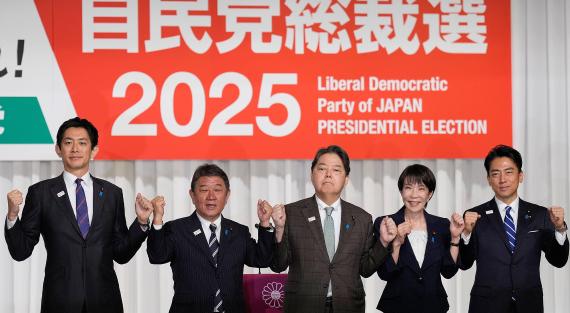
Polarisierung und die politische Mitte in Japan
Wie der Liberaldemokratischen Partei das Comeback gelang
In Japan erzielte die Liberaldemokratische Partei bei den Unterhauswahlen 2026 mit einer neuen rechtskonservativen Ausrichtung unter Sanae Takaichi, wirtschaftspolitischen Reformversprechen und im Wettbewerb mit populistischen Kräften das beste Wahlergebnis ihrer Geschichte und eine überwältigende Parlamentsmehrheit. Doch was sagt dieser Wahlerfolg über die politische Mitte, die Rolle neuer rechter Parteien und die Erwartungen der Wähler aus?
Paul Linnarz
2. April 2026
Auslandsinformationen
Zoonar, Imago
Marokkos politische Mitte in einem hybriden System
Zwischen Parteienpluralismus und monarchischer Einflussnahme
Demokratische Institutionen existieren in Marokko – doch die politische Macht liegt weiterhin stark beim Königshaus. In einem Spannungsfeld zwischen monarchischer Vorherrschaft und den Forderungen der „Generation Z 212“ nach echter Mitbestimmung versuchen sich Marokkos Mitte-rechts-Parteien zu behaupten. Wie viel Einfluss haben sie tatsächlich? Gelingt es den bürgerlichen Kräften, das Vertrauen der Jugend zurückzugewinnen – und was steht bei den Parlamentswahlen 2026 auf dem Spiel?
Steven Höfner
2. April 2026
Auslandsinformationen
Anadolu Agency, Imago
Lateinamerikas Parteienlandschaft rückt nach rechts
Polarisierung, Populismus, Pragmatismus
In Lateinamerika haben enttäuschte Erwartungen an die politische Linke und selbstverschuldete Regierungskrisen einen tiefgreifenden politischen Wandel begünstigt. Konservative, libertäre und rechtspopulistische Kräfte gewinnen zunehmend Wahlen, indem sie auf Sicherheit, wirtschaftliche Reformen und einen konfrontativen Stil gegenüber den Eliten setzen. Doch steht die Region vor einer dauerhaften konservativen Wende oder nur vor der nächsten politischen Pendelbewegung? Und wie können sich bürgerliche Mitte-rechts-Parteien im Wettbewerb mit radikaleren Kräften behaupten?
Henning Suhr
2. April 2026
Auslandsinformationen
Gestaltung: sustentio
Editorial der Ausgabe: „Mitte-rechts“
In vielen europäischen und internationalen Demokratien stehen Mitte-rechts-Parteien unter wachsendem Druck durch rechtspopulistische Kräfte. Wer fordert christdemokratische und konservative Parteien in Europa und darüber hinaus heraus – und mit welchen Strategien reagieren sie darauf? Internationale Beispiele zeigen, dass rechtspopulistische Herausforderungen vielfältig sind und sich weder durch bloße Abgrenzung noch durch Einbindung allein bewältigen lassen. Erfolgreich sind Mitte-rechts-Parteien vor allem dann, wenn sie ein klares Profil entwickeln und überzeugende Antworten auf gesellschaftliche Herausforderungen geben.
Caroline Kanter
2. April 2026
Auslandsinformationen
NurPhoto, Imago
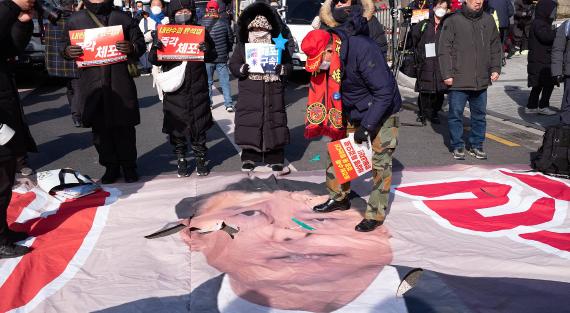
Die Herausforderungen der Polarisierung für die konservative Seite der südkoreanischen Politik
Ein K-Drama in Endlos-Schleife
Südkorea gilt als stabile Demokratie – doch gesellschaftliche Polarisierung, wirtschaftlicher Druck und parteipolitische Machtkämpfe verschärfen die Spannungen im Land. Insbesondere das konservative Lager steckt in einer schweren Identitäts- und Führungskrise. Welche Unterschiede bestehen zwischen dem südkoreanischen und dem deutschen Parteiensystem – und was können wir daraus lernen?