Publikationen zum Thema „Demokratie braucht Mitwirkung“
Asset-Herausgeber
KAS Nordische Länder
Parlamentswahl in Schweden
Schwierige Regierungsbildung erwartet
Am 13. September 2026 fanden in Schweden Parlamentswahlen statt. Die Sozialdemokraten (S) bleiben stärkste Partei, erzielten jedoch ihr schlechtestes Wahlergebnis seit mehr als einem Jahrhundert. Die bürgerlich-konservativen Parteien schnitten besser ab als zuletzt in den Umfragen erwartet. Gleichzeitig verloren die Schwedendemokraten (SD) erstmals seit ihrem Einzug in den Reichstag an Stimmen. Nach Auszählung der Stimmen erzielte der rot-grüne Block mit 176 Sitzen eine knappe Mehrheit gegenüber den 173 Sitzen des bürgerlich-konservativen Blocks. Damit rückt die bereits im Wahlkampf zentrale Frage der Regierungsbildung in den Vordergrund. Unterschiedliche Koalitionspräferenzen dürften eine rasche Regierungsbildung erschweren.
Christine Leuchtenmüller, Claudia Yngwe Lübbers
15. September 2026
Länderberichte
CIS
Die Zukunft der Europäischen Union: Szenarien für Reformen, Erweiterung und Verteidigungsintegration
Stärkung analytischer Kapazitäten für außenpolitische Entscheidungsprozesse
Diese Publikation wurde im Rahmen eines Forschungsprojekts erstellt, das vom Zentrum für Internationale Sicherheit (Centre for International Security, CIS) mit Unterstützung der Konrad-Adenauer-Stiftung, Auslandsbüro Ukraine, durchgeführt wird. Das Projekt zielt darauf ab, analytische Studien zu zentralen Fragen der ukrainischen Außenpolitik zu erarbeiten, die als Grundlage für politische Entscheidungsprozesse auf Regierungsebene dienen können.
US-Außenpolitik im Kontext der Zwischenwahlen zum US-Kongress: Folgen für die Ukraine
Stärkung analytischer Kapazitäten für außenpolitische Entscheidungsprozesse
Diese Publikation wurde im Rahmen eines Forschungsprojekts erstellt, das vom Zentrum für Internationale Sicherheit (Centre for International Security, CIS) mit Unterstützung der Konrad-Adenauer-Stiftung, Auslandsbüro Ukraine, durchgeführt wird. Das Projekt zielt darauf ab, analytische Studien zu zentralen Fragen der ukrainischen Außenpolitik zu erarbeiten, die als Grundlage für politische Entscheidungsprozesse auf Regierungsebene dienen können.
11. September 2026
Blickpunkt Ukraine
CIS
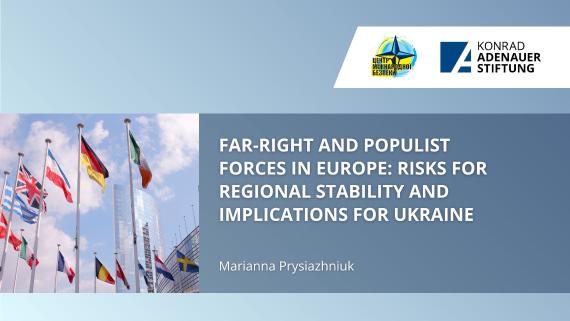
Ultrarechte und populistische Kräfte in Europa: Risiken für Stabilität und Folgen für die Ukraine
Stärkung analytischer Kapazitäten für außenpolitische Entscheidungsprozesse
Diese Publikation wurde im Rahmen eines Forschungsprojekts erstellt, das vom Zentrum für Internationale Sicherheit (Centre for International Security, CIS) mit Unterstützung der Konrad-Adenauer-Stiftung, Auslandsbüro Ukraine, durchgeführt wird. Das Projekt zielt darauf ab, analytische Studien zu zentralen Fragen der ukrainischen Außenpolitik zu erarbeiten, die als Grundlage für politische Entscheidungsprozesse auf Regierungsebene dienen können.
Marianna Prysiazhniuk
8. September 2026
Blickpunkt Ukraine
IMAGO / Xinhua
Brasilien hat die Wahl
Zwischen Lula, Bolsonarismus und der konservativen Realität
Brasilien wählt im Oktober nicht nur einen Präsidenten, sondern die künftige Machtarchitektur des Landes. Selbst eine Wiederwahl des amtierenden Präsidenten Lula würde keinen linken Durchmarsch bedeuten: Kongress, Senat, Gouverneure und politische Kräfte des pragmatischen sogenannte Centrão bleiben konservativ geprägt und werden den Handlungsspielraum jeder Regierung entscheidend begrenzen.
Maximilian Hedrich
31. August 2026
Länderberichte
IMAGO / Xinhua
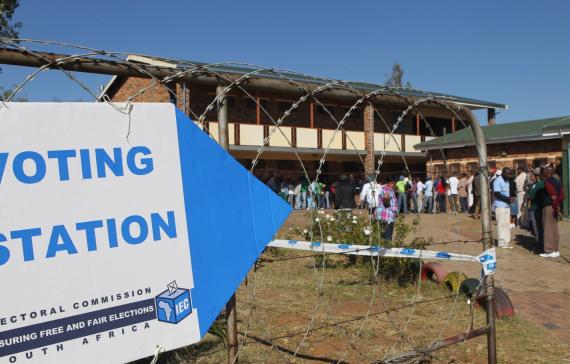
Der Zustand der südafrikanischen Kommunen
Zwischen Kollaps und Neuanfang
Südafrikas Kommunen stehen vor erheblichen Herausforderungen: Leistungsdefizite, politische Fragmentierung und sinkendes Vertrauen in staatliche Institutionen prägen die Ausgangslage vor den Kommunalwahlen im November 2026.
Gregor Jaecke, Nina Krasel
26. August 2026
Länderberichte
CIS
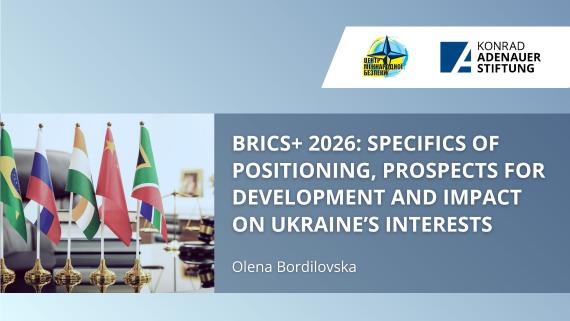
BRICS+ 2026: Positionierung, Entwicklungsperspektiven und Auswirkungen für die Ukraine
Stärkung analytischer Kapazitäten für außenpolitische Entscheidungsprozesse
Diese Publikation wurde im Rahmen eines Forschungsprojekts erstellt, das vom Zentrum für Internationale Sicherheit (Centre for International Security, CIS) mit Unterstützung der Konrad-Adenauer-Stiftung, Auslandsbüro Ukraine, durchgeführt wird. Das Projekt zielt darauf ab, analytische Studien zu zentralen Fragen der ukrainischen Außenpolitik zu erarbeiten, die als Grundlage für politische Entscheidungsprozesse auf Regierungsebene dienen können.
Olena Bordilovska
14. August 2026
Blickpunkt Ukraine
CIS
Zentralasien im Fokus globaler Rivalität: Herausforderungen und Chancen für die Ukraine
Stärkung analytischer Kapazitäten für außenpolitische Entscheidungsprozesse
Diese Publikation wurde im Rahmen eines Forschungsprojekts erstellt, das vom Zentrum für Internationale Sicherheit (Centre for International Security, CIS) mit Unterstützung der Konrad-Adenauer-Stiftung, Auslandsbüro Ukraine, durchgeführt wird. Das Projekt zielt darauf ab, analytische Studien zu zentralen Fragen der ukrainischen Außenpolitik zu erarbeiten, die als Grundlage für politische Entscheidungsprozesse auf Regierungsebene dienen können.
Vira Konstantynova
10. August 2026
Blickpunkt Ukraine
CIS
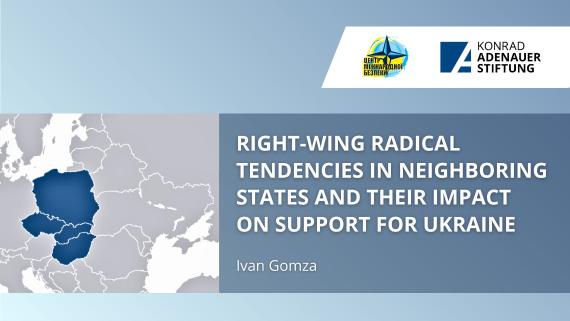
Rechtsradikale Tendenzen in Nachbarstaaten und ihre Auswirkungen auf die Unterstützung der Ukraine
Stärkung analytischer Kapazitäten für außenpolitische Entscheidungsprozesse
Diese Publikation wurde im Rahmen eines Forschungsprojekts erstellt, das vom Zentrum für Internationale Sicherheit (Centre for International Security, CIS) mit Unterstützung der Konrad-Adenauer-Stiftung, Auslandsbüro Ukraine, durchgeführt wird. Das Projekt zielt darauf ab, analytische Studien zu zentralen Fragen der ukrainischen Außenpolitik zu erarbeiten, die als Grundlage für politische Entscheidungsprozesse auf Regierungsebene dienen können.
Ivan Gomza
3. August 2026
Blickpunkt Ukraine
CIS
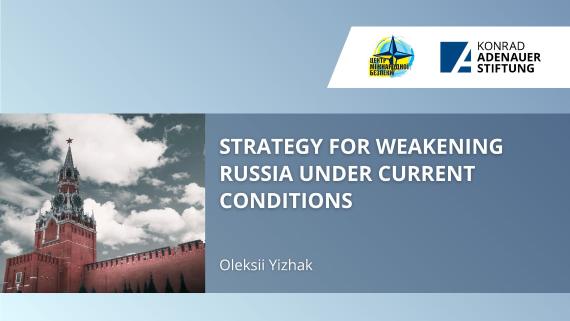
Strategie zur Schwächung Russlands unter den gegenwärtigen Bedingungen
Stärkung analytischer Kapazitäten für außenpolitische Entscheidungsprozesse
Diese Publikation wurde im Rahmen eines Forschungsprojekts erstellt, das vom Zentrum für Internationale Sicherheit (Centre for International Security, CIS) mit Unterstützung der Konrad-Adenauer-Stiftung, Auslandsbüro Ukraine, durchgeführt wird. Das Projekt zielt darauf ab, analytische Studien zu zentralen Fragen der ukrainischen Außenpolitik zu erarbeiten, die als Grundlage für politische Entscheidungsprozesse auf Regierungsebene dienen können.