


Asset Publisher

Publications

Asset Publisher

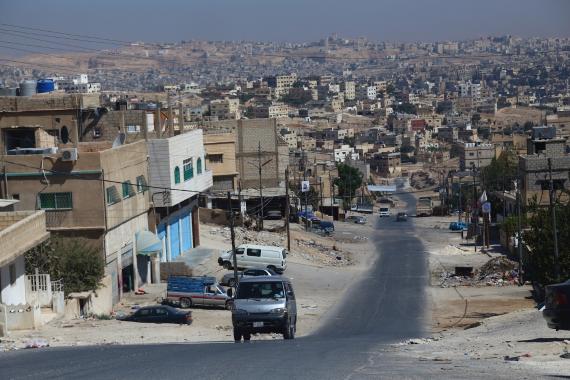
Adeeb Atwan / Wikimedia Commons (CC BY 3.0)

Local Issues and Youth Priorities in the Zarqa Governorate

Policy paper based on the discussions and input from the “Shape the Political Narrative – From Ideas to Actions” training programme.

From 17 to 19 September, KAS Jordan and the Ministry of Youth held the training programme “Shape the Political Narrative – From Ideas to Actions” to strengthen young people’s capacity in Zarqa to engage in public affairs and develop evidence-based policy recommendations. Through follow-up sessions, participants developed 17 written contributions, which were reviewed for inclusion in the policy paper “Local Issues and Youth Priorities in the Zarqa Governorate”.

CC0 1.0 – Public Domain

Survey on Political Participation in Jordan 2026 – Wave VI

A nationwide survey exploring political participation, representation, and trust in Jordan.

The sixth wave of the survey, conducted by NAMA Strategic Intelligence Solutions and Konrad-Adenauer-Stiftung Jordan, examines public attitudes towards political participation and Jordan’s Political Modernisation process. It explores political engagement, trust in political parties, representation, and local governance.

Wikimedia Commons

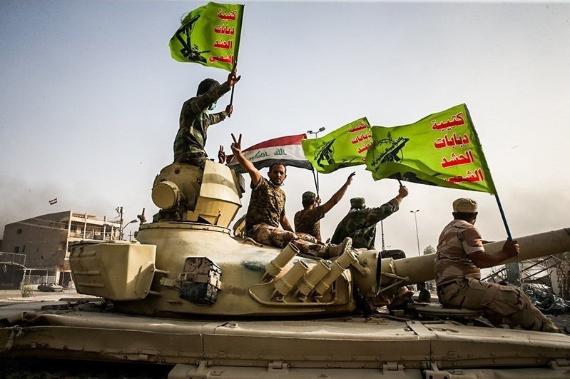
ISIS and Cross-Border Threats Beyond Iraq

Remnants of Terror

Remnants of Terror is a two-part publication series by the Konrad-Adenauer-Stiftung (KAS) Jordan Office, examining the challenges that persist in Iraq nearly a decade after the war against ISIS.

IMAGO

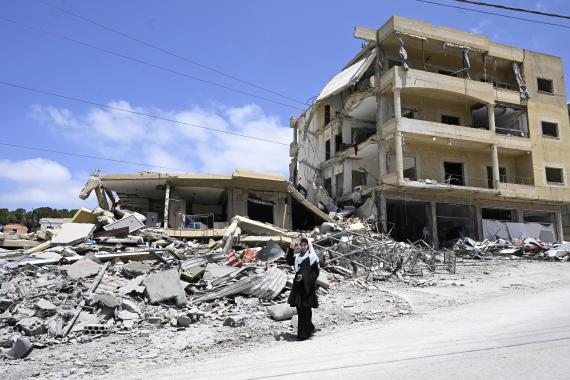
Lebanon: The Challenge of Reestablishing Soverignty and Finding Lasting Peace

This paper is the second in the series of follow-up papers to the conference “Changing Regional Security in the Middle East”, held from 17 to 18 June 2026 in Amman, Jordan, in collaboration with the Center for Strategic Studies (CSS) at the University of Jordan.

IMAGO

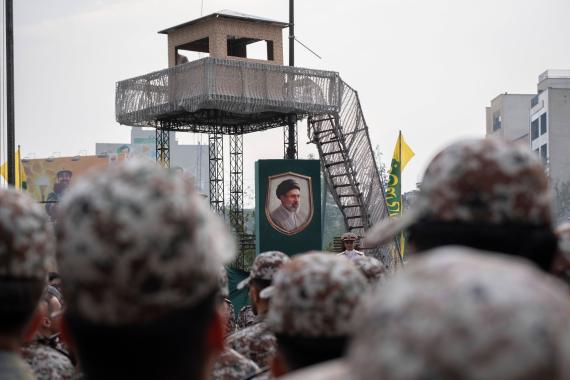
Reading Tehran After the War: Resistance Doctrine and the Limits of Negotiation

This paper is the third in the series of follow-up papers to the conference “Changing Regional Security in the Middle East”, held from 17 to 18 June 2026 in Amman, Jordan, in collaboration with the Center for Strategic Studies (CSS) at the University of Jordan.

ISDI

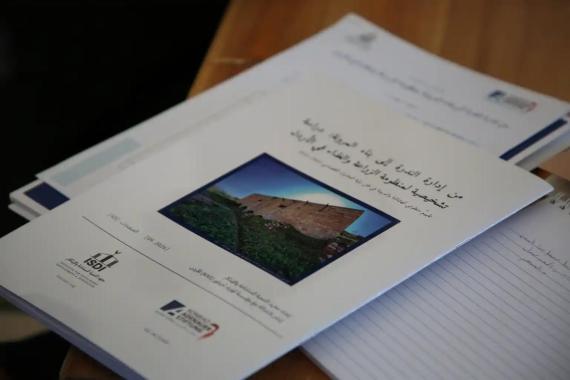
From Managing Scarcity to Building Resilience

A Diagnostic Study of Jordan's Agriculture and Food System

This Diagnostic Study was prepared by the Institute for Sustainable Development and Innovation (ISDI), in cooperation with Konrad-Adenauer-Stiftung (KAS) – Jordan Office, under the framework of the project “Agro-Food System Vulnerability and Resilience in Jordan”. This paper constitutes a systemic assessment of vulnerability and resilience in Jordan’s agri-food system, supporting evidence-based decision-making and the objectives of the Economic Modernisation Vision 2022–2033.

IMAGO

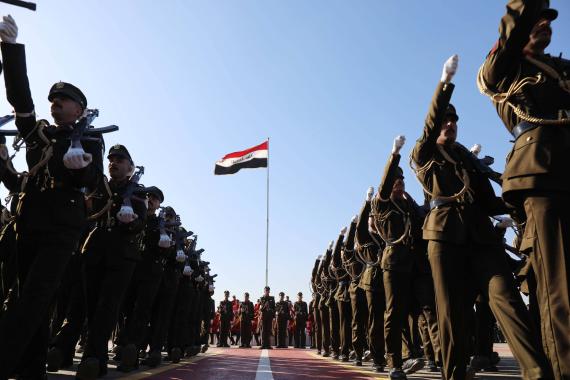
The Promise and Premise of Disarming Iraq's Armed Groups

This paper is the first in the series of follow-up papers to the conference “Changing Regional Security in the Middle East”, held from 17 to 18 June 2026 in Amman, Jordan, in collaboration with the Center for Strategic Studies (CSS) at the University of Jordan.

Creative Commons

Jordan and its Neighbourhood: Energy Resilience Amid Geopolitical Tensions

What the Hormuz Crisis Reveals About Jordan’s Energy Transition

Jordan and Its Neighbourhood is a publication series by the Konrad-Adenauer-Stiftung (KAS) Jordan Office examining the Kingdom's relations with the countries and conflicts on its borders. Each paper brings regional expertise to a specific file - security, political, or economic - and sets out concrete policy priorities.

Creative Commons

Iraq's Armed Groups and the Limits of its Regional Diplomacy

Jordan and its Neighbourhood

Jordan and Its Neighbourhood is a publication series by the Konrad-Adenauer-Stiftung (KAS) Jordan Office examining the Kingdom's relations with the countries and conflicts on its borders. Each paper brings regional expertise to a specific file - security, political, or economic - and sets out concrete policy priorities.

IMAGO / Newscom / AdMedia

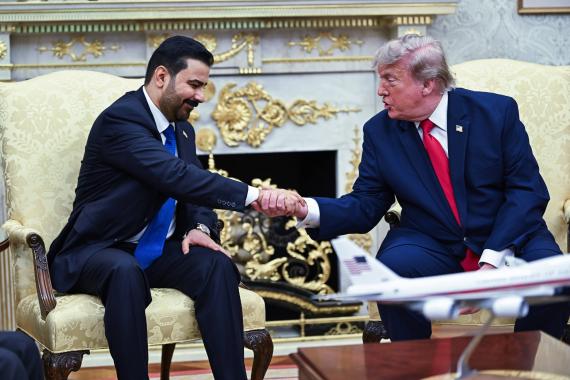
Iraq’s New Government Between Domestic Constraints and External Pressures

Leading without a Base?

Iraqi Prime Minister Ali al-Zaidi took office in May 2026 as a surprise candidate – with no political party, no seats in parliament and a cabinet left incomplete, in the middle of a war that pits Iraq’s two key part-ners, the US and Iran, against each other and has closed the Strait of Hormuz. So far, his lack of a politi-cal base appears to have worked in his favour rather than against him, however. What this means for his capacity to govern is a different question, and the answer seems to depend on the file: an advantage wherever power runs through the executive, a handicap wherever it must be assembled vote by vote.

Showing 1 to 10 of 257 entries.