 WANA Institute
 WANA Institute
 WANA Institute
 WANA Institute
 WANA Institute
 WANA Institute
 WANA Institute
 WANA Institute
 WANA Institute
 WANA Institute
 WANA Institute
WANA Institute
WANA Institute
WANA Institute
WANA Institute
WANA Institute
WANA Institute
WANA Institute
WANA Institute
WANA Institute
WANA Institute
WANA Institute
WANA Institute
WANA Institute
WANA Institute
WANA Institute
WANA Institute
WANA Institute
WANA Institute
WANA Institute
WANA Institute
WANA Institute
WANA Institute
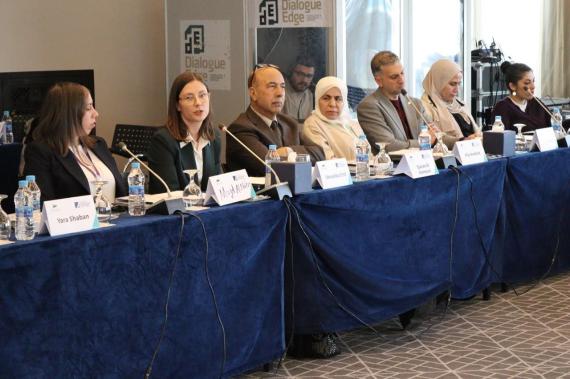
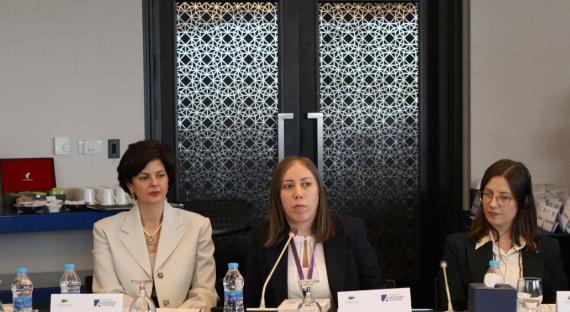
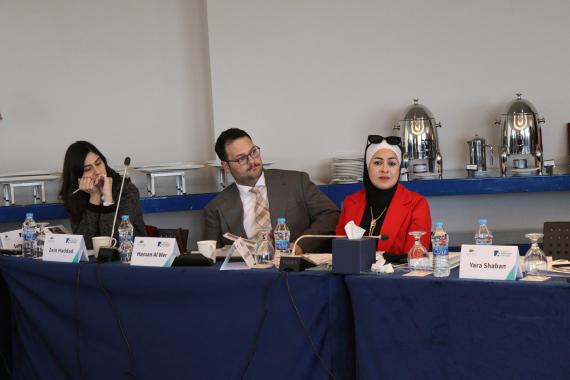
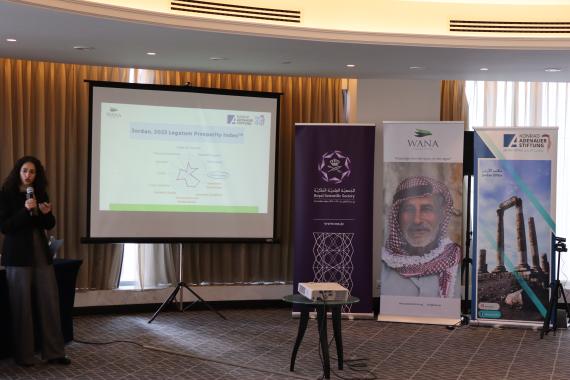
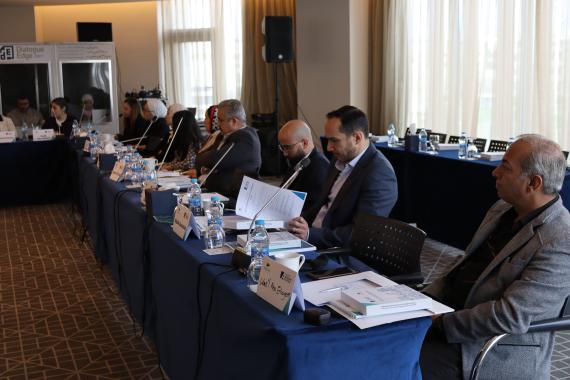
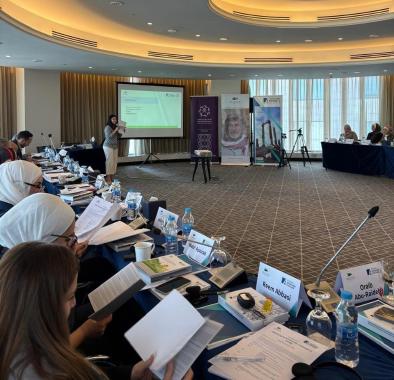
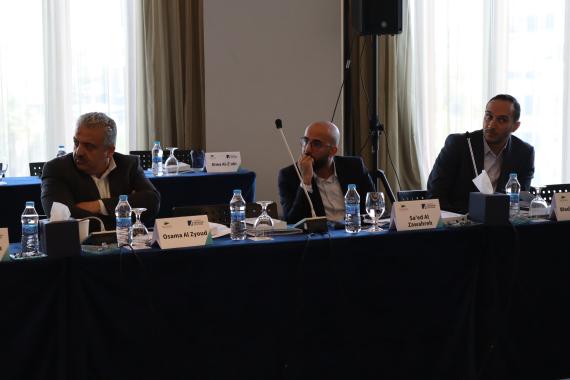
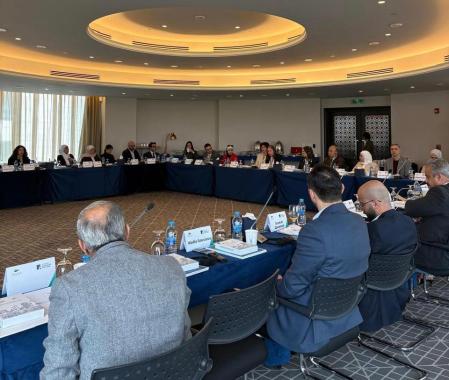
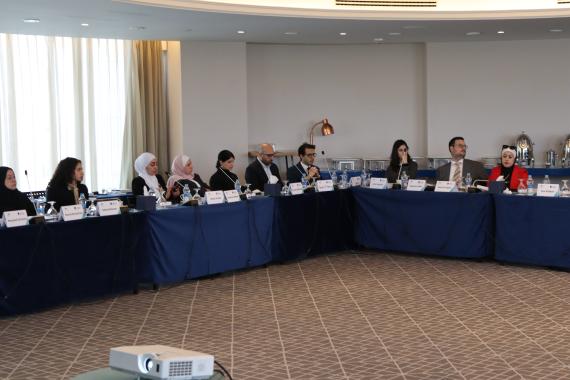
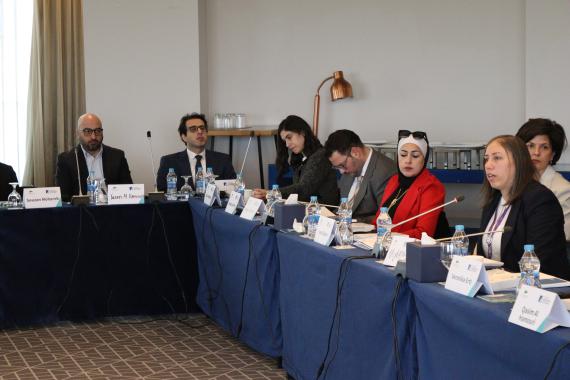
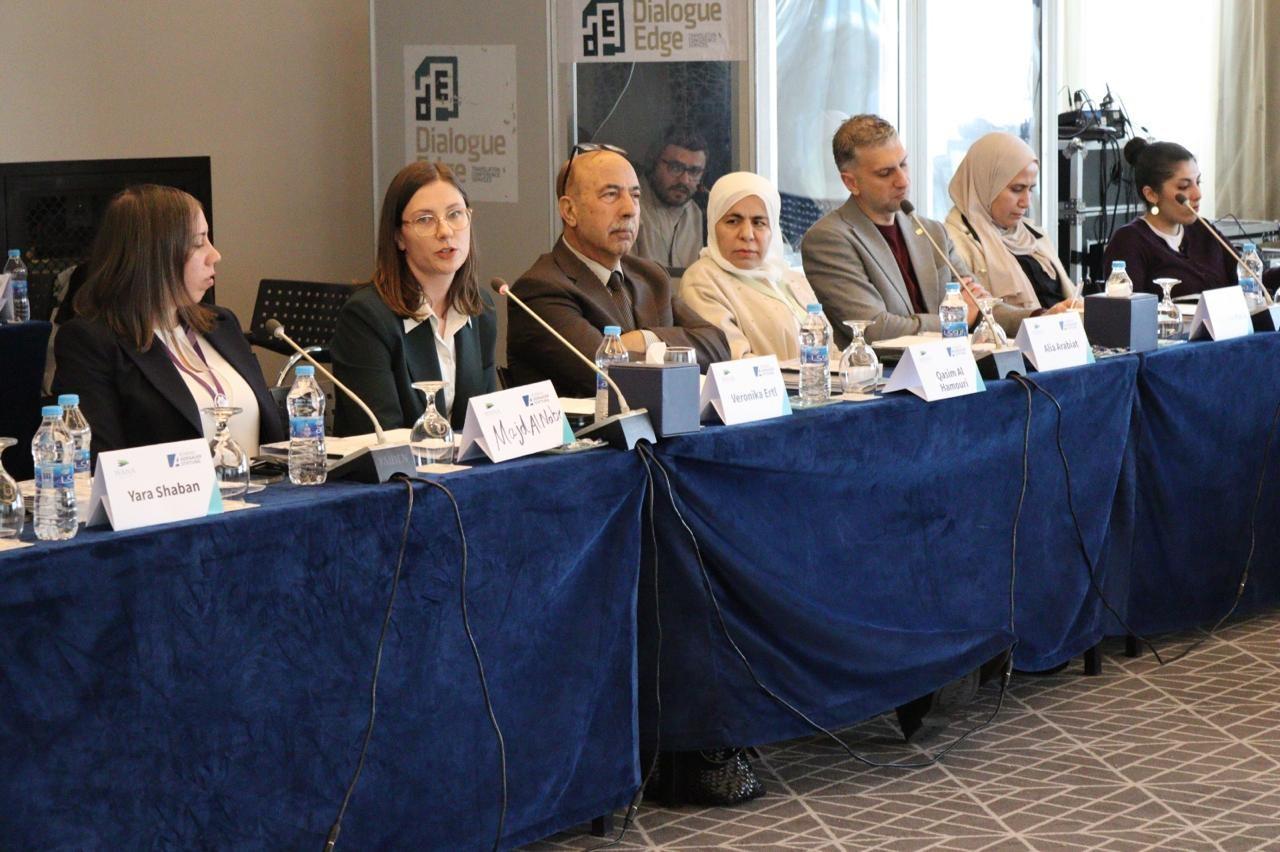
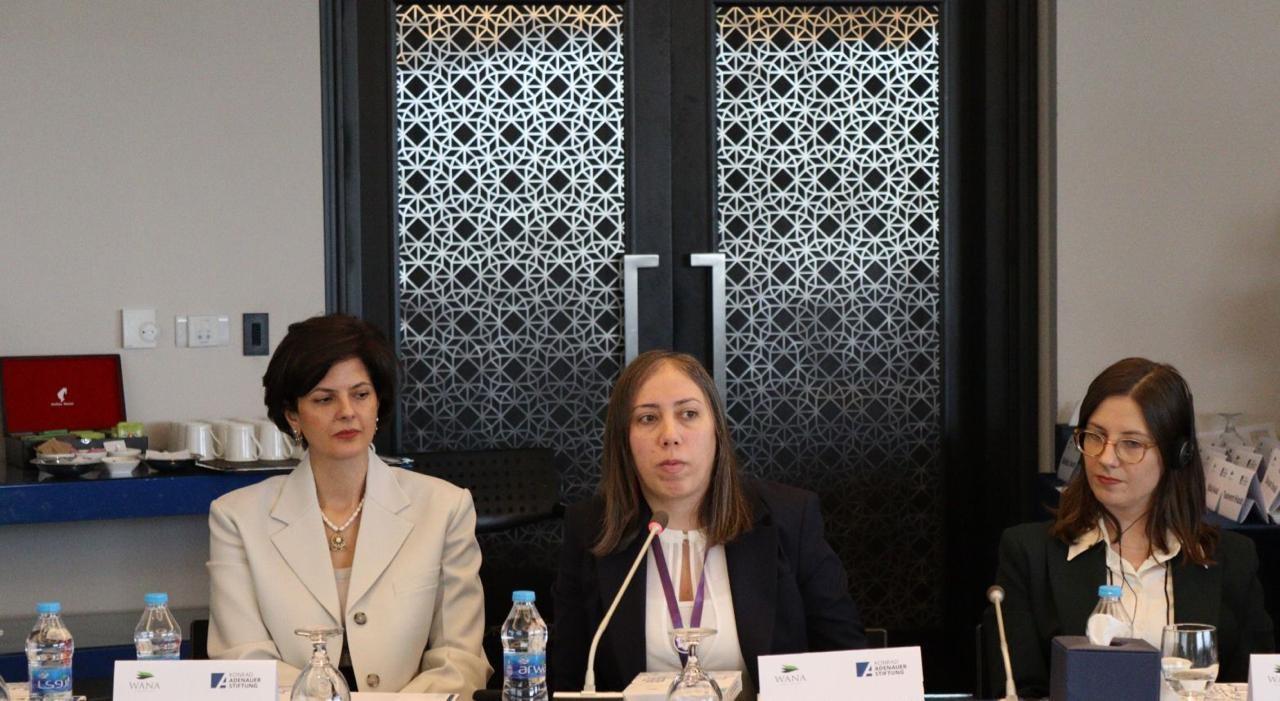
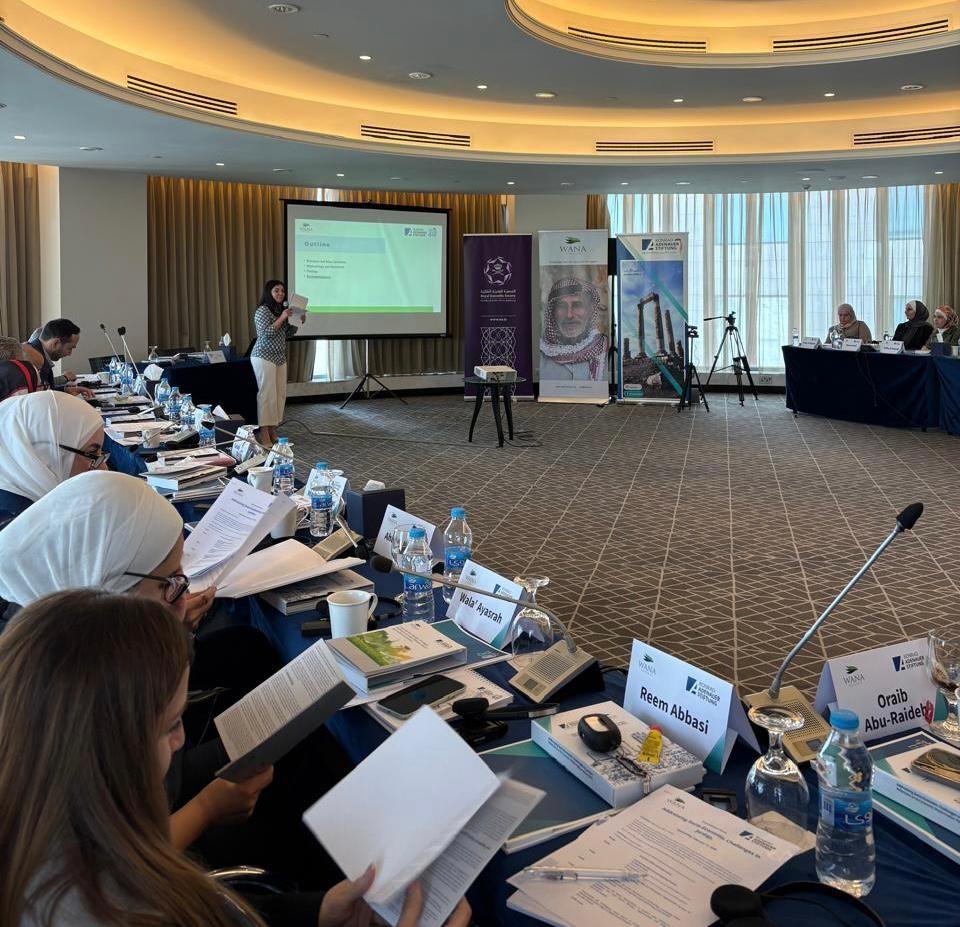
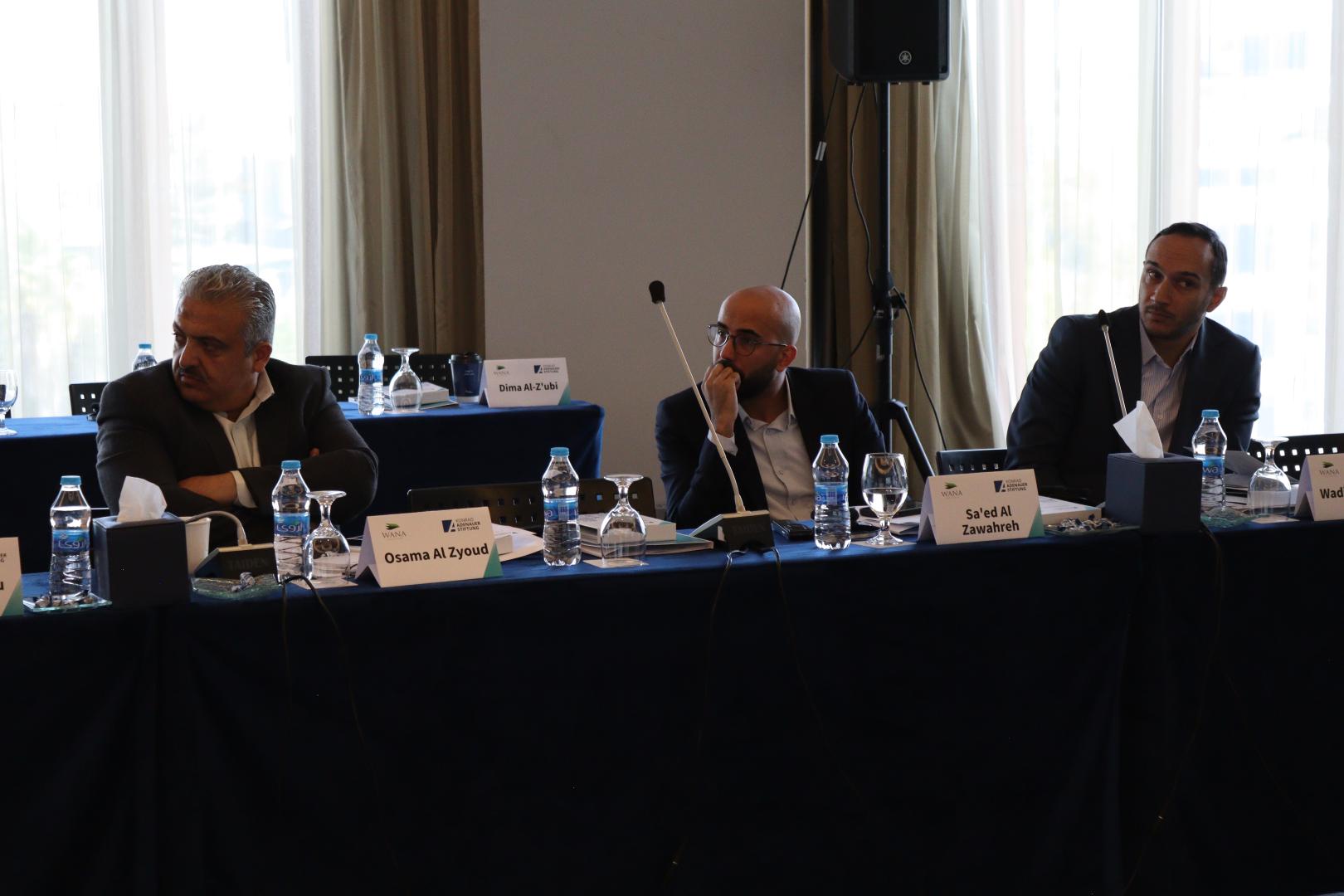
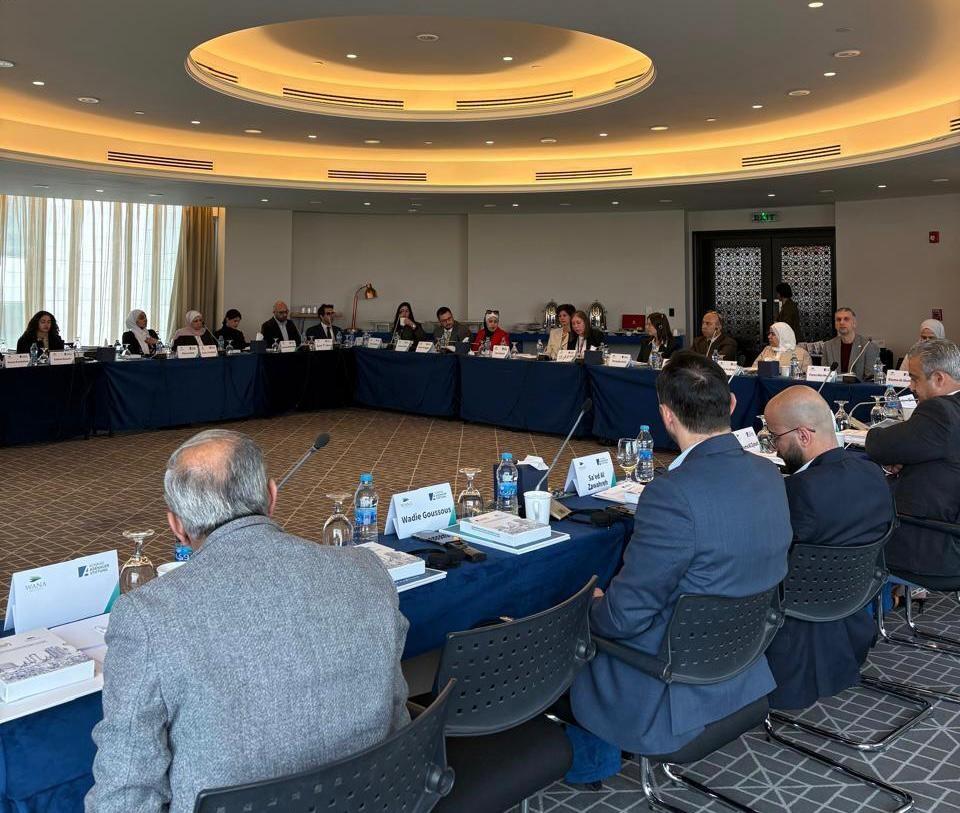
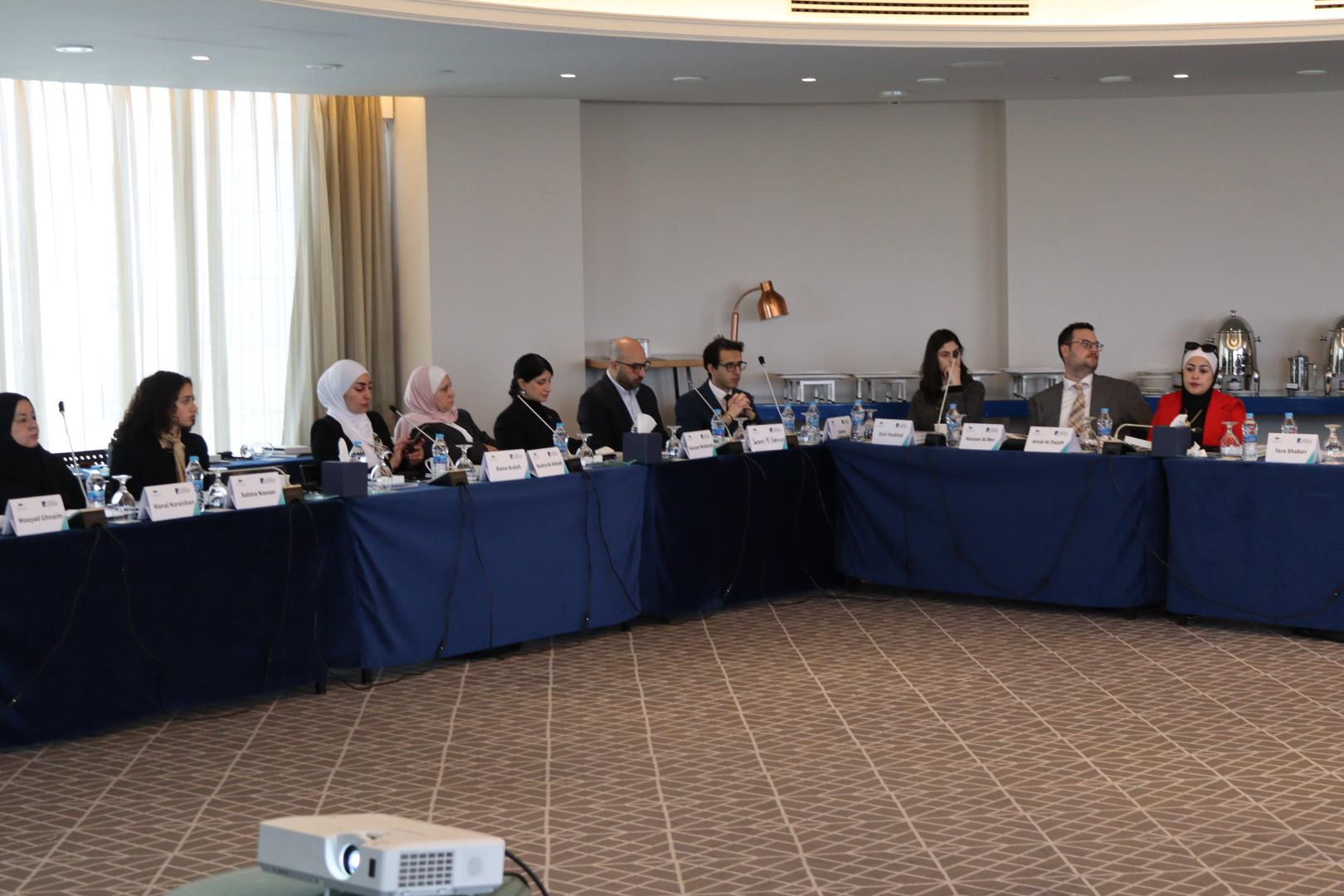
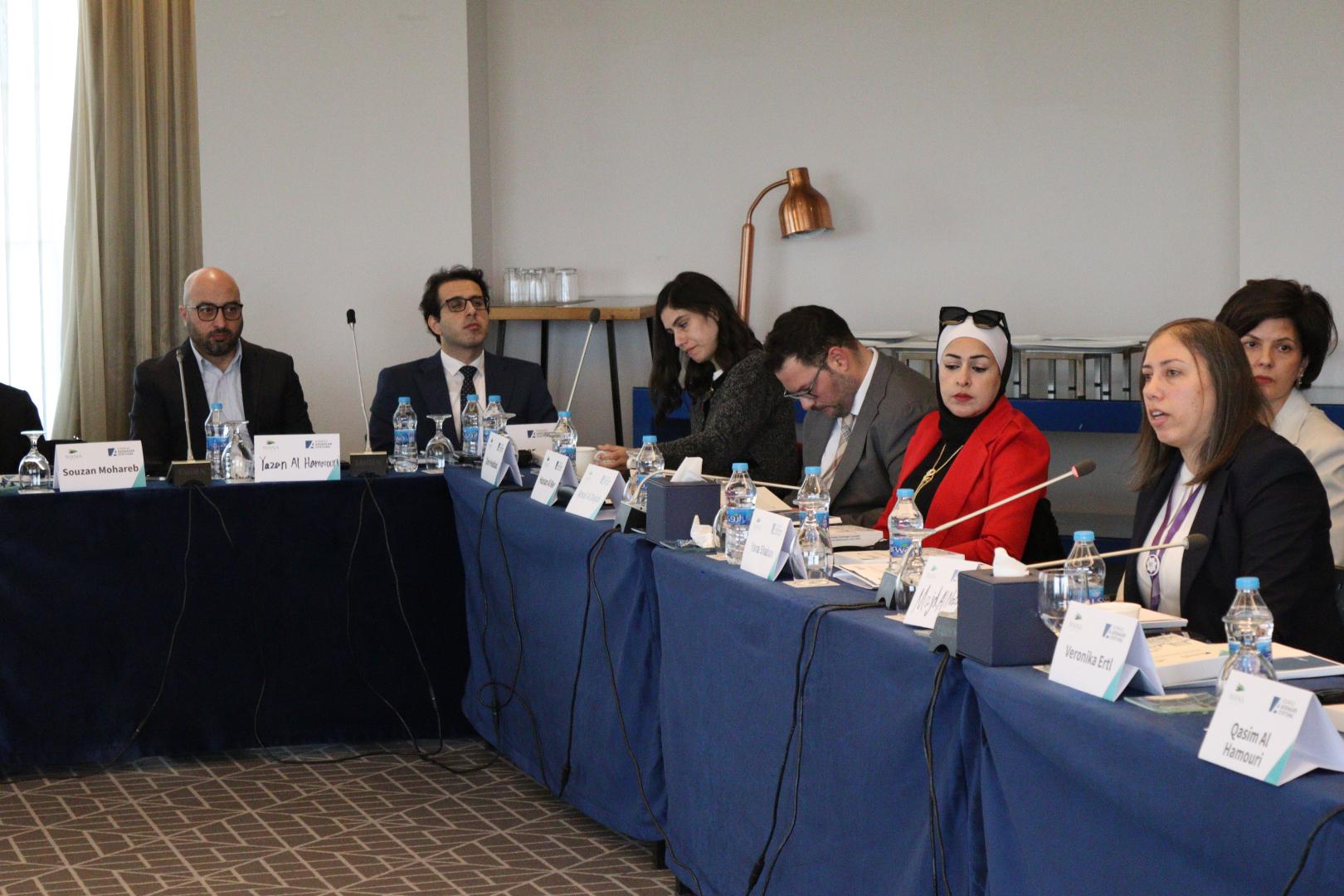
The event was opened by Dr. Majd Al Naber, Director General of the WANA Institute, and Veronika Ertl, Resident Representative of KAS Jordan. Both highlighted the importance of evidence-based policy advice and emphasized the relevance of the research findings presented for the country’s future strategic development planning.
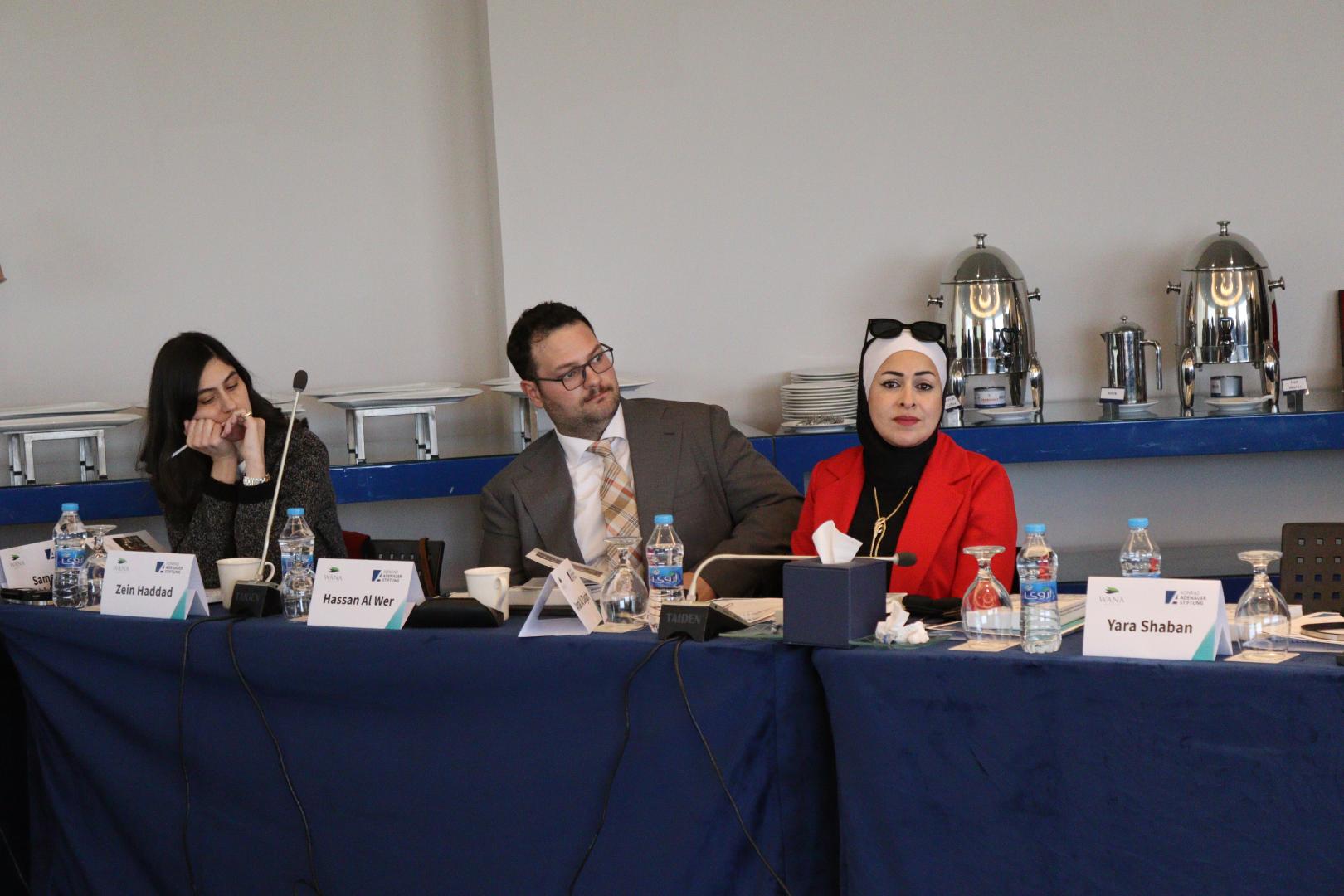
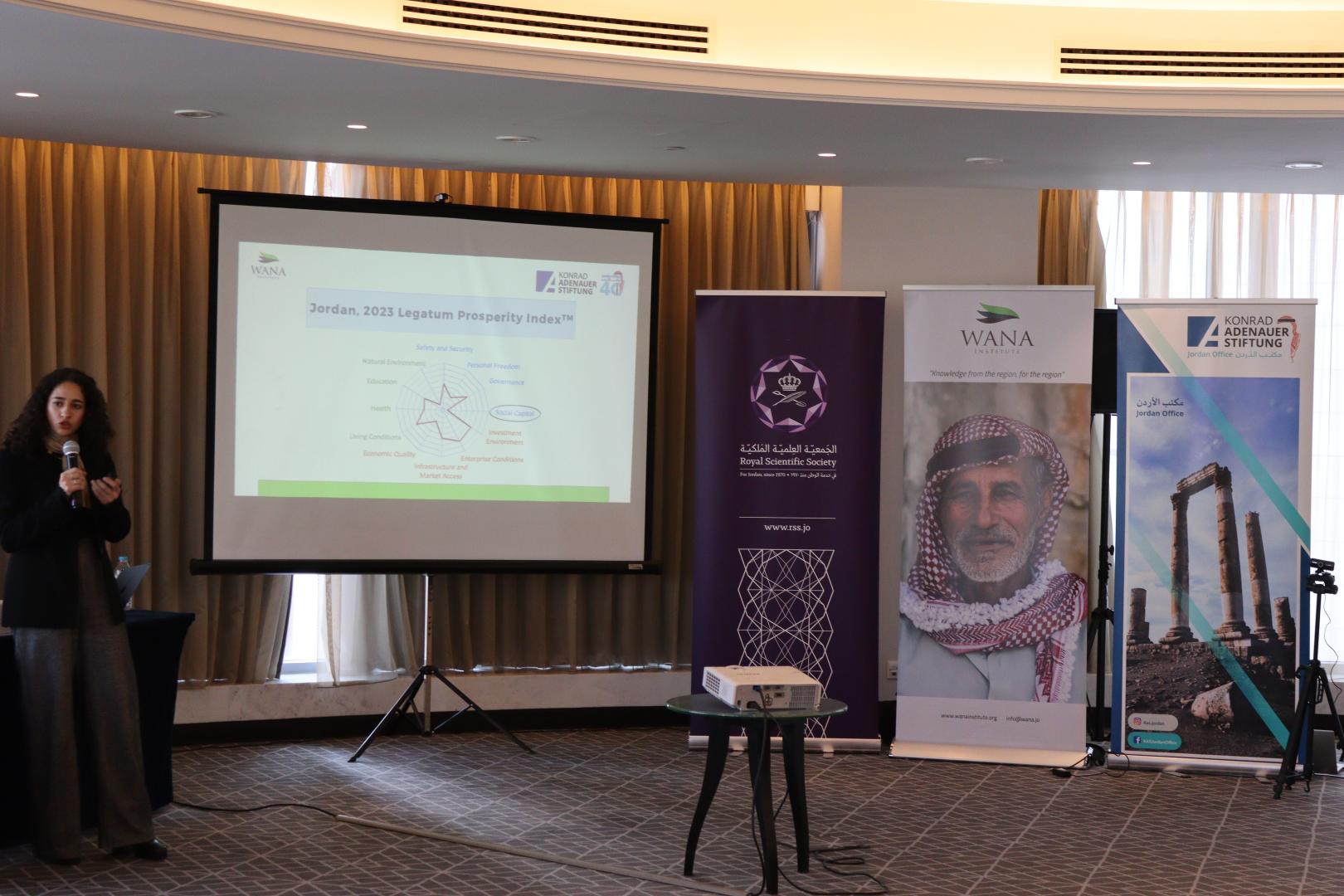
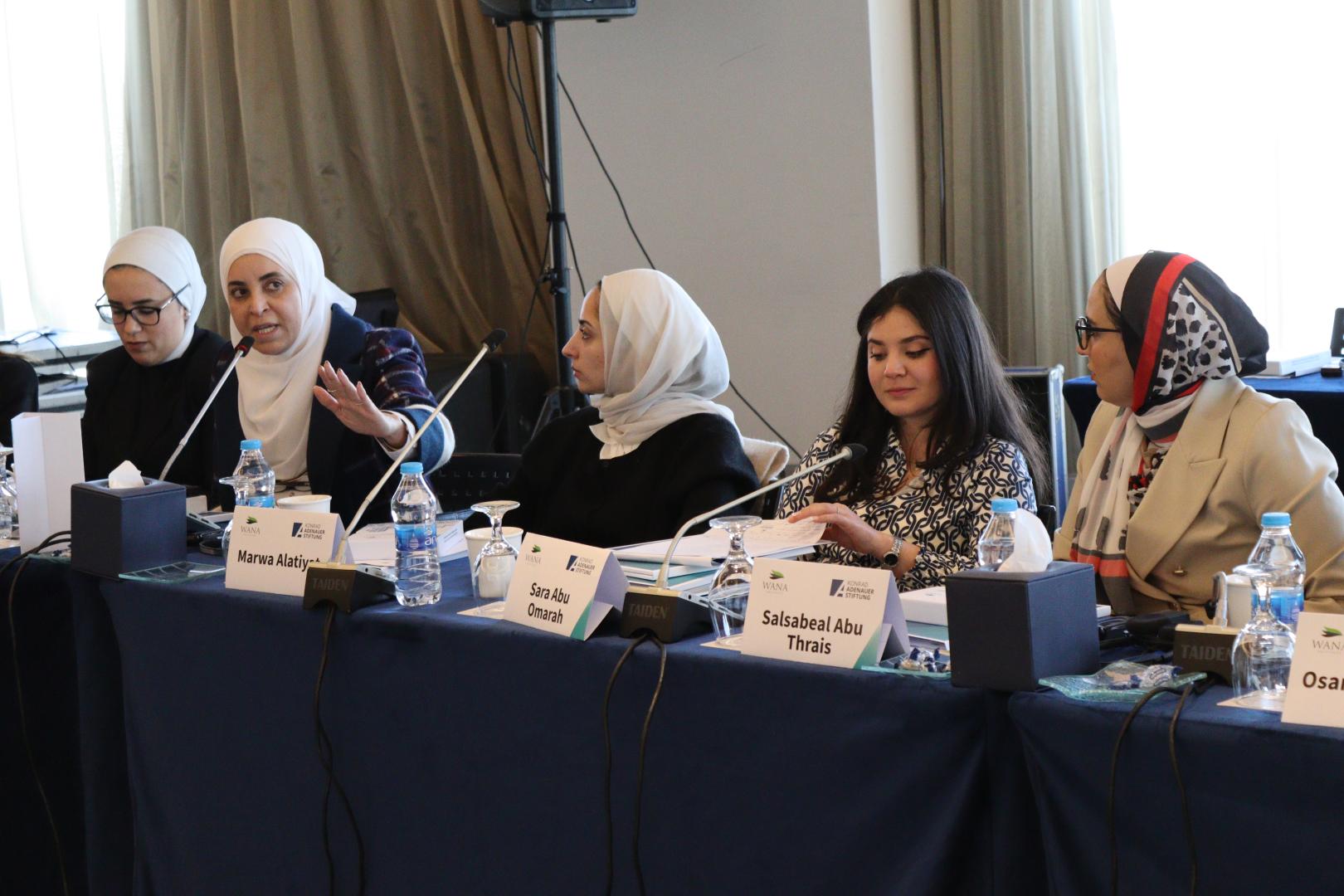
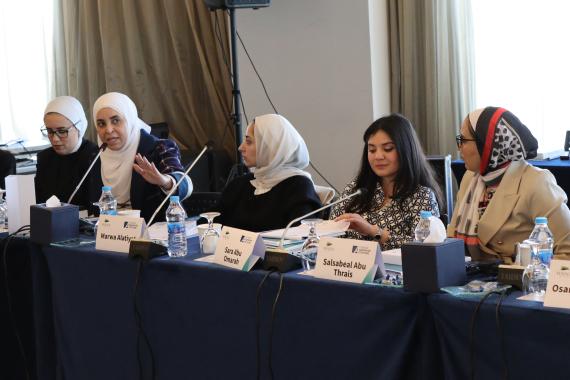
The event featured seven presentations on the respective paper topics followed by lively twenty-minute discussion and feedback sessions. Dr. Yara Shaban opened the series of presentations with a contribution on the role of civil society organizations as sites of knowledge production. Salma Nasser then showed how social science education can contribute to inclusive economic growth in the long term, starting from the classroom to the community. In her presentation, Oraib Abu-Raideh analyzed the opportunities and challenges for enhancing male participation in early childhood education and care sector. Sara Abu Omarah focused on social justice and presented a human rights-based assessment of Jordan’s EMV. In another contribution, Salsabeal Abo-Thrais dealt with the creation of enabling conditions for the expansion of climate-smart agriculture, while Samer Al-Fakhouri discussed the role of green financing instruments for Jordan’s energy transition. The event concluded with Sanad Al-Quran, who analyzed the applicability of German and EU energy transition policies to the Jordanian context.
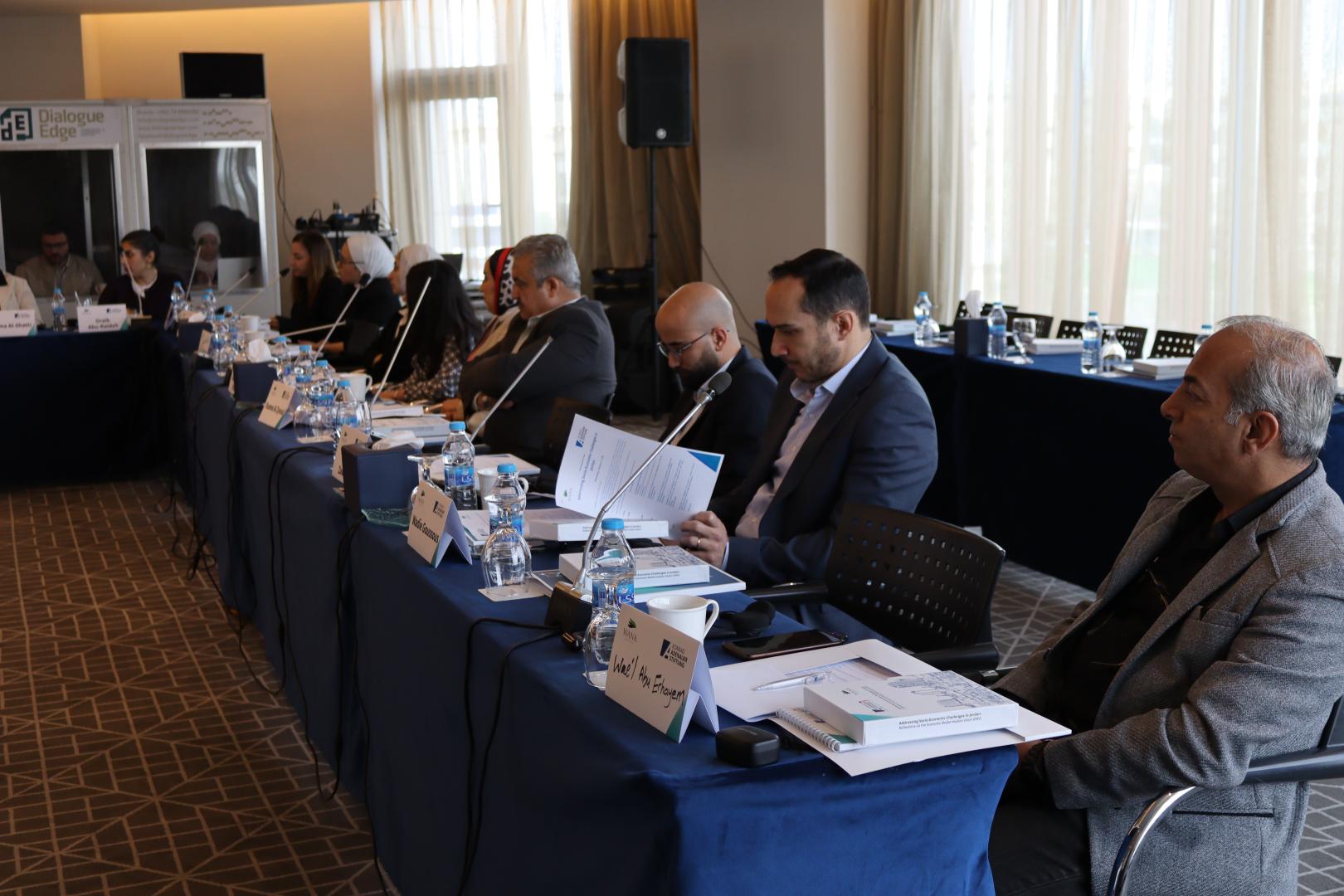
The event provided a valuable platform for exchange between academia, politics and practice. The intensive discussions demonstrated participants’ strong interest in the presented research findings and their desire to incorporate them into ongoing political reform efforts. Overall, the event made a contribution to strengthening evidence-based policymaking and promoting a deeper understanding of Jordan’s socio-economic challenges and potential solutions in the specific thematic fields.