






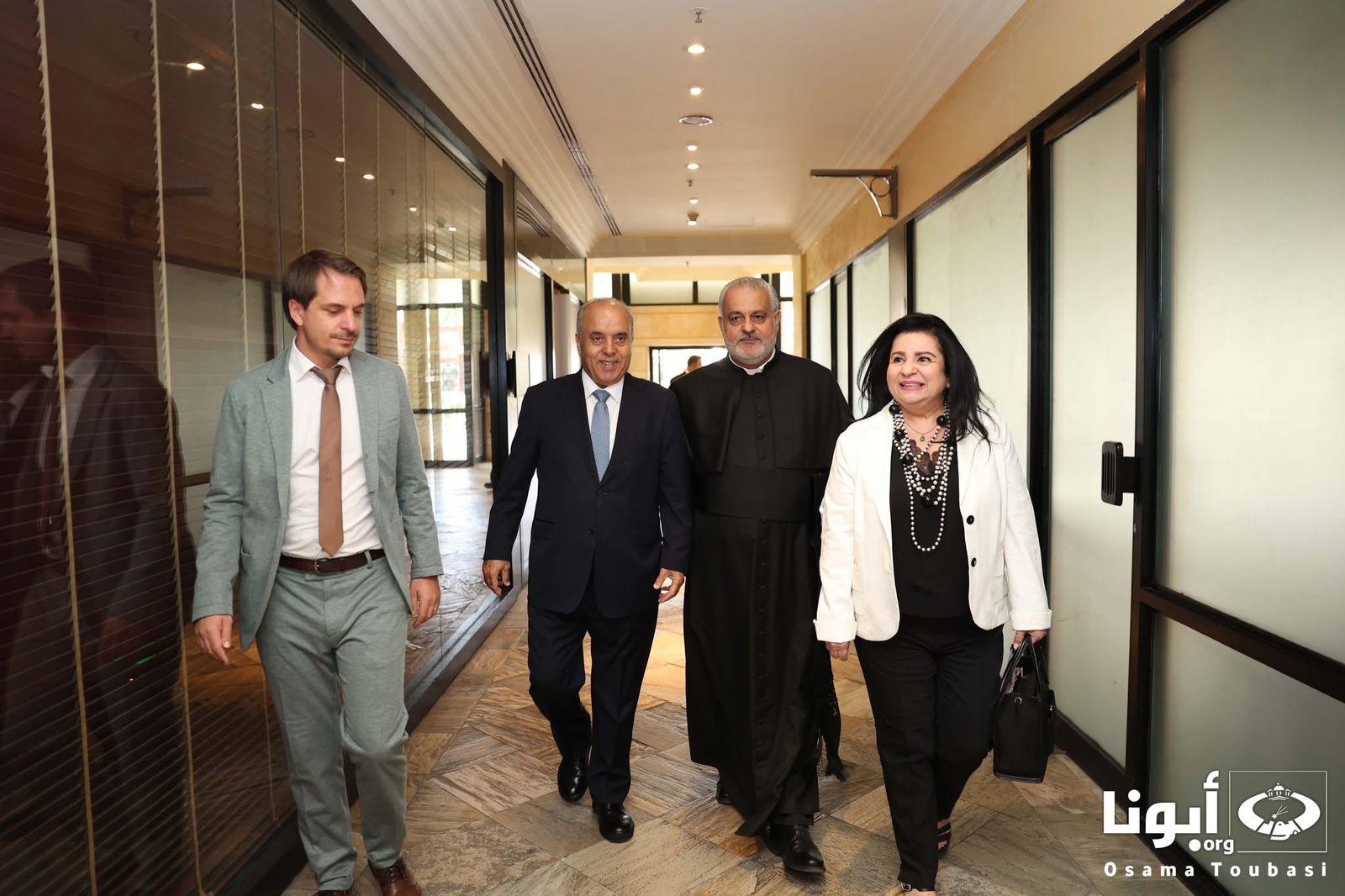
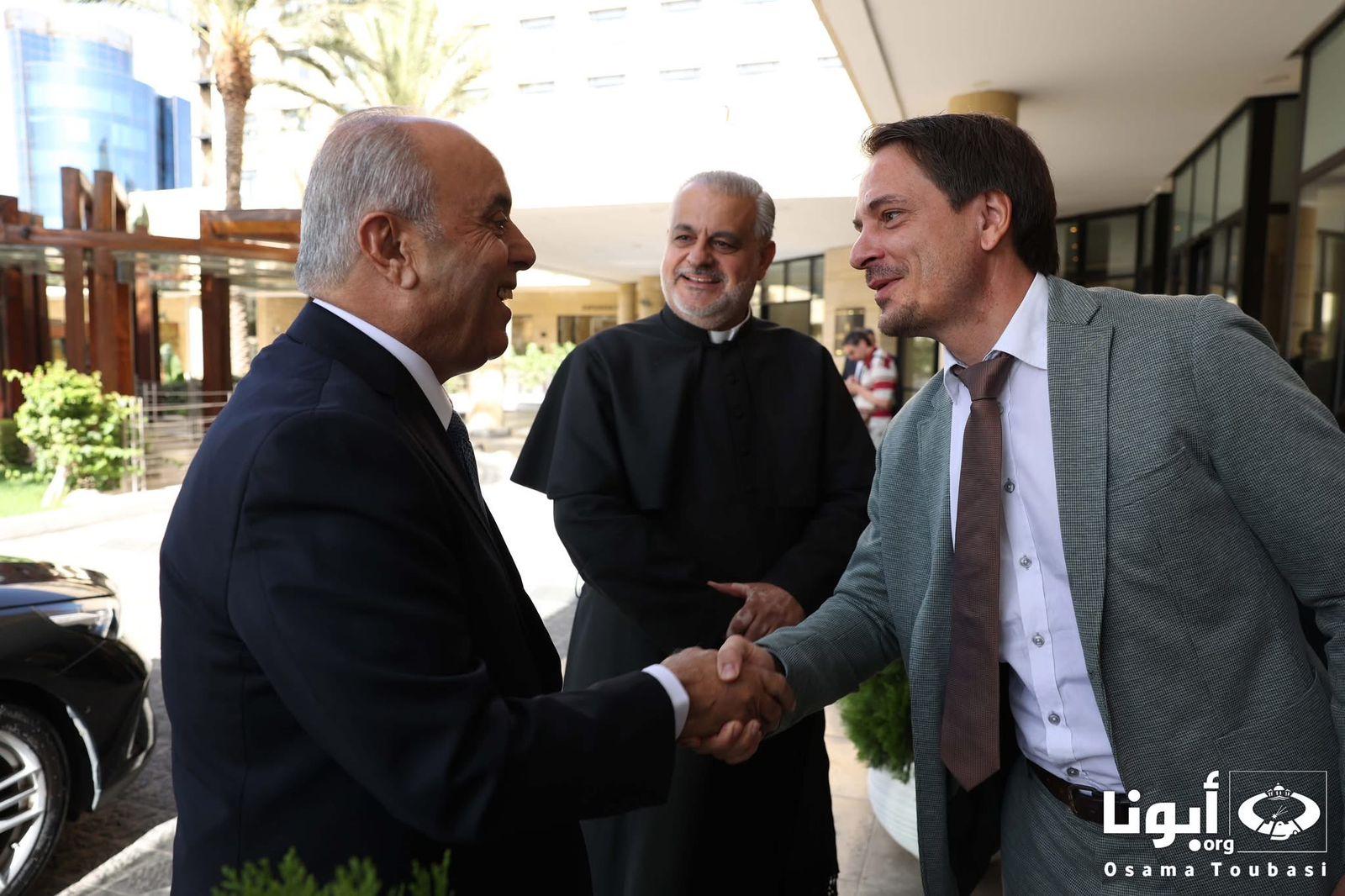
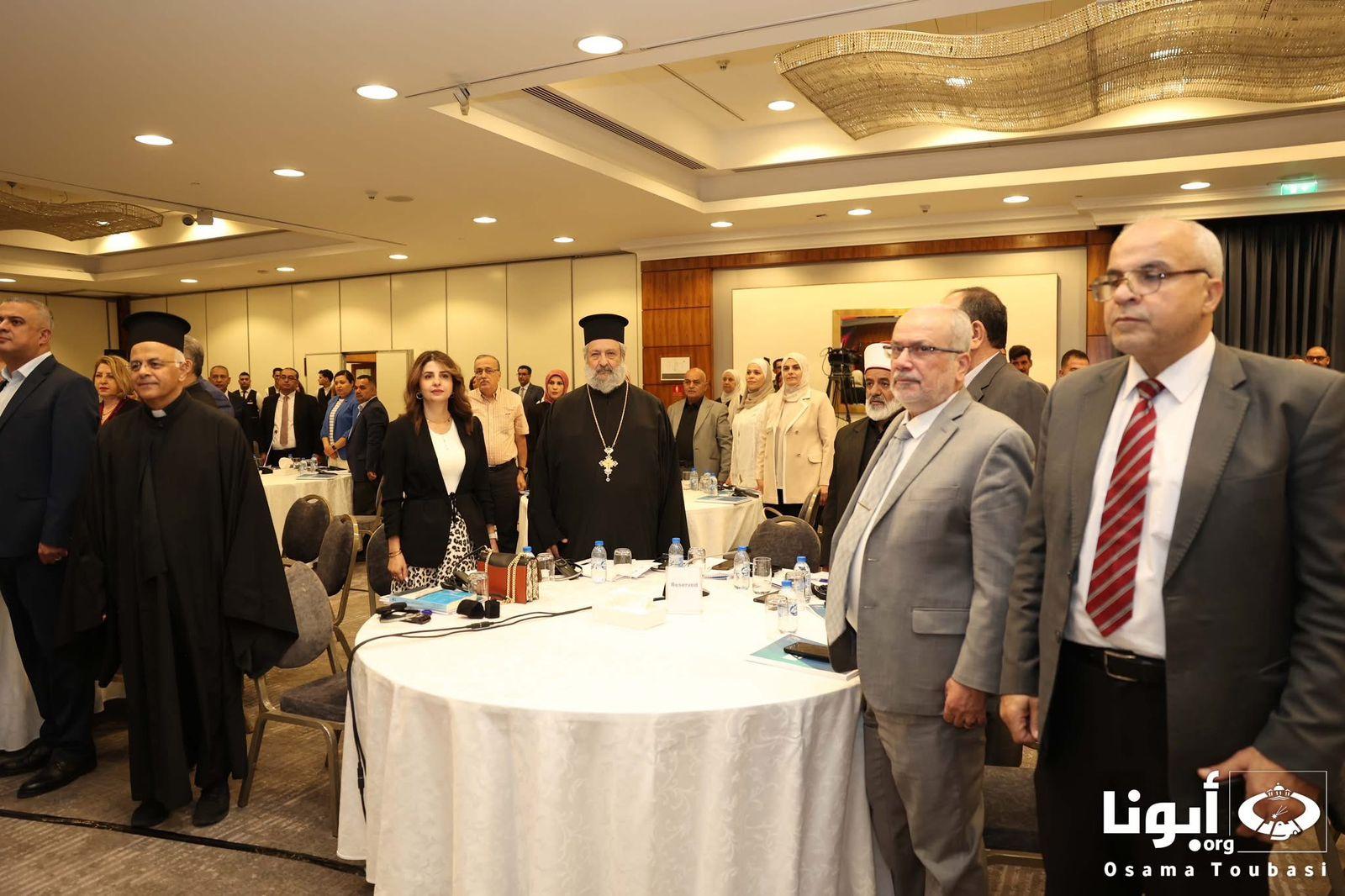
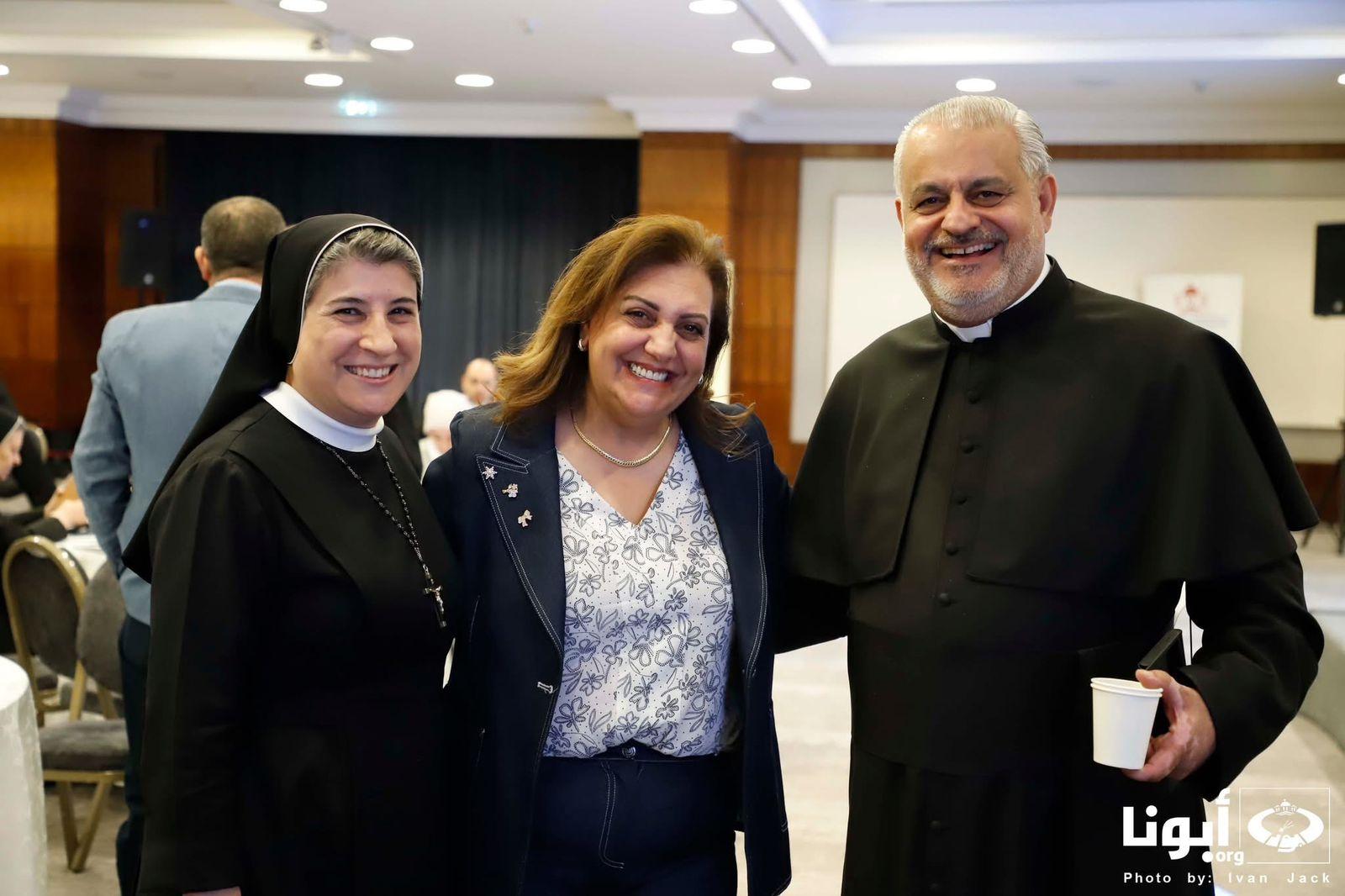
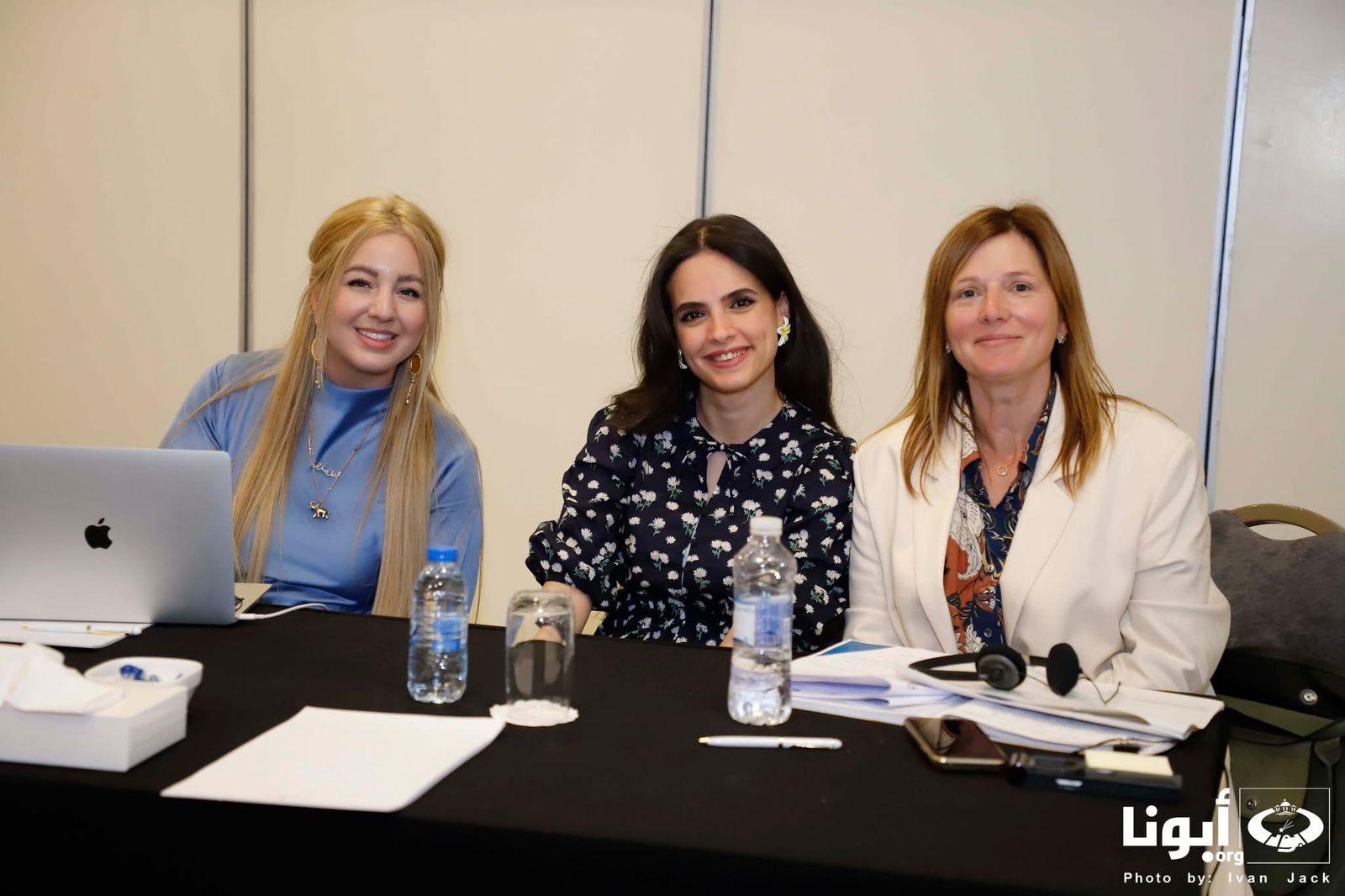

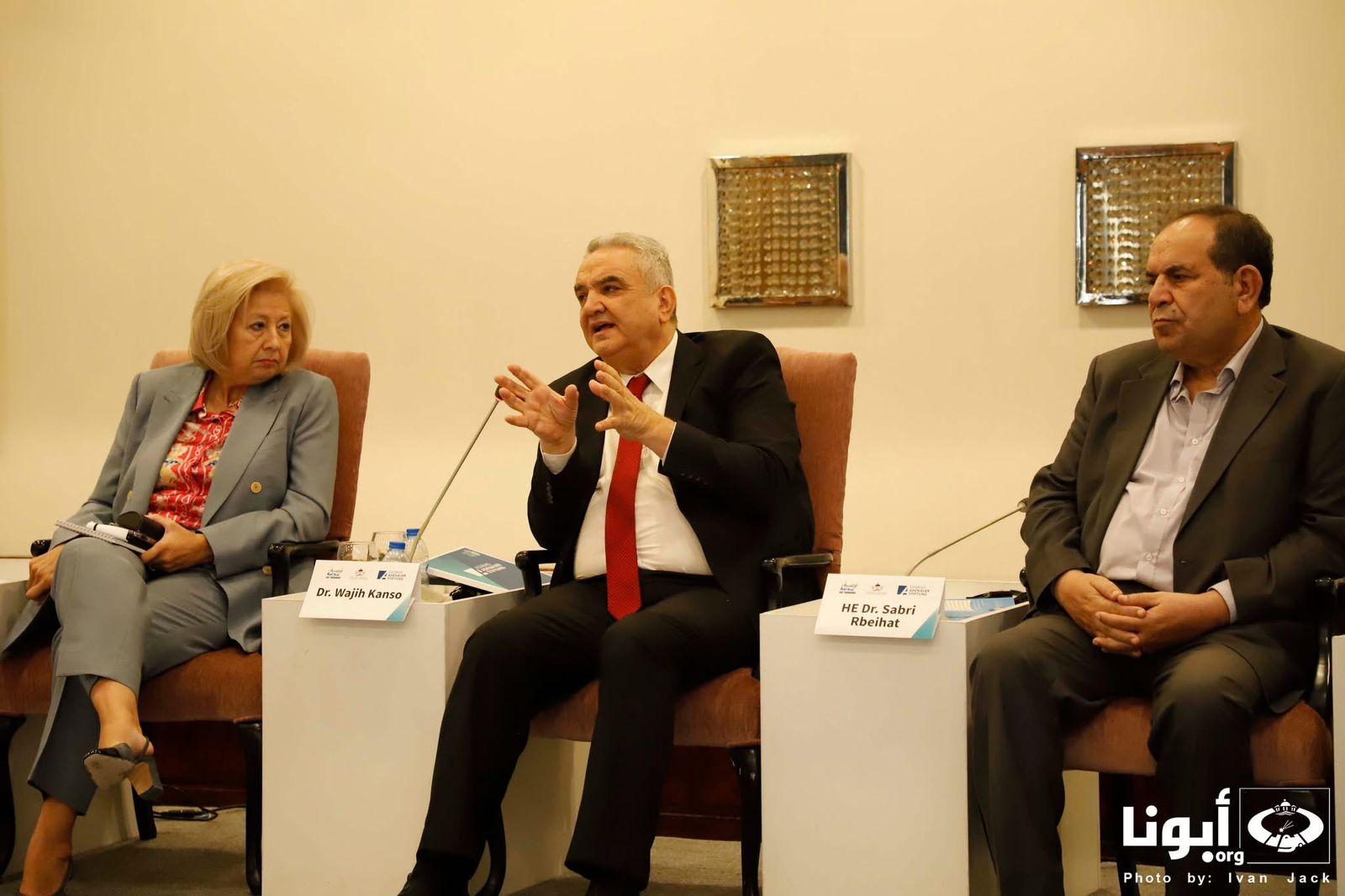
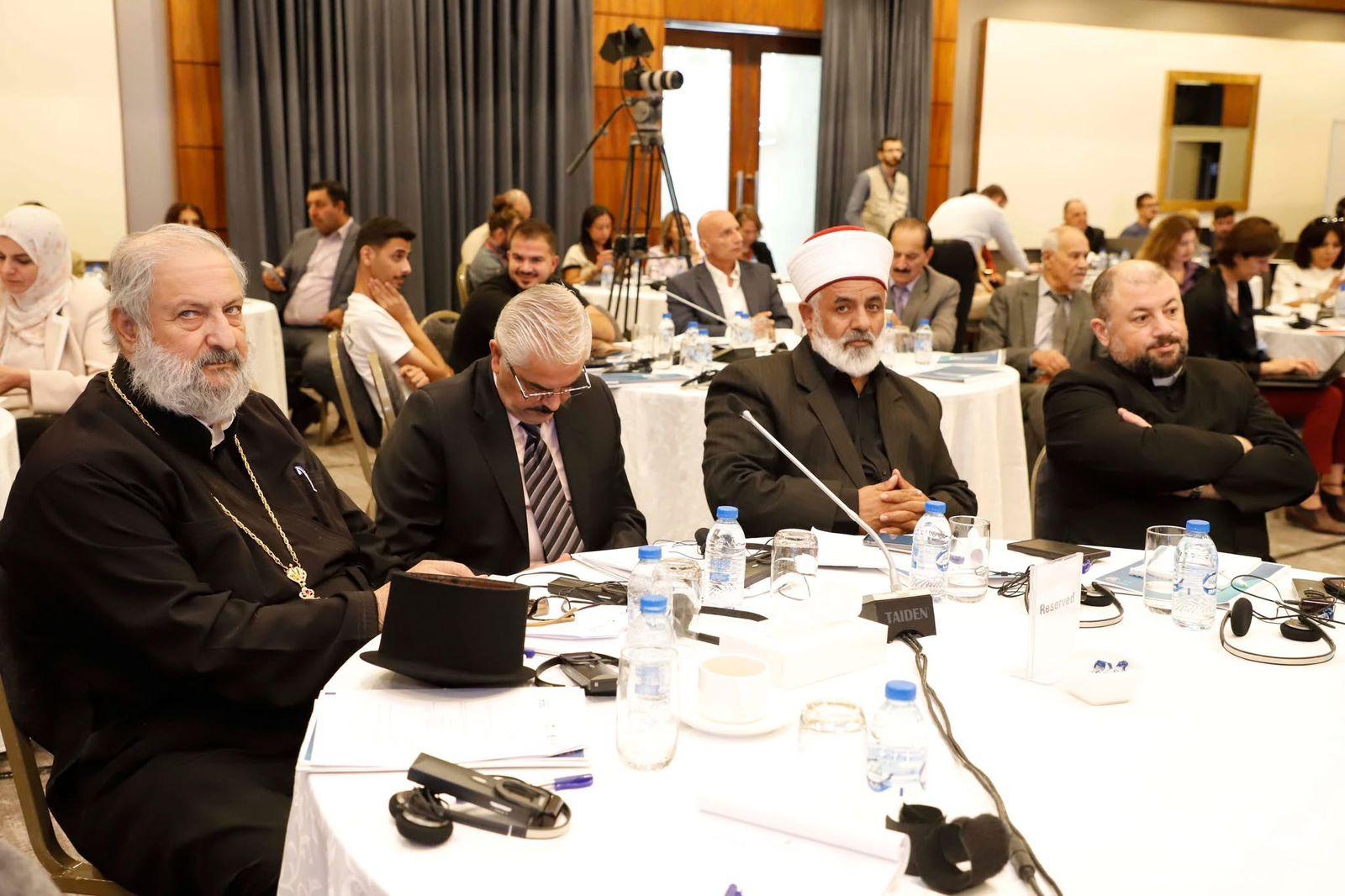
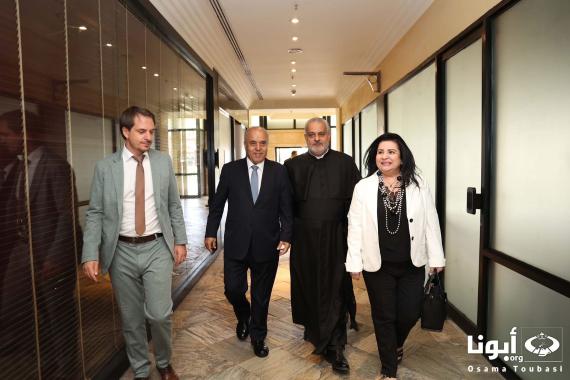
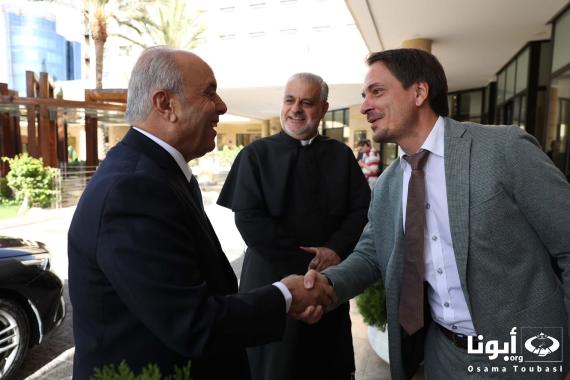
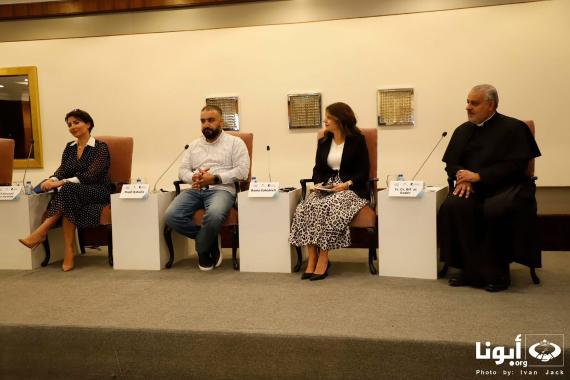

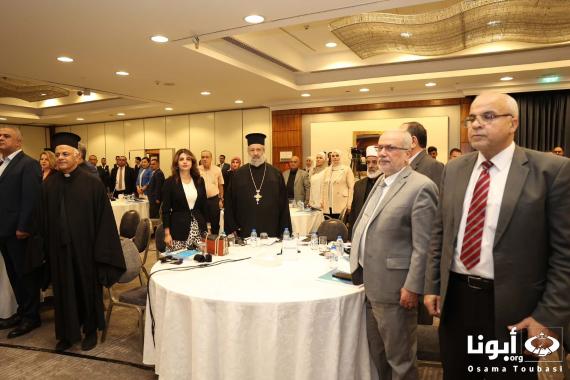

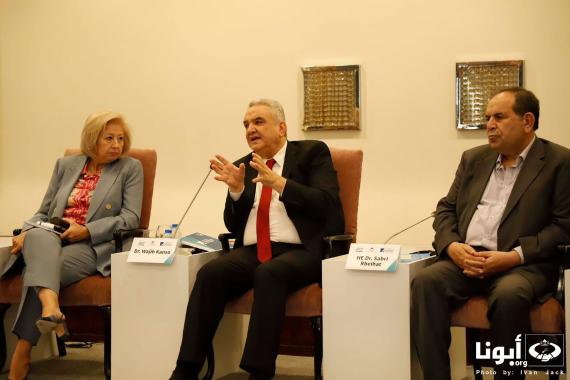
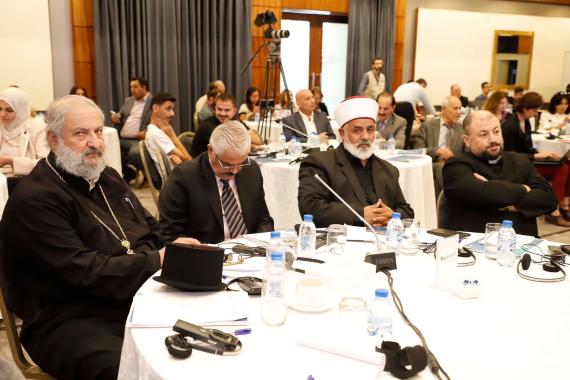
On 22 September 2025, under the patronage of H.E. Dr. Azmi Mahafzah, Minister of Education and Minister of Higher Education and Scientific Research of Jordan, the Konrad Adenauer Foundation Amman, in cooperation with the Jordanian Center for Civic Education and the Catholic Center for Studies and Media, hosted the conference “Civic Education and Religion: Building a Culture of Citizenship and Social Peace”. The event brought together a diverse group of academics, policymakers, educators, and religious leaders to reflect on the role of civic education and religion in strengthening citizenship and fostering social peace.
In his welcoming remarks, Dr. Mahafzah underlined the importance of civic education and curricula in nurturing a strong national identity based on shared values, while highlighting Jordan’s enduring commitment to peace at both the national and international level. He was joined in extending words of welcome by Dr. Edmund Ratka, Resident Representative of the Konrad Adenauer Foundation in Jordan and Fr. Dr. Rif‘at Bader, Director of the Catholic Center for Studies and Media, both of whom emphasized the significance of partnership and dialogue in advancing the conference’s goals.
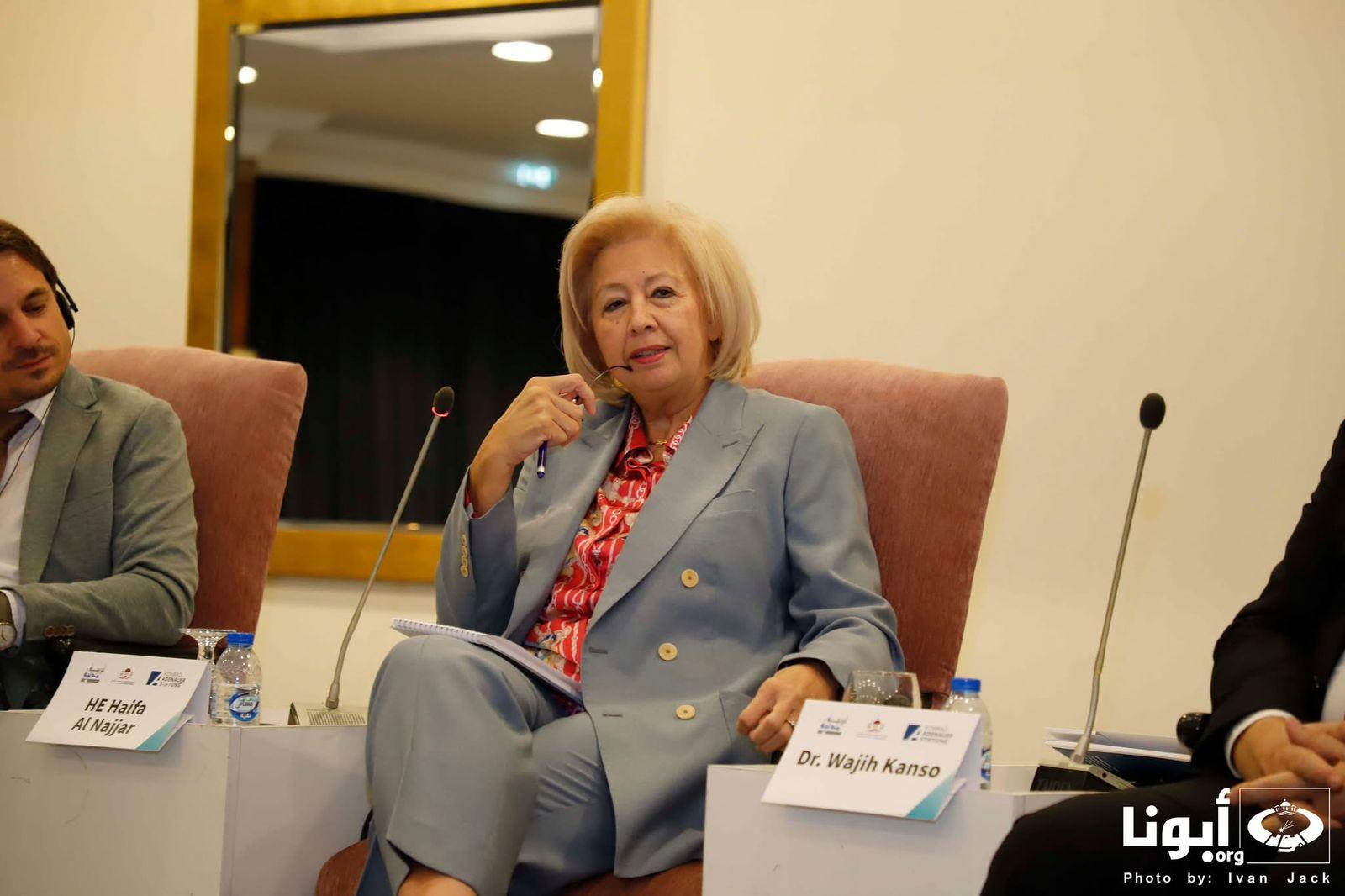
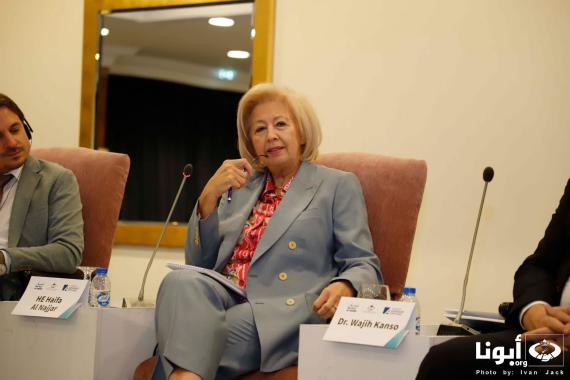
The opening panel, which included H.E. Haifa Al Najjar, Senator, former Minister of Culture, and General Director of the Ahliyyah and Bishop’s Schools, explored the relationship between religion and civic values. Discussions pointed to the potential of faith traditions to serve as a foundation for ethical conduct and dialogue, while also emphasizing the importance of fostering inclusion and coexistence in light of regional challenges.
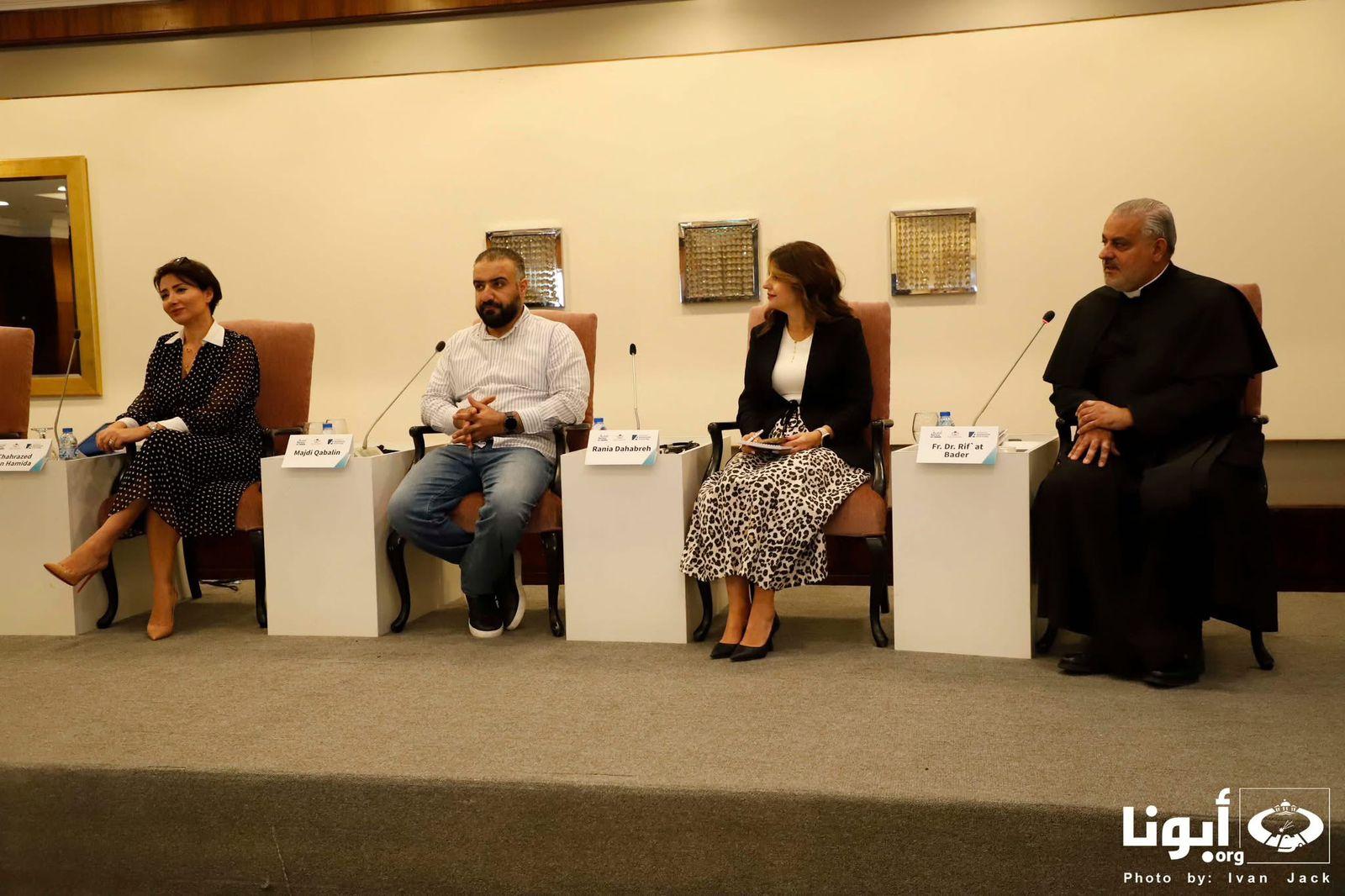
Later, a second panel brought together, among others, Chahrazed Ben Hamida, Legal Researcher and Expert in Conflict Management and Prevention of Violence, and Technical Advisor on Access to Justice at the Arab Institute for Human Rights in Tunisia. The conversation centered on the rapid transformation brought by the digital age, highlighting both its risks and opportunities. Participants reflected on the shift toward peer-driven, online forms of learning, while warning of challenges such as misinformation, hate speech, polarization, and the growing influence of artificial intelligence. At the same time, the potential of digital tools to promote dialogue and civic engagement was underscored.
The final panel featured Dr. Asma Al Sharrab, Head of the Humanities Department and Social Studies Curriculum Coordinator at the Jordanian Ministry of Education, in a discussion on the role of schools in cultivating a culture of citizenship and coexistence. Panelists stressed that education must go beyond academic instruction to instill respect for law, diversity, and civic responsibility. Schools were described as vital spaces for shaping citizens who can transcend tribal or religious identities and live together in peace.
The conference concluded with a strong call for synergy between civic education and religion in building social peace. Speakers agreed that families, schools, communities, and digital platforms all share responsibility for shaping responsible, ethical, and engaged citizens. By promoting shared values, respect, and inclusion, the event highlighted a collective vision of a more cohe-sive and peaceful society for future generations.
On 22 September 2025, under the patronage of H.E. Dr. Azmi Mahafzah, Minister of Education and Minister of Higher Education and Scientific Research of Jordan, the Konrad Adenauer Foundation Amman, in cooperation with the Jordanian Center for Civic Education and the Catholic Center for Studies and Media, hosted the conference “Civic Education and Religion: Building a Culture of Citizenship and Social Peace”. The event brought together a diverse group of academics, policymakers, educators, and religious leaders to reflect on the role of civic education and religion in strengthening citizenship and fostering social peace.
In his welcoming remarks, Dr. Mahafzah underlined the importance of civic education and curricula in nurturing a strong national identity based on shared values, while highlighting Jordan’s enduring commitment to peace at both the national and international level. He was joined in extending words of welcome by Dr. Edmund Ratka, Resident Representative of the Konrad Adenauer Foundation in Jordan and Fr. Dr. Rif‘at Bader, Director of the Catholic Center for Studies and Media, both of whom emphasized the significance of partnership and dialogue in advancing the conference’s goals.
The opening panel, which included H.E. Haifa Al Najjar, Senator, former Minister of Culture, and General Director of the Ahliyyah and Bishop’s Schools, explored the relationship between religion and civic values. Discussions pointed to the potential of faith traditions to serve as a foundation for ethical conduct and dialogue, while also emphasizing the importance of fostering inclusion and coexistence in light of regional challenges.
Later, a second panel brought together, among others, Chahrazed Ben Hamida, Legal Researcher and Expert in Conflict Management and Prevention of Violence, and Technical Advisor on Access to Justice at the Arab Institute for Human Rights in Tunisia. The conversation centered on the rapid transformation brought by the digital age, highlighting both its risks and opportunities. Participants reflected on the shift toward peer-driven, online forms of learning, while warning of challenges such as misinformation, hate speech, polarization, and the growing influence of artificial intelligence. At the same time, the potential of digital tools to promote dialogue and civic engagement was underscored.
The final panel featured Dr. Asma Al Sharrab, Head of the Humanities Department and Social Studies Curriculum Coordinator at the Jordanian Ministry of Education, in a discussion on the role of schools in cultivating a culture of citizenship and coexistence. Panelists stressed that education must go beyond academic instruction to instill respect for law, diversity, and civic responsibility. Schools were described as vital spaces for shaping citizens who can transcend tribal or religious identities and live together in peace.
The conference concluded with a strong call for synergy between civic education and religion in building social peace. Speakers agreed that families, schools, communities, and digital platforms all share responsibility for shaping responsible, ethical, and engaged citizens. By promoting shared values, respect, and inclusion, the event highlighted a collective vision of a more cohe-sive and peaceful society for future generations.
Image(s) Source: @Abouna