








- The affiliates of the so-called Islamic State in Somalia, eastern Democratic Republic of the Congo (ISCAP), and northern Mozambique (ISMP) have outlasted the collapse of the caliphate in Iraq and Syria and have evolved into resilient actors with extensive transnational networks.
- Their emergence and continued existence are rooted in local political, economic, and societal conflicts. At the same time, their integration into the Islamic State’s global network provides access to resources, recruitment structures, and transnational legitimacy.
- Unlike the larger Islamic State affiliates in the Sahel and West Africa, the East African branches have shown little interest in establishing lasting territorial control. Instead, they prioritise mobility, adaptability, and the development of cross-border financial, logistical, and recruitment networks.
- IS Somalia in particular has developed into a key node within the Islamic State’s global organisational architecture through the al-Karrar office, playing a central role in the financing, coordination, and networking of other affiliates.
- The strategic importance of East Africa is increasing due to its proximity to the Arabian Peninsula, to major maritime trade routes, and to regional conflict zones. As a result, the Islamic State’s East African affiliates may come to play a more significant role within the global jihadist network than their relatively small size would suggest.
Introduction
A decade after the blooming phase of the Islamic State and its subsequent territorial defeat in Iraq and Syria, the organisation’s spirit and ideology are anything but dead. While a number of provinces that the Islamic State created have long disappeared, others are persistent or even on the rise. It is the Islamic State Khorasan Province (ISKP) in Afghanistan and the IS Turkey Province that currently possess the ability to pose direct threats on a global level.[i] Recent attacks and thwarted plots in Europe, the Middle East, and Asia have provided evidence that these two IS offshoots can act far beyond their primary areas of operation. However, sub-Saharan Africa has distinguished itself as the new global epicentre of terrorism. In 2024, the African affiliates of IS were responsible for around 70 per cent of global attacks and more than 60 per cent of overall victims.[ii] In 2025, despite a 15-per-cent fall in the number of attacks attributed to IS globally, in sub-Saharan Africa, the number of attacks almost doubled, rising from 111 to 221 incidents. Comparably, in the same period, IS attacks in the Middle East and North Africa fell by 39 per cent.[iii]
Among the five currently operational IS branches on the African continent, IS Sahel Province (ISSP)[iv] and IS West Africa Province (ISWAP) constitute the most powerful organisations in terms of territorial control, manpower, and combat activity. Now that the once-vibrant offshoots in North Africa – namely the provinces in Libya and on the Sinai Peninsula of Egypt – are either inactive or have disappeared, the IS affiliates in Somalia, eastern Congo, and Mozambique constitute the organisation’s second guard on the continent. The oldest among them – IS Somalia – came into existence in October 2015 during the first wave of province formations by IS on the African continent. However, IS Somalia was only assigned the official status of a province of the Islamic State in December 2017. The uniqueness of the Somali branch lies in the fact that since its inception, it has had to carve out space and assert its relevance within the core territory of al‑Shabaab – al‑Qaeda’s strongest African ally. On the other hand, the IS affiliates in eastern Congo and northern Mozambique were only formally recognised as Islamic State provinces in 2019, well after the peak of the IS core in the Middle East. The two initially operated under the unified label of IS Central Africa Province (ISCAP), but in April 2022, they became autonomous entities, with the branch in eastern Congo continuing to carry the former name and the Mozambican wing trading as the Islamic State Mozambique Province (ISMP).
The three East African provinces of the IS[v],[vi] share a number of commonalities. They all have their roots in local conflicts and insurgencies that long predate the emergence of IS central, and they all formed out of breakaway factions or splinter groups of pre-existing non-state armed groups. Furthermore, none of the three managed to gain significant territorial control, nor did they maintain it over longer periods of time; instead, they all came close to full military defeats at times. However, these three East African IS branches have had the tenacity to withstand massive military pressure by government forces and regional or international alliances[vii] as well as the ability to recover and regain strength. At the same time, these branches have typically fielded smaller fighting forces, usually expressed in hundreds rather than in thousands, and with modest combat capabilities ifcompared with more populous Islamic State provinces in West Africa.
The academic debate about the relationship between the IS core and its affiliates and about a local national versus a global jihadist identity – even if already a decade old – still guides and informs research on these three cases. Against the backdrop of an assessment of the origins of these three small organisations, of their MINT (Motives, Ideologies, Networks, and Terrorism), and of their TTPs (Tactics, Techniques, and Procedures), the present article evaluates the extent to which the East African IS branches are still embedded in long-lasting local conflict dynamics in respective countries by specifically examining their ideological orientation and their response to the idea of global jihad. The article also analyses how the three IS branches are tactically and strategically aligned as well as how they recruit and motivate their fighters.
With this assessment, the article makes two central arguments: first, that the persistence of the East African offshoots of the Islamic State owes to the dual identities of these offshoots, which are rooted in ethnic-based conflicts as well as in local, political, and economic grievances on the one hand and are fuelled by global jihadism on the other hand. Second, by challenging the prevailing threat hierarchies that equate territorial control and fighter numbers (as is the case in Western Africa and the Sahel) with strategic consequences, the article argues that the East African IS affiliates – though numerically small and geographically dispersed – have undergone a functional transformation into hubs of finance, external operations planning, and transnational recruitment and stand as viable proxies in the externalisation scheme of Middle Eastern conflicts. This analysis of the recent composition and roles of East African IS branches contributes to the debate in academic and professional circles regarding the notion that the centre of gravity of Islamic State operations is shifting or has already shifted from the Middle East and North Africa to sub-Saharan Africa.
 Imago / Anadolu Agency
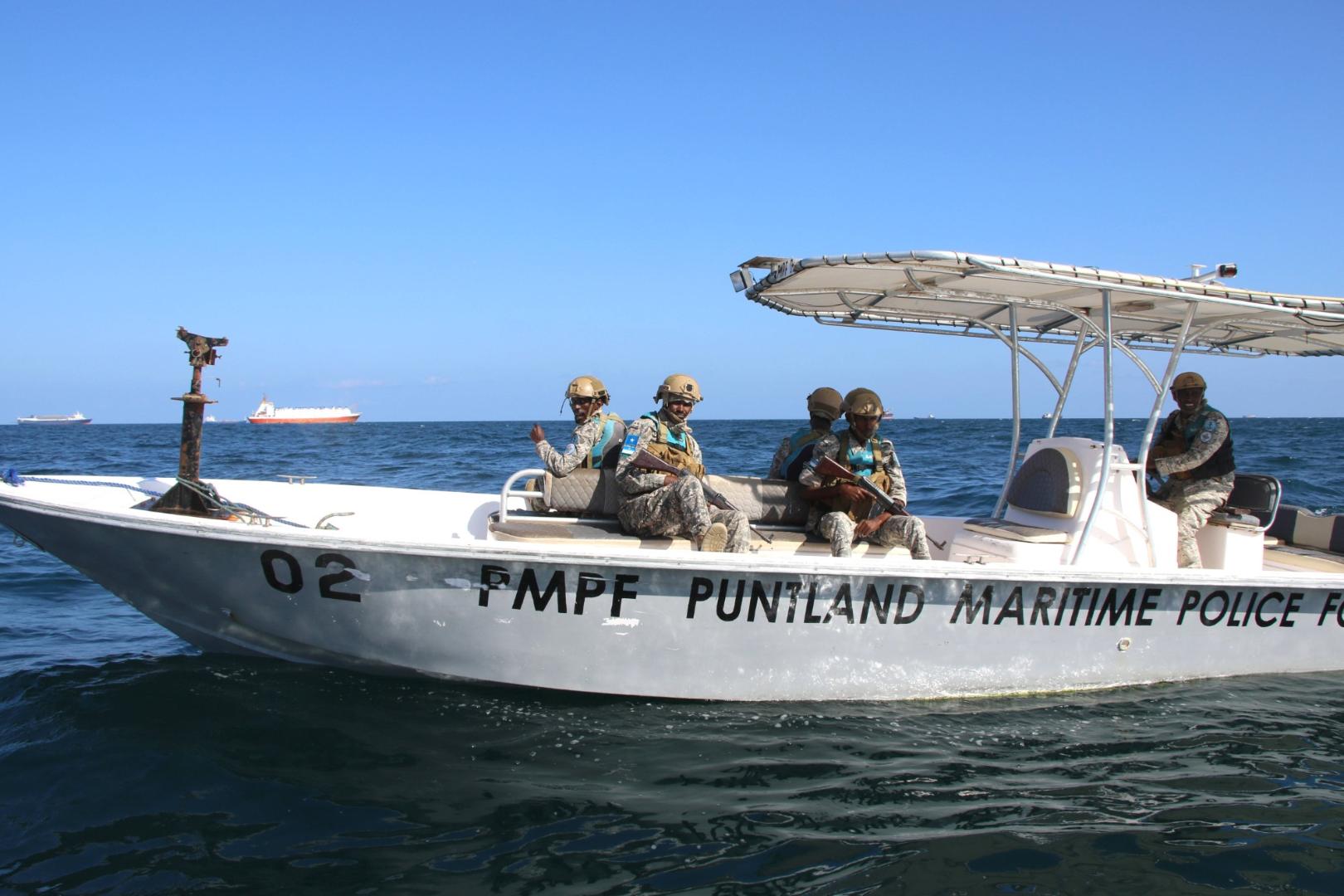
The Islamic State Somalia Province
Now, more than ten years after a small group of fighters led by Abdul Qadir Mumin broke away from al-Shabaab and – by pledging allegiance (bayah) – founded the IS offshoot in Somalia, there is only limited knowledge in expert and academic circles about the structures and functioning of this small organisation.[viii] This is in clear contrast to other IS provinces and to the significantly larger al-Qaeda branch in Somalia: namely al-Shabaab. The fact is that since IS's first charm offensive in spring 2015,[ix] al-Shabaab has consistently resisted any advances to dissolve its strategic alliance with al-Qaeda and to switch sides and has taken rigorous action against dissenters within its own ranks. As a result, a number of IS structures that had been in the process of developing in Somalia were annihilated by al-Shabaab. Only in the semi-autonomous state of Puntland in northern Somalia and in isolated areas in the greater Mogadishu region has IS been able to gain a foothold on Somali soil and maintain its position to this day despite massive military pressure from the central government and its international and regional allies, not least al-Shabaab.
Emergence and persistence
Three factors are key to explaining the emergence of IS in Puntland and to answering the question as to why the organisation was able to establish itself here but failed elsewhere in Somalia[x],[xi]: (1) the socio-political landscape in Puntland, which is characterised by clan rivalries and a weak state presence; (2) the distinct history of al-Shabaab in northern Somalia, which reflects the aforementioned clan politics and is marked by internal organisational divisions; and (3) the figure of Abdul Qadir Mumin, who – with his international experience – made a career within al-Shabaab and originates from Puntland.
The clan based in Puntland – which essentially supported the al-Shabaab structures in northern Somalia from 2007 and 2008 onwards – consists of the Warsangeli from the Harti branch of the Darud clan family.[xii] In recruiting supporters from this clan, al-Shabaab was able to take advantage of a conflict that had arisen in 2005 and 2006 between the Government of Puntland and the Warsangeli over the development of oil reserves in the clan's territory for foreign companies.[xiii],[xiv],[xv] However, the group in Puntland operated far away from al-Shabaab's strongholds and main theatre in central and southern Somalia and was described as a “relatively isolated and less important al-Shabaab outpost”[xvi] in light of its status by 2012. During this phase, the al-Shabaab leadership sent a man to northern Somalia who had joined the organisation only two years earlier[xvii],[xviii] but who had quickly made a name for himself as both a religious authority[xix],[xx] and an effective organiser of recruitment campaigns and who originated from Puntland. Equipped with this experience and the important attribute of his origins, Abdul Qadir Mumin was tasked with supporting the build-up of al-Shabaab's structures in the north of the country and with strengthening the channels of communication with the important ally of al-Qaeda on the Arabian Peninsula (AQAP) in Yemen.[xxi]
Although Abdul Qadir Mumin's popularity and reputation as one of the organisation’s religious leaders continued to grow, he realised that there were clear limits to his rise within al-Shabaab and that he would never hold absolute leadership in Puntland.[xxii] Apart from lacking any qualifications as a battlefield commander, as a member of the Majerteen/Ali Salebaan clan, he belongs to a different clan from the Harti branch of the Darud clan family than the Warsangeli, in whose territory al-Shabaab had its Puntland base at the time. His international background and origins had promoted Abdul Qadir Mumin's career within al-Shabaab. However, the political reality in Puntland, which is based on clan dynamics, defined the limits of his rise.[xxiii],[xxiv] Consequently, most experts who have studied the emergence of IS in Somalia conclude that it was primarily his own frustration and less ideological nuances in the orientations of al-Qaeda and IS that prompted Abdul Qadir Mumin's decision to break away from al-Shabaab in October 2015 and to pledge allegiance (bayah) to Abu Bakr al-Baghdadi.[xxv]
Although initially only a very small group of fighters supported the split from al-Shabaab and followed Abdul Qadir Mumin,[xxvi] the group was subsequently able to consolidate its position in its new retreat area of the Cal Miskaad and Golis mountain ranges. The reasons for the group's persistence and resilience despite periods of massive military pressure are considered to be the difficult terrain of its area of operations, its comfortable financial resources, its effective recruitment strategy, and its tactically efficient and sophisticated operational capabilities. Added to this is the ability to effectively exploit the shortcomings of government forces and disputes between the federal and Puntland governments.
Leadership, organisational structure, and networks
The IS Somalia province (Wilayat Somal) is integrated into the global leadership structures of IS, which is headed by the General Directorate of Provinces (GDP). This directorate oversees a number of offices (Makatib)[xxvii], each of which coordinates several provinces. The offices that are currently active include Maktab Ard al-Mubarakah, which coordinates the IS's operations in Iraq and Syria; Maktab al-Sadiq, which is responsible for Afghanistan, Pakistan, Iran, and South Asia; Maktab al-Karrar, which is in charge of Somalia, the DRC, Mozambique, and other parts of Africa; and Maktab al-Furqan, which covers the Lake Chad Basin and the Sahel.[xxviii],[xxix]
Since the establishment of the Karrar office (Maktab al-Karrar) sometime in 2018, the command-and-control structure of IS in Somalia has been characterised by its dual role as both a semi-autonomous province and a strategic hub that hosts a coordinating body for IS’s operations in East Africa and beyond. The responsibilities and internal structure of the Karrar office may have changed slightly over the years; however, the main task of this body – based in a remote region of Puntland – is undoubtedly to oversee the IS provinces of Somalia, the DRC, and Mozambique as well as to coordinate and manage financial flows between these three East African IS outlet branches and facilitators in other parts of Africa, particularly via the Furqan office (Maktab al-Furqan). In addition, there are reports of contact and connections with a number of groups and individuals including criminals, terrorists with completely different ideological orientations, and government officials for the purpose of managing financial transfers, conducting arms deals, transferring knowledge, and facilitating strategic consultations.[xxx],[xxxi] Little information is available about the internal structures of the Karrar office. Some sources suggest that this body bears similarities to the top-level leadership structures of IS and is also divided into specialised departments with a strict hierarchy and clearly defined responsibilities.[xxxii]
The same applies to the command-and-control structures at the provincial level, which primarily comprise the position of provincial governor (Wali) at the top and a council (Shura) as the main advisory and decision-making body. While these structures were established in the period following the split from al-Shabaab, there seems to be some overlap now in terms of personnel and structure between the provincial command-and-control system and the newer Karrar office.
Since its emergence at the end of 2015, Abdul Qadir Mumin has served as governor of IS in Somalia with sole authority.[xxxiii],[xxxiv] With the establishment of the Karrar office, he has transferred the position of governor to his former deputy, Abdirahman Fahiye Isse Mohamud, and entrusted him with the day-to-day operations of the province. At the same time, he has retained de facto control over IS Somalia and has significantly expanded his sphere of influence and power by taking over the leadership of the Karrar office.
Most recently, the IS Somalia province and its founder, Abdul Qadir Mumin, have been gaining additional attention. Reports suggest that in addition to the senior staff affiliated with the Karrar office, key personnel of the core organisation’s leadership – namely the Directorate of Provinces – might have moved from their traditional base in Syria and Iraq to Somalia.[xxxv] Furthermore, several sources agree that following the death of the fourth caliph – Abu al-Hussein al-Husseini al-Qurashi – in April 2023 in Syria, the overall leadership of IS and thus also the position of caliph passed to Abdul Qadir Mumin. The question as to who is behind the pseudonym “Abu Hafs al-Hashimi al-Qurashi” and who is acting as the fifth caliph is a matter of debate in academic and security circles. Arguments against Abdul Qadir Mumin include his non-Arab origin. The fact that he does not belong to the Quraish tribe and is therefore not a direct descendant of the Prophet Mohammed strongly contradicts IS ideology and threatens the legitimacy of this organisation at its core. Operational aspects in particular support the theory involving Abdul Qadir Mumin. In recent years, the focus of IS operations worldwide has shifted increasingly from the Middle East to Africa. Somalia would be the most suitable location for coordinating the organisation’s activities in Africa while maintaining contact with its important branches in Syria, Iraq, Turkey, and Afghanistan.
Motivation, recruitment, identity
A key factor in the emergence of al-Shabaab in 2007 was the intervention by Ethiopian forces against the Islamist government in Somalia.[xxxvi] Although the struggle against the invaders certainly had an ideological dimension, it primarily involved defending Somalia, which in the course of the war was extended to all areas of the Horn of Africa populated by ethnic Somalis. The reason behind the founding of IS in Somalia, in contrast, was that Abdul Qadir Mumin's group felt restricted in the Somali (clan) context and was inspired by the global reach of events in Syria and Iraq at that time.
The core group of IS in Somalia – which in the early years was certainly the largest faction within the organisation – consists of members of Abdul Qadir Mumin’s clan of the Majerteen/Ali Salebaan.[xxxvii],[xxxviii],[xxxix] However, the organisation has long had a highly heterogenous composition, which has been further reinforced by the strong growth of personnel numbers over the last two years.[xl] Effective recruitment campaigns have been one of IS Somalia's strengths from the outset in addition to its ability to generate substantial revenue.[xli],[xlii] As a result, the organisation has repeatedly succeeded in poaching experienced fighters or facilitators from al-Shabaab, in gaining supporters among pirates and smugglers, and in recruiting new personnel with no history in any of the aforementioned groups.[xliii] The latter also include – to a lesser extent – child soldiers as young as ten.[xliv] Another important and recently rapidly growing group is represented by foreign fighters, who – according to different sources – originate mainly from Ethiopia, Tanzania, Yemen, Sudan, Morocco, Libya, Tunisia, Uganda, and Syria.[xlv] Estimates from various sources suggest that IS Somalia's personnel strength could have risen to as many as 1,600 fighters in the course of 2025 despite losses in the context of the Puntland security forces' offensive.[xlvi] As a result, the majority of the group may no longer be made up of Somalis even though Somalis apparently occupy a significant proportion of the leadership positions.[xlvii] Tensions are reported primarily between fighters from African and Arab countries.[xlviii]
Within the spectrum of Islamist groups and organisations in Somalia, there have been repeated splits and new formations that are supposedly based on ideological grounds but that have in fact been due to personal or clan-based rivalries and particular interests. Thus, al-Shabaab and IS Somalia are not as ideologically far apart as the accusations that are regularly and vehemently made in their propaganda organs would suggest. It seems questionable whether supporters of the two competing organisations can understand the religious derivation of IS's central ideological tool of excommunication (takfir) – that is, the declaration of other Muslims as infidels. A tangible difference in terms of ideological and strategic orientation lies in al-Shabaab's goal of establishing an Islamic emirate in the areas of the Horn of Africa populated by ethnic Somalis, while IS Somalia views itself as a province of a global caliphate that transcends ethnic and national boundaries.[xlix]
Military capabilities and their role in global jihad
Only about one year after its formation – and at a time when the core organisation in Syria and Iraq still controlled a significant territory – IS Somalia achieved its most visible success with the capture and approximately six-week occupation of the port city of Qandala. Since this brief territorial interlude, IS operations have been limited to classic guerrilla warfare with hit-and-run attacks, ambushes, the use of Improvised Explosive Devices (IEDs), the selective use of suicide bombers, and targeted killings and kidnappings.[l] In January 2025, IS Somalia demonstrated the initial capability to effectively deploy armed drones.[li]
However, more impressive than the military activities of IS Somalia are the operations launched over the past ten years by al-Shabaab, the Somali state, and its allies, which have regularly aimed to destroy the group or to significantly impede its ability to act. In the wake of al-Shabaab's massive response to the splits and the emergence of IS cells in the course of 2015,[lii],[liii] skirmishes and larger clashes between armed forces of both organisations continue to occur to this day.[liv],[lv] This fierce resistance from the Somali al-Qaeda affiliate has repeatedly resulted in personnel losses for IS Somalia and has significantly contributed to limiting its area of operations to Puntland. The most effective counter-terrorism operations against IS's nerve centre in Somalia – namely its senior leadership, its command-and-control structures, and its financial structures – have been carried out by US forces.
During the Biden administration, the US armed forces carried out a capture operation against the key facilitator of the Karrar office – Bilal al-Sudani – in January 2023 and an air strike targeting Abdul Qadir Mumin in May 2024. In terms of the complexity of its preparation, the operation that ultimately led to the killing of al-Sudani and 10 of his fighters was compared to the mission against Osama bin Laden. Al-Sudani's death was seen as a serious setback for the expansion of IS structures on the African continent and beyond.[lvi] Since the beginning of Trump's second term in office, the US armed forces have significantly expanded their air operations against IS Somalia. The first foreign policy action of the new US administration in Africa was in a massive air strike in Puntland targeting Ahmed Maeleninine, the key figure for external operations in Europe and the US.[lvii],[lviii] In July, Bilal al-Sudani's successor as finance chief of the Karrar office was captured in a raid.
What distinguishes US operations in 2025 from those during the Biden administration is not primarily their quantity, but rather their expansion to targets beyond top leadership and[lix],[lx] – above all – the legal justification for the attacks. Since early 2025, the Trump administration has been arguing not only with the dangers to regional stability, but also with the threat to US homeland security.[lxi] This is attributed to the de facto doubling of IS Somalia's military forces, to the sharp increase in the number of foreign fighters in the organisation’s ranks, and to its continuing central role in coordinating international activities, especially the processing of financial transfers.
 Imago / Xinhua
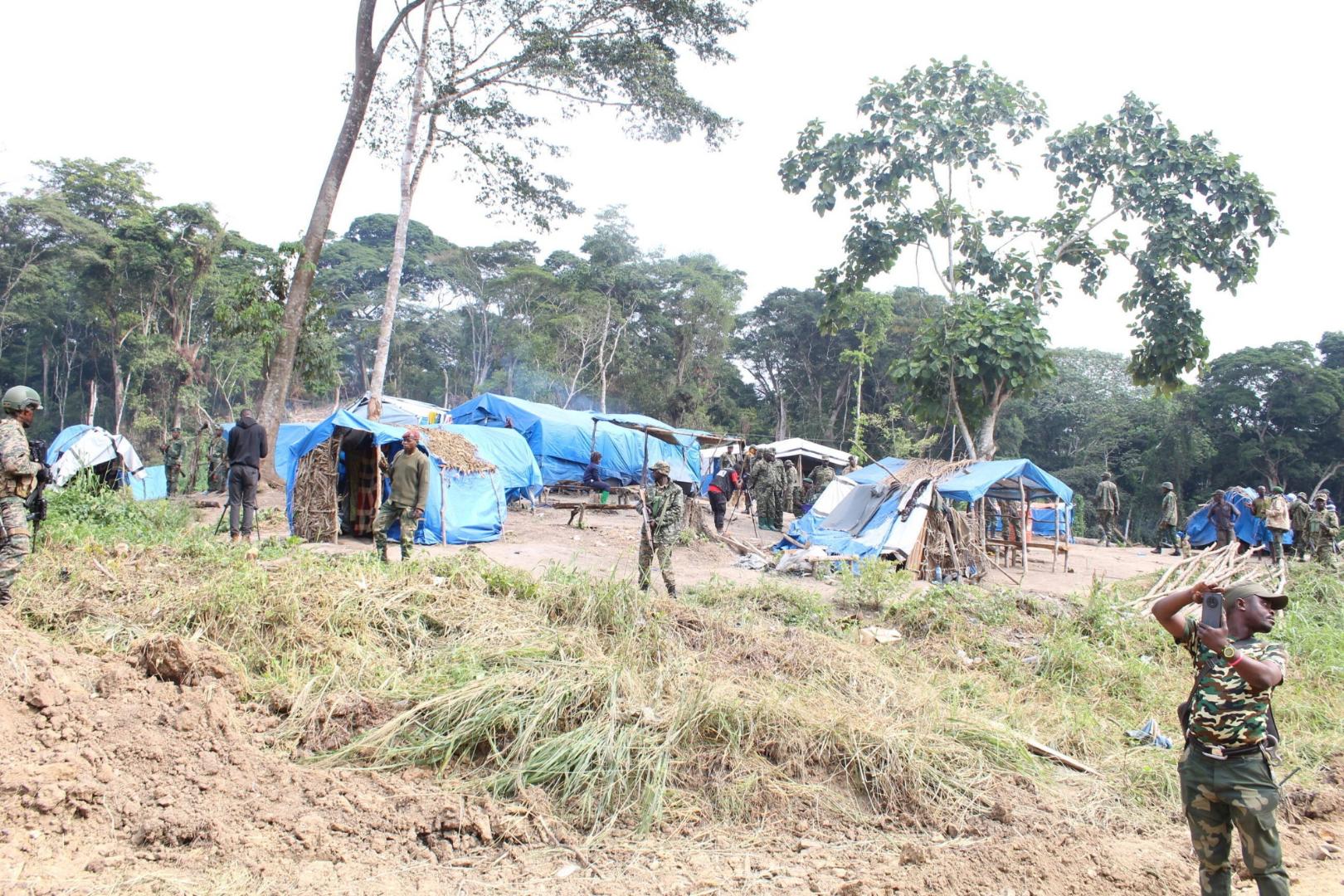
The Islamic State’s Central Africa Province – ISCAP (Wilayat Wasat Ifriqiya)
At its inception in April 2019, the Islamic State Central Africa Province (ISCAP) – designated by the Islamic State (IS) core as Wilayat Wasaṭ Ifriqiya – comprised two distinct militant groups: the Allied Democratic Forces (ADF) in the Democratic Republic of the Congo and the Ahlus Sunnah wal Jamaah (ASWJ) in Mozambique. Whereas both groups were born out of pre-existing local insurgencies, they bore profound differences in organisational capabilities and leadership composition.[lxii] Over time, this initial structure fissured, with the Mozambican faction being formally recognised as an independent Wilayat (province) – the Islamic State Mozambique Province (ISMP) – in 2022, while the DRC-based branch retained the ISCAP designation.[lxiii]
Origins and predecessor organisation
The core of ISCAP in the DRC is the Allied Democratic Forces (ADF). Originating in the mid-1990s as a Ugandan rebel group, the ADF has long defied easy categorisation, exhibiting ideological ambiguity and operational fluidity while acting primarily as a survival-oriented insurgency that operates cells in both eastern DRC and across the border in western Uganda. The ADF underwent a gradual process of Islamist reorientation starting in 2010, when the group began referring to themselves as Madina at-Tauheed wa Mujahedeen (MTM), thereby signalling a shift towards a Salafi-jihadist discourse and identity construction.[lxiv] Around the same time, the group’s international notoriety also increased, and in January 2011, the Ugandan government officially issued an arrest warrant for its leader, Jamil Mukulu.[lxv] One month later, INTERPOL also added Mukulu to the international red notice.[lxvi] By the end of 2011, the UN[lxvii] and the United States[lxviii] had sanctioned Mukulu. On the ground, the ADF’s aggressive tactics resulted in steady territorial gains. By 2013, the ADF had influence over 420 square kilometres of Beni’s “triangle of death”, and its membership was estimated to be between 1,600 and 2,500 militants.[lxix]
Jamil Mukulu was arrested in Tanzania in 2015 while attempting to cross to northern Mozambique, where he was reportedly training an affiliate group of fighters. His arrest left the ADF facing a crisis of legitimacy and financing.[lxx] The group lost not only its founder and leader, but also the focal point of its international financing network. His deputy Musa Baluku[lxxi] took command of the remaining fighters. However, Mukulu attempted to remain influential even in his captivity, thereby causing an internal split, with some fighters remaining loyal to Mukulu. In order to cement his power, Baluku sought proximity to IS. Aligning with IS offered the ADF a powerful new brand, access to transnational support networks, and a resonant ideological framework to revitalise its campaign. The relationship was strengthened through propaganda activities promoted by ADF media operative Meddie Nkalubo. In doing so, the ADF adopted the symbolism and rhetoric of IS and signalled its willingness to integrate into the global jihadist project.[lxxii]
Emergence and transformation
This internal realignment of the ADF coincided with the territorial collapse of the IS core in Iraq and Syria. As the IS central leadership transitioned from a state-holding entity to a clandestine global insurgency, it adopted a "franchising strategy" in order to maintain its relevance and operational reach.[lxxiii] This decentralisation necessitated the elevation of peripheral affiliates such as the ADF to Wilayat status, thereby providing the IS core with "victory narratives" in sub-Saharan Africa in order to offset its Middle Eastern losses. Consequently, following an initial symbolic acknowledgement in a April 2018 speech[lxxiv] by then–IS spokesman Abul-Hasan al-Muhajir that referenced the “mujahideen” in Central Africa, the ADF's military activities were formally claimed by the Islamic State's central media apparatus for the first time in April 2019, thereby marking the formal acknowledgement of the Islamic State Central Africa Province (ISCAP).[lxxv] In 2021, the ADF was formally designated a Specially Designated Global Terrorist (SDGT) entity by the United States under the label "Islamic State of Iraq and Syria – Democratic Republic of Congo".[lxxvi]
ISCAP’s emergence was driven by a convergence of internal push factors within the ADF and external pull factors from the declining IS core. For the ADF under Musa Baluku, the Islamic State brand offered a solution to an existential crisis following Jamil Mukulu’s arrest, which crippled its external financing and leadership legitimacy.[lxxvii] The affiliation with IS provided a new ideological narrative, a global propaganda platform, and a template for “atrocity-as-spectacle”, thereby enabling the group to rebrand from a fading local rebellion to a node of a global caliphate.[lxxviii] Conversely, for IS, having suffered territorial defeat, the formalisation of ISCAP served as a vital "victory narrative" and as proof of continued expansion and relevance, which was essential for maintaining influence and attracting new recruits globally.[lxxix] This synergy was also facilitated by an environment characterised by systemic state fragility in the DRC, chronic conflict, and pre-existing cross-border militant networks.[lxxx]
The transformation of what is from now on called ISCAP can be illustrated by the reorientation in ideological, operational, and organisational capabilities during the post-Mukulu phase. First, the ideology of the ADF under Mukulu had many different facets but was unequivocally understood as political opposition to President Yoweri Museveni’s government in Uganda. The movement’s primary objectives were rooted in Ugandan political grievances – specifically in the perceived marginalisation of the Tablighi Muslim community and of some ethnic minorities by the Ugandan government.[lxxxi] Numerous analysts have noted that during this period, Islam functioned less as a coherent ideological framework than as a legitimising discourse through which the group mobilised followers, justified violence, and forged external alliances. The ADF exhibited limited concern for doctrinal purity, maintained pragmatic relations with non-Islamist actors such as the ethnic nationalist movement – the National Army for the Liberation of Uganda (NALU) – and demonstrated little interest in enforcing religious norms among civilian populations.[lxxxii] In contrast, Baluku transformed the group towards Salafi-jihadism, enforcing a rigid interpretation of Islamic law according to the Islamic State’s template, including the imposition of strict codes of conduct, mandatory prayers, religious instruction for abducted children, and harsh punishments for non-compliance.[lxxxiii] This ideological reorientation served three major functions: (1) to shape internal group dynamics and discipline, (2) to burnish the group’s global appeal (external signalling), and (3) to enable transnational recruitment and/or resource mobilisation.
Secondly, the transformation phase of ISCAP was marked by a operational reorientation from hit-and-run ambushes, small-scale raids, and kidnap for ransom or recruitment to highly lethal, performative, mass-casualty attacks as well as ritualised executions and suicide bombings explicitly designed for propaganda value. The most significant technical reform was the introduction of suicide bombings and the use of improvised explosive devices (IEDs), with the first ISCAP suicide attack confirmed in Beni in June 2020.[lxxxiv] Concurrently, the group demonstrated strategic adaptation by expanding its geographic reach. For instance, even under increased military pressure from the joint operation by the DRC and Uganda code named Operation Shujaa, ISCAP escalated cross-border raids into Uganda, killing 40 students in one attack at Lhubirira Secondary School in Mpondwe in June 2023.[lxxxv] This tactical manoeuvre served to retaliate, divert military resources, and signal ISCAP’s continued potency as a regional – rather than merely a locally contained – threat. The outcome of this tactical shift is visible in conflict data trends, which indicate an all-time high in the number of civilian casualties by the ADF in 2018 – a period coinciding with its formalisation of ties with IS. These numbers were further surpassed in 2019 when the ADF was finally recognized publicly by the IS.[lxxxvi]
The third strand of ISCAP’s transformation was a shift in the group’s organisational capabilities. ISCAP had been highly personalised, operationally ad hoc, and (financially and logistically) dependent on its commander, Jamil Mukulu, whose arrest in 2015 severed the group’s functionality. However, the subsequent integration into the Islamic State’s global structure led to a transition from a personalised outfit to a resilient, institutionalised enterprise. While Musa Baluku maintains a centralised strategic command, the group has adopted the IS core’s governance structures. This evolution is evidenced by the devolution of tactical decision-making to functional departments (or Diwans), thereby enabling capacity and training in specialised roles such as propaganda, IED fabrication, and logistics while also facilitating the diversification of revenue streams and the blending of local illicit revenues from extortion and taxation – especially of gold and timber – with transnational terror-finance networks via hawala systems, cryptocurrency, and mobile money transfers.[lxxxvii]
The emergence and persistence of ISCAP following the collapse of the IS core in Syria and Iraq owes to the group’s transformation from a revolutionary movement pursuing decisive victory to a persistence-oriented insurgency for which survival itself constitutes strategic success. Conversely, its value to the Islamic State lies not in its ability to hold territory, but in its ability to endure, adapt, and symbolically extend the caliphate project into new theatres despite sustained military pressure.
Recruitment and identity
Generally, ISCAP recruitment can be divided into three forms: forced recruitment, mainly through abductions during attacks; recruitment through false promises; and the voluntary joining of the organisation for ideological reasons. Historically, the group recruited through abductions, kidnappings, and forceful conscriptions that targeted children, adolescents, and young adults in particular during raids. For instance, in October 2020, ISCAP attacked Kangbayi Prison in Beni and freed more than 1,300 inmates, some of whom were former fighters; others were captured and recruited into the group’s ranks.[lxxxviii] This strategy produced a force of young people who were easy to indoctrinate so that their primary social reference became the group itself through control and terror.[lxxxix]
Alongside coercion, there exists a network of recruiters who target economically marginalised populations in eastern DRC and in neighbouring countries with offers of tangible incentives like money, prospect of better livelihoods, protection, and incorporation into an organisation offering forms of social mobility and economic security.[xc] Since 2016, the ADF has also used social media such as Facebook, WhatsApp, and Telegram. Radical propaganda is shared in social media groups, thereby encouraging members to subscribe to jihad. With persistent attacks (glorious jihad) and aggressive social media campaigns, the group has also grown to attract recruits from other highly radicalised groups of fighters from Kenya, Libya, Mozambique, Tanzania, Uganda, and Somalia.[xci]
Following recruitment, ISCAP embarks on a systematic indoctrination programme – often enforced through violence for non-compliance – that aims at constructing a new identity starting with being assigned new Arabic combat names (kunyas) such as Abu (“father of ...”) or Umm (“mother of ...”) ,and followed by compulsory religious instruction focused on a rigid interpretation of Islam that glorifies jihad.[xcii] The constructed identity of the "Mujahid of Central Africa" is a functional fiction, but it is a powerful narrative tool that binds disparate individuals together, legitimises extreme violence, and sustains the group’s operational cycle. In this sense, recruitment practices produce an identity that is deliberately transnational, exclusionary, and detached from local social realities, thereby privileging ideological commitment and loyalty over local community ties. In turn, this self-conception of recruits as members of a transnational/global body influences ISCAP’s strategic behaviour: It lowers the group’s reliance on popular support, normalises coercive recruitment and extreme violence, and enables loyalty. This reciprocal relationship between recruitment and identity helps explain ISCAP’s persistence in the absence of territorial control and local legitimacy, thereby reinforcing the broader argument of this chapter: namely that the group’s persistence is rooted not in its capacity to control or govern territory, but rather in its ability to reproduce itself as a bounded, ideologically coherent militant community within the Islamic State’s transnational ecosystem.
Organisational structure and hierarchy
ISCAP’s internal structure mirrors in part the administrative system of the Islamic State, but with a more centralised command. At the top of this hierarchy sits an “amir” – currently, Musa Baluku, who is the group’s military leader. Before becoming amir, Baluku was the group’s "Chief Qadi" (Islamic Judge) and thus had judicial and ideological authority – powers that he has consolidated within his current designation. This concentration of executive and judicial power in the amir – emulating the caliphate’s structure – grants the group ideological legitimacy.
Below the amir is a lean council (Shura) of operation commanders who head semi-autonomous units and retain discretion over tactical execution. These units are also mostly territorially dispersed, thereby allowing local commanders to continue operations even in the absence of direct communication with the centre. This departmentalisation extends to specific roles within the group, with each specialised department (Diwan) charged with tasks such as finance, media, IED production, external operations, and logistics management, thereby essentially replicating the functional departments utilised by the IS core.[xciii]
 Le Pictorium / Imago
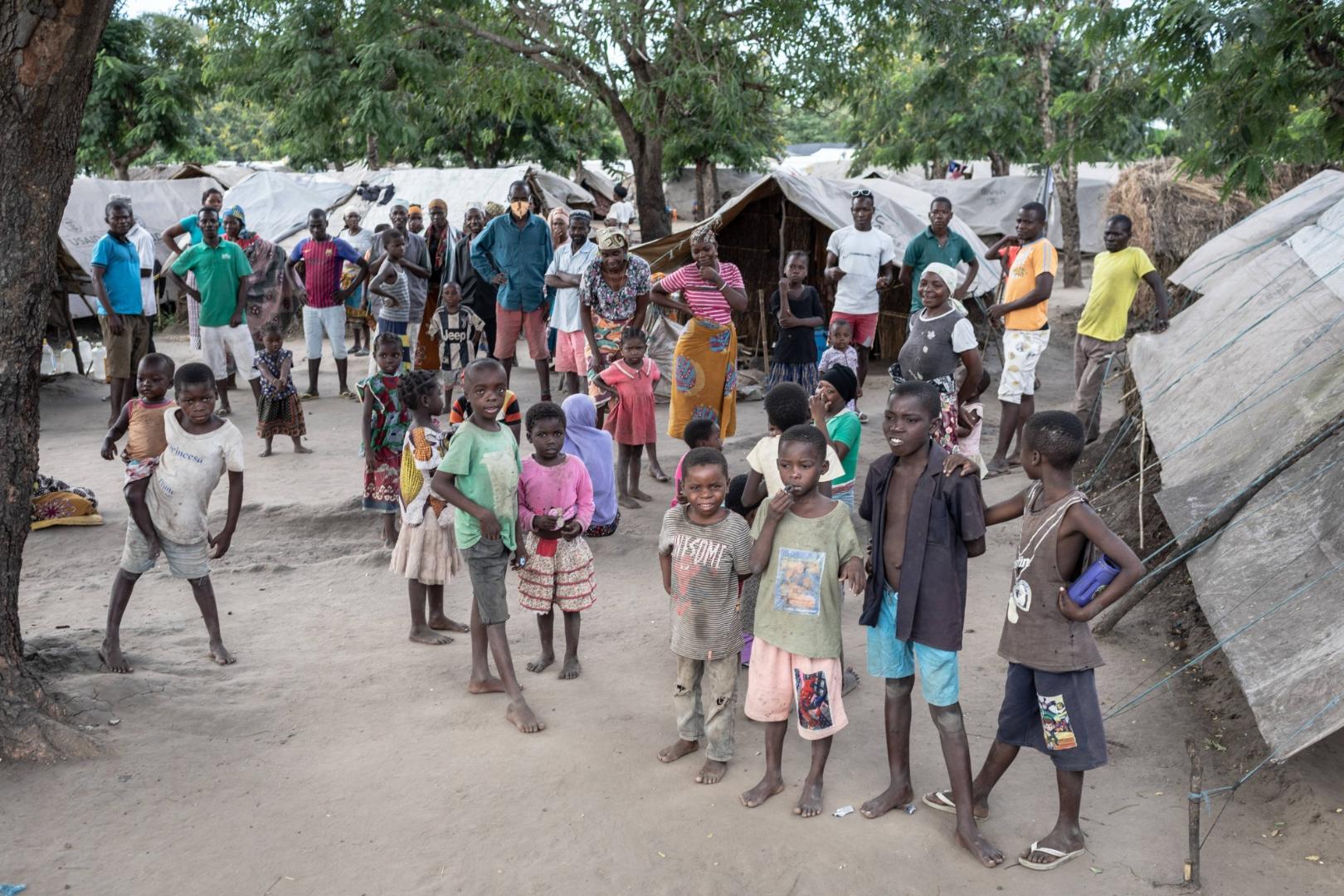
The Islamic State Mozambique Province (ISMP)
The Islamic State Mozambique Province (ISMP) – known locally as “machababo”, the local pronunciation of “al-Shabaab”, or “youth”, in Arabic – originated as a localised religious and ethnic movement that underwent several transformations, evolving from a radical religious sect into a military insurgency and ultimately into a formally recognised province of the global Islamic State. This evolution is built upon local grievances arising from pre-existing political and economic exclusion in Cabo Delgado.[xciv] The movement can be traced back to 2007, when a reformist Salafi-jihadist sect that distinguished itself as “Ahlus-Sunnah wa'l-Jama'ah” (ASWJ) began challenging the authority of traditional Sufi leaders and the state-aligned Islamic Council of Mozambique – that is, the “Conselho Islâmico de Moçambique” (CISLAMO).[xcv] This group subscribed to the radical propaganda of Aboud Rogo Mohamed,[xcvi] ,[xcvii] a Kenyan cleric from Mombasa who – before his assassination in 2012 – was associated with al-Qaeda’s East African networks and Somalia’s al-Shabaab movement.[xcviii] By 2014, ASWJ had established mosques and Islamic schools (madrassas) in addition to distributing audiocassettes, CDs, and pamphlets espousing Rogo’s propaganda as well as preaching a radical rejection of both formal education and the secular Mozambican state, drawing heavily from Wahhabi-Salafi fundamentalist doctrines in so doing.[xcix]
The ASWJ began to militarise as a countermeasure to several incidents of violent state repression that targeted the group’s leadership and networks. Concurrently, the expulsion of artisanal miners from the ruby fields near Montepuez in order to pave the way for the extraction of natural gas in the Rovuma Basin and the extractive industries of graphite and precious stones in Cabo Delgado pushed a great number of disgruntled young men to join the ASWJ’s military campaign against the state and mining companies.[c]
In its first signal of insurgency, the group launched a large-scale assault on police stations in Mocímboa da Praia on 5 October 2017.[ci] Throughout 2018, ASWJ deepened its operational ties with regional jihadist networks, including the Allied Democratic Forces (ADF) in the DRC, thereby facilitating its eventual orientation towards the Islamic State.[cii] In April 2019, the Islamic State central media formally claimed its first attack in Mozambique under the banner of the Islamic State Central Africa Province (ISCAP) – a temporary administrative affiliation shared with the ADF in the DRC.[ciii] This formal affiliation transformed the group into a sophisticated, networked outfit that led to the 2020 capture of the strategic port of Mocímboa da Praia and to the group’s subsequent recognition as a stand-alone Islamic State Mozambique Province (ISMP) in 2022.[civ]
Emergence and persistence
Ethno-religious competition and political exclusion explain the emergence of violence in northern Mozambique.[cv] Whereas the Makua are the largest ethnic group, comprising approximately 67 per cent of Cabo Delgado's population, the Makonde – who make up about 20 per cent of the population – hold a dominant political position due to their prominent role in the anti-colonial struggle and in the subsequent Frente de Libertação de Moçambique (FRELIMO) government.[cvi] The Mwani – who constitute only 6 per cent of the population – have traditionally subscribed to the opposition political party – Resistência Nacional Moçambicana (RENAMO) – and its militant wing.[cvii] The disparity between FRELIMO/Makonde and RENAMO/Mwani is further illustrated by FRELIMO’s winning all six post-independence elections amidst accusations of electoral fraud by RENAMO.[cviii]
The discovery of offshore liquefied natural gas (LNG) and the subsequent development of the gas industry intensified land dispossession and resettlement in coastal Cabo Delgado, particularly affecting the predominantly Mwani communities living in the Afungi area.[cix] The Mwani – who are also predominantly Muslim – weaponised this discontent in religious terms, interpreting it as subjugation by an "infidel" (kafir) state led by the predominantly Christian Makonde. This gave rise to the initial Islamic ideological standpoint of the ASWJ.[cx] This group coalesced around a core of returning Mozambican religious students (du’at) who had studied in Islamic schools in Tanzania, Kenya, and the Middle East, had returned to Cabo Delgado with a politicised, militant interpretation of Islam, and were supported by cross-border Islamic networks from the wider Swahili coast.[cxi]
Until 2019, ASWJ insurgents operated in small units with limited military objectives and little military equipment, sometimes with no more than machetes. However, beginning in April 2019 – following the group’s formal alignment with the Islamic State under the joint banner of ISCAP (which also comprised the Allied Democratic Forces in the DRC) – the number of attacks attributed to the group rapidly escalated to 14 in Mozambique between April and December 2019 and to 23 in the DRC in the same period.
ASWJ’s embeddedness in coastal economies ensured the persistence of the group despite its breaking away from the DRC affiliate – ISCAP – and the territorial defeat of the IS core. ASWJ systematically taxed local communities, controlled artisanal ruby and gold mining sites, and profited from the illicit trade in timber and wildlife, thereby creating a sustainable, internal revenue stream.[cxii] Moreover, the group was able to survive in the vacuums created by a weak state whose capacity to mount military or police responses and to consolidate its authority remained limited.
Since 2021, joint operations by Mozambican Defence Armed Forces (FADM), regional forces from Rwanda, private military companies such as Wagner, and the regional peacekeeping mechanism—Southern African Development Community Mission in Mozambique (SAMID) have worked to reduce the presence and impact of ASWJ in Cabo Delgado. However, in a typical IS tactical fashion, the Mozambique affiliate survives in smaller dispersed operational cells as opposed to in the earlier format of large-scale insurgency that aimed for territorial control. The group has also reduced its civilian targets, instead focussing on attacking government forces' positions mainly in order to maintain their supply routes for weapons and ammunition as well as for food.
Recruitment and identity
ASWJ recruitment is a mix of coercion, opportunism, and voluntary enlistment.[cxiii] Analysts have argued that these three forms are not applied in isolation and are instead mutually reinforcing. Whereas the ASWJ is coercive and violent, many young people voluntarily enlist in the group in search of income, protection, status, and belonging within a context of extreme insecurity and social dislocation.[cxiv] The movement is therefore highly diverse; it harbours multiple identities of diehard jihadists, indoctrinated youths, disgruntled illegal miners, people who have chosen a life of banditry, and others drawn in by desperation, deception, the promise of material gain, or force.
Early recruitment was based on inducements, which often took place at local mosques. Many young people were given financial incentives to start businesses in the form of debt that they would eventually have to pay back.[cxv] Some of them even received scholarships to further their Islamic studies abroad, including in the DRC, Kenya, Tanzania, and Saudi Arabia, where they learned more about the ideology, received training in insurgent operations, and would later take charge of laying the groundwork in terms of identifying, enticing, and recruiting people to carry out the insurgency. The group was able to attract a significant number of vulnerable youths through these easy-money schemes. However, the group’s recruitment tactics changed following the eruption of violence in 2017. These changes were influenced by the insurgency’s needs in terms of fighters and by the government’s heavy-handed response to these events. After the violence had erupted in October 2017, the usual recruitment tactics changed based on the influence of the insurgency’s needs in terms of fighters and on the government’s response to events. Thus, those in debt were forced to repay it by joining the group as fighters.
ISMP’s recruitment additionally reflects a transnational orientation. Cross-border mobility between Mozambique and Tanzania – combined with coastal and diasporic networks along the Swahili corridor – enabled the circulation of fighters, facilitators, and ideas beyond the immediate conflict zone. While foreign fighters do not constitute the majority of ISMP’s ranks, their presence plays a disproportionate symbolic role, reinforcing the group’s self-presentation as part of a global jihadist project rather than as a local insurgency. In this context, Islamic State ideology serves the ASWJ not as an entry-point belief system, but rather as a socialising mechanism that reshapes the identity of recruits.
With US sanctions targeting the Rwanda Defence Force (RDF)[cxvi] and the EU having ended its 20-million-euro funding support,[cxvii] the RDF’s counter-terrorism contract in Cabo Delgado faces significant pressure and is set to expire in December 2026. Mozambique’s forces lack the adequate capacity to replace RDF troops, thereby risking a security vacuum in the LNG-rich province. Given Maputo’s existing inability to fully cover operational costs, which have reportedly accumulated over $22 million in arrears,[cxviii] the remaining options include private contracting or seeking support from Russian or Chinese companies in order to protect specific energy interests.
Conclusion
The present analysis examined the nature, evolution, and persistence of Islamic State–aligned armed groups in East Africa. It argued that all three East African offshoots of IS have their origins in local contexts that are more or less conflict-ridden or driven by local ethnic, religious, and economic rivalries. These local roots remain an important part of the identity and political-ideological orientation of the three groups, shaping their hybrid orientation as local conflicts embedded within a global jihad. Across all three cases, Islamic State ideology functions more as a co-opted strategic framework for group identity, external signalling, and transnational legitimacy. Notably, none of the East African affiliates developed governance or administrative structures comparable with those established by the IS core in Iraq and Syria or by other affiliates in Libya, Afghanistan, or Western Africa. This absence is not accidental; rather, it reflects the survival-based approach of these groups that prioritises mobility and performative violence over territorial administration. Global jihad in this context is not abandoned, but selectively deployed, serving as a symbolic and operational resource rather than as an end state centred on building a caliphate.
Through comparative analysis, the study identified both convergence and divergence among the three East African IS branches. All three groups share a persistence-oriented insurgent logic, limited ambitions for governance, and a reliance on Islamic State affiliation as a multiplier of relevance rather than as a blueprint for state-building. In contrast, the groups differ in their recruitment profiles and strategic functions within the global jihadist ecosystem. Of particular significance is IS Somalia’s centrality to the logistical and financial architecture of IS through the al-Karrar regional office. Despite being locally isolated within the Somali theatre, which is dominated by the al-Qaeda affiliate al-Shabaab, the Somalia offshoot has greater global relevance and sustains the IS’s transnational connectivity and functioning. The Somalia province has the highest proportion of foreign fighters and is understood to exhibit the potential to cause persistent regional and even global threats. Moreover, the group’s proximity to the Arabian Peninsula and Yemen ensures continuous exchange with other IS networks in the Middle East, thereby allowing for the continuous supply of weapons, technology, and finances.
The findings of this analysis challenge the dominant post-9/11 framing of African Islamist armed groups as decentralised branches of the Middle Eastern jihadi groups. By comparing motives, ideologies, networks, and tactics across East Africa, the present study demonstrated that Islamic State affiliates on the continent are neither failed replicas of a collapsed caliphate nor purely local insurgencies; rather, they are adaptive, strategically embedded actors that derive operational strength and legitimacy from IS jihadist identity while constantly drawing recruits and social depth from unresolved local conflicts. Their endurance is thus guaranteed by this dual identity, thereby making them resistant to counter-terrorism strategies that target only the military dimension of the conflicts. The Islamic State affiliates in East Africa should therefore be understood in the two contexts of the deliberate fragmentation of global jihad following the collapse of the IS core and of the enduring structural crises of African political orders.
Finally, the renewed military conflicts in the Middle East and the fragmenting global order occasioned by the US retreat from major international security commitments provide an opportunity for the resurgence of terrorism. Many analysts posit that the next phase of terrorist activities will function through a network of dispersed groups and proxies with a weaker ideological focus on recreating a caliphate that collapsed one decade ago. In this scenario, terrorism is likely to become more spatially and functionally elastic, extending even into maritime spheres and intersecting with commercial shipping routes and offshore energy infrastructure. Whereas the IS affiliates in West Africa and the Sahel have remained more visible in recent analyses due to their territorial expansion and quasi‑administrative structures, their threat profile remains largely bounded by geography in isolated territories and is less adaptive to the new jihadist format. By contrast, the analysis of the tactical and operational profiles of East African IS branches as being small, mobile, networked, and already-embedded in transnational financial and logistical streams positions them as comparatively capable and reliable proxies for Middle Eastern jihadist actors with the added advantage of geographical proximity to theatres on the Arabian Peninsula, in Yemen, and at key maritime chokepoints. The possibility that these East African branches could serve as forward operating nodes in a renewed phase of global jihad is thus not overstated and calls for a rethinking of counter‑terrorism approaches in order to reflect these emerging realities.
[i] Karr, Liam / Carter, Brian 2025: The Islamic State’s Global Long Game and Resurgence in Syria Poses an Evolved Threat to the West, American Enterprise Institute, 9 Jan 2025, in: https://ogy.de/464o [10 Jul 2026].
[ii] Karr / Carter 2025, N. 1.
[iii] Institute for Economics & Peace 2026: Global Terrorism Index 2026, Mar 2026, in: https://ogy.de/d42x [10 Jul 2026].
[iv] The abbreviation ISSP is sometimes used for the Islamic State Somalia Province. However, the present article views ISSP as the short form of the Islamic State Sahel Province and uses IS Somalia for the Somali branch of the terrorist organisation.
[v] Apart from the ISS provinces in Somalia, the DRC, and Mozambique, there have been further attempts to establish offshoots in East Africa since 2015. These are not considered further in the present article. One example is the short-lived Jabhat East Africa – also known as the Islamic State in Somalia, Kenya, Tanzania, and Uganda (ISSKTU) – which pledged allegiance to Abu Bakr al-Baghdadi in April 2016.
[vi] European Institute of Peace 2018: The Islamic State in East Africa, Sep 2018, in: https://ogy.de/iskw [10 Jul 2026]; Marsai, Viktor 2018: Scramble for the Horn of Africa – Al-Shabaab vs. Islamic State, CSDS Analyses, 2:2018, 12 Jan 2018, p. 5; Warner, Jason / Hulme, Charlotte 2018: The Islamic State in Africa: Estimating Fighter Numbers in Cells Across the Continent, CTC Sentinel 11:7, Aug 2018, pp. 21–28, in: https://ogy.de/wp1j [10 Jul 2026].
[vii] Regarding IS Somalia, there is additionally a rival al-Qaeda-linked jihadist organisation – al-Shabaab – that is significantly stronger militarily and that has been attempting to wipe out IS Somalia from the onset.
[viii] International Crisis Group 2024: The Islamic State in Somalia: Responding to an Threat, Africa Briefing 201, 12 Sep 2024, p. 2, in: https://ogy.de/h8ys [10 Jul 2026].
[ix] Hansen, Stig Jarle 2019: Horn, Sahel and Rift. Fault-lines of the African Jihad, Oxford University Press, 1 Jul 2019, p. 189; Warner, Jason / Weiss, Caleb 2017: A Legitimate Challenger? Assessing the Rivalry between al-Shabaab and the Islamic State in Somalia, CTC Sentinel, 10:10, Nov 2017, pp. 27–32, here: p. 28, in: https://ogy.de/4wlq [10 Jul 2026].
[x] Warner and Weiss date the first call specifically directed at al-Shabaab to join IS to February 2015. They give a detailed account on the various splits and formations of IS cells in Somalia during 2015, of which only Abdul Qadir Mumins's group survived.
[xi] Warner / Weiss 2017, N. 6, p. 28.
[xii] Warner, Jason et al. 2021: The Islamic State in Africa: The Emergence, Evolution, and Future of the Next Jihadist Battlefront, Hurst, 2021, p. 201.
[xiii] Hansen 2019, N. 6, p. 185.
[xiv] Many Warsangeli viewed the federal government's actions as an attempt by the Puntland elite in Bosasso to exploit resources owned by the clan.
[xv] Hoehne, Markus Virgil 2015: Between Somaliland and Puntland: Marginalization, Militarization and Conflicting Political Visions, Rift Valley Institute, 2015, pp. 124–130.
[xvi] Warner et al. 2021, N. 8, p. 205.
[xvii] Born in the Puntland region around 1950, Abdul Qadir Mumin moved to Europe in the 2000s and spent several years in Sweden and the United Kingdom. He acquired British citizenship and quickly gained a reputation as an extremist preacher. Later, he had contacts with radical Islamists such as Mohamed Emwazi – who years afterwards emerged as an IS executioner nicknamed “Jihadi John” – and others. Due to increasing pressure from investigative authorities, Mumin returned to Somalia in 2010 and joined the central leadership circle of al-Shabaab.
[xviii] Marsai 2018, N. 4, p. 5.
[xix] Only around one year after his arrival in Somalia, Abdul Qadir Mumin delivered a speech in May 2011 as part of al-Shabaab's official memorial ceremony for the slain Osama bin Laden. Less than a year later, in February 2012, he appeared—ironically in retrospect, given that he would later become a leading figure in the Islamic State in Somalia—in a video message in which al-Shabaab's leader pledged allegiance to bin Laden's successor, Ayman al-Zawahiri, thereby reaffirming the Somali organisation's loyalty to al-Qaeda's central leadership.
[xx] Warner et al. 2021, N. 8, p. 205; Marsai 2018, p. 5.
[xxi] Ibid.
[xxii] Warner et al. 2021, N. 8, p. 206.
[xxiii] Matt Bryden – one of the leading experts on Somalia – pointed out that Abdul Qadir Mumin had nothing more than guest status in the Warsangeli clan's territory. His sphere of influence extended only as far as the local al-Shabaab leader – Yasin Kilwe, who belonged to that very clan – allowed him.
[xxiv] Ibid., p. 205.
[xxv] Ibid., p. 206.
[xxvi] Ibid., p. 207; Webber, Lucas / Garofalo, Daniele 2023: The Islamic State Somalia Propaganda Coalition’s Regional Language Push, CTC Sentinel 16:4, Apr 2023, pp. 15–19, here: p. 15, in: https://ogy.de/j5jq [10 Jul 2026].
[xxvii] Maktab (Arabic) is the singular form and refers to an office; Makatib (Arabic) is the plural form and means multiple offices.
[xxviii] Furthermore, Maktab Umm al-Qura oversees Yemen, Saudi Arabia, and the Gulf; Maktab Dhu al-Nurayn manages Egypt and Sudan; and Maktab al-Faruq is responsible for Turkey, Georgia, the Caucasus, Russia, and Europe. Currently defunct offices include Maktab al-Anfal, whose responsibility for Libya and North Africa has been transferred to Maktab al-Furqan, and a formerly separate Maktab Bilad al-Rafidayn for Iraq, which has been integrated into Maktab Ard al-Mubarakah. The information about the functioning of the General Directorate of Provinces and this structure of offices (makatib) is largely based on internal IS documents from 2015 to 2021 that have been secured.
[xxix] For a detailed analysis based on the evaluation of this source material, see Hamming, Tore 2023: The General Directorate of Provinces: Managing the Islamic State’s Global Network, CTC Sentinel, 16:7, Jul 2023, pp. 20–27 in: https://ogy.de/cfik [10 Jul 2026]; Zelin, Aaron Y. 2024: A Globally Integrated Islamic State, War on the Rocks, 15 Jul 2024, in: https://ogy.de/cu6j [10 Jul 2026].
[xxx] These include al-Shabaab, pirate and smuggling networks, the Islamic State Khorasan Province (ISKP), al-Qaeda in the Arabian Peninsula (AQAP), Iran’s Islamic Revolutionary Guard Corps (also known as the Pasdaran), and the Yemeni Houthis.
[xxxi] Jalal, Ibrahim 2025: Dhows, Drones, and Dollars: Ansar Allah’s Expansion into Somalia, XCEPT, 14 Mar 2025, in: https://ogy.de/etvg [10 Jul 2026].
[xxxii] Interviews conducted by the authors with experts in Mogadishu, Addis Ababa, and Berlin in the fall of 2025.
[xxxiii] It is unclear whether Abdul Qadir Mumin exercised direct operational control over the IS structures that existed at times in central and southern Somalia in the early years or whether they recognised him as their leader only nominally, if at all.
[xxxiv] Warner / Weiss 2017, N. 6, pp. 27–29.
[xxxv] Zelin 2024, N. 19.
[xxxvi] Warner et al. 2021, N. 8, p. 201.
[xxxvii] US Department of the Treasury 2022: Treasury Sanctions Terrorist Weapons Trafficking Network in Eastern Africa, 1 Nov 2022, in: https://ogy.de/dp8j [10 Jul 2026].
[xxxviii] As examples, the literature refers to two key figures in the early days of the organisation: Mahad Moalim and Abdulhakim Dhuqub, both of whom also belonged to the Majerteen/Ali Salebaan clan.
[xxxix] Kirechu, Peter 2021: Mohamed Ahmed “Qahiye”: Islamic State’s Exiled Chieftain in Somalia Finds Refuge in Mozambique, Jamestown, Militant Leadership Monitor 12:3, 4 Jan 2021, in: https://ogy.de/rf1s [10 Jul 2026].
[xl] The Soufan Center 2025: Islamic State Somalia Remains a Potent Threat in the Horn of Africa and Beyond, 21 Feb 2021, in: https://ogy.de/avhx [10 Jul 2026].
[xli] Experts from the Sahan Research Somali Wire Team estimate the monthly salary of IS Somalia fighters at more than 200 USD, which requires a well-functioning system for generating revenue. IS Somalia's economic activities include kidnapping for ransom; the smuggling and trafficking of weapons, people, and goods; and the extortion of taxes from traders, ship and landowners, farmers, and retailers. The US Department of the Treasury (USDT) estimates that IS in Somalia has generated approximately six million USD annually over the last years, which makes it the most successful province of the entire organisation in terms of revenue generation.
[xlii] The Somali Wire 2024: ISIS in Somalia: Localised threat or new wave of global jihadism, No. 758, 22.11.2024, pp. 1–2, in: https://ogy.de/ebls [10 Jul 2026]; US Department of the Treasury 2024: Fact Sheet: Countering ISIS Financing, 27 Feb 2024, in: https://ogy.de/pptw [10 Jul 2026].
[xliii] US Department of the Treasury 2022, N.25.
[xliv] Warner / Hulme 2018, N. 4, p. 24.
[xlv] Weiss, Caleb 2025: Islamic State release highlights the foreign fighter nature of its recent assault in Somalia, FDD’s Long War Journal, 1 Jan 2025, in: https://ogy.de/tb9n [10 Jul 2026].
[xlvi] Sterman, David 2025: The Escalation of U.S. Airstrikes in Somalia and the Role of Perceived Threats to the U.S. Homeland, CTC Sentinel 18: 7, Jul 2025, pp. 29–36, here: pp. 33–34, in: https://ogy.de/2d06 [10 Jul 2026].
[xlvii] Weiss 2025, N. 31.
[xlviii] Thomas, Clayton 2025: The Islamic State and Its Affiliates, Congressional Research Service, 8 Sep 2025, in: https://ogy.de/wtok [10 Jul 2026].
[xlix] The Somali Wire 2025: Al-Shabaab, ISS, and Somalia's Fractured Islamism, No. 890, 31 Oct 2025, pp. 1–2, in: https://ogy.de/dk57.
[l] Weiss 2025, N. 31.
[li] Serwat, Ladd / Birru, Jalale Getachew 2025: Africa Overview: February 2025, ACLED, 10 Feb 2025, in: https://ogy.de/ekgm [10 Jul 2026].
[lii] An immediate and full-fledged campaign by al-Shabaab – launched in September 2015 – led to the annihilation of almost all IS structures in Somalia with the exception of Abdul Qadir Mumins' group.
[liii] Warner / Weiss 2017, N. 6.
[liv] In December 2018, al-Shabaab published a statement by its long-standing spokesperson Ali Mahmud Rage along with an 18-page treatise that could be interpreted as a declaration of war on IS. The treatise takes a decidedly ideological stance on the transgressions of IS Somalia and calls on every member of the organisation to eradicate this disease within the jihad.
[lv] Weiss, Caleb 2019: Reigniting the Rivalry: The Islamic State in Somalia vs. al-Shabaab, CTC Sentinel 12:4, Apr 2019, pp. 29–35, in: https://ogy.de/av95 [10 Jul 2026].
[lvi] United Nations Security Council 2024: S/2024/92, p. 8, 29 Jan 2024, in: https://ogy.de/218f [10 Jul 2026].
[lvii] The US airstrike against Ahmed Maeleninine – who was of Omani descent – on 1 February marked the beginning of a comprehensive air offensive against both IS Somalia and al-Shabaab targets.
[lviii] United Nations Security Council 2025: S/2025/482, p. 10, 24 Jul 2025, in: https://ogy.de/zlz0 [10 Jul 2026]; Weiss, Caleb 2025: Trump admin ups the tempo of airstrikes against jihadist groups in Somalia, FDD’s Long War Journal, 30 Mar 2025, in: https://ogy.de/pwhv [10 Jul 2026].
[lix] In November 2024, Puntland security forces launched a comprehensive counterterrorism operation codenamed Hilaac ("lightning"), which is supported by US and UAE forces and continues to this day.
[lx] Weiss, Caleb 2025: US ground raid captures Islamic State leader in northern Somalia, FDD’s Long War Journal, 26 Jul 2025, in: https://ogy.de/m12y [10 Jul 2026].
[lxi] For a detailed account of US counter-terrorism operations in Somalia and changes in the focus and threat perceptions of al-Shabaab and IS Somalia since the start of the American mission in 2007, see Sterman 2025, N.32.
[lxii] International Crisis Group 2020: Averting Proxy Wars in the Eastern DR Congo and Great Lakes, Africa Briefing 150, 23 Jan 2020, in: https://ogy.de/pyyv [10 Jul 2026].
[lxiii] United Nations Security Council 2022: S/2022/83, 3 Feb 2022, in: https://ogy.de/87ri [10 Jul 2026].
[lxiv] United Nations Security Council 2019: S/2019/469, 7 Jun 2019 in: https://ogy.de/3ig8 [10 Jul 2026].
[lxv] Jamil Mukulu (formerly known as David Steven Alirabaki Kyagulanyi) is the founding leader of the Allied Democratic Forces (ADF). He converted from Catholicism to Islam in 1984 and studied in Saudi Arabia, where he was introduced to fundamentalist Islamic ideologies. He also completed military training in Afghanistan and Pakistan. Initially, he joined the National Army for the Liberation of Uganda – a rebel group opposed to the Ugandan government. When the NALU's leader – Amon Bazira – was killed in 1995, Mukulu mobilised some of the remaining members of the rebel group, formed the Allied Democratic Forces, and appointed himself the group's commander. In 2011, Mukulu was sanctioned by the United Nations for terrorist activities in the DRC. He was arrested in Tanzania in 2015 and was extradited to Uganda, where he was charged with murder, war crimes, and crimes against humanity. He is currently awaiting trial.
[lxvi] Candia, Steven 2011: Interpol issues red notice for ADF leader, New Vision, 13 Feb 2011, in: https://ogy.de/6psm [10 Jul 2026].
[lxvii] United Nations Security Council 2016: Jamil Mukulu, Sanction List, 5 Dec 2016, in: https://ogy.de/6n2l [10 Jul 2026].
[lxviii] US Department of the Treasury 2011: Democratic Republic of the Congo Designations, Office of Foreign Assets Control, 5 Oct 2011, in: https://ogy.de/k8in [10 Jul 2026].
[lxix] United Nations Security Council 2014: S/2014/42, 23 Jan 2014, in: https://ogy.de/4mye [10 Jul 2026].
[lxx] Candland, Tara et al. 2021: The Islamic State in Congo, The George Washington University Program on Extremism, Mar 2021, in: https://ogy.de/x8xn [10 Jul 2026].
[lxxi] Musa Baluku is the current leader of the ADF/ISCAP in the Democratic Republic of Congo and is the principal architect of its transformation into an Islamic State affiliate. He formerly served as an Imam at the Malakaz Mosque in Kampala, Uganda. He was one of the earliest members of the Allied Democratic Forces – under Jamil Mukulu – and assumed the role of Commander of the ADF following Mukulu’s arrest in 2015. The United States sanctioned Baluku in 2019.
[lxxii] Candland, Tara et al. 2022: The Rising Threat to Central Africa - The 2021 Transformation of the Islamic State’s Congolese Branch, CTC Sentinel, vol. 15, issue 6, 06/2022, p. 38–53 in: https://ogy.de/m3hn [10 Jul 2026].
[lxxiii] Warner et al. 2021, N. 8.
[lxxiv] Zelin, Aaron Y. 2018: New audio message from the Islamic State’s Abū al-Ḥasan al-Muhājir: “So from their guidance take an example”, Jihadology, 22 Apr 2018, in: https://ogy.de/dw5m [10https://ogy.de/dw5m %5b10 Jul 2026].
[lxxv] Weiss, Caleb 2019: Islamic State claims attack in the Democratic Republic of the Congo, FDD’s Long War Journal, 18 Apr 2019, in: https://ogy.de/b0xu https://ogy.de/b0xu %5b10[10 Jul 2026].
[lxxvi] US Department of State 2021: Designation of Islamic State of Iraq and Syria—Democratic Republic of the Congo as a Specially Designated Global Terrorist, 86:46, 11 Mar 2021, in: https://ogy.de/h61b [10 Jul 2026].
[lxxvii] Candland et al. 2021, N. 51.
[lxxviii] Warner et al. 2021, N. 8.
[lxxix] Zelin, Aaron Y. 2020: Your sons are at your service: Tunisia's missionaries of jihad, British Journal of Middle Eastern Studies, 47:5, 2020, pp. 871–73.
[lxxx] Stearns, Jason K. / Vogel, Christoph 2015: The Landscape of Armed Groups in the Eastern Congo, Congo Research Group, Dec 2015, in: https://ogy.de/m0gp [10 Jul 2026].
[lxxxi] Titeca, Kristof / Fahey, Daniel 2016: The many faces of a transitional rebellion: the Allied Democratic Forces in the Democratic Republic of Congo, International Affairs, 92:5, Aug 2016, pp. 1,189–1,206.
[lxxxii] United Nations Security Council 2013: S/2013/433, 19 Jul 2013, in: https://ogy.de/humc [10 Jul 2026].
[lxxxiii] Congo Research Group 2018: Inside the ADF Rebellion: A Glimpse into the Life and Operations of a Secretive Jihadi Armed Group, Center on International Cooperation, New York University, Nov 2018, in: https://ogy.de/tqh1 [10 Jul 2026].
[lxxxiv] Weiss 2022, N. 52.
[lxxxv] United Nations Security Council 2023: S/2023/431, 13 Jun 2023, in: https://ogy.de/oac1 [10 Jul 2026].
[lxxxvi] Candland et al. 2021, N.51.
[lxxxvii] Weiss, Caleb et al. 2023: Fatal Transaction: The Funding Behind the Islamic State's Central Africa Province, GW Program on Extremism, Jun 2023, in: https://ogy.de/wsv7 [10 Jul 2026].
[lxxxviii] Candland et al. 2021, N. 50.
[lxxxix] Congo Research Group 2018, N. 61.
[xc] Scorgie-Porter, Lindsay 2015: Militant Islamists or borderland dissidents? An exploration into the Allied Democratic Forces’ recruitment practices and constitution, in: Villalón, Leonardo A. / Nugent, Paul (eds.): The Journal of Modern African Studies, 53:1, Cambridge, p.1–25 [10 Jul 2026].
[xci] Weiss 2022, N. 52.
[xcii] United Nations Security Council 2023, N. 65.
[xciii] Weiss 2022, N. 52.
[xciv] Cengiz, Mahmut / Cinoglu, Huseyin 2022: The Impacts of Organizational Structure on Salafi-Jihadist Terrorist Groups in Africa, International Journal on Criminology 9:1, Winter 2022, pp. 1–15, in: https://ogy.de/fnho [10 Jul 2026].
[xcv] Gergely, Károly 2025: Forgotten Cape – Extremist violence in Northern Mozambique, Belügyi Szemle 73:3, Mar 2025, pp. 665–684.
[xcvi] Aboud Rogo Mohammed (1968–2012) was a radical Kenyan cleric and the chief ideologue of the Al-Hijra network affiliated with al-Qaeda. Designated by the UN and US for providing material and logistical support to al-Shabaab, Rogo's Swahili-language sermons were instrumental in radicalising youth along the Swahili Coast.
[xcvii] Habibe, Saide et al. 2019: Radicalização Islâmica no Norte de Moçambique O Caso de Mocímboa da Praia, Cadernos IESE 17, Sep 2019, pp. 1–37. in: https://ogy.de/9iip [10 Jul 2026].
[xcviii] Ebd.
[xcix] Makosso, Amanda / Collinet, Auréole 2021: Islamic State Central Africa Province (ISCAP): A threat to regional stability and security, Journal of Intelligence, Conflict, and Warfare 4:1, 31 May 2021, pp. 101–118, in: https://ogy.de/dcif [10 Jul 2026].
[c] Alden, Chris / Chichava, Sérgio 2021: Cabo Delgado: ‘Al Shabaab/ISIS’ and the Crisis in Southern Africa, Policy Center for the New South, May 2021, in: https://ogy.de/2dke [10 Jul 2026].
[ci] International Crisis Group 2021: Stemming the Insurrection in Mozambique’s Cabo Delgado, Africa Report 303, 11 Jun 2021, in: https://ogy.de/v5fg [10 Jul 2026].
[cii] Githing'u, Brenda Mugeci / Hamming, Tore Refslund 2021: “The Arc of Jihad”: The Ecosystem of Militancy in East, Central and Southern Africa, International Centre for the Study of Radicalisation, in: https://ogy.de/9itr [10 Jul 2026].
[ciii] Makosso / Collinet 2021, N. 78.
[civ] Cengiz / Cinoglu 2022, N. 74.
[cv] Lister, Tim 2020: Jihadi Insurgency in Mozambique Grows in Sophistication and Reach, CTC Sentinel 13:10. Oct 2020, pp. 35–45, in: https://ogy.de/f2d9 [10 Jul 2026].
[cvi] Barnett, James 2020: The “Central African” Jihad: Islamism and Nation-Building in Mozambique and Uganda, Hudson Institute, 29 Oct 2020, in: https://ogy.de/3t4r [10 Jul 2026].
[cvii] Feijó, João 2020: Assismetrias no Acesso ao Estado: Um terreno fertil de penetracao do Jihadismo Islamico? Observador Rural 93, Jun 2020, in: https://ogy.de/305s [10 Jul 2026].
[cviii] Santos, Ana Margarida Sousa 2021: Violence, Rumor, and Elusive Trust in Mocímboa da Praia, Mozambique, Social Analysis, 65:3, Sep 2021, pp. 44–66, in: https://ogy.de/s1v5.
[cix] Feijó, João / Orre, Aslak 2024: Domination, collaboration and conflict in Cabo Delgado's history of extractivism, Kronos, May 2024, in: https://ogy.de/rb2u [13https://ogy.de/rb2u %5b13 Aug 2026].
[cx] Githing'u / Hamming 2021, N. 81.
[cxi] Habibe et al. 2019, N. 76.
[cxii] Stanyard, Julia et al. 2022: Insurgency, Illicit Markets and Corruption. The Cabo Delgado conflict and its regional implications, Global Initiative Against Transnational Organized Crime, Feb 2022, in: https://ogy.de/qz5p [10 Jul 2026].
[cxiii] Issufo, Nádia 2020: Insurgência: Como travar o recrutamento em Nampula?, Deutsche Welle, 24 Jun 2020, in: https://ogy.de/r62s [10 Jul 2026].
[cxiv] United Nations Development Programme 2023: Journey to Extremism in Africa: Pathways to Recruitment and Disengagement, 7 Feb 2023, in: https://ogy.de/agkw [10 Jul 2026].
[cxv] Omar, Omardine 2022: Os tentáculos do terrorismo em Cabo Delgado (II), A Carta de Moçambique, 21 Jan 2022, in: https://ogy.de/3usn [10 Jul 2026].
[cxvi] US Department of the Treasury 2026: Treasury Sanctions Rwanda Officials, Condemns Blatant Violations of Washington Peace Accords, Press release, 2 Mar 2026, in: https://ogy.de/gvbt [10 Jul 2026].
[cxvii] Hill, Matthew / Cebola, Tavares 2026: EU funding for Rwanda’s Mozambique Deployment Set to End in May, Bloomberg, 12 Mar 2026, in: https://ogy.de/fush [10 Jul 2026].
[cxviii] Congo Virtuel 2026: $22 Million Debt: Mozambique Refuses to Pay Rwandan Soldiers, Much to the Dismay of TotalEnergies and ExxonMobil, 20 Apr 2026, in: https://ogy.de/lqf7 [10 Jul 2026].
