








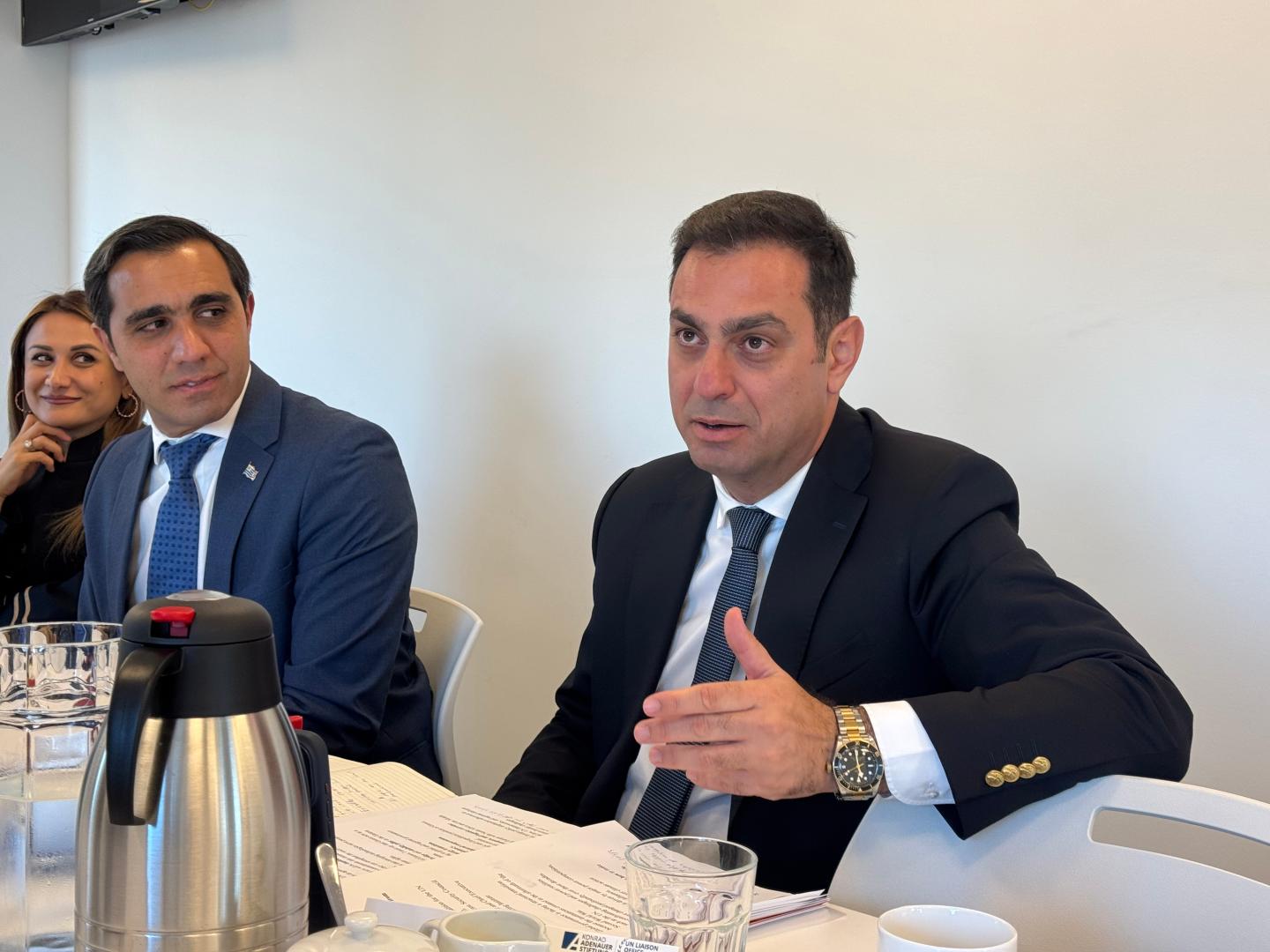
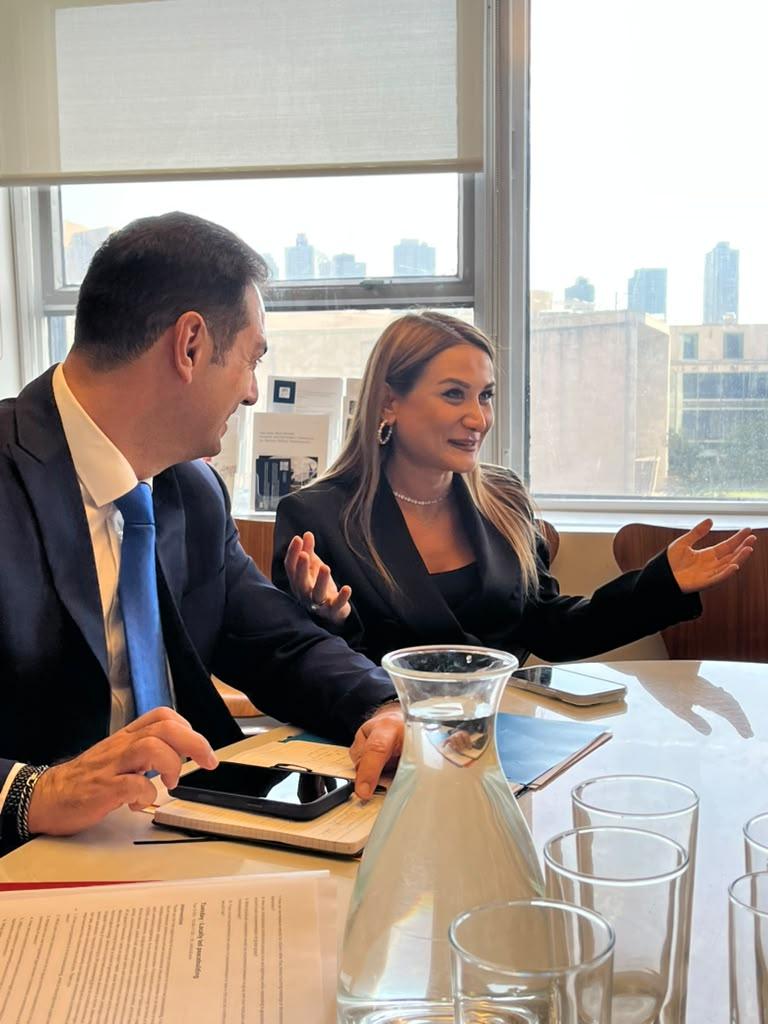
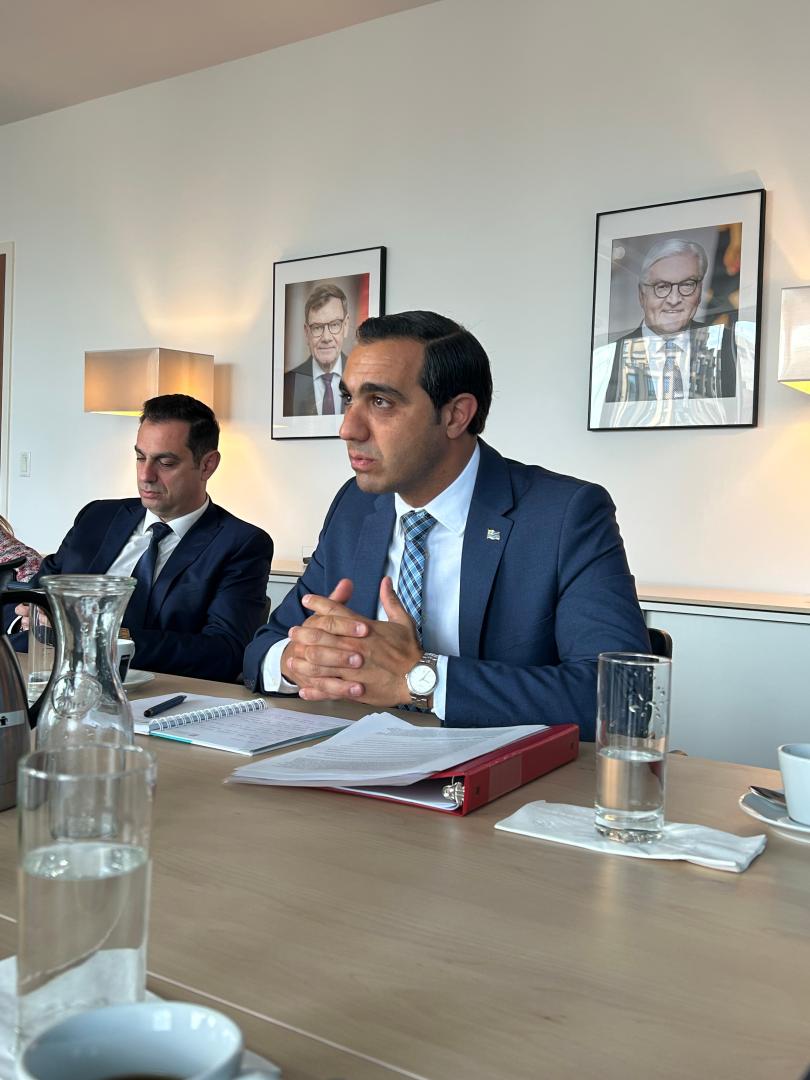
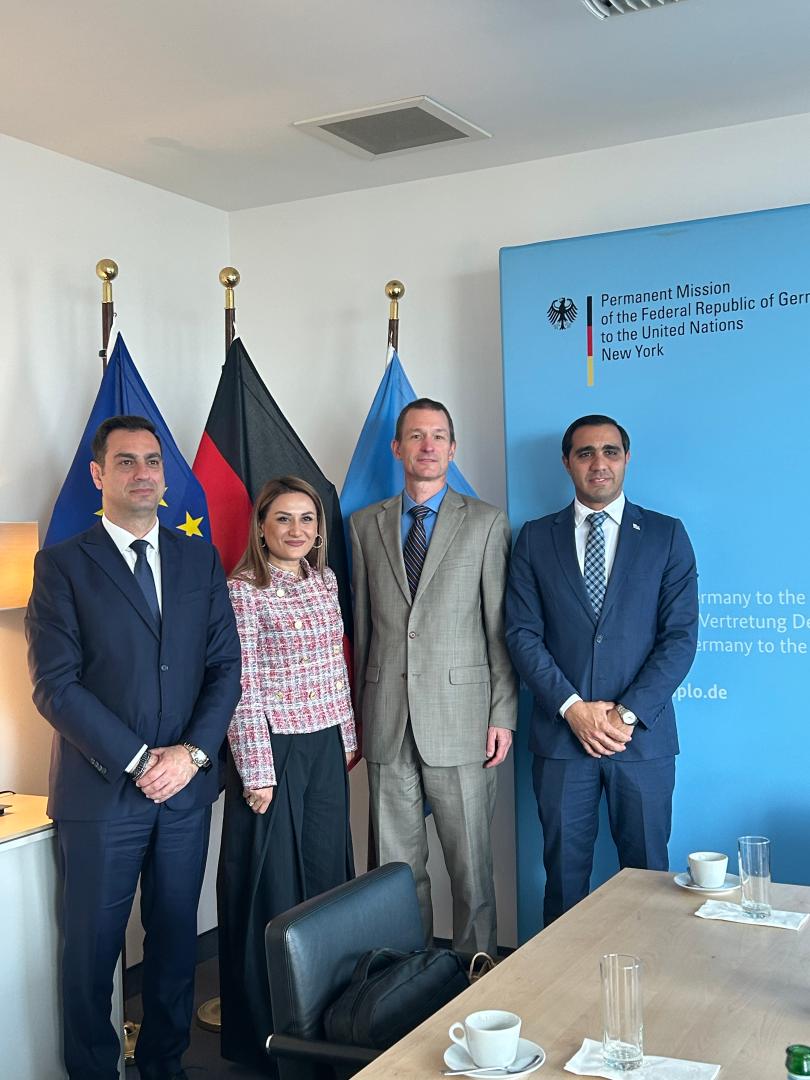
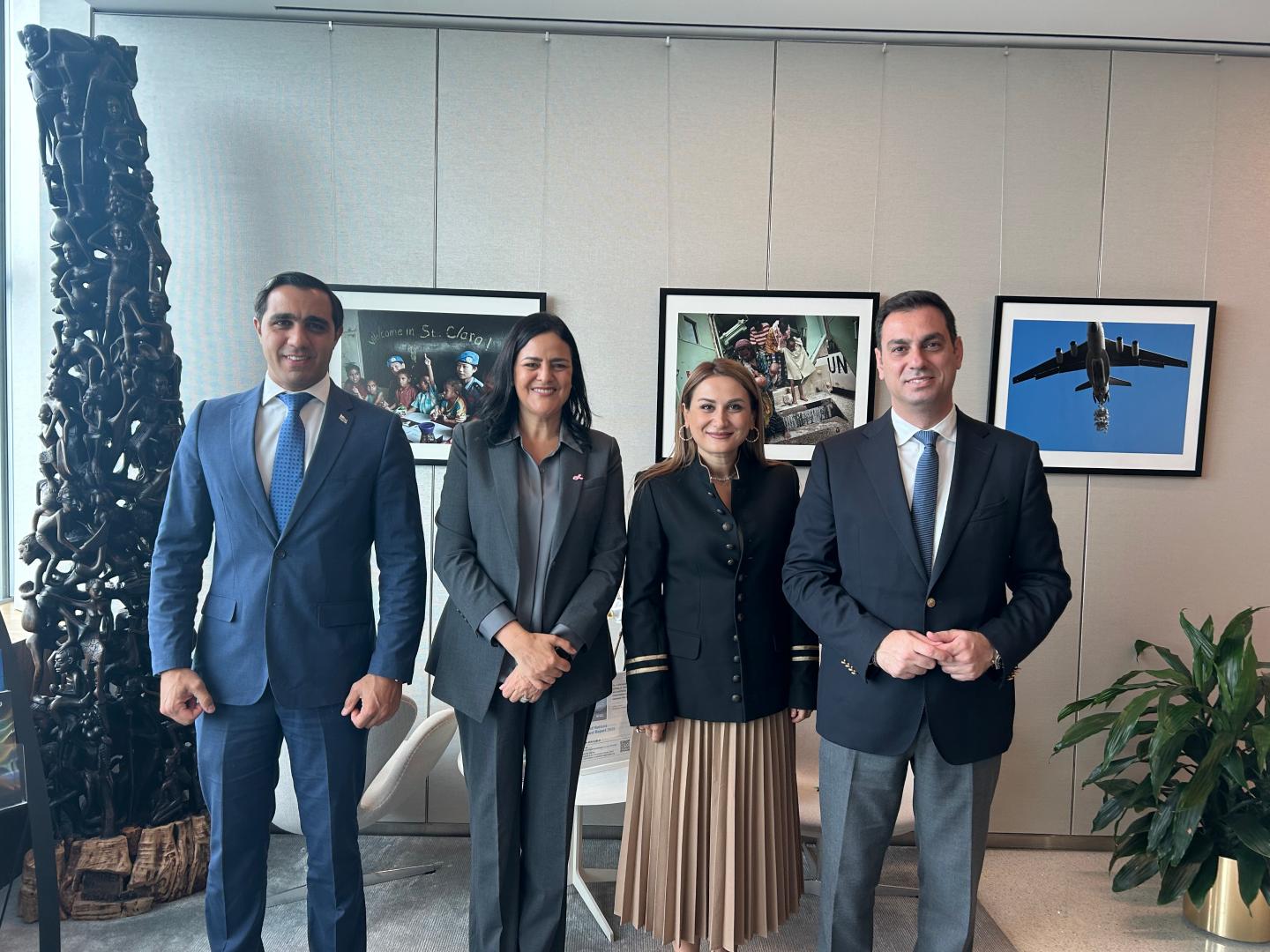






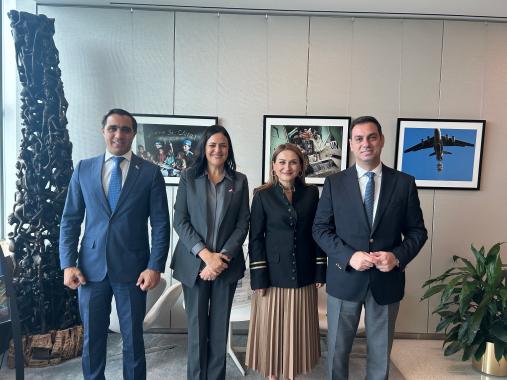



From October 12–15, the Konrad Adenauer Foundation New York Office welcomed a small parliamentary delegation to New York comprising Hon. Arusyak Julhakyan of Armenia, Hon. Spiros Koulkoudinas of Greece, and Hon. Jose Luis Satdjian of Uruguay for the Parliamentarian Dialogue Program, “Connecting Local Priorities and Global Governance: The Role of Parliamentarians in a Changing World.” Their countries offer distinct examples of how small- and medium-sized states can exercise influence internationally. Greece is currently serving on the UN Security Council, Armenia is hosting major international conferences, including the ongoing UN Biodiversity Conference (COP17) in Yerevan, and Uruguay currently holds chairmanship in the G77.
The delegation engaged with representatives from the UN, diplomatic missions, think tanks, academia, and other institutions across New York. Discussions explored the SDGs and development financing, the future of the United Nations and multilateral reform, great-power competition, energy and climate security, the changing global economy, the international role of cities, and youth participation in policymaking, while also creating space for the parliamentarians to bring their own national perspectives and experiences into the exchange.
Throughout the program, the parliamentarians connected these global debates to their own experiences at home—from public health and the COVID-19 response to anti-corruption efforts, and the everyday challenges of translating policy into results for citizens.
These exchanges highlighted that many issues discussed at the United Nations ultimately depend on decisions taken in national parliaments through legislation, budgets, oversight, and implementation.
A recurring message throughout the week was that the multilateral system faces real pressures, from financial constraints and institutional reform needs to geopolitical divisions and questions of public trust. Yet the discussions also highlighted the continued importance of international institutions for countries seeking to cooperate on problems that cannot be addressed nationally alone.
Another recurring theme was the importance of transregional partnerships. At a time of growing geopolitical competition, stronger cooperation across Europe, Latin America and the Caribbean, Africa, Asia, and the Pacific can help countries broaden partnerships, exchange policy experience, and build coalitions across traditional regional divides.
For parliamentarians, this creates an important bridging role. Legislators can connect international commitments with local priorities, bring national and community perspectives into global debates, and communicate why multilateral cooperation matters at home. Strengthening these links will be essential if multilateral institutions are to remain effective, legitimate, and responsive in a changing world.