




Empowering Tomorrow: Youth Leadership, Climate Action and European Democracy: South Asian Youth for SDGs (SAYS) in Germany
The SAYS team’s visit to Germany from 27th September to 3rd October 2026 provided a valuable opportunity to engage with experts, academics, policymakers, and young leaders on issues of global significance. Through a series of meetings, institutional visits, panel discussions, and interactive workshops, the team explored key themes including artificial intelligence and global security, youth participation in democracy, federal governance, climate action, academic research, sustainable urban development, and European integration. The programme also offered a platform to exchange perspectives between South Asia and Germany, enabling the team to share experiences from Nepal and the wider South Asian region while learning from international practices and approaches. By engaging with diverse institutions and participating in cross-cultural dialogues, the SAYS team gained valuable insights into the interconnected challenges facing contemporary societies and the importance of international cooperation, youth leadership, and shared responsibility in addressing them. All of this was made possible through the generous support of Konrad-Adenauer-Stiftung Political Dialogue Asia, Singapore, for which SAYS is deeply grateful.
On 27th September 2026, SAYS team had a wonderful time meeting Alina Reiss, the Security & Risk Consultant at Secori, Germany. She provided the team with valuable insights into how AI is transforming the global security landscape. She explained how AI can be used to identify potential threats, analyze intelligence, strengthen cybersecurity, monitor conflicts, and support decision-making in security operations. The team also learnt about the potential risks associated with AI, including cyberattacks, autonomous weapons, misinformation, data privacy concerns, and the possibility of AI being misused by malicious actors. Furthermore, they gained an understanding of the importance of international cooperation, responsible AI development, ethical considerations, and effective regulations to ensure that AI is used safely and securely. The discussion helped the team recognize that while AI offers significant opportunities to enhance global security, it also presents challenges that require careful management, human oversight, and collaboration among nations.
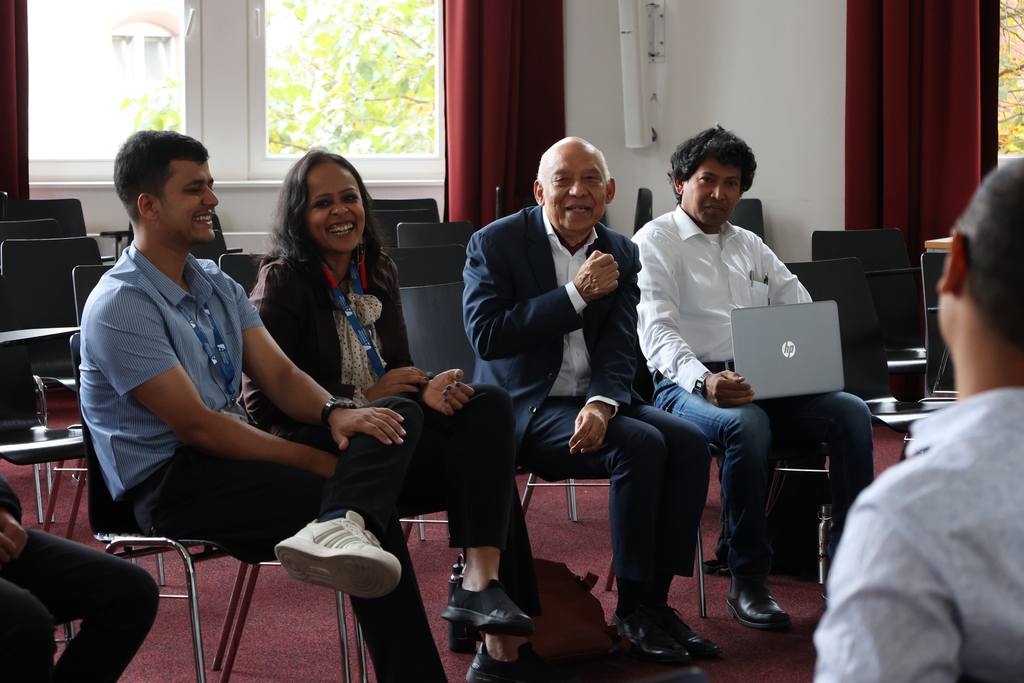
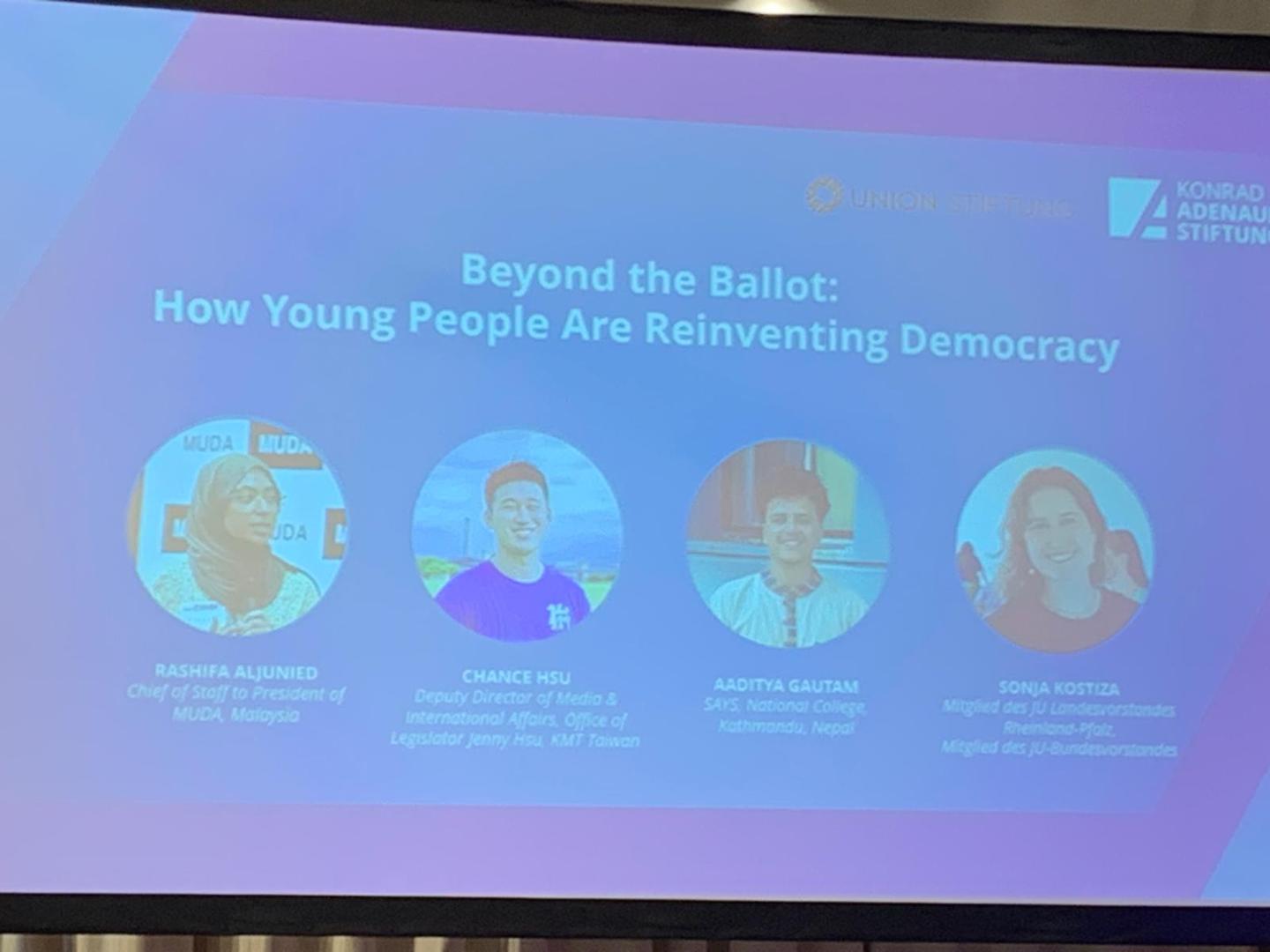
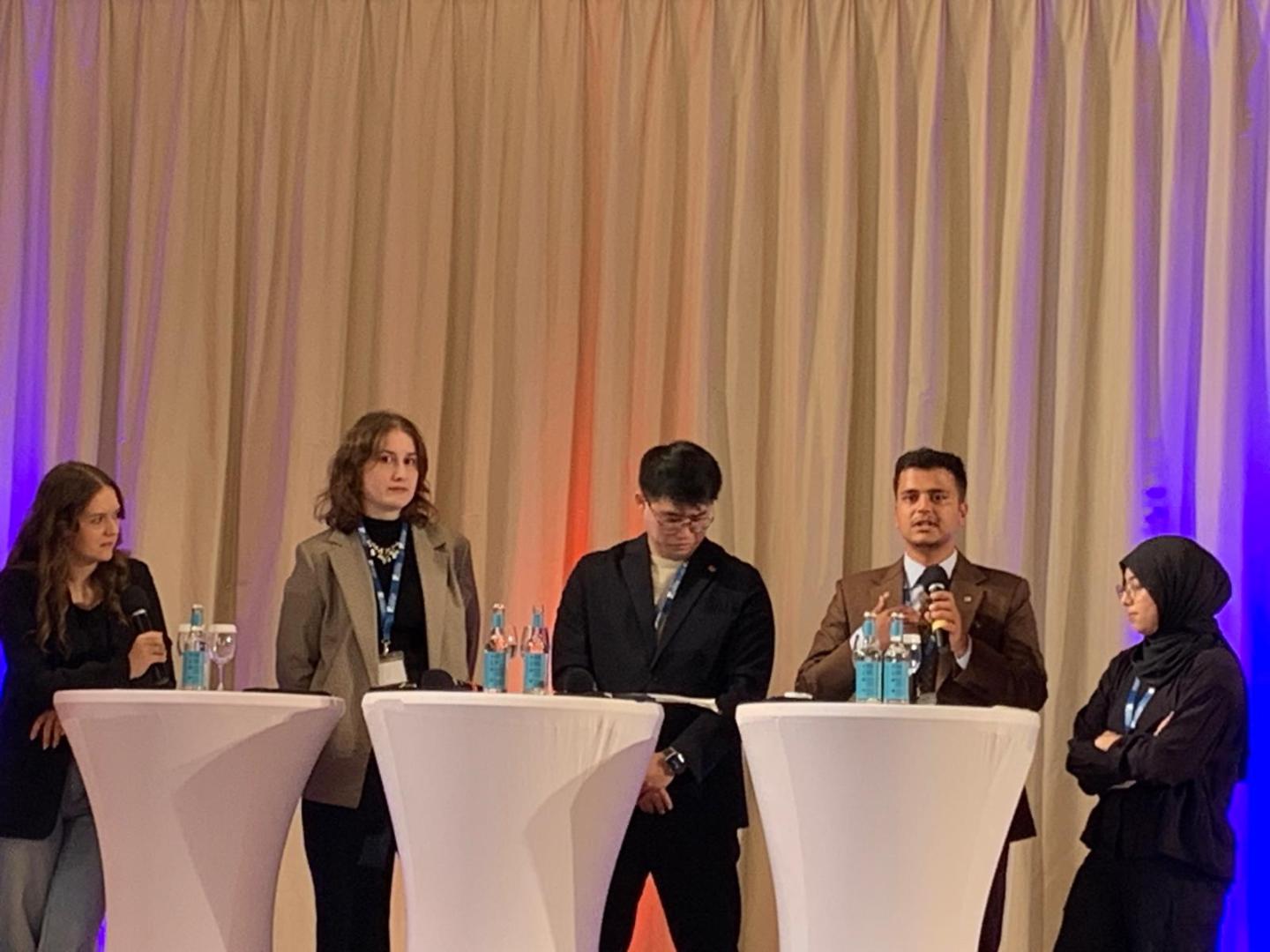
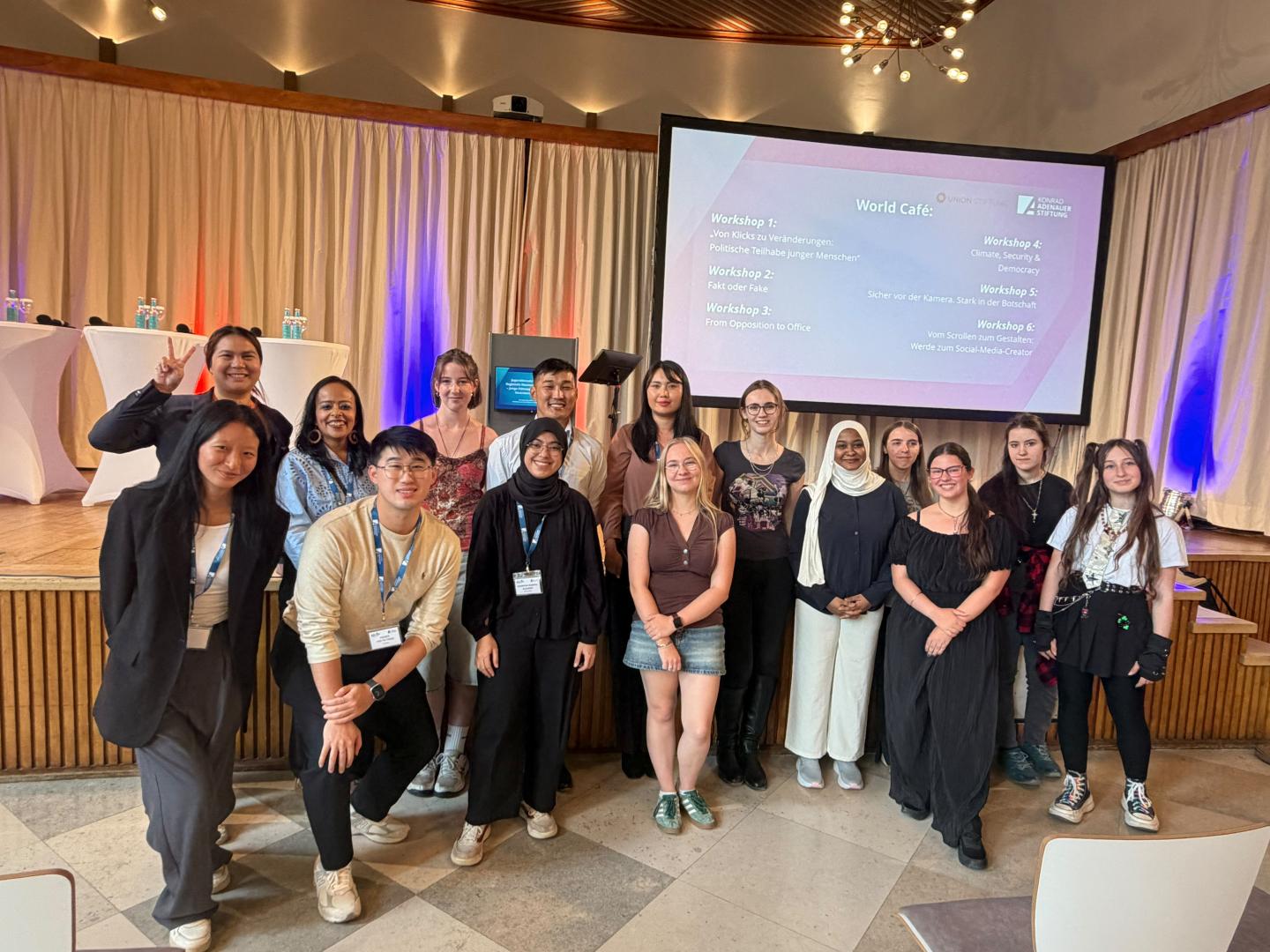
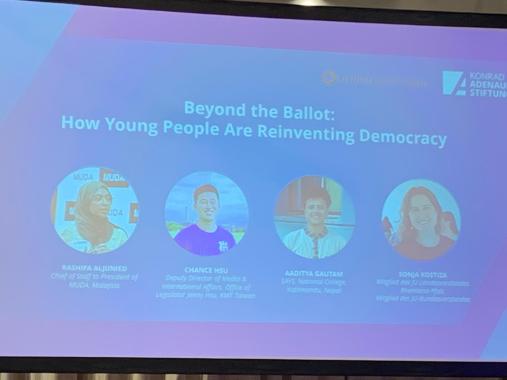
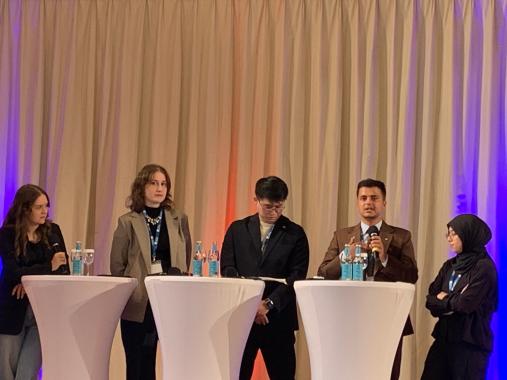
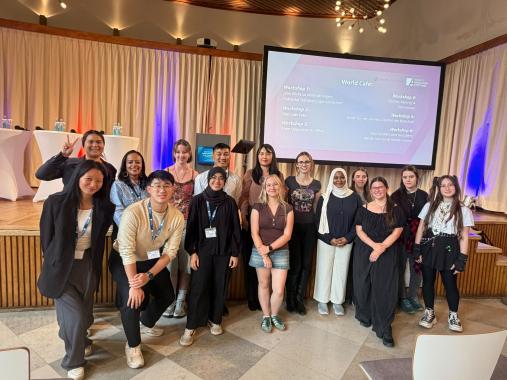
On 28th September 2026, the team attended the ‘Youth Democracy Summit: Regional Roots, Global Impact – Empowering Young Leaders for Global Responsibility’. The youth summit offered the team to learn about how AI, social media and digital platforms are reshaping political participation, public discourse and people’s engagement democratically. It was an honor for SAYS to have its Vice-president of SAYS Nepal Chapter, Aaditya Gautam share his perspective from Nepal, India and Bangladesh in the panel discussion ‘Beyond the Ballot: How Young People are Reinventing Democracy in Germany and the Asia-Pacific”. SAYS members were also part of the interactive workshops where in topics such as youth political participation, political leadership, climate change, security, communication and social media were covered. They also shared about their work across South Asia in the interactive workshop. Additionally, SAYS members also assisted Konrad Adeanuer Stiftung, Political Dialogue Asia in photography and videography for its media coverage. Furthermore, it was an honor for SAYS team to meet and share about its work with Annegret Kramp-Karrenbauer, the Chairwoman of Konrad Adenauer Stiftung.
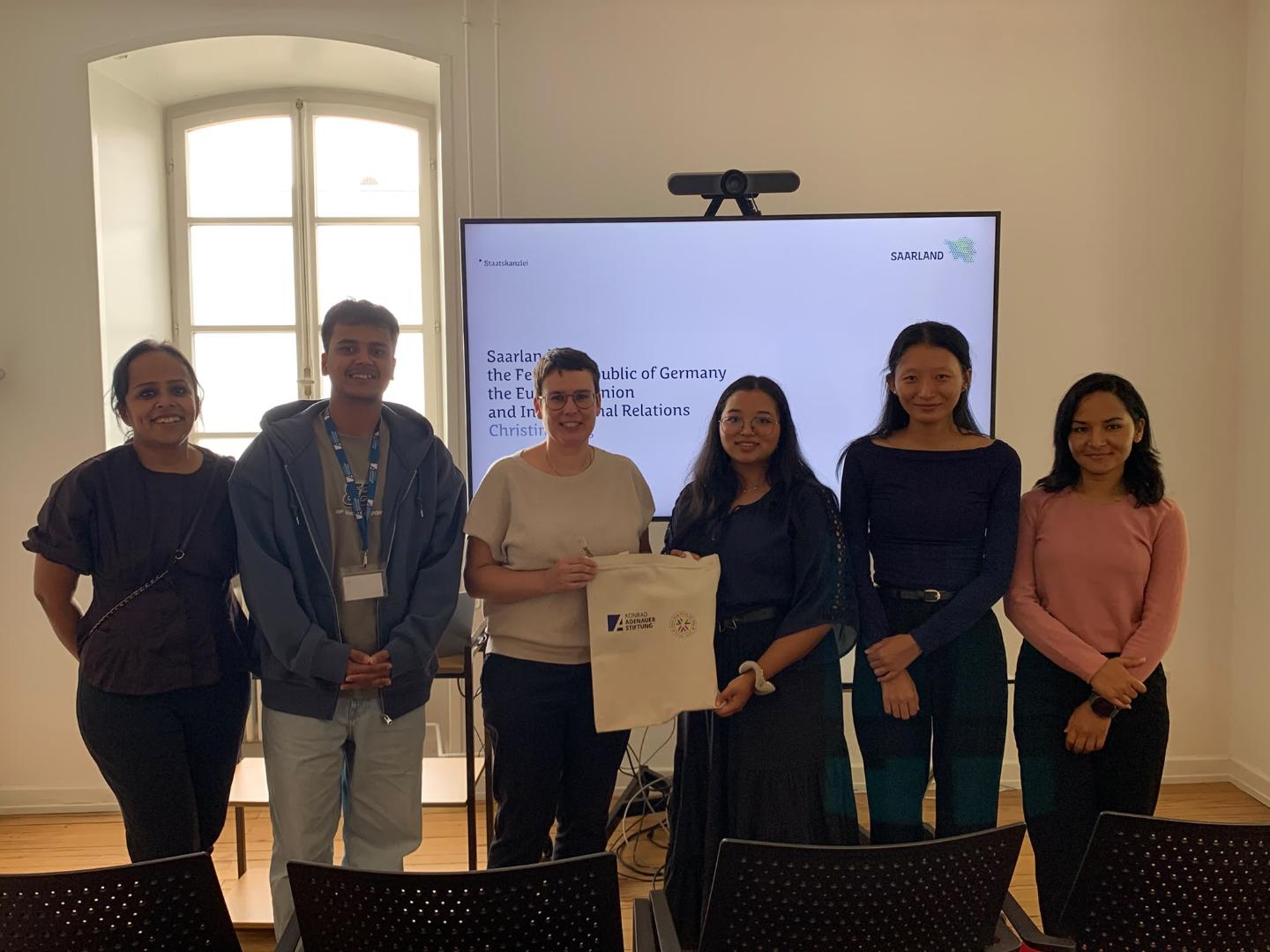
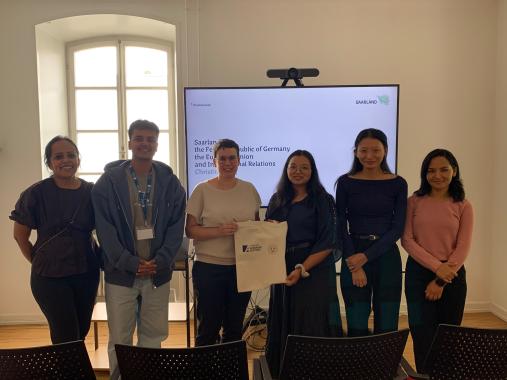
On 29th September 2026, the SAYS team visited the Office of the State Chancellery of Saarland, where they gained insights into the history, cultural heritage, and political development of Saarland and its capital, Saarbrücken. The presentation also provided a deeper understanding of Germany’s federal system, including the roles and responsibilities of its constituent states within the broader national governance structure. Furthermore, the team learned how Saarland’s unique geographical location, linguistic diversity, and historical connections with neighbouring countries, particularly France, contribute to its role in promoting European relations and strengthening cross-border cooperation. The visit highlighted the importance of regional identity, cultural exchange, and diplomatic engagement in fostering mutual understanding and collaboration among European nations. Overall, the experience offered the team a valuable perspective on how regional governance and shared cultural ties can contribute to European integration and international cooperation.
On 30th September 2026, the SAYS team visited the University of Mannheim and a climate agency in Mannheim, where they gained valuable insights into the university’s history, institutional background, academic programmes, and its role in higher education and research. The visit provided an opportunity for the team to understand the importance of academic institutions in fostering knowledge, critical thinking, and international collaboration. The team also learned about the climate agency’s key areas of operation, including its efforts to address climate change, promote environmental sustainability, and raise awareness of climate-related challenges. Through this interaction, the team gained a better understanding of how climate agencies contribute to the development and implementation of climate strategies, support environmental initiatives, and encourage sustainable practices at the local level. Overall, the visits offered the team a valuable opportunity to explore the connections between education, research, and climate action, while learning how academic institutions and specialized agencies contribute to addressing contemporary global challenges.
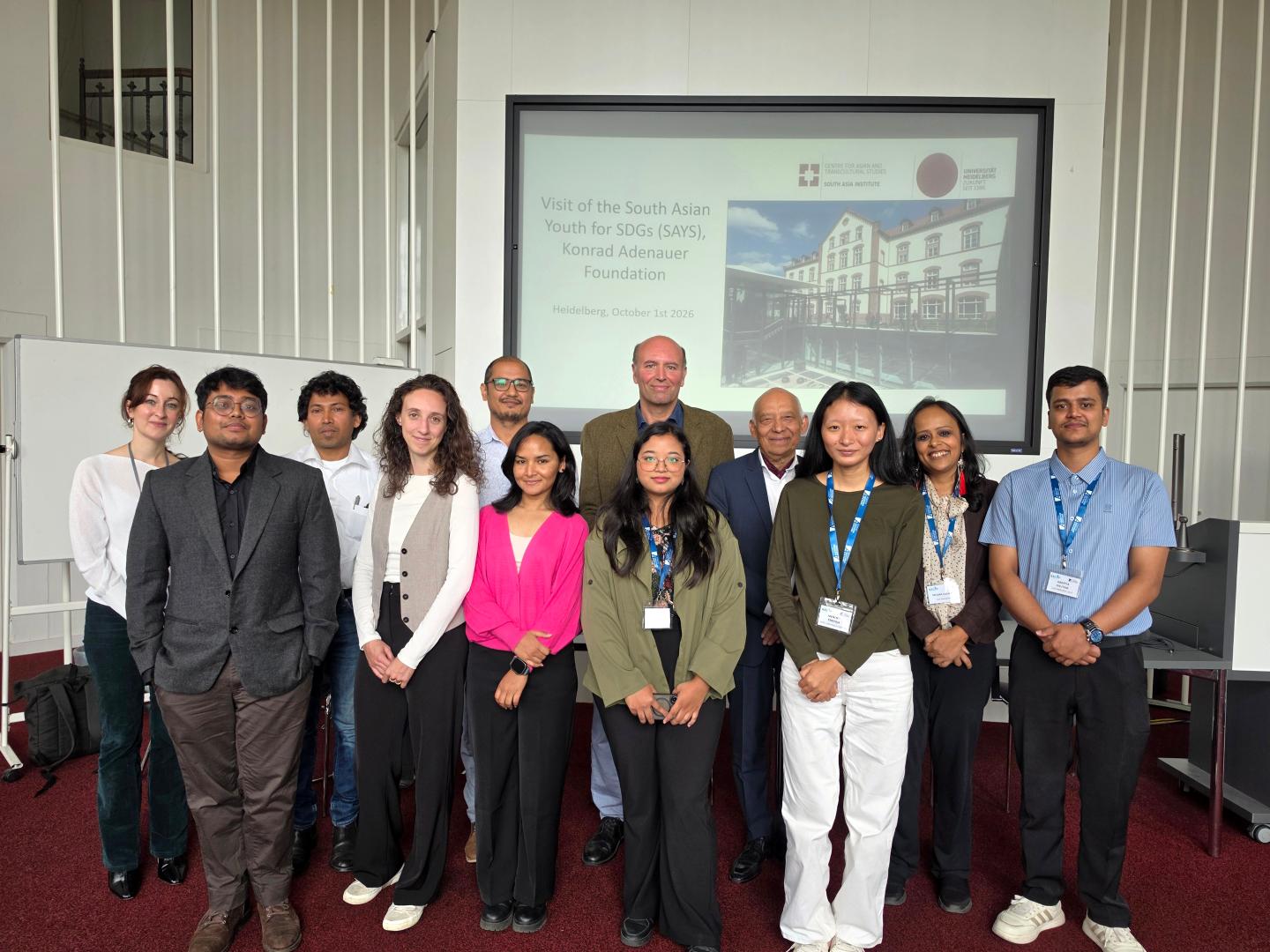
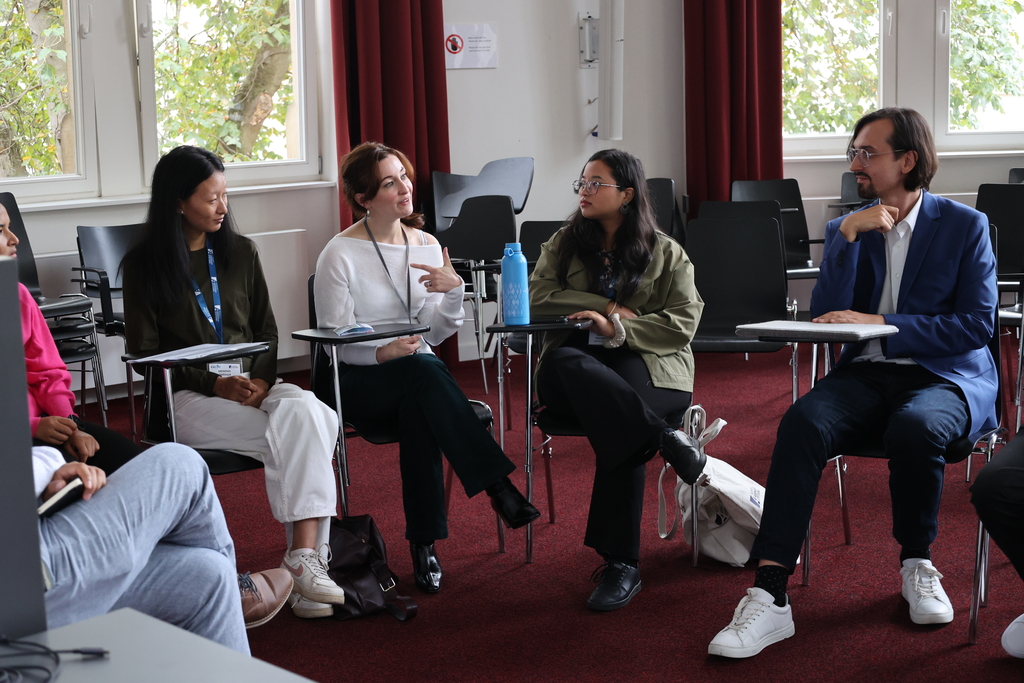
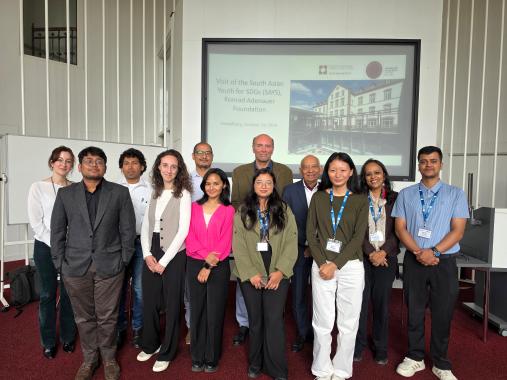
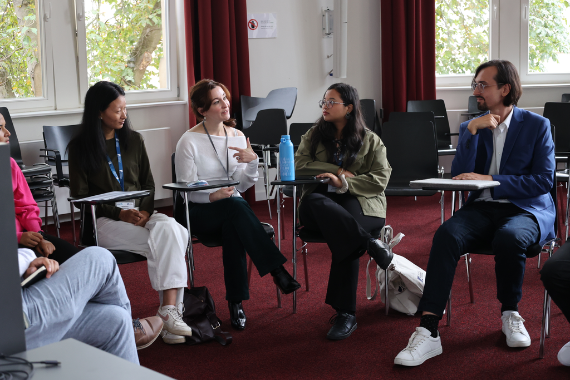
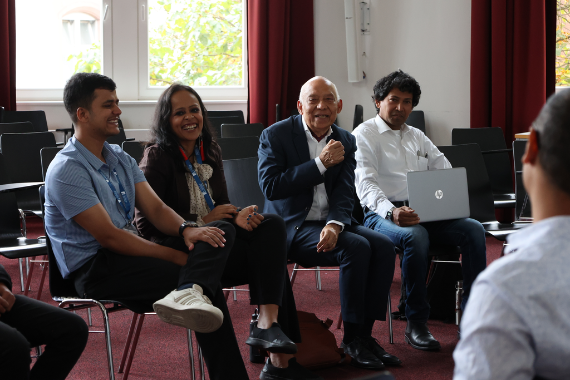
On 1st October 2026, the SAYS team visited Heidelberg University, where they learned about the university’s academic history and the work of its South Asia Institute. The team also participated in a panel discussion, during which they had the opportunity to present their work across South Asia, exchange ideas, and share perspectives on regional issues and research. The visit provided a valuable platform for engaging with researchers from different parts of the world, fostering cross-cultural dialogue, and exploring opportunities for future academic collaboration. Additionally, the team visited the university library and explored its extensive collections on South Asia, gaining insights into the importance of academic resources in supporting research and preserving regional knowledge and heritage. On the same day, the team also visited Heidelberg Castle, where they learned about its historical significance, architectural features, and cultural heritage. Exploring the castle offered the team a deeper appreciation of how historical landmarks contribute to a city’s identity, preserve its past, and attract visitors from around the world. Overall, the day provided a meaningful blend of academic exchange, research exploration, and cultural learning.
On 2nd October 2026, the SAYS team visited Speyer, where they explored the city’s rich history, cultural heritage, and way of life. By observing its historic architecture, well-preserved streets, public spaces, and the daily lives of its residents, the team gained valuable insights into how the city balances the preservation of its historical identity with the needs of modern society. The visit also provided an opportunity to understand how urban planning, efficient public infrastructure, environmental awareness, and the preservation of cultural heritage contribute to sustainable urban development. Furthermore, the team learned how Speyer’s historical landmarks and cultural traditions continue to shape its identity while fostering community engagement and tourism. Overall, the visit offered the team a meaningful opportunity to appreciate how a city can maintain its cultural and historical significance while embracing sustainability and improving the quality of life of its residents.
On 3rd October 2026, the SAYS team visited Hambach Castle and participated in the Hambach Roundtable on German Unity, where they explored various perspectives on German unity, European integration, democracy, and social cohesion. A key highlight of the event was the keynote address delivered by Dr. Ute Eiling-Hütig, Minister of Education of the State of Rhineland-Palatinate, which offered valuable insights into the importance of democratic values and civic engagement. The roundtable provided a meaningful platform for participants from Asia and Germany to exchange perspectives on democracy, reflect on how democratic principles are understood across different cultural and social contexts, and discuss the role of young people in strengthening democratic institutions and fostering social cohesion within their communities. The SAYS team also had the opportunity to share its own perspectives on democracy, contributing to the broader dialogue on inclusion, mutual understanding, and collective responsibility. Furthermore, the visit to Hambach Castle offered an opportunity to appreciate its historical significance as a landmark associated with the development of democratic ideals and political participation in Germany. Overall, the experience enriched the team’s understanding of democracy as an ongoing process that requires active youth participation, cross-cultural dialogue, and a shared commitment to building inclusive and cohesive societies.
The week-long programme in Germany was a meaningful learning experience for the SAYS team, combining academic engagement, policy dialogue, cultural exploration, and international collaboration. From understanding the opportunities and risks of artificial intelligence in global security to exploring democratic participation, climate action, and sustainable development, the visits broadened the team’s understanding of the complex issues shaping societies today.
The discussions and interactions with German institutions, researchers, experts, and young leaders also highlighted the importance of inclusive governance, responsible innovation, cultural preservation, and cross-border cooperation. Furthermore, the opportunity to share perspectives from Nepal and South Asia strengthened the team’s commitment to fostering dialogue and building connections across regions. Overall, the experience reinforced the importance of empowering young people to contribute meaningfully to democratic processes, international cooperation, and sustainable development. The knowledge, insights, and connections gained throughout the programme will serve as valuable foundations for SAYS’s continued efforts to promote youth leadership, regional collaboration, and informed engagement with global challenges.