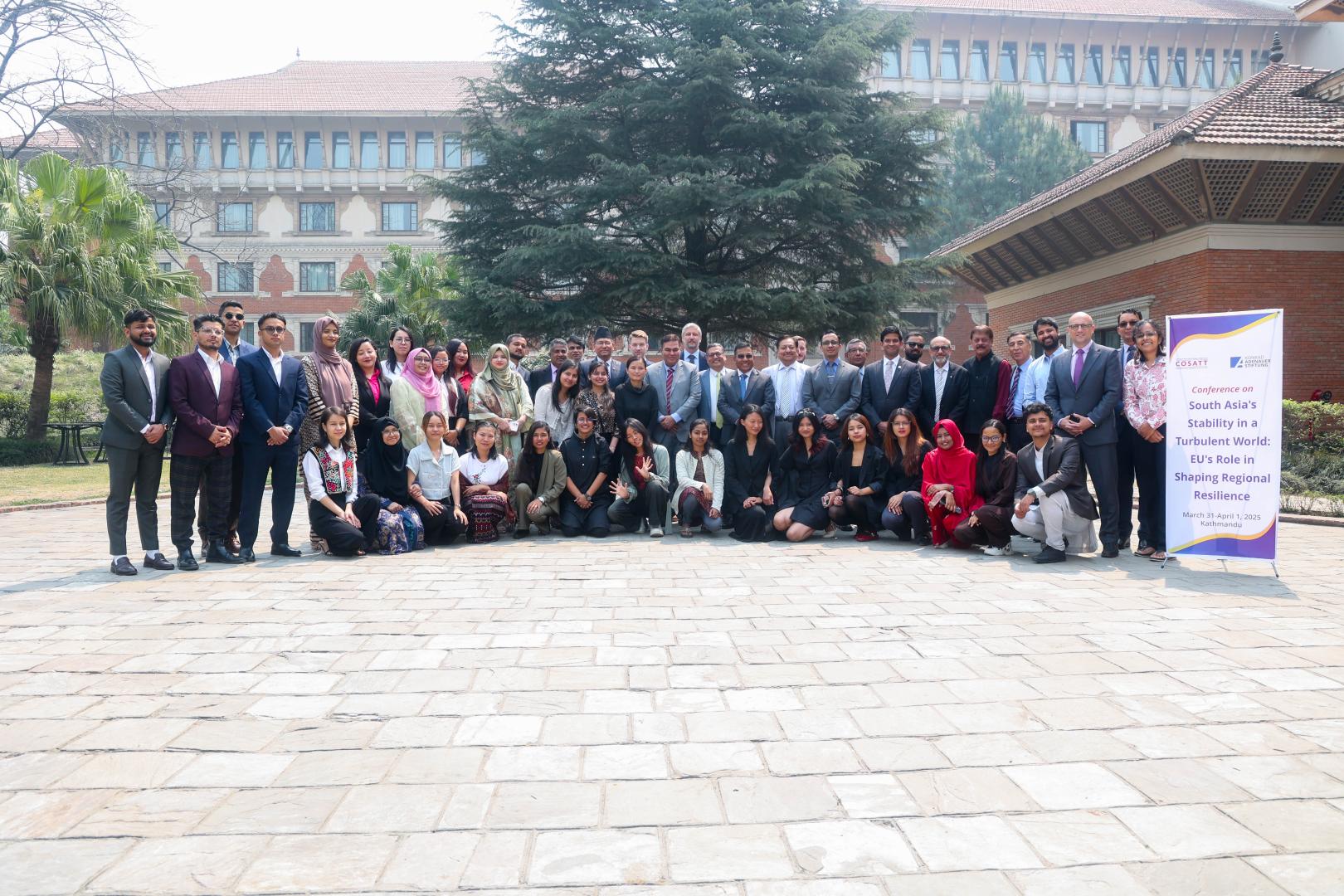
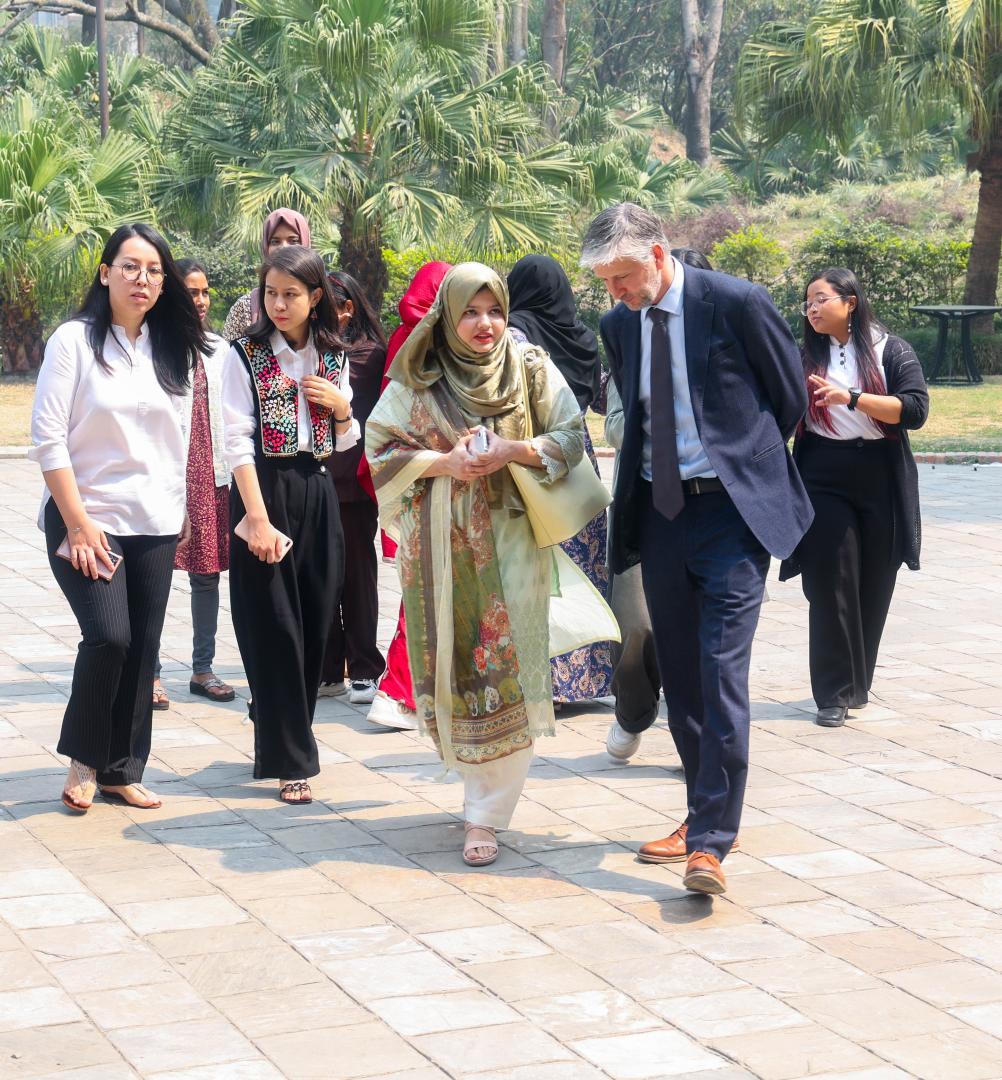
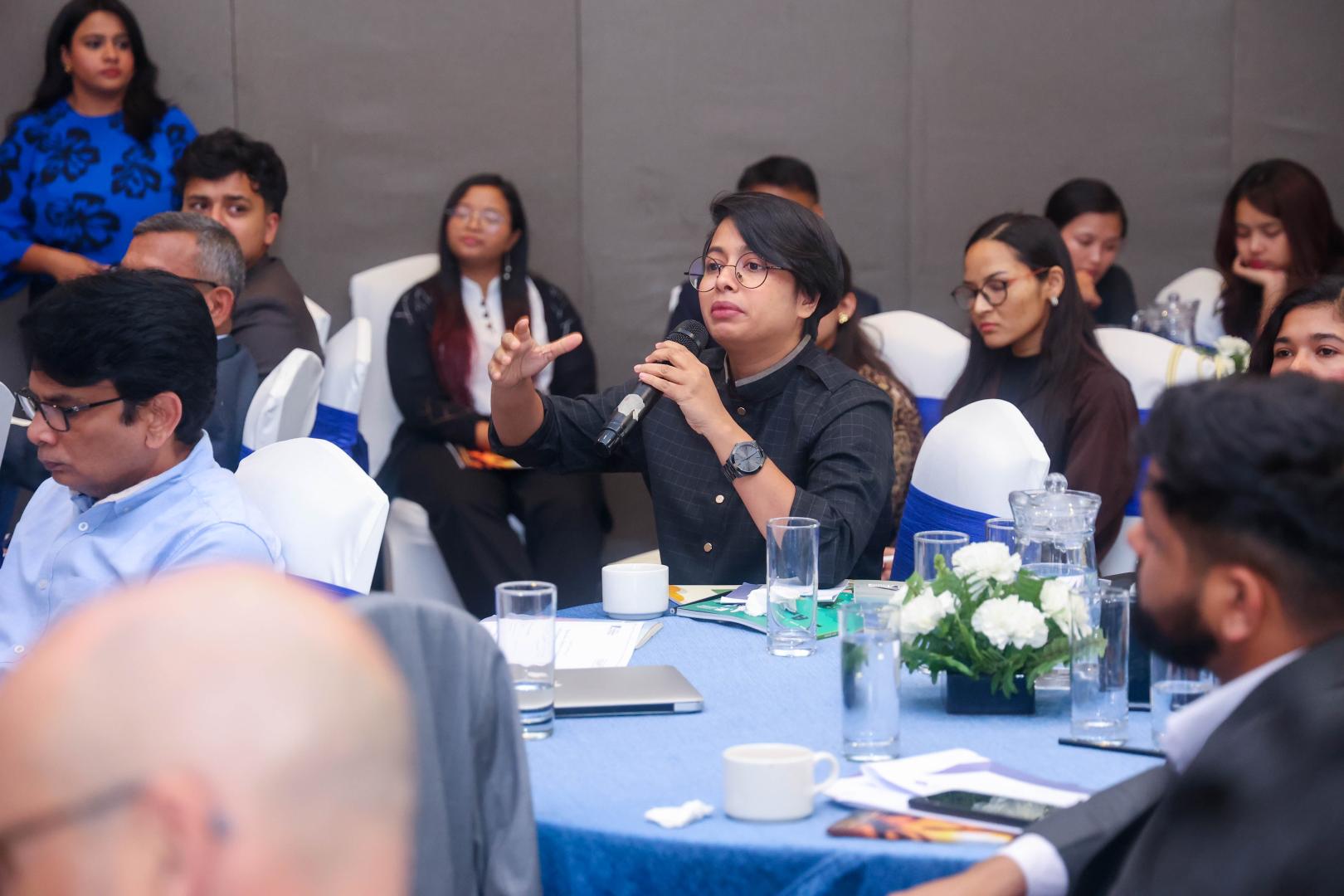

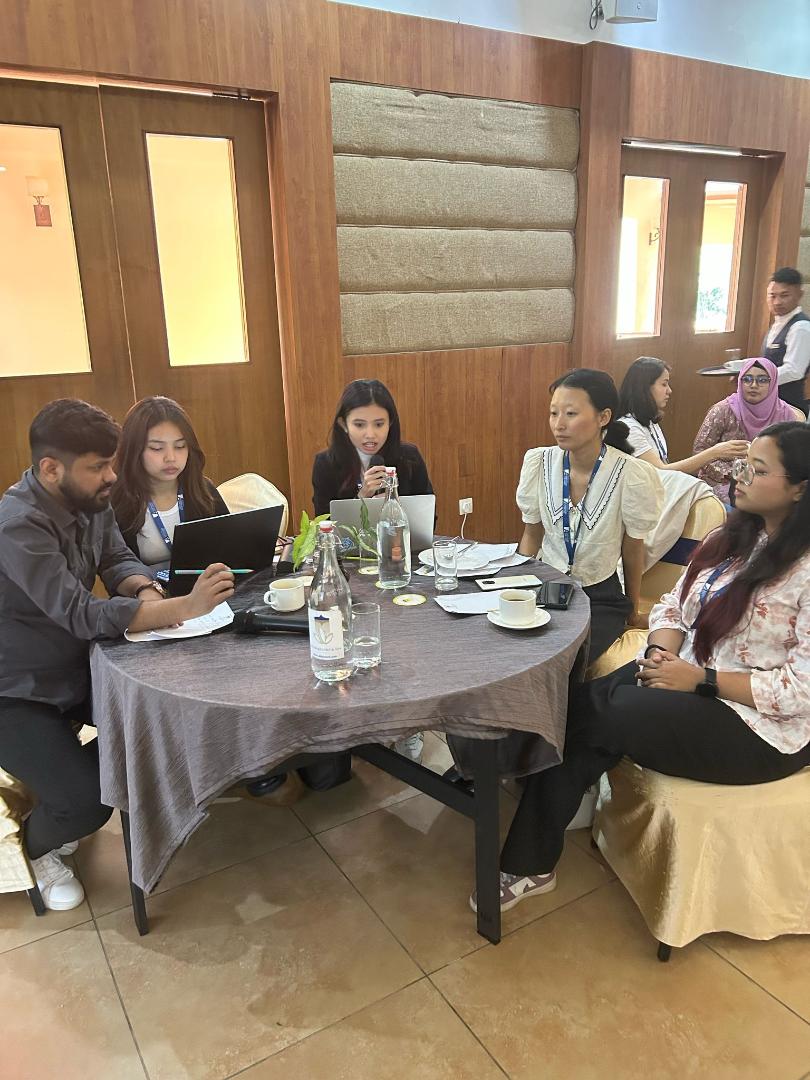
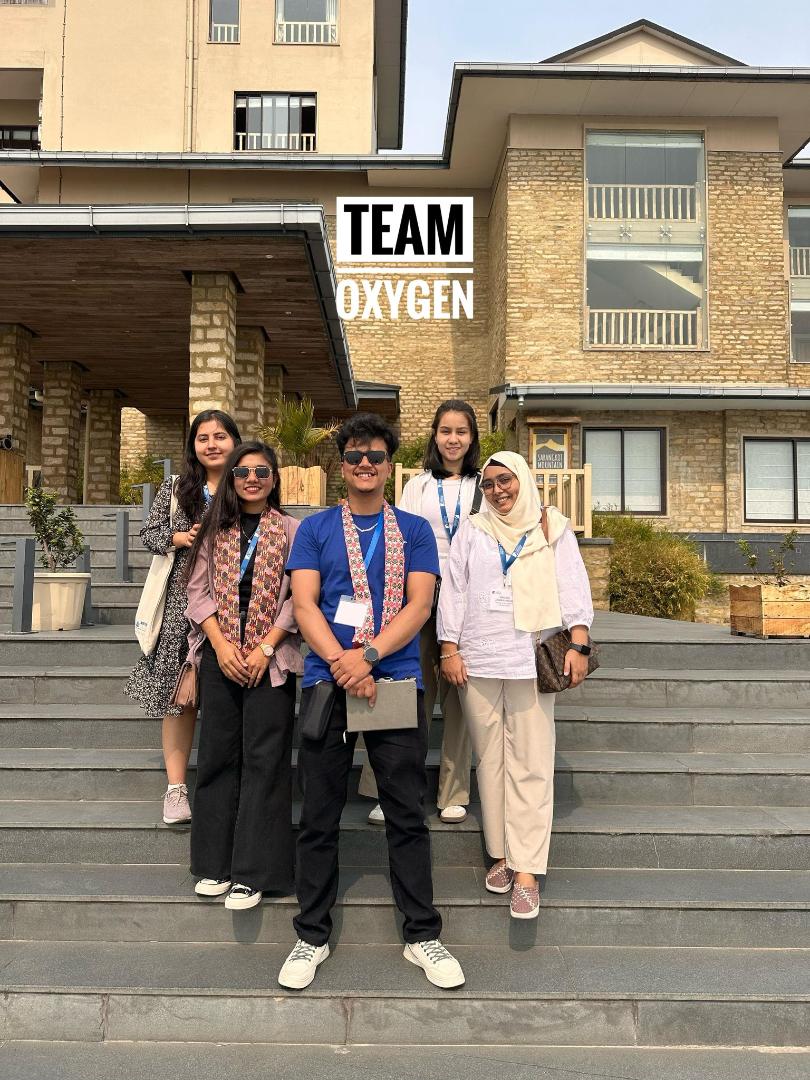
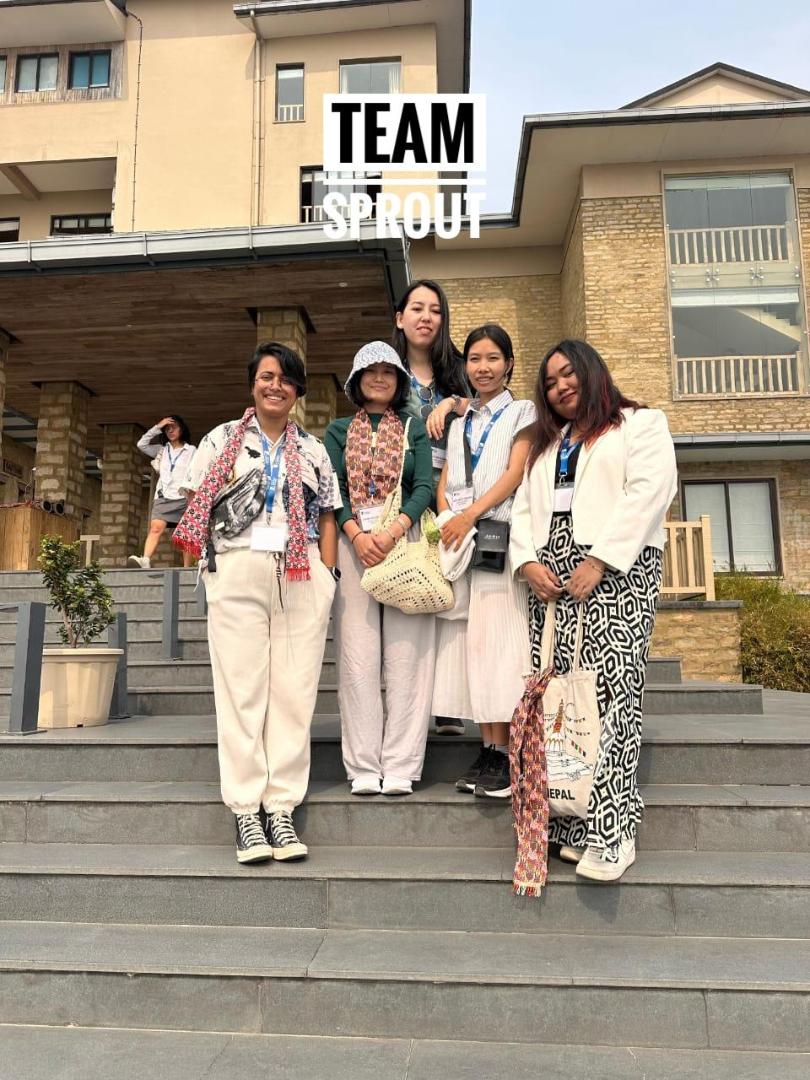
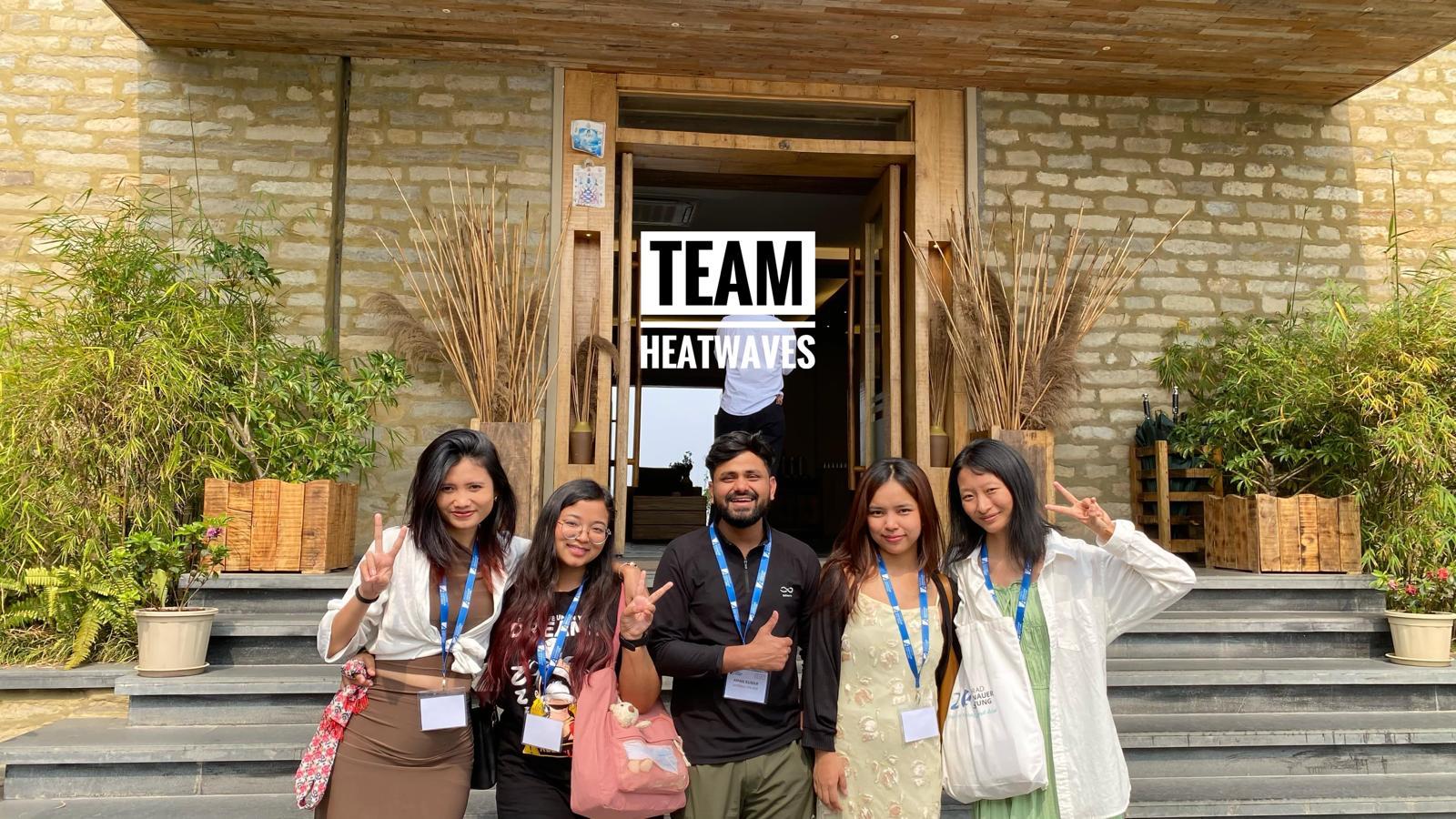

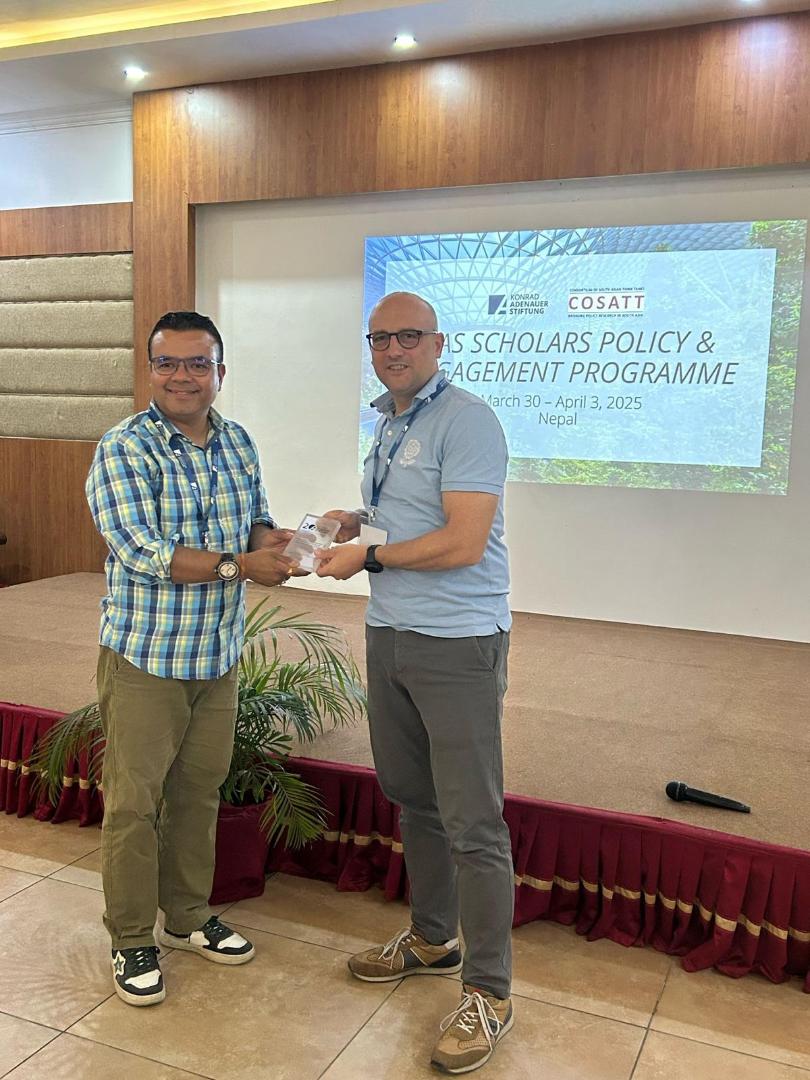
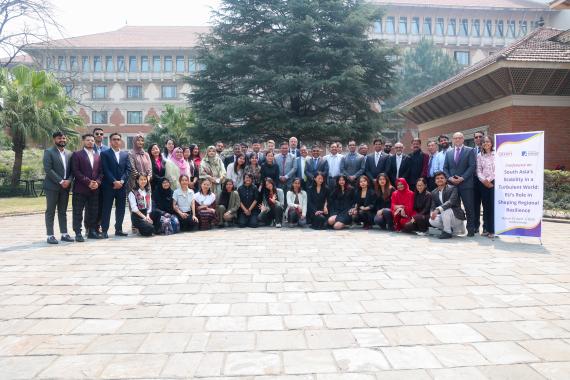
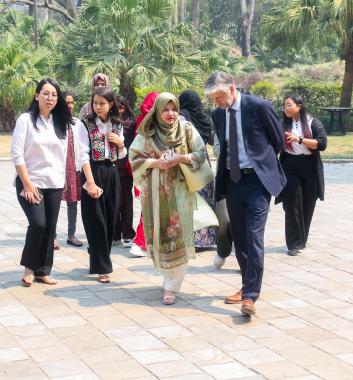
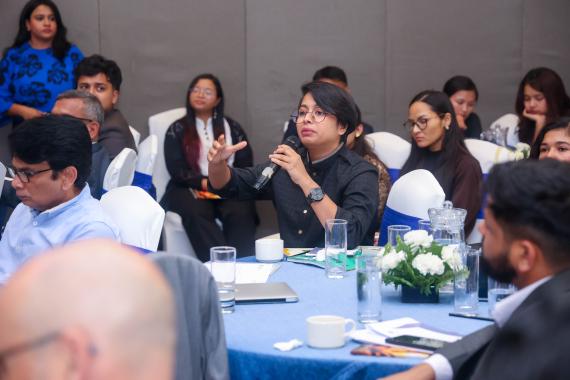
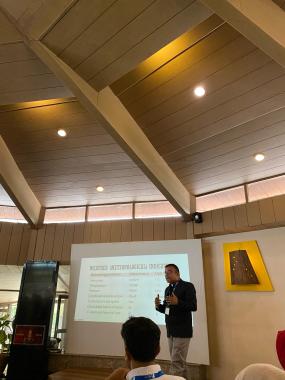
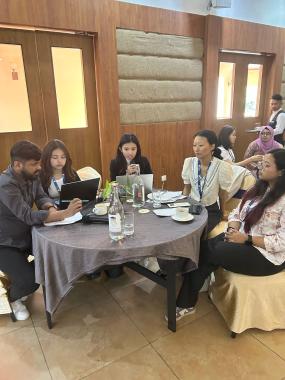
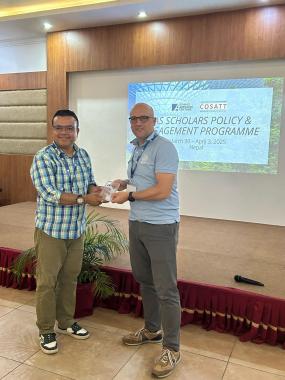
The program began in Kathmandu with the scholars attending the COSATT Conference titled “South Asia’s Stability in a Turbulent World: The European Union’s Role in Shaping Regional Resilience.” The event brought together a wide range of policymakers, academics, and think tanks from across South Asia to explore challenges such as regional stability, economic resilience, and the EU’s evolving engagement in the region.
KAS Scholars participated in these discussions, gaining valuable insights while also contributing their own perspectives—adding a critical youth voice to regional policy conversations.
Field-Based Learning in Pokhara
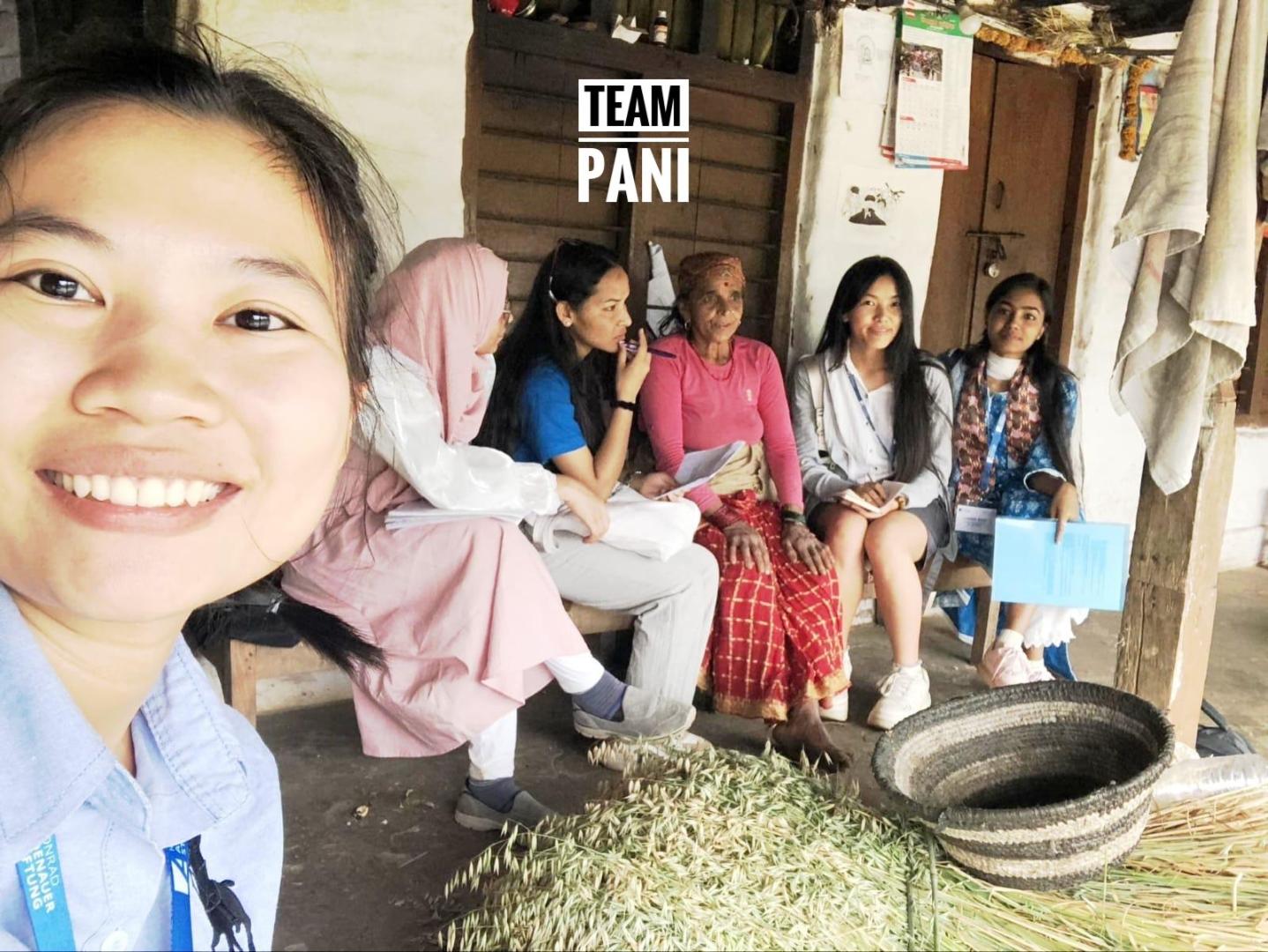
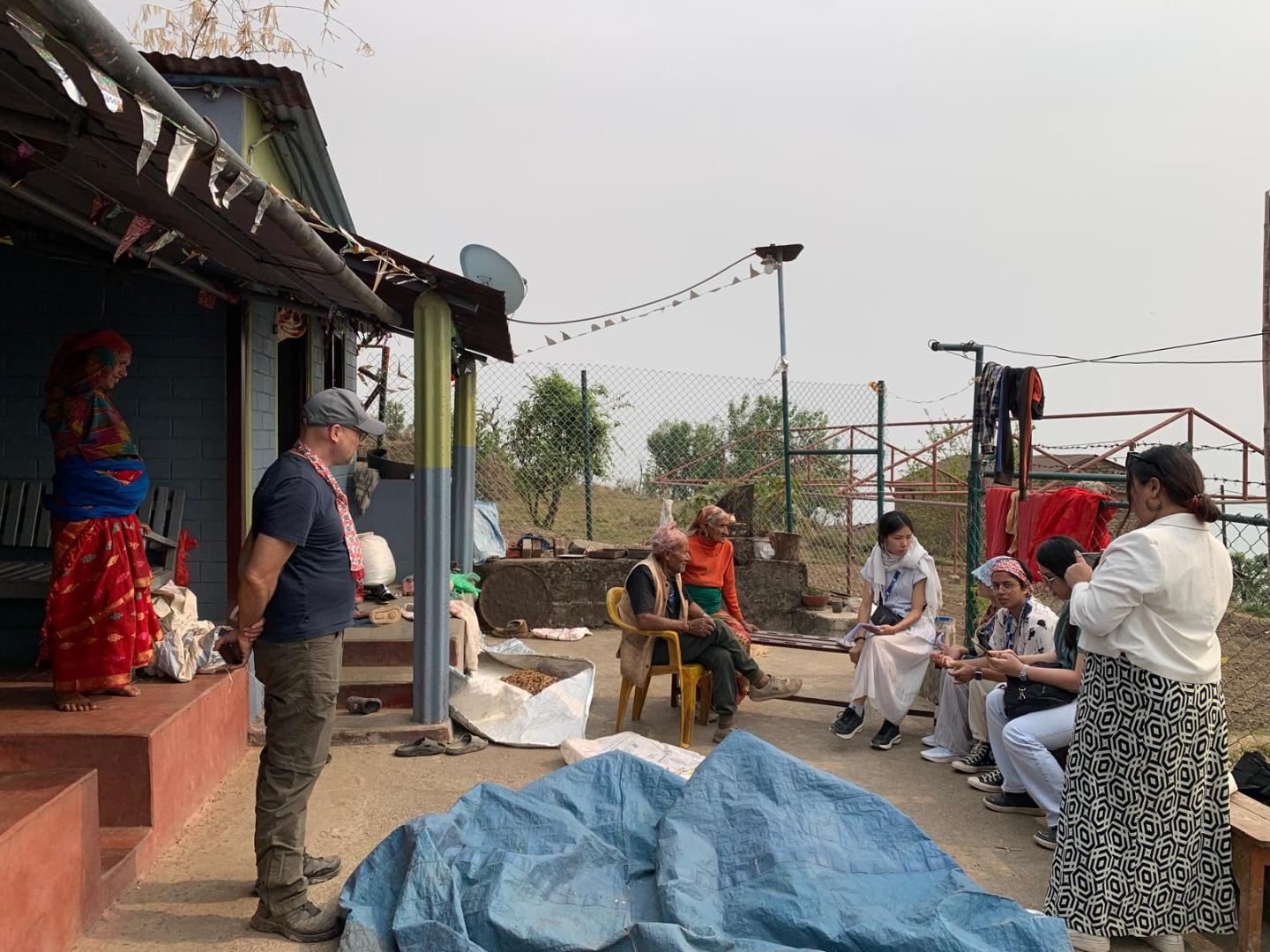
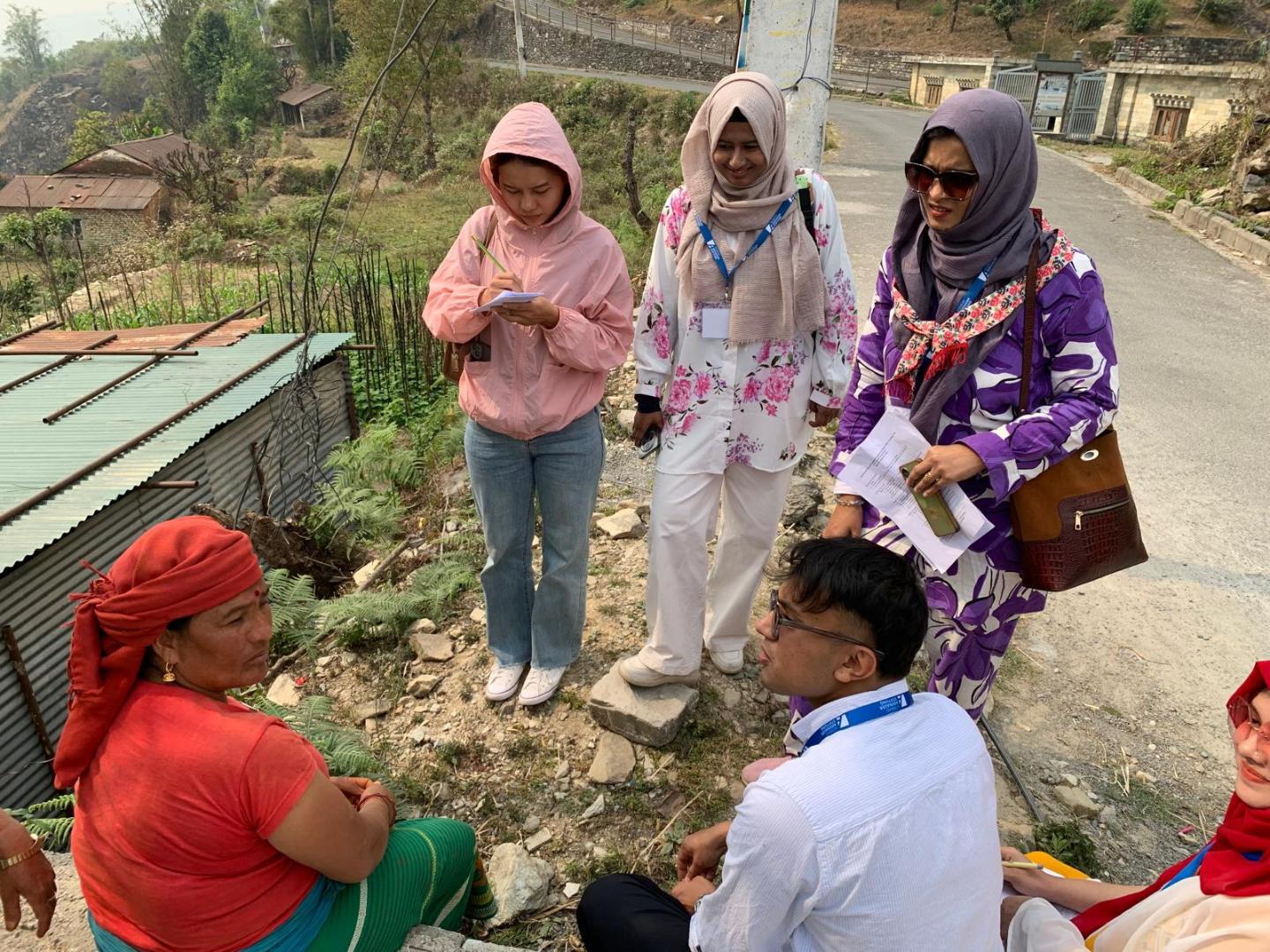
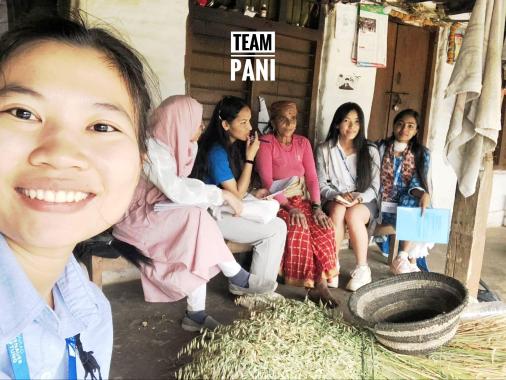
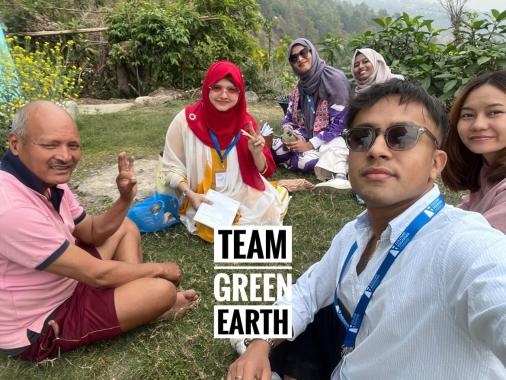
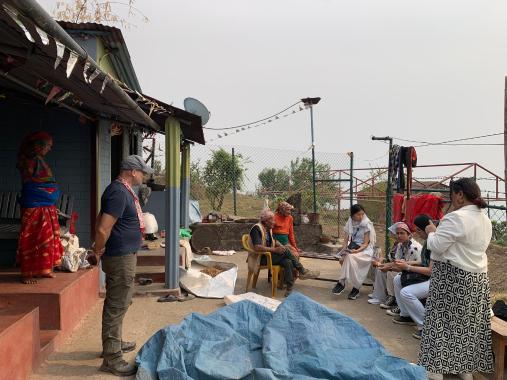
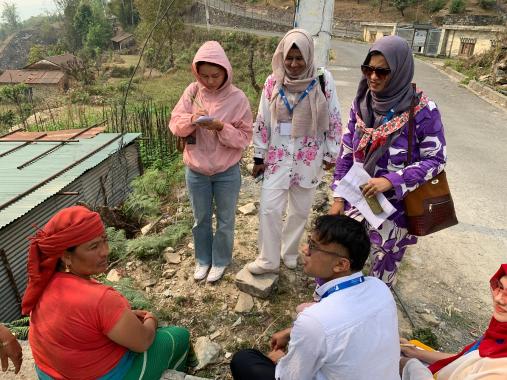
Following the conference, the scholars travelled to Pokhara for a field-based study focused on climate change impacts and community resilience. Led by climate expert Dr. Ujjwal Upadhyay, the field study began with an introduction to climate change science, followed by hands-on community surveys and environmental assessments.
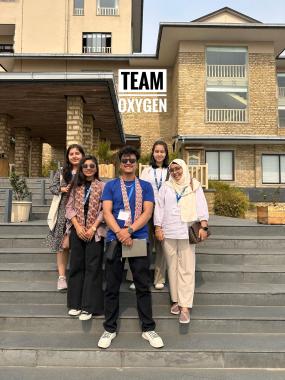
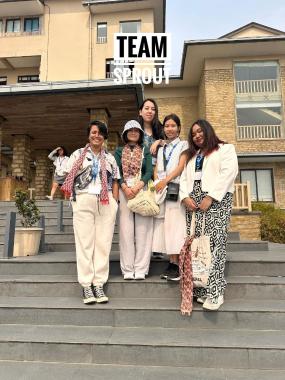
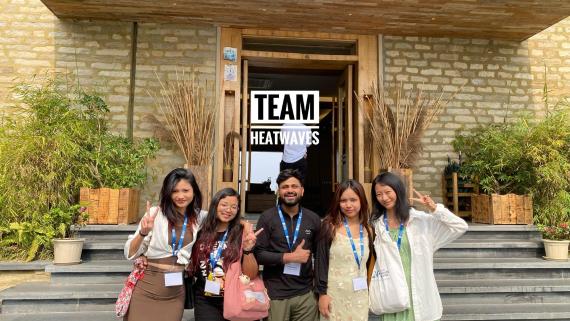
Divided into groups, the scholars investigated key issues such as changing weather patterns, water scarcity, biodiversity loss, and the challenges facing local tourism industries. Their work highlighted local-level climate vulnerabilities and generated practical policy recommendations ranging from disaster preparedness to eco-friendly tourism and sustainable water management.
Building Skills in Climate Communication
On the second day of fieldwork, Dr. Upadhyay conducted a workshop on Climate Change Communication, equipping scholars with tools to effectively convey complex environmental issues to different audiences. Each group then presented their findings and proposed solutions during a final presentation session.
The presentations showcased not only rigorous research but also the scholars' creativity, leadership, and deep concern for regional sustainability.
Community Visits and Lasting Impact
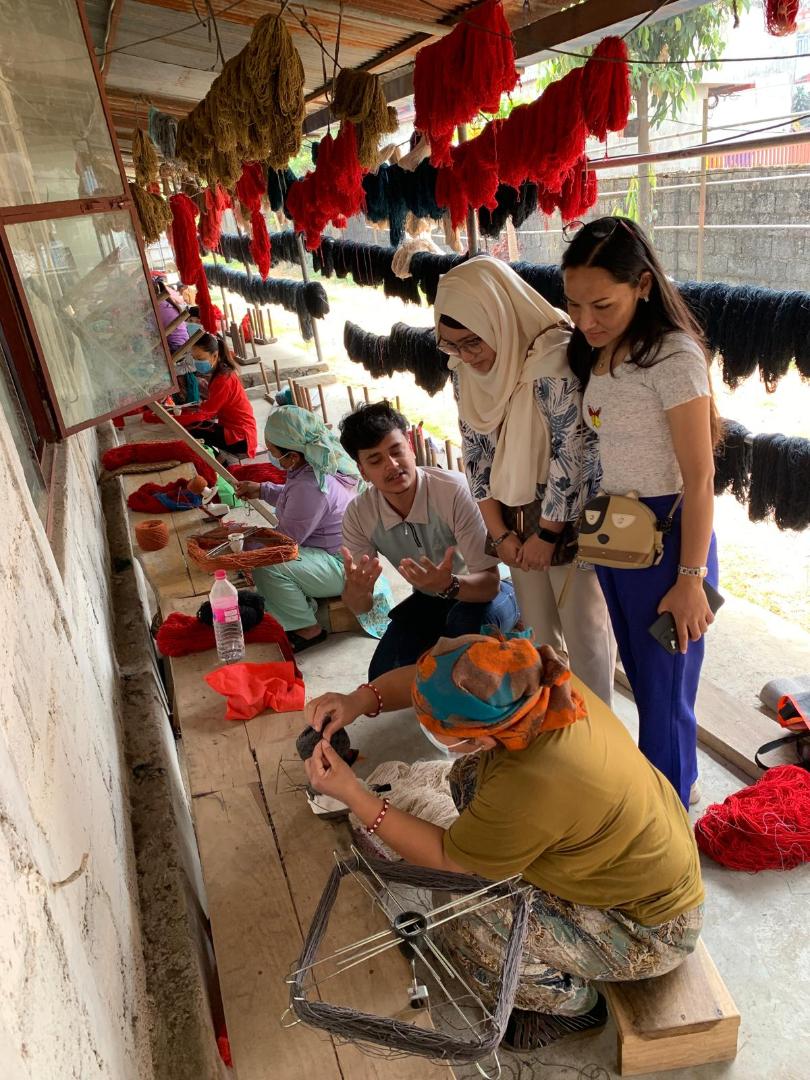
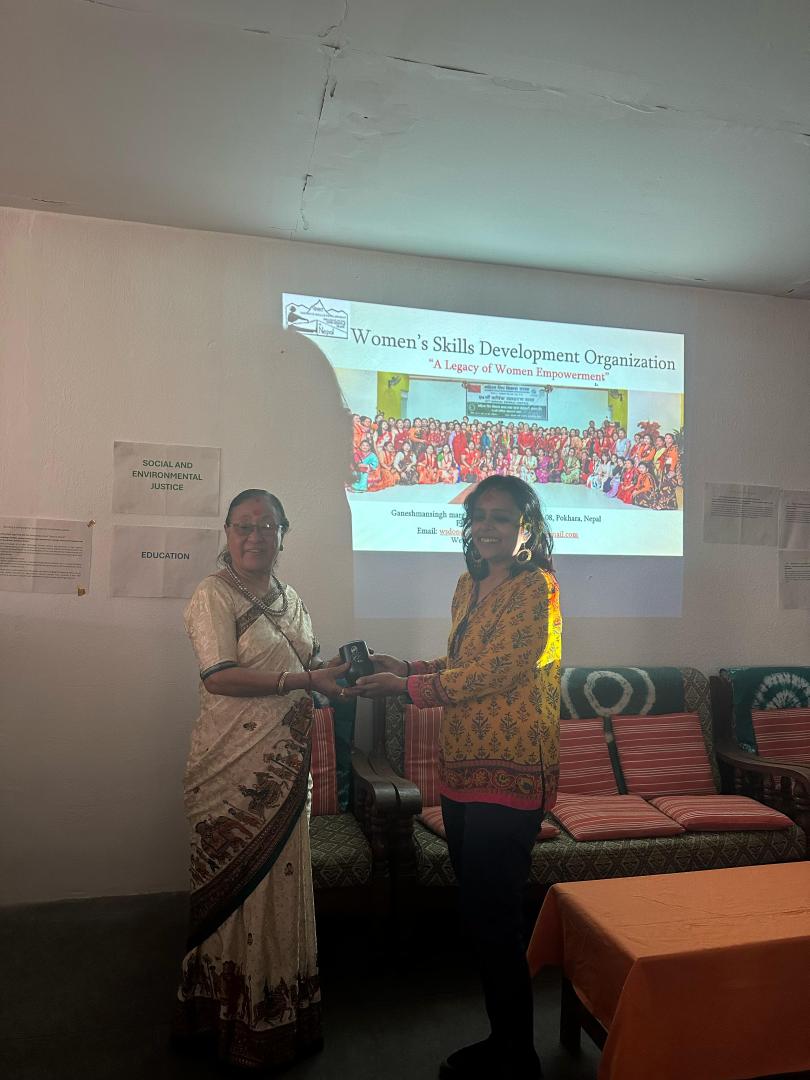
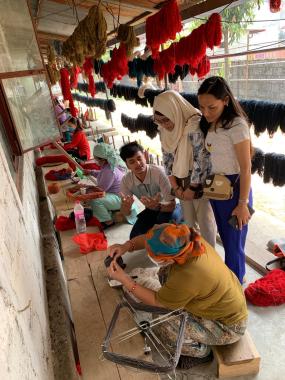
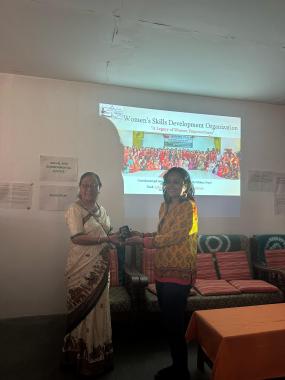
To conclude the field program, participants visited the Women’s Skills Development Organization and the Seti River Gorge, connecting their climate learning with broader themes of gender empowerment and community-based resilience.
One of the most exciting outcomes of the program was the formation of a KAS Interest Group dedicated to ongoing climate collaboration in the region. Additionally, one scholar created a powerful video project focused on women’s role in climate resilience.
Reports and Reflections
Scholars from both the Asian University for Women and National College Kathmandu actively contributed throughout the program. Their individual reports reflect the diversity of perspectives and depth of analysis achieved.
Read the full reports here:
Asian University for Women Report
National College Kathmandu Report