







KASYP 16.4: Political Parties in European Parliamentary Democracy
How do political parties respond to growing political polarisation? What can young political leaders in Asia learn from Germany’s parliamentary democracy? And how can democratic institutions maintain public trust at a time when traditional political structures are increasingly being challenged?
These were some of the questions explored during the fourth and final module of the Konrad Adenauer School for Young Politicians (KASYP), Batch 16, held from 27 September to 4 October 2026 in Saarbrücken and Mainz, Germany.
The programme brought together young political leaders from across Asia for a week of exchanges with German politicians, political institutions and civil society representatives. Beyond learning about Germany’s political system, the visit offered an opportunity to compare experiences, discuss common challenges and reflect on the role of political parties in strengthening democratic societies.
The programme began in Saarbrücken with the Saarland–Asia Youth Democracy Summit, bringing together young politicians and democracy practitioners from Germany and the Asia-Pacific. Through panel discussions and interactive workshops, participants exchanged views on political participation, the influence of social media and artificial intelligence, democratic resilience and the changing expectations of younger generations.
One of the central discussions focused on how young people are finding new ways to engage in politics, often outside traditional party structures. While political realities in Germany and Asia differ considerably, many of the challenges are familiar: declining trust in institutions, political polarisation and the difficulty of reaching younger voters.
A central objective of the module was to introduce participants to Germany’s federal political system and the important role played by its federal states. In Saarbrücken, discussions with representatives of the Konrad-Adenauer-Stiftung focused on Germany’s changing political landscape, including the rise of far-right political movements and the implications for established political parties. A meeting at the Saarland State Chancellery with Christine Jung, Head of German-French Cooperation and Francophonie, offered insights into cross-border cooperation and the particular role of Saarland in Franco-German relations.
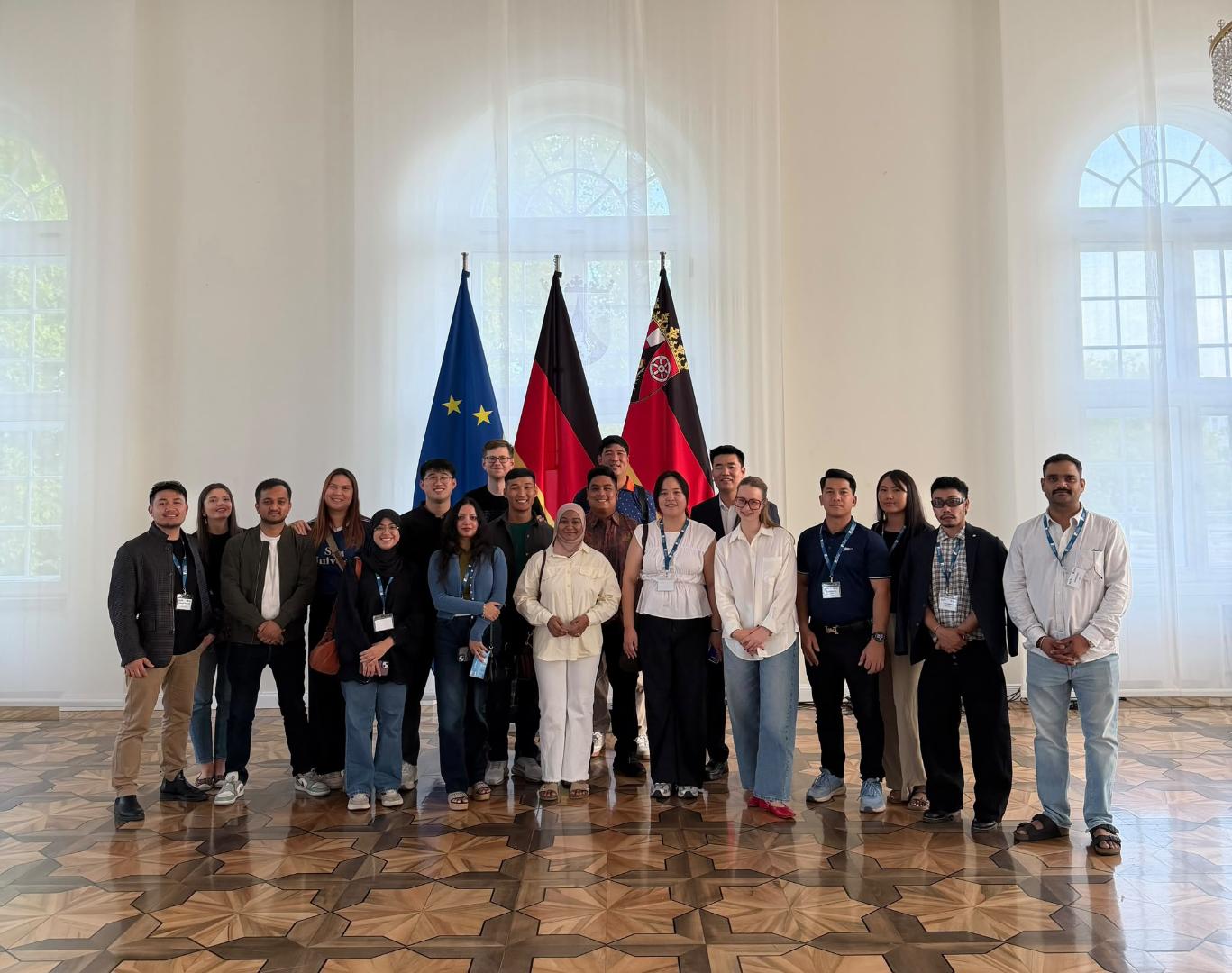
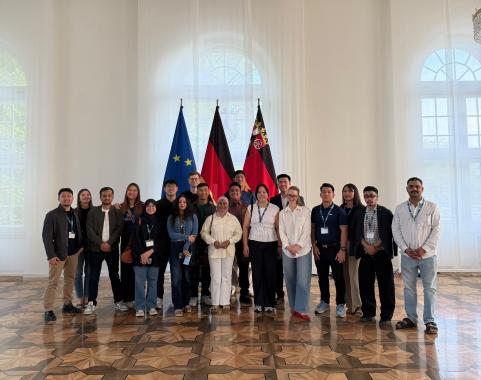
The programme continued in Mainz, where participants gained a closer understanding of parliamentary work and political decision-making at the state level. During a visit to the Landtag of Rhineland-Palatinate, the group met with Member of Parliament Raymond Höptner and discussed the responsibilities of elected representatives, the functioning of state parliaments and the relationship between political parties and citizens.
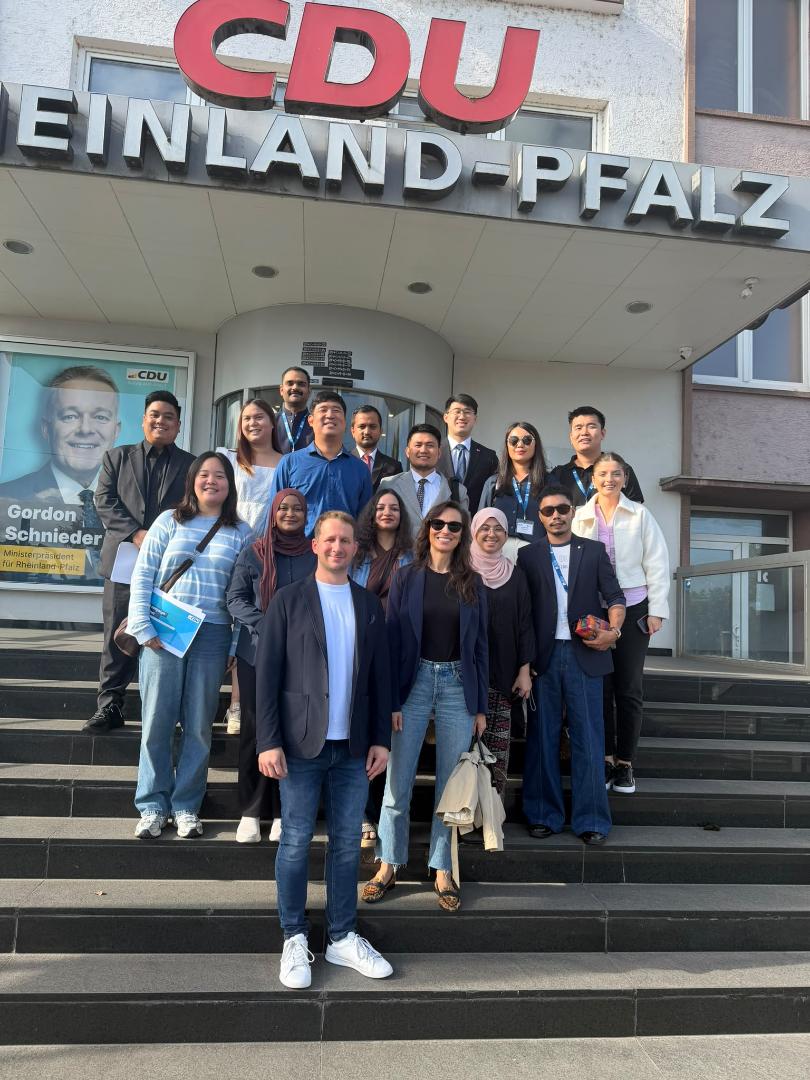
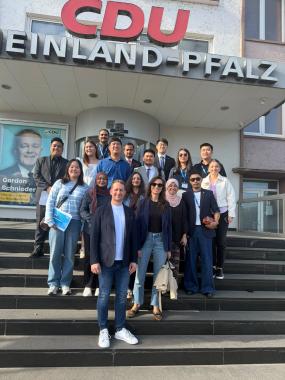
A meeting with Sascha Wickert at the CDU Rhineland-Palatinate provided an opportunity to learn more about party organisation, internal structures and political work at the state level. Participants also visited the State Agency for Civic Education of Rhineland-Palatinate, where discussions with Dr Tim Müller focused on political education and its importance in encouraging informed democratic participation. Together, these exchanges highlighted an important aspect of democracy: strong institutions matter, but so does the continuous effort to engage citizens, explain political decisions and maintain public trust.
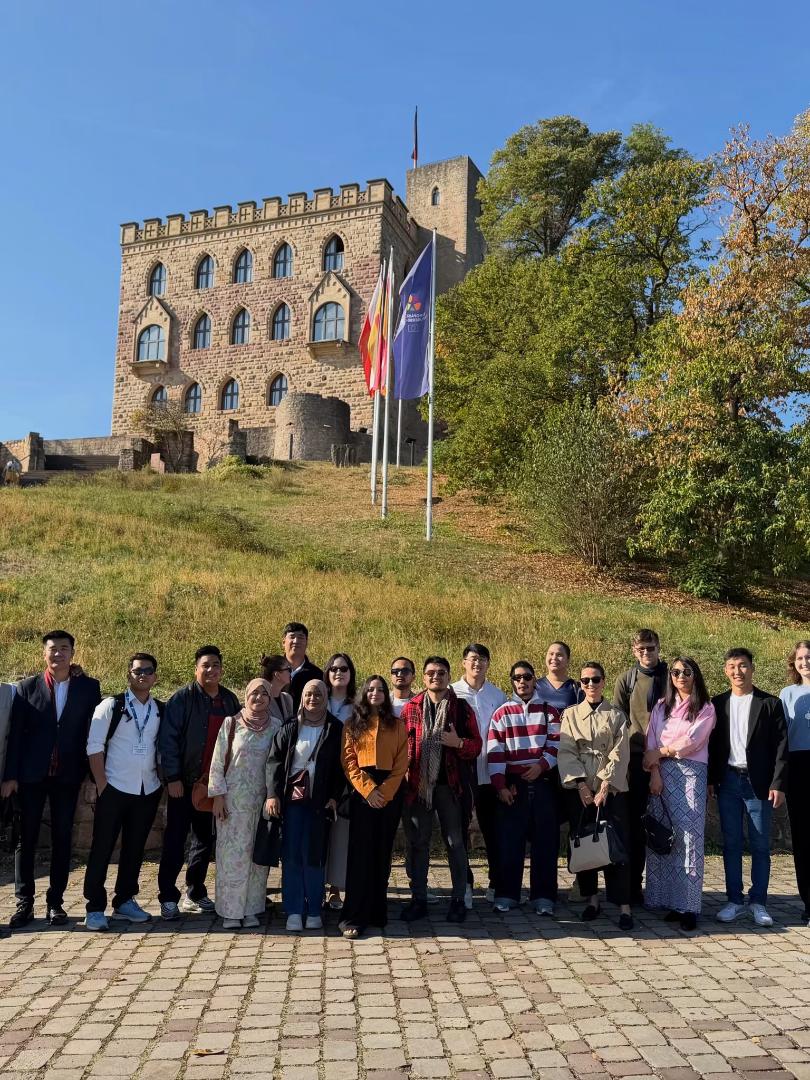
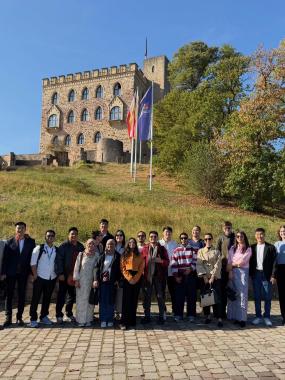
The final programme day took place on 3 October, German Unity Day, at the historic Hambach Castle, a landmark of Germany’s democratic movement. Together with members of the Junge Union, KASYP participants joined the Hambach Roundtable on German Unity, exploring the relationship between German reunification, European integration, democracy and social cohesion. The event featured a keynote address by Dr Ute Eiling-Hütig and brought together young people to reflect on the meaning of unity and the challenges facing democratic societies today. For the Asian participants, the discussions offered a broader perspective on Germany’s democratic development and the importance of historical experience in shaping political institutions and public debate.
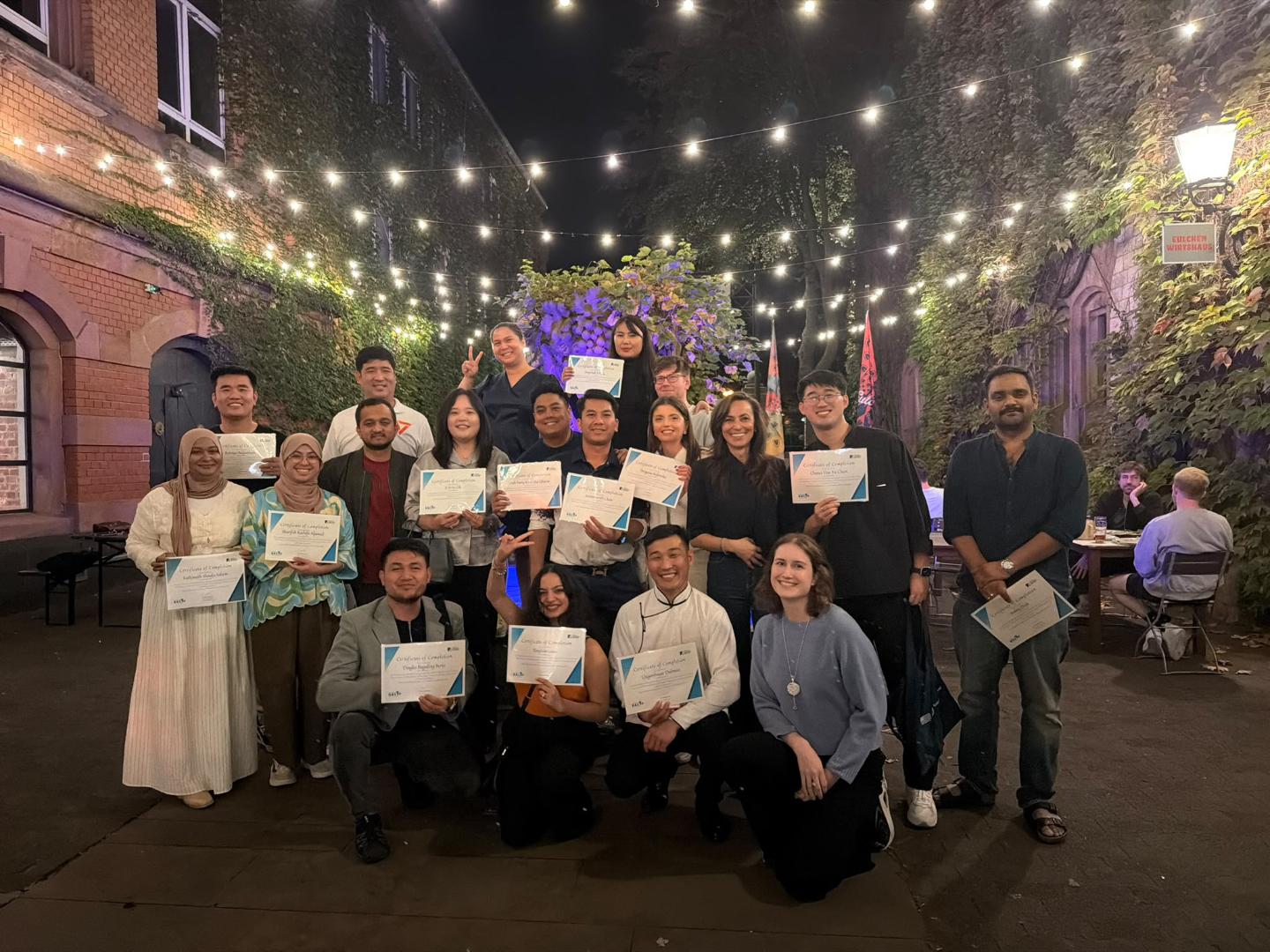
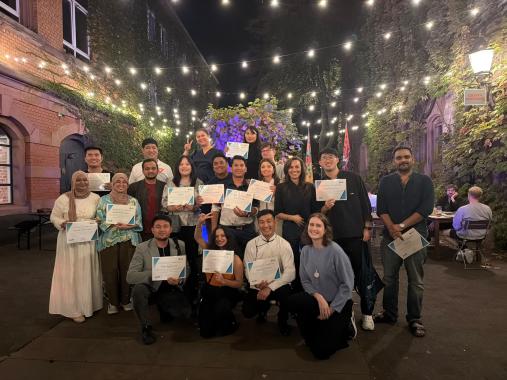
Hambach Castle also provided a meaningful setting for the conclusion of the two-year KASYP journey.
Over the course of four modules, participants had explored political parties, elections, governance and democratic leadership through training sessions, institutional visits and exchanges with political practitioners. Yet beyond the formal programme, KASYP is equally about the relationships built along the way. Bringing together young politicians from different countries, political parties and backgrounds creates space for open discussions, including on issues where participants may not necessarily agree, and encourages them to look beyond their own political environments.
As Batch 16 concludes its journey, participants return to their respective countries with new perspectives, practical insights and a regional network of fellow young political leaders. The formal programme may have ended, but the dialogue, friendships and cooperation built over the past two years will continue.
