






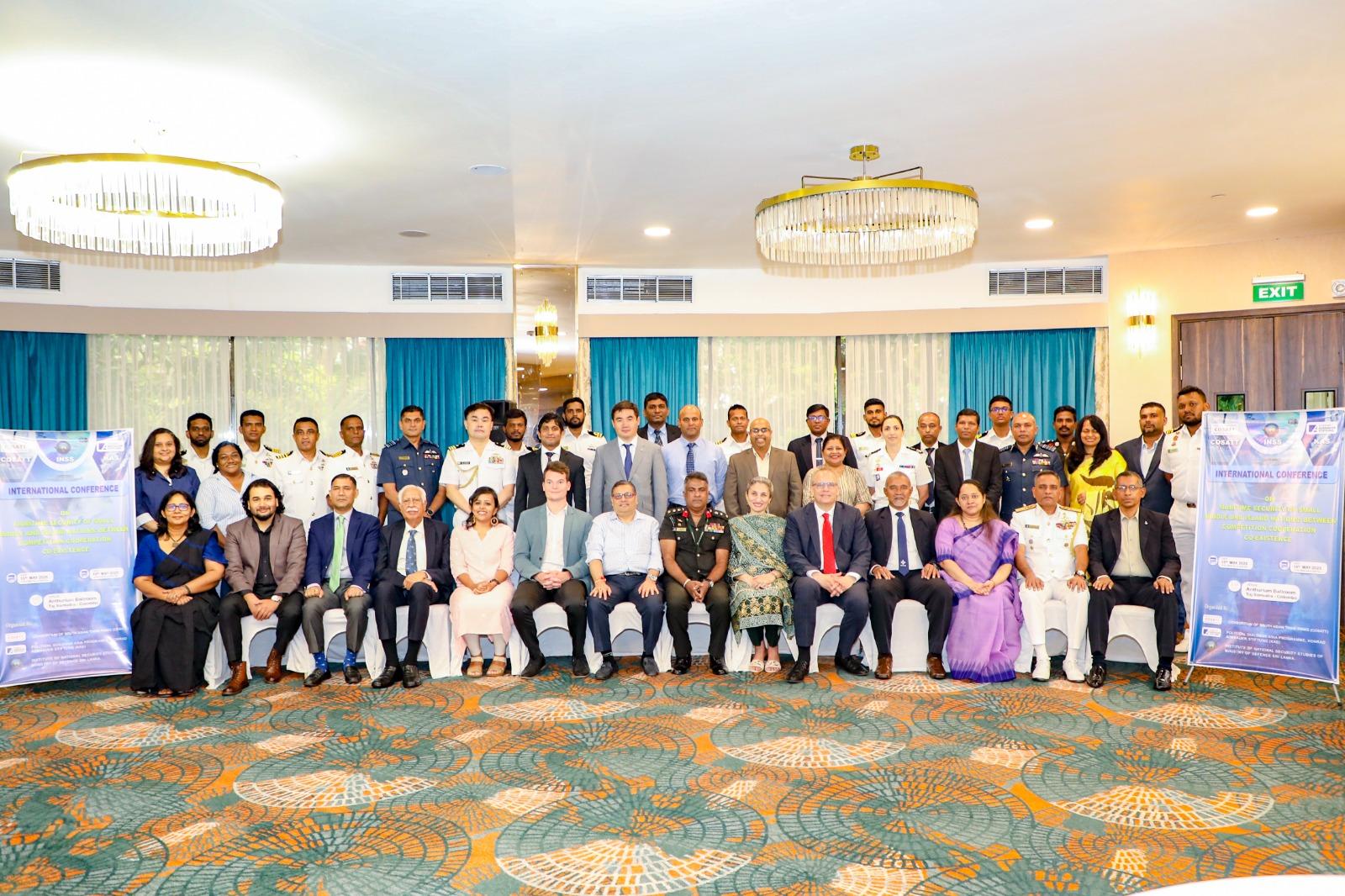

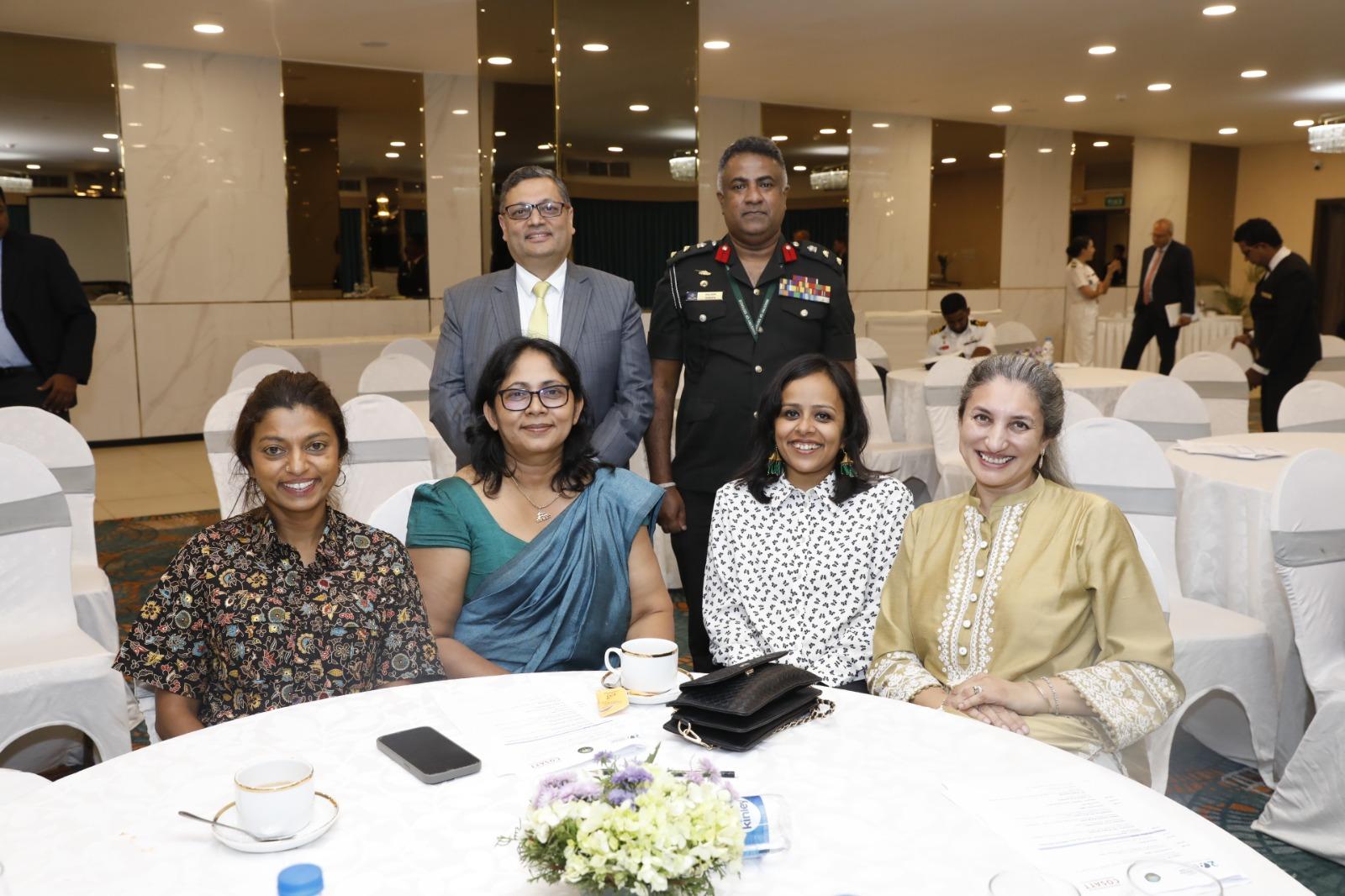
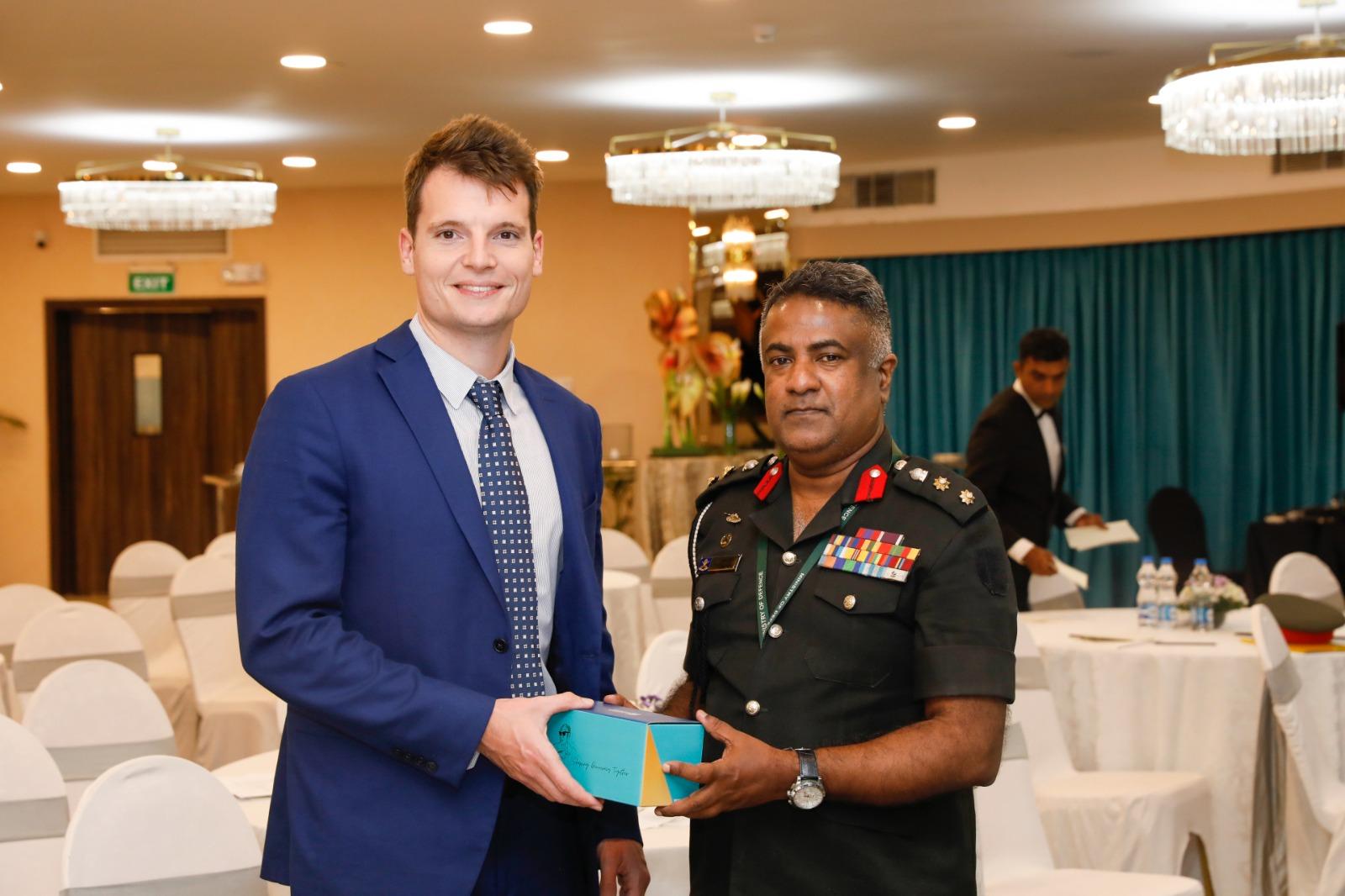
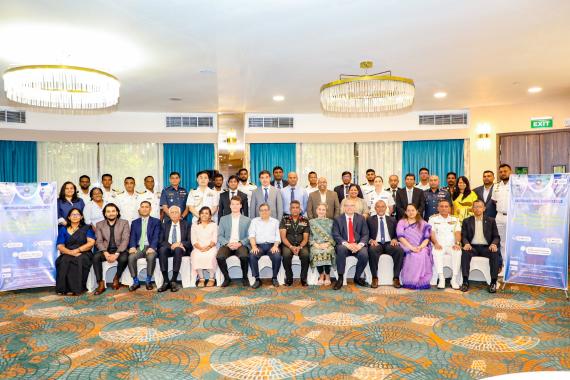


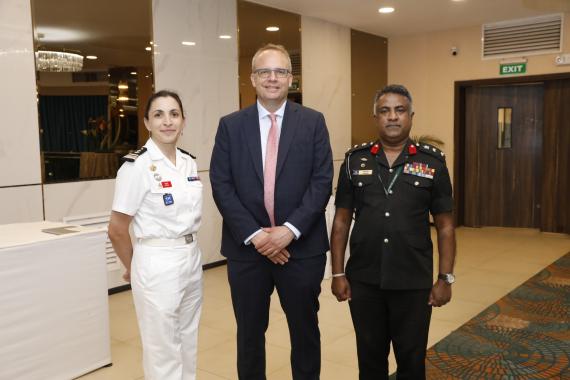

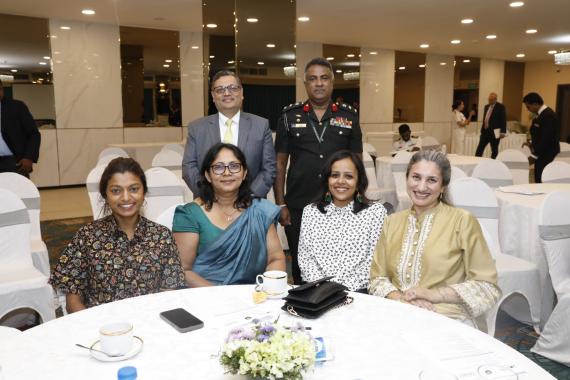
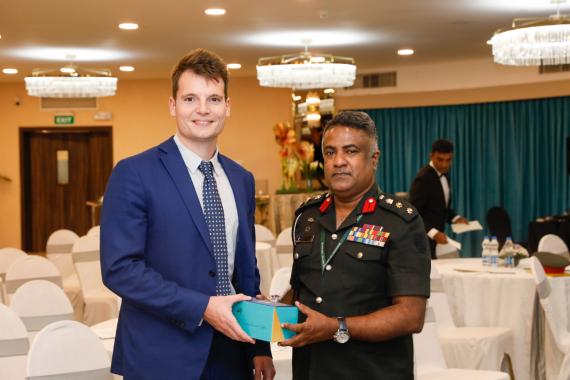
KAS Political Dialogue Asia (PDA), together with the Consortium of South Asian Think Tanks (COSATT) and the Institute of National Security Studies (INSS), co-organised the International Conference on Maritime Security of Small, Middle, and Island Nations: Between Competition, Cooperation and Co-Existence, held in Colombo on 15–16 May 2025.
As geopolitical activity intensifies in the Indo-Pacific, small and island nations such as Sri Lanka, the Maldives, Bangladesh, Fiji, and Myanmar play increasingly strategic roles due to their maritime locations. With major powers expanding their presence through initiatives like China’s Belt and Road Initiative (BRI) and increased maritime assertiveness, these nations face complex challenges in balancing competing interests while maintaining sovereignty and regional stability.
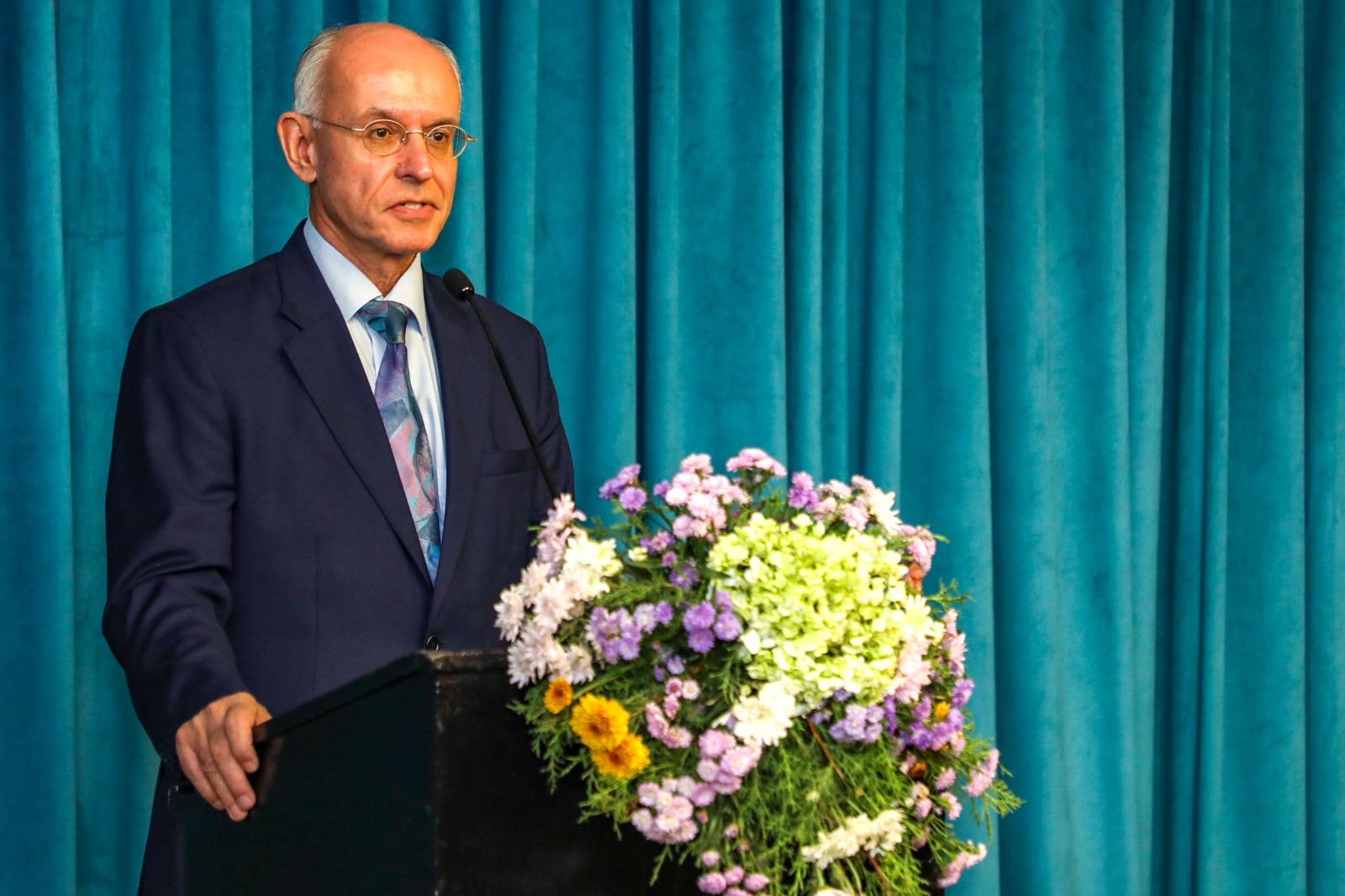
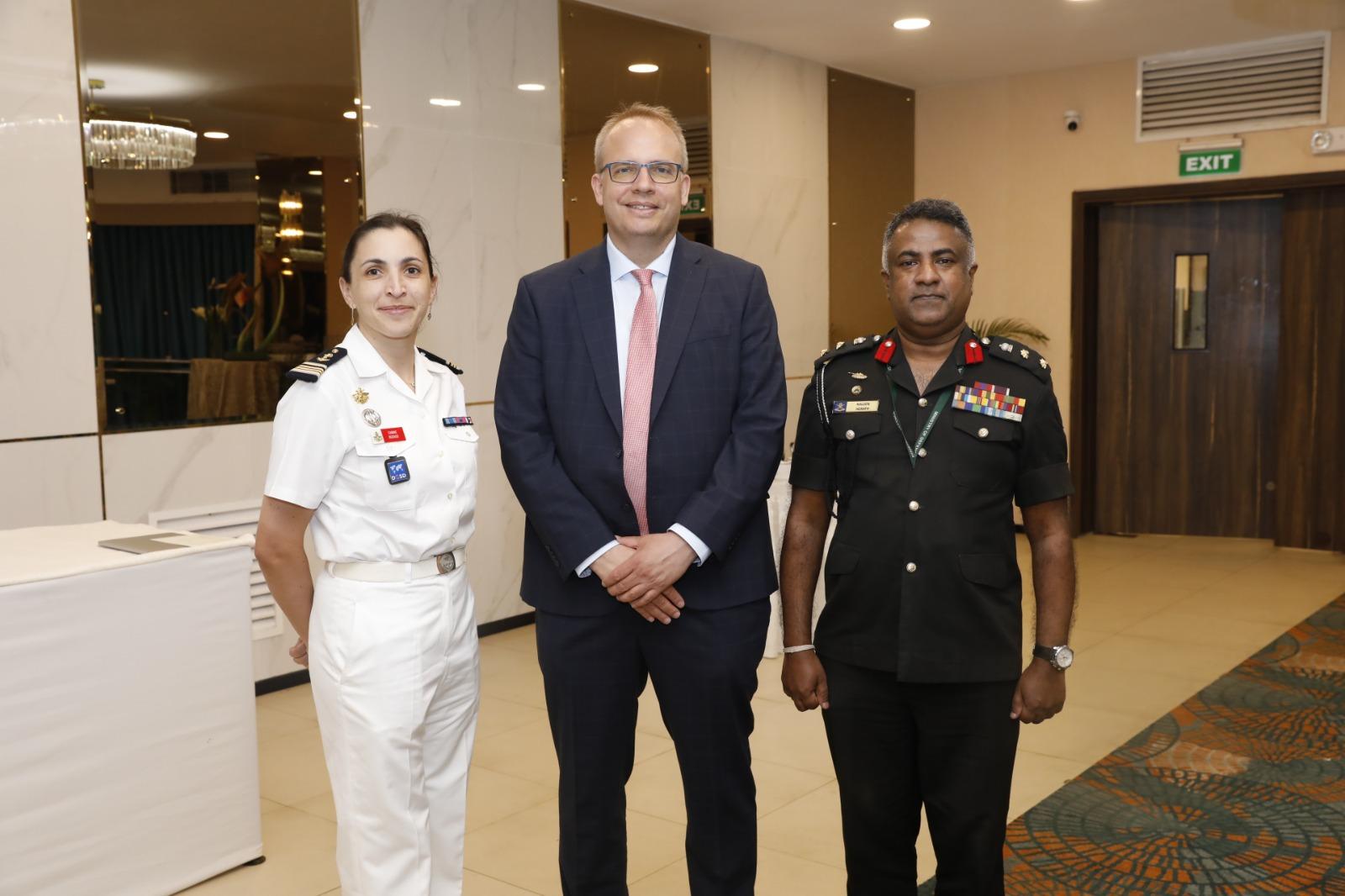
The event was also graced by H.E. Dr. Felix Neumann, Ambassador of the Federal Republic of Germany to Sri Lanka and the Maldives. Speakers included senior representatives from the Sri Lanka Navy, Air Force, Ministry of Defence, and the Institute of National Security Studies (INSS), alongside experts from international think tanks and diplomatic missions. Mr. Moritz Fink, Deputy Head of KAS PDA, and Dr. Nishchal Pandey, Director of the Centre for South Asian Studies and Convener of COSATT, also addressed the gathering, emphasizing the importance of regional cooperation in maritime security.
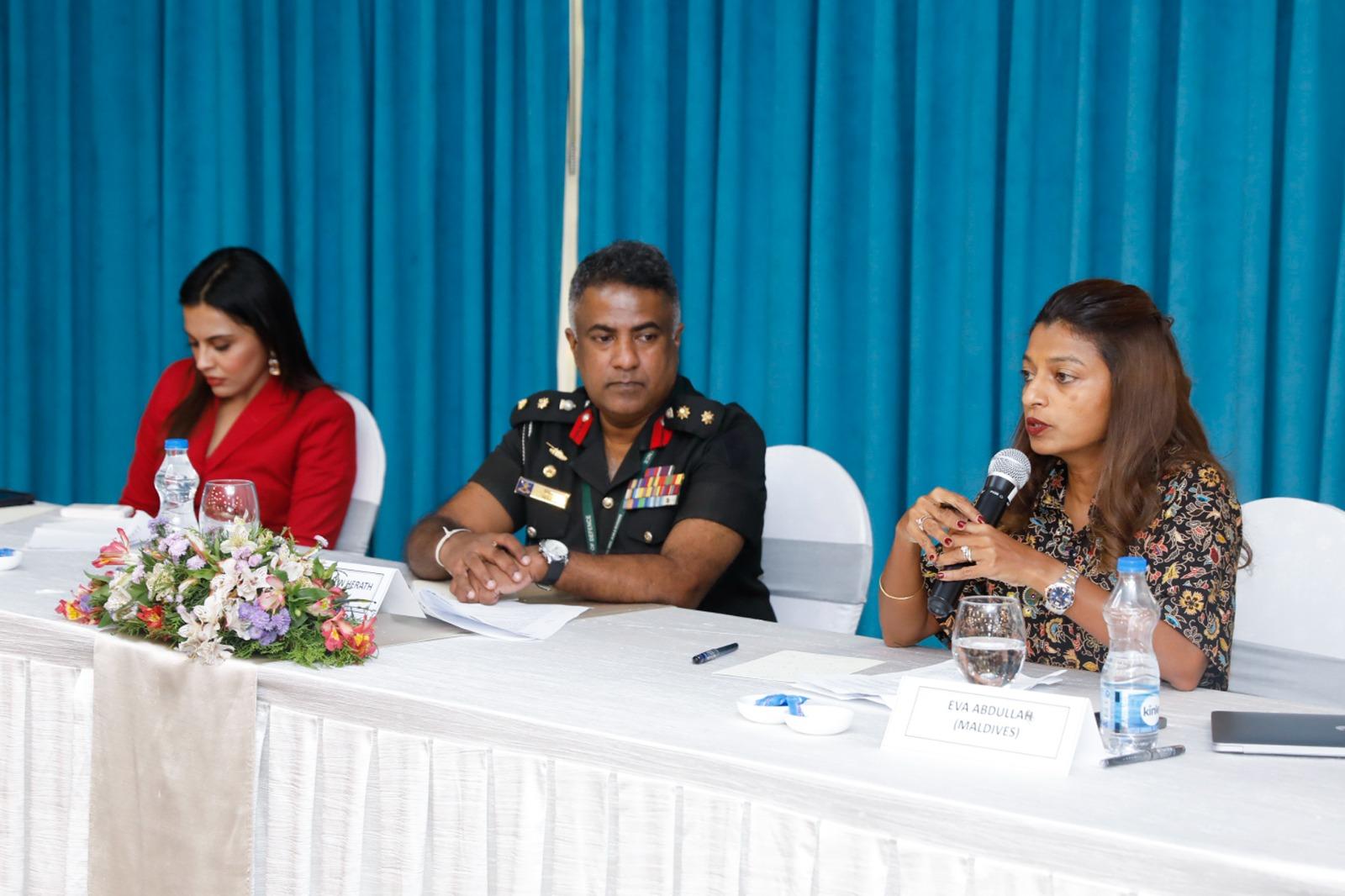
The conference featured five thematic panels addressing key topics such as geopolitical competition and strategic interests in the Indo-Pacific, the role of small and middle powers in maritime security, cooperation mechanisms for regional and interregional stability, the implications of external engagement including the Belt and Road Initiative (BRI), and the European Union’s role in promoting a rules-based maritime order. These discussions delved into how small and island nations can effectively navigate the complex dynamics of great power rivalries while safeguarding their sovereignty and economic interests. Experts examined practical approaches to enhance regional cooperation through confidence-building measures, joint maritime exercises, and information sharing. The panels also highlighted the importance of multilateral frameworks and legal instruments in ensuring freedom of navigation, maritime safety, and sustainable development of ocean resources.
Overall, the thematic sessions underscored the critical need for inclusive multilateral dialogue, regional cooperation, and balanced maritime governance to address the challenges and opportunities in this strategically vital region, emphasizing shared frameworks that protect sovereignty, enhance connectivity, and promote lasting peace and stability in the Indo-Pacific.
Bringing together policymakers, defence officials, academics, and regional experts, the conference reinforced the essential role of collaboration and dialogue in addressing the maritime challenges faced by small, middle, and island nations today