









Opening of the Conference
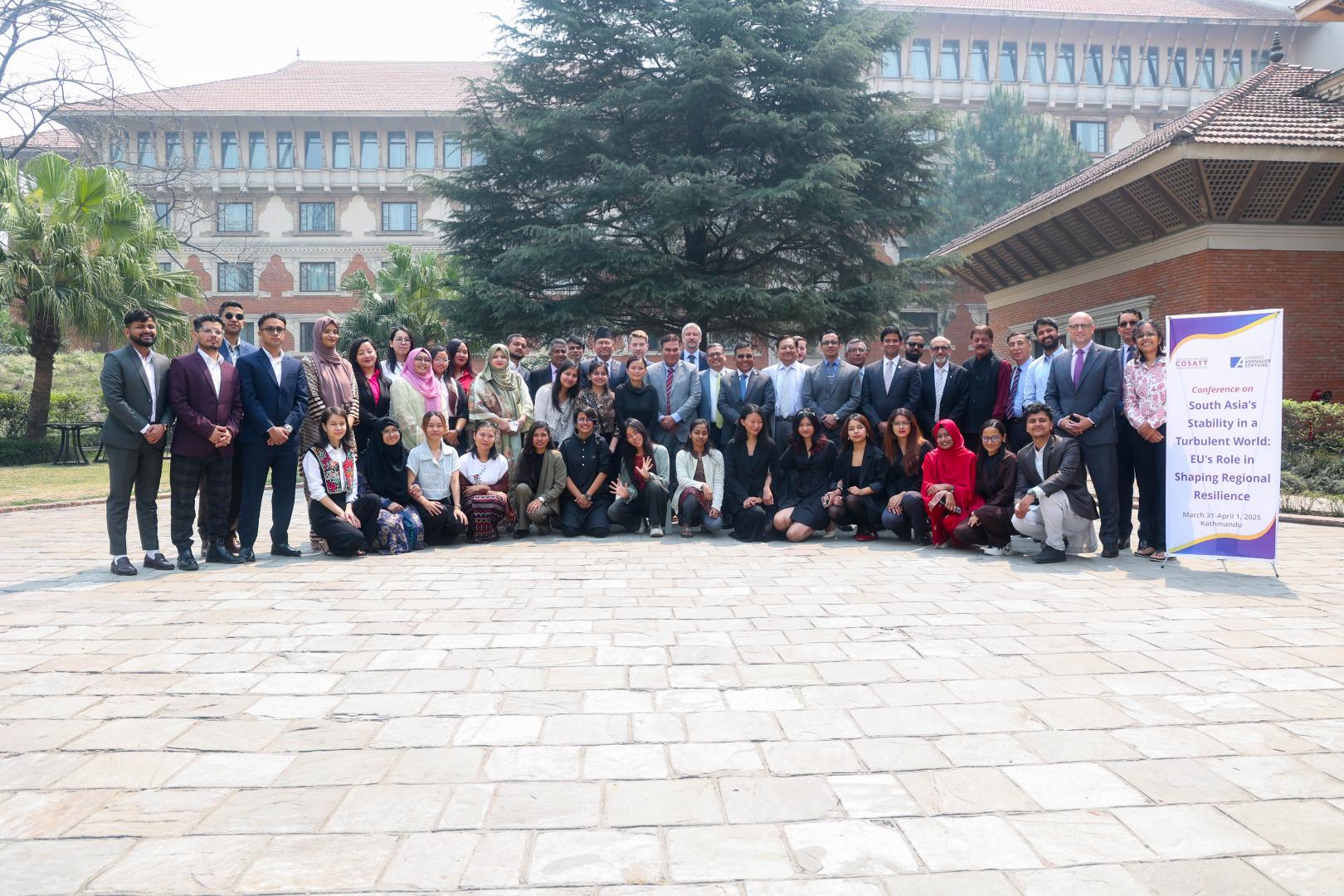
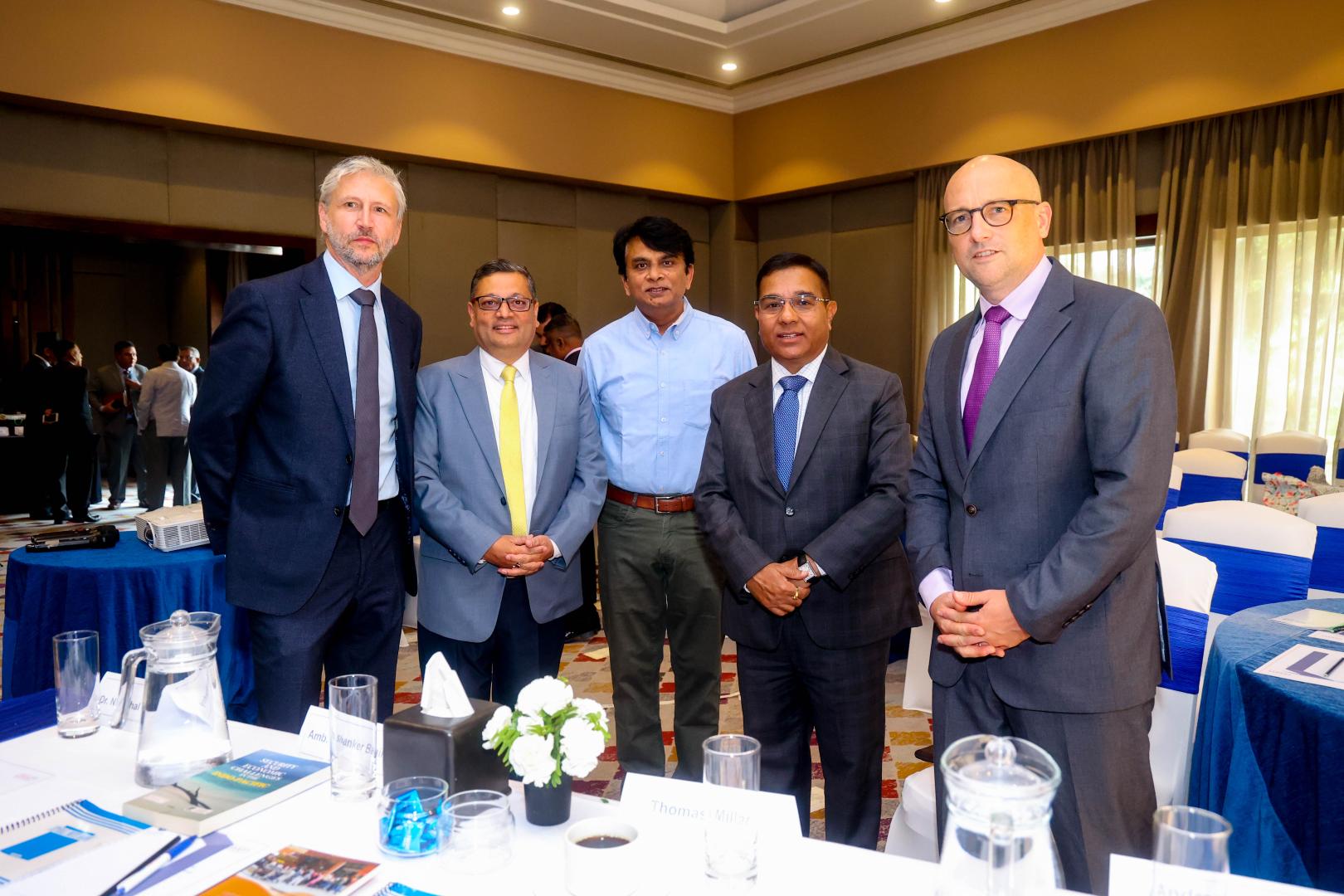
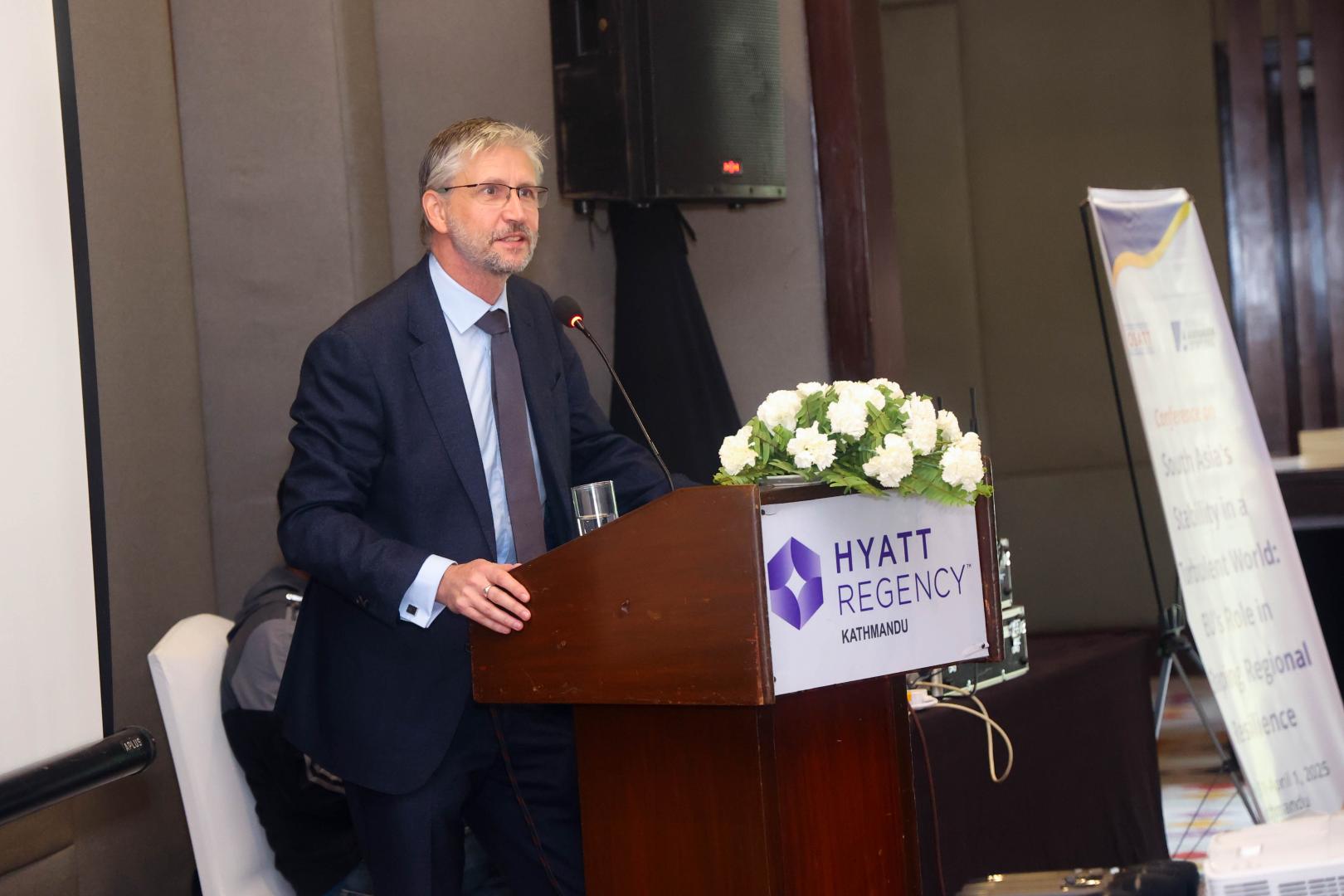
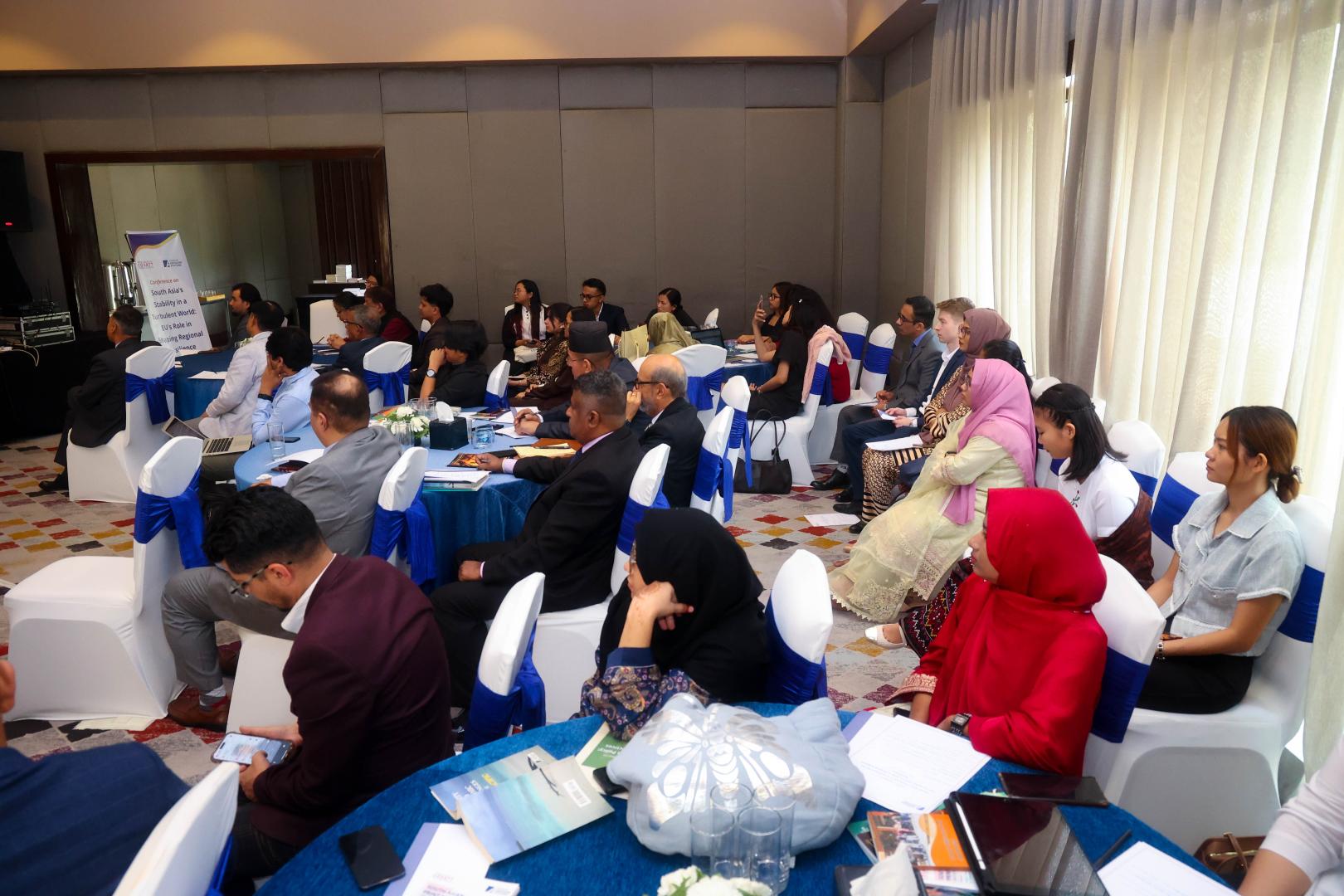
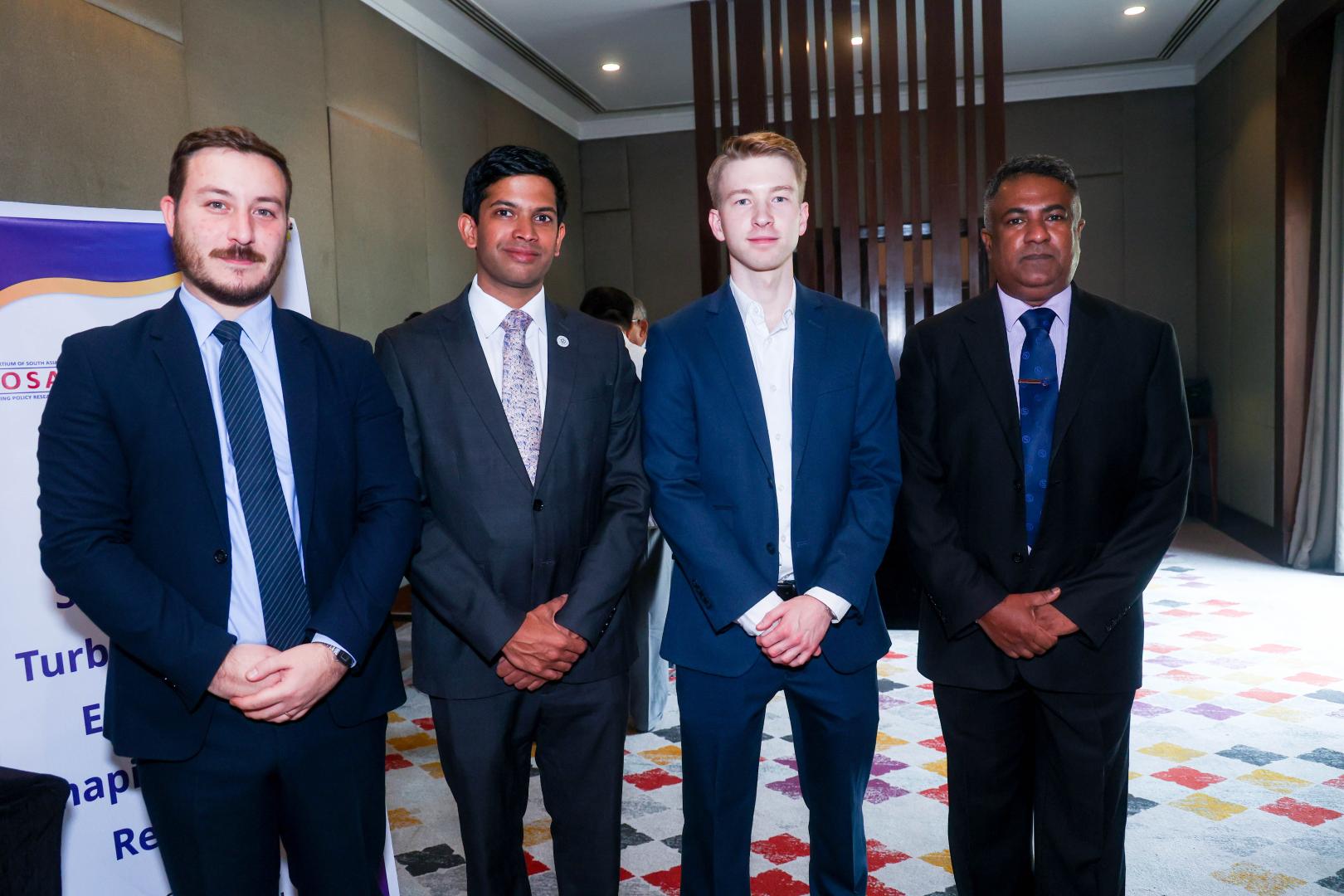
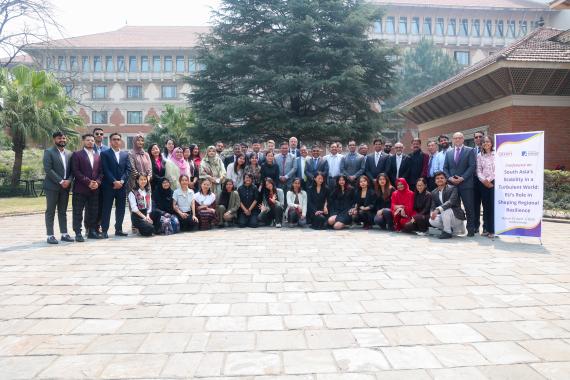
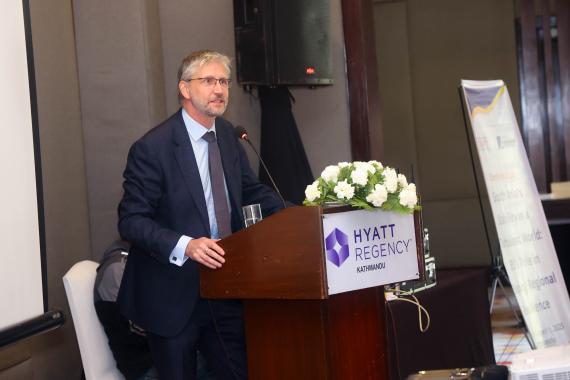
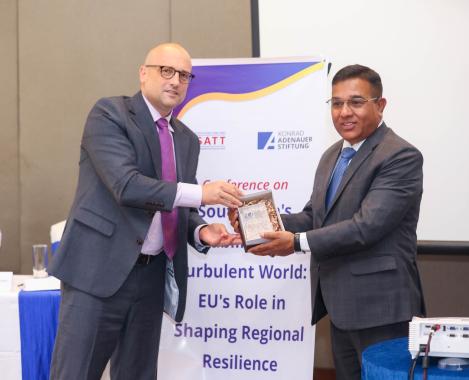
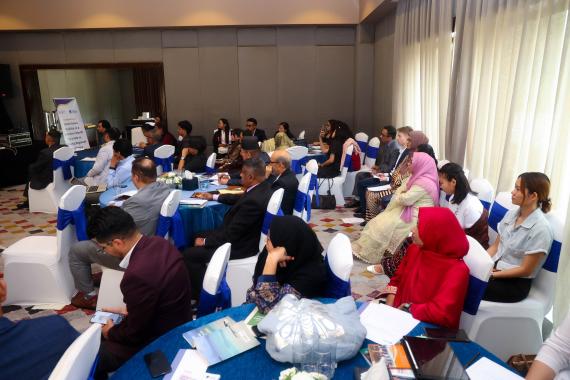
The COSATT Conference on “South Asia’s Stability in a Turbulent World: The European Union’s Role in Shaping Regional Resilience” was opened on Monday morning in Kathmandu, Nepal, by Dr. Nishchal N. Pandey, Director of the Centre for South Asian Studies (CSAS). The conference brought together policymakers, representatives of international organizations, security experts, think tank representatives, EU delegates, and committed KAS scholars from across South Asia.
In his welcome address, Dr. Pandey emphasized the importance of regional dialogue and international cooperation between the EU and South Asia, while also advocating for greater regional integration within South Asia.
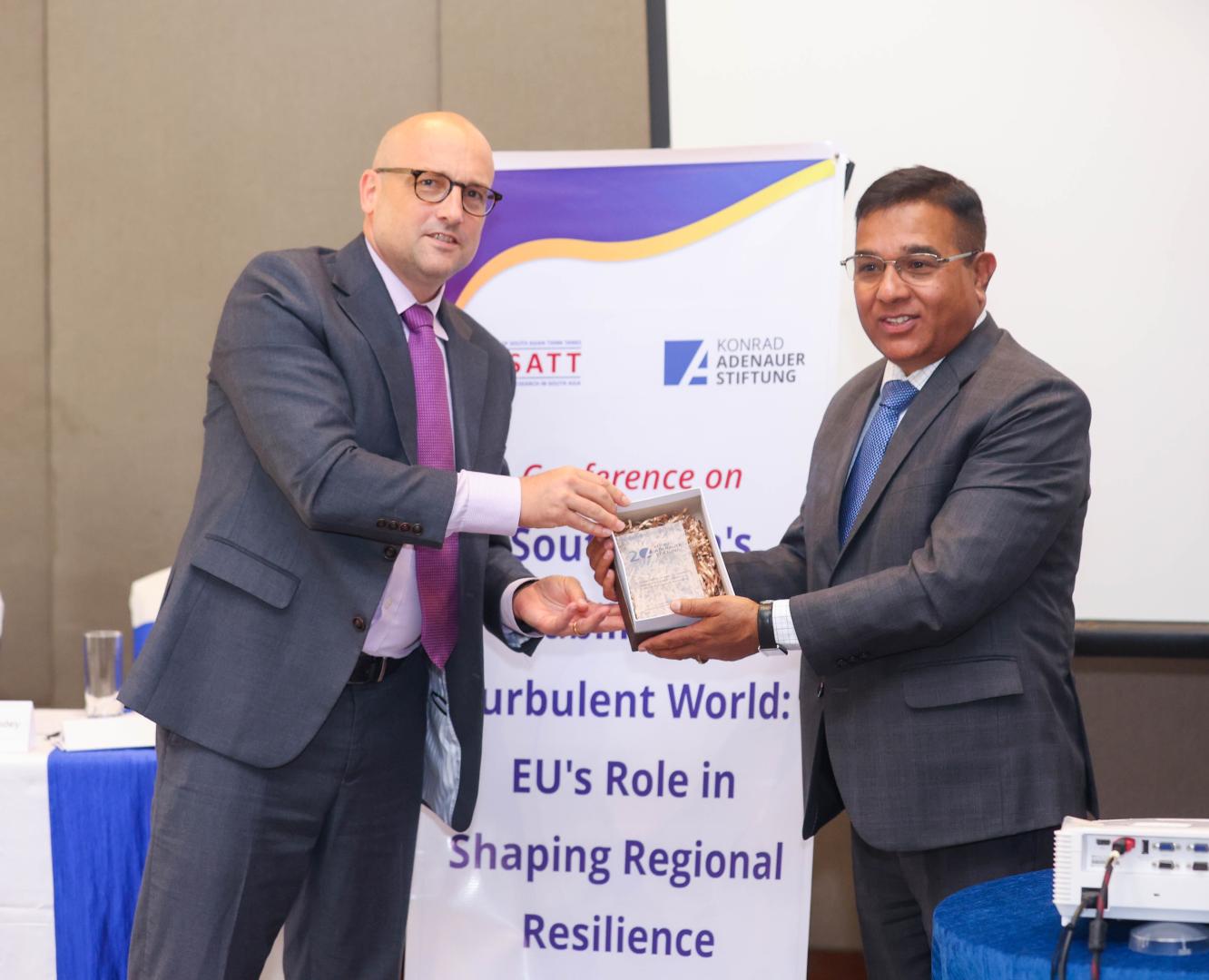
This was followed by a speech from the Chargé d’affaires a.i. of the Delegation of the European Union to Nepal, and a *Vote of Thanks* by Andreas Klein, Director of the KAS Regional Programme Political Dialogue Asia, based in Singapore. Subsequently, the Chief Guest, Ambassador Shanker Das Bairagi, former National Security Advisor as well as former Foreign Secretary of Nepal, delivered a speech highlighting the important role of the European Union in South Asia. He emphasized the value of partnerships on multiple levels and identified the EU's Global Gateway initiative as a key instrument for promoting stability in the region.
Day 1: Global Developments and Their Impact on South Asia
The first session, titled “How Does South Asia See These Events Shaping the World’s Future?”, focused on current geopolitical developments and their implications for South Asia.
The presentations and discussions centered on increasing geopolitical tensions, their effects on South Asia, and the role of the European Union amid global crises. The speakers highlighted the importance of the Global Gateway Initiative for regional stability.
It was further emphasized that the evolving international order brings both risks and opportunities for deeper cooperation between the EU and South Asia. The maritime domain was particularly identified as a key area for the future security architecture of the region.
After a joint lunch, which allowed for in-depth exchanges among participants and offered KAS scholars the opportunity to pose questions to the speakers, the conference continued with the second session.
Session 2: “EU and South Asia – Partners in Progress”
This session focused on the role of the EU in South Asia in the context of economic and security developments, trade, climate change, and strategic partnerships.
The speakers emphasized that South Asia remains one of the least integrated regions in the world. While the European Union cannot enforce deeper regional integration, it can support it through targeted cooperation.
For sustainable and deepened collaboration – in areas such as economic development or climate protection, e.g., between Nepal and the EU – it is crucial for both sides to develop a deeper understanding of one another.
Speakers stressed the importance of understanding the political, economic, and cultural realities of each other’s regions to ensure more productive and long-term cooperation.
Day 2: Geopolitical Shifts and Their Impacts on South Asia
The second day of the COSATT Conference focused on global political shifts and their direct impact on South Asia. The theme was: “Trump Presidency, EU and Its Impact on South Asia”.
Central to the discussion were questions regarding the security and economic implications of “Trump 2.0” and how the EU and South Asia can strengthen their strategic partnerships in light of shifting U.S. policies to ensure regional stability and economic resilience.
The talks focused in particular on the potential global consequences of "Trump 2.0", with a special emphasis on South Asia. The risk of a geopolitical power vacuum resulting from a possible U.S. withdrawal from international commitments was discussed. China was identified as a likely actor to step into this vacuum—both politically and economically.
Potential new trade wars, initiated by a renewed Trump administration, could destabilize South Asia’s economies. This underlines the need for greater trade diversification among South Asian countries, as well as the importance of deepening trade relations with both the EU and the U.S.
In the area of climate change, the speakers pointed out that South Asia can no longer rely on the U.S. as a dependable partner under a second Trump administration. This makes intensified climate cooperation between South Asia and the EU all the more urgent, to stay on track with global sustainability goals.
Closing of the Conference
The two-day event concluded with closing remarks from Megha Sarmah, Programme Manager for the 2030 Agenda at the KAS Regional Programme Political Dialogue Asia in Singapore.
Final reflections were shared by Dr. Nishchal N. Pandey, who summarized the discussions of the previous days and highlighted the importance of dialogue, partnership, and regional cooperation.
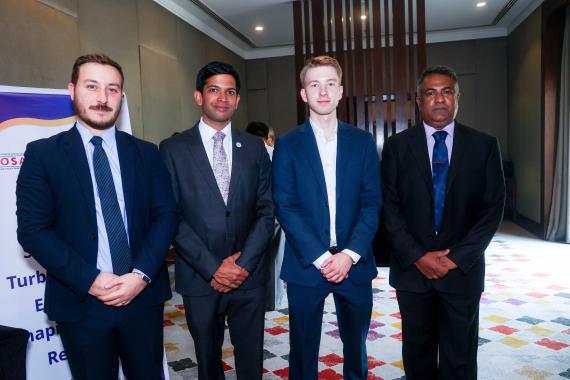
For the participating KAS scholars, the COSATT Conference offered a unique opportunity to actively contribute to key political and security debates. They engaged in panel discussions, asked critical questions, and shared their own perspectives—giving youth a visible and strong voice in regional policymaking.
In addition to the intellectual exchange, the event offered valuable insights into complex geopolitical dynamics and provided opportunities for interaction with high-level representatives from diplomacy, academia, security, and civil society.
Lastly, the conference fostered the development of a sustainable network of young, committed changemakers—ready to carry forward the regional dialogue beyond borders.