






Strengthening Climate Governance at the Local Level in Sri Lanka
Climate change is not only an environmental challenge. It is also a challenge of governance, institutional capacity and democratic cooperation. Local authorities are among the first public institutions required to respond to floods, droughts, landslides, coastal erosion and other climate-related risks. Their ability to respond effectively, however, depends on whether they possess the necessary legal authority, financial resources, technical knowledge and institutional mechanisms.
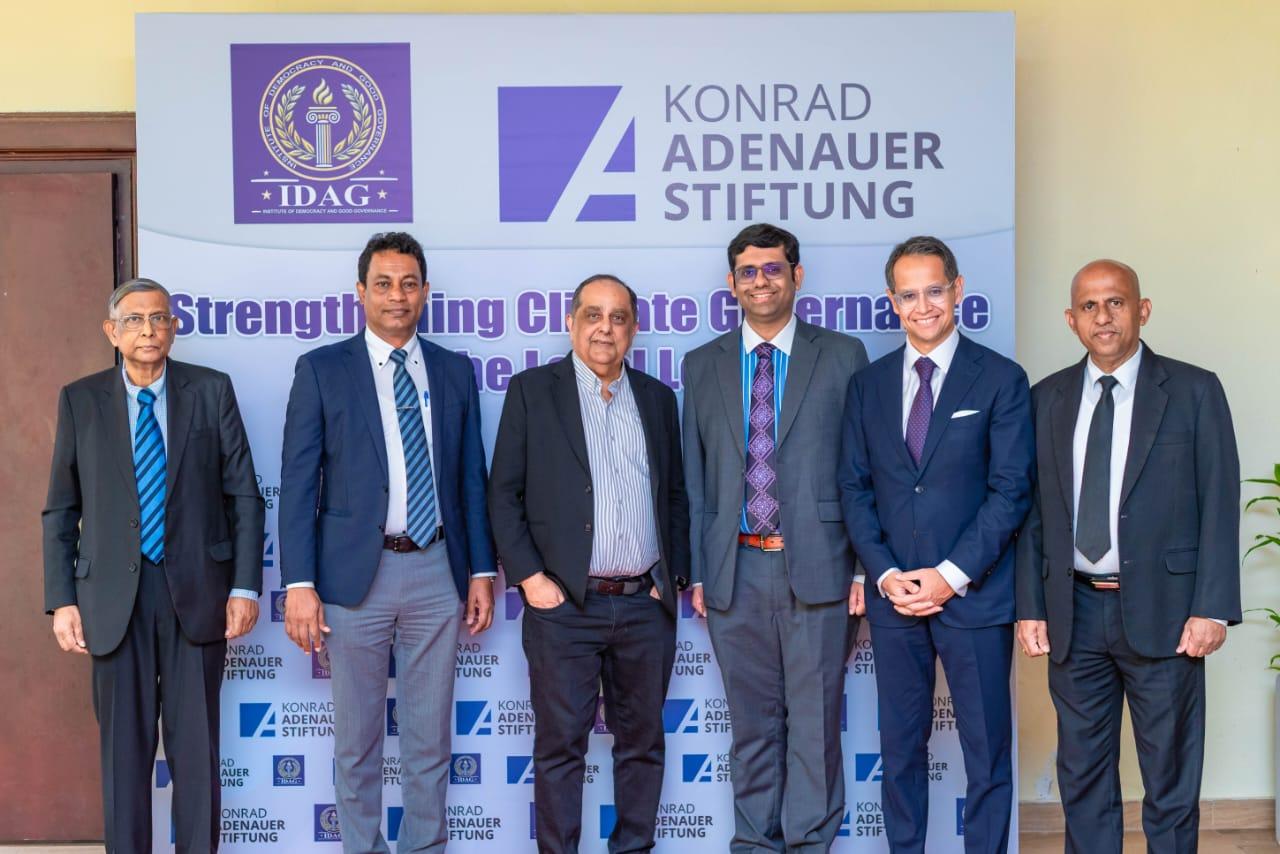
Against this background, the Konrad-Adenauer-Stiftung (KAS) Regional Programme Political Dialogue Asia and the Institute of Democracy and Governance (IDAG) organised two concluding events in Sri Lanka on 23 and 25 August 2026 under their joint initiative, “Strengthening Climate Governance at the Local Level.”
Together, the two events connected practical capacity-building at the council level with a broader national discussion on policy reform and the future of local climate governance in Sri Lanka.
From climate awareness to institutional action in Beruwala
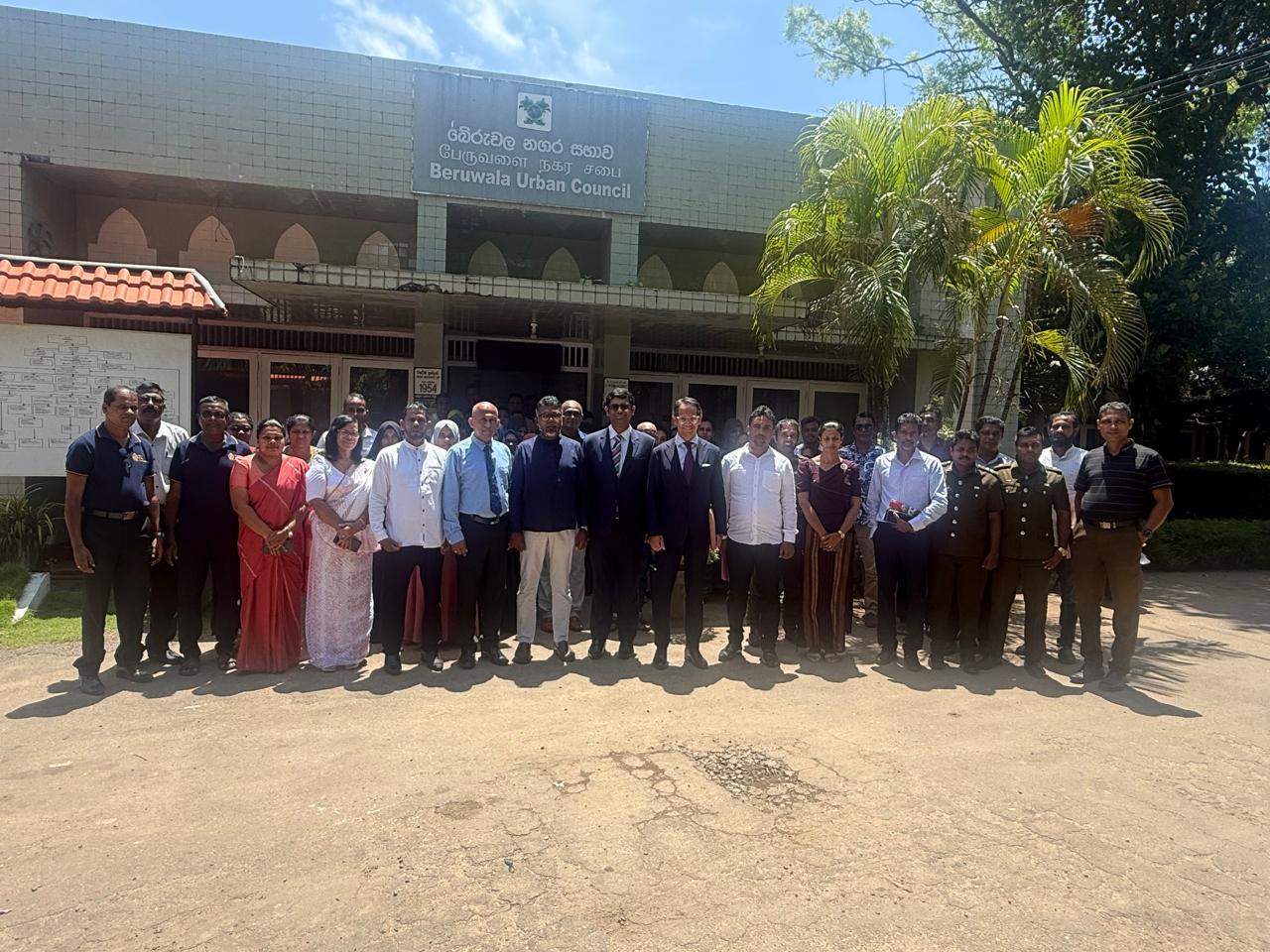
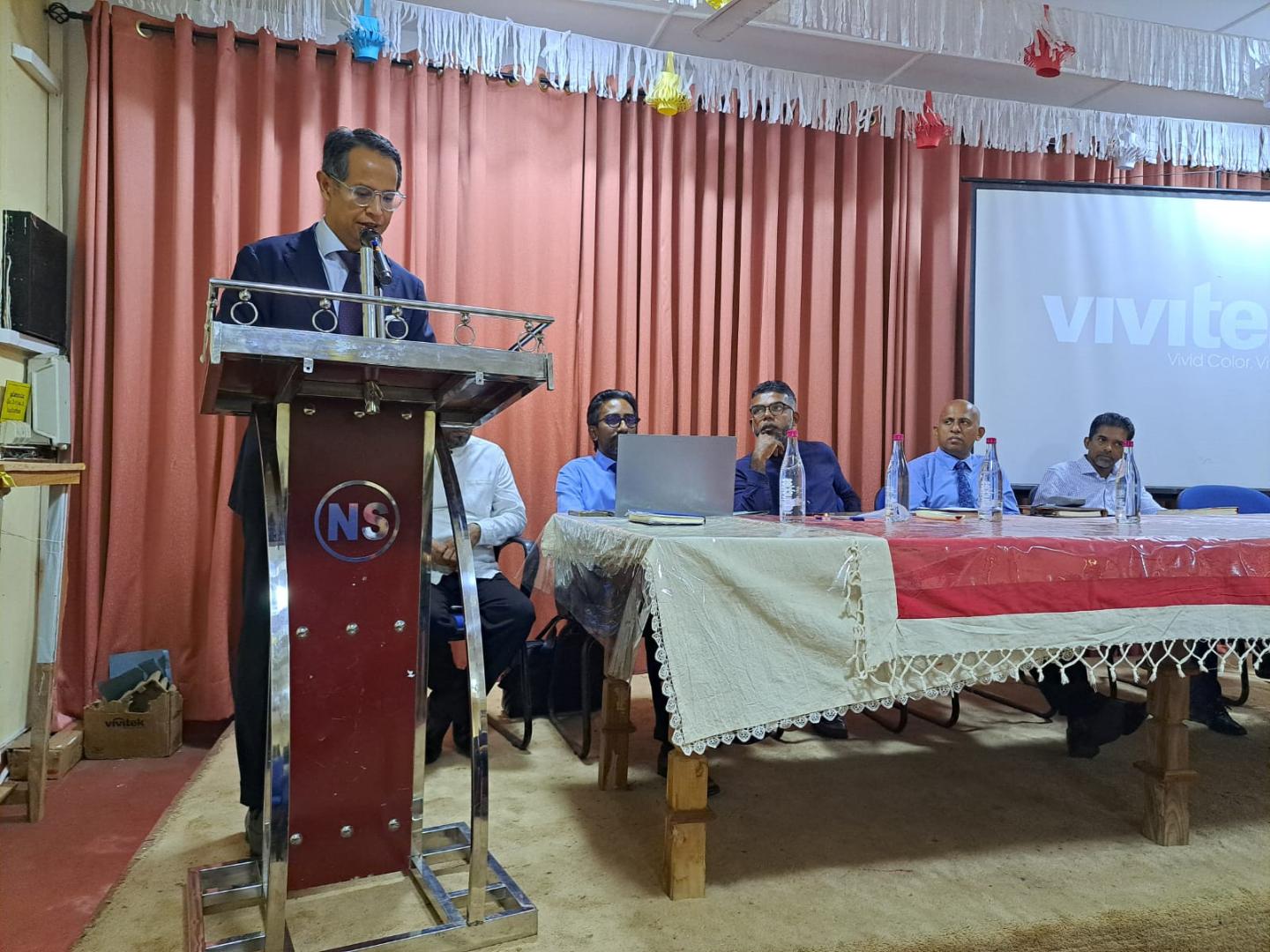
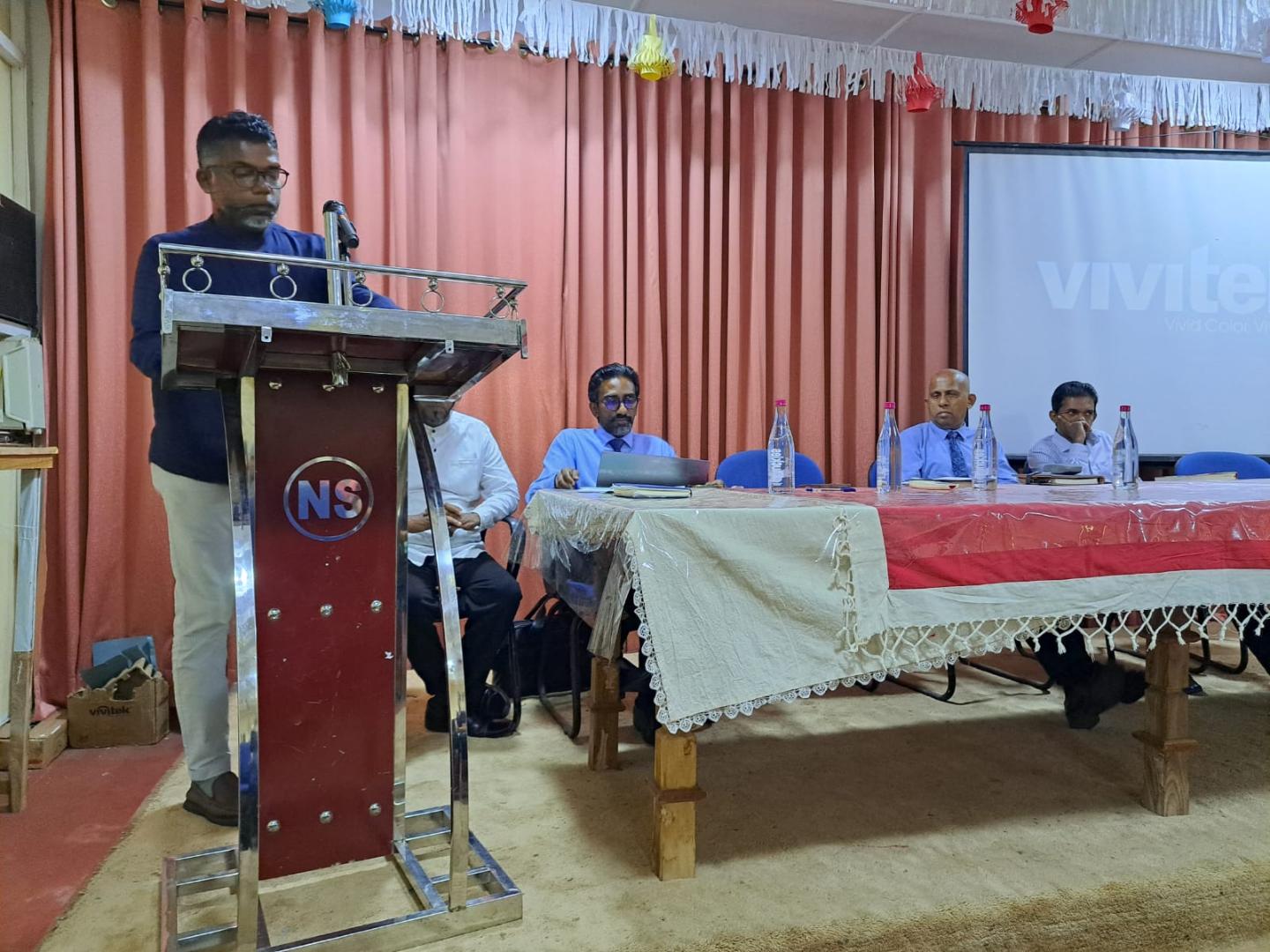
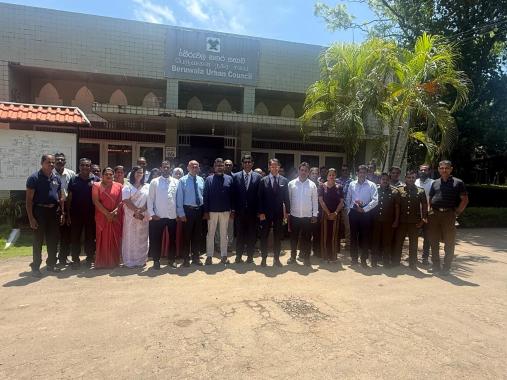
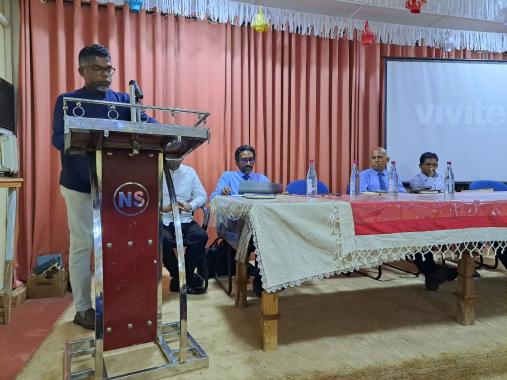
The first event, held at the Beruwala Urban Council on 23 August, was designed as a pilot local council level workshop for elected representatives and local government officials.
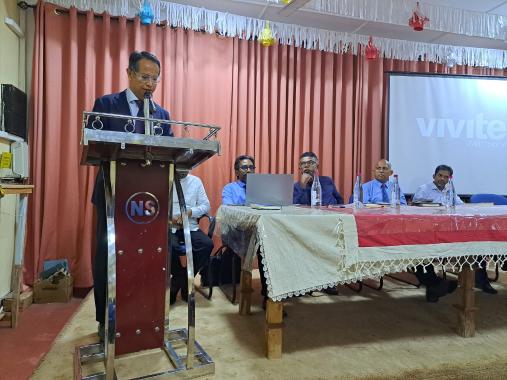
The workshop opened with remarks by the Chairman of the Council, followed by an introductory address from Dr Denis Suarsana, Director of the KAS Regional Programme Political Dialogue Asia. An awareness programme led by Chandima Hettiarachchi and Aruna Pradeep examined the responsibilities of local authorities in responding to climate-related risks.
The programme then moved from general awareness to practical institutional action. Palitha Abeywardana, Chief Legal Officer of the Western Provincial Council, explained the legal and procedural steps required for a local authority to establish a Climate Action Committee. During the subsequent group-work session, participants jointly prepared and discussed a draft resolution for the creation of such a committee within the council.
The exercise encouraged elected representatives and officials to consider how climate governance could be incorporated into the regular decision-making structures of a local council, rather than being addressed only through temporary projects or in response to individual emergencies.
Presenting the evidence at the Final Conference
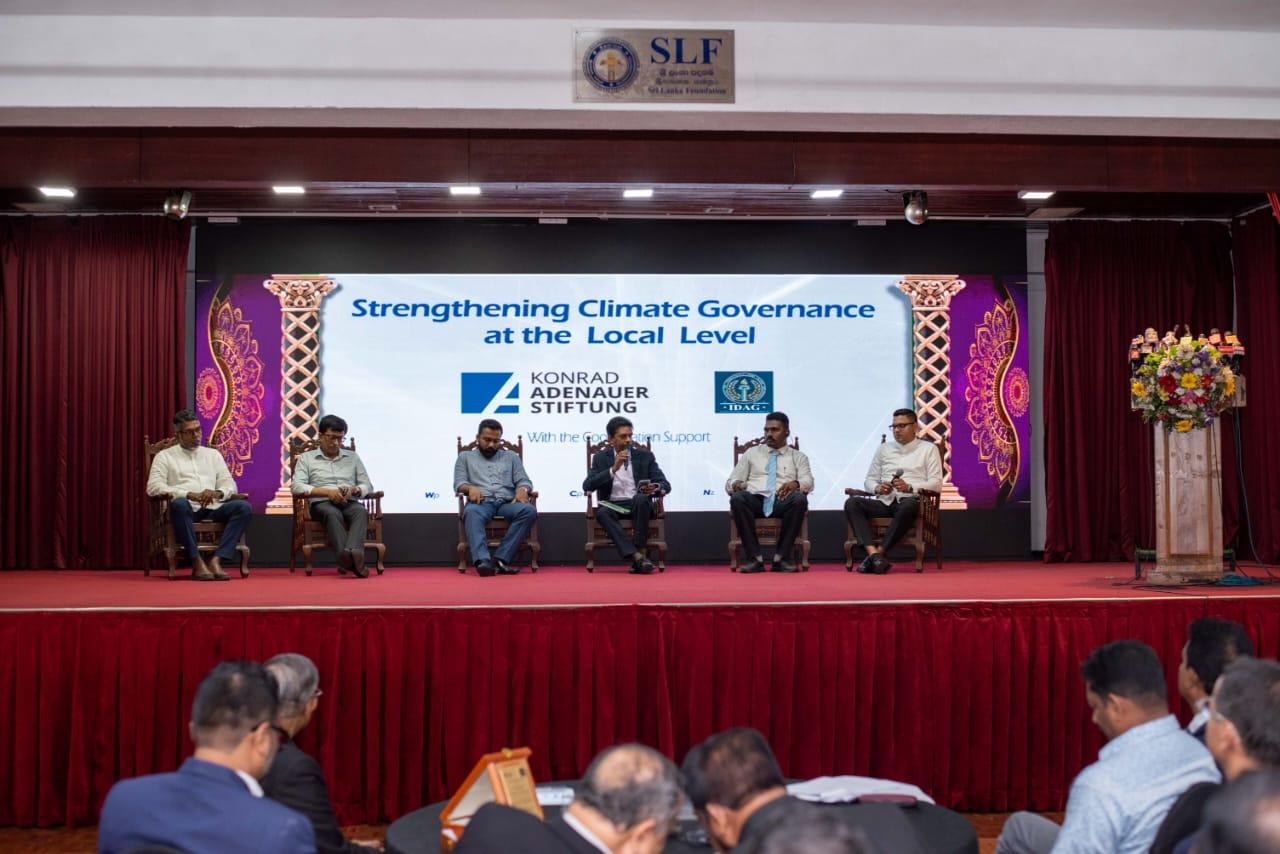
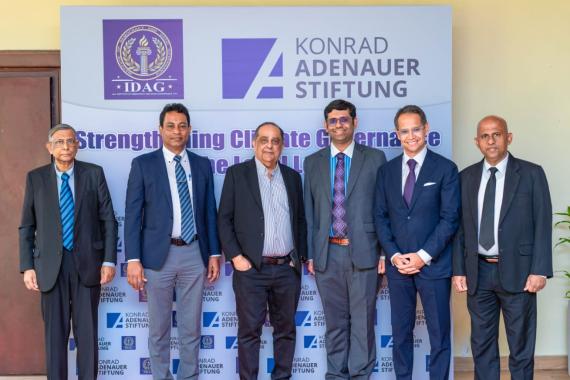
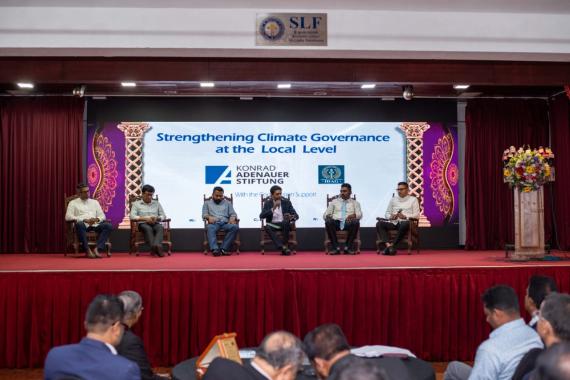
The project’s Final Conference was held on 25 August at the Sri Lanka Foundation Institute, in partnership with the Ministry of Public Administration, Provincial Councils and Local Government. It brought together representatives from national, provincial and local government, political leaders, researchers and stakeholders who had participated in the wider project.
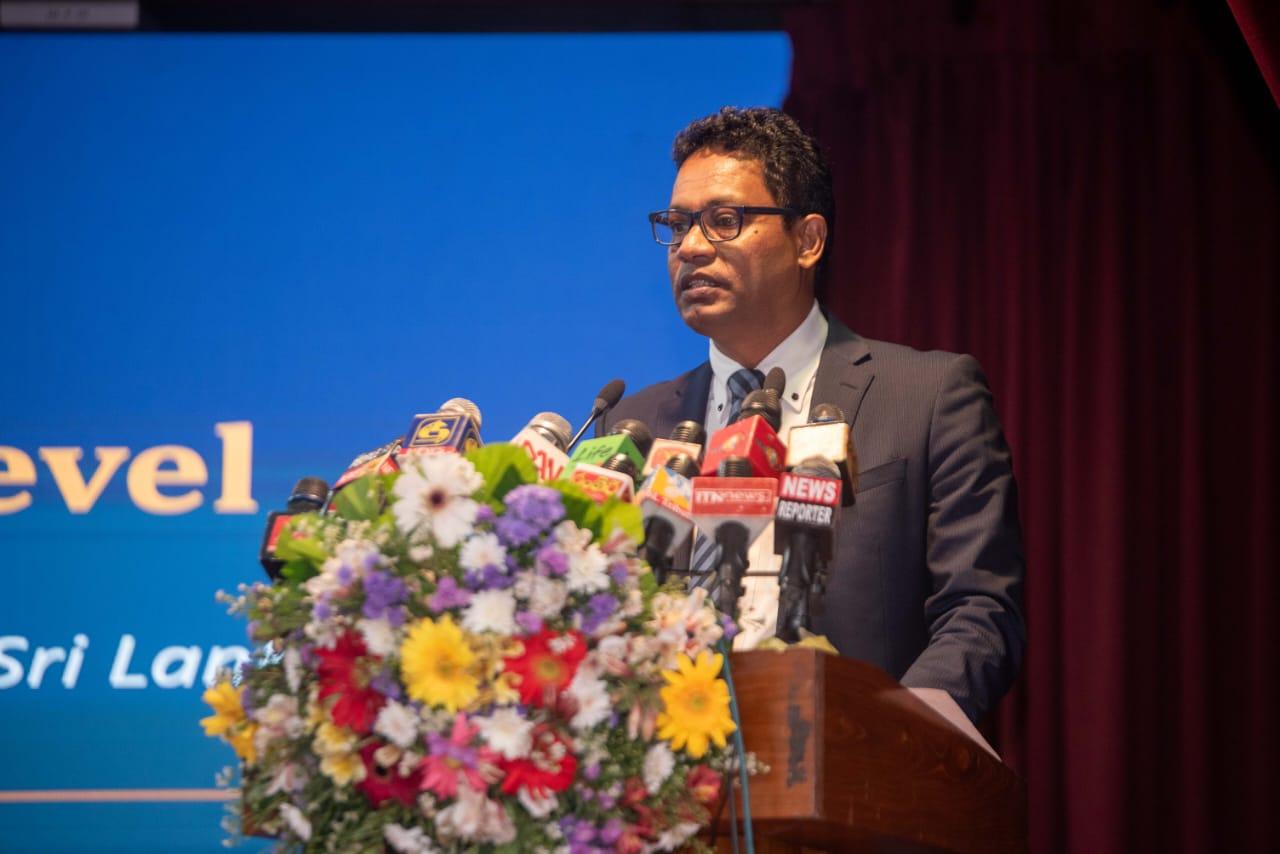
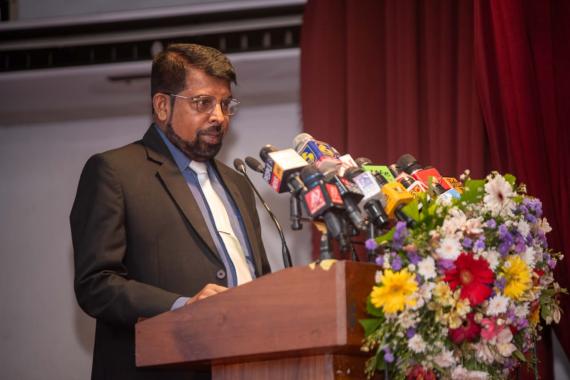
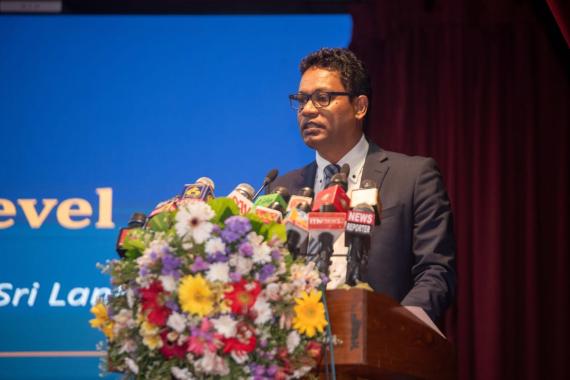
Dr Denis Suarsana delivered the welcome and opening remarks, emphasising the importance of empowering local institutions to translate national climate commitments into practical action within communities.
He was followed by Professor Lakshman R. Watawala, Chairperson of the IDAG Advisory Board, who reflected on the value of cooperation between public institutions, civil society organisations and international partners. Professor Chaminda Abeysinghe subsequently presented the comparative case study and its principal findings.
The research was based on a structured survey of 122 elected representatives and administrative officials from 26 Local Government Authorities in Kalutara, Jaffna and Kandy. Respondents included political representatives and public officials working within municipal councils, urban councils and Pradeshiya Sabhas.
The findings indicated a relatively high level of awareness of climate risks and broad political willingness to strengthen local climate action. They also demonstrated considerable support for the establishment of permanent multi-party mechanisms through which governing and opposition representatives could work together on long-term climate priorities.
At the same time, the study identified important institutional barriers. These included insufficient legal authority, limited financial and human resources, inadequate access to climate-risk information, gaps in technical knowledge and the inconsistent implementation of disaster-risk-reduction activities.
Political leadership and national–local cooperation
The conference provided a platform for representatives from different levels of government to reflect on the conditions required for more effective climate governance.
Hon. Professor L. M. Abeywickrema, Chairman of the Parliamentary Caucus on Climate Change, delivered a guest address on the importance of sustained political leadership and cooperation in responding to climate change. Provincial and local government representatives also contributed their practical experiences during a moderated discussion led by Aruna Pradeep.
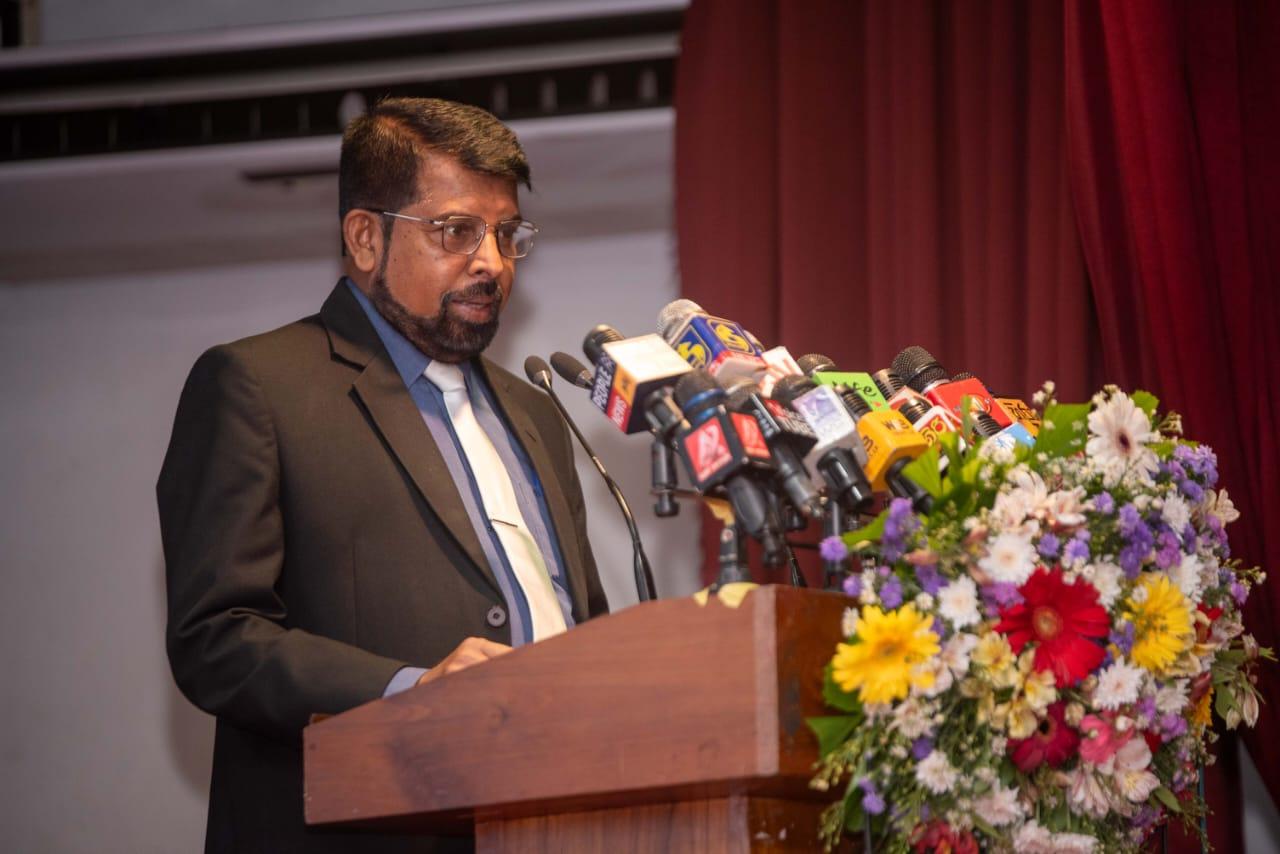
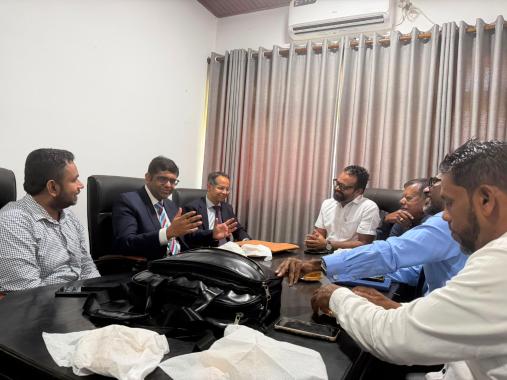
The Chief Guest, Hon. Professor Chandana Abayarathna, Minister of Public Administration, Provincial Councils and Local Government, delivered the concluding address. The Minister highlighted the central role of local government institutions in translating national policy into meaningful action at the community level. His ministerial portfolio is recorded by both the Parliament of Sri Lanka and the Ministry of Public Administration, Provincial Councils and Local Government.
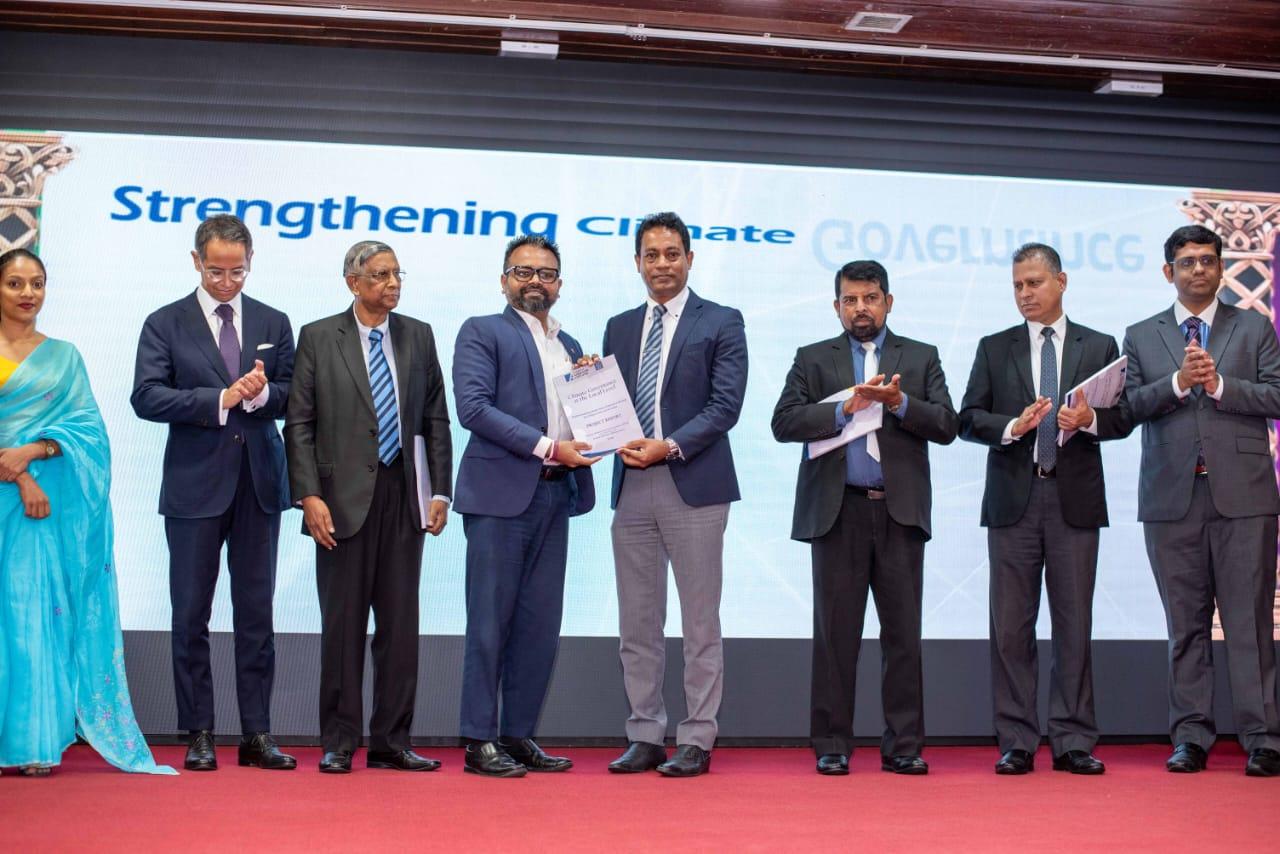
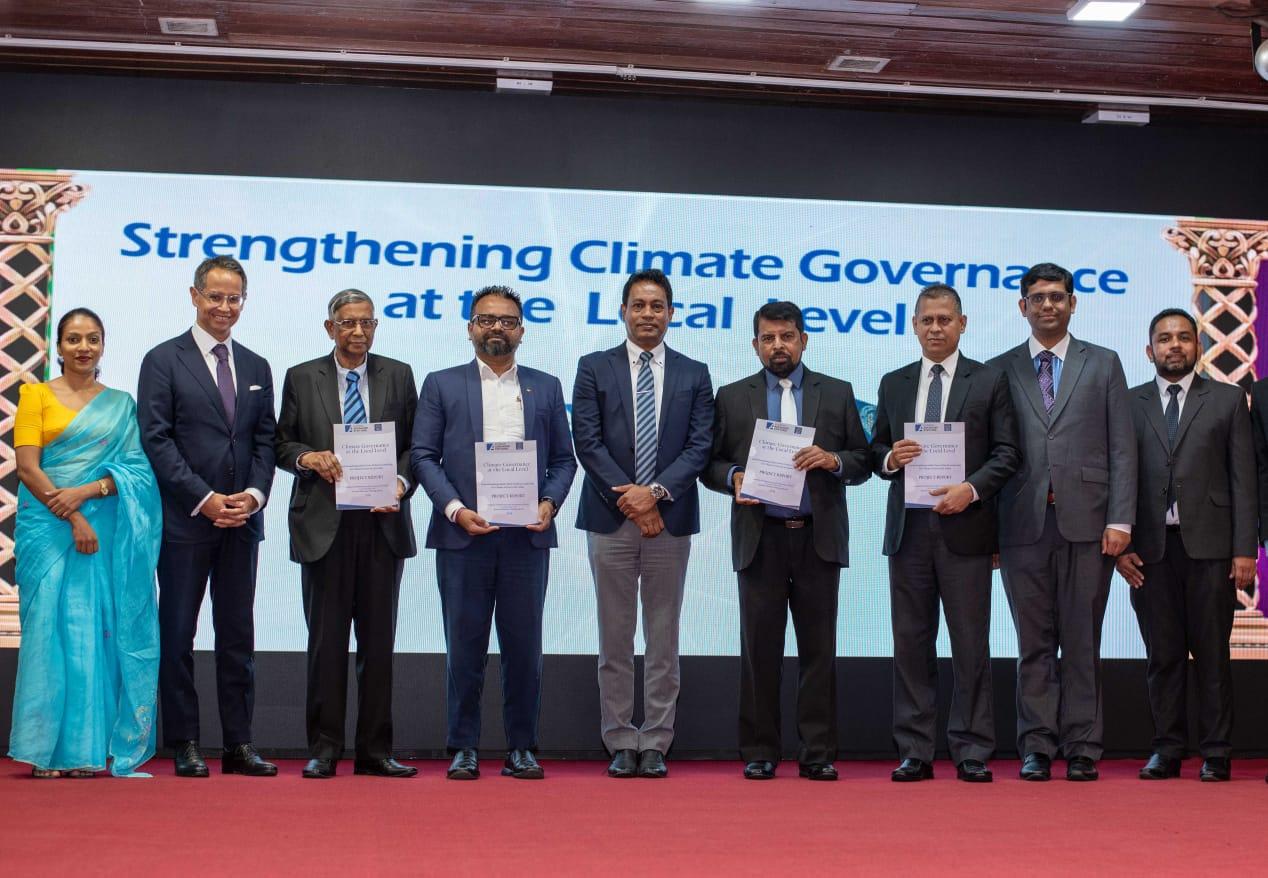
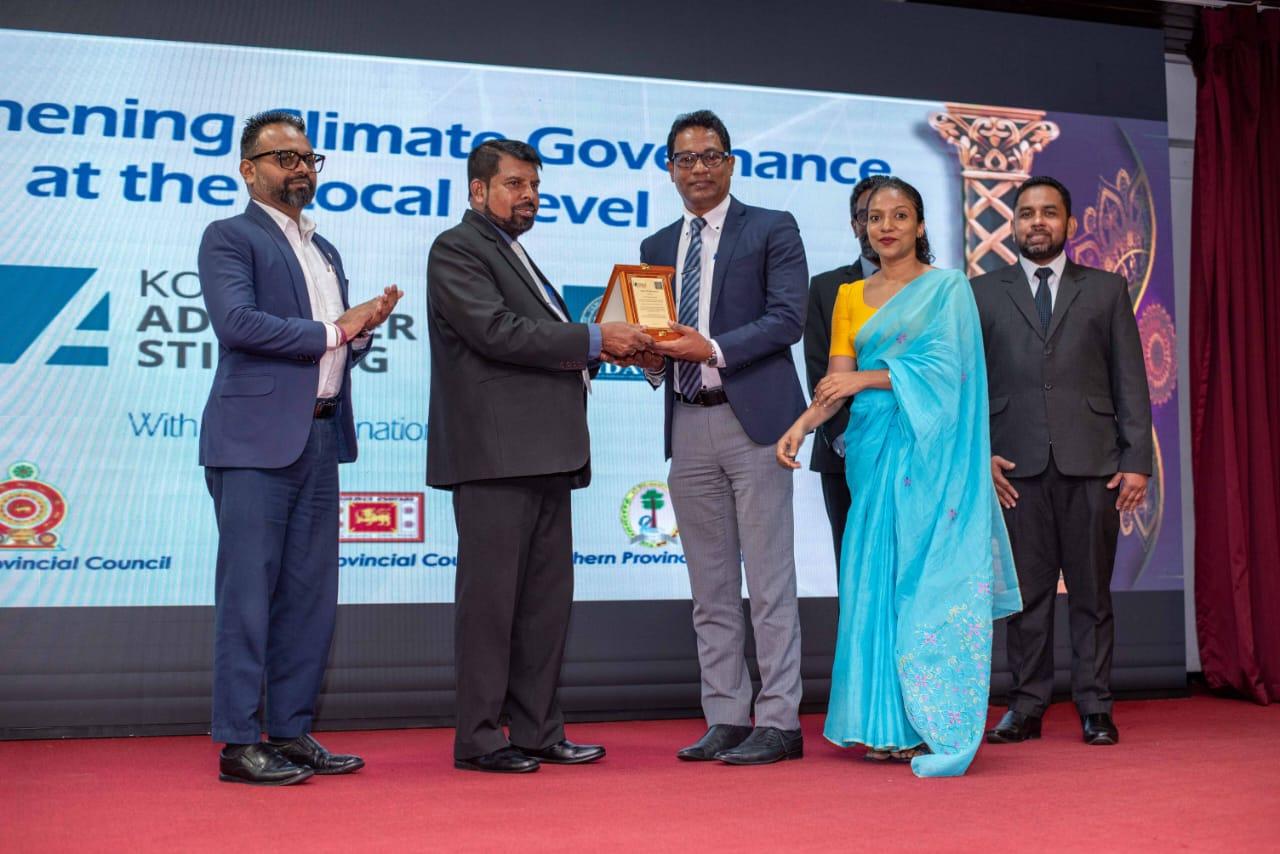
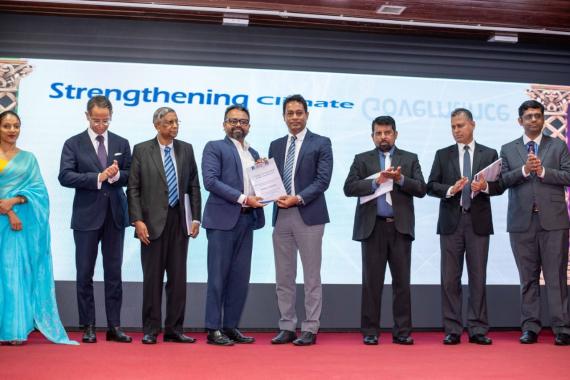
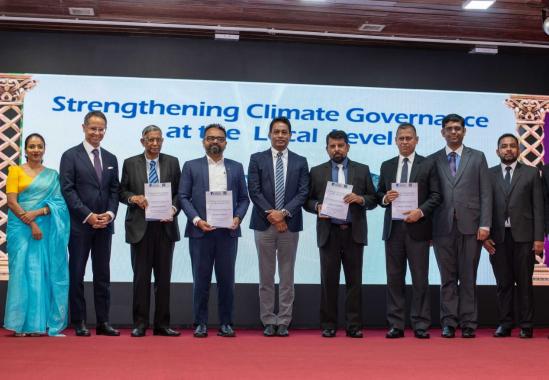
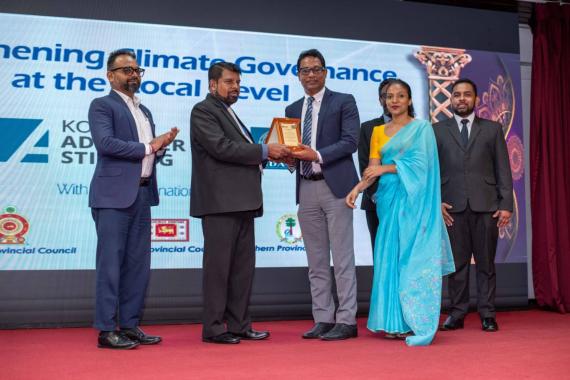
A special moment during the conference was the presentation of tokens of appreciation by Minister Abayarathna to Dr Denis Suarsana and Mr Anish Mishra of the KAS Regional Programme Political Dialogue Asia. The presentation acknowledged their involvement in the initiative and marked the successful cooperation between KAS, IDAG and the Sri Lankan Government institutions that supported the climate action project.
Mr Akalanka Hettiarachchi, Director of IDAG, delivered the vote of thanks and expressed appreciation to the Ministry, KAS, participating Local Government Authorities, speakers, researchers and all stakeholders who had contributed to the project.
Building permanent and inclusive local institutions
One of the central lessons of the initiative is that strengthening local climate governance requires more than raising awareness. Existing political willingness must be supported by permanent institutional arrangements, clearer legal mandates, adequate resources, reliable climate information and practical capacity-building.
The proposed establishment of compulsory inclusive multi-party Climate Action Committees in local government councils offers one possible institutional mechanism through which governing and opposition representatives can work together on long-term climate priorities. By linking climate considerations to council planning, budgeting and decision-making, such committees could help local authorities move from predominantly reactive disaster management towards more preventive, systematic and locally coordinated governance.
The study also underlined the importance of community participation. Climate-risk management plans are more likely to respond to local realities when they are prepared together with the communities affected, rather than being developed exclusively through top-down processes.
Through its partnership with IDAG and Sri Lankan public institutions, KAS seeks to promote democratic participation, political cooperation and stronger local institutions. The events held on 23 and 25 August represented an important step towards transforming awareness and political willingness into sustained institutional action at the local level.