




Germany and Mongolia are seeking to reinvigorate a partnership that has gained strategic importance in an increasingly uncertain international environment. President Khurelsukh’s visit to Germany reflects a convergence of interests rather than merely diplomatic symbolism. For Mongolia, Germany is one of the country’s most important “third neighbours”, a democratic partner that can help balance the overwhelming influence of Russia and China. Mongolia remains highly dependent on Russia for energy supplies and on China as its dominant export market, leaving its foreign policy constrained by geopolitical realities. As a democratic state located between two authoritarian powers, Mongolia seeks closer relations with countries that can help preserve its political and economic autonomy. Germany occupies a particularly prominent place in this strategy and is today Mongolia’s only strategic partner in Europe.
From the German perspective, Mongolia has become increasingly attractive as both a values-based and an interest-based partner. Germany’s search for reliable international partners has intensified in the face of geopolitical instability and growing competition between major powers. Mongolia stands out as a democratic country in a region otherwise dominated by authoritarian systems and broadly supports a rules-based international order. These shared political values und interests provide a strong foundation for bilateral relations. At the same time, Mongolia’s vast mineral wealth, including deposits of strategic importance for modern technologies, gives the relationship a significant economic potential.
Despite this favourable political framework, cooperation has often produced fewer practical results than both sides initially hoped. The most prominent example is the bilateral raw materials partnership established in 2011, which raised high expectations but has delivered only limited economic outcomes. While cooperation in raw materials-related higher education has generated tangible successes, large-scale German investment in Mongolia’s mining sector has remained limited. Regulatory uncertainty, governance challenges and difficult investment conditions in Mongolia have played a role, as has the fact that German companies today lack the capacity to carry out large-scale mining projects on their own. Unlocking the full potential of the partnership would therefore require stronger political commitment and closer coordination from both sides.
Cooperation has also expanded in the fields of security and international affairs. Mongolia and Germany work together in military training. At the same time, Mongolia’s cautious approach towards Russia’s war against Ukraine reflects the constraints arising from its geographic position and economic dependence on its neighbours. This reality necessitates a pragmatic relationship in which Germany recognises Mongolia’s strategic limitations while continuing to deepen cooperation wherever possible.
Domestically, Mongolia is entering a politically important period ahead of the presidential election in 2027 and the parliamentary elections in 2028. Although the ruling Mongolian People’s Party remains the dominant political force, economic challenges, public dissatisfaction and internal political competition are contributing to an increasingly uncertain political landscape. Regardless of future electoral outcomes, however, close relations with Germany are likely to remain a shared objective of Mongolian foreign policy. For Germany, maintaining and strengthening ties with this democratic partner continues to offer strategic benefits, even if expectations in some areas have yet to be fully realised.
Please note that the full country report is available in German only.
Media library
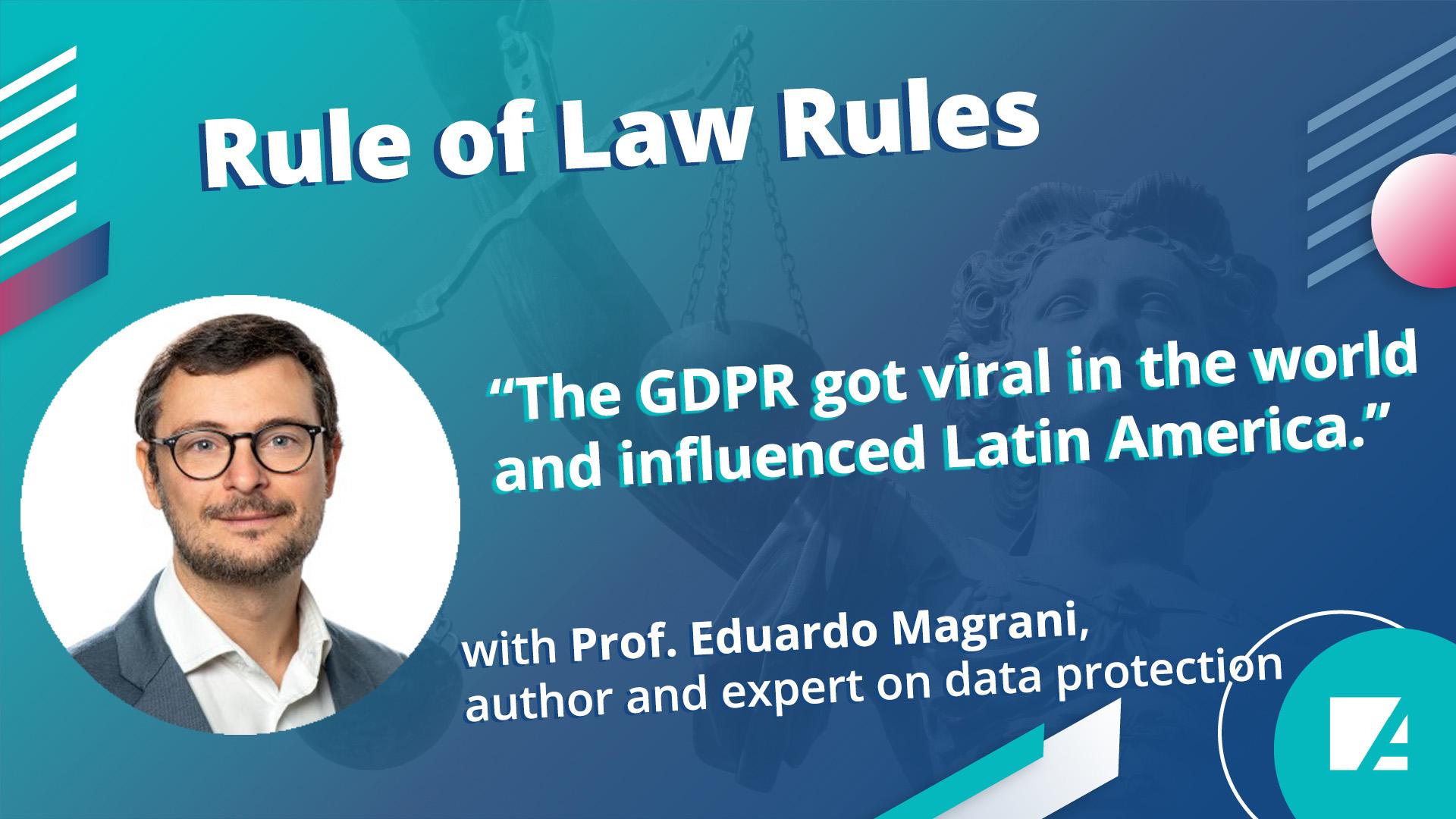
#3: Eduardo Magrani on Data Protection in Latin America
We speak with Eduardo Magrani about the General Data Protection Regulation and its influence in Brazilian and Latin American legal framework.
Read now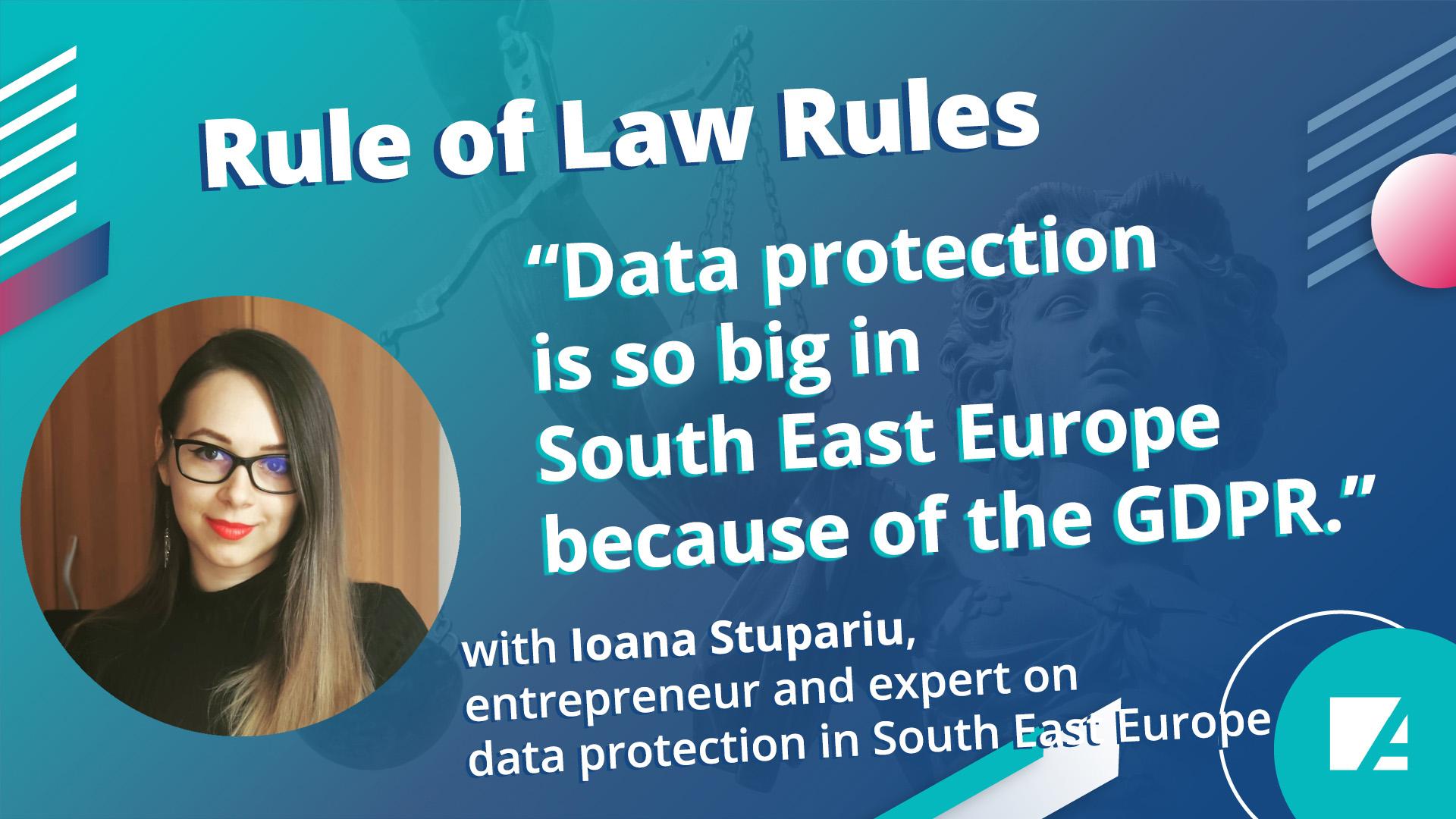
#2: Ioana Stupariu on the GDPR's influence in South East Europe
Ioana Stupariu works with tech and healthcare start-ups and companies across Central and Eastern Europe. And she researches on Data protection & Privacy.
Read now