





Foreign and Domestic Political Context
The resource-rich country is the world’s leading exporter of bauxite, which plays a key role in the automotive industry, mechanical engineering and the packaging sector, among others. Germany sources around 90 per cent of its processed bauxite from the West African republic on the Gulf of Guinea. In addition to bauxite, Guinea possesses one of the world’s largest iron ore reserves, as well as extensive deposits of diamonds, gold and uranium.
The military coup of 5 September 2021 took place against the backdrop of massive protests against President Alpha Condé, who had sought a third term in office through a controversial constitutional amendment. At the time, General Mamady Doumbouya promised a short transitional period and the exclusion of junta members from future elections. These assurances formed the basis for an initially favourable attitude among the majority of the Guinean population and within the international community.
Over the course of the transition, however, an increasing concentration of power in the hands of the military became evident. Political demonstrations were banned, key media outlets were closed, and numerous opposition politicians and representatives of civil society were arrested, abducted or forced into exile. The return to constitutional order was repeatedly delayed, contrary to agreements with the West African regional organisation ECOWAS.
New Constitution as the Basis for the Election
A key step enabling General Doumbouya’s candidacy was the constitutional referendum of 21 September 2025, which was intended to lay the foundation for a new constitutional order for the 14.8 million inhabitants of the West African country. According to official results, 89.38 per cent of voters approved the new constitution, with turnout reportedly around 87 per cent.
The new constitution permits members of the military junta to run for president, extends the presidential term from five to seven years, and grants the president far-reaching powers in the appointment of senators. In addition, it introduces a “residency requirement” as a prerequisite for presidential candidacy, which in practice excludes opposition politicians living in exile from the electoral process.
Election Organisation and Result
Approximately 6.77 million Guineans were registered to vote in the presidential election on 28 December 2025, corresponding to approximately 45 per cent of the total population. The election was organised by a newly established electoral authority created in June 2025. The Independent National Electoral Commission (CENI) was abolished and replaced by the Direction Générale des Élections (DGE), whose director and deputy director are appointed by the president. According to official DGE figures, turnout on election day was around 80.95 per cent of registered voters.
Nine candidates were approved to stand in the presidential election. Guinea’s most prominent political heavyweights – including former Prime Minister Cellou Dalein Diallo, former Prime Minister Sidya Touré and Alpha Condé – were excluded. Their parties jointly called for a boycott of the election. The remaining challengers to Doumbouya – former Education Minister Aboulaye Yero Baldé, former Foreign Minister Makalé Camara, party leader Faya Millimono of the Bloc Libéral, and former Energy Minister Ibrahima Abé Sylla, among others – had limited organisational reach and virtually no realistic chance of victory. As a result, the election lacked a central feature of democratic processes: the genuine possibility of a change of power. While international observers reported a largely calm voting process, they explicitly pointed to the uneven political playing field.
According to official results, the 41-year-old General Mamady Doumbouya won the election in the first round with 86.72 per cent of the vote. Politically, the outcome signifies above all the formal legitimisation of a previously informal military rule. While the transition has been legally concluded, minimum democratic standards – in particular political competition, freedom of expression and the separation of powers – remain severely restricted.
Outlook
In terms of foreign policy, Guinea under General Doumbouya is pursuing a pragmatic course. Unlike military regimes in Mali, Burkina Faso or Niger, Guinea has maintained cooperative relations with Western states. Large-scale projects such as the Simandou iron ore project are intended to promise economic growth and secure social acceptance.
In the long term, however, this model carries risks. Without a credible democratic opening, political stability may increasingly rest on repression rather than legitimacy. Whether Guinea will move towards political pluralism or consolidate itself permanently in an authoritarian system remains one of the key political questions in West Africa.
Another central issue for the republic on the Gulf of Guinea – one of the world’s poorest countries and facing major challenges in basic service provision – is how the intended economic development and associated allocation of resources will benefit the population at large.

Media library
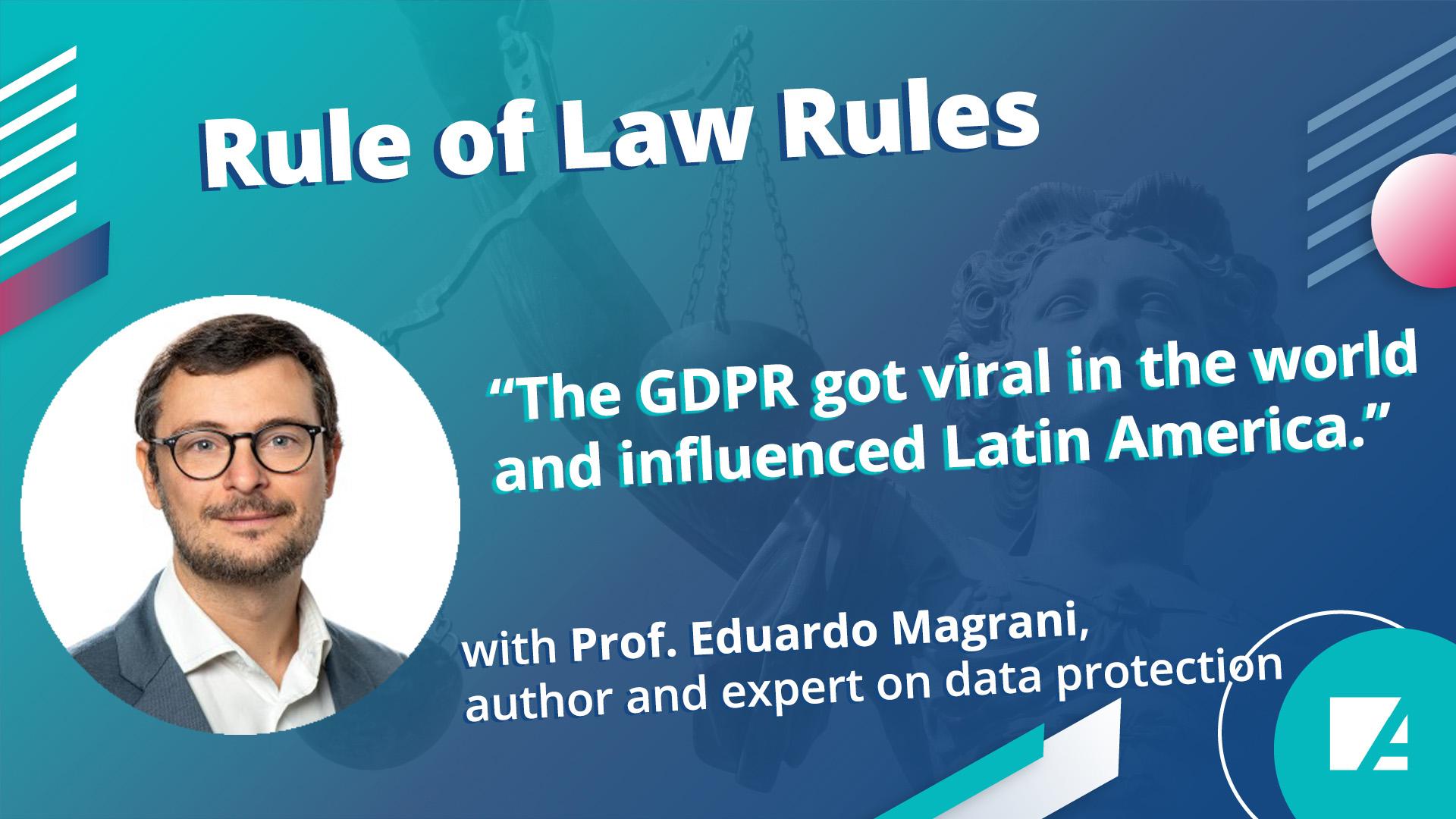
#3: Eduardo Magrani on Data Protection in Latin America
We speak with Eduardo Magrani about the General Data Protection Regulation and its influence in Brazilian and Latin American legal framework.
Read now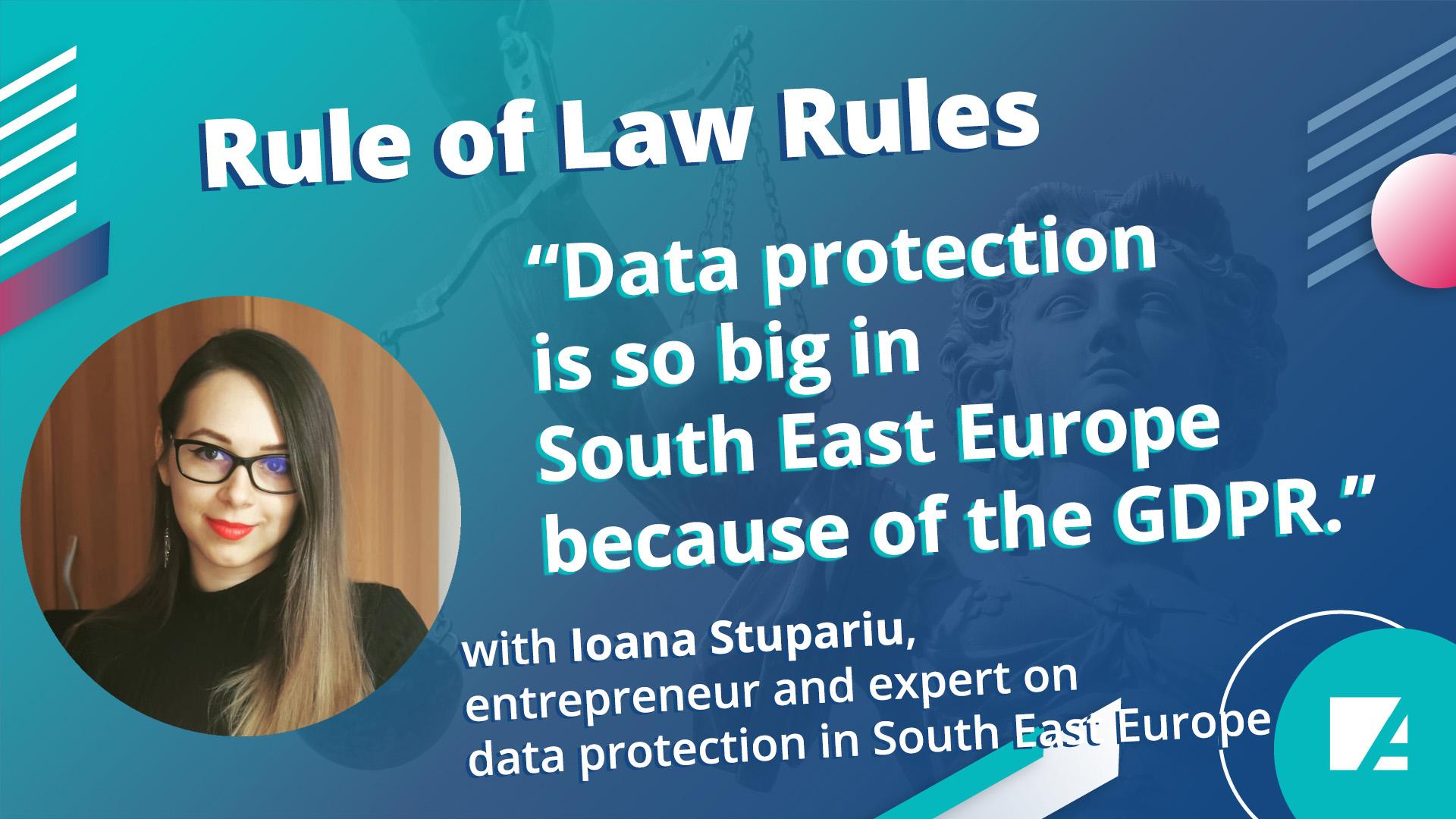
#2: Ioana Stupariu on the GDPR's influence in South East Europe
Ioana Stupariu works with tech and healthcare start-ups and companies across Central and Eastern Europe. And she researches on Data protection & Privacy.
Read now