





In light of the international efforts aimed at a political solution in Syria led by Syrians themselves, negotiating the Syrian constitution amendments to preserve the rule of law remains one of the main concerns to ensure stability in the post-conflict phase According to the UN Secretary-General (UNSG), the rule of law should be premised on several elements, inter alia, an independent judiciary, and a separation of powers. While the current Syrian constitution asserts the national judiciary independence and impartiality, the Commission of Inquiry (COI) does not recognise this independence as the Syrian government controls the judiciary through several legislation.
Accordingly, this paper argues that negotiating the constitution should not be isolated from the broader context of the legislation and state practice. It argues that although the current Syrian constitution asserts the independence of the judiciary, this is not reflected in practice, which jeopardises the rule of law and any implementation of a new constitution in the post-conflict situation.
All three authors are members of the Syrian Legal Development Programme (SLDP).
Update October 2022:
SLDP met with the Special Rapporteur on the Independence of Judges and Lawyers. SLDP briefed the supporting staff of the mandate holder about the situation of the Syrian judiciary on the basis of the published Article "The Syrian Judiciary's Independence: Broader Constitutional Lenses". On 24 October 2022, the Special Rapporteur sent a formal Allegation Letter to Syria regarding the information mentioned in the Article. The mandate holder highlighted the deficiency of the Syrian judiciary from the constitutional lens, especially in terms of the military judiciary and special courts.

Media library
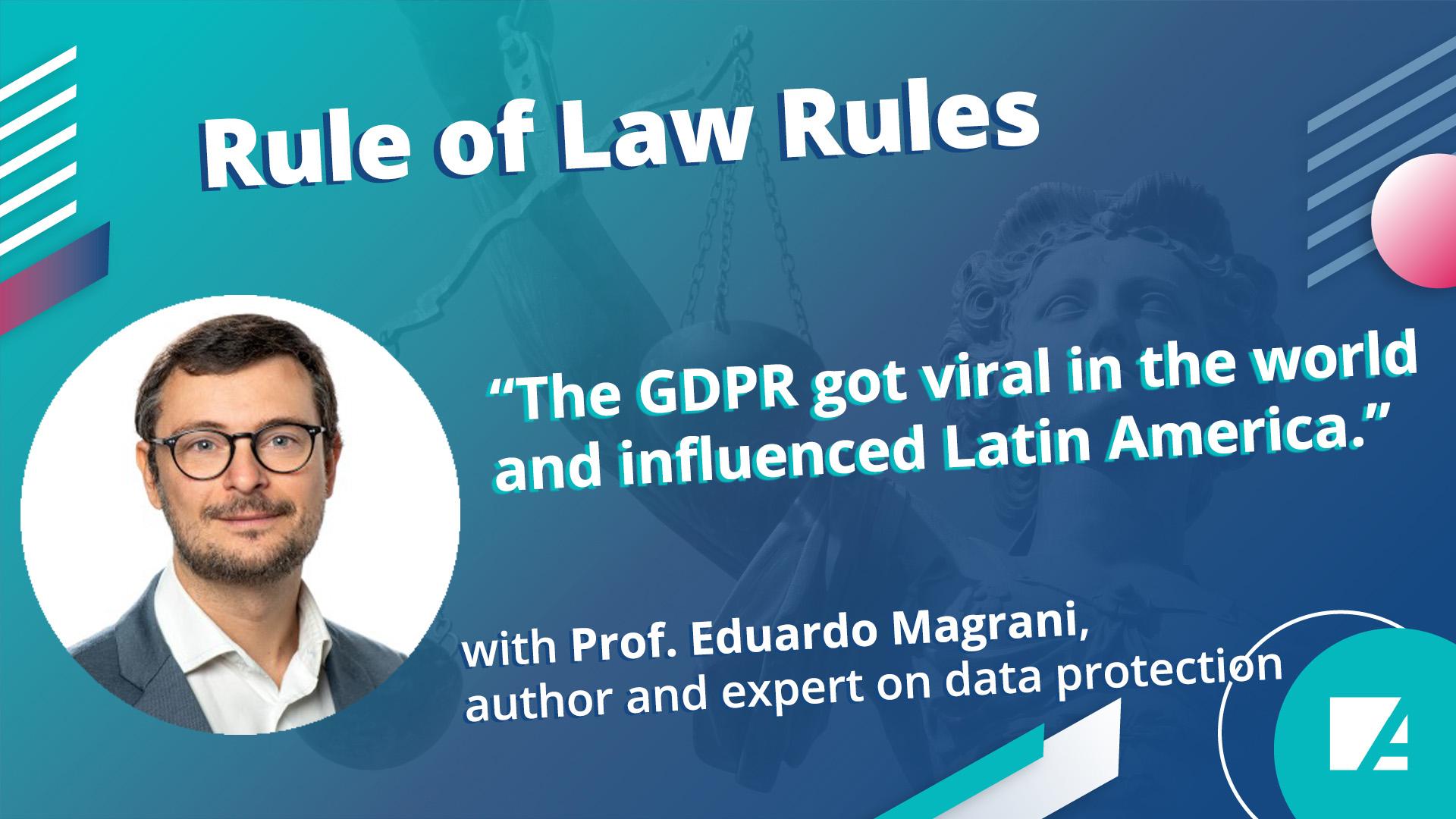
#3: Eduardo Magrani on Data Protection in Latin America
We speak with Eduardo Magrani about the General Data Protection Regulation and its influence in Brazilian and Latin American legal framework.
Read now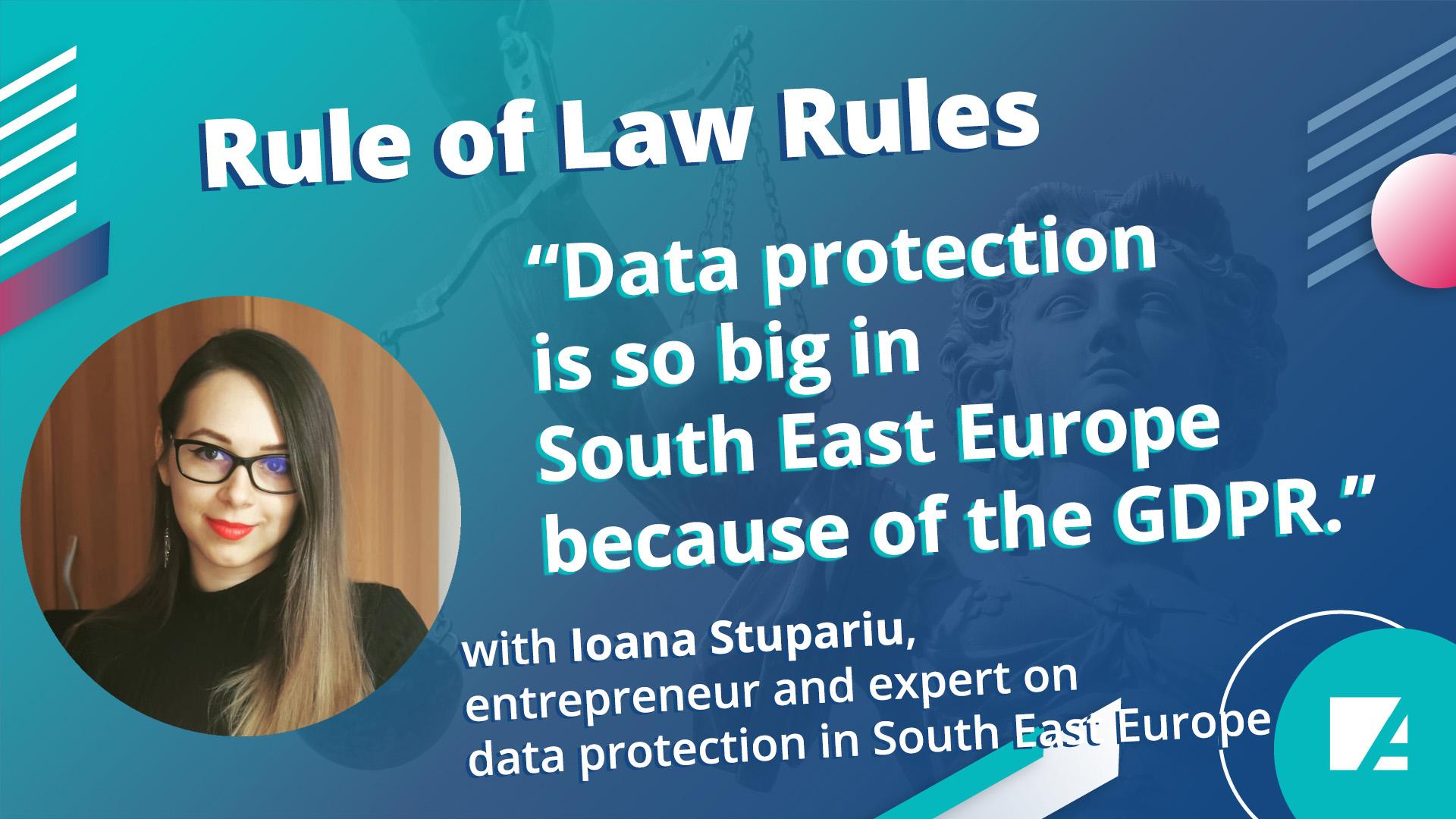
#2: Ioana Stupariu on the GDPR's influence in South East Europe
Ioana Stupariu works with tech and healthcare start-ups and companies across Central and Eastern Europe. And she researches on Data protection & Privacy.
Read now