







 Olena Kosovych / Kyiv Dialogue / KAS Ukraine
 Olena Kosovych / Kyiv Dialogue / KAS Ukraine
 Olena Kosovych / Kyiv Dialogue / KAS Ukraine
 Olena Kosovych / Kyiv Dialogue / KAS Ukraine
 Olena Kosovych / Kyiv Dialogue / KAS Ukraine
 Olena Kosovych / Kyiv Dialogue / KAS Ukraine
 Olena Kosovych / Kyiv Dialogue / KAS Ukraine
 Olena Kosovych / Kyiv Dialogue / KAS Ukraine
Olena Kosovych / Kyiv Dialogue / KAS Ukraine
Olena Kosovych / Kyiv Dialogue / KAS Ukraine
Olena Kosovych / Kyiv Dialogue / KAS Ukraine
Olena Kosovych / Kyiv Dialogue / KAS Ukraine
Olena Kosovych / Kyiv Dialogue / KAS Ukraine
Olena Kosovych / Kyiv Dialogue / KAS Ukraine
Olena Kosovych / Kyiv Dialogue / KAS Ukraine
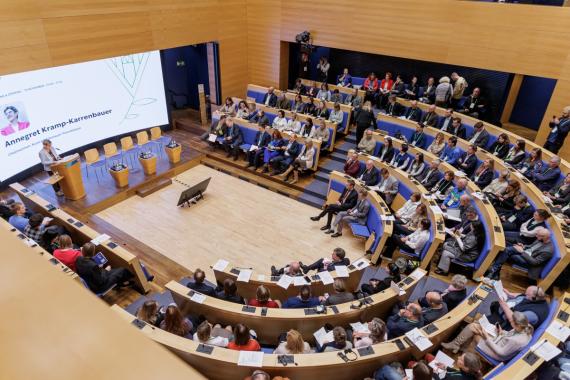
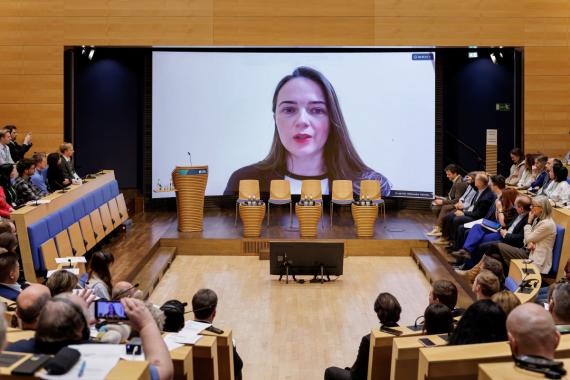
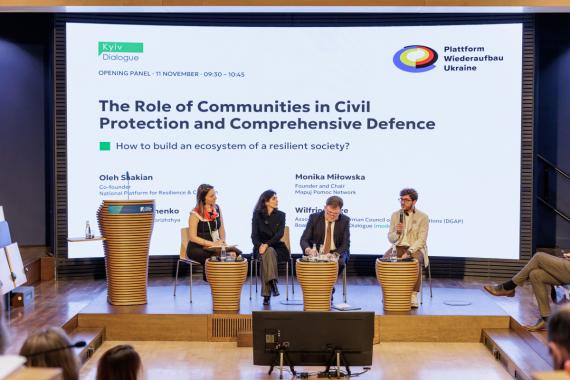
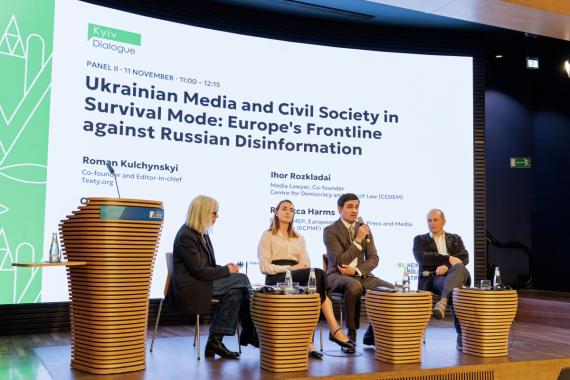
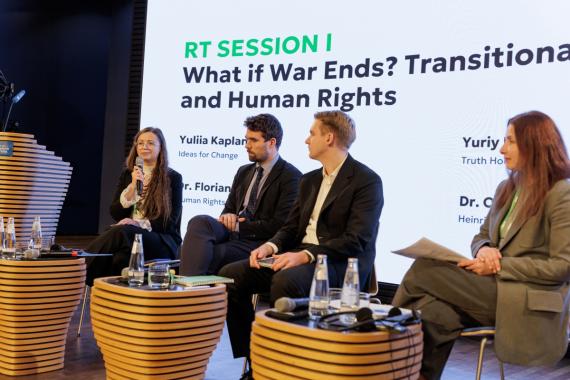
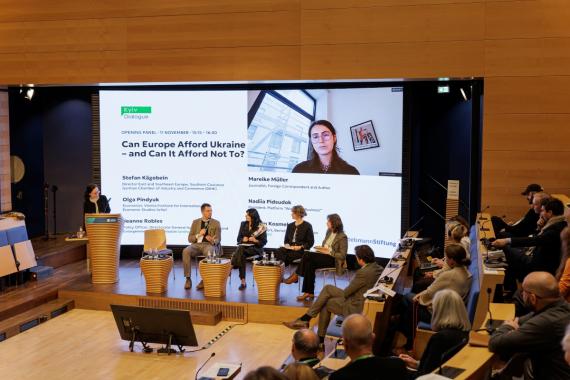
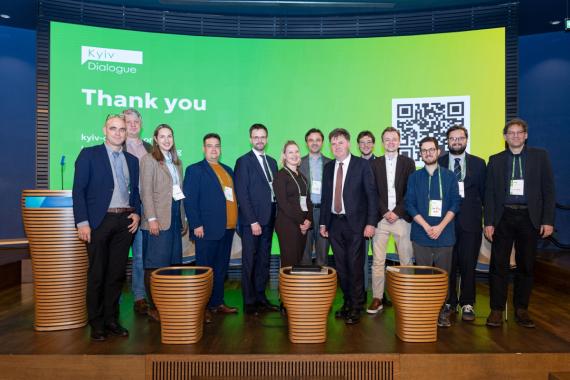
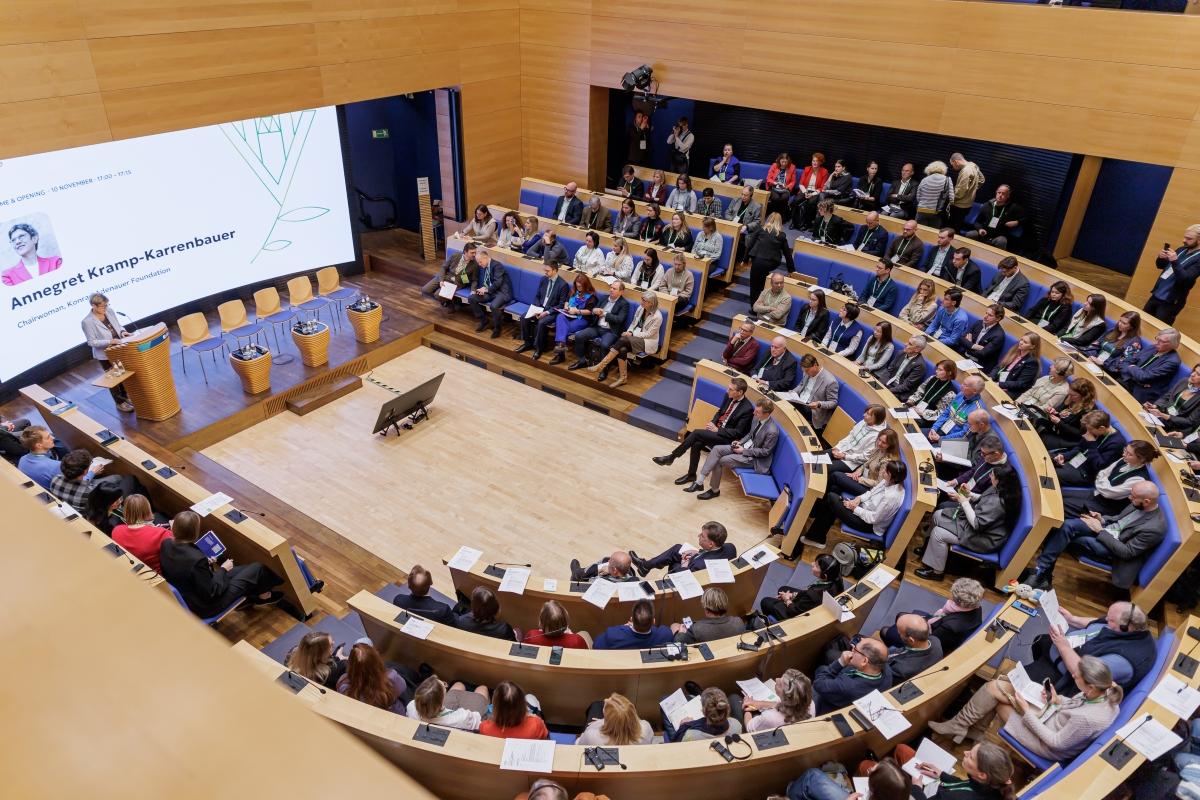
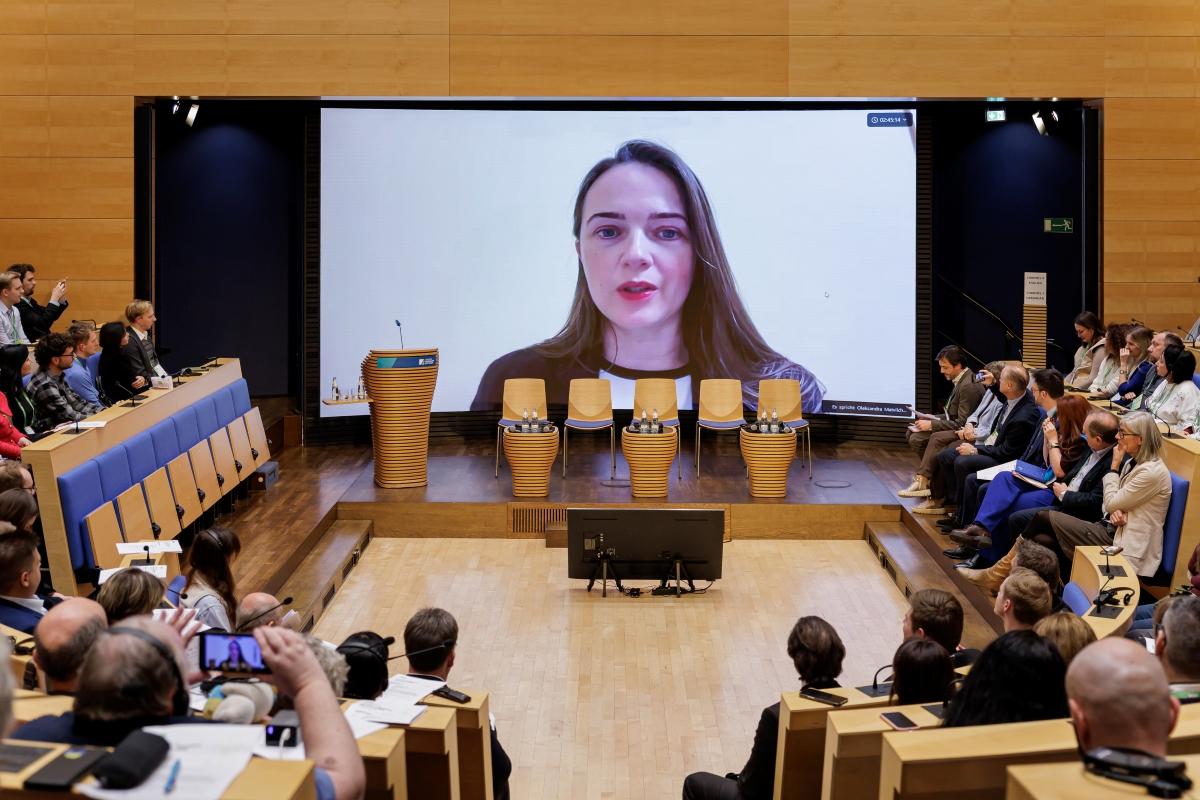
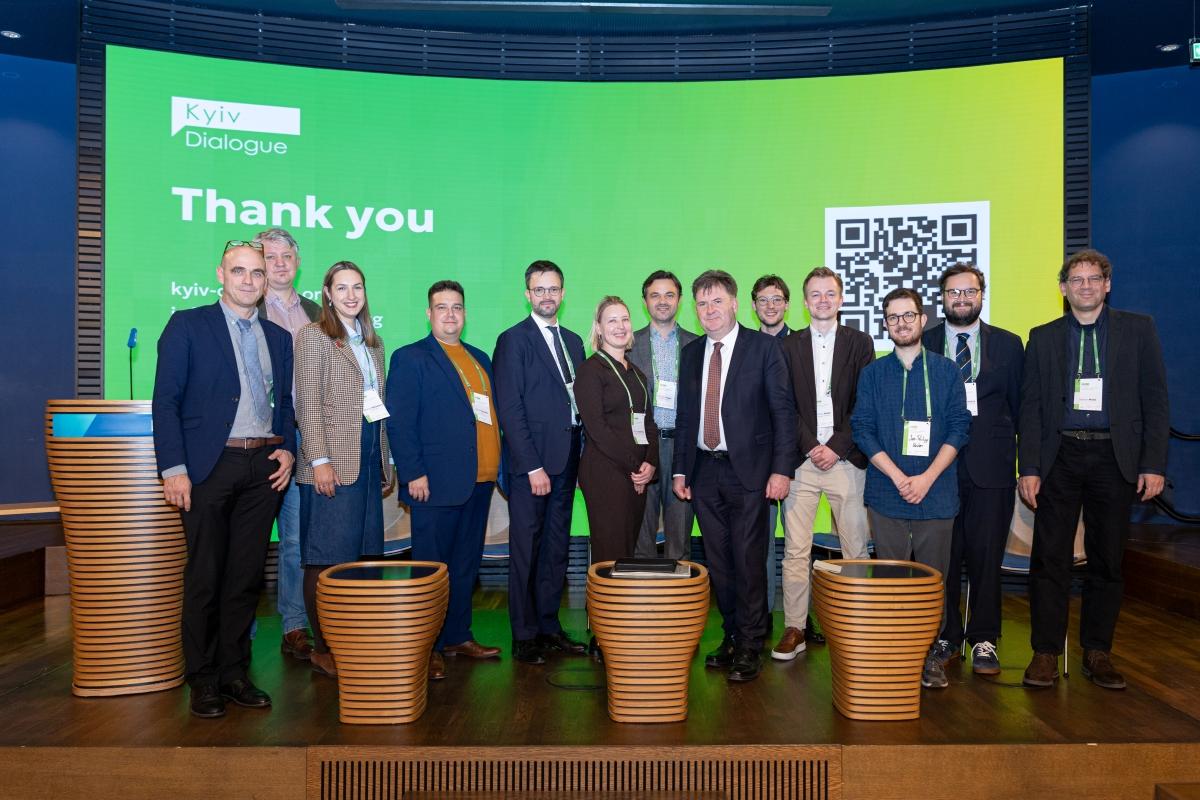
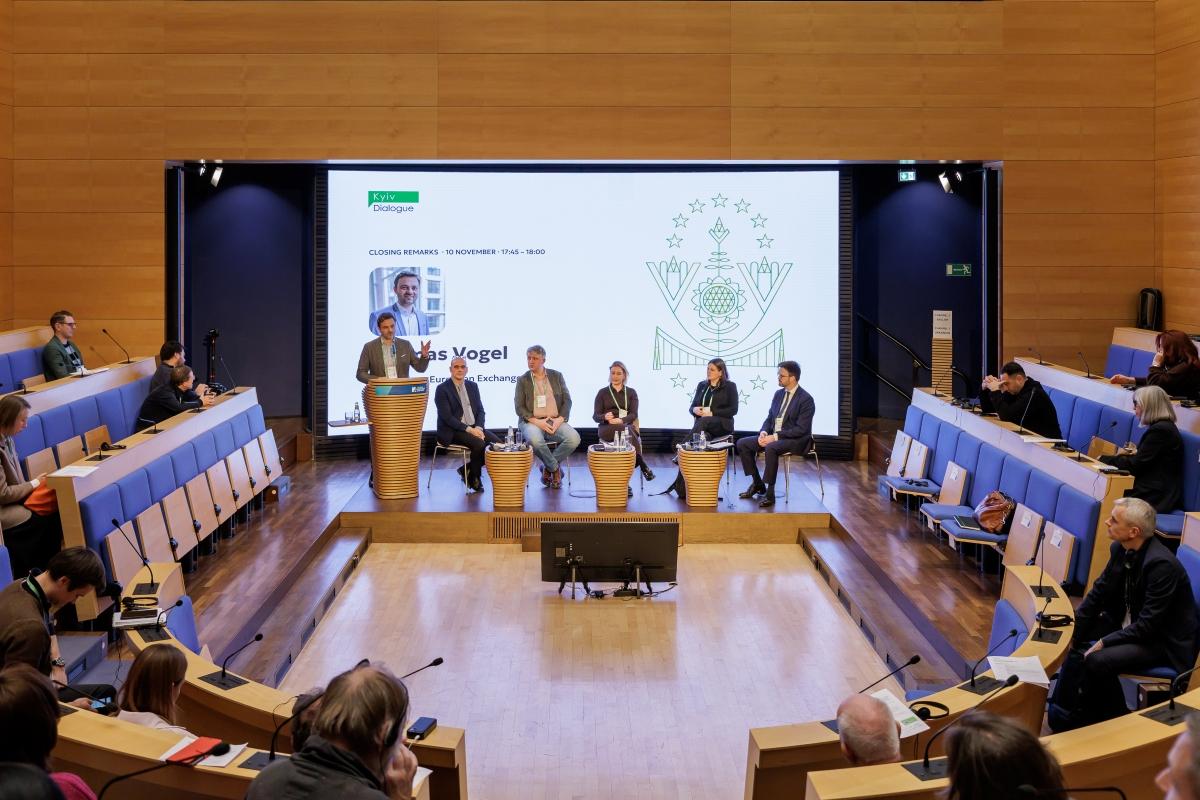
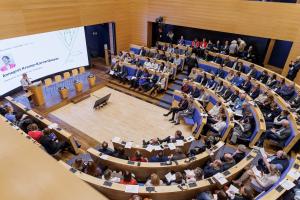
On 10–11 November 2026, the 21st Annual Kyiv Dialogue Conference took place in Berlin under the theme “Ukraine’s Path into the EU: Resistance, Resilience, Reforms”. The conference was organised by European Exchange and the Konrad-Adenauer-Stiftung. It brought together more than 250 participants and speakers from Ukraine, Germany, Poland and other European Union countries, including representatives of state institutions, civil society, expert and academic communities, and the political sphere.
The conference provided a platform for discussing Ukraine’s European integration amid Russia’s full-scale war, the reforms needed and the prospects for post-war recovery. At the same time, a central theme running through the discussions was the close connection between Ukraine’s security and that of Europe: how Ukraine’s experience in resisting Russian aggression can contribute to strengthening European resilience and preparedness for emerging challenges.
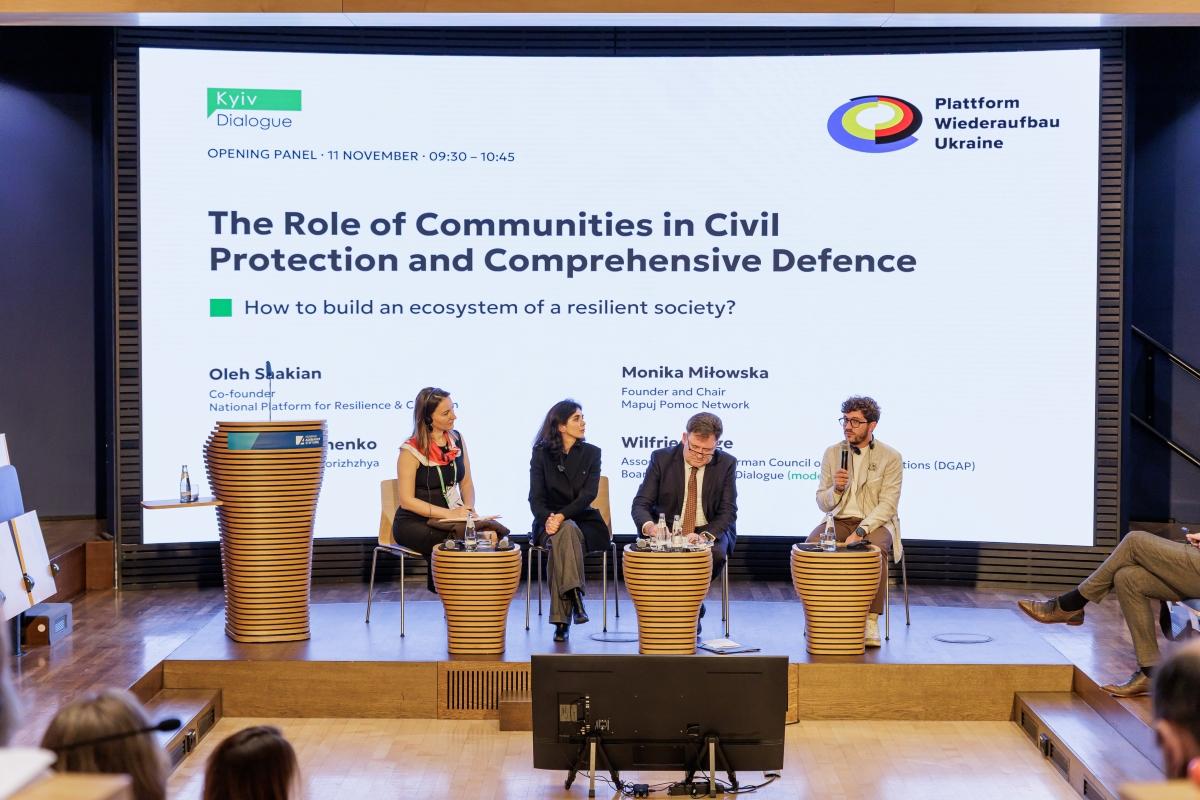
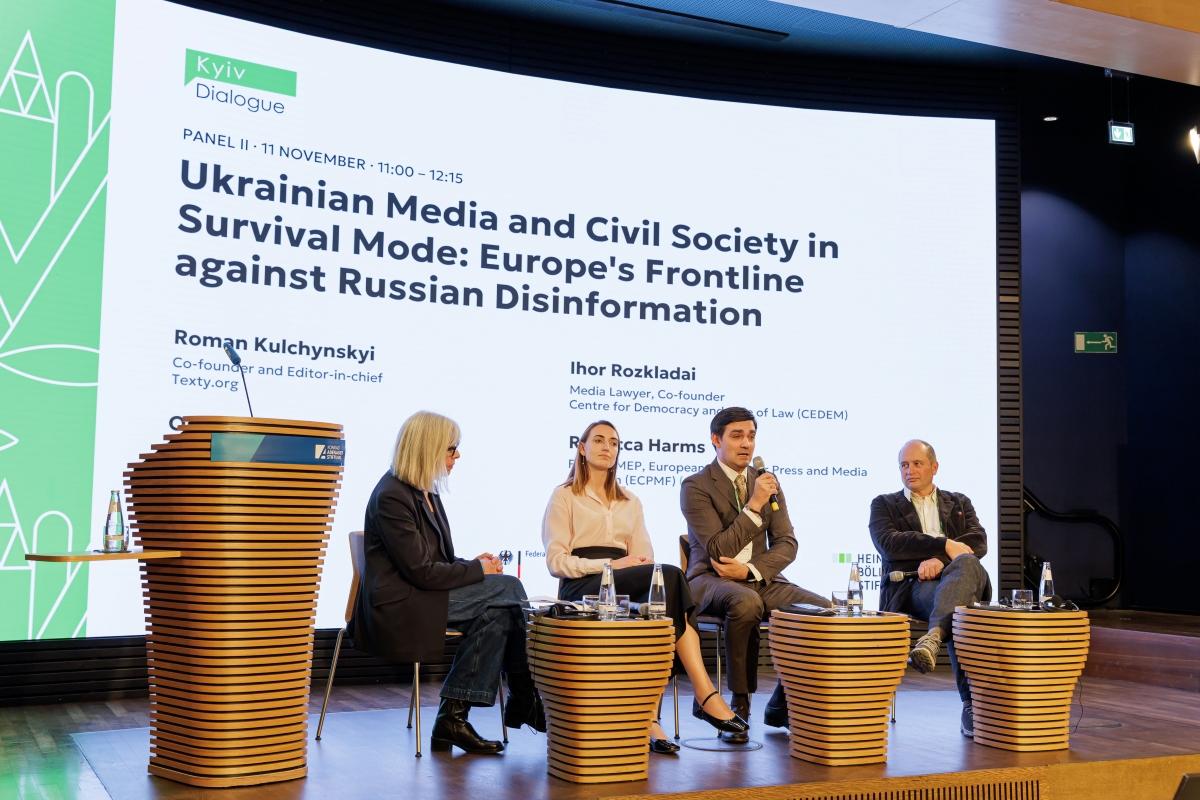
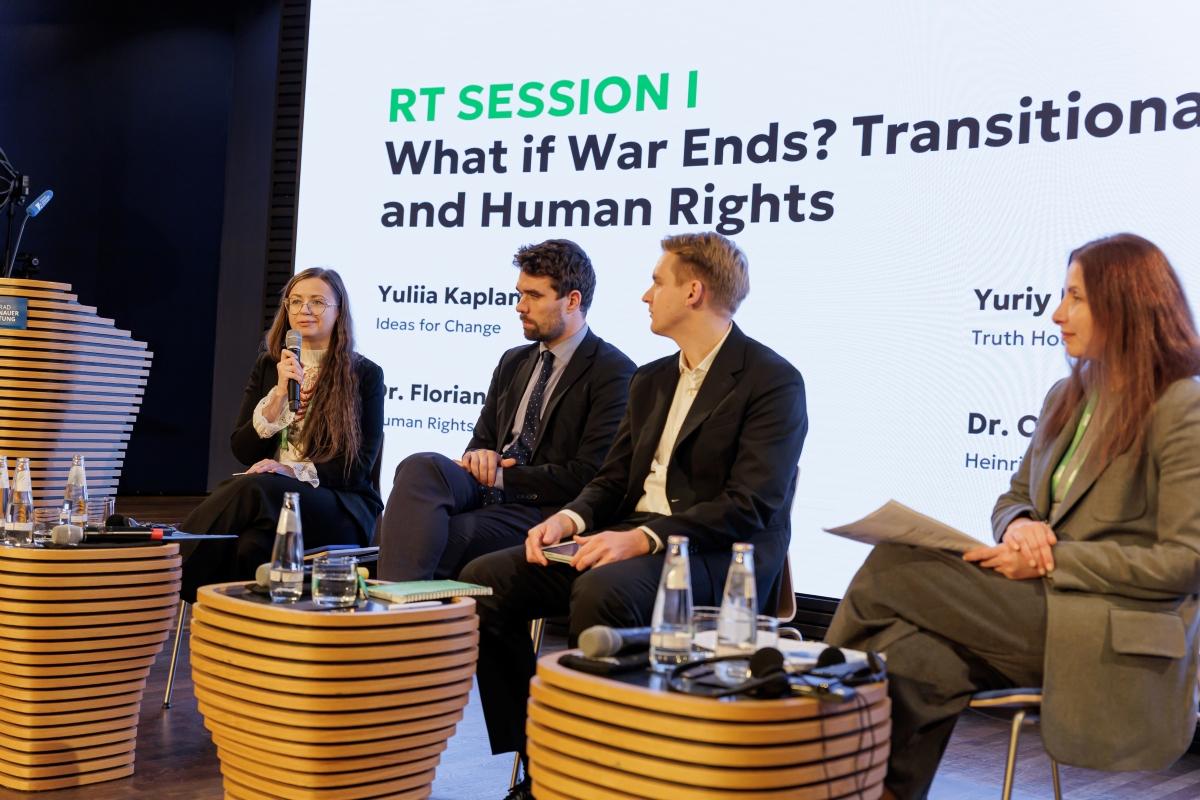
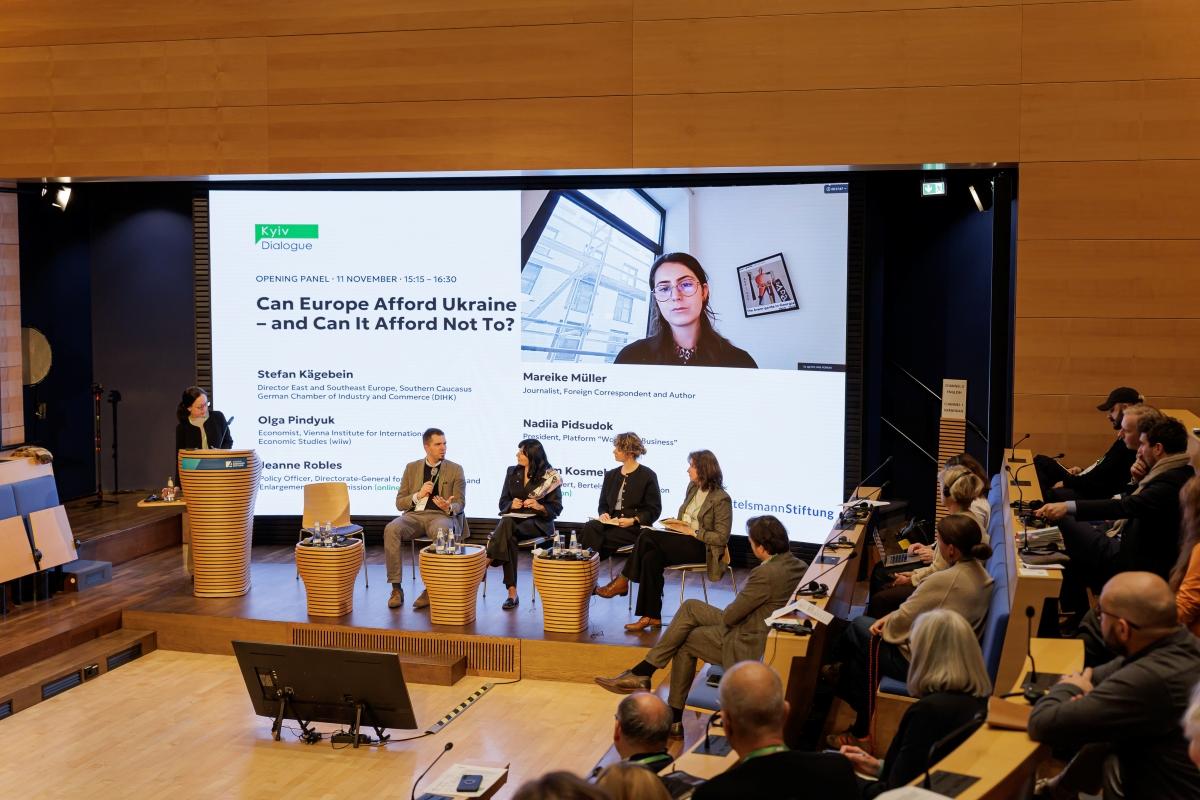
Over the two days, participants discussed, among other issues, Germany’s and Poland’s contribution to advancing Ukraine’s path towards EU membership, the role of local communities in civil protection and comprehensive defence, countering Russian disinformation and supporting independent media. Particular attention was also paid to transitional justice and human rights, as well as to finding sustainable funding mechanisms for Ukraine’s defence, recovery and reforms.
Another important topic was the need to deepen cooperation between Ukraine and its European partners — not only through political support, but also through the exchange of practical experience, technology and expertise. The discussions demonstrated that Ukraine’s resilience and Europe’s security are closely interconnected, and that responding jointly to current threats requires coordinated action by state institutions, civil society and international partners.
Links to the video recordings of the conference panels are available in the panel on the right.
 Olena Kosovych / Kyiv Dialogue / KAS Ukraine
 Olena Kosovych / Kyiv Dialogue / KAS Ukraine
 Olena Kosovych / Kyiv Dialogue / KAS Ukraine
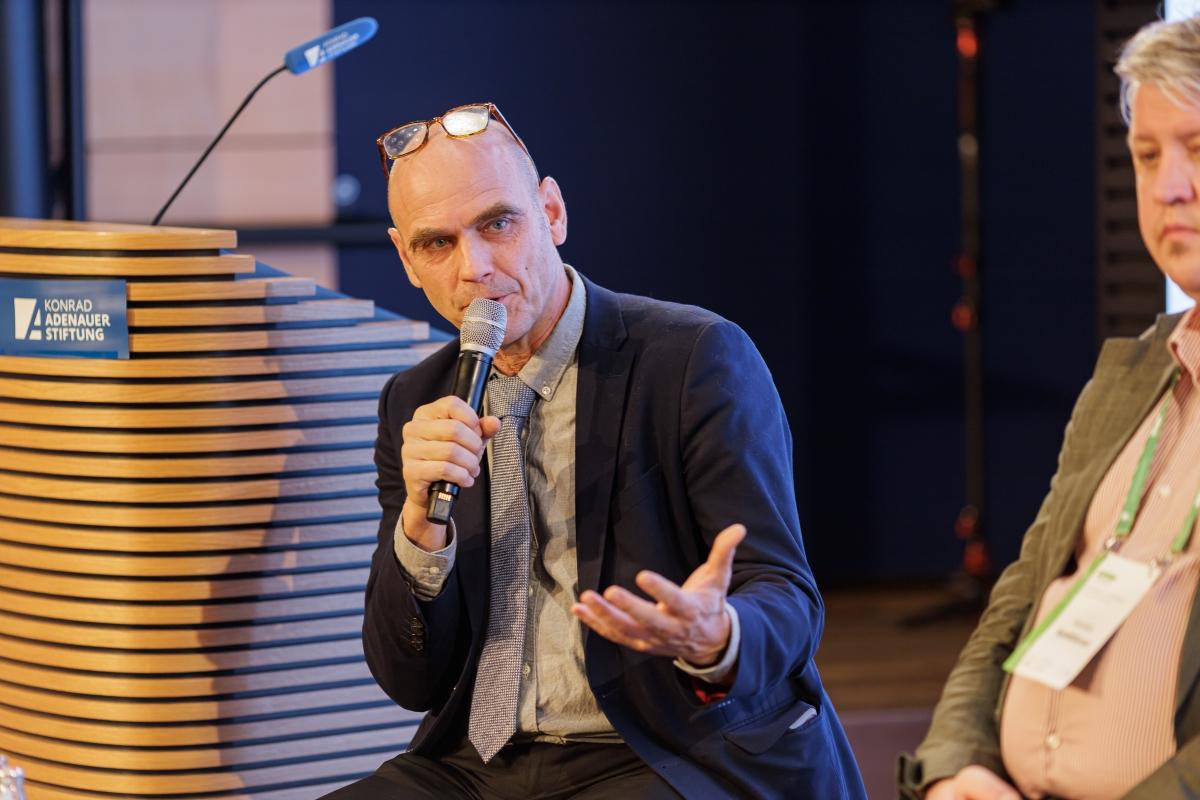 Olena Kosovych / Kyiv Dialogue / KAS Ukraine
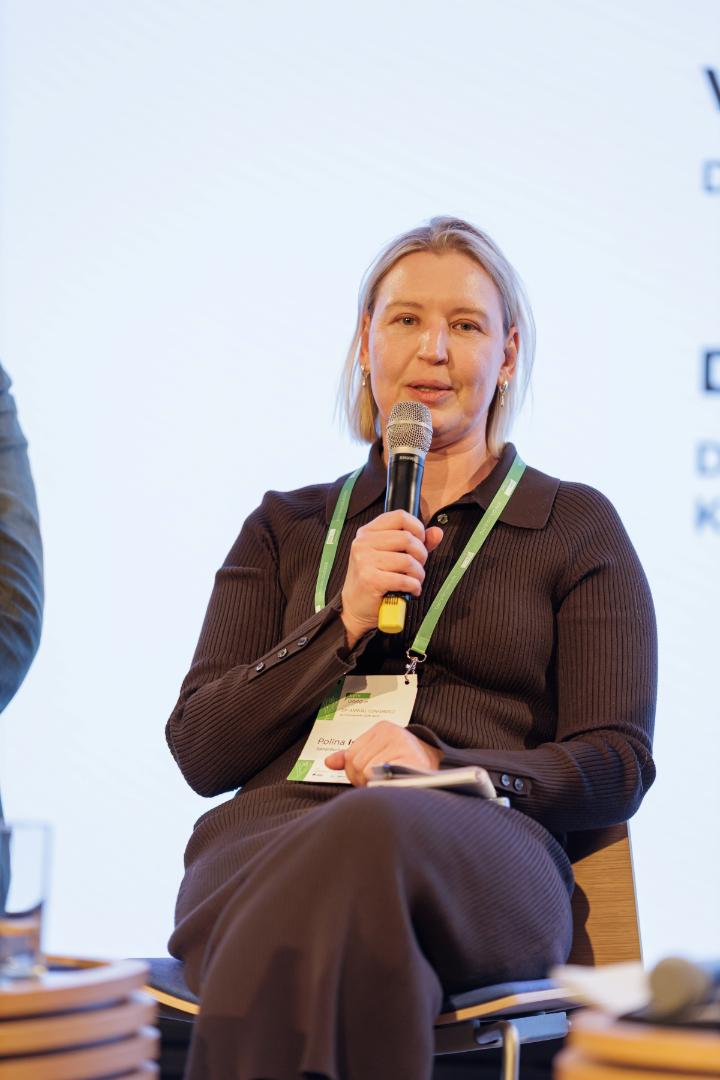 Olena Kosovych / Kyiv Dialogue / KAS Ukraine
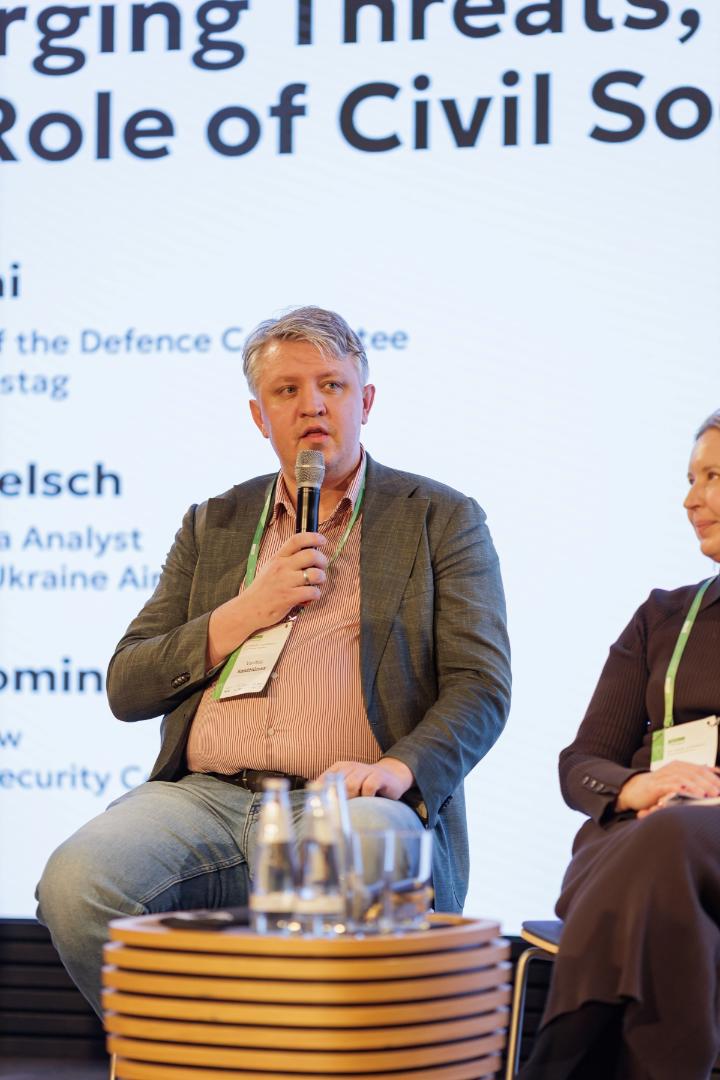 Olena Kosovych / Kyiv Dialogue / KAS Ukraine
Olena Kosovych / Kyiv Dialogue / KAS Ukraine
Olena Kosovych / Kyiv Dialogue / KAS Ukraine
Olena Kosovych / Kyiv Dialogue / KAS Ukraine
Olena Kosovych / Kyiv Dialogue / KAS Ukraine
Olena Kosovych / Kyiv Dialogue / KAS Ukraine
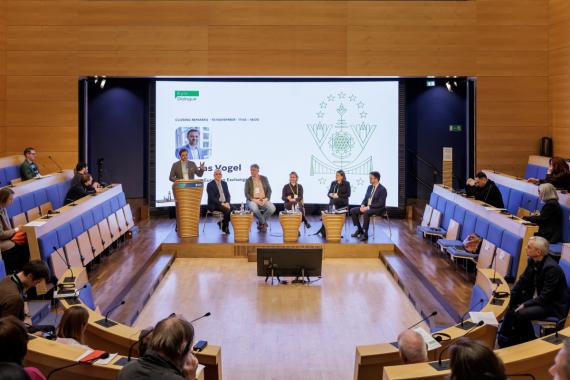
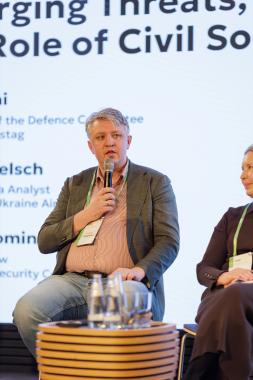
Is Europe Ready for Civilian Defence?
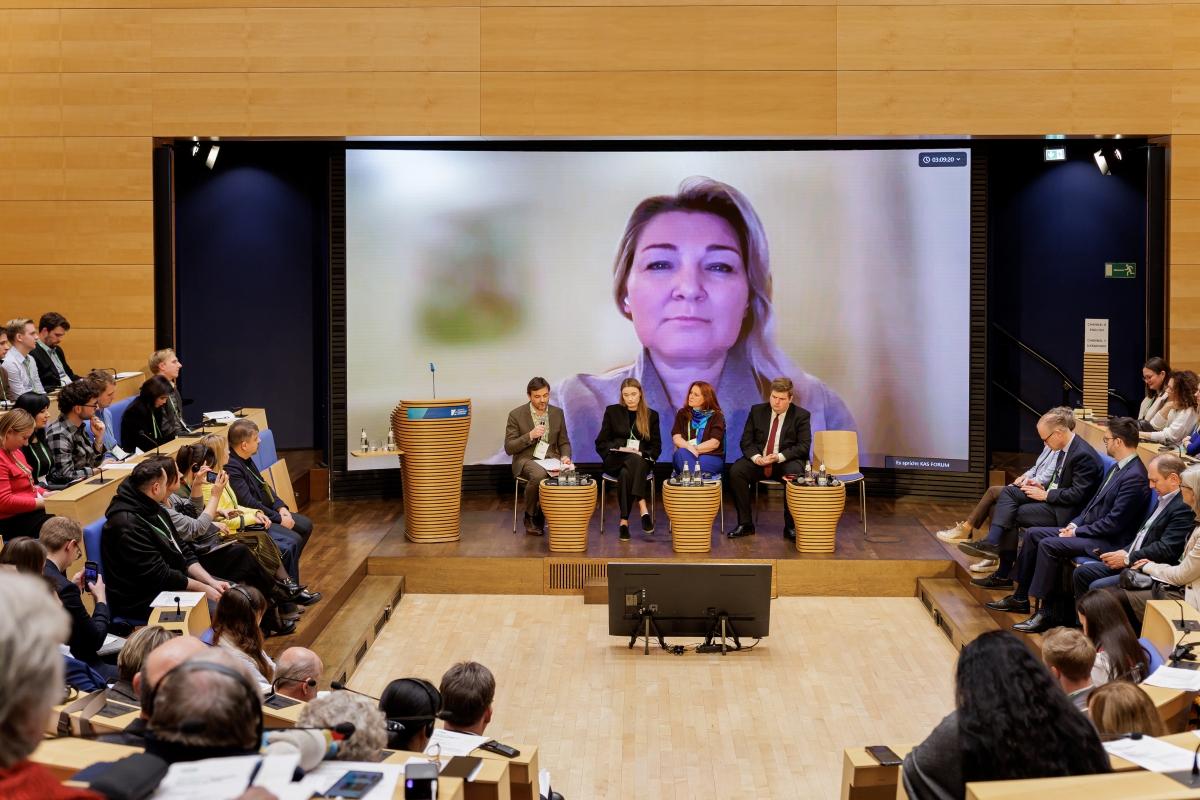
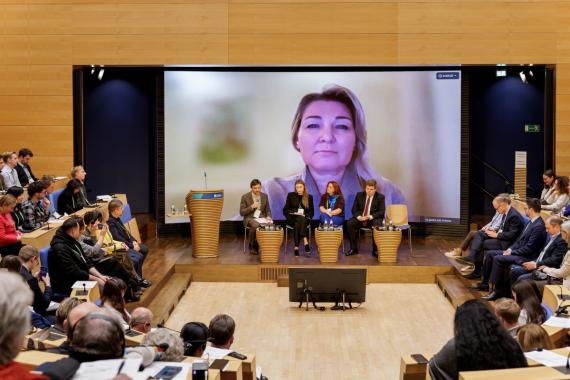
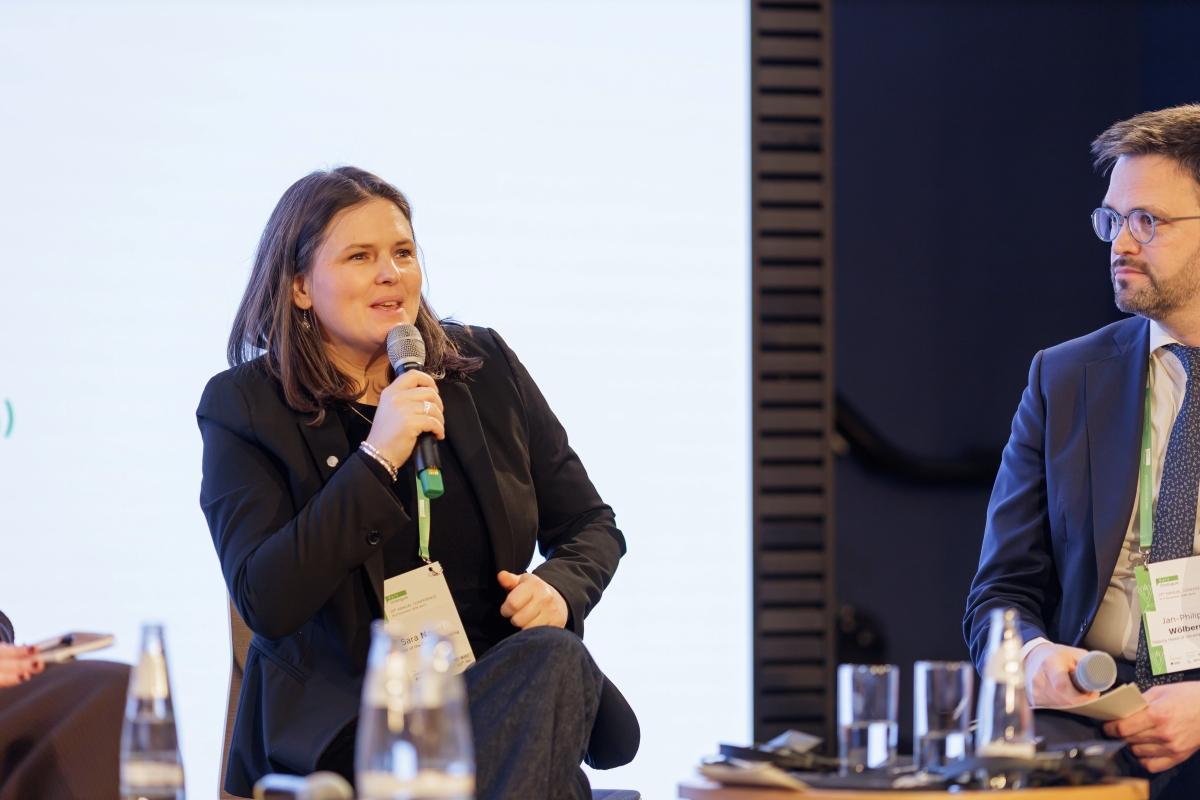
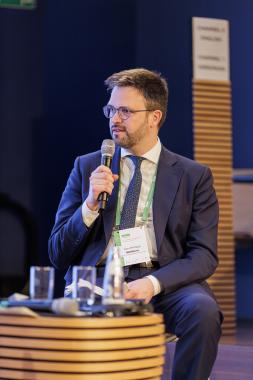
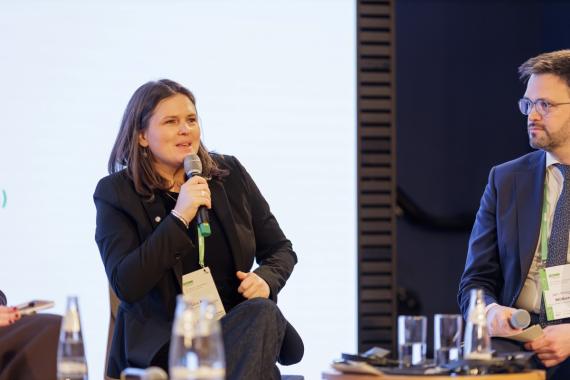
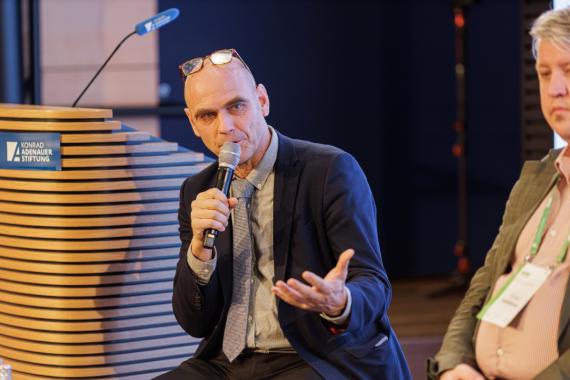
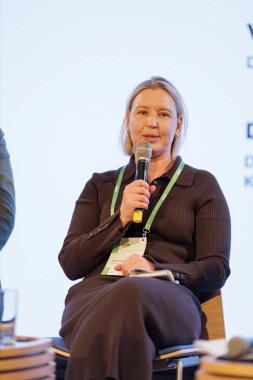
One of the discussions co-organised by the Konrad-Adenauer-Stiftung’s Office in Ukraine was the panel “Is Europe Ready for Civilian Defence? Emerging Threats, New Technologies and the Role of Civil Society”.
The panellists focused on how Russia’s war against Ukraine is changing the understanding of security in Europe, how prepared European countries and their societies are for potential military and hybrid threats, and what lessons they can draw from Ukraine’s experience.
The discussion featured:
-
Sara Nanni, Member of the German Bundestag and the Defence Committee;
-
Marcus Welsch, OSINT and data analyst, author of the Ukraine Air War Monitor;
-
Polina Istomina, Associate Fellow at the Sahaidachnyi Security Center;
-
Vaidas Saldžiūnas, defence expert and journalist from Lithuania.
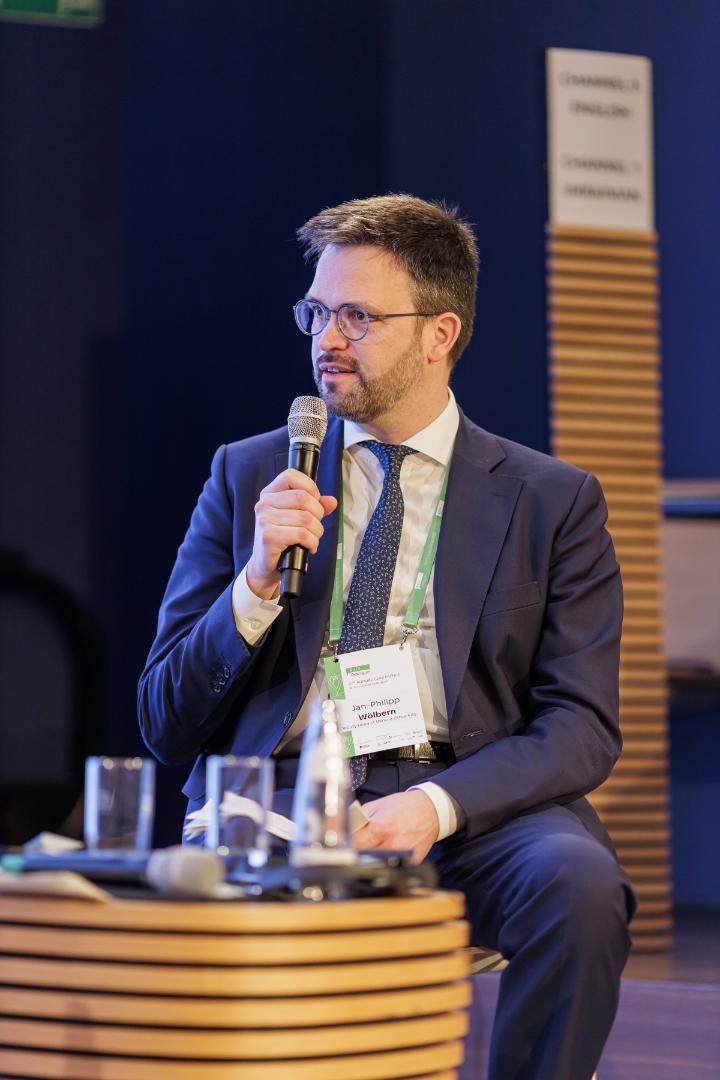
The panel was moderated by Dr Jan-Philipp Wölbern, Deputy Head of the Konrad-Adenauer-Stiftung’s Office in Ukraine.
Preparedness for Threats: Why Military Defence Alone Is Not Enough
One of the central questions was how prepared European societies are for a potential war with Russia, including hybrid scenarios, and whether sufficient attention is being paid to the civilian dimension of defence. The experience of some European countries, whose populations have already faced prolonged disruptions to energy supplies, demonstrates societies’ ability to adapt to crises. At the same time, the panellists emphasised that preparedness is not a state that can be achieved once and for all — it must be continuously developed.
Polina Istomina pointed out that there is no universal solution or “silver bullet” capable of protecting society against every possible threat. Instead, systematic work with the population is essential: training, regular exercises, raising awareness and developing practical response skills. It is also important to recognise that the Russian threat is not limited to countries sharing a direct border with Russia.
According to Istomina, the full-scale war has fundamentally changed the traditional understanding of the distinction between the front line and the rear. Ukraine’s experience shows that the entire territory of a country can be under threat. In the broader European context, this means that security challenges can no longer be regarded as an issue affecting only individual countries on the continent’s eastern borders.
The Threat from the Air: Preparation Must Begin Before It Becomes Reality
The participants also paid particular attention to aerial warfare and its consequences for civilians. Marcus Welsch, author of the Ukraine Air War Monitor, stressed that preparing for aerial warfare is extremely difficult and that once it begins, the opportunities for effective defence become significantly more limited. Therefore, the key priority is to anticipate the threat and prepare appropriate response mechanisms in advance. In his view, German cities would also face considerable risks in the event of a large-scale military conflict.
This aspect of the discussion highlighted the importance not only of military capabilities but also of civilian preparedness: early warning systems, public awareness and the ability of institutions to act in times of crisis.
Ukraine’s Experience: A Cooperation Potential Europe Has Yet to Fully Utilise
Another recurring theme was the need for more active exchange of experience between Ukraine and European countries. The participants agreed that the current level of cooperation remains insufficient — both in terms of engagement between military personnel and in the fields of technological innovation and practical expertise.
At the same time, the Baltic states were noted for their more active cooperation with Ukraine. They involve Ukrainian experts and make use of opportunities for practical exchanges and training, including visits to the line of contact. Such cooperation could serve as an important example for other European countries.
Ukraine’s experience is valuable not only because of the practical solutions developed during the war, but also because of the understanding it provides of the nature of contemporary threats.
The Hybrid War Is Already Underway: Is Europe Ready for the Next Stage?
The panellists agreed that Russia’s hybrid war against European countries is already a reality. At the same time, assessments of Europe’s preparedness for a possible direct military confrontation remain mixed.
On the one hand, governments, particularly in Germany, are developing scenarios for possible developments. However, a significant proportion of these scenarios envisage hybrid threats, in which the line between peace and war may be blurred, and recognition that an act of aggression is taking place — and that a response is necessary — may come too late.
On the other hand, the participants pointed out that potential aggression against NATO member states would not go unanswered: if not by NATO as a whole, then certainly within the framework of the Coalition of the Willing. In such a scenario, the prospects for Russia would also be far from favourable, as Europe possesses weapons capable of rapidly reaching densely populated areas deep inside Russian territory.
Open Dialogue as a Prerequisite for Resilience
The discussion demonstrated that preparedness for contemporary security challenges depends on more than military capabilities. It also relies on public preparedness, effective state institutions, an active civil society and countries’ ability to learn from one another.
Such discussions are important not only for exchanging solutions that have already been developed. They also create space for open conversations about difficult and sometimes uncomfortable questions, help identify gaps in existing approaches and determine areas for further improvement. Through continuous dialogue, practical cooperation and mutual learning, Ukraine and its European partners can strengthen their shared resilience in the face of emerging threats.
The video recording of the panel “Is Europe Ready for Civilian Defence?” is available via the following link:


You need to sign in in order to comment.