 KAS Ukraine
 KAS Ukraine
 KAS Ukraine
 KAS Ukraine
 KAS Ukraine
 KAS Ukraine
 KAS Ukraine
 KAS Ukraine
 KAS Ukraine
 KAS Ukraine
 KAS Ukraine
 KAS Ukraine
 KAS Ukraine
 KAS Ukraine
KAS Ukraine
KAS Ukraine
KAS Ukraine
KAS Ukraine
KAS Ukraine
KAS Ukraine
KAS Ukraine
KAS Ukraine
KAS Ukraine
KAS Ukraine
KAS Ukraine
KAS Ukraine
KAS Ukraine
KAS Ukraine
KAS Ukraine
KAS Ukraine
KAS Ukraine
KAS Ukraine
KAS Ukraine
KAS Ukraine
KAS Ukraine
KAS Ukraine
KAS Ukraine
KAS Ukraine
KAS Ukraine
KAS Ukraine
KAS Ukraine
KAS Ukraine
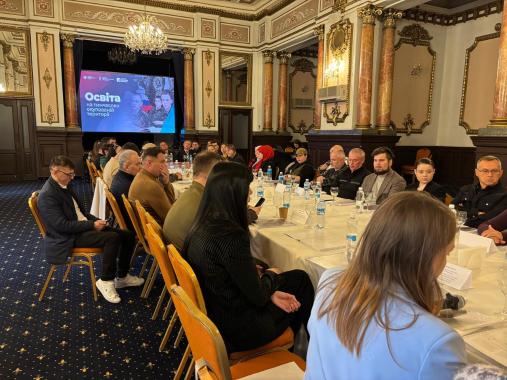
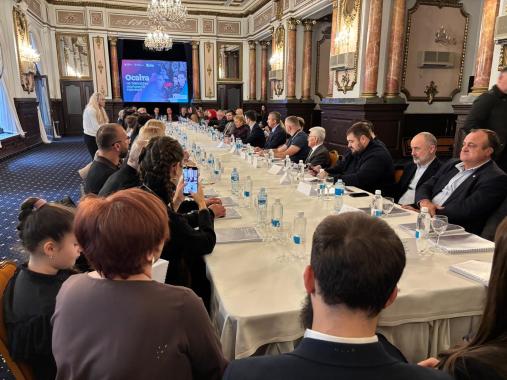


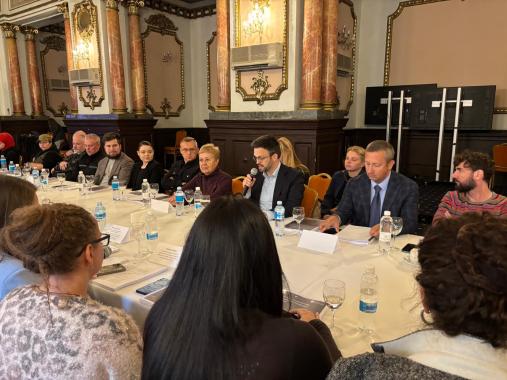
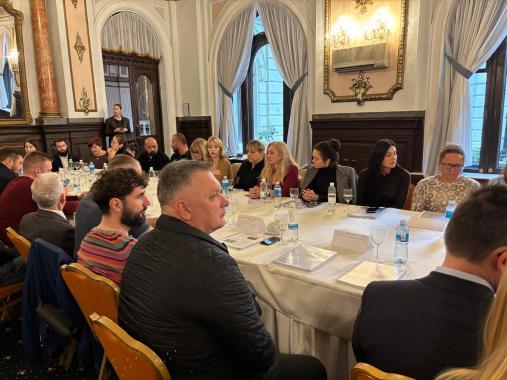
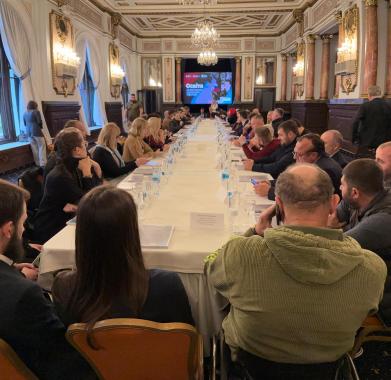
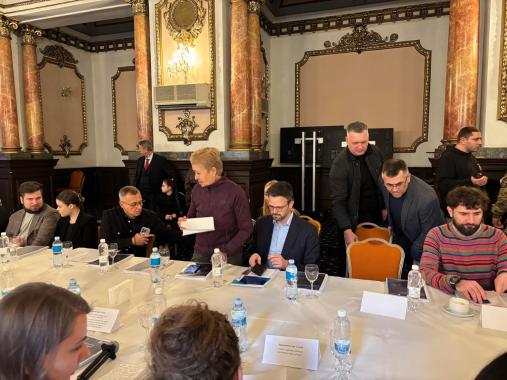
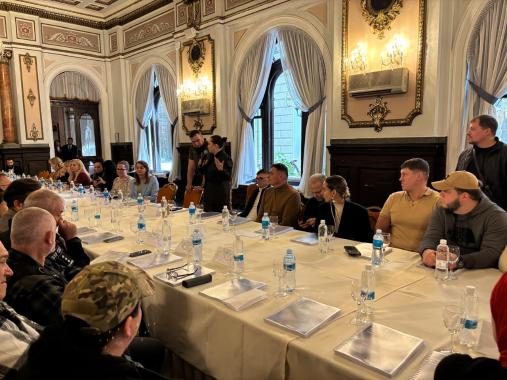
In this war, which is as cynical as any that Europe has seen since the Second World War, heroes are undoubtedly dying, cities are being destroyed, and lives are being shattered. Although it had long been foreseen by analysts, no one truly wanted to believe that a war of such magnitude could actually happen.
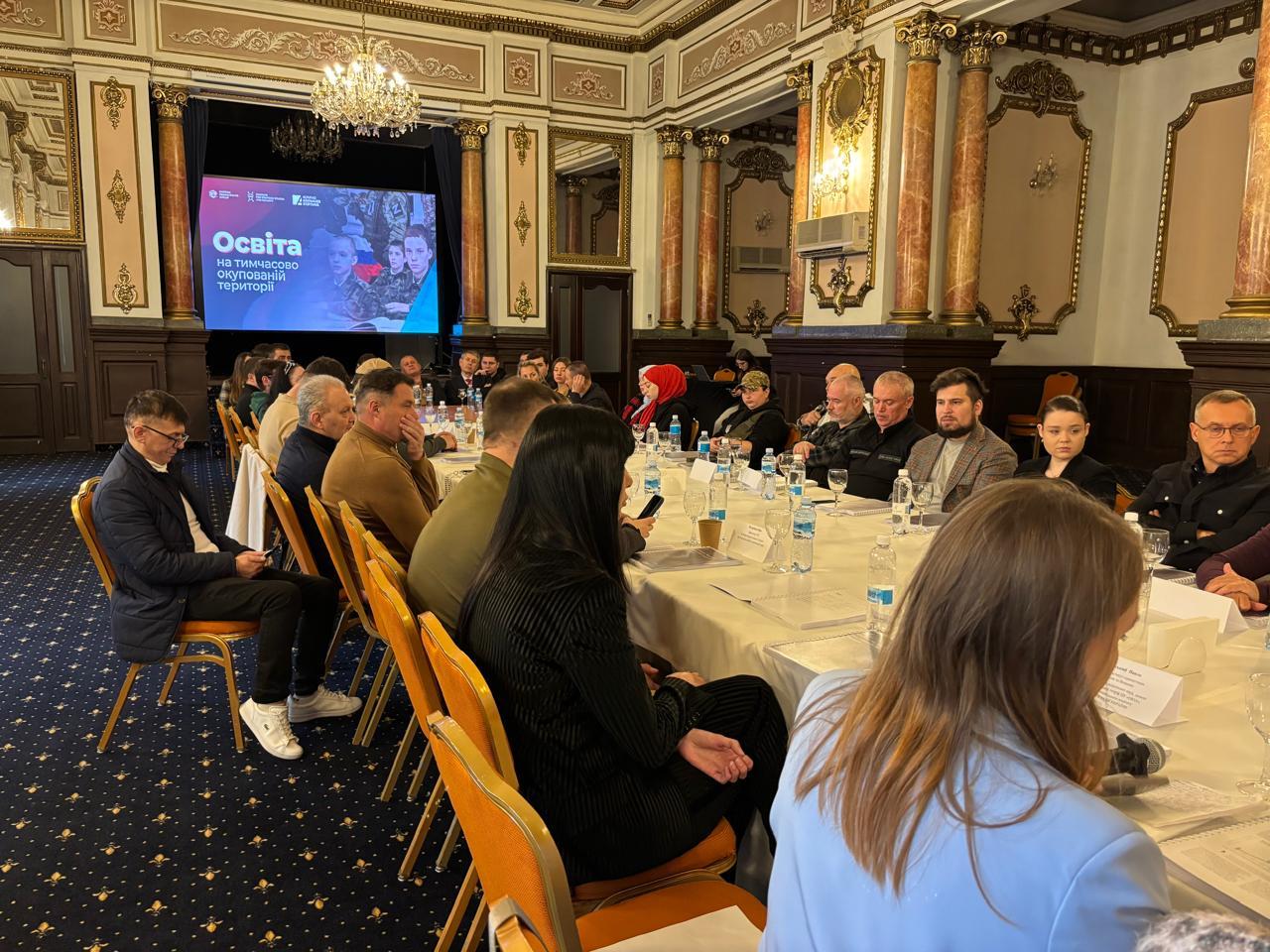
The study, 'Education in the Temporarily Occupied Territories', highlights another aspect of this war: psychological occupation. It examines the systematic effects of Russian propaganda, militarisation and fear on children growing up in the temporarily occupied territories.
Children in these areas now live in an environment where Ukrainian identity is not only suppressed, but also replaced by forced Russian imperial narratives. The only permitted model is one in which the so-called 'Russian World' is not just an ideology, but an everyday reality that shapes thinking from early childhood.
The territories that Ukraine is striving to reclaim — at the cost of painful and irreparable losses among its defenders — have already been infected by the virus of Russian imperialism.
Without concerted efforts to restore consciousness, language and identity, physical liberation alone will not guarantee genuine reintegration.
Key findings of the report:
- The Russian authorities have completely replaced Ukrainian educational programs with Russian standards (FGOS), where patriotism is defined as readiness for war.
- Cadet corps and Cossack classes operate in schools, and “Warrior”-type camps are being opened, where teenagers are trained in military skills, weapon use, and “ideological vigilance.”
- Children are involved from an early age in movements such as Yunarmiya and Movement of the First, attending “Lessons of Courage” and “Conversations About Important Things,” which are essentially elements of propaganda.
- Teachers and parents are under pressure, and schools have turned into spaces of fear and control.
- Russia is systematically raising a loyal generation deprived of Ukrainian identity and prepared for future conflicts.
- During the presentation, it was emphasized that the militarization of education is not a local policy but part of Russia’s long-term strategy to form a “new type of citizen” in the occupied territories.
- This is a form of cognitive occupation aimed at depriving children of the right to think critically, to love their own country, and to see the truth.
Challenges and Ideas for Future Reintegration
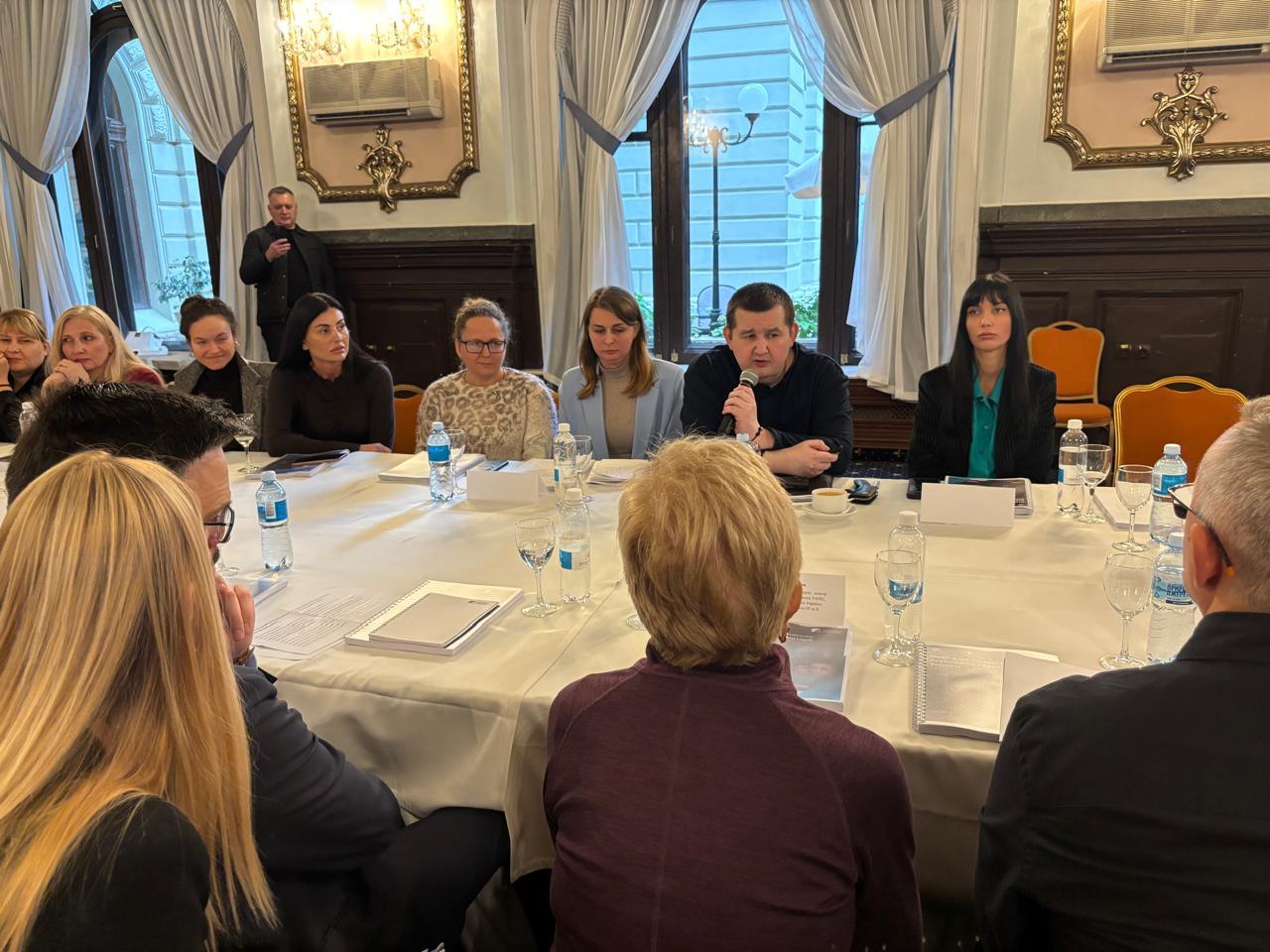
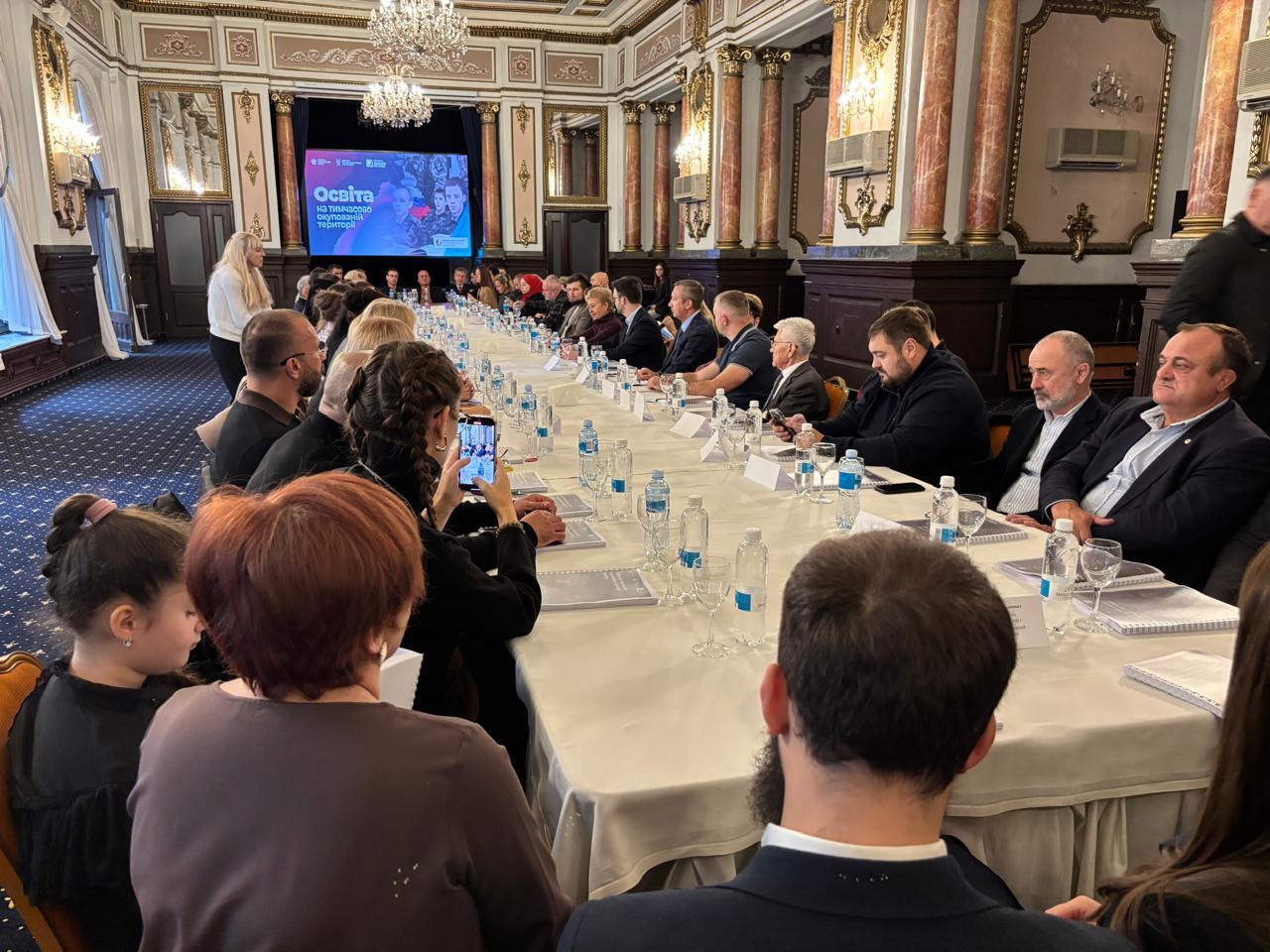
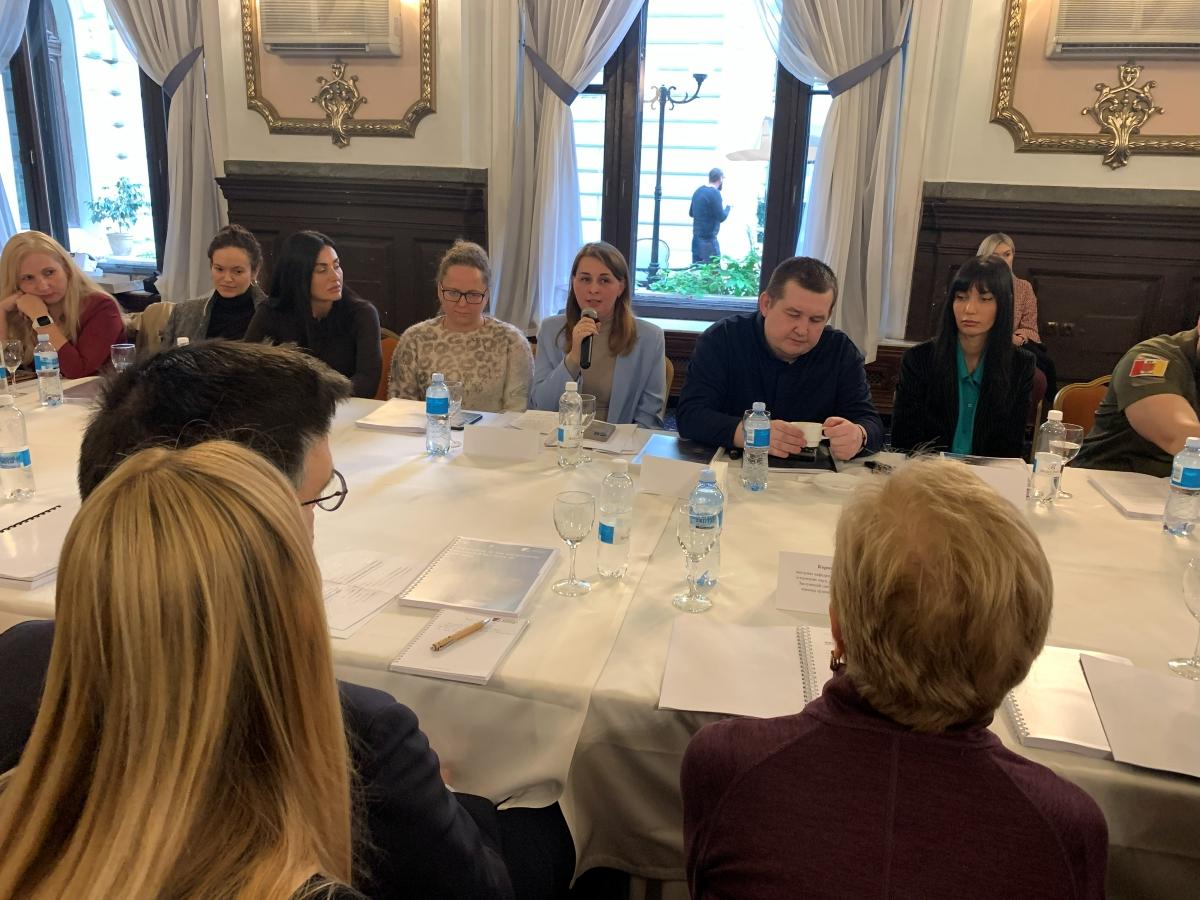
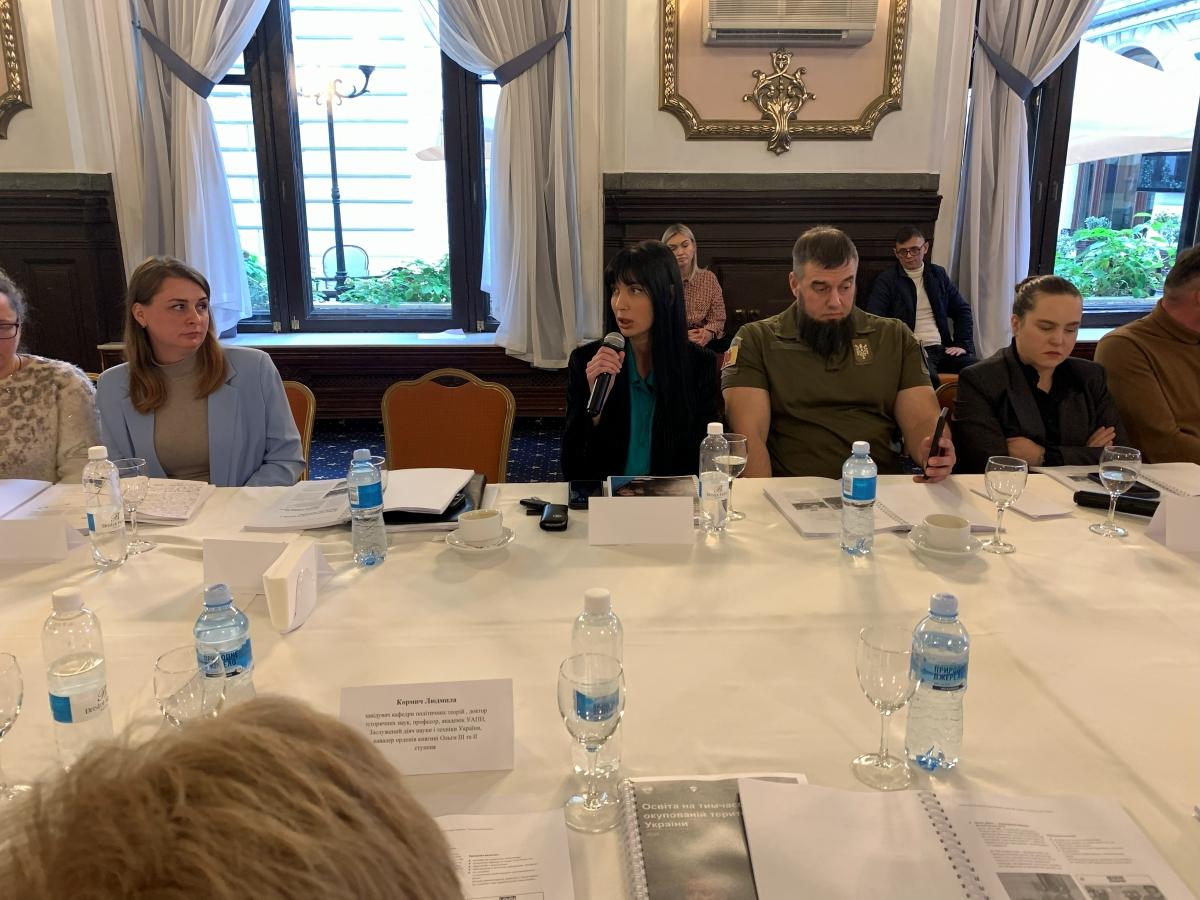
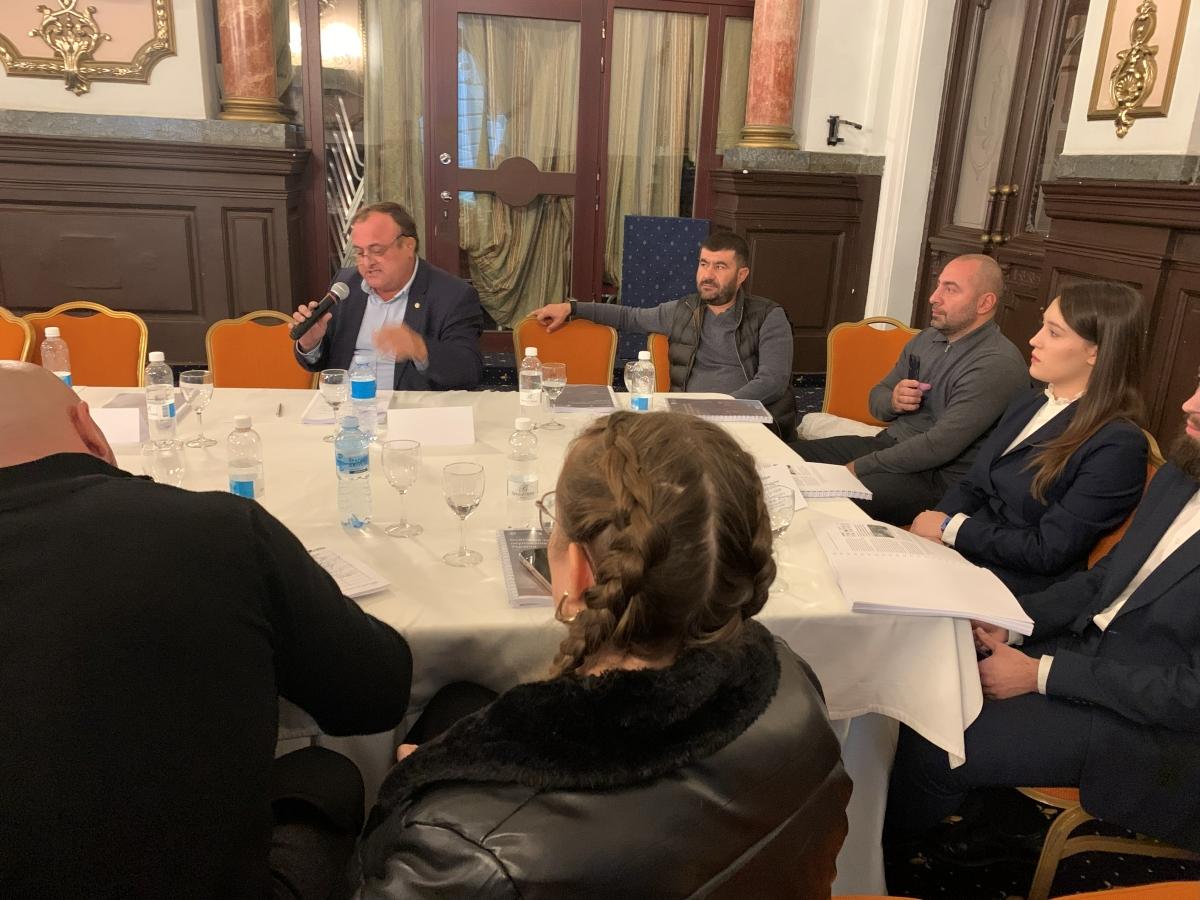
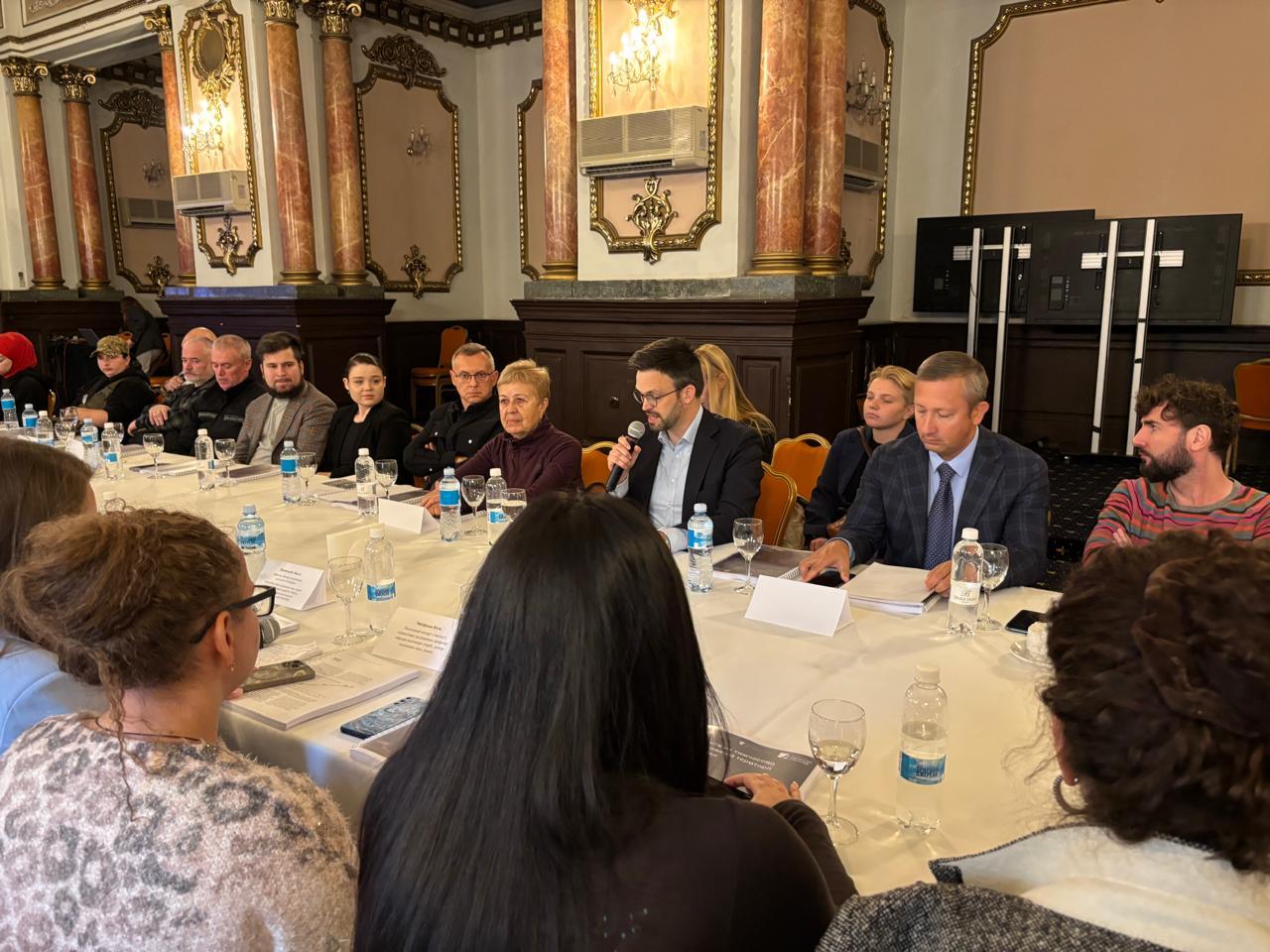
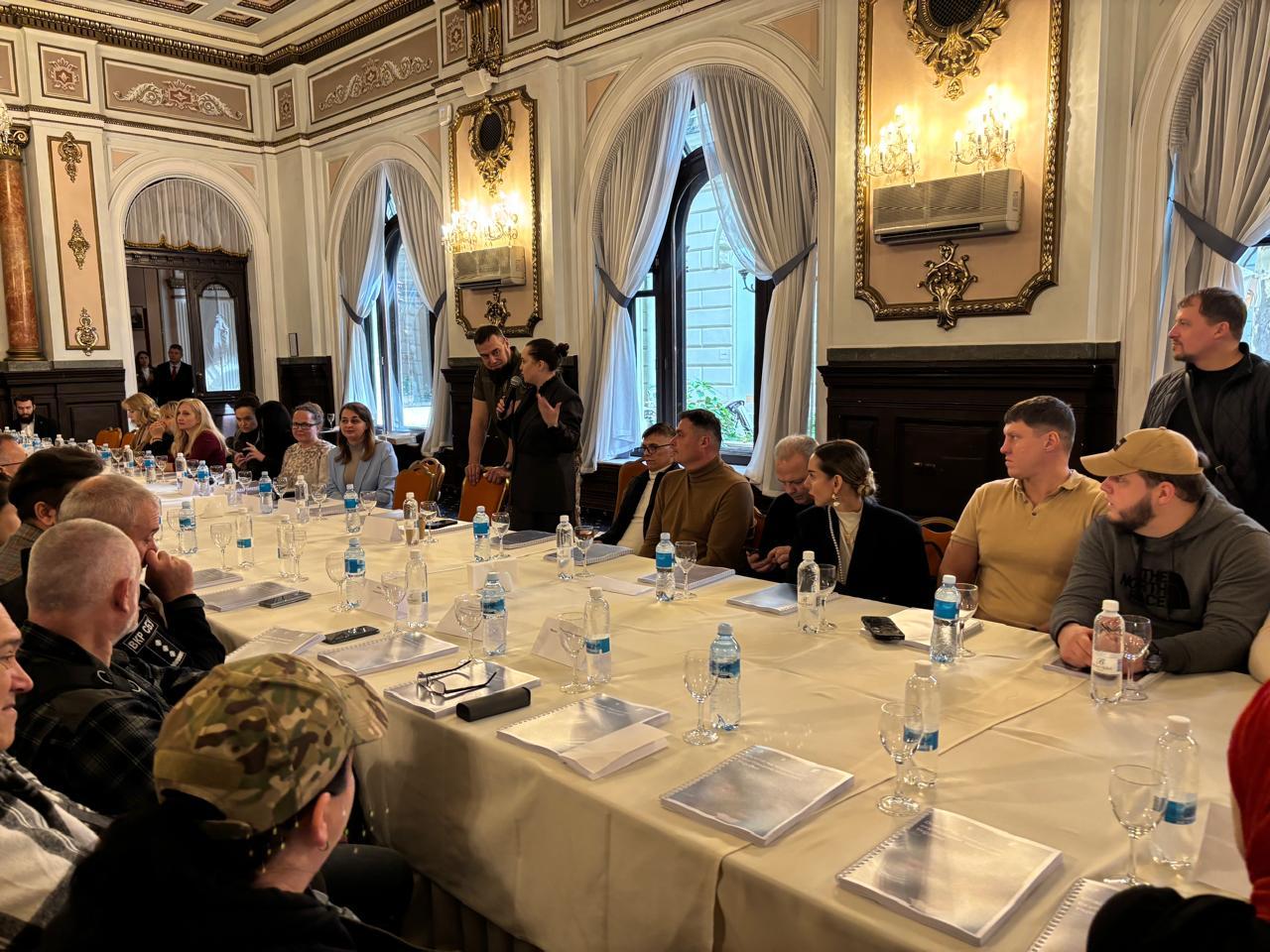
During the presentation, participants explored the topic of cognitive occupation in detail — the systematic and deliberate influence on the consciousness of children and young people living in temporarily occupied territories. The discussion covered several key aspects:
- Neuropsychological mechanisms of influence
Participants discussed how fear, isolation and repeated messages can create long-lasting reactions in a child's psyche, particularly during the first three years of life when environmental influences are strongest.
- The effect of 'psychological contagion' in groups was also discussed.
It was emphasised that children in groups quickly absorb emotional states, behavioural patterns and attitudes transmitted through educational, media and everyday channels. During the discussion, it was noted that some children from temporarily occupied territories perceived interviews conducted after evacuation as interrogations. This demonstrates a high level of distrust, fear and psychological tension formed in an environment of constant control and pressure — a revealing indicator of the depth of cognitive trauma suffered by children living under occupation.
- Game as a Tool for Behavioural Modelling
Participants highlighted the potential of play-based practices as a diagnostic tool and a means of recovery. Through play, children can simulate leaving a traumatic environment, experience safe scenarios, and develop alternative behavioural responses.
- The digital environment as a space of influence:
Discussions also focused on working with children in online spaces, where propaganda often gains uncontrolled access to their consciousness. Participants emphasised the need for new training formats, content approaches and psychological support adapted to this digital reality.
- The need for an interdisciplinary approach
It was emphasised that working effectively with children from the temporarily occupied territories requires the involvement of professionals specialising in psychology, pedagogy and neuroscience, as well as individuals with hands-on experience in this field.
- Training programmes, digital practices and collaboration with students from the occupied territories who are currently studying in Odesa were also discussed.
- Political Education and Self-Organisation
Participants pointed out the lack of political education in Ukraine. At the same time, the discussion emphasised the importance of horizontal connections, self-organisation, and interdisciplinary cooperation among psychologists, educators, political scientists, and sports organisations.
- Sport and Politics
A separate discussion addressed the militarisation of sports in the occupied territories. It was emphasised that sport is not outside of politics and that sports structures can also serve as tools of influence.
Future and de-occupation
The conversation also covered strategies for cognitive de-occupation and the role of education, sport and culture in this process. A key message was: 'Every individual action matters.' Participants discussed the possibility of exam-free admission to Ukrainian higher education institutions for children from occupied territories, alongside the impact of displacement on their hopes and dreams, including the desire to study at universities in St. Petersburg.
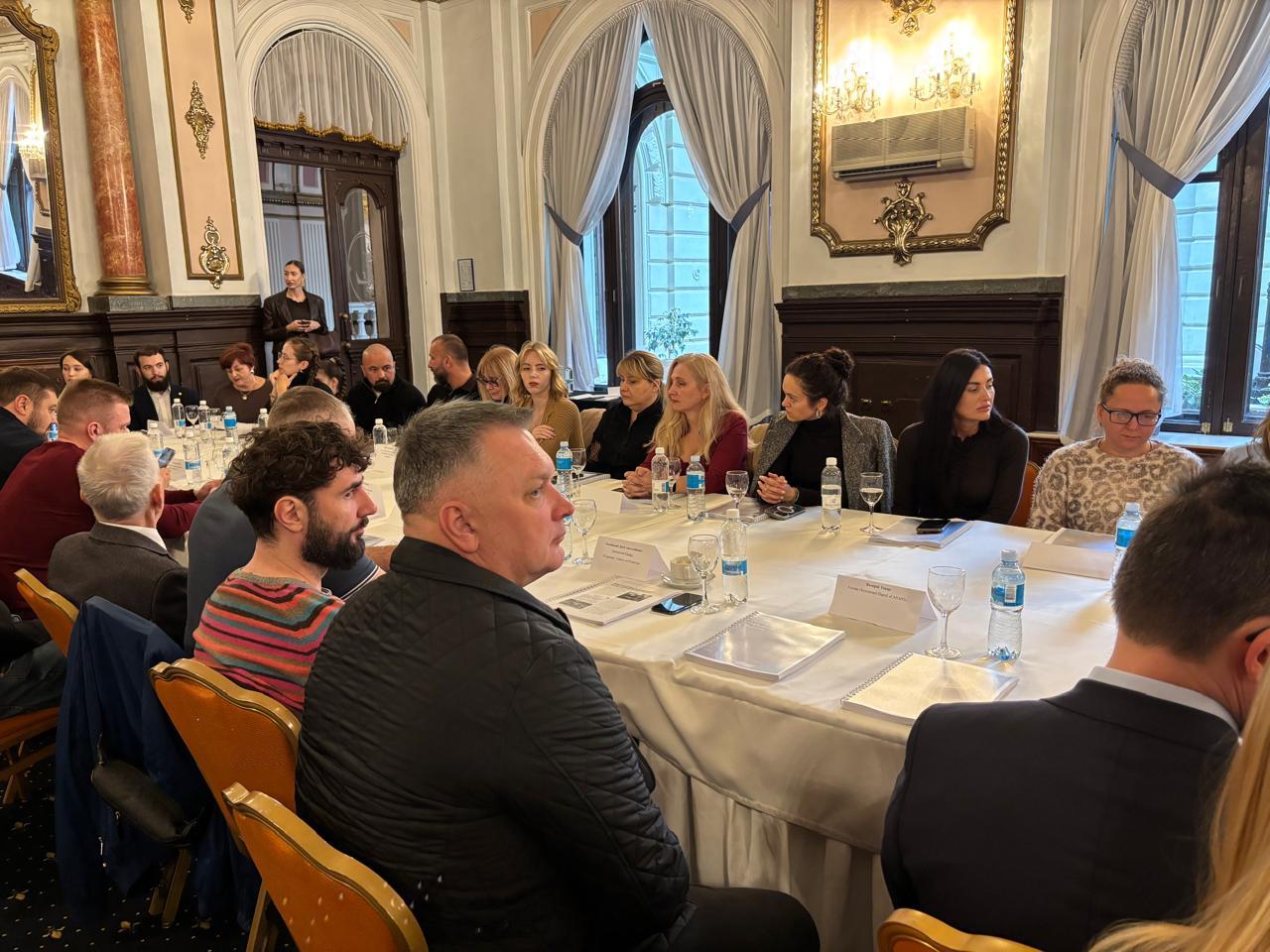
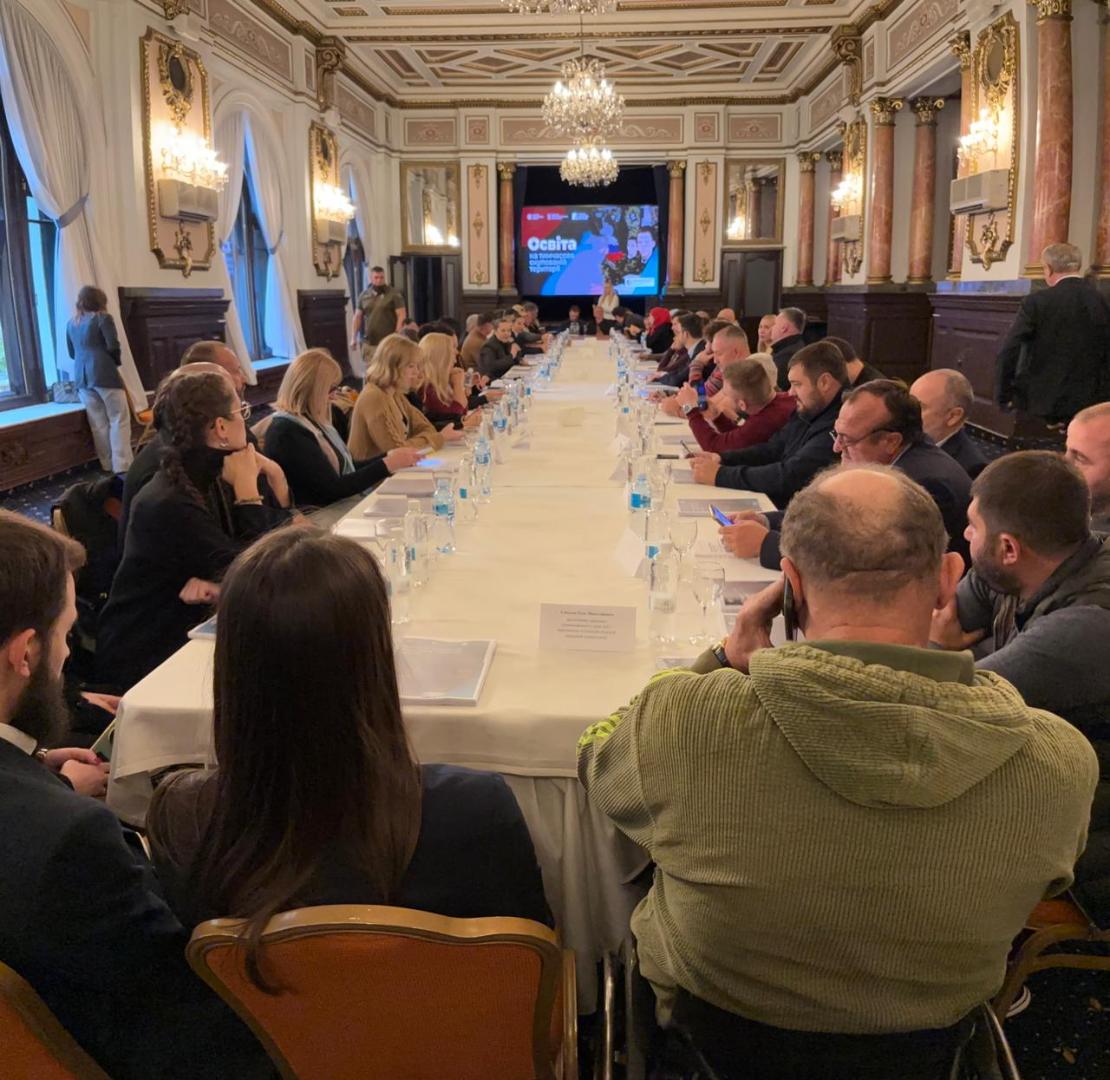
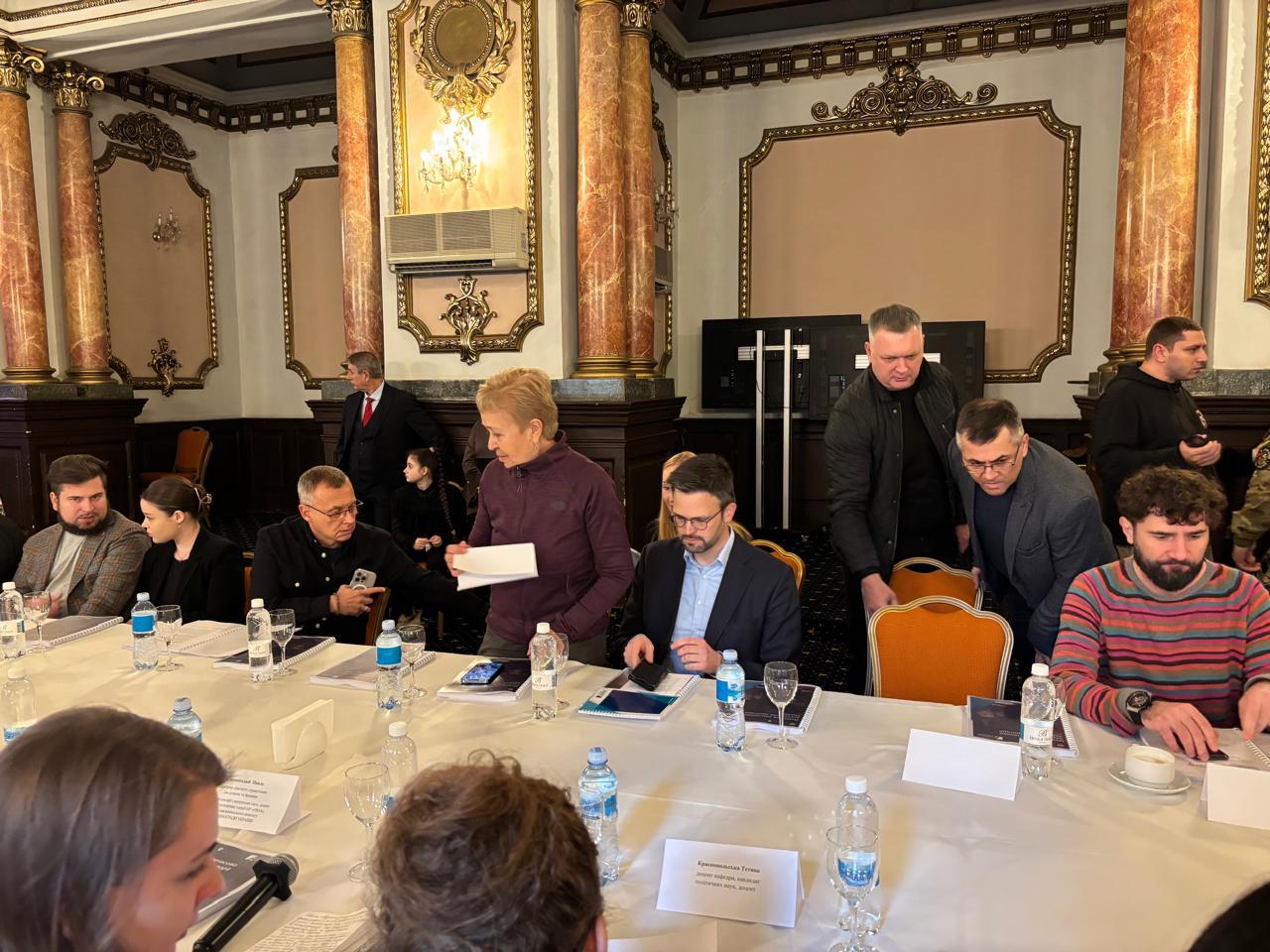
The event provided a platform for open dialogue and the exchange of experiences, helping to form a shared vision of how education can serve as a tool of resistance, recovery and future reintegration.