FDI: From Capital Inflows to Strategic Industrial Driver
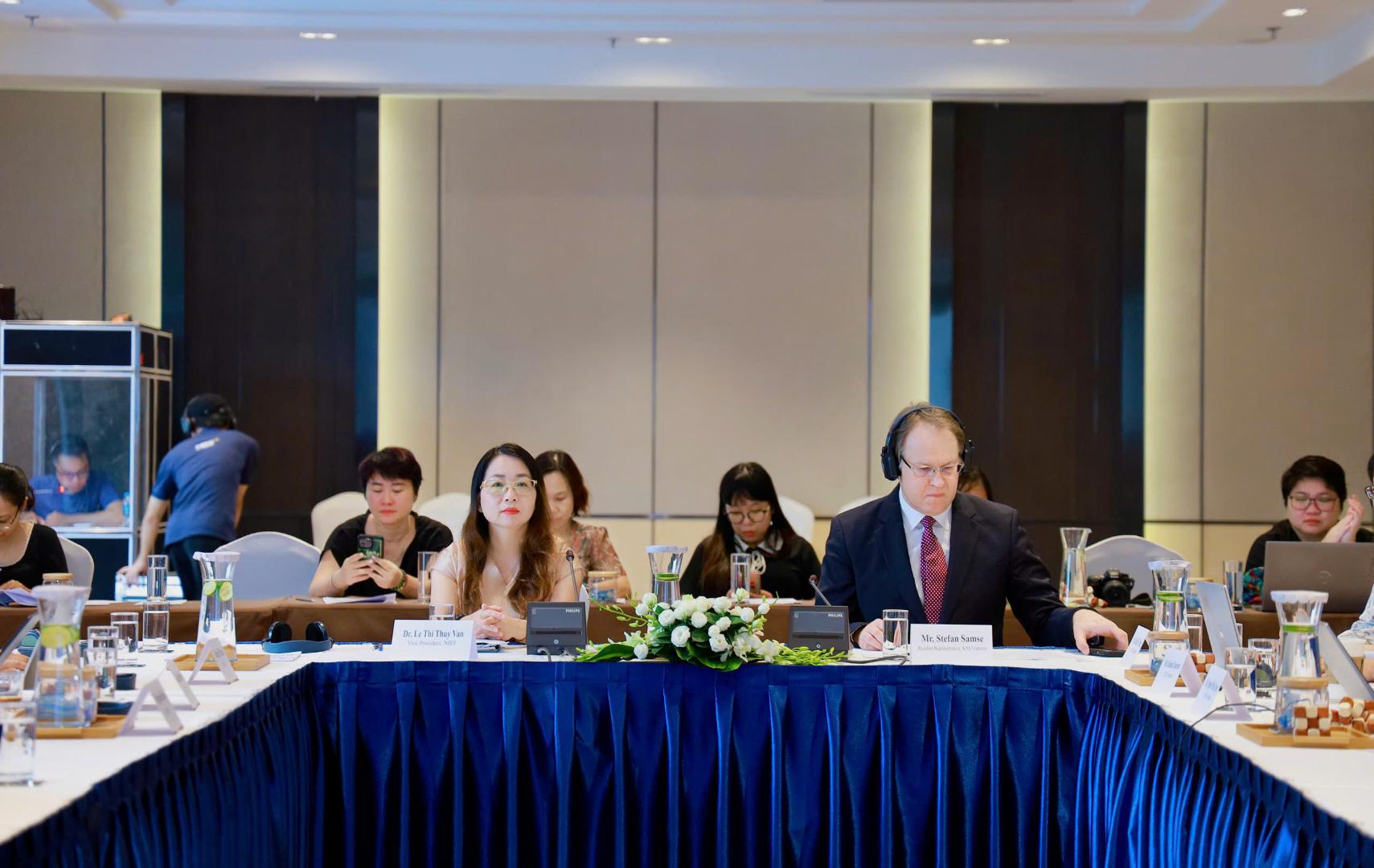
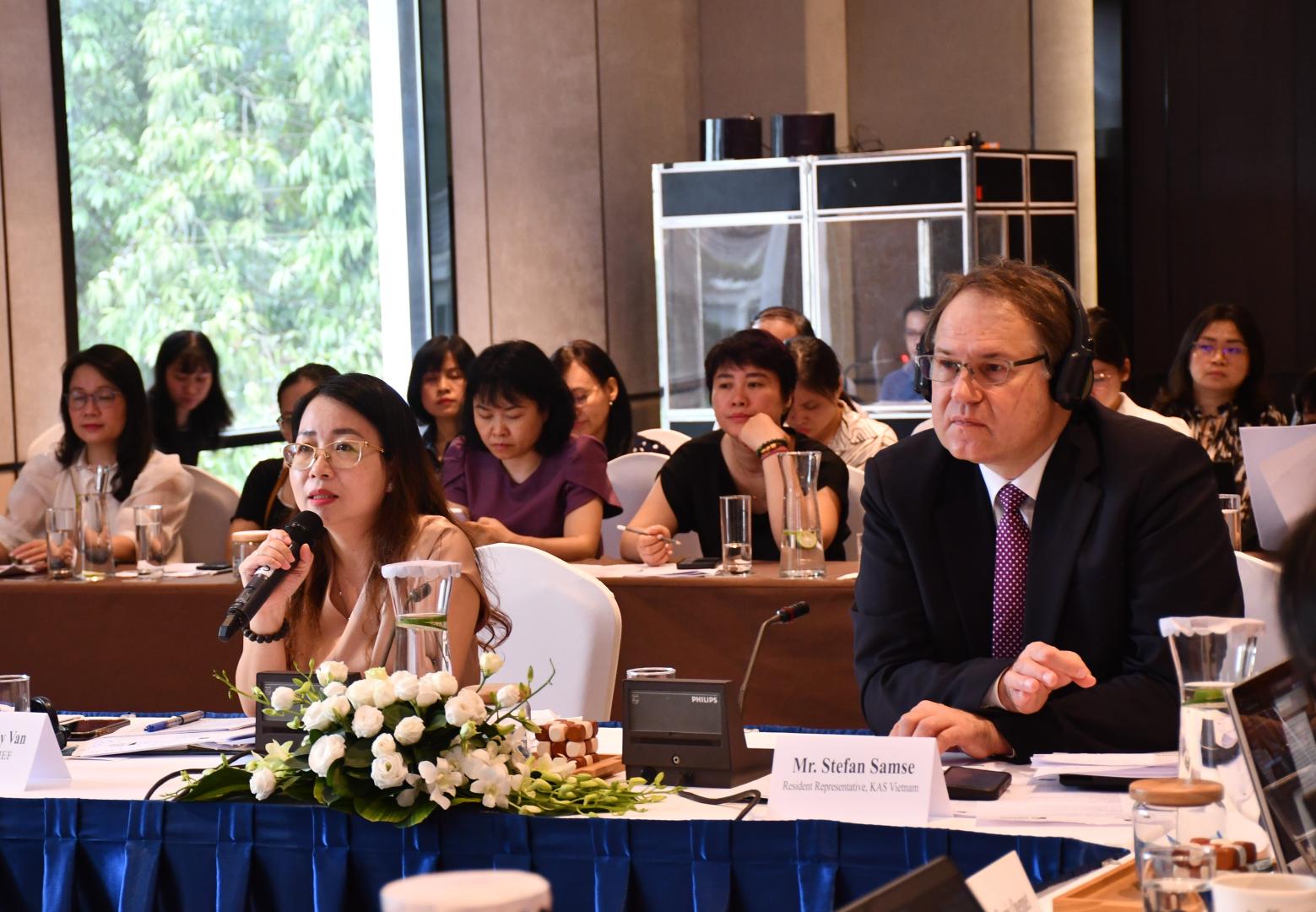
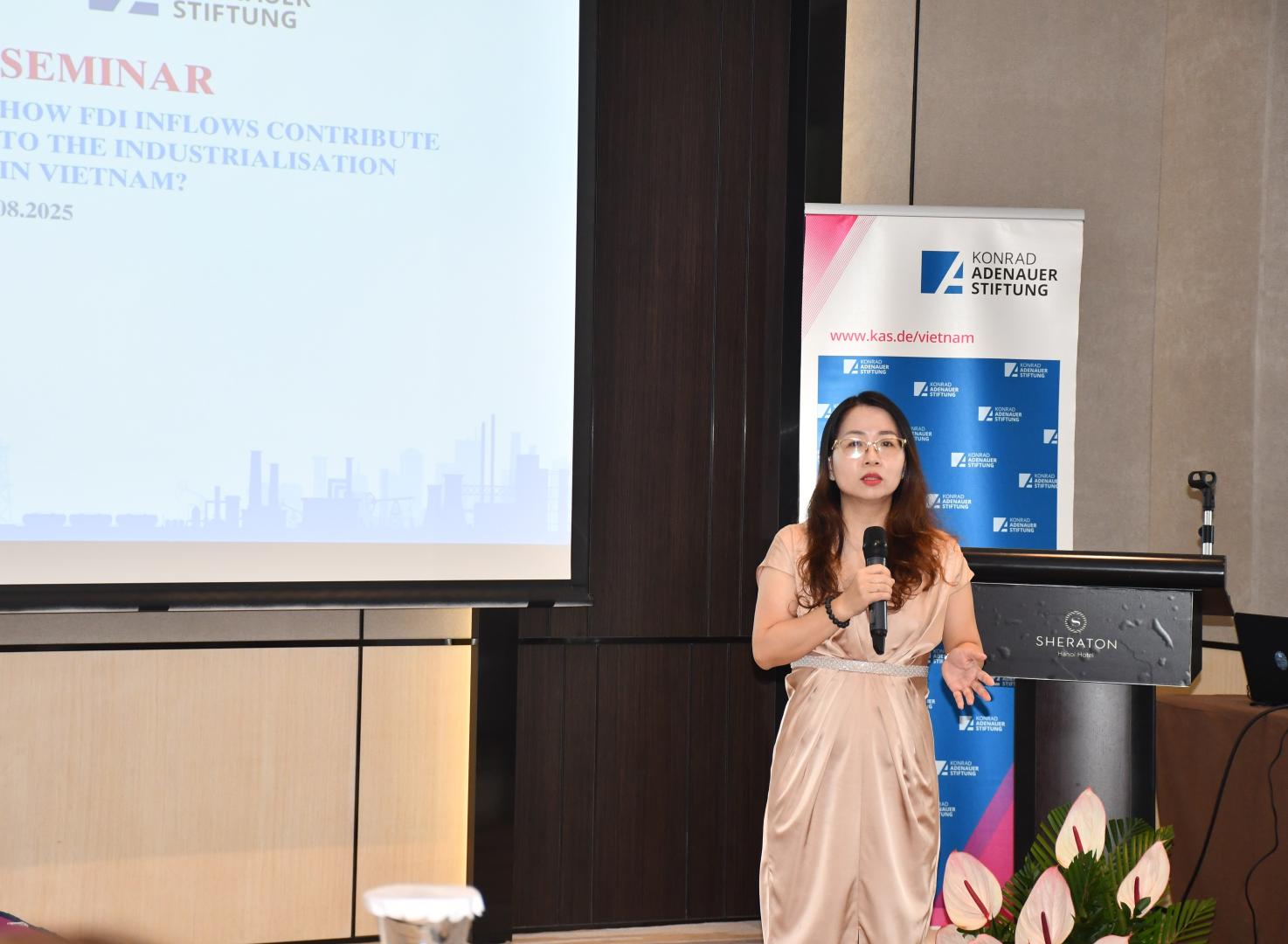
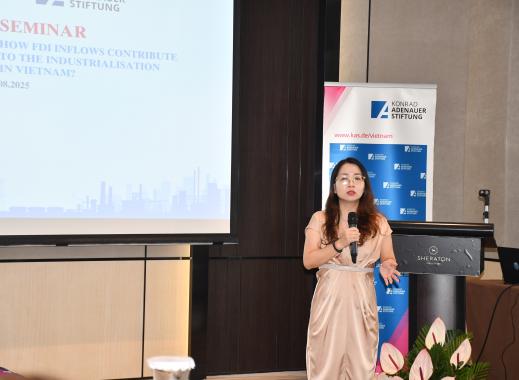
In her opening remarks, Ms. Le Thi Thuy Van, Vice President of the National Institute for Economics and Finance, emphasized that while FDI has historically driven growth and exports, Vietnam must now reposition FDI as a strategic enabler of inclusive and sustainable industrialization. As the country targets upper-middle income status by 2030 and high-income status by 2045, FDI must evolve from being merely a source of capital to becoming a strategic driver of inclusive, sustainable industrial growth.
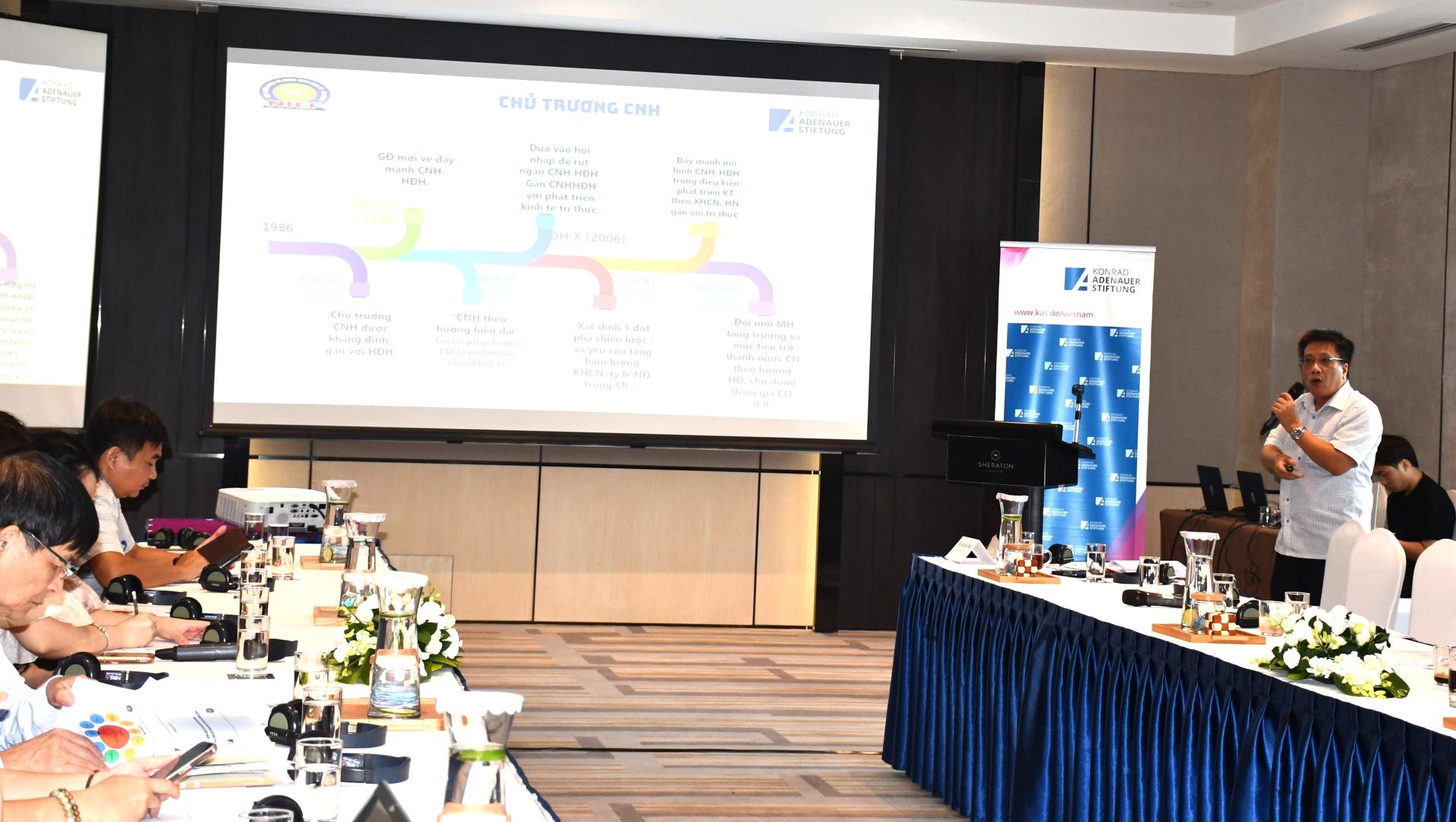
FDI has been central to Vietnam’s development since the Đổi Mới reforms of 1986, catalysing industrialization and global integration.
According to the seminar’s research report, FDI inflows reached a record USD 38.23 billion in 2024, with USD 25.35 billion disbursed - 2.5-fold increase from 2011. Notably, new projects accounted for 88% of total inflows, signalling strong investor confidence in Vietnam’s manufacturing, technology, and green sectors.
Germany: A Trusted and Expanding Partner
Germany continues to play an important role in Vietnam’s FDI landscape. As of October 2023, 459 German FDI projects were active in Vietnam, with a total value of USD 2.5 billion. Around 500 German companies are operating or partnering with Vietnamese firms. A 2023 survey by AHK Vietnam found that 91% of German businesses plan to expand their investment, reflecting deepening bilateral ties and Vietnam’s growing appeal as a strategic hub in Asia.
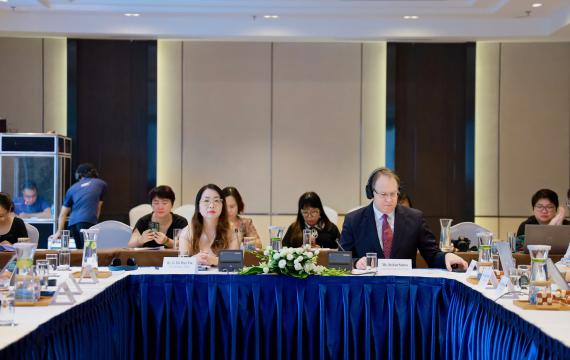
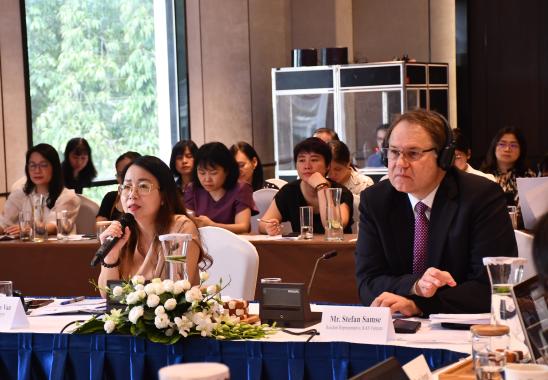
Mr. Stefan Samse, Interim Resident Representative of KAS Vietnam, noted that this growing presence underscores both trust in Vietnam’s market and the country’s rising profile in global value chains.
Challenges: Low Value-Added Models and Weak Linkages
Despite notable achievements, the report identified ongoing challenges in Vietnam’s FDI landscape. Many projects still operate under assembly-based models, which offer limited value addition and depend heavily on imported inputs. This weakens integration with the domestic economy and restricts opportunities for technology transfer and workforce skill development.
Other concerns include:
- Weak linkages between foreign firms and local suppliers.
- Limited innovation and productivity gains from low-quality FDI.
- Environmental degradation from resource-intensive projects.
- Crowding-out effects, where foreign firms compete with domestic ones for limited resources.
These issues often stem from gaps in industrial policy and limited internal capacity to attract and manage high-quality investment.
Expert Commentary: Insights from the Seminar
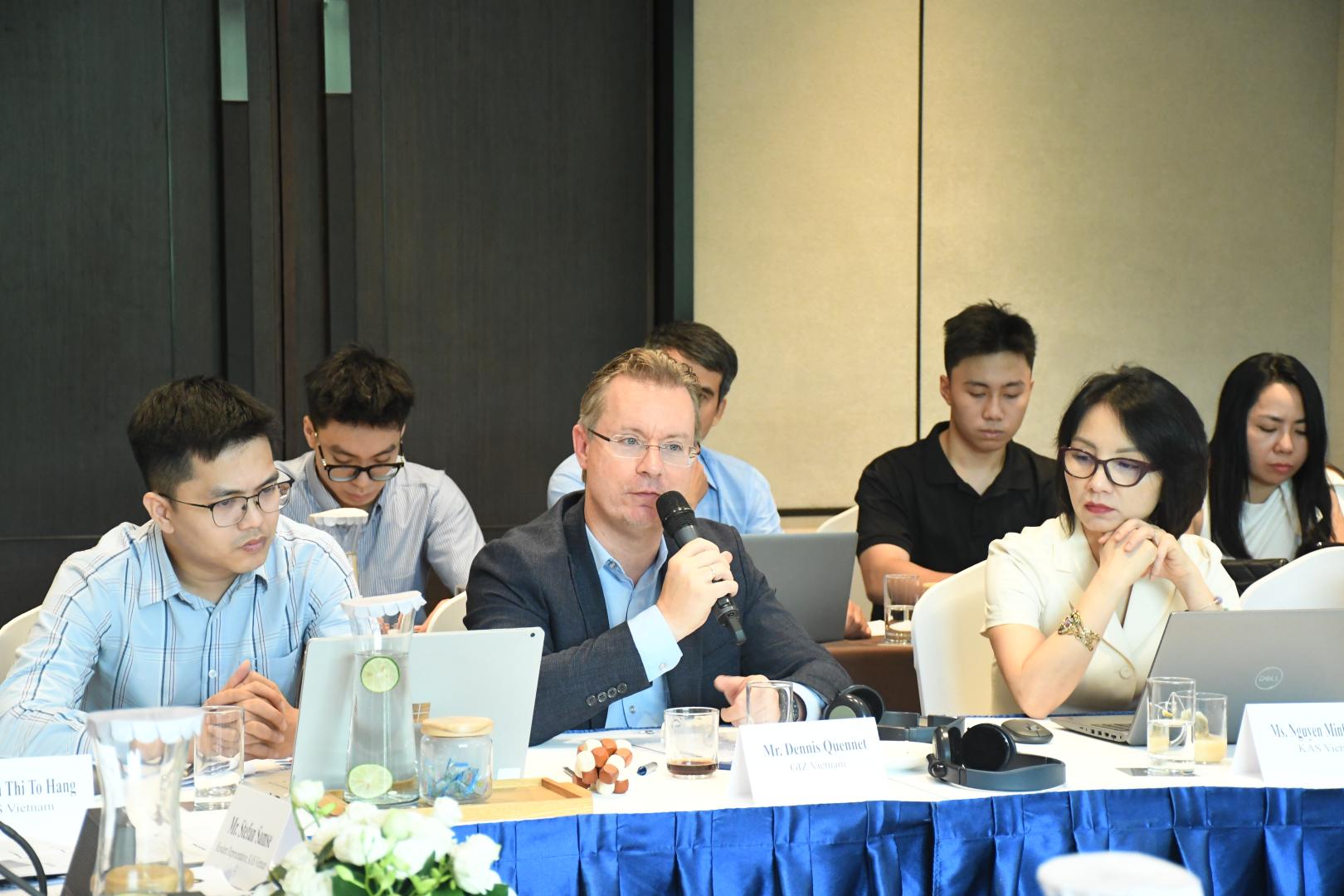
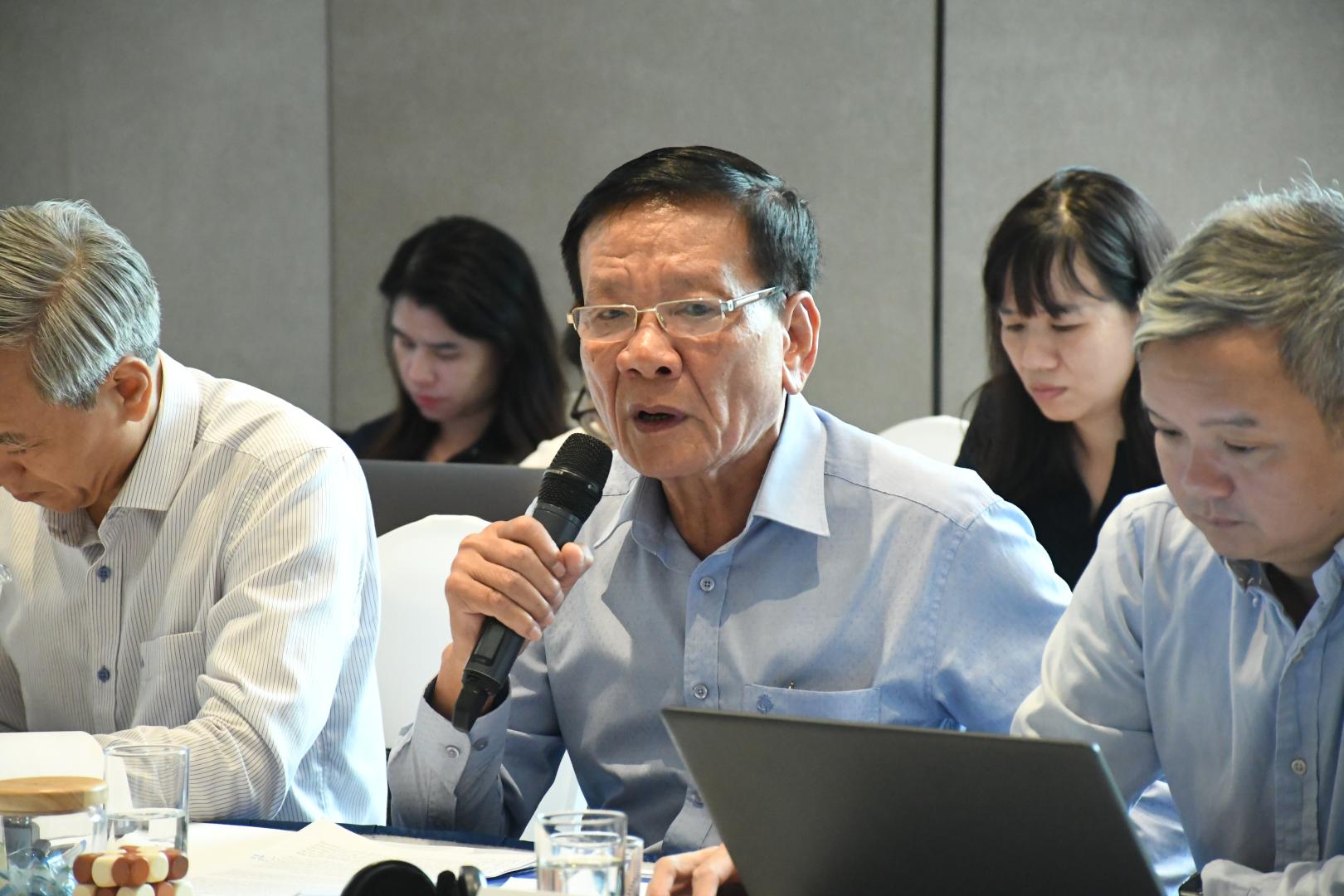
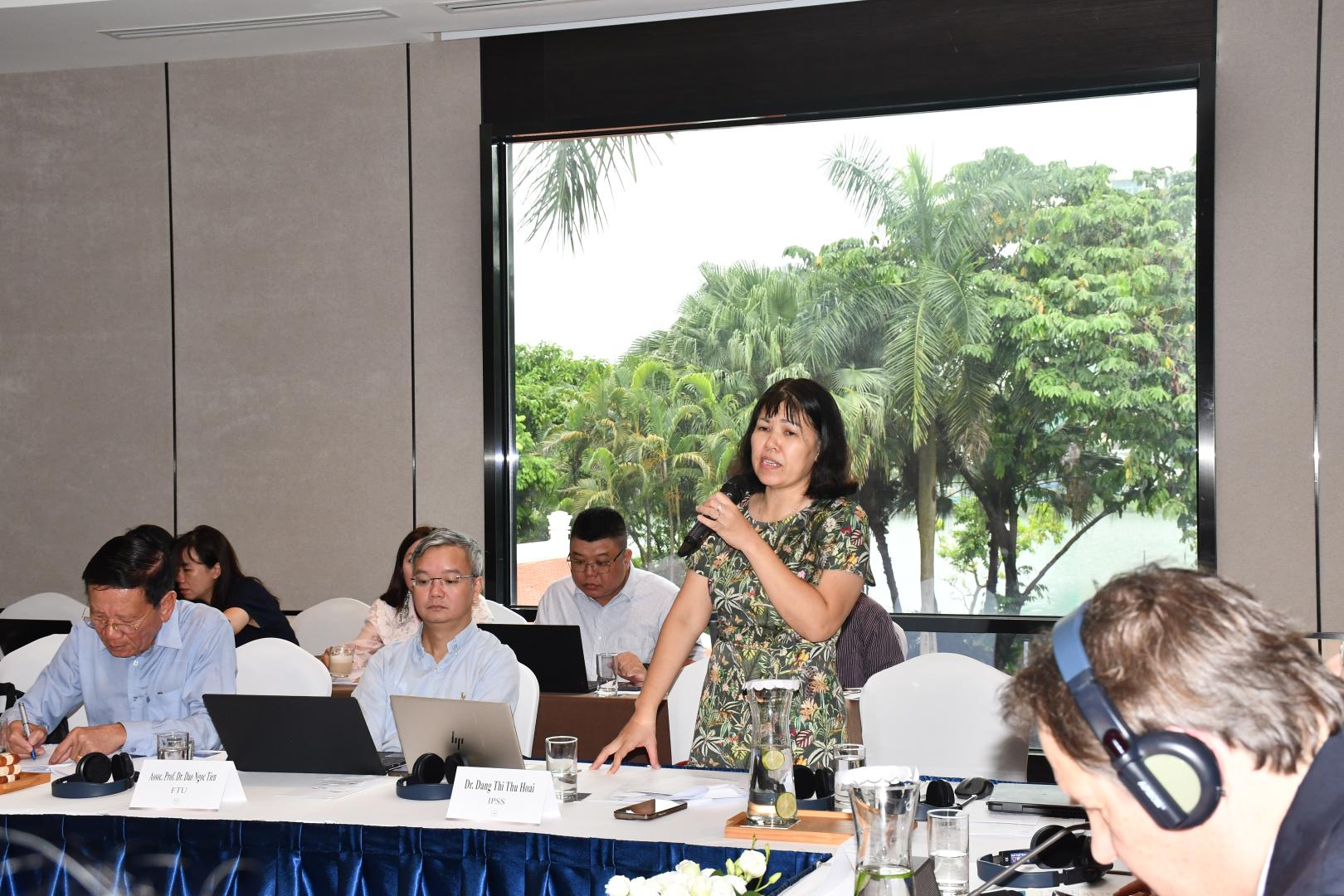
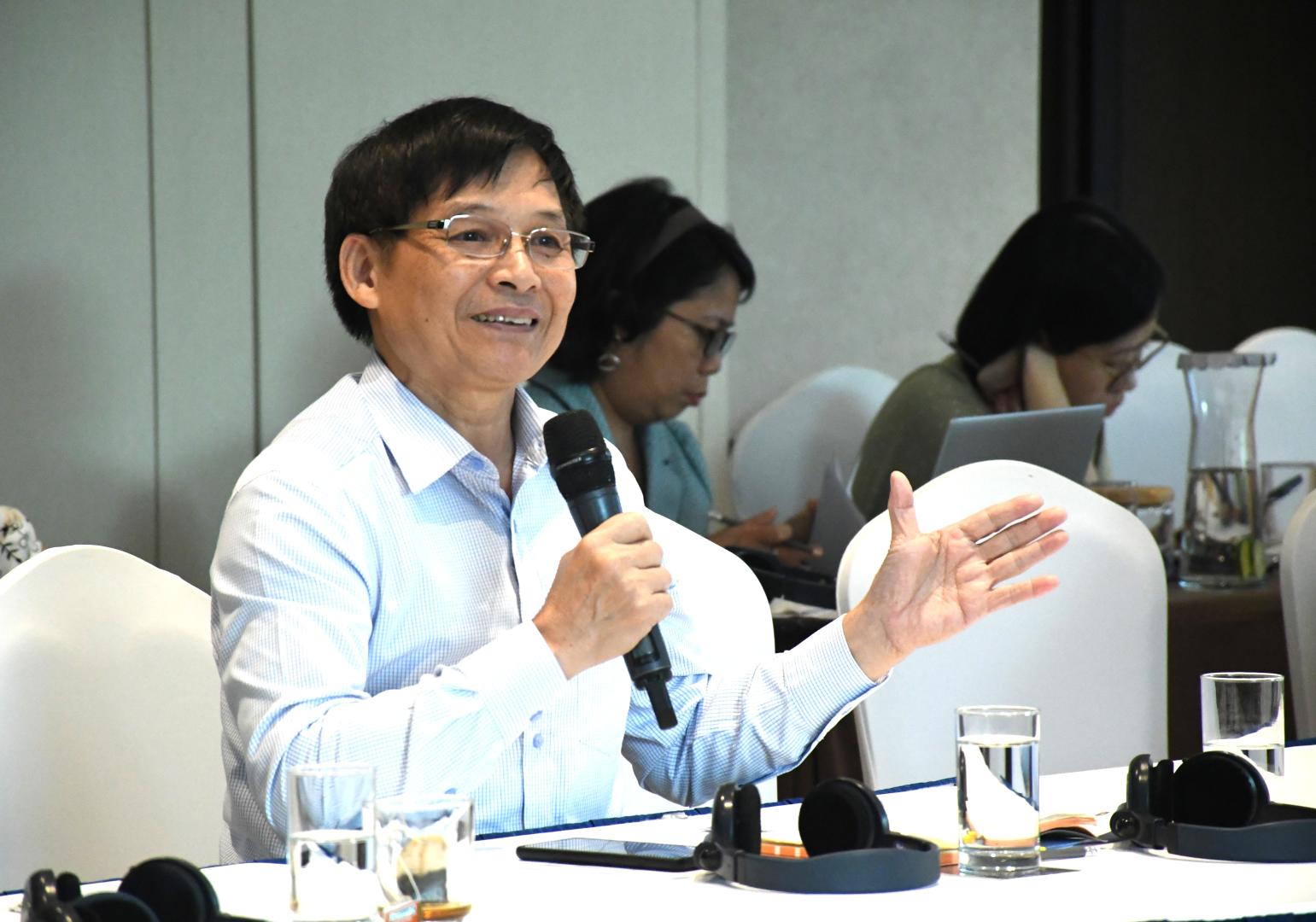
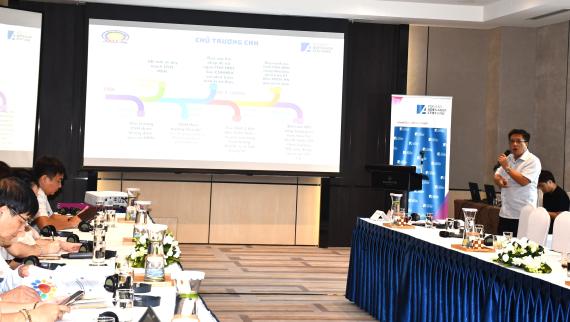
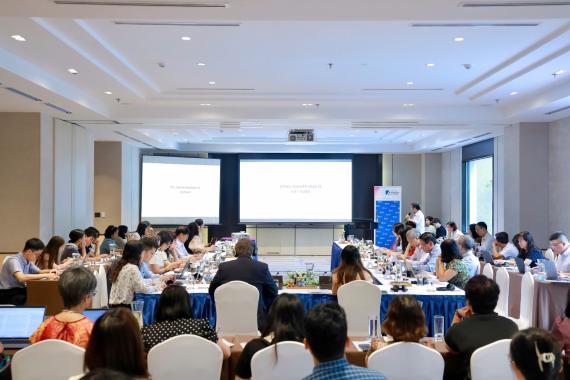
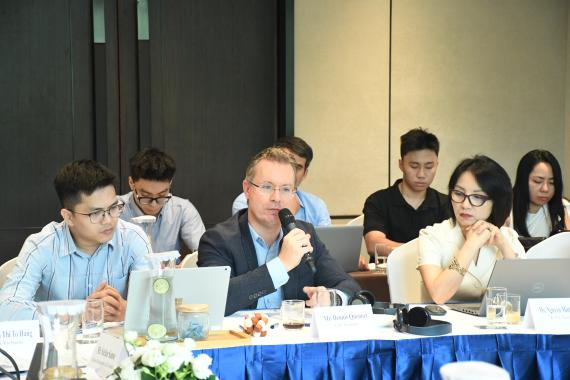
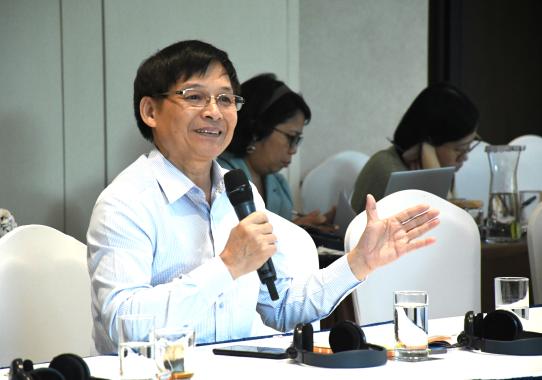
During the seminar, several commentators offered valuable insights into how Vietnam can better leverage FDI for sustainable industrialization. A key theme was the need to align FDI with emerging growth drivers such as labour productivity, science and technology, and digital transformation.
Participants emphasized the importance of selectively attracting FDI into specific sectors and production stages that offer higher value-added potential. They also stressed the necessity of establishing robust mechanisms to monitor and enforce FDI implementation, ensuring that commitments are fulfilled and aligned with national development goals. Another concern raised was the lack of attention to social policies related to corporate governance, which are often overlooked in the broader FDI policy framework. Commentators also questioned how digital transformation can be effectively integrated into Vietnam’s industrialization and modernization strategies. Finally, there was a strong call for policy measures that would compel foreign investors to bring advanced technologies into Vietnam, rather than relying on outdated or low-tech processes.
Policy Recommendations: Toward Sustainable and Inclusive FDI
To fully harness FDI’s potential, the research team proposed a strategic policy shift:
- Targeted, performance-based, and conditional FDI policies.
- Strengthening domestic enterprises and supporting industries to improve linkages and spillovers.
- Coordinated governance frameworks to manage FDI effectively.
- Stronger environmental oversight to ensure sustainable development.
- Investing in high-quality human resources to meet the demands of Industry 4.0
A Shared Commitment to Sustainable Growth
The seminar concluded with a shared commitment to translate insights into actionable policy. The seminar highlighted the need for Vietnam to reposition FDI as a strategic tool for sustainable and inclusive industrialization. While FDI has driven growth, future success depends on attracting high-quality investment, strengthening domestic linkages, and aligning policies with innovation and environmental goals.
Konrad-Adenauer-Stiftung Vietnam reaffirmed its support for this research, emphasizing that strengthening Vietnam’s role in global value chains benefits not only the Vietnamese economy but also international investors, particularly from Germany and the EU.