








Details
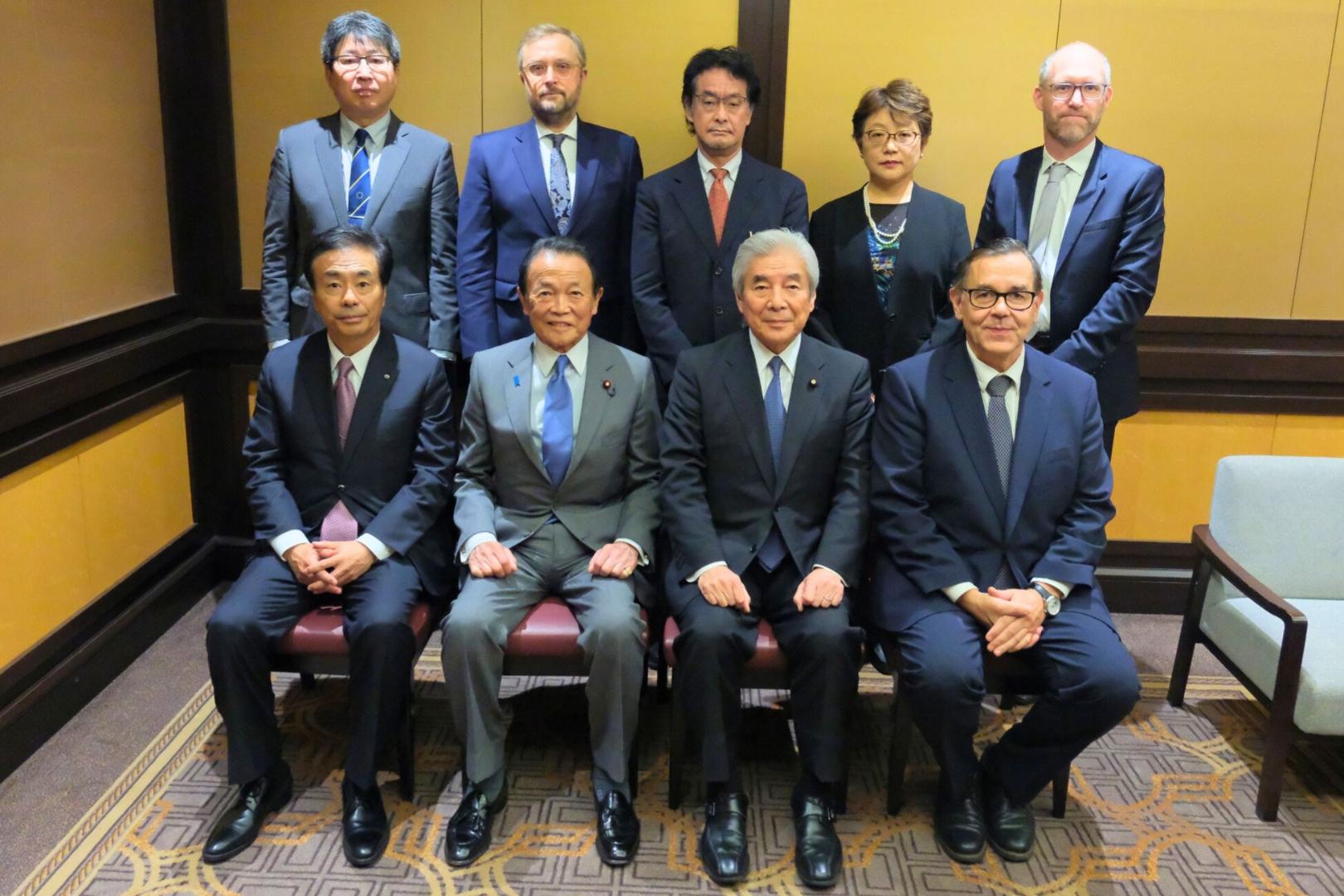
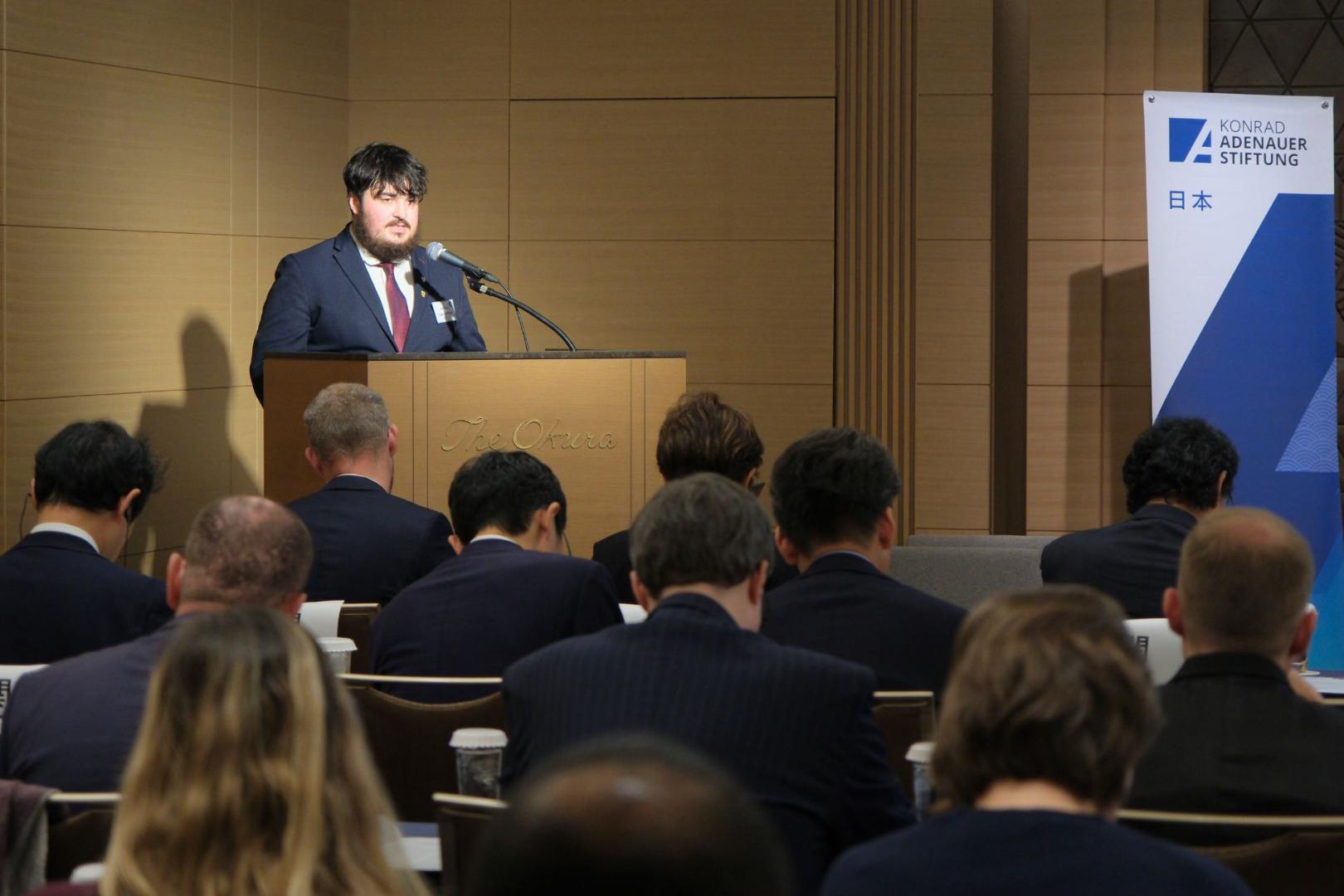


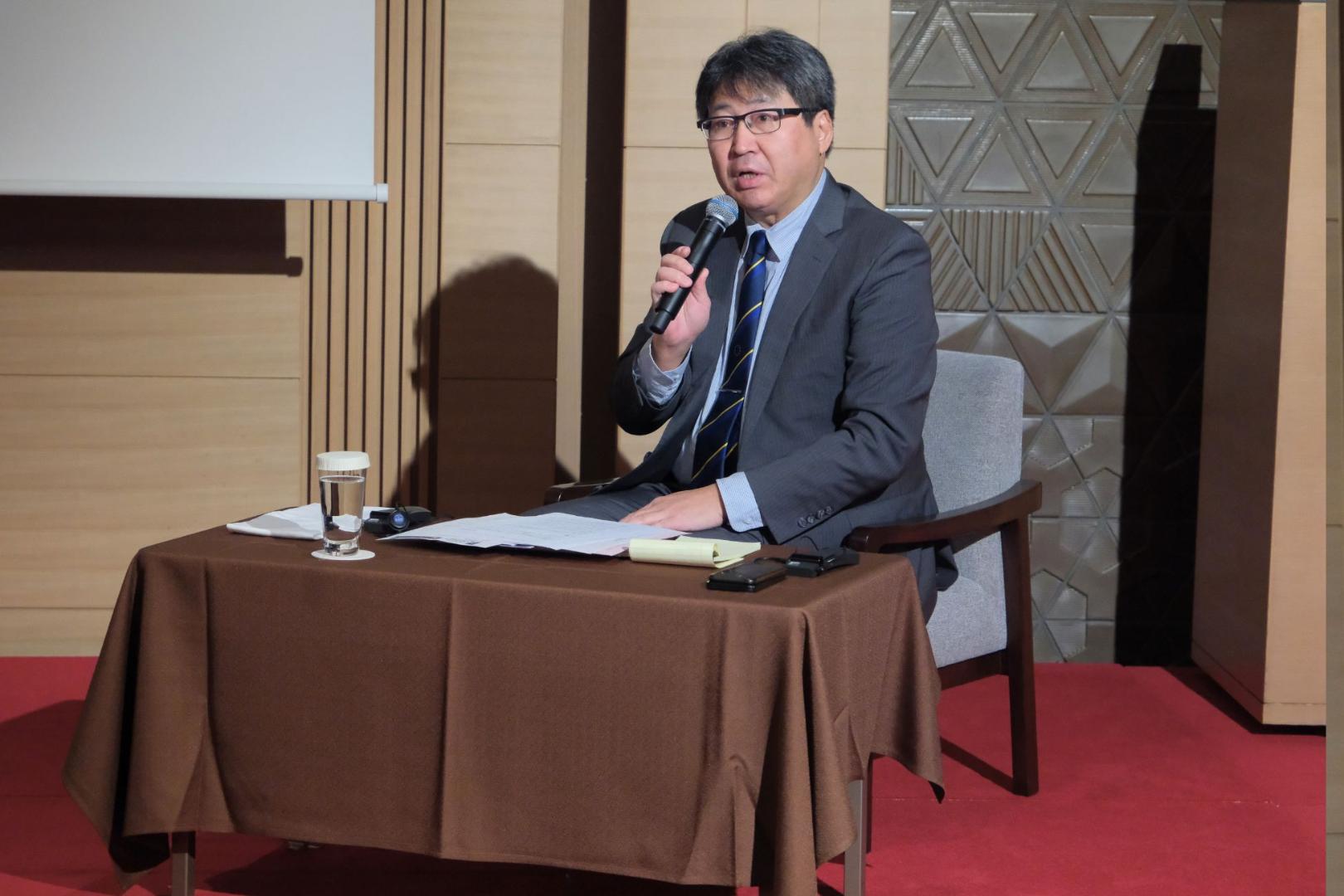
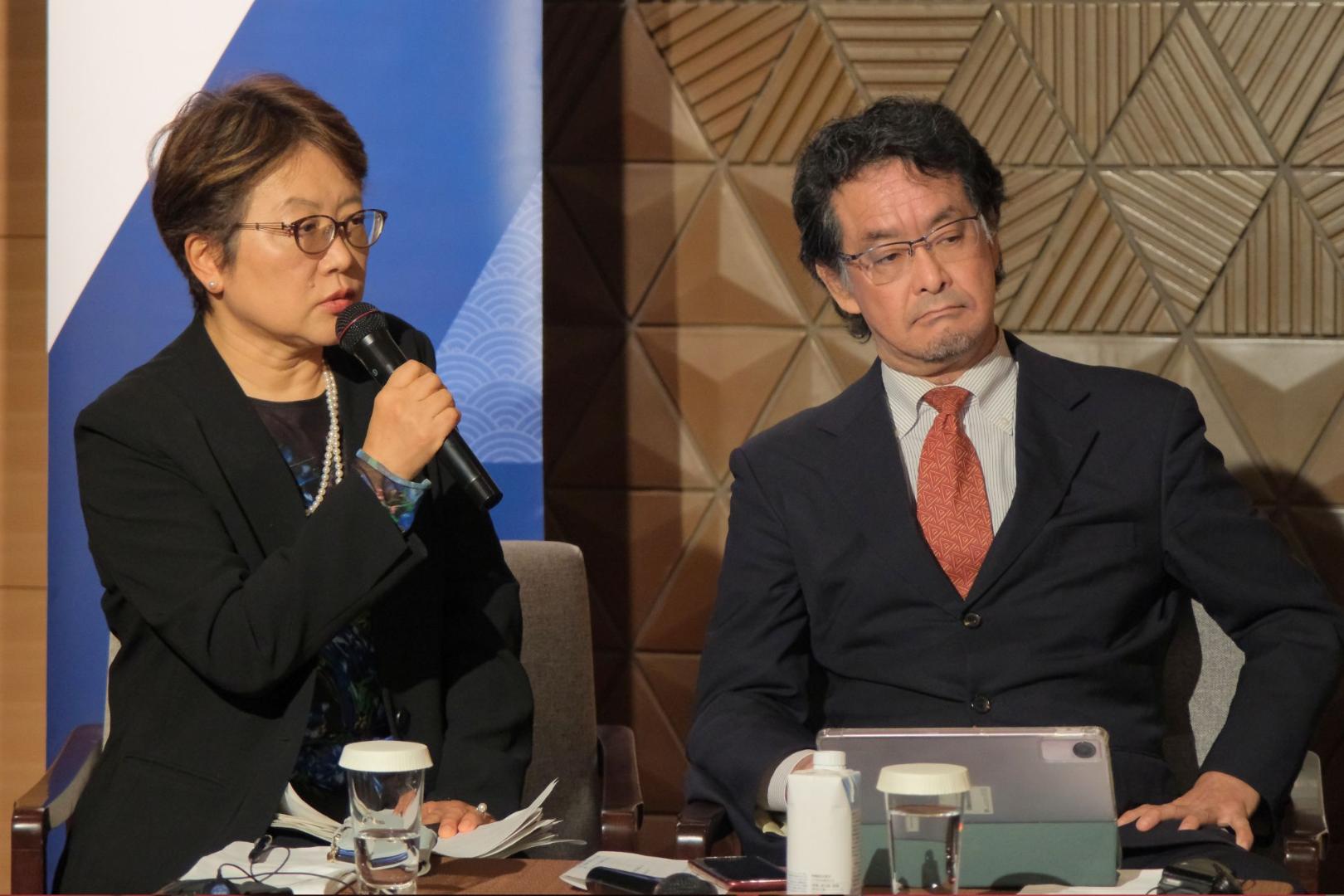
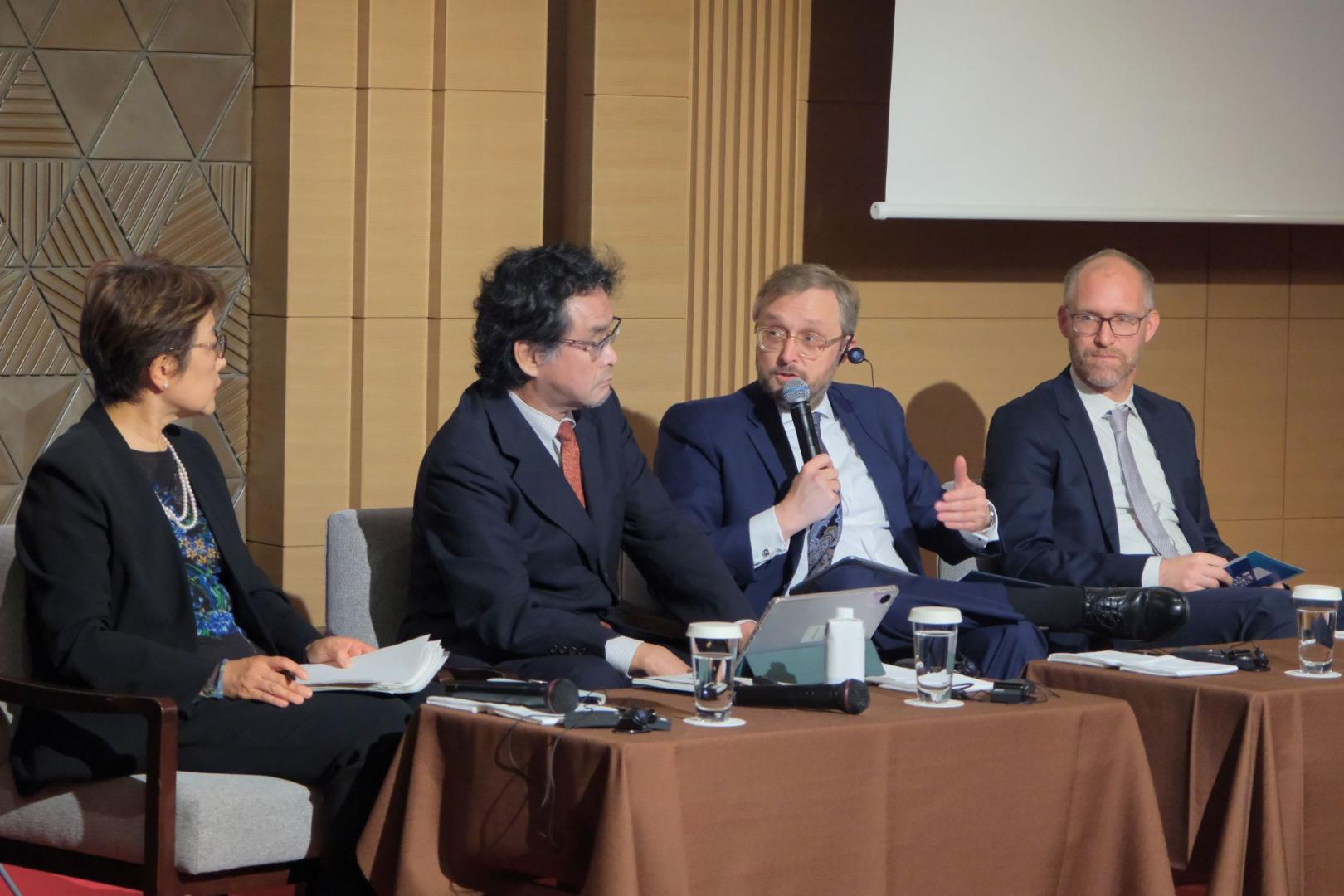
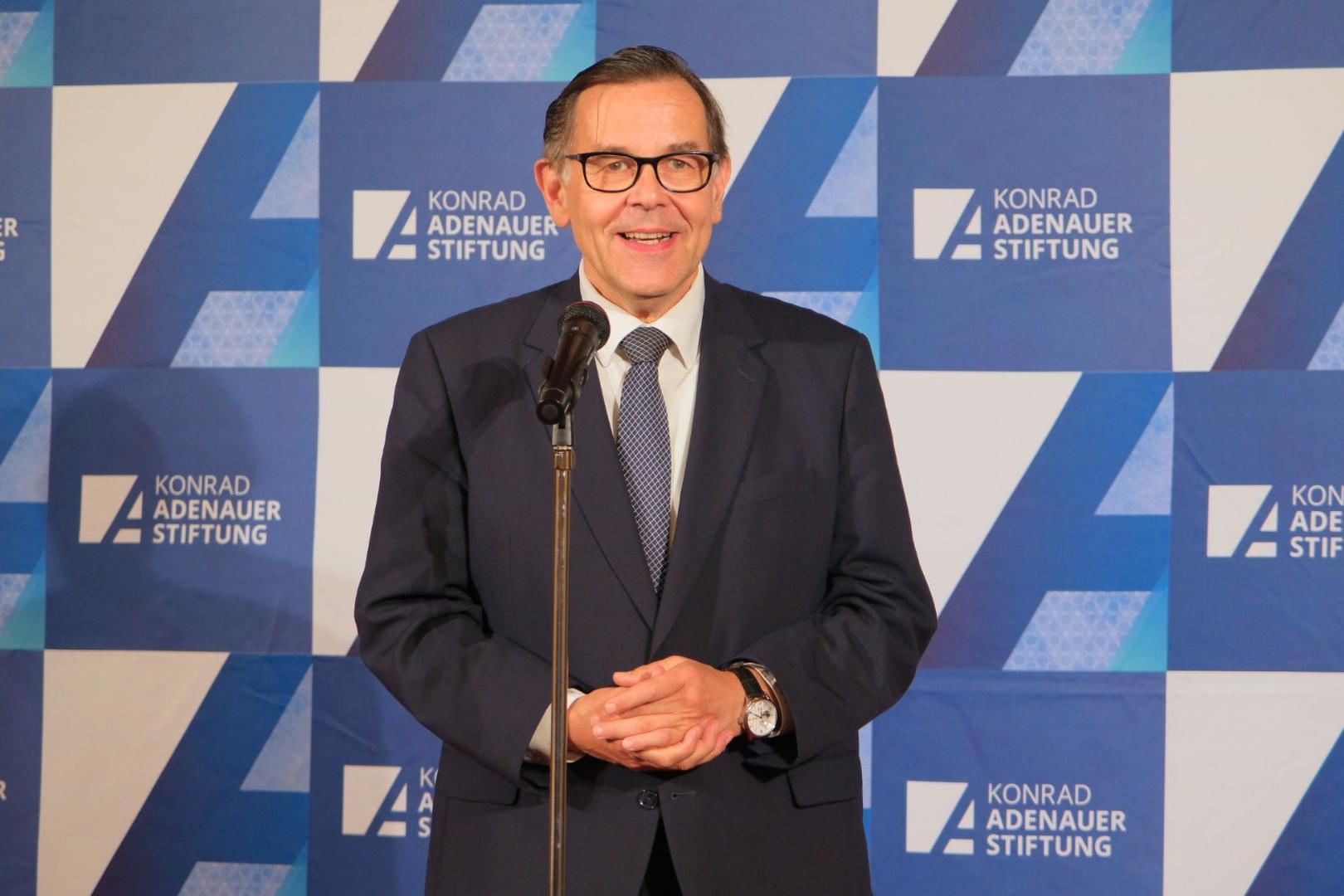

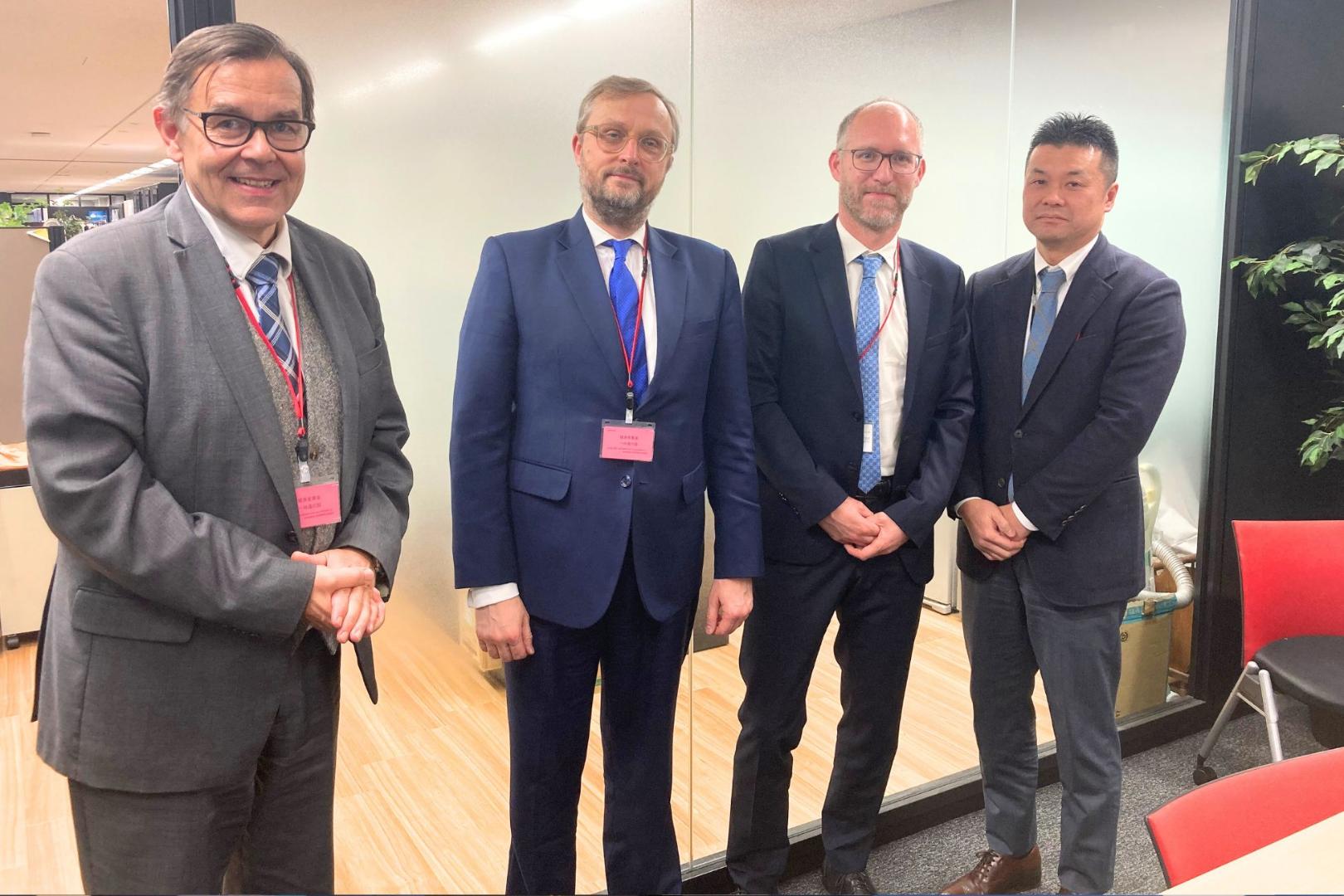

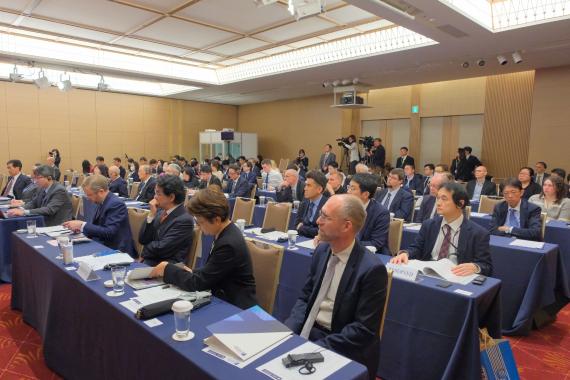

In June 2023, the EU released its Economic Security Strategy. This is the EU's first systematic policy document on economic security. The threat posed by Russia's invasion of Ukraine and the lessons learned from COVID-19 to ensure the resilience of supply chains have been recognized as priority issues, and Europe is increasingly interested in economic security.
However, due to conflicts with the policies of each member state, policy coordination comes at a high cost, and the direction is not always the same. For example, even after the EU adopted a policy of “derisking” to reduce excessive dependence on China, German automobile industry and chemical manufacturers with close economic ties to China have continued to invest in China in R&D, production, and sales. In addition, some member states, such as Hungary, are actively accepting inward direct investment by Chinese companies.
In addition to this derisking policy toward China, the role of Japan and Europe in maintaining a free and fair international economic order is becoming increasingly important as uncertainty in the trade and investment environment increases due to the response to tariff measures under the Trump administration and the intensifying confrontation between the US and China. In particular, ensuring economic security is the foundation for maintaining a free and fair international economic order by countering the domination of supply chains and technology by certain countries. Japan and Europe, which already have a foundation for cooperation based on trust in a wide range of fields, including politics, economics, culture, and science and technology, should cooperate to promote stable supplies of strategic goods and common technical standards, thereby contributing to both economic resilience and international order.
In this seminar, while taking a broader view of Europe's stance toward China from the perspective of economic security, we discussed how Japan can cooperate and collaborate with the EU and Germany, focusing on areas essential for economic activities such as critical minerals and energy.
Agenda:
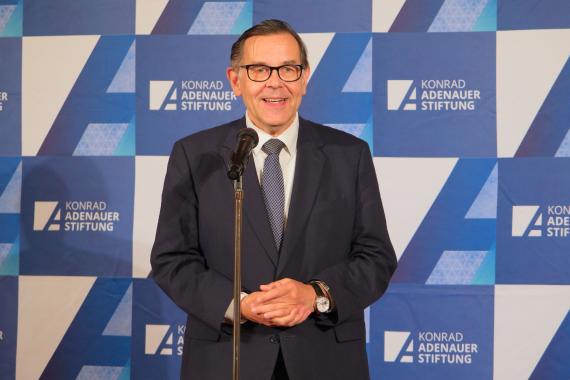
16:00 Opening remarks by:
- Paul LINNARZ, Country Representative Japan / Director of Economic Programme Asia (SOPAS), KAS Japan
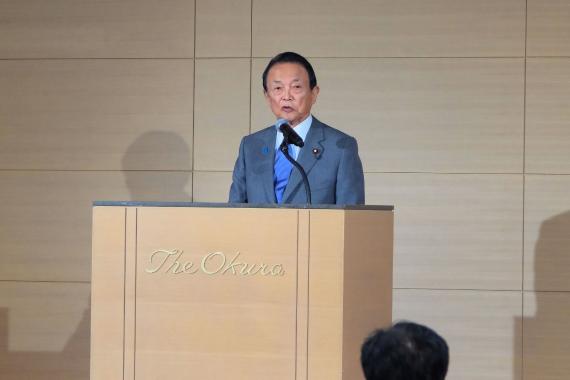
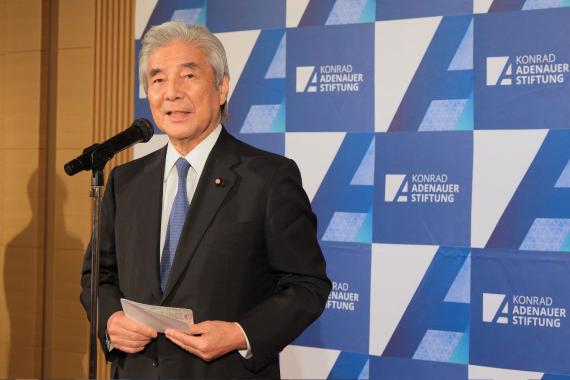
16:05 Greeting by
- Taro ASO, Chariman of NPI, Member of the House of Representatives
16:15 Part 1: Keynote speech on “How Germany and Europe are responding to China“
- Dr. Jan CERNICKY, Head of Department Economy and Innovation, Division Analysis and Consulting, KAS HQ Berlin
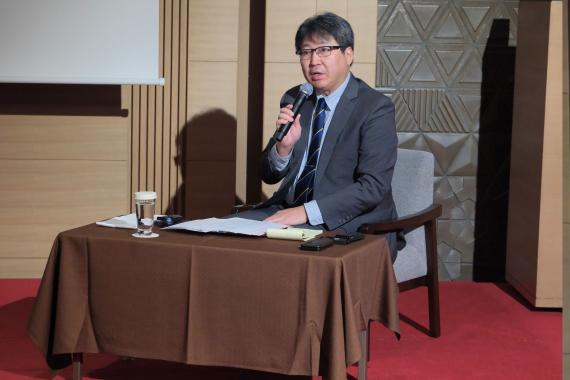
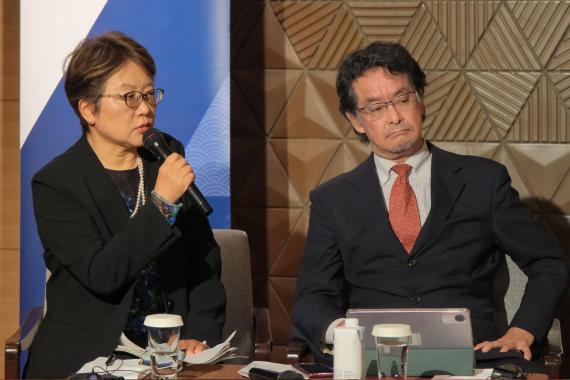
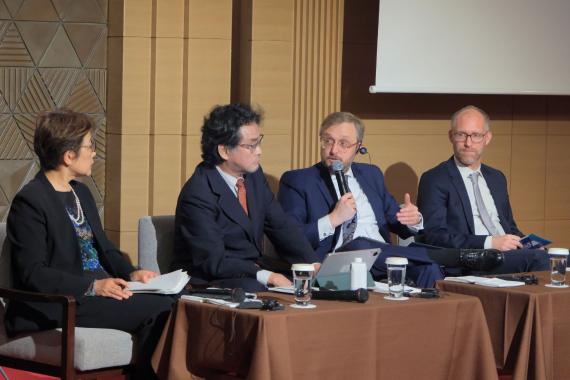
16:45 Part 2: Panel Discussion “Decoding Europe’s China Strategy: Prospects for Japan–EU Partnership in Economic Security”
- Moderator: Prof. Shin KAWASHIMA, Director of Research, NPI; Professor, Graduate School of Arts and Sciences, The University of Tokyo
- Panelist: Prof. Yoko IWAMA, National Graduate Institute for Policy Studies (GRIPS)
- Panelist: Dr. Satoshi INOMATA, Senior Research Fellow, Development Studies Center, Institute of Developing Economies, Japan External Trade Organization (IDE-JETRO)
- Panelist: Prof. Steffen HINDELANG, Professor of international investment and trade law, Uppsala University/Executive Director and Co-Founder, CELIS Institute
17:50 Q&A Session
18:05 End of the event
18:15 Opening of Networking Event for On-Site Participants