




The idea for the WANA-KAS Think Tank School emerged from broader discussions on what is needed to prepare emerging researchers and policy analysts to engage meaningfully with their communities and decision-makers. The programme was developed to help participants strengthen their networks, sharpen their policy analysis skills, and contribute to informed and impactful policy debates.
Recognizing that effective civic engagement extends beyond technical expertise, the programme places strong emphasis on understanding citizens’ lived realities, national priorities, and the broader social and political landscape. It also highlights the importance of social science diplomacy as a key element in shaping inclusive and evidence-based policy processes. First piloted in 2023, the Think Tank School thus addresses a long-standing gap in accessible learning spaces for youth interested in public policy. It provides participants with the opportunity to explore the think tank model while gaining practical experience in policy research, analysis, and writing.
In an era marked by the increasing use of AI-powered tools in research and writing, the programme underscores the continued importance of human-centred learning environments. The WANA-KAS Think Tank School therefore offers an informal and participatory learning environment that approaches public policy through a human development and rights-based lens.
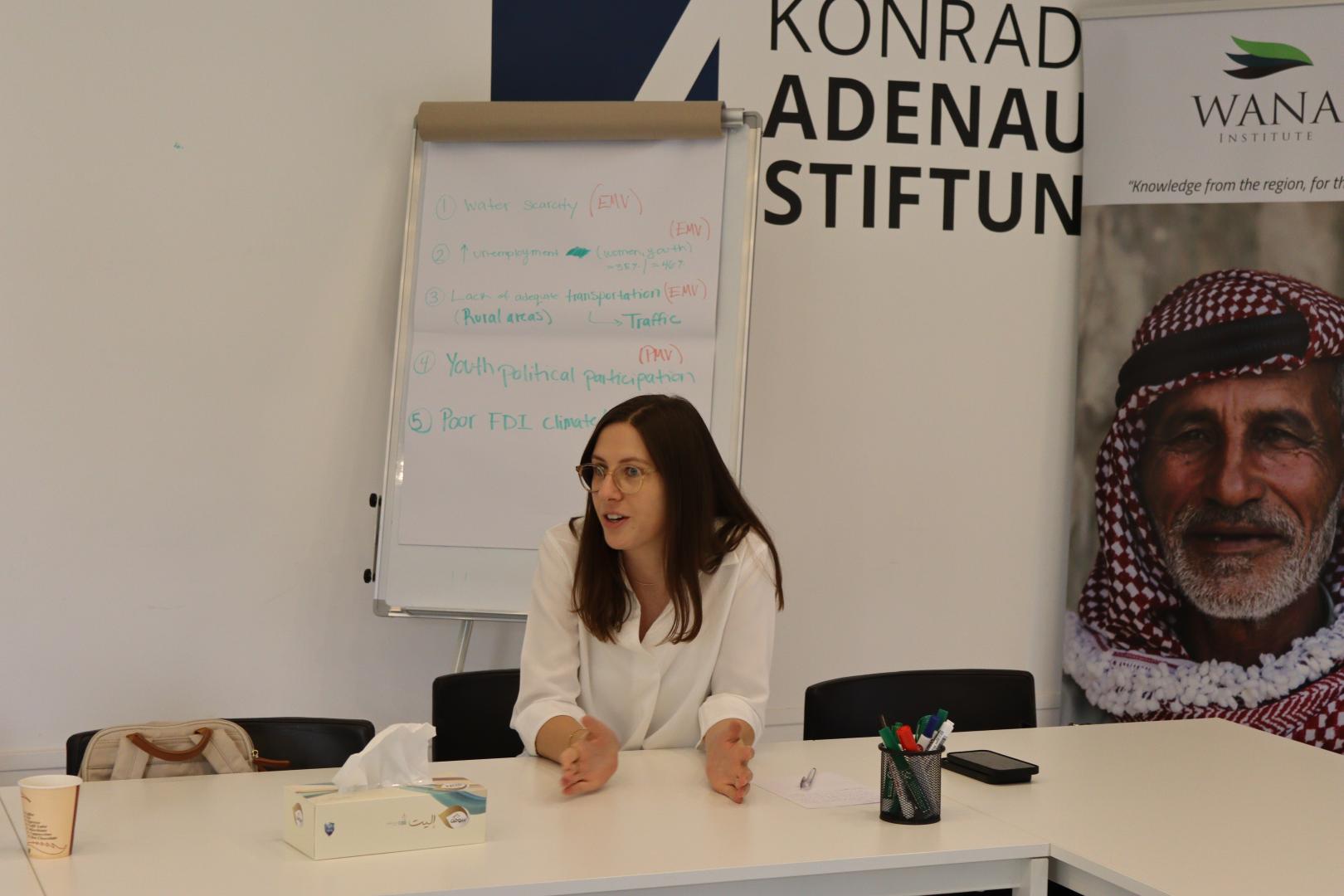
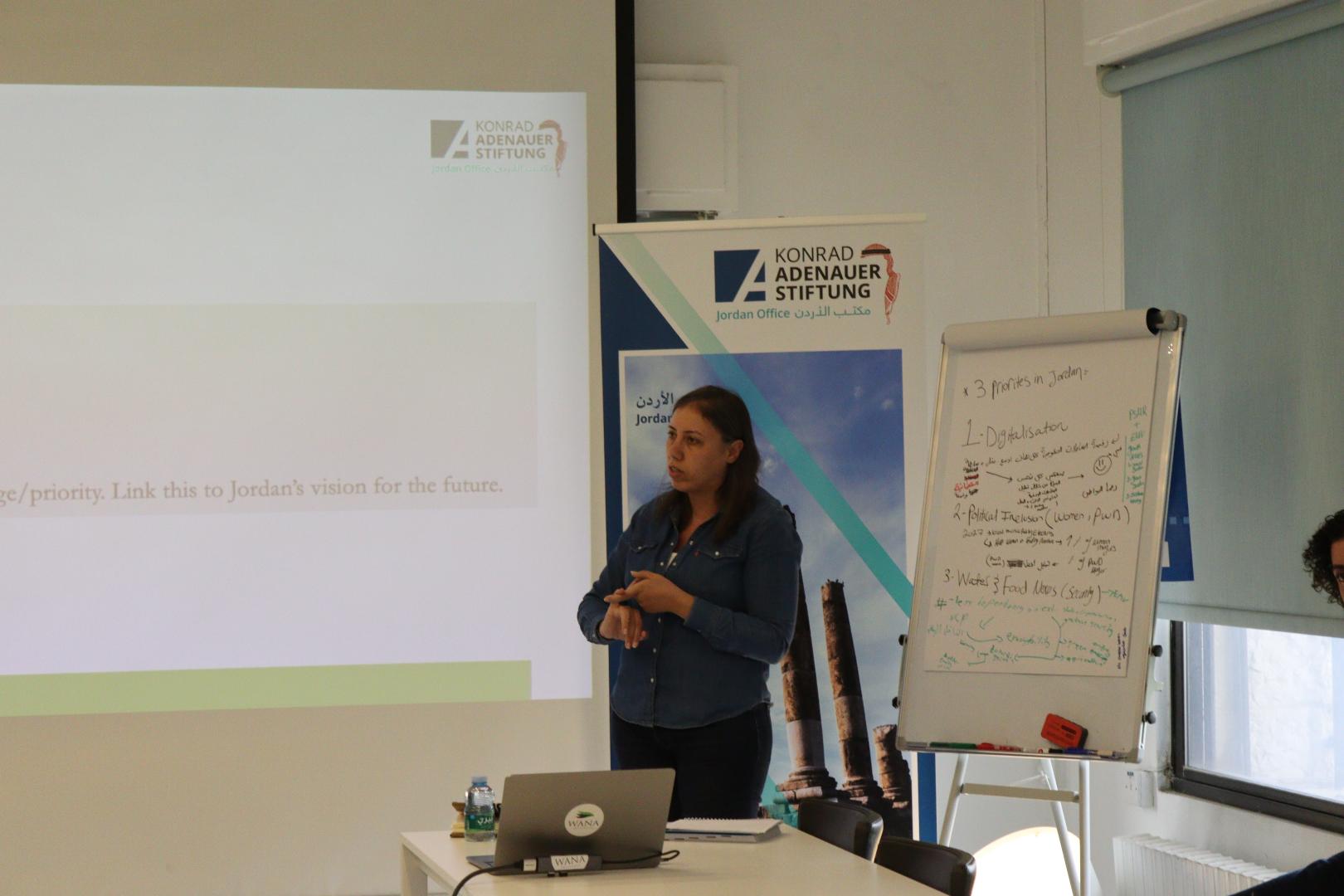
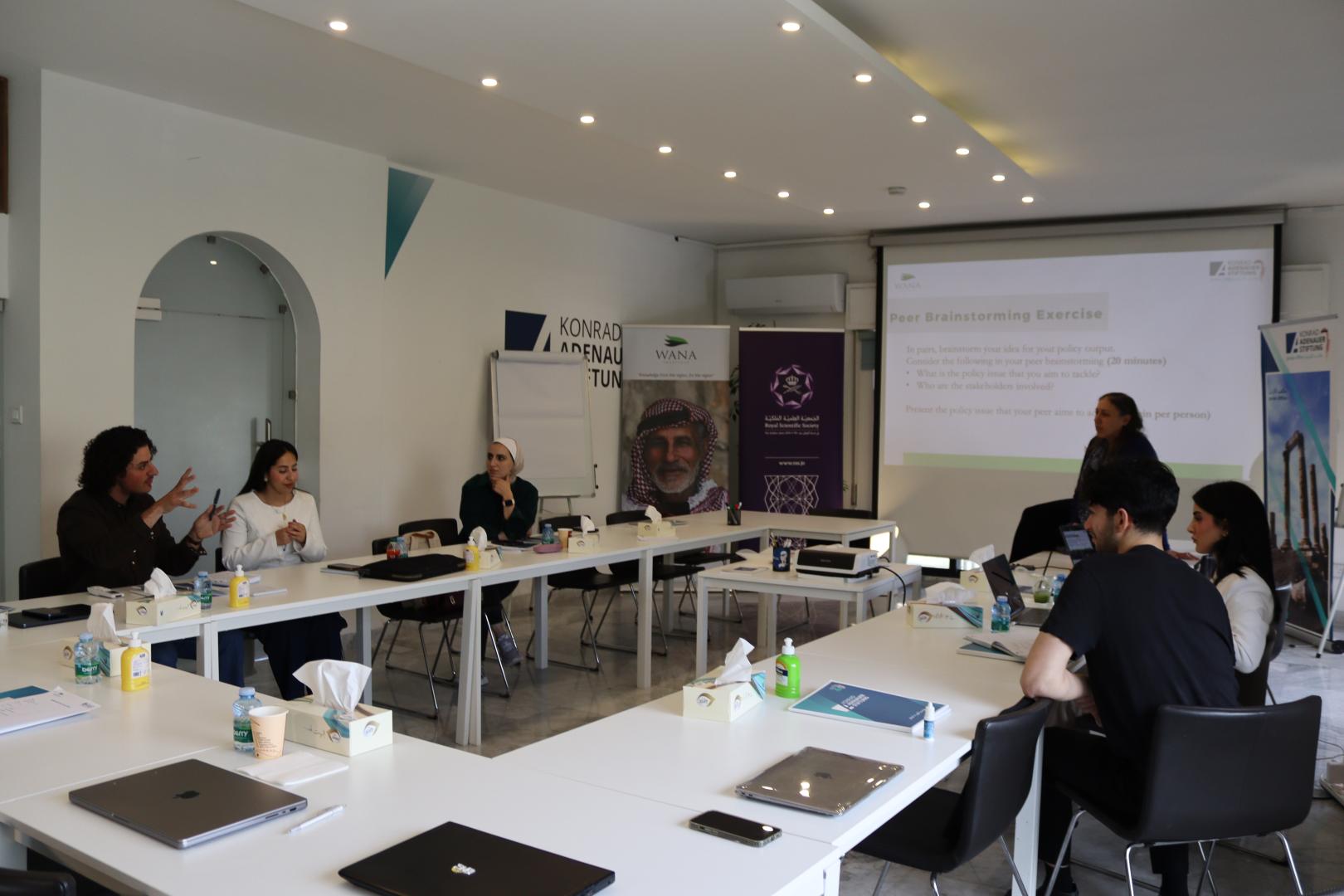
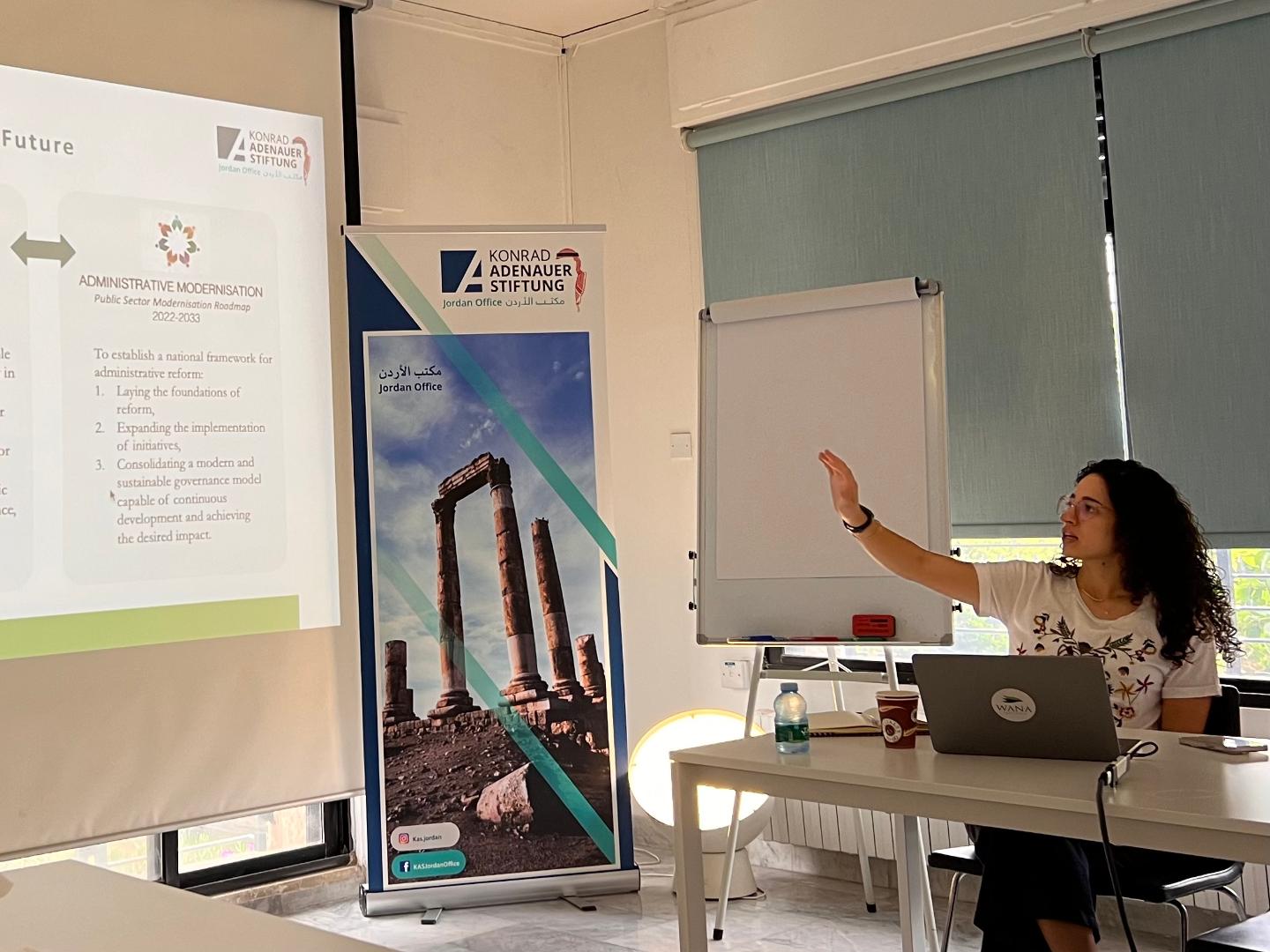
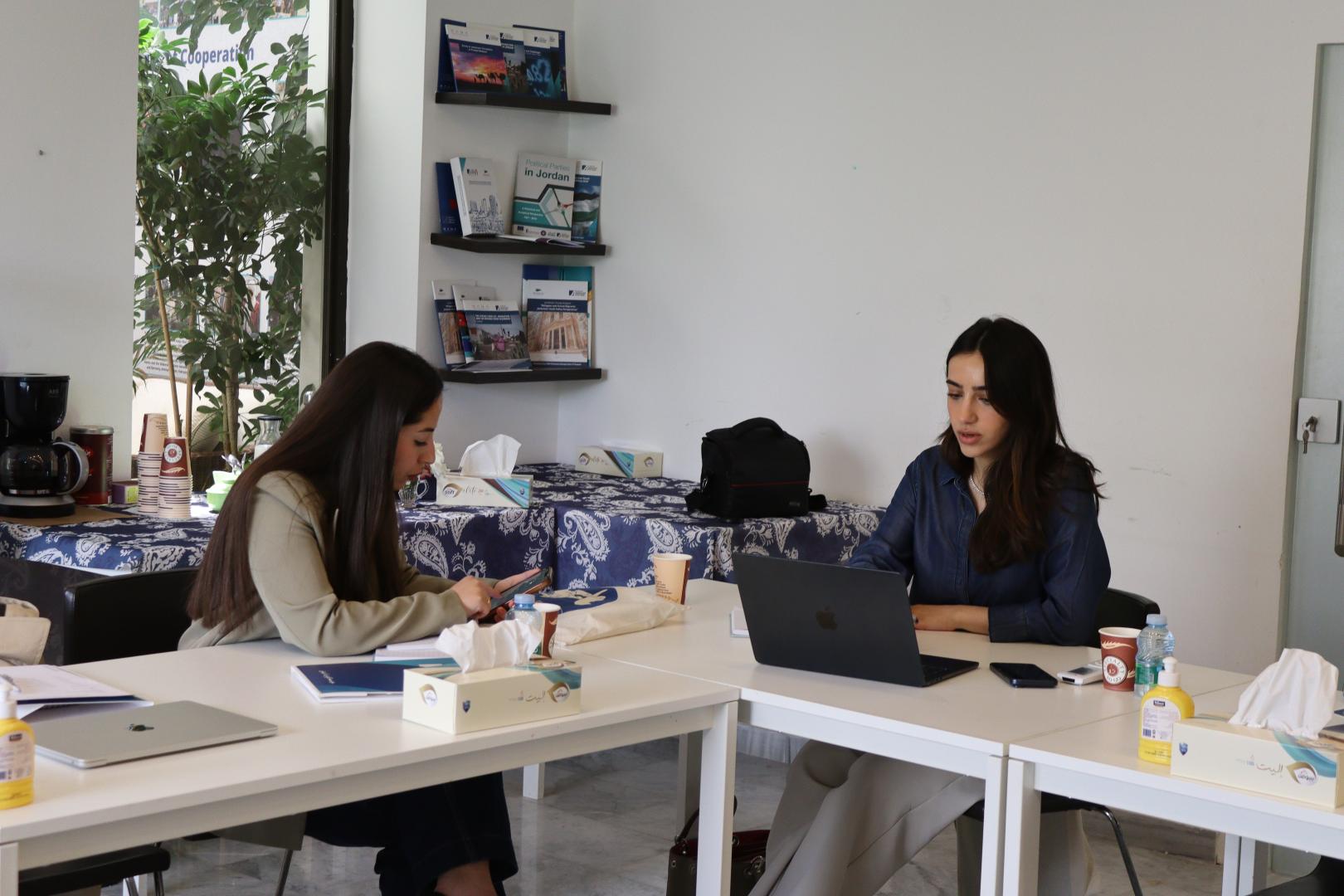
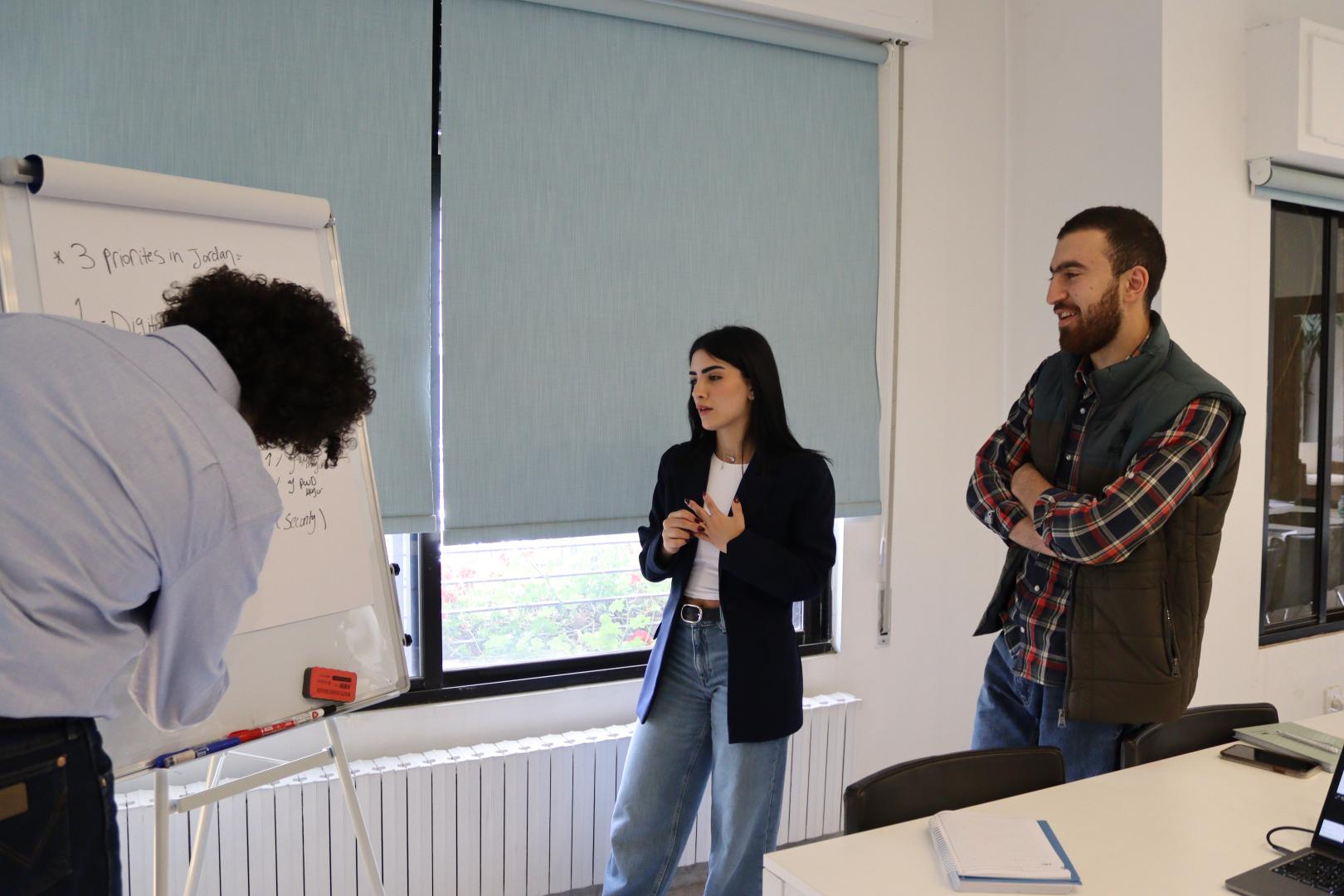
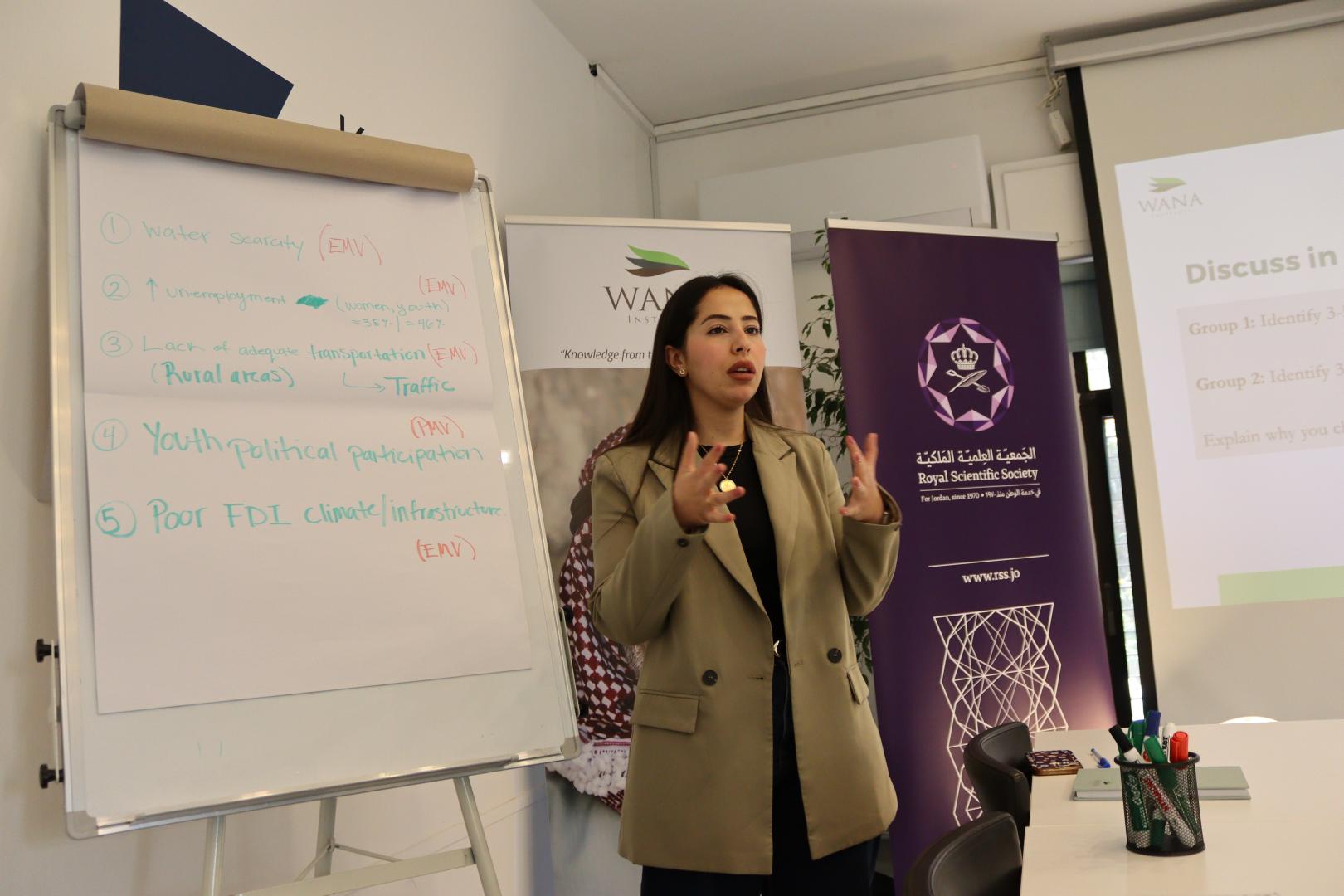
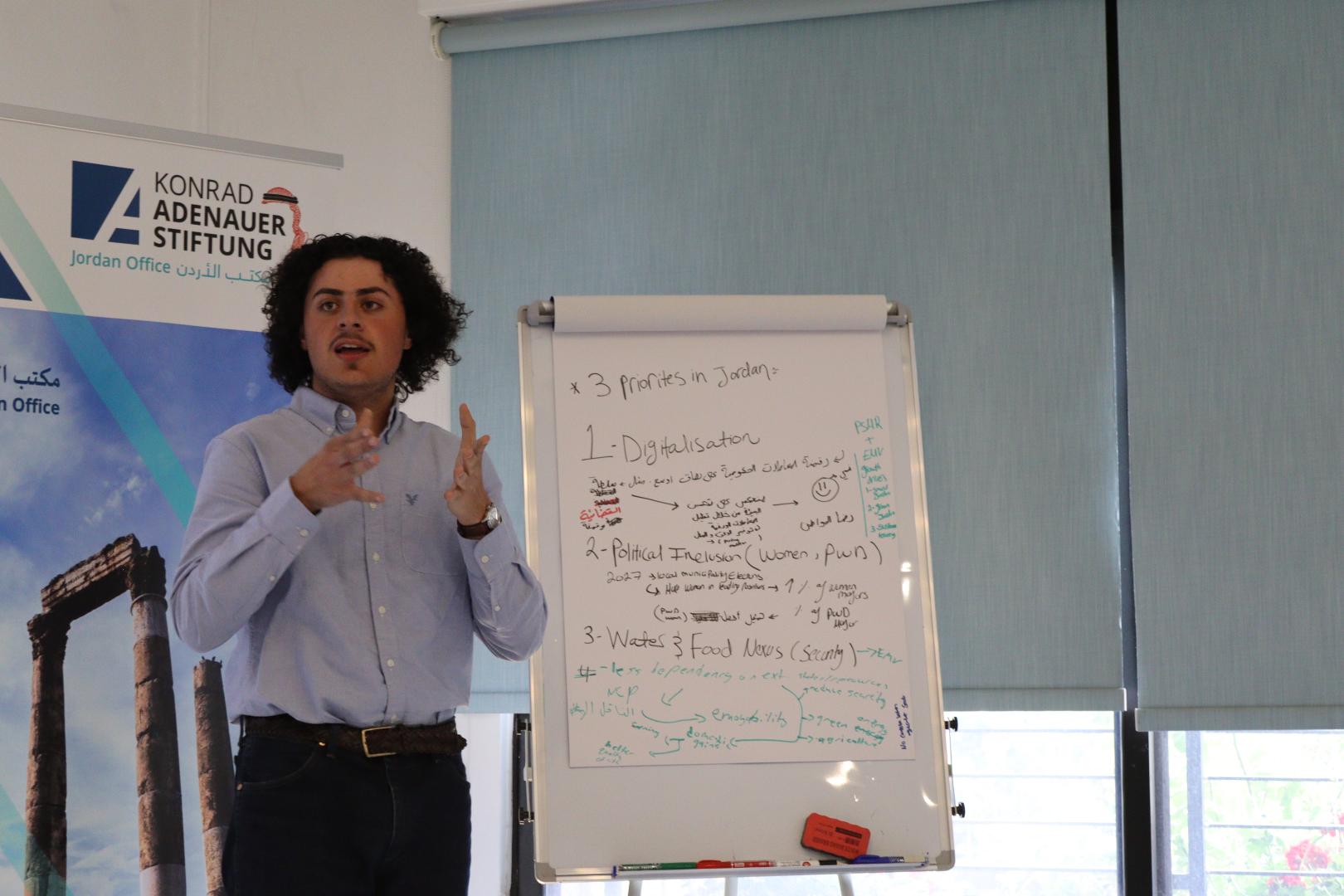
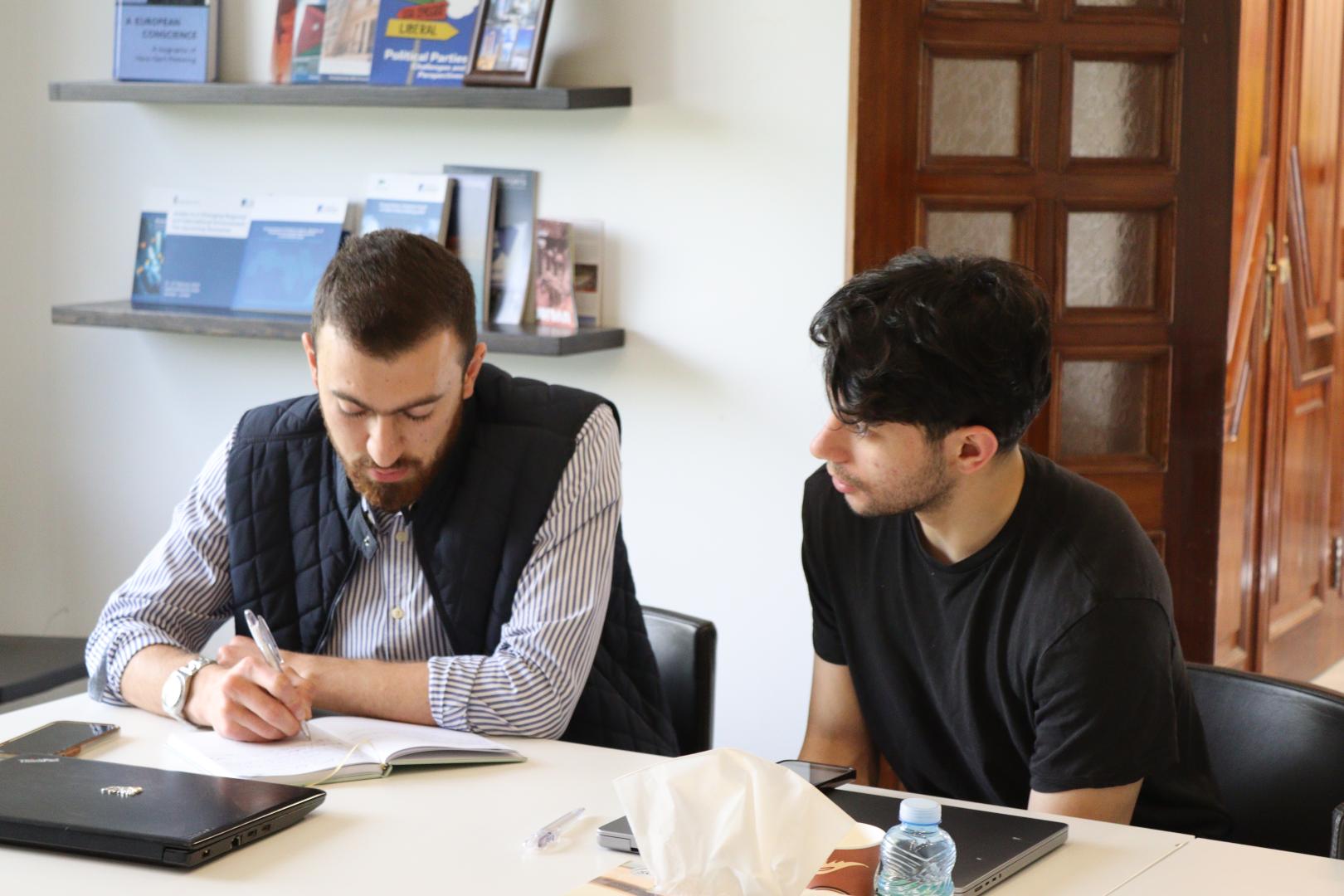
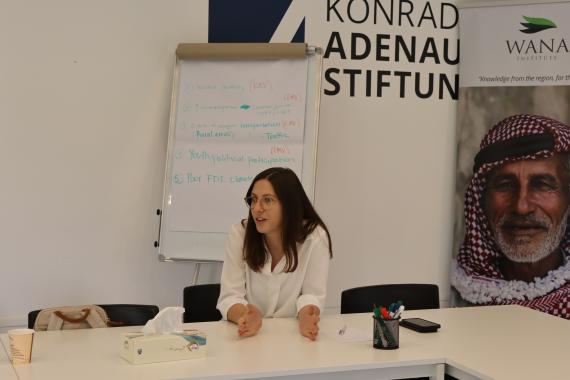
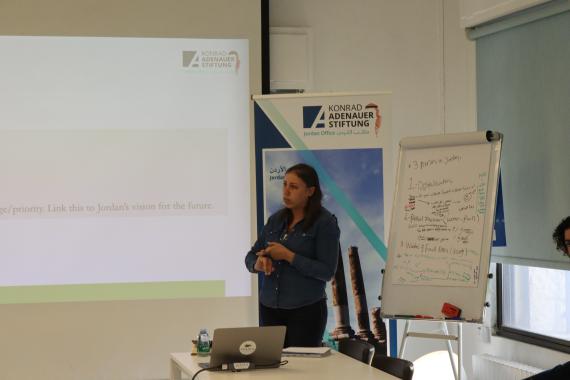
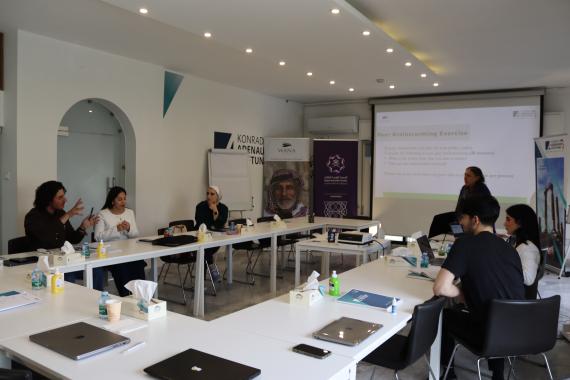
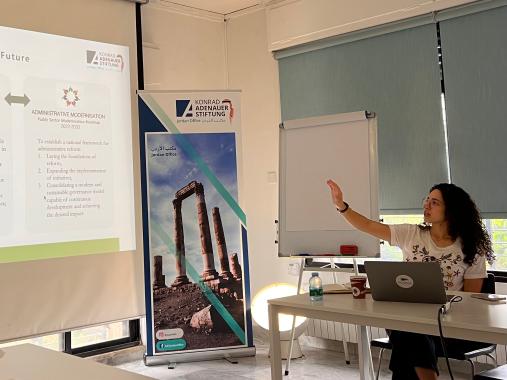
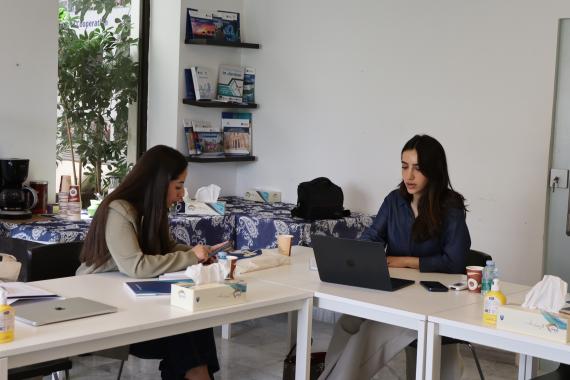
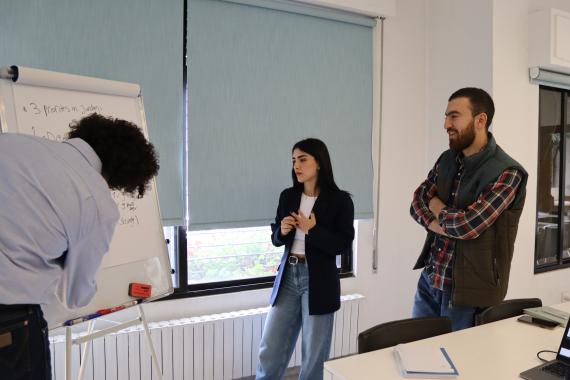
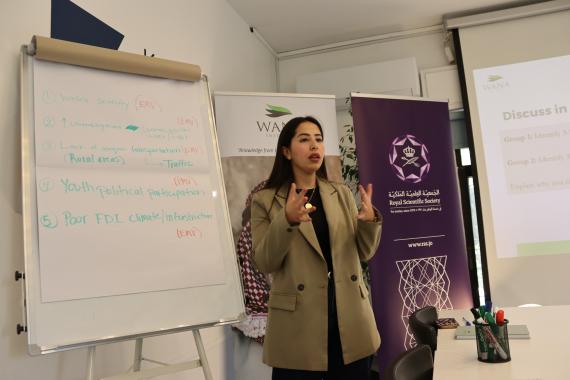
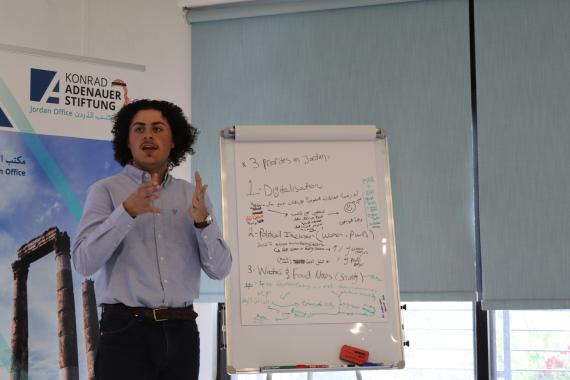
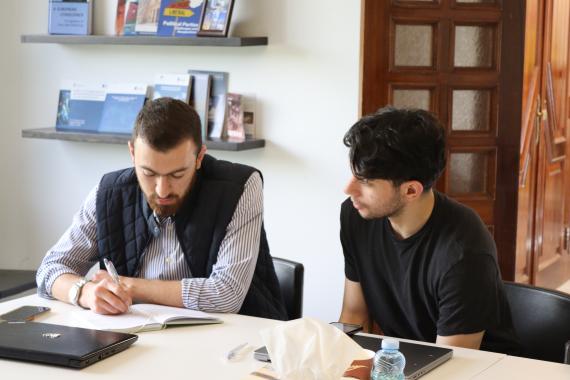
In May 2026, KAS Jordan and WANA Institute concluded the four-day foundational training for this year’s cohort of young analysts, marking the beginning of a seven-month learning journey focused on public policy, policy writing, advocacy, and Jordan’s national priority areas. The training brought together six early-career policy analysts and researchers through a series of discussions, practical exercises, and presentations. Participants exchanged diverse expertise and perspectives while building foundational skills necessary to engage effectively in policy research and public policy discussions.
With the completion of the initial training phase, participants will now begin developing their own research ideas and policy-focused outputs. Over the coming months, they will engage with experts from a range of disciplines through mentorship sessions, monthly meetings, and expert-led discussions designed to strengthen their analytical and policy-writing capacities.