








Five years since the Taliban’s return to power, Afghanistan faces a deepening humanitarian and economic crisis, severe human rights restrictions, particularly against women and girls, and a political crisis due to the absence of an inclusive government. As the international community considers its engagement with Afghanistan, what has failed and what must be done?
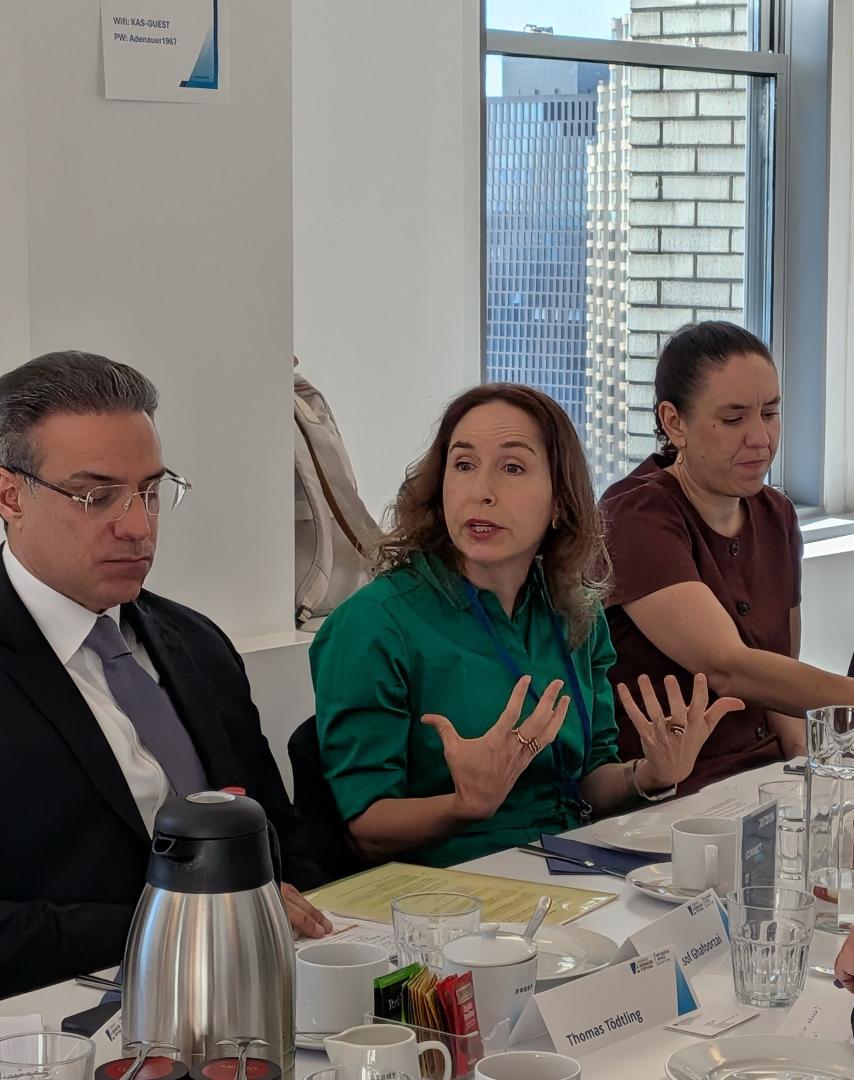
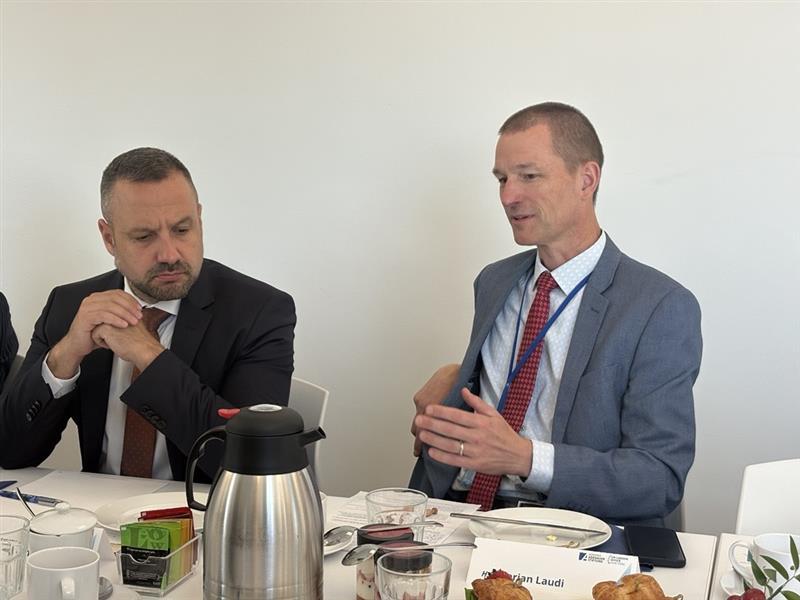
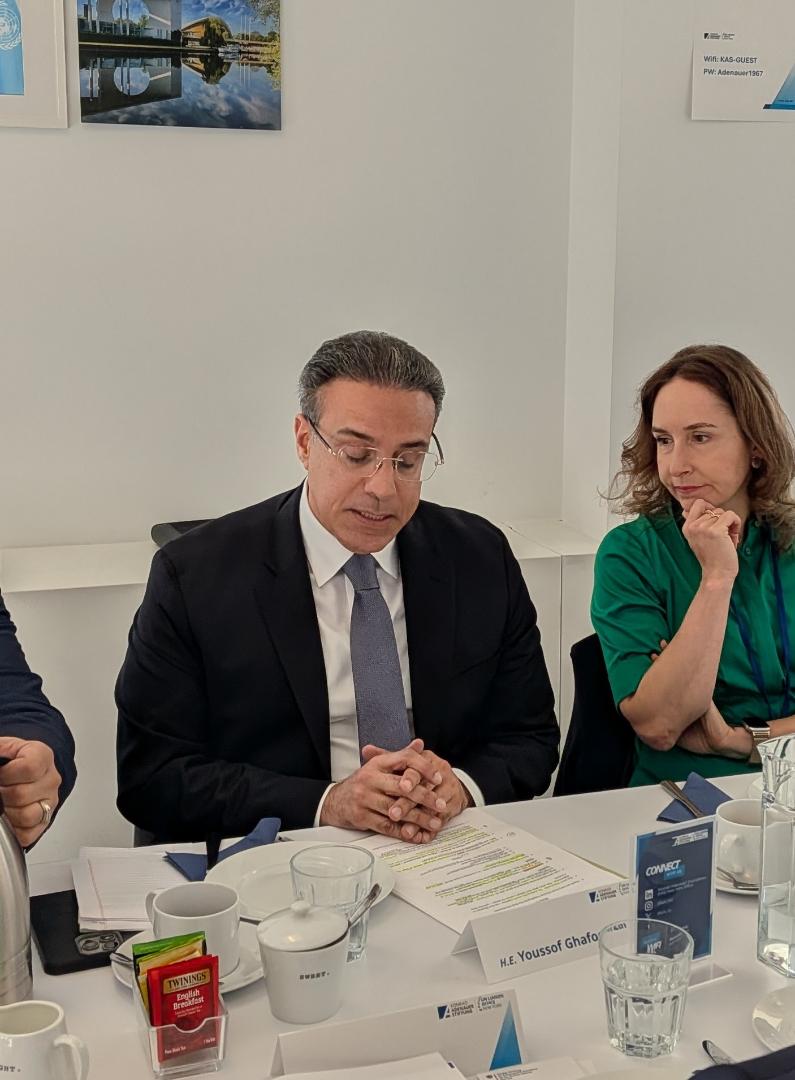
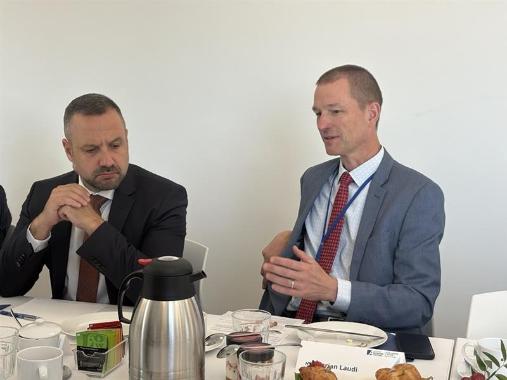
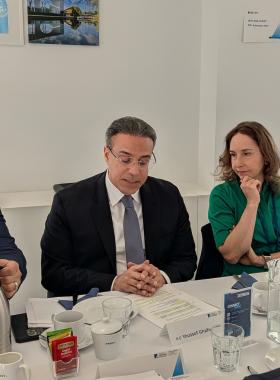
Ahead of the United Nations (UN) Security Council's quarterly briefing on Afghanistan, the Konrad Adenauer Foundation (KAS) New York Office convened a roundtable on September 15 to reflect on The Situation in Afghanistan and Way Forward: Five Years After the Taliban’s Return to Power. Panel remarks were provided by Ambassador Youssof Ghafoorzai, former Ambassador of Afghanistan to Norway, and Dr. Erica Gaston, Head of the Conflict Prevention and Sustaining Peace Programme at the United Nations University Centre for Policy Research (UNU-CPR). A panel and open discussion with participants was moderated by Stéphanie Fillion, Editor in Chief of Envoy.
Discussion highlighted:
-
Afghanistan cannot afford another cycle of instability, nor is humanitarian assistance alone a sustainable solution for the country. A political strategy is needed to address the root causes of the Afghan conflict and achieve lasting peace and stability.
-
The Taliban-imposed status quo is not the solution for Afghanistan’s future. Western and regional countries must push for inclusive governance and support the meaningful participation of women and youth—as well as broader Afghan civil society—in the political process.
-
There are opportunities for the UN to play a more effective and central role in mitigating Afghanistan’s crisis. The strategic review of the UN Assistance Mission in Afghanistan (UNAMA) offers one such opening to revisit and strengthen the mission’s political mandate. UN Security Council Resolution 2721 (2023) has also laid out recommendations to appoint a special envoy for Afghanistan, outline a political roadmap for the country’s political engagement, and establish a contact group for coordination among international and Afghan stakeholders, among others.
-
While divisions among Council members regarding Afghanistan have stalled action on these recommendations and other objectives, the General Assembly also has tools to drive greater international engagement and support, including through its resolutions.