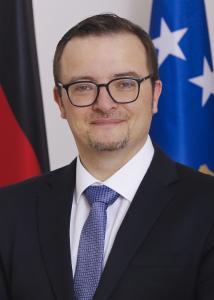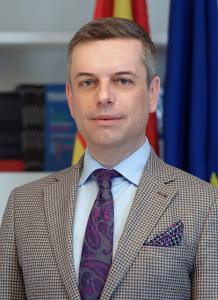





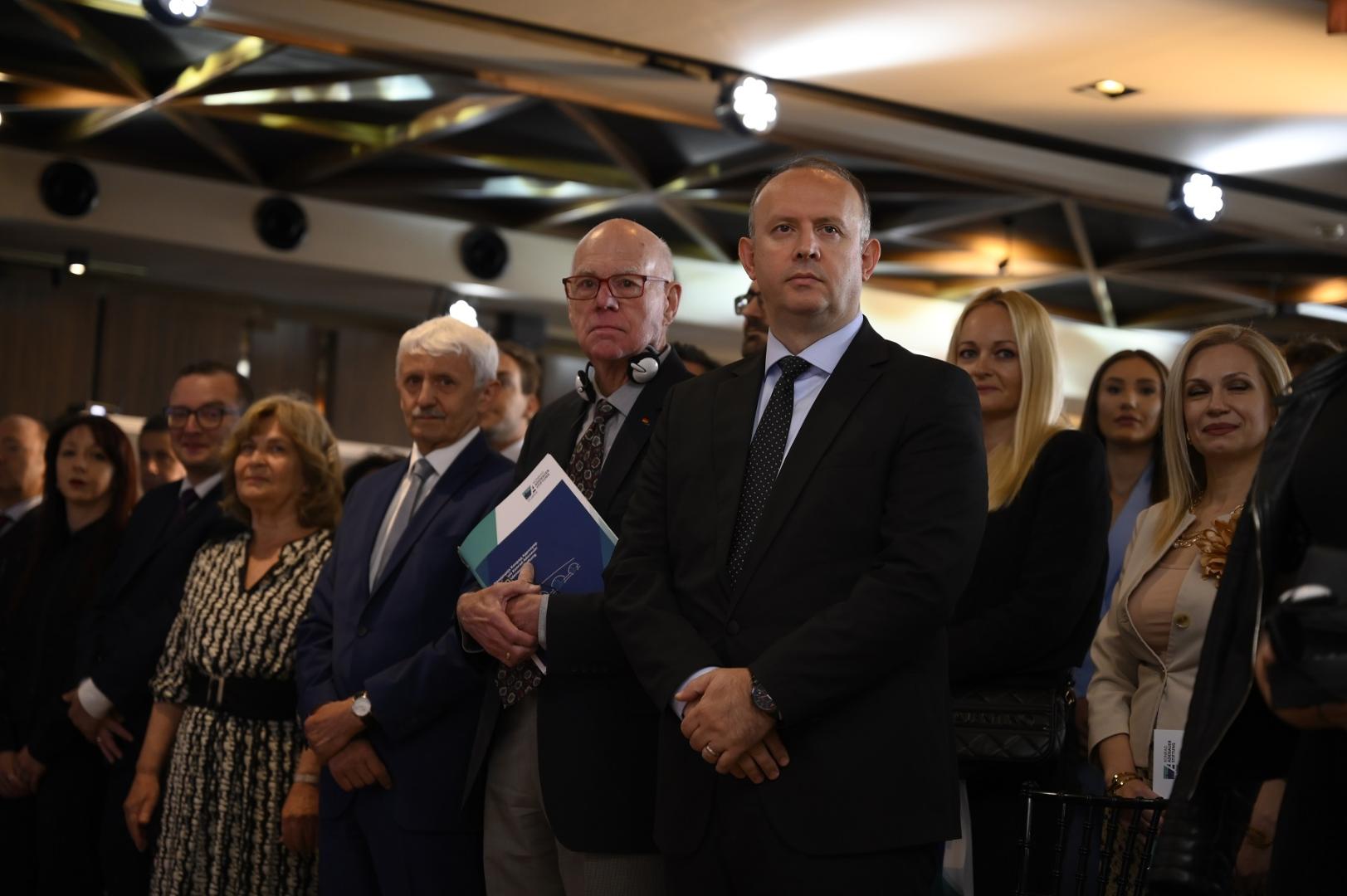
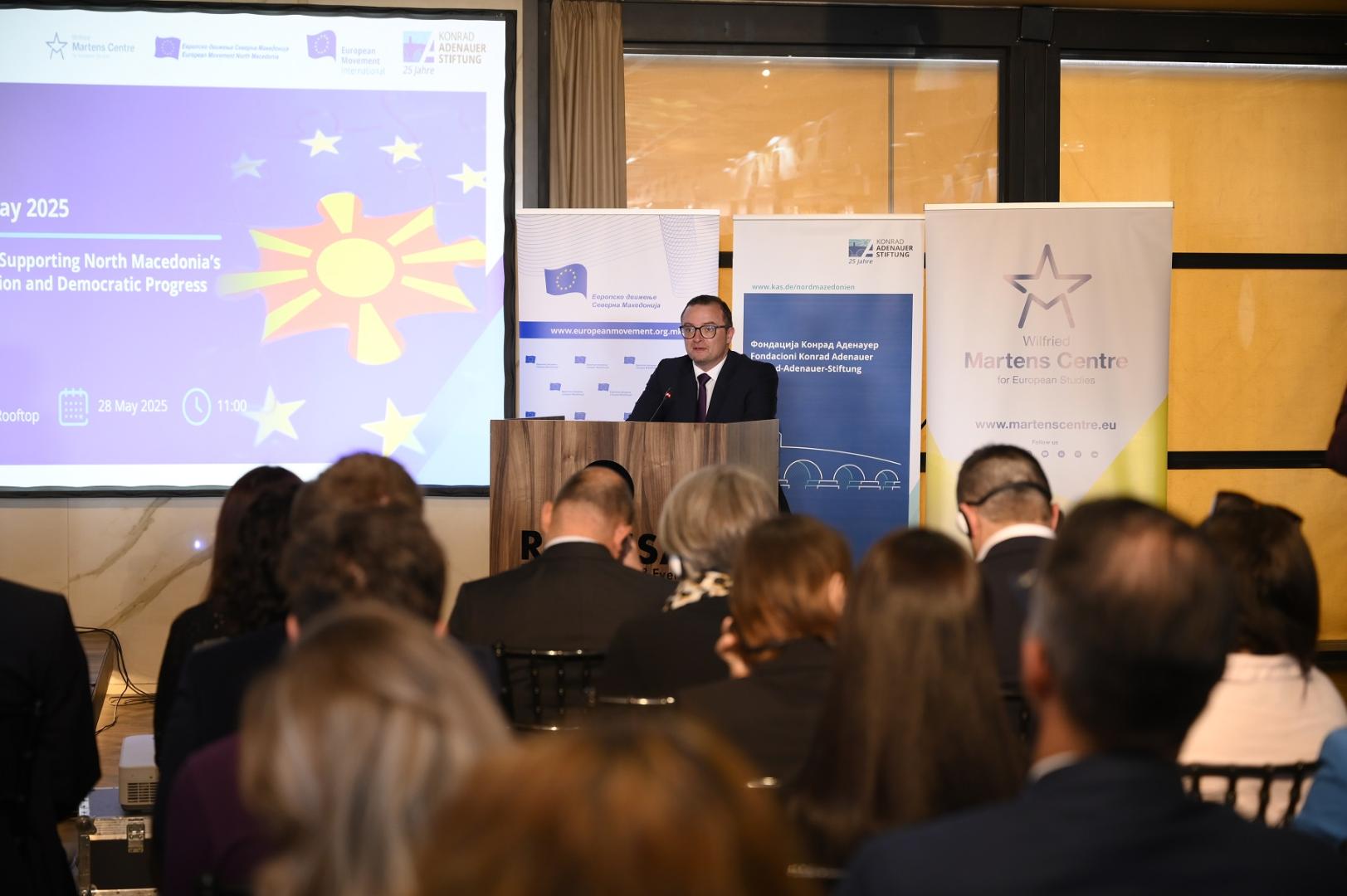
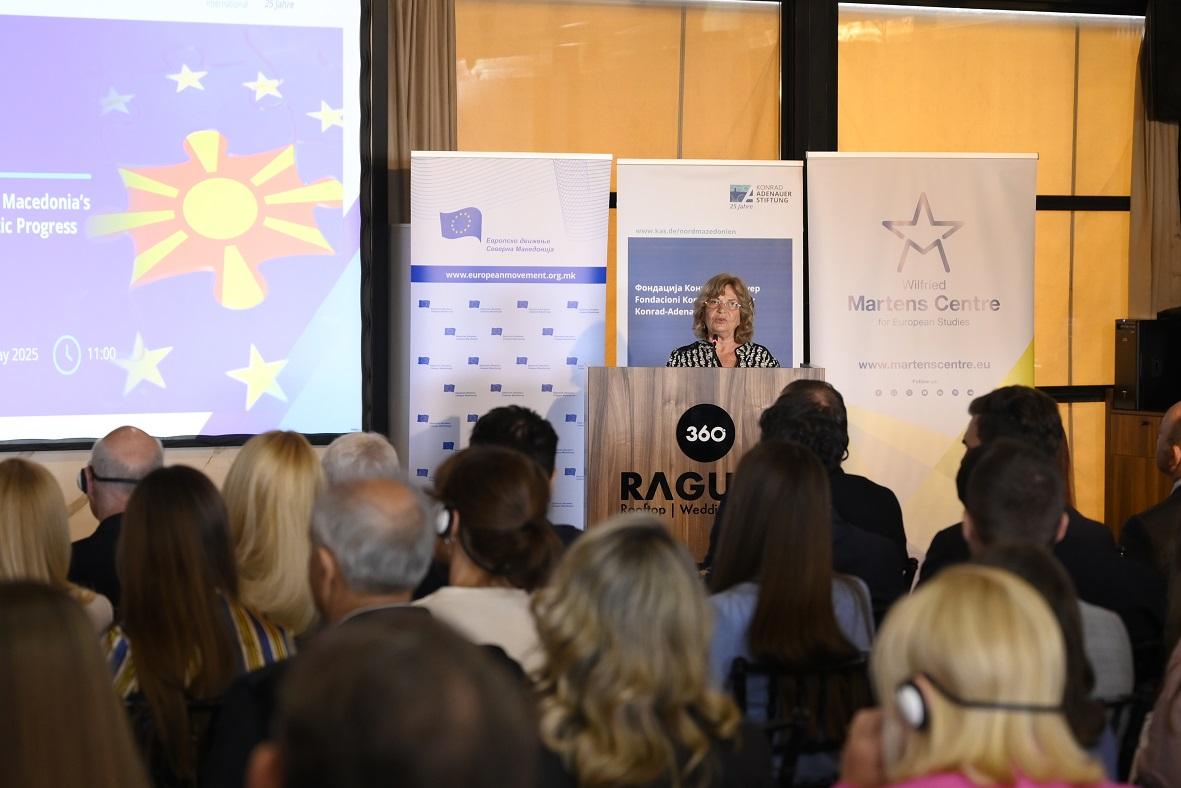
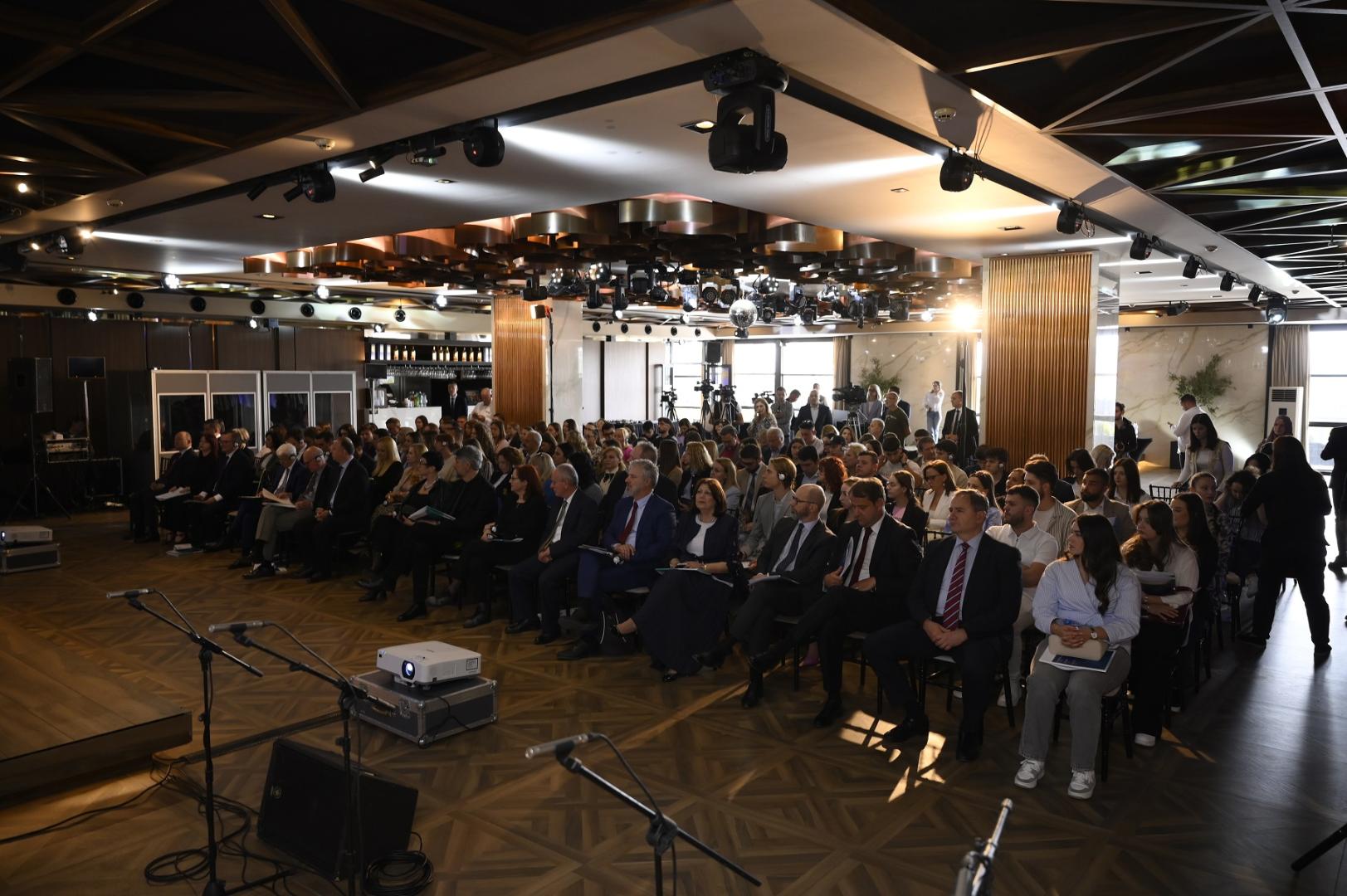

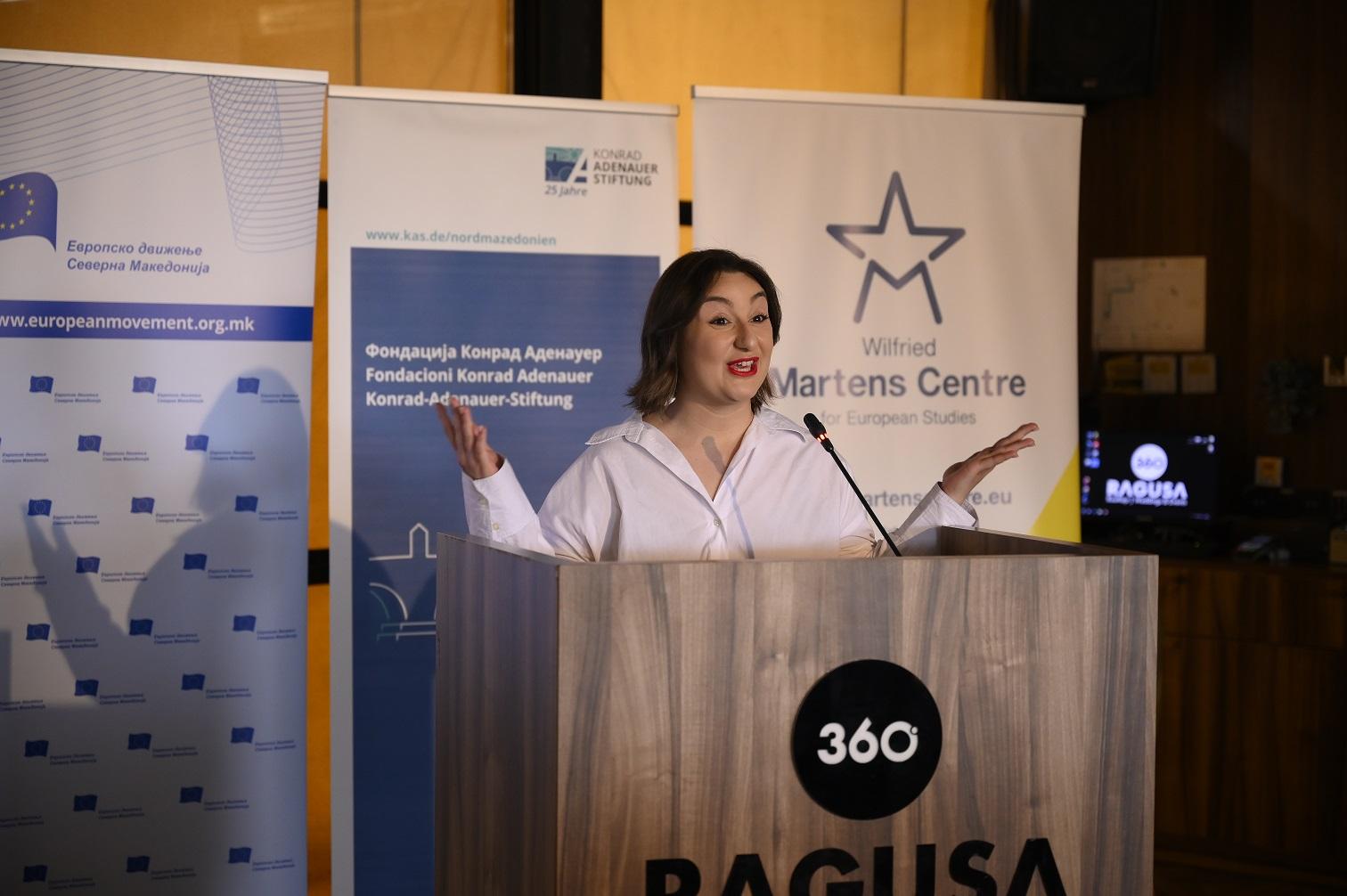
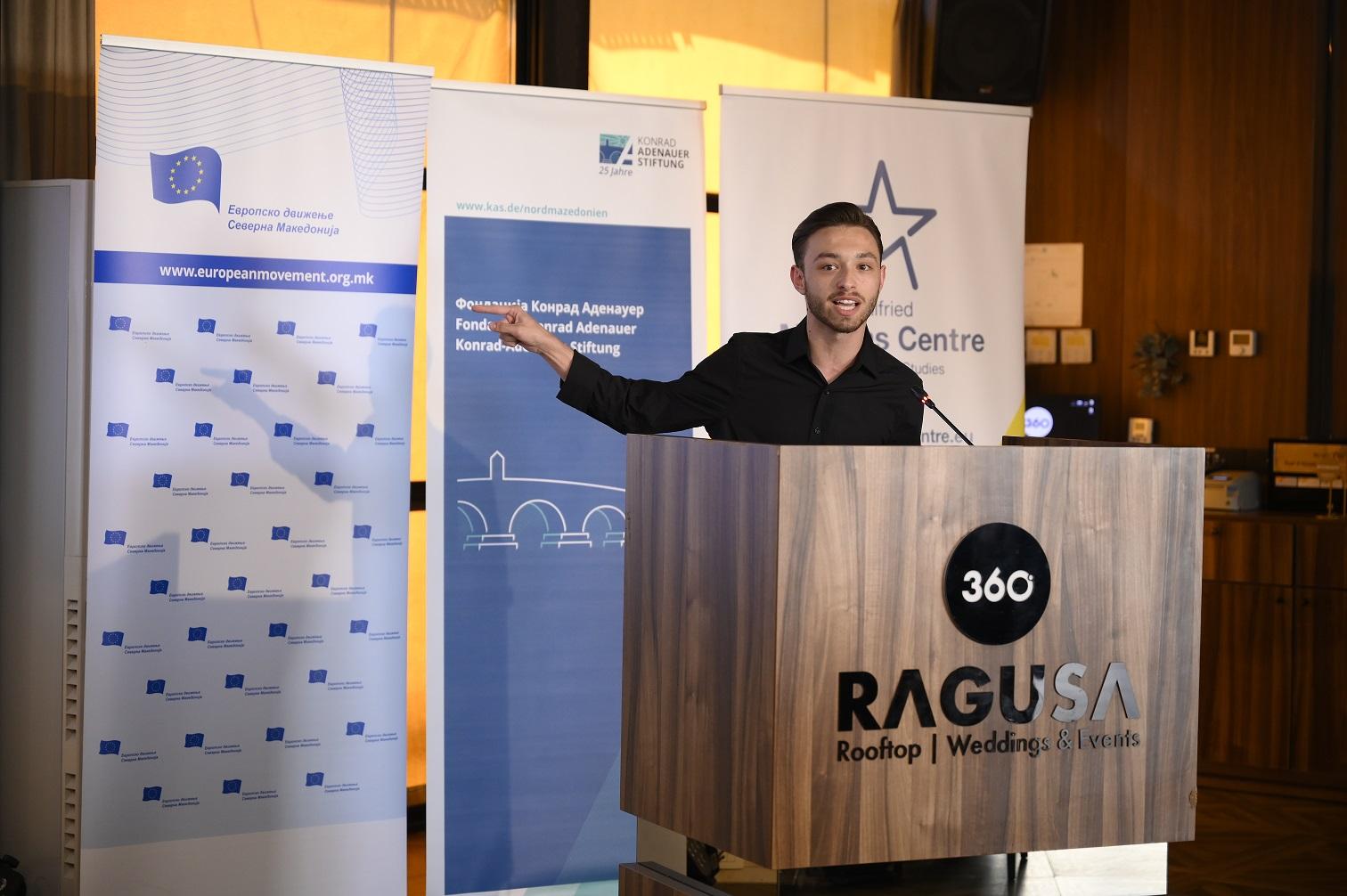
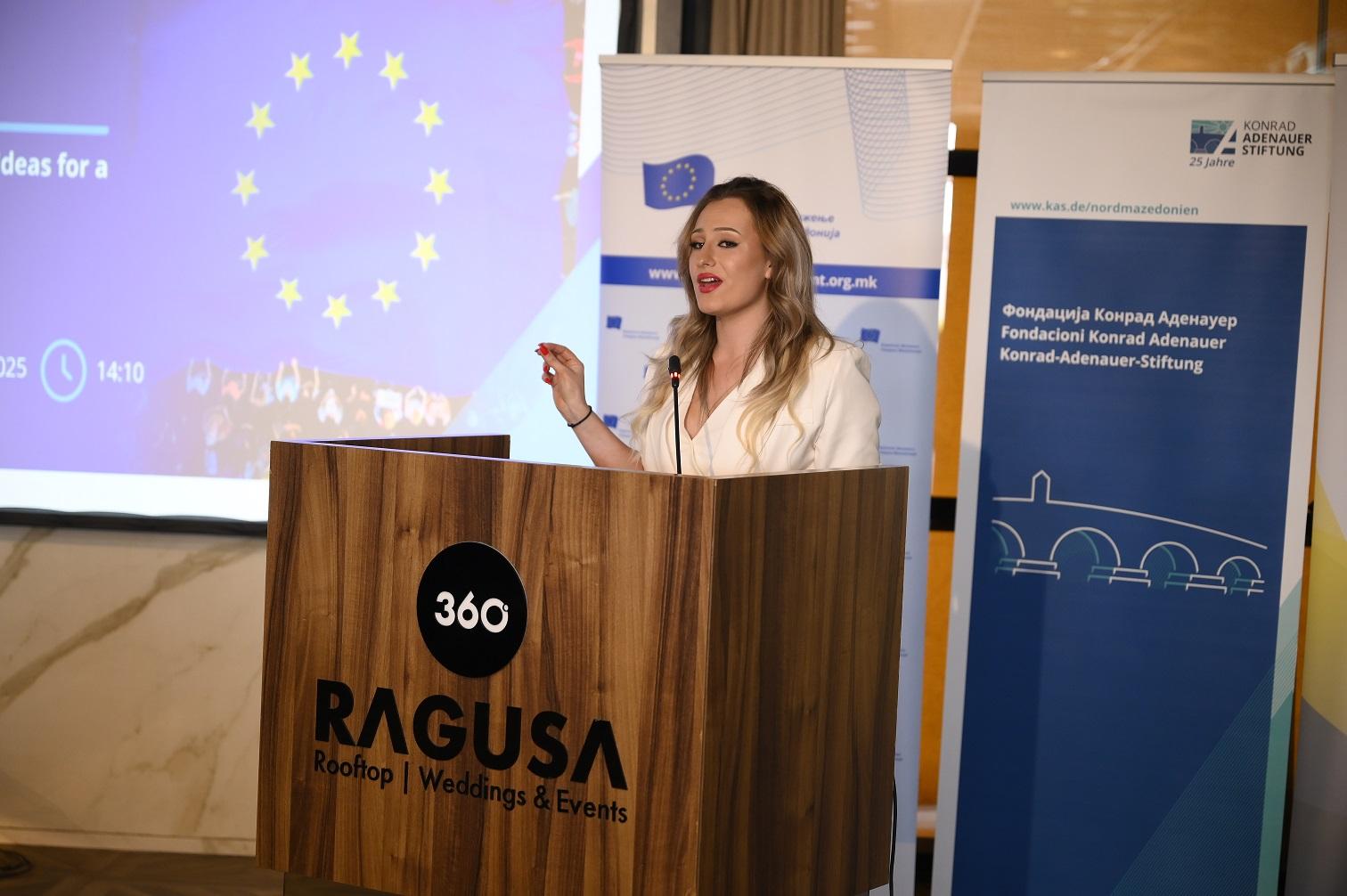
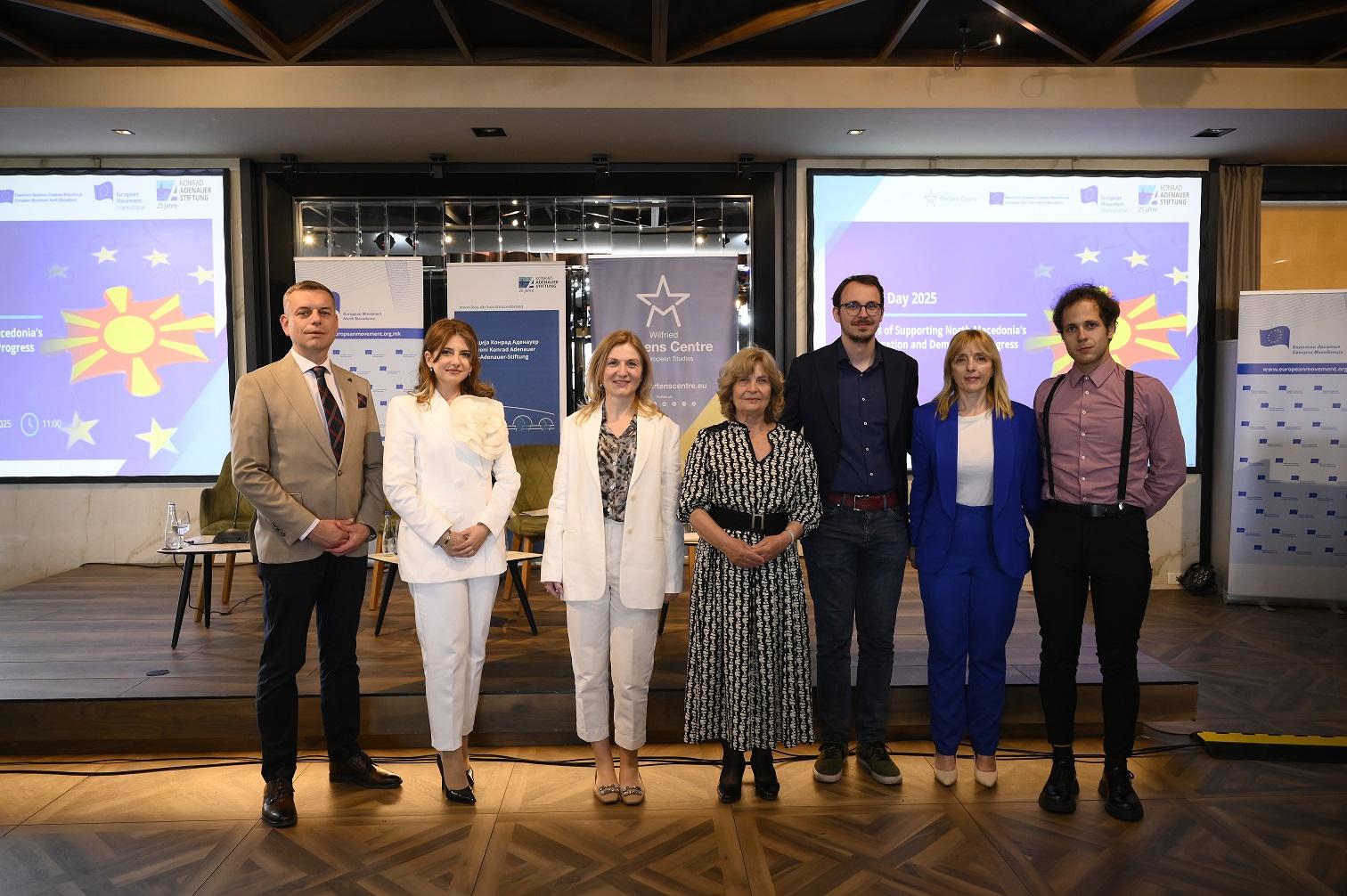
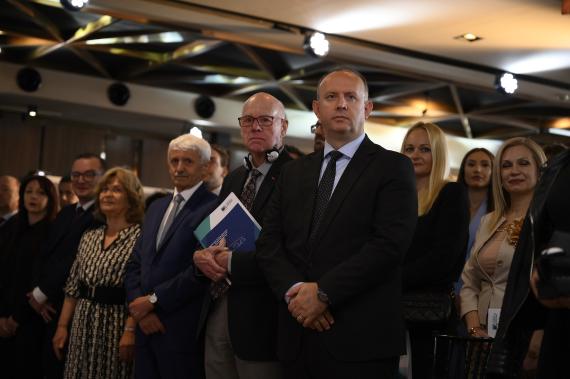



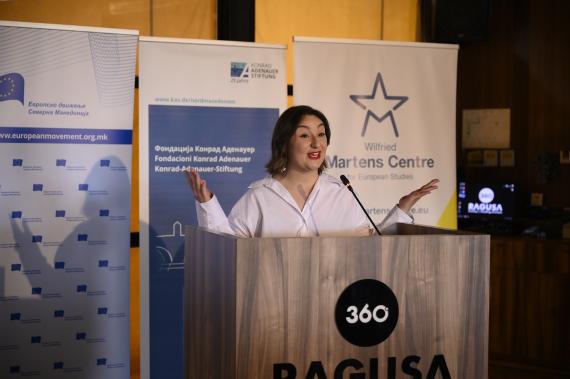
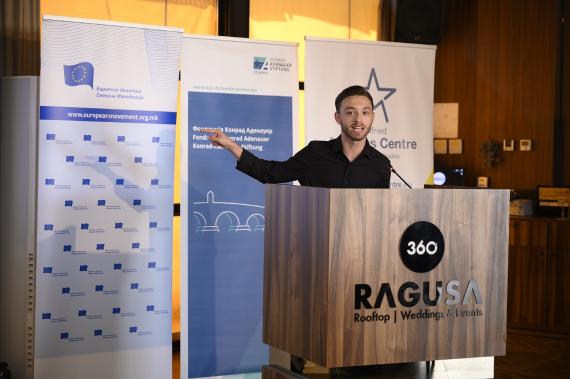
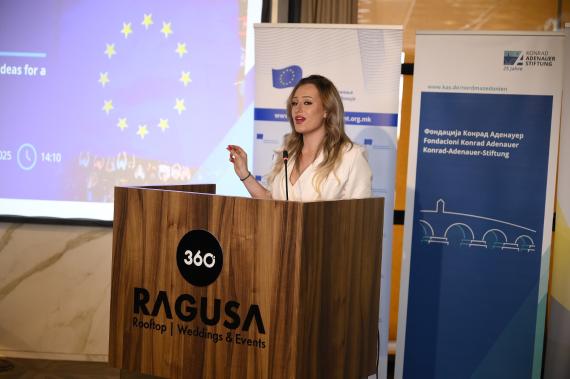
This year’s edition of Europe Day marked 25 years of support for North Macedonia’s EU integration and democratic development, bringing together high-ranking representatives from the country and abroad, members of the diplomatic corps, the academic community, students, and other key stakeholders. Held on 28 May 2025, at the Ragusa 360 Rooftop, the event coincided with the 25th anniversary of the Konrad Adenauer Foundation’s presence in North Macedonia. In cooperation with the European Movement in the Republic of North Macedonia and the Wilfried Martens Centre for European Studies, a day full of meaningful discussions was organized on the current state of the European Union, the enlargement process, and North Macedonia’s role within that context.
After the ceremoniously intonation of the anthem of North Macedonia and the European Union performed by the Children’s Choir “Piccolo”, Prof. Dr. Mileva Gjurovska, President of the European Movement officially opened the event. In her welcoming address, she reflected on North Macedonia’s journey towards EU integration, highlighting the many obstacles that have been overcome and emphasizing that the time has come to officialize this progress. Citing research by the National Convention on the European Union in the Republic of North Macedonia, showing that more than half of young people in North Macedonia lack confidence in a secure future within the EU, she stressed that rhetoric from EU officials must be backed by genuine commitment and concrete action. In that spirit, she acknowledged the Konrad Adenauer Foundation’s consistent and exemplary dedication to North Macedonia’s European path, which served as a fitting introduction to the following speech.
Daniel Braun, the official representative of the Konrad Adenauer Foundation, picked up on Gjurovska's comments and emphasized that the European goal remains the top priority of the foundation's work in the country. Referring to the foundation's role in promoting democracy and civil society through political education programs for young people, he expressed optimism that the European dream is still alive among young people and that the Konrad Adenauer Foundation will continue to work hard to make this dream a reality.
The series of welcoming addresses concluded with remarks from Katerina Jakimovska, Senior Project Officer of the Wilfried Martens Centre for European Studies. She emphasized that in today’s uncertain geopolitical climate, the values of peace, democracy, and the rule of law are more important than ever—for both the European Union and North Macedonia. Jakimovska also stressed the importance of integrating the voices of young people in shaping the future of Europe.
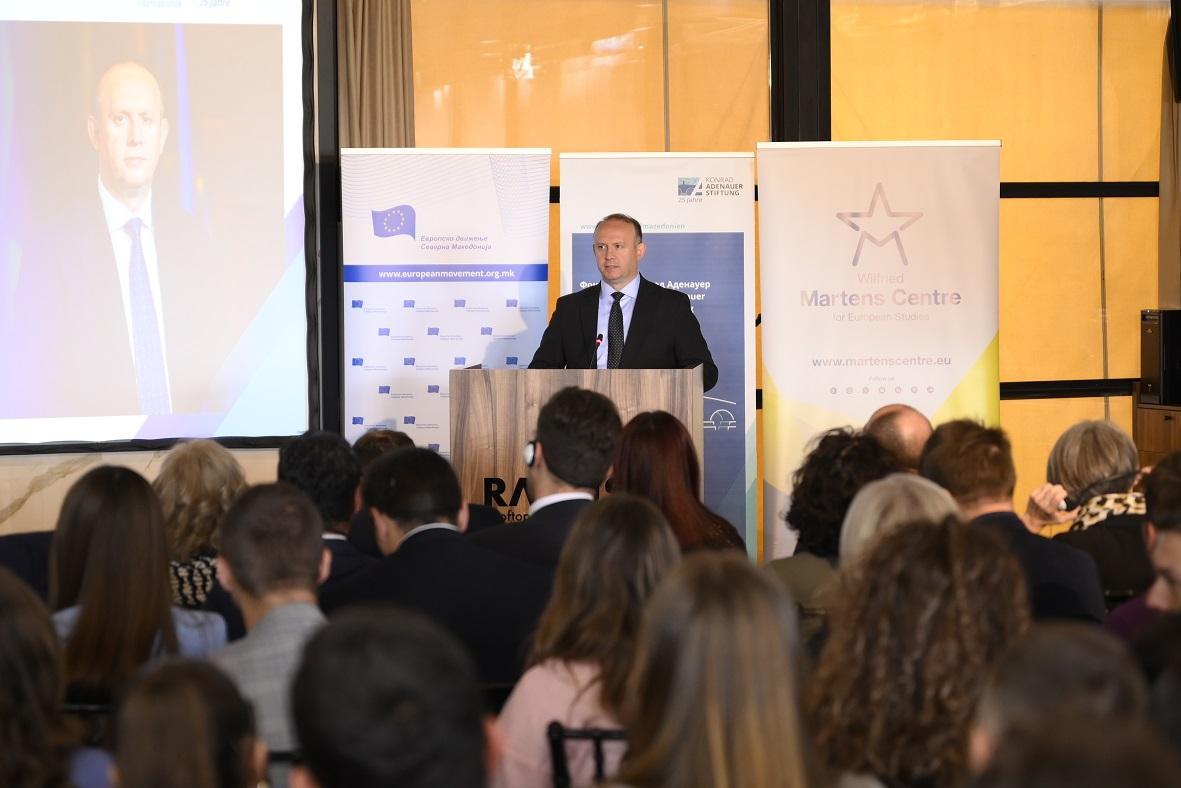
Following the opening remarks, Afrim Gashi, President of the Assembly of the Republic of North Macedonia, addressed the numerous guests and reaffirmed the country's unwavering commitment to the European path, despite ongoing constitutional challenges. With regard to the identity issues that these challenges entail, he emphasized the importance of calm and honest cooperation between partners, as the EU partnership is not only to the benefit of North Macedonia but also a geopolitical necessity. He concluded his speech with a message from the Macedonian people, who expect dignity in this process in order to maintain their continued hope of participating in the European project.
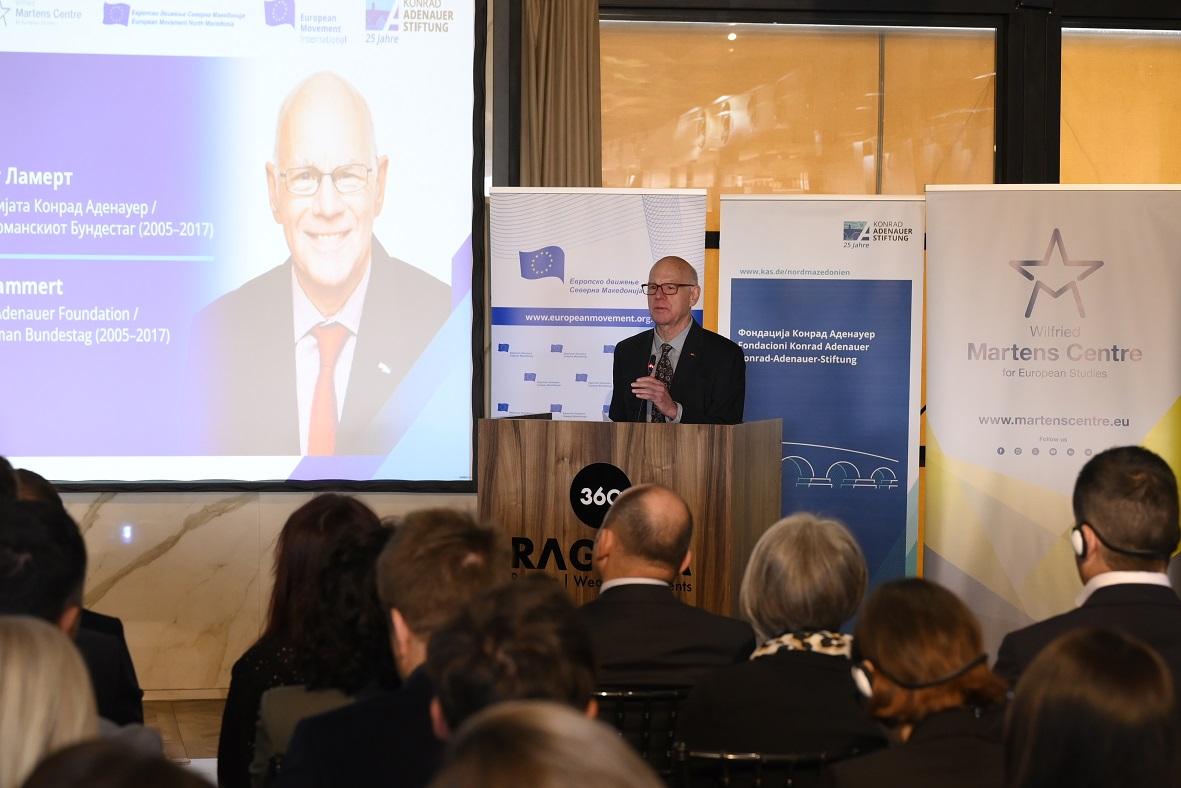
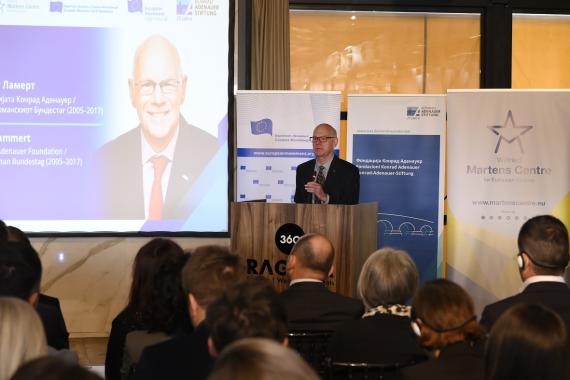
Prof. Dr. Norbert Lammert, President of the Konrad Adenauer Foundation and former President of the German Bundestag, opened his speech by citing the Brussels Declaration of December 2024: the geopolitical urgency in view of global crises, shared values, and the reaffirmed commitment to the EU future of the Western Balkans. Yet, he quickly shifted to the political reality, pointing out that despite such declarations, a “discrete stagnation” in the accession process is evident. He stressed that within the current EU framework, neither the Union is capable of enlargement nor are candidate countries fully meeting the criteria. The EU, he argued, has become a victim of its own success: its insistence on rigorous conditions, while necessary, also hampers the political momentum needed to move forward.
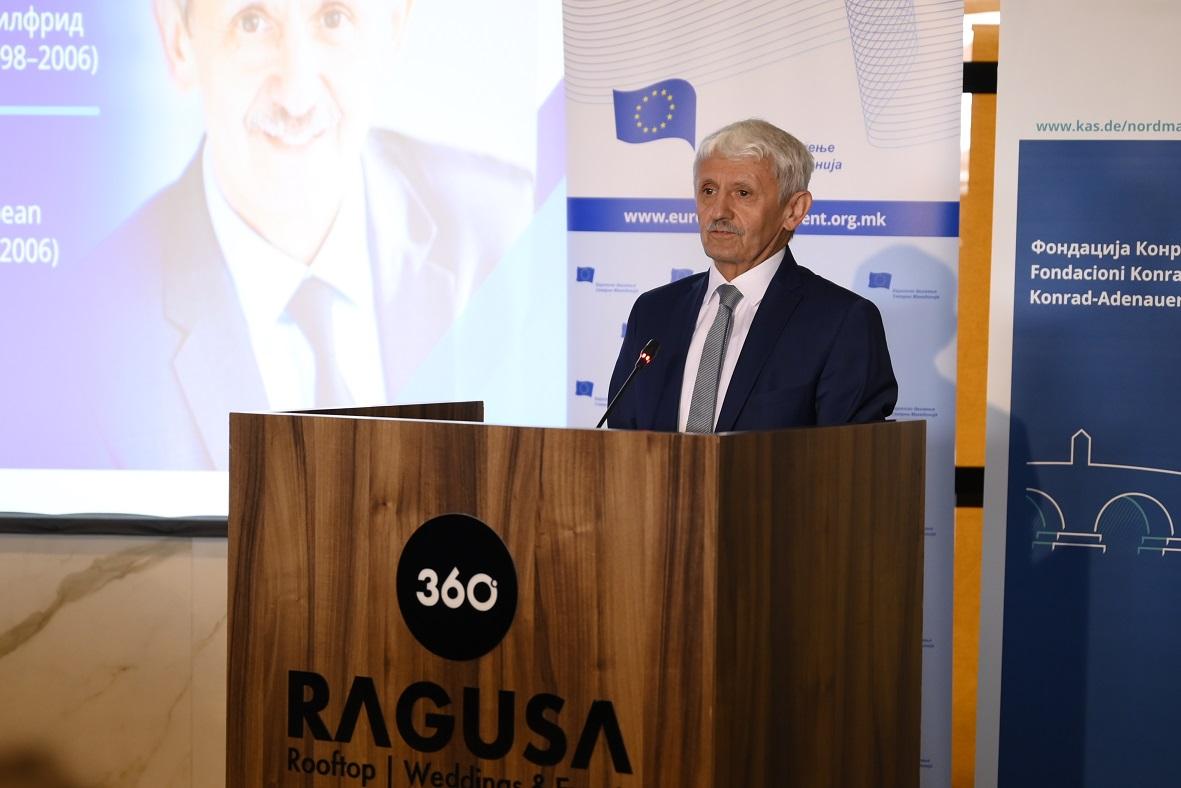
Mikuláš Dzurinda, President of the Wilfried Martens Centre for European Studies and former Prime Minister of Slovakia, rounded up the keynote speeches by mirroring the general theme of growing frustration among the Macedonian citizens. At the same time, he brought forward the example of his own country, Slovakia, to offer North Macedonia hope in its accession process. Hope for North Macedonia, hope for the EU was the overarching message of his speech, as he cited a change in momentum in the European political landscape, using the elections in Romania as an example of pushback against right-wing populism.
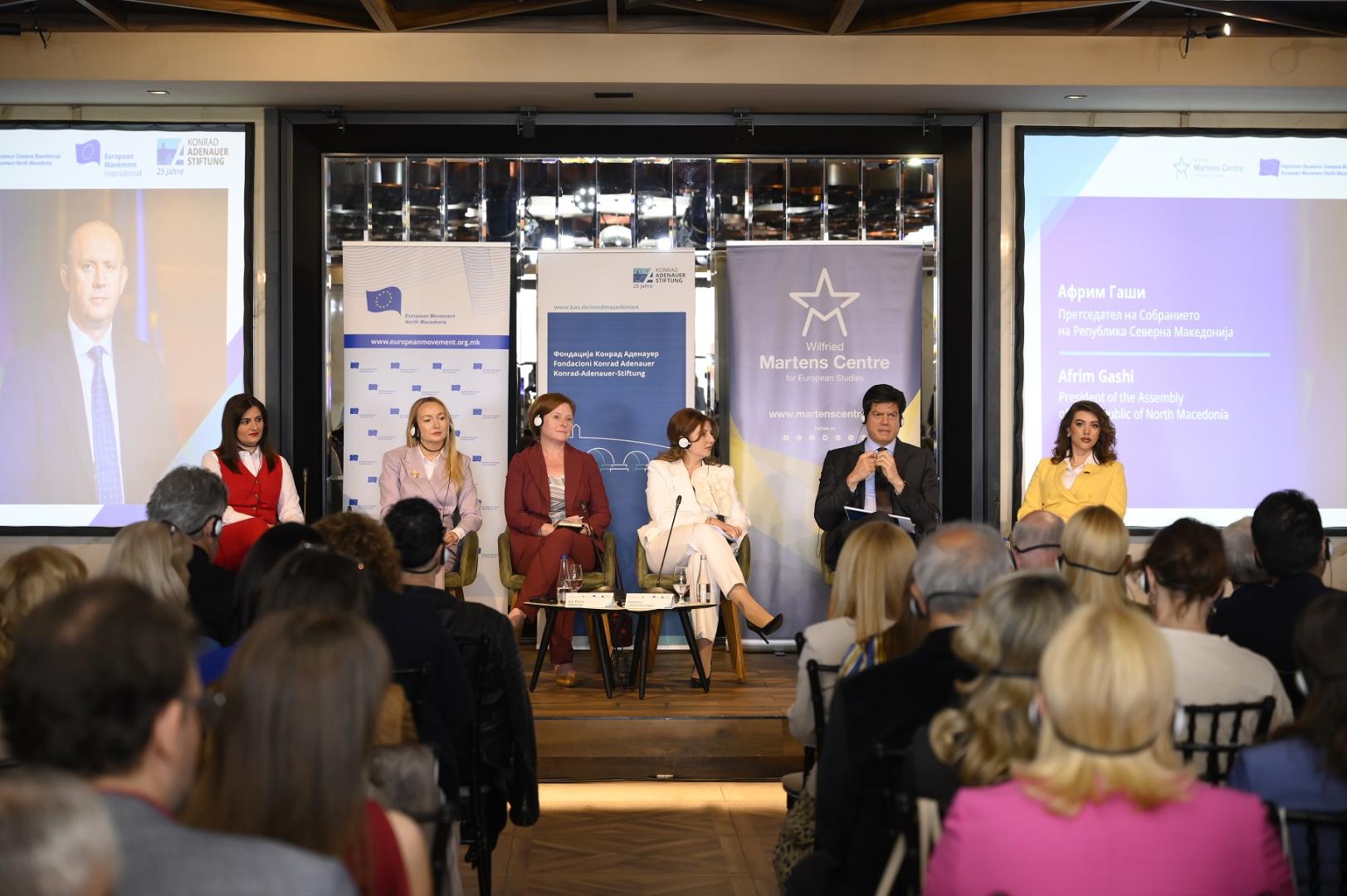
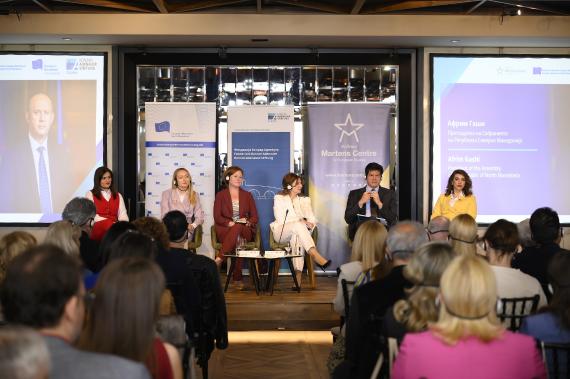
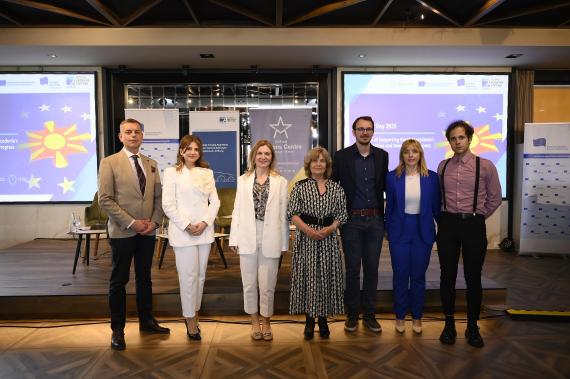
After the insightful keynote speeches, the day continued with a panel discussion on the topic “Shaping the Future – EU Integration as Path Forward for North Macedonia”, featuring high-ranking representatives who play key roles in North Macedonia’s accession process. The lively discussion focused on three main themes: the reforms necessary for EU membership, the EU’s internal challenges in its decision-making process, and the implications of the complex accession process for North Macedonia’s multiethnic society.
H.E. Petra Drexler, Ambassador of Germany to North Macedonia, emphasized the need to make greater use of qualified majority voting in the EU’s decision-making—something the new German government had made a top priority at the EU level in its coalition agreement. This, as H.E. Michalis Rokas, Ambassador of the European Union to North Macedonia, added, must be accompanied by increased flexibility and creativity in the technical aspects of the process. In addition to the country's responsibility to deliver reforms, highlighted by Marija Petrushevska, MP of the governing party VMRO-DPMNE, the importance of cross-party support was also emphasized. Monika Zajkova, MP of the Liberal Democratic Party (LDP), stressed the opposition’s readiness to help find creative solutions to North Macedonia’s constitutional challenges. At the same time, Feride Haxhiu, MP of the Coalition “Vlen”, underlined that maintaining the stability of the country's multiethnic society must remain a central focus.
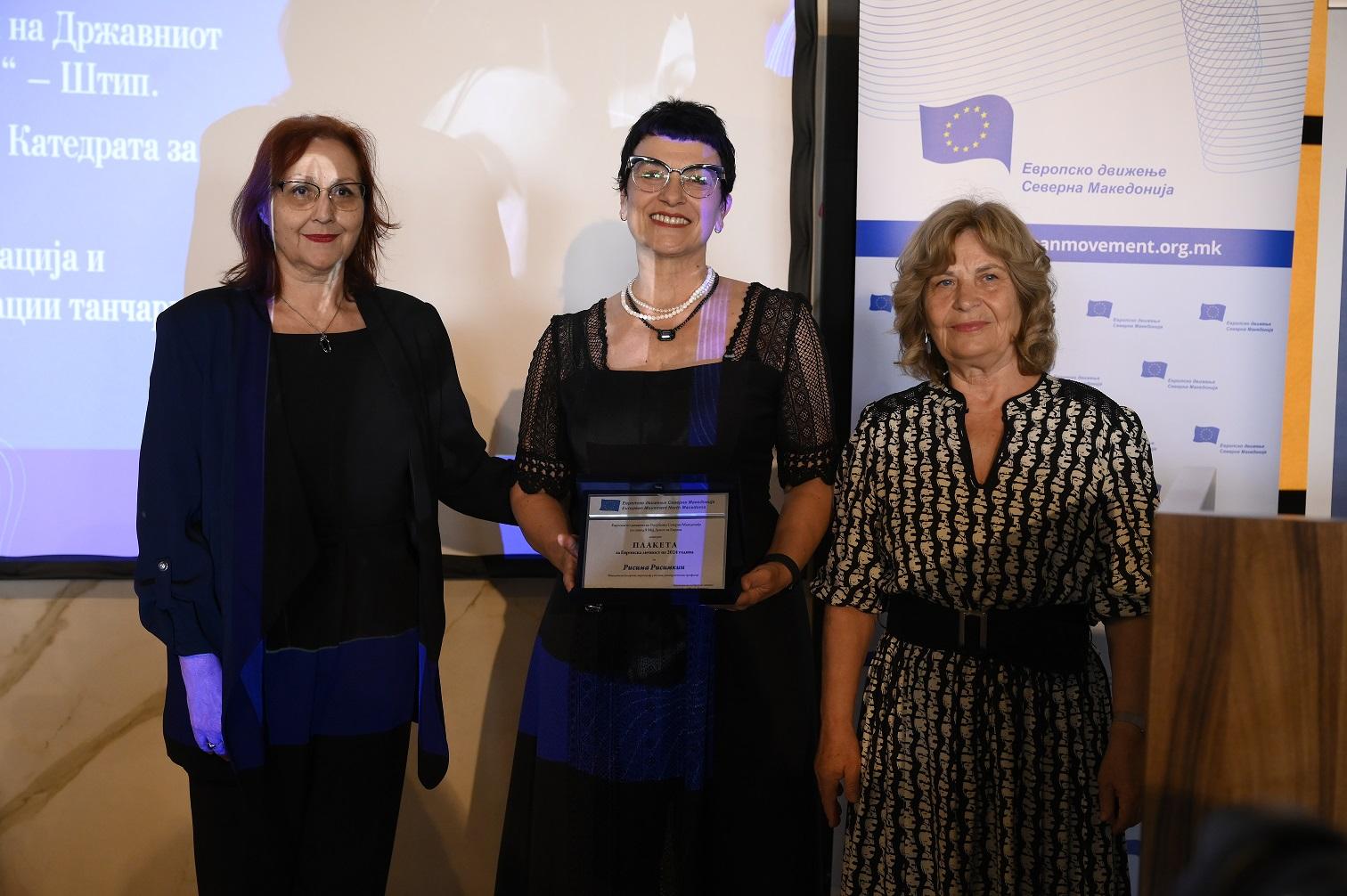
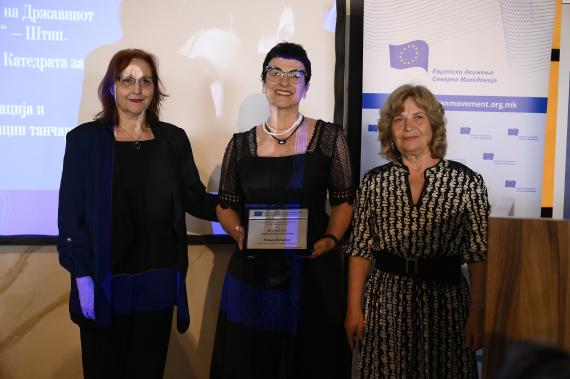
The first part of the event concluded festively with the awarding of the Plaque for European Person of the Year 2024 to Risima Risimkin, renowned Macedonian ballerina, choreographer, artist, and university professor. In her speech, she elevated the discussion to an artistic dimension, describing the challenges of the accession process as a stimulus for further growth.
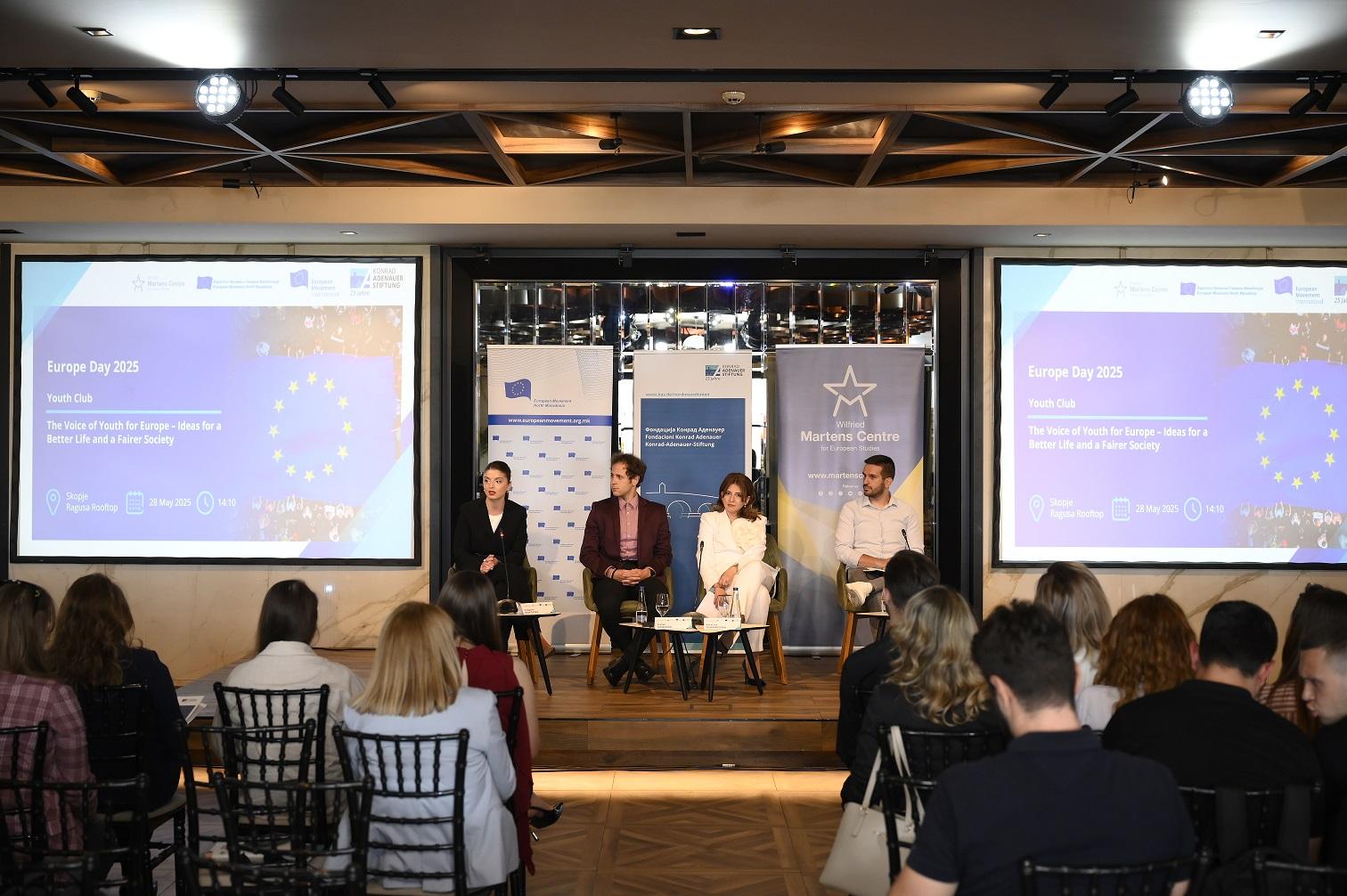
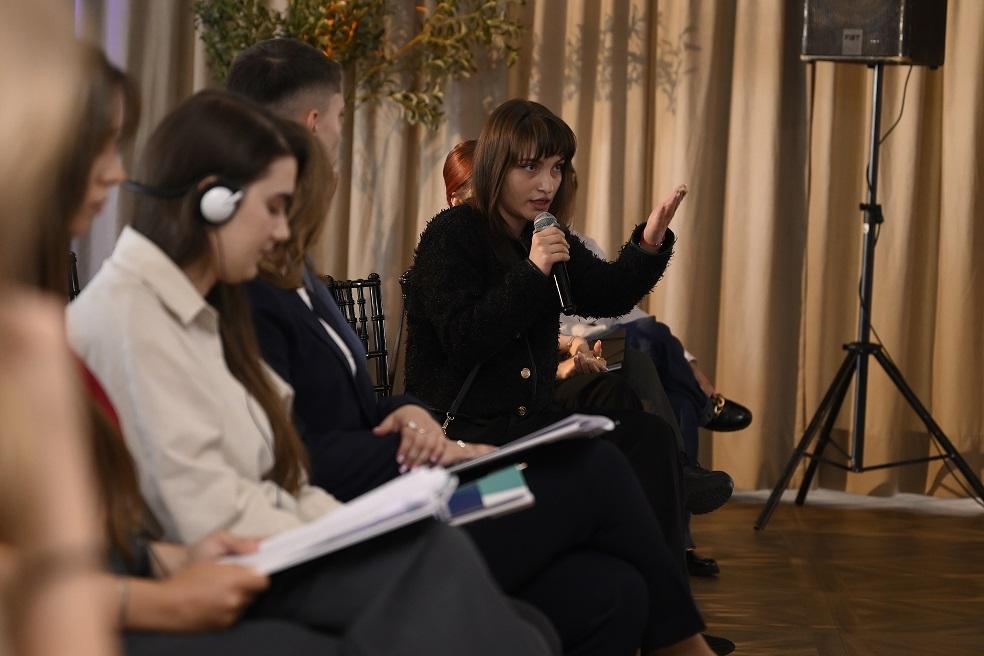
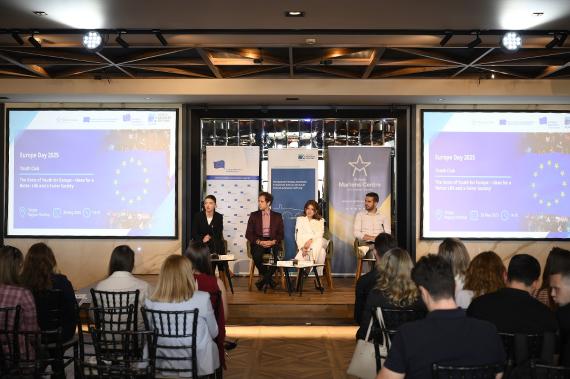
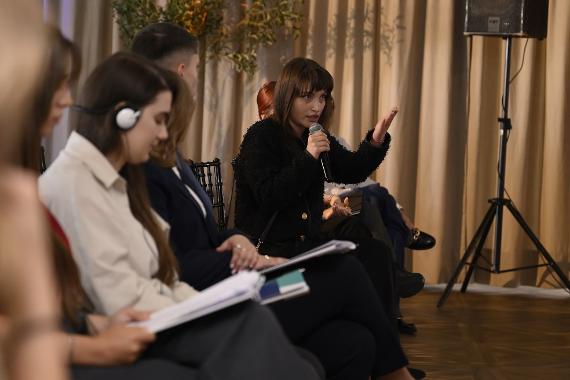
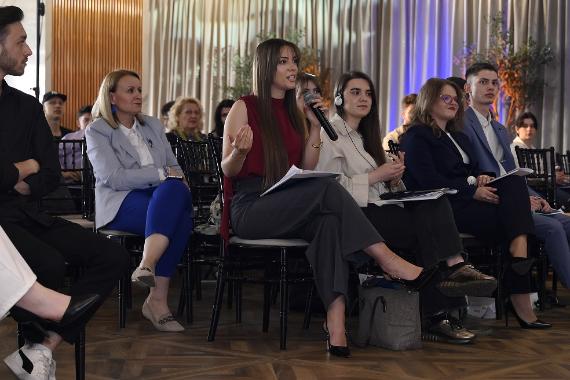
The second part of the event was designed as a youth club titled “The Voice of Youth for Europe – Ideas for a Better Life and a Fairer Society”, where topics such as young people's participation in politics beyond the areas of sport, education, and culture, growing Euroscepticism among young Macedonians, and the brain drain of highly skilled workers were discussed. These topics represent critical issues for the future of the country, not only within the EU but overall. The engaging discussion, featuring Dragana Bojkovska, Member of Parliament and Coordinator of the Parliamentary Club for Youth Affairs and Policy, alongside Filip Ivkovski, President of the National Youth Council, provided an important opportunity for exchange between stakeholders in this field and young people, who are demanding their place at the table. The discussion ended with an open invitation from Dragana Bojkovska to continue the discussion in the Assembly in order to achieve greater visibility and impact.
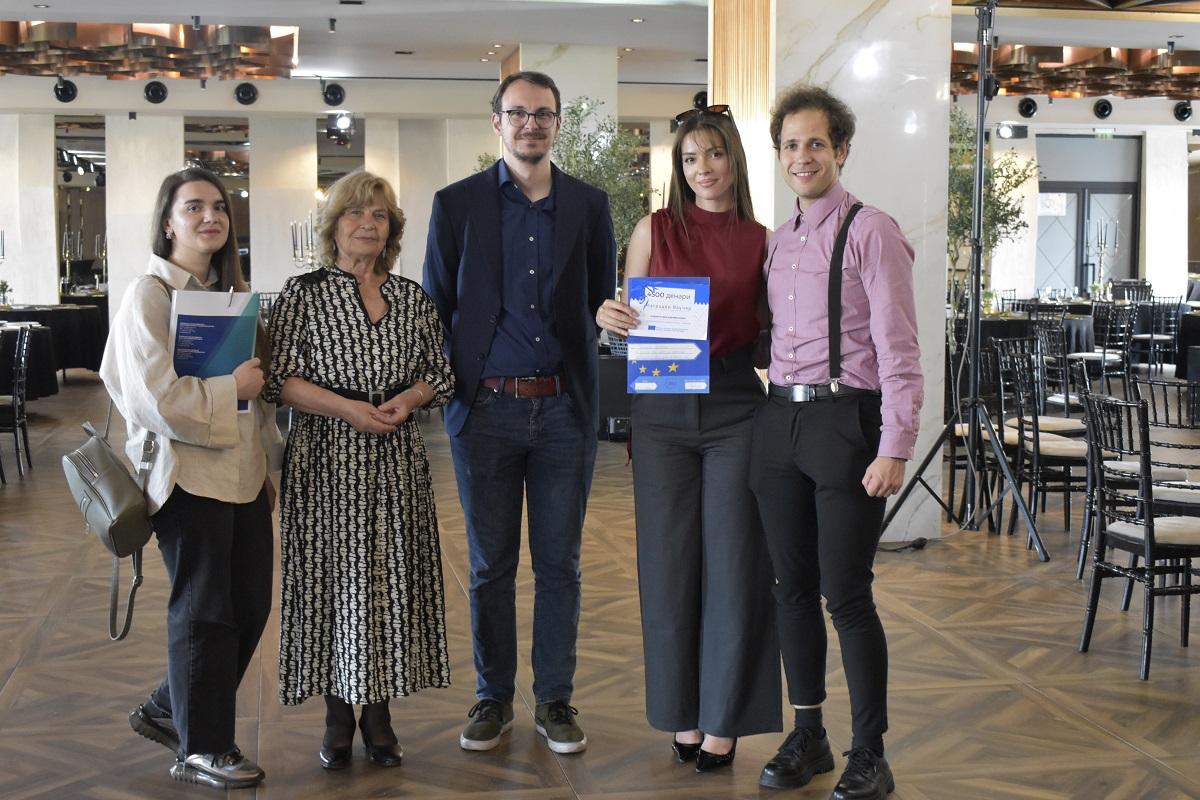
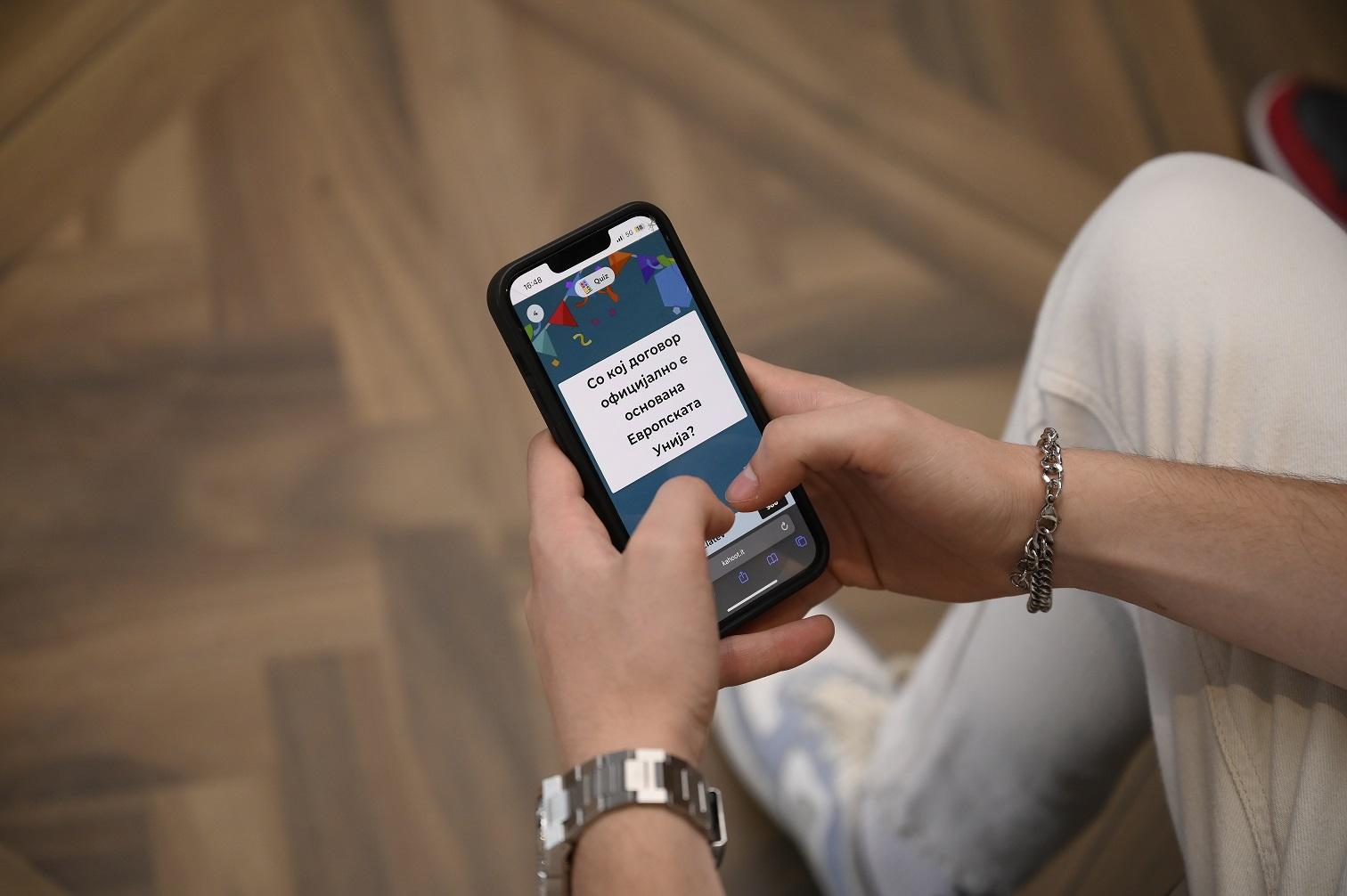
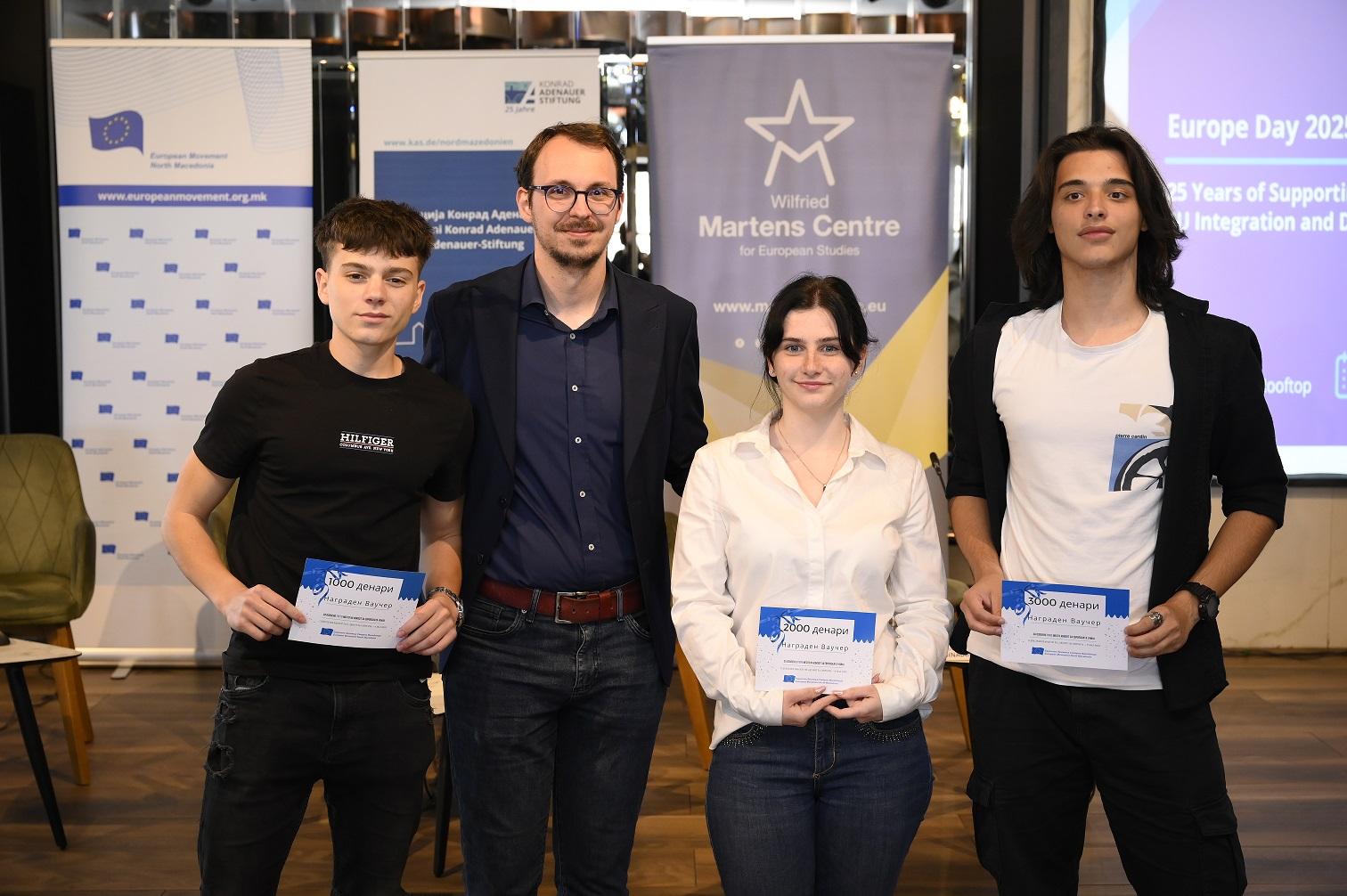
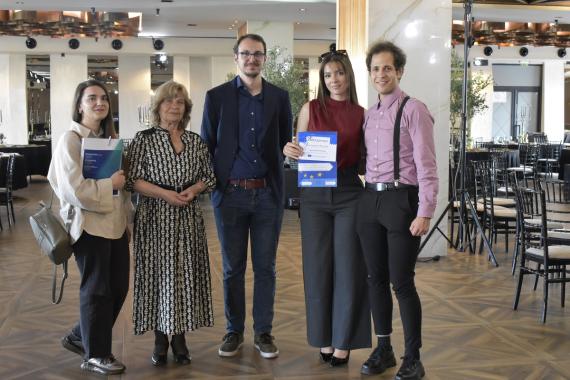
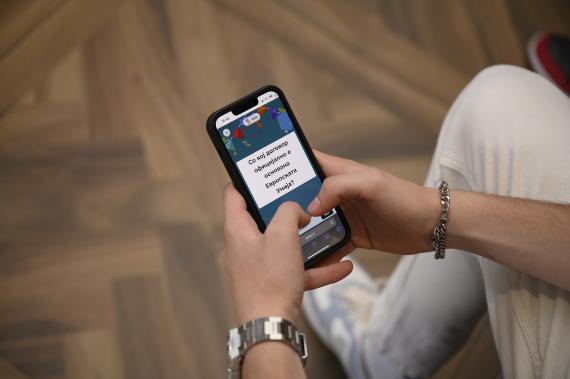
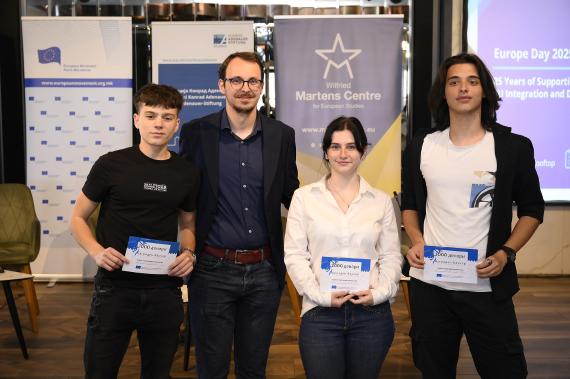
The day concluded with an Oratory Competition, featuring 14 students from five different universities who delivered powerful speeches expressing their most pressing concerns with impressive rhetorical skill. The winner of the competition was Lindita Ferati from South East Europe University – Tetovo, Sofija Bislimoski from the University of Ss. Cyril and Methodius - Skopje took second place, while Darko Trpkovski and Hristina Garabiljevikj from the University of St. Kliment Ohridski – Bitola shared third place. Following this, the final event was an EU Knowledge Quiz, where nine students from three different high schools in Skopje showcased their understanding of the European Union. The winner was Aleksej Stojanovikj from Rade Jovcevski Korcagin High School, with Evgenija Ninkovska from Georgi Dimitrov High School securing second place, and Blagoja Angelov from Nikola Karev High School finishing third.
These final activities reflected the spirit of the event: engaging, forward-looking, and rooted in the belief that Europe’s future lies in the hands of its youth.