

The Index provides a comparative analysis of innovation and competitiveness capacities in the region and offers recommendations for improving public policies aimed at fostering sustainable and smart economic growth. The key findings of the Index show that North Macedonia records significant results in the area of high-technology exports, while Skopje stands out as the main center of the innovation ecosystem in the country, especially in the field of research and development, patent activity, and access to venture capital. More information and the key findings of the Index are available at: https://crpm.org.mk/product/balkan-subnational-innovation-competitiveness-index/. However, the report also warns of a significant gap between the capital city and the other regions in the country, as well as the need for stronger regionally oriented policies that would support technological modernization, productivity, digitalization, and the retention of qualified personnel.
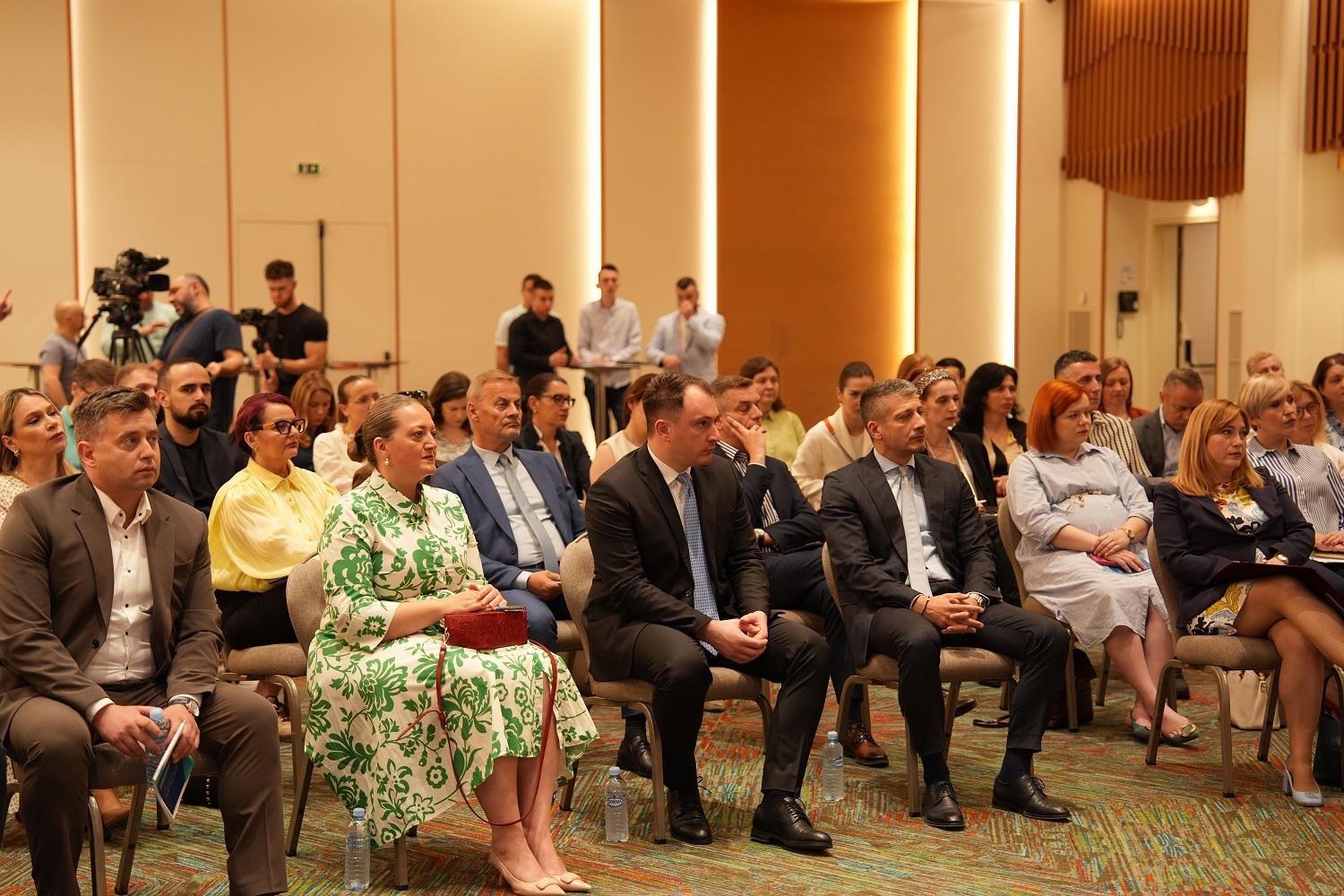
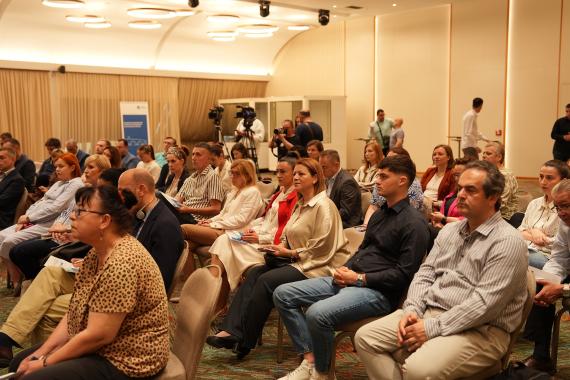
Representatives of institutions, international organizations, the business sector, academia, and civil society attended the event. The discussions focused on the role of innovation in economic growth, investments in research and development, regional competitiveness, and the opportunities arising from European policies and instruments supporting innovation.
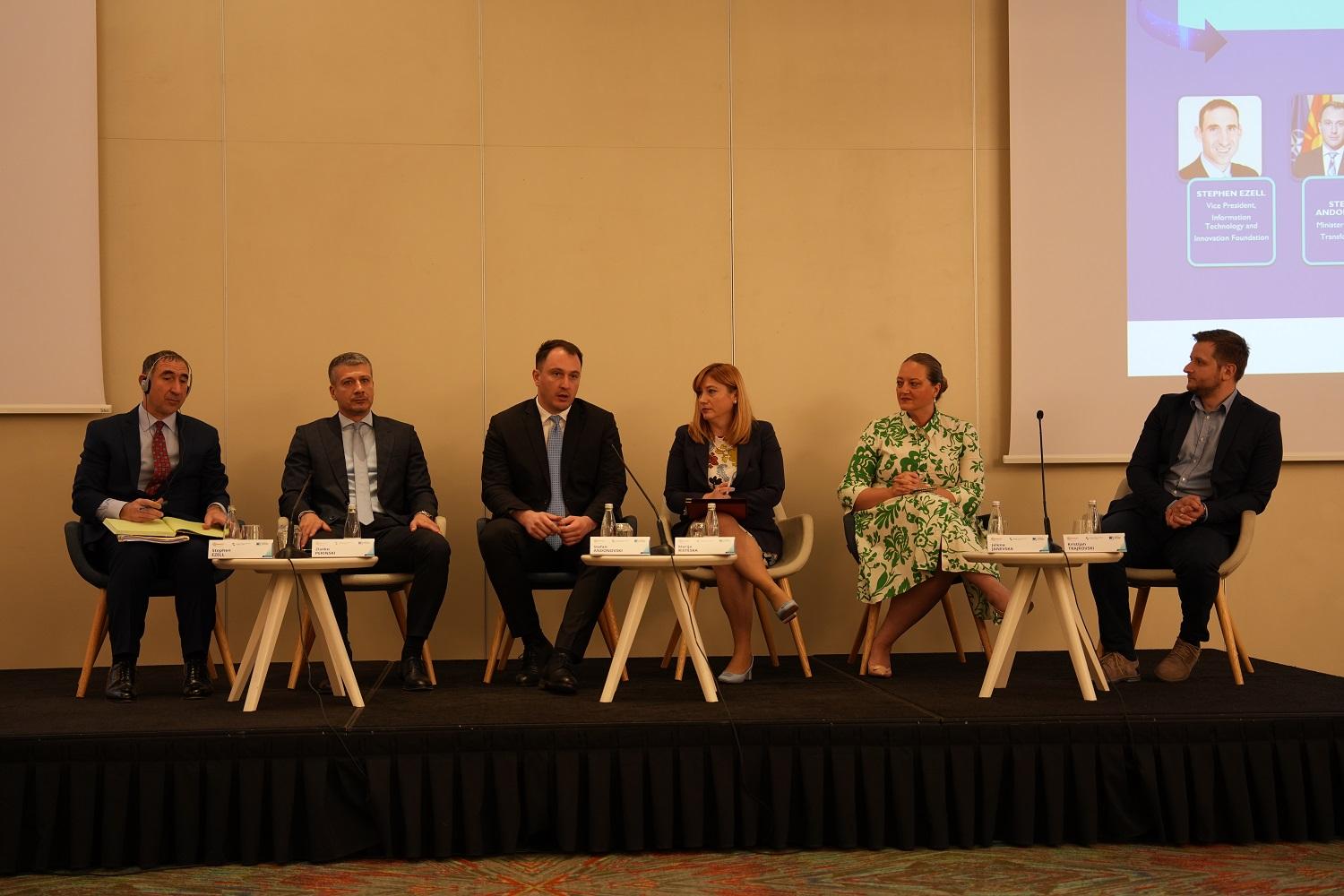
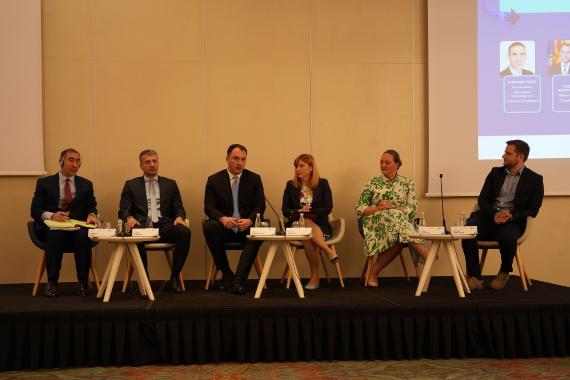
The participants were addressed by Stefan Andonovski, Minister of Digital Transformation; Zlatko Perinski, Minister of Local Self-Government; Daniel Braun, Official representative of the Konrad-Adenauer-Stiftung; Stephen Ezell, Vice President of the Information Technology and Innovation Foundation (ITIF); Jelena Janevska, Programme Director at the Network of Associations of Local Authorities of South-East Europe (NALAS); as well as representatives of the Center for Research and Policy Making.
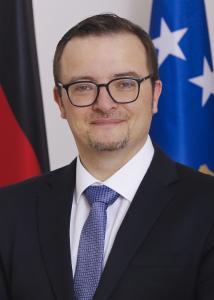
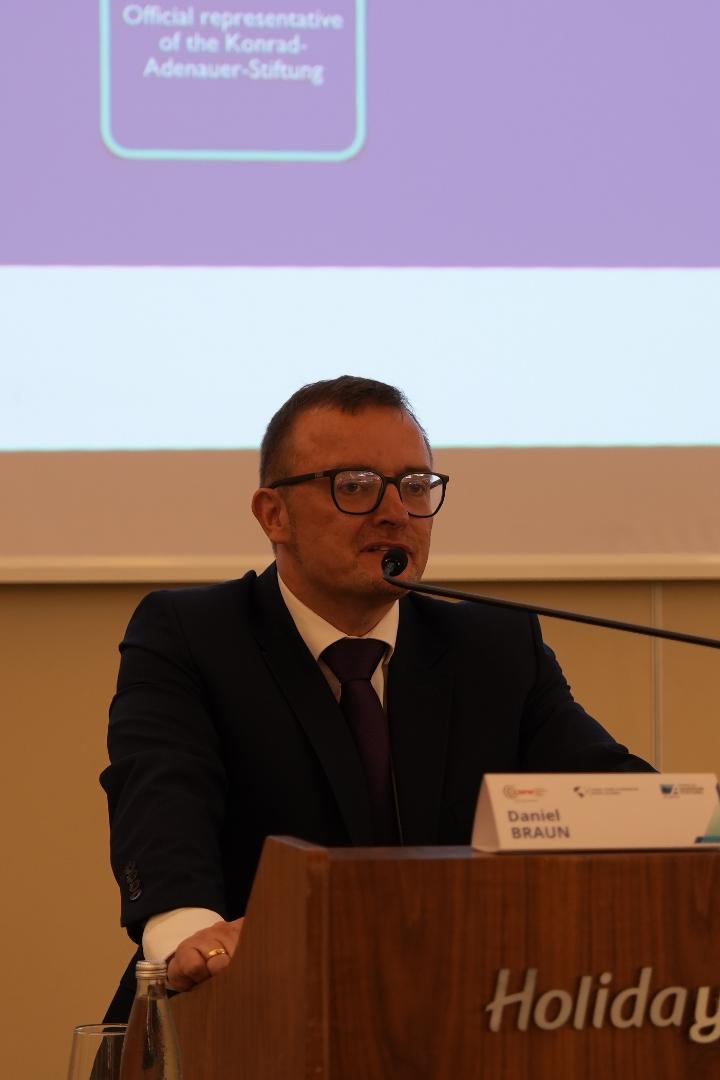
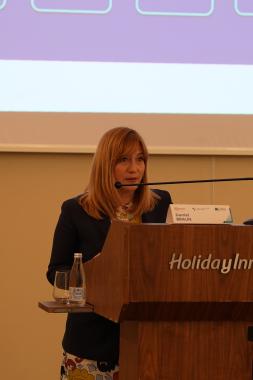
Daniel Braun, Official representative of the Konrad-Adenauer-Stiftung, emphasized that: “For the Konrad-Adenauer-Stiftung, as a political organization, organizing such a conference in cooperation with the partners CRPM and the Global Trade and Innovation Policy Alliance is of great importance. Political stability, democracy, as well as a functional rule of law, require stable and good economic framework conditions. Therefore, it is important to encourage innovation for future economic success. The presentation of the growth index today makes an important contribution in that direction.”
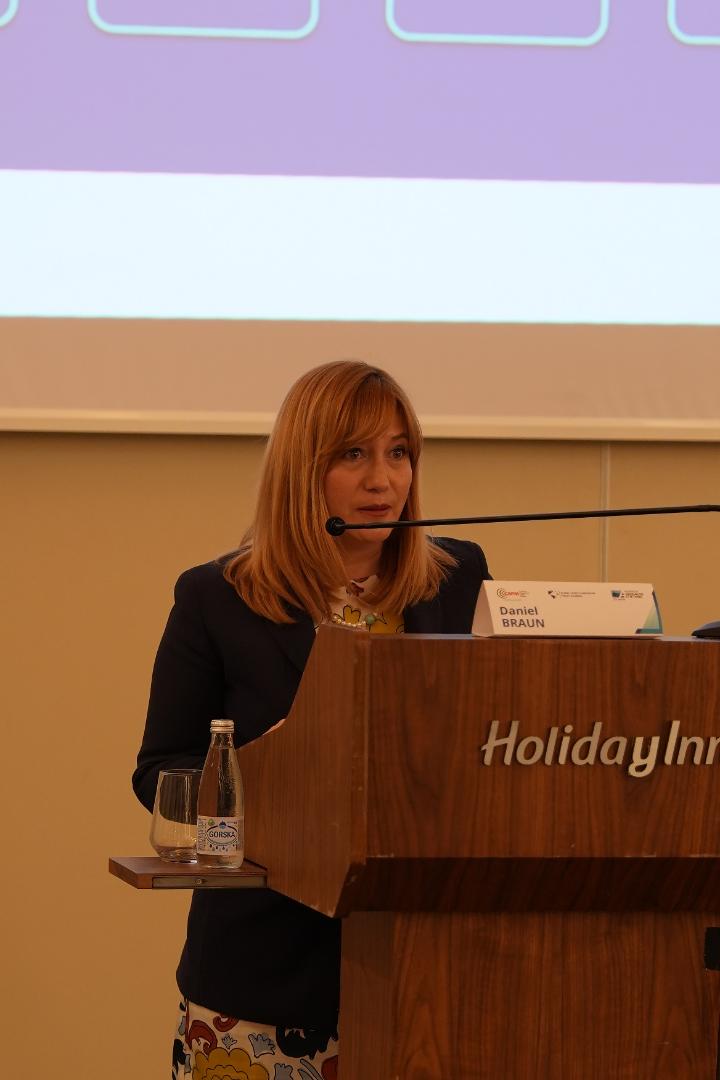
Marija Risteska, Executive Directress of the Center for Research and Policy Making, stressed that: “The findings of the Index show that innovation is not a choice – it is a prerequisite for competitiveness; competitiveness is not only a matter of central policy, but also of regional and local policy; regional disparities are real and measures must be developed to adequately respond to them, therefore local economic development should be a central concern of municipalities and should relate not only to opening new businesses and creating new jobs, but also to increasing productivity, innovation, and competitiveness.”
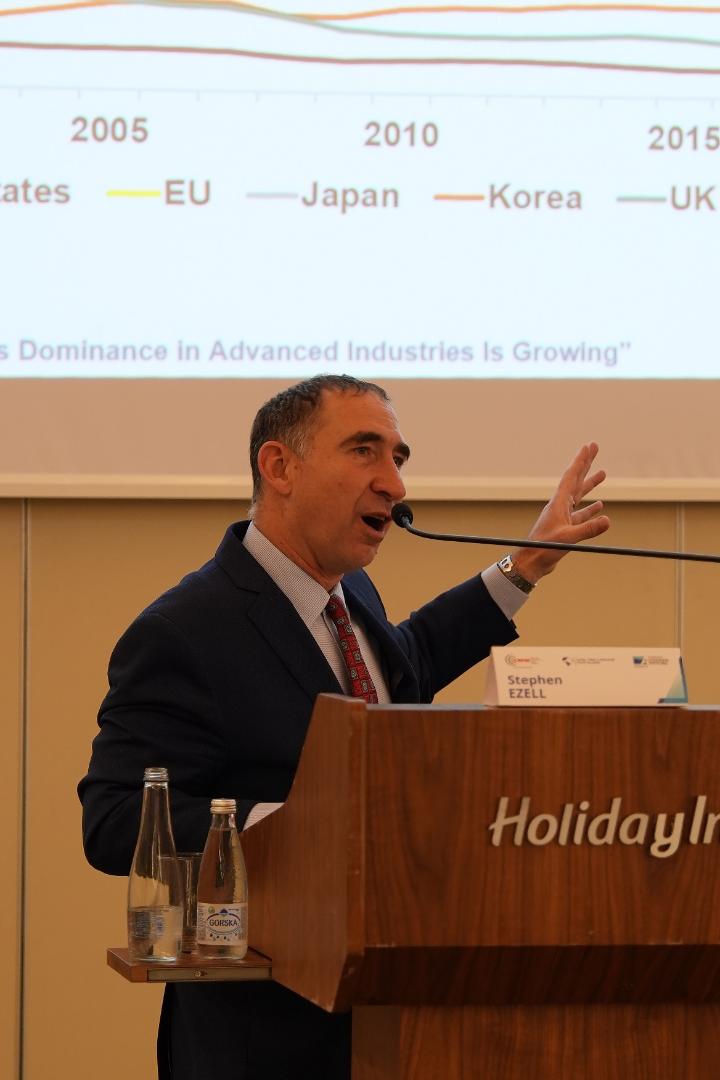
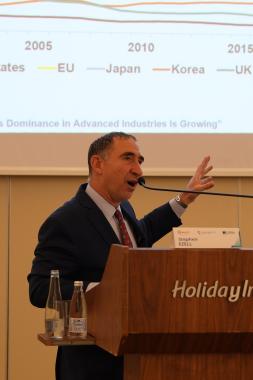
In his remarks, Stephen Ezell from the Information Technology and Innovation Foundation (ITIF) pointed out that: “Countries are engaged in an intense race to gain a global advantage in innovation, underscoring the need for policymakers to strongly focus on creating a favorable regulatory and policy environment in which innovation-oriented industries can successfully develop. North Macedonia records good results in the newly published report ‘Balkan Subnational Innovation Competitiveness Index’, which ranks the 48 regions from Albania, Bosnia and Herzegovina, North Macedonia, and Serbia based on 13 indicators of innovation capacity. Nevertheless, the research shows that North Macedonia should further strengthen its innovation economy, especially through increasing investments in research and development, improving access to venture capital, as well as enhancing productivity in the manufacturing sector and the potential for high-technology exports through the implementation of digital manufacturing and smart specialization strategies.”
Kristijan Trajkovski, Project Coordinator at the Center for Research and Policy Making, presented the Western Balkans Competitiveness and Innovation Index, referring to several relevant indicators and offering a comparative overview of the results by regions, pointing to the key reasons behind the outcomes and which policies are necessary in order to enable the region to fully utilize its potential for economic growth and development.
Jelena Janevska, Programme Director at the Network of Associations of Local Authorities of South-East Europe (NALAS), referred to the main challenges faced by local self-governments in implementing policies at local and regional level.
Minister Stefan Andonovski referred to the new legal solutions for innovation and entrepreneurship development, as well as the state’s investments in artificial intelligence and the creation of a national AI ecosystem through the development of an AI center in cooperation with the European Union, the construction of data centers, and connectivity with European digital hubs, which may influence productivity and the overall competitiveness of the Macedonian economy.
Balanced regional development was of particular importance and was highlighted by Minister Zlatko Perinski, who stressed that the quality of services and the capacity of the local administration directly influence opportunities for investment and local economic development.
The conclusion of the event was that innovation, digital transformation, and regionally oriented policies will play a key role in strengthening competitiveness and ensuring sustainable economic growth in the Western Balkans countries. At the same time, the need for further advancement of policies focused on innovation, digitalization, research and development, as well as strengthening regional cooperation and creating a more favorable environment for long-term and smart development of the region, was emphasized.